2027 Online Digital Photography Degrees That Prepare Students for Promotion and Career Mobility

Co-Founder and Chief Data Scientist
Choosing an online digital photography degree is partly an art-school decision and partly a career-mobility investment. The U.S. Bureau of Labor Statistics reported a May 2024 median wage of $42,520 for photographers, but earnings vary widely by industry, portfolio strength, and business skills.
This guide is for working adults, creative professionals, and career changers who want a flexible path into photography, content creation, visual marketing, or studio work. You'll learn how programs compare, what they cost, how accreditation works, and which options best support advancement.
Key Things You Should Know
- Online digital photography degrees are most useful when they combine technical image-making, visual storytelling, editing software, portfolio development, and business training rather than camera skills alone.
- According to May 2024 BLS wage data, photographers had a U.S. median wage of $42,520, so return on investment depends heavily on tuition, transfer credits, freelance income potential, and the career path you choose.
- Accreditation matters: choose an institutionally accredited school, verify transfer-credit policies, and review graduate portfolios before enrolling.
What are online digital photography degrees?
An online digital photography degree is a college program that teaches students how to create, edit, publish, and manage photographic work using digital tools. Programs may lead to an associate degree, bachelor's degree, or, less commonly, a graduate degree in photography, digital media, visual communication, commercial photography, or fine arts with a photography concentration.
These degrees are different from short photography workshops because they usually include general education courses, critiques, portfolio reviews, art and design history, editing software, lighting, visual communication, and professional practice.
A strong photography degree online can also help students build a body of work that can be shown to employers, clients, galleries, agencies, or admissions committees for advanced study.
The best fit depends on your starting point and goal. A beginner may need a structured associate program that covers exposure, composition, lighting, and editing from the ground up. A working creative may benefit more from a bachelor's completion program that accepts transfer credits and focuses on portfolio refinement, branding, and advanced visual projects.
The table below compares common degree levels so you can match the credential to your career goal instead of choosing only by program length:
| Degree level | Typical focus | Best fit | Important limitation |
| Associate degree | Camera operation, lighting, editing, design basics, and introductory portfolio work | Beginners, career changers, and students seeking a lower-cost entry point | May not be enough for roles that prefer a bachelor's degree or advanced portfolio specialization |
| Bachelor's degree | Advanced photography, visual storytelling, digital imaging, art direction, business, and portfolio development | Students seeking promotion, creative leadership, freelance growth, or transfer into media and marketing roles | Costs more and takes longer, so ROI depends on career strategy and tuition control |
| Certificate or nondegree program | Targeted technical skills such as Lightroom, Photoshop, lighting, or portrait photography | Professionals who need a fast skill upgrade without a full degree | Usually carries less academic weight than a degree and may not transfer into a later program |
| Master's degree or MFA pathway | Conceptual practice, research, advanced critique, teaching preparation, and exhibition work | Experienced photographers aiming for teaching, fine art, curatorial, or advanced creative direction roles | Often requires a mature portfolio and may not be necessary for commercial photography work |
An online format can work especially well for photography because much of the work happens independently: shooting assignments, editing, building contact sheets, writing artist statements, and participating in critiques. However, students should be realistic about equipment needs, self-discipline, and whether they have access to locations, subjects, and lighting setups for assignments.
Are online digital photography degrees accredited?
Yes, many online digital photography degrees are accredited, but the key is knowing which type of accreditation to check. In the United States, institutional accreditation is the baseline indicator that a college or university meets recognized standards for academic quality, financial stability, student services, and degree integrity. It also affects federal financial aid eligibility and transfer-credit acceptance.
Some art and design programs may also hold specialized accreditation or maintain industry-recognized standards, but specialized accreditation is not as universally required for photography as it is in fields such as nursing, counseling, or teacher education.
For photography students, the practical question is not only "Is the school accredited?" but also "Will employers, graduate schools, and transfer institutions recognize this credential?"
Before applying, use this short verification process to reduce risk and avoid programs that look polished online but may not support your long-term goals.
- Confirm that the institution is accredited by an accreditor recognized by the U.S. Department of Education or the Council for Higher Education Accreditation.
- Ask whether the exact online program appears on the school's official program list and whether the diploma or transcript differs from the campus version.
- Review transfer-credit rules in writing, especially if you may move from an associate degree to a bachelor's degree later.
- Check whether students receive structured critiques, faculty feedback, portfolio reviews, and career services rather than only prerecorded lessons.
- Look for recent student work, exhibitions, alumni outcomes, and faculty portfolios to judge creative quality.
A common mistake is assuming that "online" means less legitimate. Format alone does not determine quality. A well-designed online program at an accredited institution can be academically sound, while a poorly supported campus program may offer limited portfolio development. Accreditation should be your first filter, but program quality, faculty access, and portfolio outcomes should guide the final decision.
How do online and campus photography programs compare?
Online and campus photography programs can lead to similar academic credentials, but the learning experience differs. The right choice depends on your schedule, budget, need for studio access, learning style, and career goal. Students who already work in design, marketing, journalism, events, real estate, or social media often value online flexibility because they can complete assignments around paid work and build a portfolio from real projects.
The table below summarizes the main trade-offs so you can decide whether online flexibility outweighs campus access for your situation:
| Factor | Online digital photography degree | Campus photography degree | Best choice when |
| Schedule | Often asynchronous or hybrid, with flexible assignment windows | Fixed class meetings, studio sessions, and critique times | Online fits working adults; campus fits students who want a structured weekly routine |
| Studio access | May require students to use personal equipment, rented space, or local locations | Often includes campus studios, lighting labs, darkrooms, and equipment checkout | Campus is stronger if you need extensive facilities and hands-on lab supervision |
| Critique format | Digital submissions, video critiques, peer boards, and faculty annotations | Live critique sessions, gallery-style reviews, and immediate discussion | Online works if feedback is frequent and detailed; campus may suit students who learn best in person |
| Networking | Online communities, virtual exhibitions, remote internships, and local client projects | Campus events, visiting artists, local galleries, and face-to-face faculty relationships | Campus may help local networking; online can support broader geographic flexibility |
| Cost control | May reduce commuting and relocation costs, though equipment costs remain | May include facility access but can require housing, commuting, and campus fees | Online can be more practical for students who already have equipment and cannot relocate |
Technology is also changing the comparison. AI-assisted editing, generative image tools, automated culling, metadata workflows, and cloud-based collaboration are becoming part of commercial visual work. A strong online program should not ignore these tools; it should teach students how to use them ethically, protect client trust, and maintain a distinctive visual style.
If you are comparing creative degrees across fields, the same format questions apply to other design-heavy programs, including architecture programs online, where students also weigh flexibility against studio culture and hands-on feedback.
Online study makes the most sense if you are disciplined, have access to a camera and editing software, and can create shooting opportunities in your community. Campus study may be better if you need in-person studio access, want a residential art-school experience, or learn best through live critique and peer interaction.
What courses are included in a digital photography degree?
Online digital photography degree courses usually blend creative practice, technical skills, visual theory, and professional preparation. The strongest programs do not treat photography as a single skill; they train students to plan shoots, control light, edit consistently, communicate a concept, manage files, respond to critique, and present work professionally.
Course names vary by school, but most complete programs include several recurring areas. The categories below show what you should expect and why each area matters for employability and advancement:
- Camera and exposure fundamentals: aperture, shutter speed, ISO, lenses, focus, depth of field, and image capture decisions.
- Lighting: natural light, studio lighting, flash, modifiers, color temperature, product setups, portraits, and location lighting.
- Digital editing and workflow: RAW processing, color correction, retouching, file management, printing, exporting, and backup systems.
- Composition and visual storytelling: framing, sequence, narrative, mood, perspective, visual hierarchy, and audience interpretation.
- History of photography and visual culture: major movements, documentary traditions, commercial influence, ethics, representation, and contemporary practice.
- Commercial and editorial photography: client briefs, brand standards, product images, event coverage, publication needs, and assignment planning.
- Portfolio development: project selection, critique, sequencing, artist statements, web presentation, and career-specific portfolio targeting.
- Business practices: pricing, contracts, copyright, licensing, client communication, marketing, taxes, and freelance operations.
For career mobility, pay special attention to business and portfolio courses. Many photographers are self-employed or work project-to-project, so technical talent alone may not translate into steady income. Courses that teach licensing, client proposals, usage rights, and brand positioning can help students move from hobbyist work to paid professional assignments.
Students who want promotion within a company should look for courses connected to content strategy, digital asset management, marketing analytics, social media production, and cross-functional collaboration. These topics can make the degree more valuable for roles in communications, e-commerce, media production, and brand creative teams.
What admissions requirements do online photography programs require?
Admissions requirements for online photography programs depend on the degree level and selectivity of the school. Open-admission or transfer-friendly colleges may ask for basic academic documents, while competitive art schools may require a portfolio, artist statement, or interview. Bachelor's completion programs often focus heavily on transfer credits and prior college performance.
If you need a flexible start date because you are balancing work, family, or military responsibilities, compare standard term-based programs with online colleges that start immediately. Faster starts can be useful, but they should not replace careful checks on accreditation, tuition, course availability, and support services.
Most applicants should be prepared for the following requirements. Not every school asks for all of them, but these are common enough to review before you build your application timeline.
- High school diploma, GED, or previous college transcript, depending on the degree level.
- College transcripts for transfer applicants and students seeking credit for prior coursework.
- Application form and fee, although some schools waive fees during certain periods.
- Personal statement explaining creative goals, academic readiness, or professional plans.
- Portfolio of photographs or visual work, especially for selective bachelor's, BFA, or MFA programs.
- Minimum GPA requirement, which may vary by institution and program level.
- English placement, writing sample, or general education placement requirements for some undergraduate programs.
- Technology readiness, including access to a digital camera, computer, reliable internet, and editing software.
Portfolio requirements can intimidate beginners, but not every program expects professional-level work at admission. Some schools use the portfolio to understand your visual interests and readiness for critique. If the program is designed for beginners, admissions staff may care more about motivation, composition, and willingness to learn than advanced technical polish.
A red flag is any school that pressures you to enroll before explaining equipment requirements, transfer-credit limits, total cost, or portfolio expectations. Ask for admissions and degree-planning details in writing, especially if you are relying on transfer credits or employer tuition benefits.
How long does an online digital photography degree take?
The time needed to finish an online digital photography degree depends on the credential, course load, transfer credits, and whether the program uses traditional semesters, accelerated terms, or competency-based pacing. A full-time student can often finish an associate degree in about two years and a bachelor's degree in about four years, while part-time students may need longer.
The table below outlines common completion timelines. Use it as a planning guide, not a guarantee, because actual completion depends on course sequencing, credit acceptance, and how many classes you can manage at once.
| Path | Typical credit range | Common completion timeline | Who it works best for |
| Certificate | Varies by school | A few months to one year | Students seeking a targeted skill upgrade in editing, lighting, or portfolio work |
| Associate degree | About 60 credits | About two years full-time | Beginners who want a structured, lower-cost entry into photography or digital media |
| Bachelor's degree | About 120 credits | About four years full-time | Students seeking broader career mobility, promotion potential, or a stronger academic credential |
| Bachelor's completion program | Varies after transfer review | Often shorter than a full bachelor's path | Students with prior college credit, an associate degree, or military and professional learning credits |
Acceleration can be useful, but it has trade-offs. Photography courses require shooting, editing, critique, revision, and portfolio development. Compressing too many studio-style courses into a short term can reduce the time available to produce strong work. If your goal is promotion or freelance growth, a slower pace that produces a better portfolio may be more valuable than finishing as quickly as possible.
Part-time study often works well for adults already employed in creative-adjacent roles. For example, a marketing assistant, social media coordinator, real estate professional, or event worker may be able to use current job duties to build relevant assignments. The key is confirming whether your program permits professional projects to count toward coursework or portfolio development.
How much do online digital photography degrees cost?
Costs for online digital photography degrees vary widely by school type, residency status, credit requirements, technology fees, and equipment needs. Tuition is only one part of the total cost. Students should also budget for a camera body, lenses, lighting tools, storage drives, calibration equipment, editing software, printing, portfolio hosting, and possible studio or location expenses.
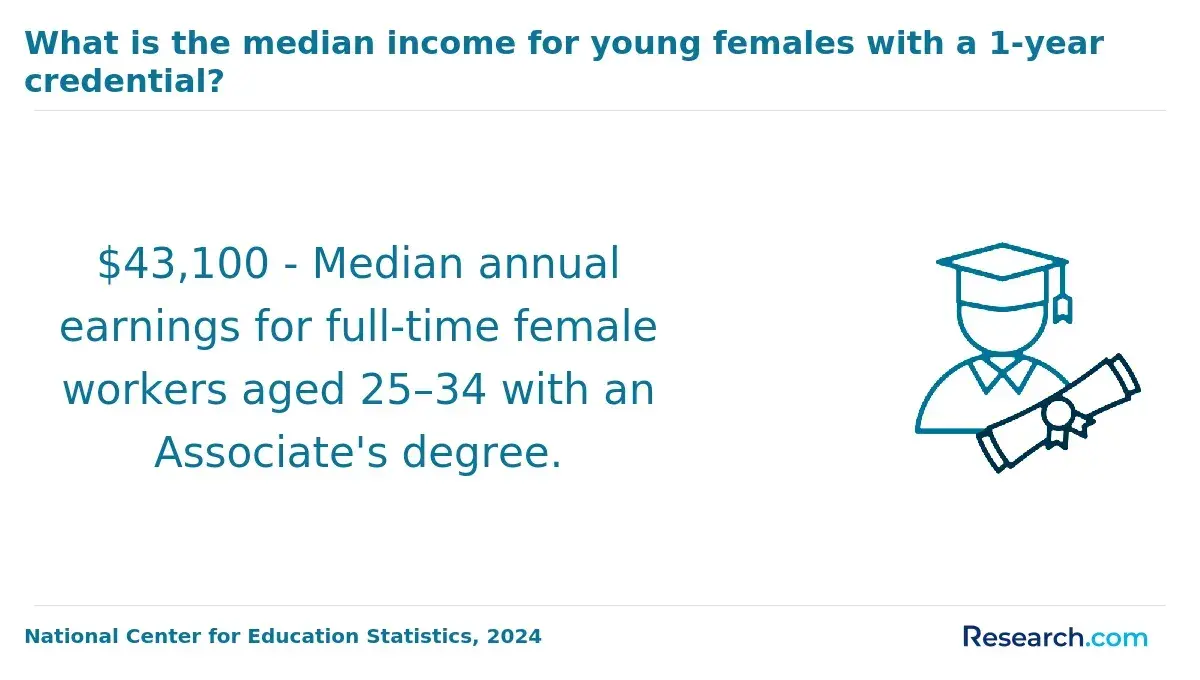
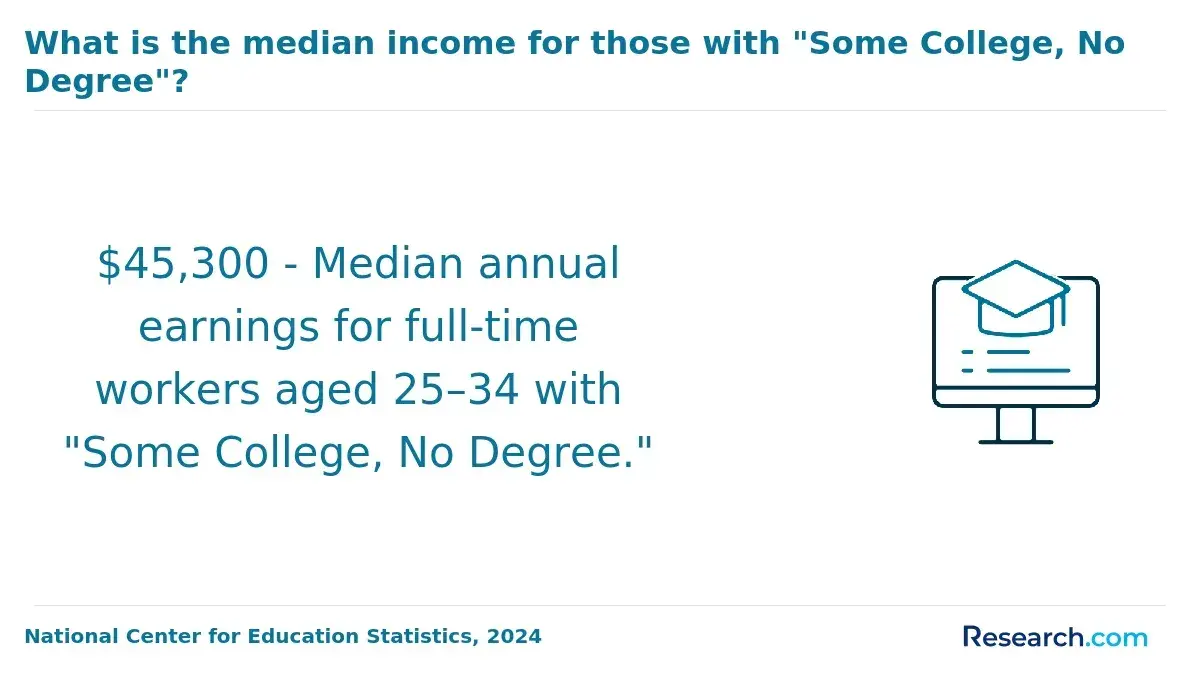
National education-cost data gives useful context. The College Board's 2024 Trends in College Pricing and Student Aid report shows that published tuition and fees remain much lower at public two-year colleges than at four-year institutions, which is why many cost-conscious students start with an associate degree or transfer pathway.
For photography students, that strategy can reduce risk if credits transfer cleanly and the first program includes enough portfolio development.
When comparing programs, list both tuition and non-tuition expenses. The common cost categories below are the ones most likely to affect your real budget:
- Tuition per credit or per term.
- Online learning, technology, lab, or course fees.
- Camera body, lenses, memory cards, batteries, tripods, lighting, and backdrops.
- Computer, color-accurate monitor, external storage, backup services, and editing software.
- Printing, mounting, shipping, exhibition, or portfolio website costs.
- Textbooks, subscriptions, stock assets, and digital learning materials.
- Travel to local shoots, internships, campus residencies, or optional workshops.
To reduce cost, ask schools whether they offer transfer-credit evaluations before enrollment, subscription software discounts, equipment checkout, used-equipment guidance, prior learning assessment, scholarships for art students, or employer tuition assistance.
Students comparing creative programs in other fields can use the same total-cost thinking when reviewing options such as an animal science degree online, because program price alone rarely captures supplies, labs, travel, or technology requirements.
A good ROI calculation should connect cost to a specific goal. If you want to become a full-time freelance photographer, evaluate whether the program teaches pricing, contracts, client acquisition, and business planning. If you want promotion in a communications department, look for courses in visual strategy, brand content, and digital production. If you want fine-art practice, prioritize critique quality, faculty mentorship, and exhibition opportunities.
What careers can a digital photography degree prepare you for?
A digital photography degree can prepare students for several creative and communications-related roles, but it is important to understand that photography careers are portfolio-driven. The degree may help you build skills, credibility, and professional habits; the portfolio shows what you can actually produce.
The table below connects common career paths to the kind of work they involve and the degree features that are most useful for each path.
| Career path | Typical responsibilities | Helpful program features | Career-mobility angle |
| Commercial photographer | Create images for products, advertising, corporate materials, restaurants, retail, or services | Studio lighting, product photography, client briefs, retouching, and usage licensing | Can grow from small client jobs into agency, brand, or specialized commercial work |
| Portrait or wedding photographer | Photograph individuals, families, events, ceremonies, and personal milestones | Lighting, posing, editing workflow, customer service, contracts, and business operations | Can move into studio ownership, premium packages, or niche event markets |
| Photo editor or digital imaging specialist | Select, edit, retouch, organize, and prepare images for publication or campaigns | Photoshop, Lightroom, color management, file workflow, and visual standards | Can lead to production, creative operations, or content-management roles |
| Visual content creator | Produce photo- and short-form-visual assets for brands, social platforms, campaigns, or organizations | Storytelling, brand strategy, multimedia production, editing, and analytics awareness | Can support promotion in marketing, communications, or social media teams |
| Photojournalist or documentary photographer | Document news, communities, events, people, or social issues | Ethics, visual narrative, captioning, editorial standards, and documentary practice | Can connect to journalism, nonprofit communications, or documentary media work |
| Fine-art photographer | Create conceptual or exhibition-based work for galleries, grants, residencies, or academic pathways | Critique, art history, artist statements, sequencing, and exhibition preparation | Can support graduate study, teaching preparation, or independent art practice |
Promotion and career mobility often come from combining photography with another function. A photographer who understands e-commerce can become a product-content specialist. A marketing employee with strong photography skills can move toward brand content production. A journalist with digital imaging skills can expand into multimedia reporting. A designer with photography training can strengthen art direction and campaign execution.
AI and automation are changing the work, but not eliminating the need for human judgment. Employers and clients still need people who can plan shoots, direct subjects, understand brand voice, protect authenticity, manage rights, and make visual decisions under real constraints. Students should choose programs that address AI editing, copyright, image ethics, metadata, and disclosure practices rather than treating technology as an afterthought.
What salaries do photographers earn in the United States?
Photographer salaries in the United States vary by industry, location, employment type, specialization, and business model. The U.S. Bureau of Labor Statistics reported a May 2024 median annual wage of $42,520 for photographers. This figure is useful as a national baseline, but it does not capture the full range of freelance income, part-time work, commercial specialization, or creative-management roles that use photography skills without the job title "photographer."
The table below helps interpret salary context for photography-related work. Use it to understand how income potential is shaped by role design, not simply by the degree title.
| Role type | Income pattern | What influences earnings | How a degree may help |
| Staff photographer | More predictable pay if employed by an organization | Employer size, industry, region, experience, and assignment complexity | Can provide portfolio evidence, technical consistency, and professional workflow skills |
| Freelance photographer | Variable income based on clients, pricing, seasonality, and business development | Client base, niche, contracts, marketing, licensing, referrals, and repeat work | Business courses and portfolio coaching can support pricing and client communication |
| Commercial or product specialist | May earn more when tied to brand, advertising, e-commerce, or agency needs | Technical lighting skill, retouching speed, client standards, and campaign value | Advanced lighting, retouching, and commercial production courses are especially relevant |
| Visual content or marketing role | Often combines photography with writing, video, design, analytics, or social strategy | Broader digital skill set, platform knowledge, campaign results, and collaboration | A degree with multimedia and brand-content courses may improve mobility beyond pure photography |
Job outlook should also be read carefully. BLS occupational projections released for the current employment cycle indicate limited overall growth for photographers compared with faster-growing technical fields, but openings still arise from replacement needs, freelance demand, e-commerce, events, media production, and content marketing.
This means students should not rely on the degree alone; they should graduate with a niche, portfolio, business plan, and evidence of real client or project work.
For salary planning, compare program cost against realistic local opportunities. A low-cost degree plus a strong portfolio may be a reasonable investment for someone already working in near-photography-adjacent roles. A high-cost program with weak career support may be risky if the student has no clear market, niche, or plan for paid work.
How do you choose the best online photography program?
Choosing the best online photography program starts with your goal, not the school's marketing language. A program that is excellent for fine-art critique may not be the best fit for product photography, and a fast, affordable program may not provide the advanced portfolio mentorship needed for graduate study or competitive commercial work.
Use the steps below to compare programs in a practical order. This sequence helps you avoid common mistakes such as focusing only on tuition, ignoring equipment costs, or enrolling before checking transfer-credit rules:
- Define your target outcome: promotion, freelance launch, career change, bachelor's completion, graduate school preparation, or creative enrichment.
- Verify institutional accreditation and confirm that the online degree is officially listed by the school.
- Request a total-cost estimate that includes tuition, fees, software, equipment, printing, portfolio hosting, and any required residencies.
- Ask for a transfer-credit review before enrollment if you have prior college credits or professional learning experience.
- Review recent student portfolios to see whether the program's output matches your preferred niche and quality expectations.
- Evaluate faculty access, critique frequency, class size, and whether feedback is individualized enough to improve your work.
- Check whether courses include business topics such as contracts, copyright, licensing, pricing, marketing, and client management.
- Confirm career support, internship options, alumni examples, portfolio reviews, and opportunities for exhibitions or public presentation.
- Compare pacing options realistically and avoid overloading studio courses if doing so will weaken your portfolio.
- Ask how the curriculum addresses AI tools, editing ethics, image authenticity, digital asset management, and current industry workflows.
Some students should consider a certificate instead of a degree. If you already have a bachelor's degree and only need lighting, editing, or business skills, a focused certificate may be more efficient. Others should consider a broader visual communication, marketing, graphic design, or multimedia degree if they want roles that involve photography but are not centered on photography alone.
The strongest choice is usually the program that balances accreditation, affordability, feedback quality, portfolio relevance, and career fit. If a school cannot explain how its curriculum supports your specific goal, keep comparing options before committing.
Other Things You Should Know About Digital Photography
Yes, 2027 online digital photography degrees cater to beginners, providing foundational courses tailored to those new to photography. These programs offer comprehensive instruction, from basic techniques to advanced skills, enabling learners to progress regardless of prior experience.
It depends on your learning style and goal. A self-built portfolio can work for disciplined learners with access to feedback and clients. A degree may be better if you need structure, critiques, academic credit, transfer options, or a credential for career mobility.
Many 2027 online digital photography degrees require a capstone portfolio, usually in the final term. Students typically complete 12 to 18 credit hours of advanced studio work, then present an edited body of images for faculty review, demonstrating technical control, creative direction, and job-ready professional standards.
References
- Photography Course Toronto: Online Training vs In-Person School Comparison https://www.canadianphotographyschool.ca/blog/photography-course-toronto-online-vs-inperson-comparison/
- 14 days to try NYIP risk-free https://www.nyip.edu/
- What Can You Do With a Photography Degree? https://pnca.willamette.edu/academics/bfa/photography/career-options
- Digital Photography https://www.learndirect.com/course/digital-photography
- What careers can you do with a Photography degree? | University for the Creative Arts https://www.uca.ac.uk/blogs/careers-with-a-photography-degree/
- Top 10 Online Photography Classes You Can't-Miss: From Beginner to Pro https://www.zno.com/blog/top-10-online-photography-classes.html
- How Much Does it Cost to Learn Photography? https://blog.nobledesktop.com/learn/photography/photography-cost-to-learn
- Online Photography Courses | 5 Star Courses Worldwide | The School of Photography https://www.theschoolofphotography.com/online-photography-courses
- Online Photography Degree | Associate Degree (AOS) https://www.sessions.edu/online-degrees/digital-photography/
- How Much Do Photographers Make | Full Frame Insurance https://www.fullframeinsurance.com/blog/how-much-do-photographers-make