2027 Online Digital Photography Degrees That Help Build Composition Skills

Co-Founder and Chief Data Scientist
Choosing an online digital photography degree is really a choice about time, cost, portfolio quality, and career direction. The U.S. Bureau of Labor Statistics reports a May 2024 median annual wage of $42,520 for photographers, which makes program value especially important.
This guide is for aspiring photographers, career changers, and creative students who want stronger composition skills without guessing which school format fits. You will learn how online programs work, what they cost, which courses matter, and how to compare outcomes before committing.
Key Things You Should Know
- Accreditation matters more than format. Choose an institutionally accredited school; photography-specific recognition such as NASAD can add value but is not required for every career path.
- Costs vary widely. The College Board's 2024 Trends in College Pricing lists average 2024-25 published tuition and fees at $4,050 for public two-year colleges, $11,610 for in-state public four-year colleges, and $43,350 for private nonprofit four-year institutions.
- The degree is portfolio-driven. BLS data shows photographers had a May 2024 median wage of $42,520, so students should judge programs by composition training, critique quality, internship access, business coursework, and graduate portfolios.
What are online digital photography degrees?
Online digital photography degrees are college programs that teach image-making, visual storytelling, digital editing, lighting, composition, portfolio development, and the business side of photography through a distance-learning format. They may be offered as associate, bachelor's, or master's degrees, though associate and bachelor's programs are the most common entry points for students seeking professional skills.
The word digital matters because most programs now focus on DSLR or mirrorless camera systems, RAW image workflows, color management, post-production software, online portfolio presentation, and sometimes video or multimedia production. The word composition refers to how a photographer organizes visual elements in the frame, including line, shape, balance, scale, perspective, framing, light, color, contrast, and timing.
Online photography degrees usually fit students who need scheduling flexibility, already own or can access camera equipment, and are comfortable completing photo assignments independently. They may be less ideal for students who need daily studio access, frequent in-person demonstrations, or a highly structured campus environment.
The main degree options differ in depth, time commitment, and career use. This table compares common choices so you can match the credential to your goal rather than assuming a longer degree is always better.
| Credential | Typical focus | Best fit | Decision point |
| Certificate | Camera basics, editing, lighting, portfolio samples | Hobbyists, freelancers testing the field, working adults adding a skill | Lower cost and faster completion, but usually less general education and fewer transfer options |
| Associate degree | Foundational photography, composition, digital workflow, introductory business skills | Students seeking entry-level work or transfer to a bachelor's program | Often a practical starting point if credits transfer cleanly |
| Bachelor's degree | Advanced visual theory, studio practice, portfolio sequencing, electives, professional development | Students aiming for broader creative roles, teaching-adjacent work, or long-term advancement | Higher total cost, so portfolio outcomes and career support become more important |
| Master's degree | Conceptual practice, research, critique, advanced portfolio or thesis work | Experienced artists, educators, or photographers pursuing leadership or academic paths | Usually not necessary for basic freelance work |
Students comparing creative online programs sometimes look beyond photography into adjacent media fields. For example, a game design degree may be a better fit for someone more interested in interactive environments, visual assets, and user experience than still-image storytelling.
How do online and campus photography programs differ?
Online and campus photography programs can teach the same fundamentals, but they deliver practice, critique, equipment access, and networking differently. The better option depends on your learning style, budget, location, and whether your intended specialty requires specialized spaces such as lighting studios, darkrooms, product tables, or print labs.
Use the comparison below to evaluate format trade-offs before assuming online study is automatically easier or campus study is automatically stronger.
| Factor | Online photography degree | Campus photography degree | What it means for composition skills |
| Critique | Often asynchronous through discussion boards, recorded reviews, or video meetings | Usually live in studios or classrooms | Online students need discipline to revise work after feedback; campus students may get faster peer reactions |
| Equipment access | Student often supplies camera, lenses, lighting, and computer | School may provide studios, checkout gear, printers, and labs | Campus access can help with controlled lighting and large-format printing; online learners must plan equipment costs carefully |
| Schedule | More flexible for working adults and caregivers | More fixed meeting times and location requirements | Flexibility helps students shoot during real-world conditions, but procrastination can weaken practice volume |
| Networking | Built through virtual critiques, internships, social media, local shoots, and faculty outreach | Built through classmates, campus events, exhibitions, and local arts communities | Either format can work, but online students must be intentional about building professional relationships |
| Learning environment | Independent, self-directed, technology-heavy | Hands-on, face-to-face, equipment-rich | Students who need immediate demonstration may prefer campus or hybrid options |
An online program can be a strong choice if you already have access to diverse subjects, can organize shoots on your own, and want to build a portfolio around your local community, clients, landscapes, products, or events. It can also reduce relocation costs, which matters when creative-field salaries vary widely.
A campus program may be worth the additional cost if the school offers extensive studio access, specialized facilities, exhibition opportunities, or a strong local arts network. Students pursuing fashion, commercial product photography, large-scale printing, or experimental studio work should ask detailed questions about what online students can and cannot access.
The most common mistake is choosing an online program solely because it appears convenient. To avoid that, ask whether every core course includes instructor critique, whether assignments require original image production, and whether you will graduate with a coherent portfolio instead of disconnected class projects.
Which accreditation should a photography program have?
A reputable online photography program should be offered by an institutionally accredited college or university recognized by the U.S. Department of Education or the Council for Higher Education Accreditation. Institutional accreditation is important because it affects federal financial aid eligibility, credit transfer, graduate school admission, and how employers or clients may view your credential.
Programmatic accreditation is different. In art and design, the National Association of Schools of Art and Design, often called NASAD, reviews some visual arts programs. NASAD approval can be a positive signal, especially for students comparing studio-heavy bachelor's or graduate programs, but many legitimate photography programs operate without NASAD accreditation.
Before enrolling, verify accreditation directly rather than relying on marketing language. These steps help you separate recognized schools from risky providers.
- Search the school in the U.S. Department of Education's Database of Accredited Postsecondary Institutions and Programs or CHEA's directory.
- Confirm the accreditor applies to the institution, not only to a nondegree training division or continuing education unit.
- Ask whether online students are enrolled in the same accredited institution as campus students.
- Review transfer-credit policies if you may later move from an associate to a bachelor's degree.
- Be cautious if a school promises unusually fast degree completion without evaluating prior credits, portfolio level, or required coursework.
Accreditation does not guarantee a strong portfolio, job placement, or high earnings. It is a baseline quality and eligibility check. After confirming accreditation, compare faculty experience, student work, critique structure, internships, alumni outcomes, and total cost.
What courses build composition skills in photography degrees?
Composition skills develop through repeated shooting, critique, revision, and exposure to visual traditions. A good online digital photography degree should not treat composition as a single introductory topic; it should reinforce composition across camera, lighting, editing, history, and portfolio courses.
The table below shows the courses that most directly build composition skills and explains what each course should help you practice.
| Course area | Composition skills developed | What strong assignments look like |
| Digital photography fundamentals | Framing, exposure choices, focal length, viewpoint, timing | Shooting the same subject multiple ways and explaining why one frame is stronger |
| Design principles | Balance, contrast, hierarchy, rhythm, scale, negative space | Creating image sets that show deliberate use of visual structure |
| Lighting | Direction, mood, shadow shape, separation, texture, depth | Comparing natural light, artificial light, and mixed-light compositions |
| Color theory | Color harmony, contrast, temperature, emotional tone | Editing and sequencing images based on color relationships rather than isolated images |
| Photo history and visual culture | Genre awareness, reference-building, ethical context, visual literacy | Analyzing how photographers use composition to communicate ideas across time |
| Digital editing and workflow | Cropping, tonal control, sequencing, file consistency | Revising images without over-editing or disguising weak composition |
| Portrait, documentary, commercial, or fine art electives | Genre-specific visual decision-making | Producing cohesive projects for a defined audience or purpose |
| Portfolio or capstone | Series development, image selection, artist statement, presentation | Building a focused body of work that shows a consistent point of view |
Current technology trends make composition training more important, not less. AI-assisted editing, automatic masking, generative fill tools, and smartphone computational photography can speed production, but they do not replace judgment about where to stand, what to include, what to exclude, and how images communicate.
Students interested in the human and therapeutic meaning of images may also explore fields beyond commercial photography. For example, a master's in art therapy is a different graduate path that uses creative practice in clinical and community settings rather than focusing primarily on client photography or visual media production.
When reviewing a curriculum, look for evidence that composition is assessed through critique and revision. Programs that only teach camera settings and software tools may leave students technically competent but visually inconsistent.
What admissions requirements do online photography programs require?
Admissions requirements for online photography programs vary by degree level and selectivity. Some associate programs are open admission, while bachelor's programs may ask for transcripts, a personal statement, and sometimes a portfolio. More selective art schools often weigh portfolio quality heavily because it shows how applicants see, compose, and develop ideas.
Most applicants should prepare the following materials early because missing items can delay admission, financial aid review, or transfer-credit evaluation.
- Official high school transcript, GED documentation, or prior college transcripts.
- Online application and application fee, unless the school offers a fee waiver.
- Portfolio of original images, if required, usually submitted digitally.
- Personal statement explaining artistic interests, goals, and readiness for online learning.
- Proof of English proficiency for applicants whose previous education was not in English.
- Transfer-credit documentation, including syllabi or course descriptions when requested.
- Technology readiness, including access to a camera, reliable internet, editing software, and a computer that can handle image files.
Portfolio requirements can intimidate beginners, but entry-level programs often look for potential rather than professional polish. A strong beginner portfolio usually shows curiosity, variety, attention to light, and willingness to experiment. It does not need to show expensive equipment or paid client work.
Before applying, ask admissions advisors whether portfolio feedback is available, whether transfer credits apply to major requirements or only electives, and whether online students have the same access to faculty critique as campus students. A common mistake is assuming that all accepted transfer credits shorten the degree; some may count only as general electives and still leave major courses to complete.
How long does an online photography degree take?
An online photography degree can take a few months for a certificate or several years for a bachelor's degree. The timeline depends on credential level, transfer credits, course load, term structure, and whether the program requires a capstone, internship, exhibition, or portfolio review.
The following table summarizes typical completion patterns so you can compare a realistic path against your work schedule and budget.
| Program type | Typical full-time timeline | Typical part-time timeline | Best use case |
| Certificate | Several months to 1 year | 1 to 2 years | Focused skill-building, portfolio refresh, or testing whether photography is a serious goal |
| Associate degree | About 2 years | 3 to 4 years | Lower-cost entry point or transfer preparation |
| Bachelor's degree | About 4 years | 5 to 6 years or more | Broader creative education, advanced portfolio work, and stronger access to internships or career services |
| Master's degree | 1 to 3 years | 2 to 4 years | Advanced artistic practice, teaching preparation, or specialized creative research |
Accelerated programs can be appealing, but speed has trade-offs. Composition improves through repeated observation, shooting, critique, and revision, so a very compressed schedule may leave less time to build a mature visual voice. Acceleration works best for students who already have a strong portfolio, prior college credits, or professional experience.
Part-time study is often better for working adults who need to photograph outside class, accept freelance jobs, or manage family responsibilities. The trade-off is that longer enrollment can increase total fees and delay completion, so students should ask how long courses remain available, whether tuition changes each year, and whether there are limits on finishing the program.
What do online digital photography degrees cost?
Online digital photography degree costs include more than tuition. Students also need to budget for fees, camera gear, lenses, lighting, storage, editing software, printing, portfolio hosting, travel to shoots, and possibly insurance for equipment or client work. College Board's 2024 Trends in College Pricing reported these average published tuition and fee benchmarks for 2024-25, which are useful starting points for comparing programs:
- $4,050 at public two-year colleges
- $11,610 for in-state students at public four-year colleges
- $30,780 for out-of-state students at public four-year colleges
- $43,350 at private nonprofit four-year colleges
Those figures are not photography-specific and do not include every online fee or equipment cost, but they help frame the affordability gap between community colleges, public universities, and private institutions. For online students, the lowest tuition is not always the lowest total cost if the program requires expensive equipment that a campus program would otherwise lend.
This cost table shows the categories to examine when comparing offers from multiple schools.
| Cost category | Why it matters | Question to ask |
| Tuition and mandatory fees | Usually the largest cost and may differ for in-state, out-of-state, and online students | Is online tuition charged per credit, per term, or as a flat rate? |
| Equipment | Camera bodies, lenses, tripods, lights, tablets, and storage can add substantially to startup costs | What specific gear is required in the first term versus recommended later? |
| Software | Editing, cataloging, design, and portfolio tools may require subscriptions | Does tuition include software licenses or student discounts? |
| Printing and presentation | Portfolio reviews may require prints, books, or exhibition-ready work | Are print labs, vendor discounts, or digital-only submissions available? |
| Financial aid and loans | Accreditation affects aid eligibility, and borrowing raises total repayment cost | What is the net price after grants, scholarships, and transfer credits? |
Federal loan costs should also be part of the decision. For 2024-25, Direct Subsidized and Unsubsidized Loans for undergraduate students carried a 6.53% fixed interest rate, so borrowing for a low-margin creative field deserves careful planning.
To reduce cost, start by comparing community college transfer pathways, in-state public online options, employer tuition benefits, portfolio scholarships, used equipment, and credit for prior learning. When comparing online affordability across fields, resources such as the guide to the cheapest online Spanish degree can also help you think about program length, transferability, and salary fit rather than tuition alone.
What jobs can you get with a photography degree?
A photography degree can lead to freelance, employed, or hybrid careers. Many photographers combine client work, editing, content production, teaching, assisting, and sales because photography income often depends on market, specialization, reputation, and business skills as much as the degree itself.
The table below outlines common roles connected to digital photography training and what each typically involves.
| Role | Typical responsibilities | Degree value |
| Portrait photographer | Photograph individuals, families, graduates, professionals, or performers; manage posing, lighting, editing, and client delivery | Composition, lighting, client communication, and portfolio sequencing are directly useful |
| Commercial or product photographer | Create images for brands, catalogs, e-commerce, advertising, or small businesses | Studio lighting, color accuracy, and controlled composition matter heavily |
| Photojournalist or documentary photographer | Capture news, communities, events, and long-form visual stories | Ethics, captioning, storytelling, and visual research become important |
| Wedding or event photographer | Document live events, manage fast-changing light, coordinate shot lists, and deliver edited galleries | Technical reliability and fast composition under pressure are essential |
| Photo editor or digital imaging specialist | Select, retouch, organize, color-correct, and prepare image assets for publication or clients | Editing workflow, visual judgment, and file management are central |
| Real estate or architectural photographer | Photograph interiors, exteriors, properties, and built environments | Perspective, light balance, lines, and spatial composition are critical |
| Content creator or multimedia producer | Produce still images, short video, social content, and brand assets | A degree can add visual consistency, planning skills, and professional workflow |
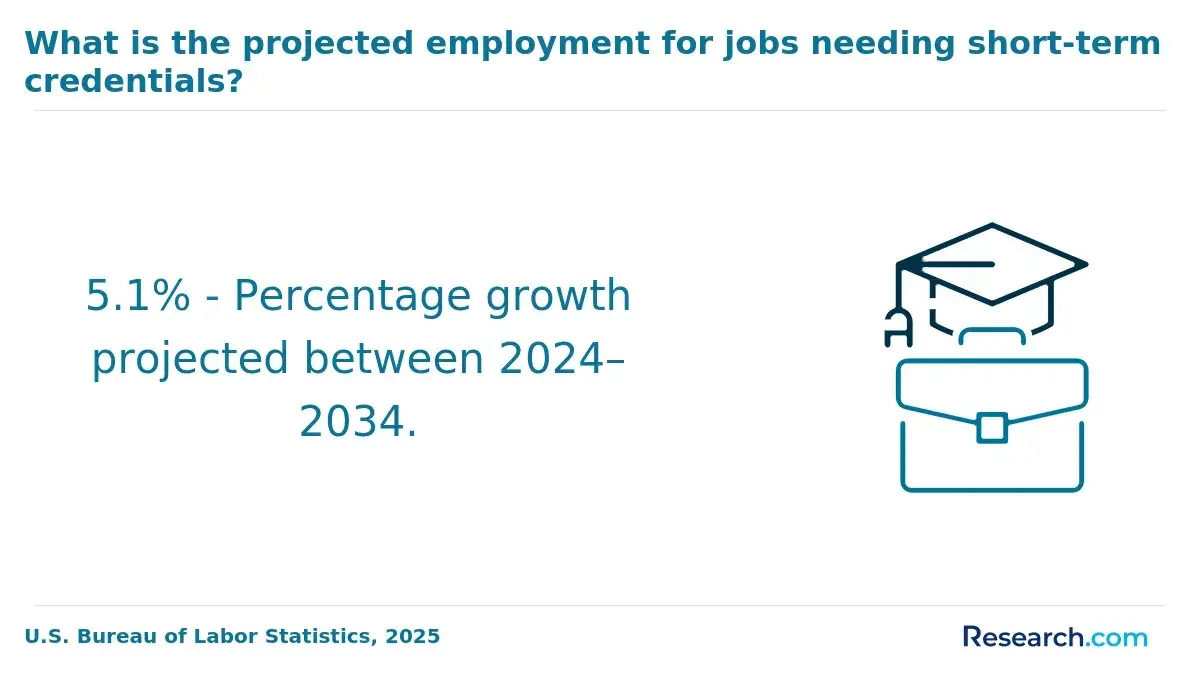
The BLS projects photographer employment to grow about as fast as average for the 2024-34 period, but competition can remain strong because many people enter the field through freelance or self-taught routes. That means a degree is most valuable when it produces a distinctive portfolio, real client experience, and business readiness.
Students should also recognize adjacent uses of photographic skill. Forensic, medical, laboratory, archival, and documentation roles may use photography as one part of the job rather than the whole career. If that kind of applied documentation interests you, learning about the path to become an autopsy technician can show how visual documentation can intersect with science, public service, and procedural work.
The degree may not be the best investment if your only goal is casual hobby photography, basic social media posting, or a small side business that can be launched through short courses and mentorship. It makes more sense when you want structured critique, a broader visual education, portfolio accountability, and access to internships or faculty networks.
What salary can photography graduates expect?
Photography salaries vary by specialty, region, employment type, and business model. The most reliable national benchmark is the U.S. Bureau of Labor Statistics figure for photographers: the median annual wage was $42,520 in May 2024. A median is not a starting salary or a promise; it means half of workers in the occupation earned more and half earned less.
Use salary data cautiously because many photographers are self-employed, part-time, seasonal, or paid by project. A wedding photographer, staff university photographer, e-commerce studio photographer, photo editor, and freelance documentary photographer may all have very different income patterns, even if they studied similar coursework.
The table below explains the main factors that can move earnings up or down, which is often more useful than relying on a single national figure.
| Salary factor | How it affects earnings | What students can do |
| Specialization | Commercial, product, corporate, and high-volume event work may price differently from fine art or editorial work | Choose electives and portfolio projects that match the market you want to enter |
| Location | Larger markets may offer more clients but also more competition and higher operating costs | Research local rates, industries, and client needs before choosing a niche |
| Business skills | Pricing, contracts, marketing, licensing, and client management influence freelance income | Prioritize programs that include entrepreneurship or professional practices courses |
| Portfolio quality | Clients and employers usually judge visual proof before transcripts | Graduate with cohesive work, not just class exercises |
| Technology fluency | Editing, asset management, AI-aware workflows, and video skills can widen opportunities | Build a workflow that is efficient, ethical, and transparent |
For ROI, compare the program's net cost against realistic local opportunities rather than national averages alone. A lower-cost associate pathway followed by transfer can be financially sensible if it preserves bachelor's options. A higher-cost private program may be worthwhile only if it offers strong critique, facilities, exhibitions, internships, and alumni networks that you will actually use.
How do you choose a reputable online photography school?
Choosing a reputable online photography school requires looking beyond glossy student images and promotional claims. The best program for you is the one that matches your career goal, budget, learning style, and portfolio needs while meeting basic quality checks.
Use this step-by-step process before applying or paying a deposit.
- Confirm institutional accreditation through an official accreditation database.
- Review the curriculum for composition, lighting, editing, visual history, critique, portfolio, and business coursework.
- Ask to see recent student portfolios, capstone projects, exhibitions, or public-facing galleries.
- Check whether the faculty have relevant professional, artistic, editorial, commercial, or academic experience.
- Compare total cost, including gear, software, printing, fees, and loan interest.
- Ask how online critique works and how often instructors provide individualized feedback.
- Verify internship, career services, transfer-credit, and alumni networking support for online students.
- Request written answers about equipment requirements, software access, and any required campus visits.
Red flags include vague accreditation claims, no visible faculty information, no portfolio review process, unclear equipment requirements, aggressive enrollment pressure, poor transfer transparency, and promises that a degree will automatically lead to high-paying freelance work. A school can be accredited and still be a poor fit, so quality checks should include both institutional legitimacy and program-level evidence.
Before deciding, create a simple shortlist with three categories: affordable and flexible, portfolio-intensive, and career-network focused. Then compare the schools using your actual goal. Someone pursuing real estate photography may need fast workflow and local market practice, while someone pursuing fine art photography may need deeper critique, exhibition preparation, and conceptual development.
The strongest choice is usually not the school with the most dramatic marketing language. It is the program where you can afford to finish, receive rigorous feedback, build a focused portfolio, and leave with practical knowledge of how photography work is priced, delivered, licensed, and promoted.
Other Things You Should Know About Digital Photography
Online digital photography degrees do not require an expensive camera to start. Many programs encourage students to use what they have, whether it's a smartphone or a basic DSLR, as composition skills can be developed effectively with various types of equipment.
Yes. Many 2027 online digital photography degrees require 6 to 12 credits in composition, visual design, or image critique. These courses usually cover framing, rule of thirds, leading lines, balance, and color theory, with graded assignments reviewed by instructors in weekly discussion boards or portfolio critiques.
For many creative roles, the portfolio carries more weight than GPA because it shows visual judgment and consistency. Grades still matter for scholarships, transfer admission, graduate study, and some institutional jobs.
Yes, if you understand contracts, permissions, taxes, deadlines, and client expectations. Start with small, ethical projects that match your skill level, and avoid taking paid work you are not prepared to deliver professionally.
References
- Should you Study Photography at College or are There Better Options Now? https://digital-photography-school.com/should-you-study-photography-at-college-or-are-there-better-options-now/
- Photography: Composition Skills Workshop https://www.sydneycommunitycollege.edu.au/course/PGCSW
- The 17 Best Online Photography Courses for All Skill Levels - Reviewed https://www.jkatzphoto.com/Blog/Reviews/Best-online-photography-course
- Photography https://www.oca.ac.uk/subject-areas/photography/
- The Photography Institute https://www.thephotographyinstitute.com/us/en/accreditations
- College Certificate vs Online Photography School | Cameraderie https://cameraderie.org/threads/college-certificate-vs-online-photography-school.56322/
- The Best Online Courses in Photographic Composition | Updated 2026 | Domestika https://www.domestika.org/en/courses/area/176-photographic-composition
- Online Photography Degree | Associate Degree (AOS) https://www.sessions.edu/online-degrees/digital-photography/
- Photography Courses Salary in India: Average Salary of Photography Courses https://www.collegedekho.com/courses/photography-salary
- Digital Photography https://www.learndirect.com/course/digital-photography