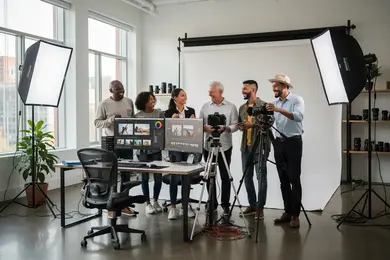
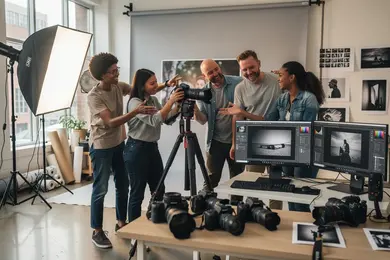
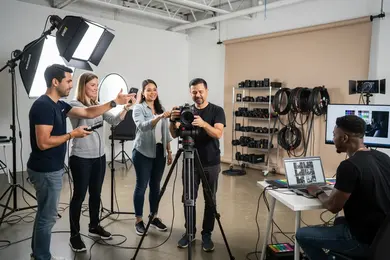
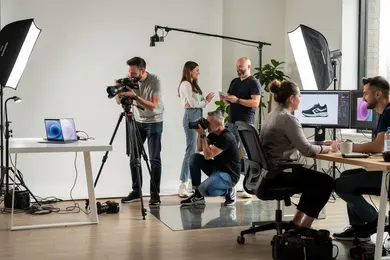
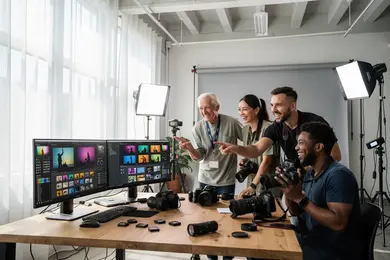
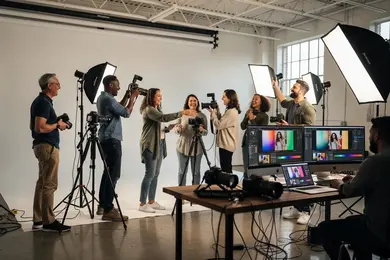
2027 Online Digital Photography Degrees That Help Build Camera Skills

Co-Founder and Chief Data Scientist
Choosing an online digital photography degree is really a decision about skills, portfolio quality, cost, and career fit. The U.S. Bureau of Labor Statistics reported a 2024 median annual wage of $42,520 for photographers, but earnings vary widely by specialty, location, client base, and business skills.
This guide is for beginners, working creatives, career changers, and self-taught photographers who want structured training. You will learn how online programs build camera skills, how they compare with campus options, what they cost, and how to choose a program that supports your goals.
Key Things You Should Know
- Online digital photography degrees are strongest when they combine technical camera training, critique-based assignments, editing software, lighting practice, and a portfolio or capstone-not just recorded lectures.
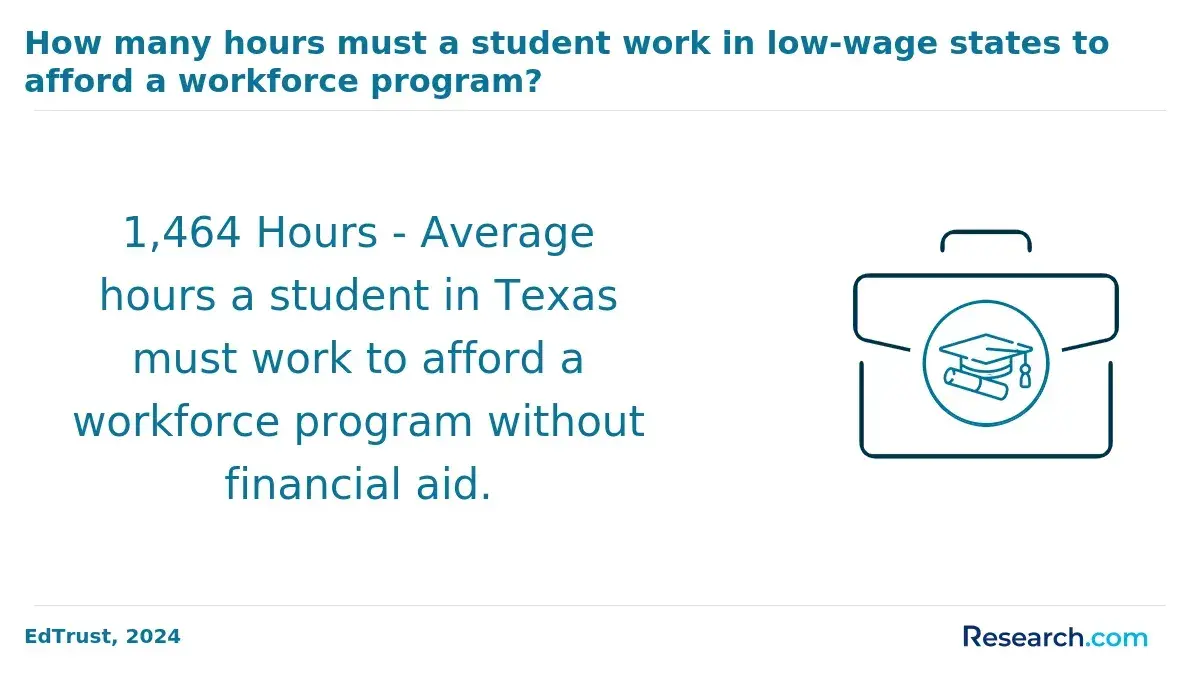
- College Board's 2024-25 published tuition benchmarks show why cost comparison matters: public two-year in-district tuition averaged $4,050, while private nonprofit four-year tuition averaged $43,350 before aid.
- The BLS lists the 2024 median annual wage for photographers at $42,520 and projects 5% employment growth for photographers from 2024 to 2034, so portfolio strength and specialization are critical for standing out.
What is an online digital photography degree and how does it help build camera skills?
An online digital photography degree is a college program that teaches camera operation, digital image production, lighting, editing, visual storytelling, and portfolio development through remote coursework. Depending on the school, it may be offered as a certificate, associate degree, bachelor's degree, or master's-level program connected to photography, digital media, visual communication, or fine arts.
The key word is digital. Students usually work with DSLR or mirrorless cameras, RAW files, color management, editing software, cloud-based submission tools, and digital portfolio platforms. Instead of learning only how to take attractive pictures, they study how aperture, shutter speed, ISO, focal length, composition, lighting, post-production, file delivery, and client expectations work together.
A good online program helps build camera skills by turning practice into a repeatable learning process. Students shoot assignments, submit images, receive instructor and peer critiques, revise their work, and gradually assemble a portfolio that shows technical control and creative judgment. This structure can be especially useful for self-taught photographers who know how to use a camera but need feedback, consistency, and professional presentation.
Before enrolling, students should be clear about the difference between a degree and a short course. A degree usually includes general education, art history or visual culture, business or communication courses, and a larger portfolio requirement. A short course may be faster and cheaper, but it may not carry the same transfer value, financial aid eligibility, or credential recognition.
How do online digital photography programs compare to on-campus options for hands-on learning?
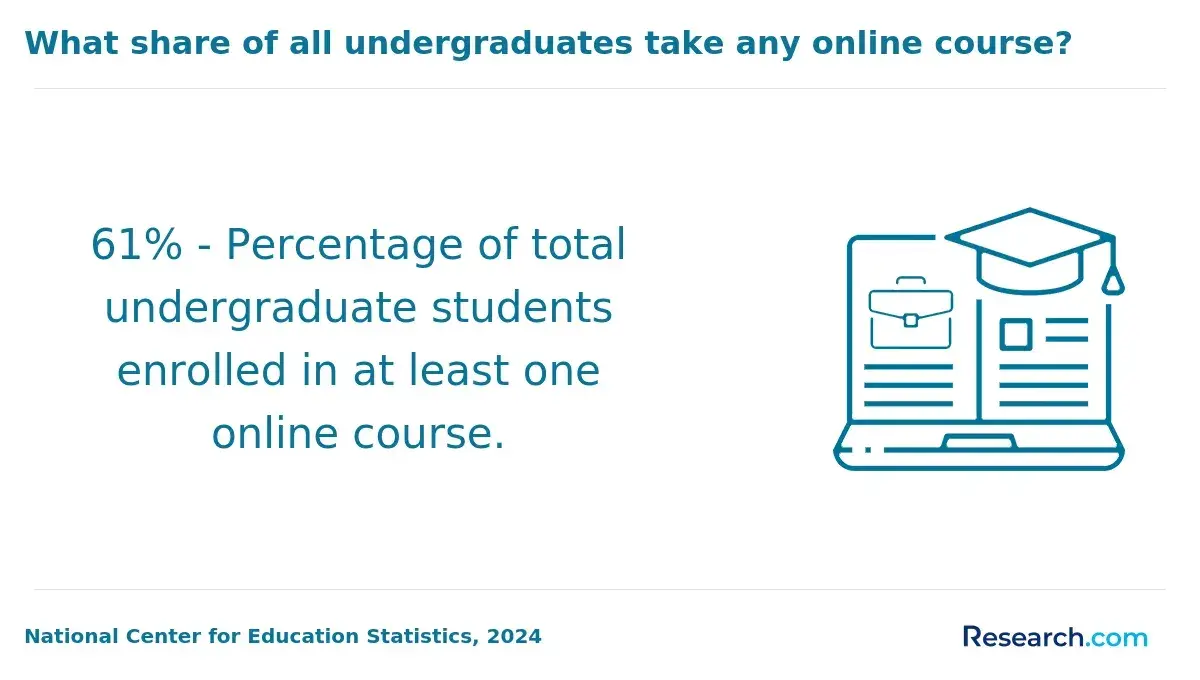
Online and on-campus photography programs can both build hands-on skills, but they do it differently. The best choice depends on whether you need studio access, face-to-face critique, schedule flexibility, or the ability to practice in your own local environment.
The table below compares the main learning trade-offs. Use it to identify which format matches your equipment access, time constraints, and preferred feedback style.
| Learning factor | Online digital photography degree | On-campus photography degree | Best fit |
| Camera practice | Students shoot independently using instructor prompts and local subjects. | Students may complete shoots in studios, labs, or campus locations. | Online works well for disciplined students; campus helps those who need scheduled practice time. |
| Lighting and studio access | Students may need to buy, rent, borrow, or improvise basic lighting gear. | Students may access studio lights, backdrops, printers, and equipment checkout. | Campus is often better for studio-heavy commercial, fashion, or product photography. |
| Critique | Feedback usually happens through uploaded files, video calls, discussion boards, and annotated reviews. | Critique often happens in person with printed or projected work. | Online critique can be strong if instructors provide detailed, timely feedback. |
| Schedule | Often more flexible for working adults, parents, military students, and freelancers. | Usually requires attendance at set times and locations. | Online is better when flexibility is the main constraint. |
| Networking | Depends on virtual cohorts, local internships, social media, and portfolio reviews. | Can include campus shows, studio collaboration, and local industry events. | Students in either format need to network intentionally. |
One common mistake is assuming online means less hands-on. In photography, the camera is already portable, so remote learning can work well when assignments require original shooting, metadata review, lighting diagrams, revision, and portfolio critique. The red flag is a program that relies mainly on reading, quizzes, or software tutorials without requiring students to produce and revise images.
Students comparing hands-on online formats in other fields may find it useful to look at how labs, fieldwork, and supervised practice are handled in an accredited online animal science degree, because the same question applies: how does the program verify applied skill when students are not always on campus?
What types of online digital photography degrees are available and who are they best for?
Online digital photography programs are not all designed for the same student. Some are built for fast skill development, while others support transfer, career change, graduate study, or advanced artistic practice.
The table below summarizes common credential levels and when each one makes sense. It can help you avoid paying for more education than your goal requires.
| Program type | Typical focus | Who it is best for | When to consider another option |
| Certificate in digital photography | Camera basics, editing, lighting fundamentals, and portfolio samples. | Beginners, hobbyists, small business owners, and career changers testing the field. | If you need federal financial aid eligibility or plan to transfer credits into a degree. |
| Associate degree | Foundational photography, general education, digital media tools, and entry-level portfolio work. | Students seeking an affordable starting point or transfer pathway to a bachelor's program. | If your target roles require a four-year degree or a deeper visual communication background. |
| Bachelor's degree | Advanced technique, visual theory, business practices, portfolio development, and broader media skills. | Students seeking stronger preparation for commercial, editorial, fine art, media, or creative production roles. | If you already have a strong portfolio and only need a specific software or lighting skill. |
| Master's degree or MFA-related online study | Conceptual development, research, critique, teaching preparation, and advanced portfolio direction. | Experienced photographers, artists, educators, or professionals seeking advanced credentials. | If your goal is entry-level freelance work and you do not need graduate study. |
A degree may be worth it if you want structured critique, transfer-eligible credits, a broader creative education, and a credential that can support related roles in media, communications, education, or marketing. A certificate or noncredit course may make more sense if you only need to improve camera technique for a current job, side business, or personal project.
Students should also think beyond the word "photography." Many online programs place photography inside digital media, graphic design, visual communication, journalism, marketing, or art departments. That can be an advantage if you want broader employability, but it can be a drawback if the program does not include enough advanced camera, lighting, and critique work.
What courses and technical skills are typically included in an online digital photography curriculum?
A strong online digital photography curriculum should teach both image-making and image judgment. The goal is not only to operate a camera but to make intentional visual choices under real constraints such as light, subject movement, client goals, file delivery standards, and deadlines.
Most programs include a mix of technical, creative, and professional courses. These subjects are important because photography careers often require both artistic skill and production reliability.
- Camera fundamentals: exposure, focus modes, lenses, depth of field, white balance, metering, file formats, and manual camera control.
- Digital workflow: RAW processing, image organization, backup systems, metadata, color correction, retouching, and export settings.
- Lighting: natural light, studio light, flash, reflectors, modifiers, lighting ratios, and product or portrait setups.
- Composition and visual storytelling: framing, perspective, sequencing, mood, subject direction, and narrative image sets.
- Photo editing software: commonly Adobe Lightroom, Adobe Photoshop, Capture One, or comparable professional tools selected by the program.
- History and theory: photographic movements, visual culture, ethics, documentary practice, and image interpretation.
- Business and professional practice: pricing, contracts, copyright, client communication, branding, marketing, and portfolio presentation.
- Capstone or portfolio: a final body of work reviewed for technical quality, visual coherence, and career relevance.
Technical skills matter, but students should not overlook critique literacy. Being able to explain why an image works, accept feedback, reshoot, edit selectively, and present a cohesive series is often what separates casual photography from professional-level work.
Another trend shaping curricula is the spread of AI-assisted editing, generative imagery, automated masking, and content-aware retouching. Students should look for programs that teach ethical use, disclosure, copyright awareness, and how to preserve photographic authorship while using modern tools. For readers interested in how AI skills connect to broader creative and technical careers, the guide on what jobs can you get with an AI degree provides useful context on AI-related roles outside photography.
How can students get real-world shooting and portfolio experience in online photography programs?
Real-world practice is the deciding factor in an online photography degree. A program can teach camera settings, but students build confidence by photographing actual people, places, products, events, and stories under changing conditions.
To evaluate whether an online program will produce meaningful experience, ask how it requires students to shoot, revise, and publish work. Strong programs usually include several of the following applied components.
- Location-based assignments that require students to photograph local subjects rather than reuse old images.
- Critique cycles where students submit original files, receive feedback, revise edits, and explain their choices.
- Portfolio milestones that build toward a final body of work instead of a last-minute collection of unrelated images.
- Client-style briefs that simulate portraits, products, documentary stories, editorial assignments, or brand campaigns.
- Internships, field experiences, or community-based projects with local businesses, nonprofits, publications, or events.
- Virtual exhibitions, portfolio reviews, or juried student showcases that help students practice professional presentation.
Students can also create their own experience plan outside class. This matters because many photography opportunities come through reputation, referrals, and visible work rather than formal job postings alone.
- Choose one specialty to test first, such as portraits, products, events, food, sports, real estate, documentary, or social media content.
- Build a monthly shooting schedule with specific lighting, subject, and editing goals.
- Ask instructors for permission to tailor assignments toward your intended niche when possible.
- Track every project with notes on equipment, settings, lighting setup, client needs, revisions, and final delivery.
- Create a portfolio website or curated online gallery before graduation, not after.
Students interested in teaching, training, or e-learning can also connect photography with instructional media. Visual production skills pair well with course design, and the best online instructional design master's programs can be a useful next comparison for photographers who want to create educational content, training visuals, or multimedia learning assets.
What should students look for in accreditation and program quality for online photography degrees?
Accreditation matters because it affects credit transfer, federal financial aid eligibility, graduate school options, and employer confidence. For most students, the first quality check is whether the institution holds recognized institutional accreditation from an accreditor accepted by the U.S. Department of Education or the Council for Higher Education Accreditation.
Photography programs may also be associated with art, design, communications, or media departments. Program-specific accreditation is not always required for photography careers, but specialized review by an art and design accreditor can signal that a program has been evaluated for curriculum, faculty, student work, and resources. Students should still look at the actual coursework and portfolio outcomes rather than relying on accreditation alone.
Use the following checklist when comparing programs. These questions help separate a credible online photography degree from a weak program with attractive marketing.
- Is the college institutionally accredited, and is that accreditation current?
- Does the program require original photography assignments, critiques, reshoots, and portfolio reviews?
- Who teaches the courses, and do faculty have current professional, artistic, editorial, commercial, or academic experience?
- What equipment and software are required, and are students told the full cost before enrolling?
- Are transfer credits accepted, and will credits transfer out if you later change schools?
- Does the program publish student work, capstone examples, internship options, or graduate outcomes?
- Are online students eligible for the same advising, career services, library resources, and disability accommodations as campus students?
- Does the curriculum address copyright, model releases, AI-assisted editing, image ethics, and client contracts?
Red flags include vague accreditation language, pressure to enroll immediately, unclear tuition, no faculty bios, no portfolio requirement, and a curriculum that teaches software without requiring original image-making. Another mistake is choosing a program because it is "creative" without checking whether it fits your intended specialty, such as commercial studio work, editorial photography, fine art, event work, or digital content production.
What are the usual admission requirements and application materials for online digital photography programs?
Admission requirements vary by credential level and school selectivity. Many certificates and associate programs are open to students with a high school diploma or GED, while bachelor's and graduate programs may require transcripts, a minimum GPA, a portfolio, and additional writing materials.
The table below shows common application materials by program level. Requirements vary, so always confirm details with the school before paying an application fee.
| Program level | Common requirements | Portfolio expectation | Practical preparation tip |
| Certificate | Application, proof of high school completion, and sometimes a short interest statement. | Often not required for beginner programs. | Prepare sample images anyway so advisors can place you in the right course level. |
| Associate degree | Application, official transcripts, placement information, and financial aid documents if applicable. | Usually limited or optional, depending on the school. | Ask whether credits transfer into a bachelor's program before enrolling. |
| Bachelor's degree | Application, high school or college transcripts, personal statement, and sometimes portfolio review. | May require a small image set showing technical ability and creative potential. | Curate fewer stronger images rather than submitting every project you have completed. |
| Graduate program | Bachelor's degree, transcripts, statement of purpose, resume, recommendations, and portfolio. | Usually required and central to admission. | Show a coherent direction, not just technical variety. |
For portfolio-based programs, admissions reviewers are usually looking for potential, consistency, visual awareness, and openness to development. Beginners do not need a perfect professional portfolio, but they should submit sharp, intentional images that show control of light, composition, and subject matter.
Applicants should avoid three common mistakes: submitting heavily filtered images that hide technical weaknesses, ignoring file-size and format instructions, and writing a personal statement that says they "love photography" without explaining goals. A better statement describes what you want to learn, what subjects you are drawn to, and how the program supports your next step.
How long do online digital photography degrees take and what do they typically cost?
Program length depends on credential level, transfer credits, enrollment intensity, and whether the school uses traditional semesters, accelerated terms, or self-paced coursework. Certificates may take a few months to one year, associate degrees often take about two years of full-time study, bachelor's degrees commonly take about four years, and graduate programs vary by structure and thesis or portfolio requirements.
Cost is more variable than length because online photography students may pay tuition, technology fees, software subscriptions, camera gear, lighting equipment, printing costs, portfolio hosting, and travel for optional residencies or local shoots. College Board's 2024-25 national tuition benchmarks provide useful context for comparing published prices before institutional grants, scholarships, and other aid.
- Public two-year in-district published tuition and fees averaged $4,050.
- Public four-year in-state published tuition and fees averaged $11,610.
- Public four-year out-of-state published tuition and fees averaged $30,780.
- Private nonprofit four-year published tuition and fees averaged $43,350.
Those figures are not photography-specific and do not include every online fee or equipment cost, but they show why students should compare total cost rather than tuition alone. A low-tuition program can become expensive if it requires costly gear immediately, while a higher-tuition program may be more affordable after transfer credits or grants.
Before enrolling, ask the school for a full cost estimate that includes the items below. This helps you compare programs on realistic out-of-pocket cost rather than advertised tuition.
- Tuition per credit and total credits required for graduation.
- Online course, technology, graduation, portfolio, or lab fees.
- Required camera body, lenses, memory cards, tripod, lighting, color tools, and storage drives.
- Required software subscriptions and whether student discounts are available.
- Transfer credit limits, prior learning credit options, and residency requirements.
- Availability of federal aid, scholarships, employer tuition assistance, military benefits, or payment plans.
If your main goal is to combine photography with brand content, social media, or creative business work, compare the photography degree with marketing-focused options as well. A cheapest online marketing degree search can help you evaluate whether business, analytics, and audience strategy would produce a better return for your specific career plan.
What careers can an online digital photography degree lead to and what do they pay?
An online digital photography degree can support several career directions, but outcomes depend heavily on portfolio quality, specialization, location, networking, business skills, and the type of employer or client. Some photographers work as employees, while many earn income through freelance projects, contracts, print sales, content production, or small businesses.
The table below summarizes photography-related career paths and salary context using U.S. labor market categories where available. Treat these figures as occupational benchmarks, not promises for individual graduates.
| Career path | Typical work | Relevant preparation | U.S. salary context |
| Photographer | Portraits, events, commercial images, news images, products, fine art, or documentary work. | Camera control, lighting, editing, client communication, portfolio, and business practices. | BLS reported a 2024 median annual wage of $42,520 for photographers. |
| Photo editor or digital imaging specialist | Selecting, retouching, correcting, organizing, and preparing images for publication or delivery. | Editing software, color management, metadata, file workflow, and visual judgment. | Pay varies by employer and may fall under broader media, design, or production roles. |
| Content creator or social media visual producer | Producing still images, short-form visuals, product shots, and campaign assets. | Photography, basic video, branding, platform awareness, and marketing fundamentals. | Salary data varies because roles may be classified under marketing, media, or self-employment. |
| Commercial or product photographer | Creating images for ecommerce, advertising, catalogs, food, products, or brands. | Studio lighting, styling collaboration, tethered shooting, retouching, and client briefs. | Income depends strongly on market, clients, and business model. |
| Fine art photographer | Creating exhibition, gallery, print, grant, or residency-based work. | Concept development, critique, sequencing, printing, artist statements, and portfolio review. | Income is often project-based and may be combined with teaching, commissions, or grants. |
A photography degree is most likely to be useful when it helps you build a portfolio that matches a paying market. For example, a student interested in weddings needs event stamina, low-light skill, client communication, backup workflows, and contracts. A student interested in product photography needs controlled lighting, precision, retouching, and commercial consistency.
Students should also consider adjacent roles where photography is one skill among several. Employers often value candidates who can shoot, edit, write captions, manage digital assets, understand brand guidelines, and create short-form video. That broader skill stack can make a degree more flexible than a narrow camera-only pathway.
How is the job outlook for photographers and digital media creators with formal training?
The job outlook for photographers is mixed but not discouraging. BLS projects 5% employment growth for photographers from 2024 to 2034, which suggests continued need for visual content, but competition remains strong because cameras, editing tools, and publishing platforms are widely accessible.
Formal training can help students compete by improving consistency, critique skills, workflow discipline, and portfolio presentation. However, a degree alone is rarely enough. Employers and clients usually judge photographers by the work they can show, the problems they can solve, and whether they can deliver usable files reliably and ethically.
Several current trends affect students considering this path. AI-assisted editing is speeding up retouching and selection workflows, while short-form video and social platforms are pushing photographers to learn motion, audio basics, and content strategy. At the same time, ecommerce, real estate, events, personal branding, and digital marketing continue to create demand for specialized imagery.
To make the degree more valuable, students should choose a program that supports a specific career direction and then build evidence around that direction. The smartest next steps are practical and measurable.
- Pick a primary niche before the final year, even if you continue exploring other styles.
- Build a portfolio with 15 to 25 strong images or several focused project sets rather than a large mixed gallery.
- Learn basic business documents, including estimates, invoices, usage terms, model releases, and client agreements.
- Add adjacent skills such as short-form video, digital asset management, social media strategy, or basic web presentation.
- Seek critique from instructors, working photographers, art directors, editors, or local business owners before graduation.
Students who want the strongest return should compare the degree against alternatives: a certificate plus freelance assisting, an associate-to-bachelor transfer route, a bachelor's in visual communication, or a marketing/media degree with photography electives. The right choice is the one that builds both skill and opportunity without creating unaffordable debt.
Other Things You Should Know About Digital Photography
Not always. Many beginner courses allow an entry-level DSLR or mirrorless camera with manual controls, but programs may require specific lenses, lighting, or software later. Ask for the equipment list before enrolling.
Most online digital photography degrees require students to submit JPEG and RAW files and use Adobe Photoshop and Lightroom. Some programs also ask for a calibrated monitor and external hard drive. Faculty usually set file-size limits, and assignments are often uploaded through Canvas, Blackboard, or a similar learning platform.
Yes, you can study photography online as a complete beginner. In 2027, many online digital photography programs are designed to accommodate learners with no prior experience, offering foundational courses that build essential camera skills and knowledge progressively.
References
- Computer graphic arts - digital photography https://www.starkstate.edu/academics/explore-all-programs/digital-photography-major/
- Photography Course Toronto: Online Training vs In-Person School Comparison https://www.canadianphotographyschool.ca/blog/photography-course-toronto-online-vs-inperson-comparison/
- Admission requirements master Photography & Society https://www.kabk.nl/en/programmes/master/master-photography-society/admission-requirements
- Unlock Your Potential with Learning with Experts' Online Photography C https://www.learningwithexperts.com/blogs/articles/unlock-your-potential-with-learning-with-experts-online-photography-courses
- What careers can you do with a Photography degree? | University for the Creative Arts https://www.uca.ac.uk/blogs/careers-with-a-photography-degree/
- Is Photography a Good Career in 2026? Scope, Jobs & Salary Guide https://www.hamstech.com/hamstech-blog/is-photography-good-career-in-2026
- How to Choose the Right Photography Program https://nossi.edu/how-to-choose-the-right-photography-program/
- Online Photography Degree | Associate Degree (AOS) https://www.sessions.edu/online-degrees/digital-photography/
- Photography Jobs Outlook 2026: Is Studying Photography Still a Good Career Investment? https://www.baph.co.uk/blog/photography-jobs-outlook-2026--is-studying-photography-still-a-good-career-investment-
- Digital Photography Course Online | Learn Camera Skills https://www.australianphotographyschool.com.au/blog/digital-photography-course-master-modern-camera-skills-from-home/