2027 States Where Digital Photography Careers Have the Strongest Growth

Co-Founder and Chief Data Scientist
Choosing where to study or launch a digital photography career can affect your access to clients, internships, studios, and entry-level jobs. The U.S. Bureau of Labor Statistics reported a May 2024 median annual wage of $42,520 for photographers and projects about 14,500 openings per year from 2024 to 2034, mostly from replacement needs.
This guide is for students, career changers, and early-career creatives who want to compare states, training options, salaries, and portfolio strategies before investing time and money.
Key Things You Should Know
- Digital photography growth is strongest in states with large media, tourism, real estate, e-commerce, events, and creator-economy markets, especially California, New York, Texas, Florida, Georgia, Washington, Colorado, Arizona, North Carolina, and Tennessee.
- The BLS May 2024 median annual wage for photographers was $42,520, but earnings vary widely because many digital photographers combine staff work, freelance contracts, licensing, editing, video, and content production.
- A certificate can be enough for entry-level freelance or assistant work, while an associate, bachelor's, or MFA is more useful for commercial studios, art direction, teaching, editorial work, and competitive portfolio-based roles.
Which U.S. states currently show the fastest growth for digital photography careers?
There is no single federal ranking for "digital photography career growth" because photography jobs are spread across staff employment, contract work, self-employment, media production, retail studios, real estate, weddings, sports, product photography, and social media content. A practical way to identify strong-growth states is to look for several signals at once: population growth, business formation, real estate activity, tourism, film and media production, e-commerce, advertising, and local demand for visual content.
Using that market-based lens, the following states currently offer some of the strongest conditions for digital photography careers. This does not mean every photographer in these states will earn more; it means these markets tend to provide more ways to build clients, specialize, and move from entry-level work into higher-value assignments.
| State | Why growth signals are strong | Best-fit photography niches | What students should evaluate before moving or enrolling |
| California | Large creative economy, entertainment, tech, fashion, advertising, and product-content demand | Commercial, entertainment, fashion, product, editorial, creator content | High living costs, strong competition, portfolio expectations, internship access |
| New York | Major media, publishing, fashion, advertising, arts, and corporate communications market | Editorial, fashion, commercial, event, nonprofit, fine art | Cost of living, networking intensity, access to galleries and agencies |
| Texas | Fast-growing metros, corporate headquarters, events, weddings, real estate, and sports markets | Corporate, real estate, wedding, event, sports, branding | Metro choice matters; Austin, Dallas-Fort Worth, Houston, and San Antonio differ by niche |
| Florida | Tourism, hospitality, weddings, real estate, lifestyle brands, and retiree-family portrait markets | Wedding, tourism, real estate, portrait, hospitality, social media content | Seasonality, hurricane disruptions, travel radius, client acquisition strategy |
| Georgia | Film production, music, events, corporate growth, and a strong Atlanta creative market | Entertainment, behind-the-scenes, portrait, commercial, event | Production-set experience, assistant roles, studio access, business licensing rules |
| Washington | Technology employers, e-commerce, outdoor lifestyle brands, and high-value product content | Product, corporate, outdoor, brand storytelling, editorial | Portfolio should show technical lighting, digital workflow, and brand consistency |
| Colorado | Outdoor recreation, tourism, weddings, real estate, adventure brands, and lifestyle marketing | Outdoor, wedding, tourism, real estate, fitness, lifestyle | Seasonal demand, travel costs, drone rules, weather planning |
| Arizona | Population growth, real estate, tourism, retirement communities, and regional business expansion | Real estate, portrait, wedding, hospitality, small-business branding | Heat-season scheduling, location access, competitive local pricing |
| North Carolina | Growing metros, universities, healthcare, tech, weddings, and regional media demand | Corporate, university, healthcare, event, wedding, portrait | Consider Raleigh-Durham, Charlotte, Asheville, and coastal markets separately |
| Tennessee | Music, entertainment, tourism, weddings, events, and small-business branding demand | Music, event, live performance, wedding, lifestyle, brand photography | Nashville is opportunity-rich but competitive; portfolio differentiation matters |
For decision-making, treat this table as a market-screening tool rather than a promise of employment. The BLS projects photographer employment to grow modestly from 2024 to 2034, so the best opportunities are likely to go to photographers who can combine image-making with editing, video, client communication, marketing analytics, and fast digital delivery.
A common mistake is choosing a state only because it has a famous creative scene. A better approach is to match the state to your niche: for example, entertainment photography fits Los Angeles, New York, Atlanta, or Nashville better than a market where most demand is real estate or weddings.
How does digital photography job demand compare across different U.S. regions and cities?
Digital photography demand is highly local. A state may look strong overall, but the best opportunities usually cluster in specific metros where agencies, brands, venues, schools, hospitals, real estate firms, studios, tourism companies, and media employers regularly buy visual content.
The table below compares major U.S. regions by the type of demand students and job seekers are most likely to encounter. Use it to decide whether you need a local client base, a large creative network, or a market that supports travel-based freelance work.
| Region | Demand pattern | Strong metro examples | Best career fit |
| West Coast | High demand for commercial, entertainment, tech, e-commerce, and lifestyle content | Los Angeles, San Francisco Bay Area, Seattle, Portland, San Diego | Photographers comfortable with competitive portfolios, production teams, and brand work |
| Northeast | Dense media, fashion, corporate, higher education, publishing, museum, and nonprofit markets | New York City, Boston, Philadelphia, Washington, D.C. | Editorial, documentary, commercial, fine-art, and institutional photographers |
| South | Growth in population, weddings, tourism, film, music, sports, hospitality, and small-business branding | Atlanta, Nashville, Miami, Orlando, Austin, Dallas-Fort Worth, Charlotte | Photographers who can serve both consumers and businesses |
| Mountain West | Outdoor, adventure, tourism, real estate, wedding, and lifestyle-brand demand | Denver, Phoenix, Salt Lake City, Las Vegas, Boise | Travel-ready photographers with location lighting and outdoor production skills |
| Midwest | Stable corporate, healthcare, manufacturing, university, sports, wedding, and local media needs | Chicago, Minneapolis, Detroit, Columbus, Indianapolis, Kansas City | Photographers who want lower operating costs and repeat business relationships |
City choice also changes how you should build your portfolio. A photographer targeting New York fashion agencies needs polished editorial sets and model-team collaboration, while a photographer in Phoenix or Dallas may benefit more from strong real estate, corporate headshot, and small-business branding samples.
Students should also account for remote-adjacent work. Many clients still require local shooting, but editing, retouching, file management, photo research, digital asset management, and content planning can be done remotely. That makes smaller markets more viable if you can build a strong online presence and deliver professional files reliably.
What education and training do you need to start a digital photography career?
You do not need a state license to become a photographer in most situations, but you do need proof of skill. Employers and clients typically judge digital photographers by portfolio quality, lighting control, editing consistency, communication, turnaround time, and reliability. Formal education can speed up that development, especially if it gives you supervised studio time, critiques, equipment access, internships, and business training.
The right training path depends on your target role. Someone pursuing freelance portrait work may not need the same credential as someone aiming for commercial production, museum work, teaching, or art direction.
| Training option | Typical length | Best for | Limitations |
| Short course or workshop | A few days to several weeks | Learning a specific skill such as lighting, Lightroom, Photoshop, posing, or studio workflow | Usually too narrow to replace a full portfolio-development program |
| Certificate | Several months to about one year | Career changers, freelancers, assistants, and students who need focused technical training | May not include general education, internships, or advanced conceptual work |
| Associate degree | About two years full time | Students seeking affordable training, transfer options, and entry-level studio or production roles | May be less competitive for advanced creative leadership roles without further study |
| Bachelor's degree | About four years full time | Commercial, editorial, art, media, and communication careers that benefit from broader training | Costs more and should be evaluated against portfolio outcomes and internship access |
| MFA or graduate study | Usually two to three years | Fine-art practice, college teaching, advanced critique, exhibitions, and conceptual work | Often unnecessary for routine commercial or consumer photography jobs |
Before enrolling, ask whether the program helps you produce a job-ready portfolio, not just complete assignments. A strong program should include critiques, client-style projects, digital workflow, copyright basics, invoicing, image licensing, and opportunities to photograph real people, products, places, or events.
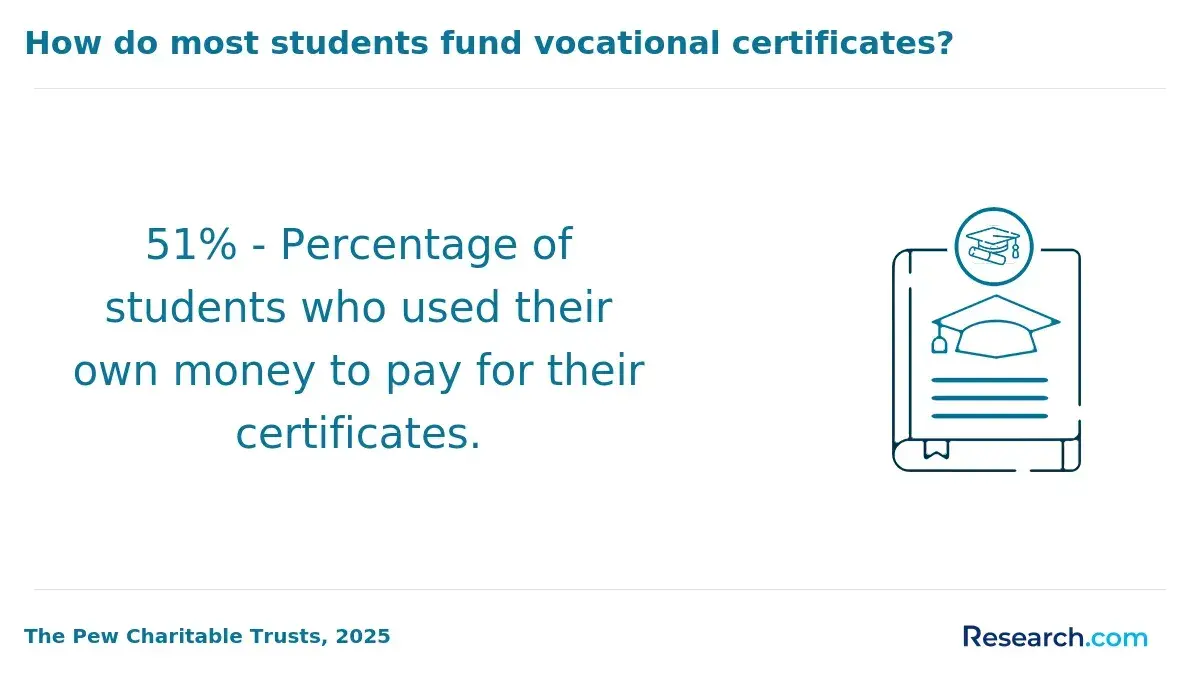
Students should also compare total cost. Tuition is only part of the investment; cameras, lenses, storage, lighting, software, insurance, printing, transportation, and portfolio materials can change the real cost of training. The College Board's 2024 pricing data shows that published tuition and fees remain much lower at public two-year colleges than at four-year institutions, which is why many photography students start with a community college certificate or associate degree before transferring.
Which digital photography degrees and certificates best align with in-demand job roles?
The best credential is the one that aligns with the work you want to sell. Digital photography is not one job; it includes commercial image production, photojournalism, portraiture, weddings, product photography, retouching, content creation, digital asset management, and fine-art practice.
The table below matches common education options to realistic career directions. Use it to avoid overpaying for a credential that does not fit your intended role, or undertraining for a field where employers expect more advanced preparation.
| Credential | Best-aligned roles | Core value | When it may not be enough |
| Digital photography certificate | Photo assistant, freelance portrait photographer, event photographer, studio assistant, retoucher | Fast technical training and portfolio basics | Competitive commercial or editorial roles may require stronger internships and broader production experience |
| Associate degree in photography or visual media | Studio technician, assistant photographer, real estate photographer, product photography assistant | Affordable foundation with more time for critiques and general education | Leadership, art direction, or advanced brand work may require a bachelor's-level portfolio |
| Bachelor's degree in photography, visual communication, or media arts | Commercial photographer, editorial photographer, content producer, visual media specialist | Broader creative, technical, and professional preparation | Still depends heavily on portfolio, internships, and client experience |
| BFA in photography | Fine-art photographer, exhibition-focused artist, editorial creative, graduate-school applicant | Deep studio practice, critique, concept development, and portfolio refinement | May need added business training for freelance income stability |
| MFA in photography or visual arts | College instructor, practicing artist, advanced critique-based creative, exhibition professional | Advanced studio work, research, critique, and teaching preparation | Usually not required for most client-service photography businesses |
Students considering graduate-level creative study can compare an online MFA with campus-based studio programs, especially if they already have a portfolio and want flexibility while continuing paid creative work.
For most entry-level students, the smarter question is not "Which degree is best?" but "Which program helps me build the strongest portfolio for the lowest reasonable total cost?" A less expensive certificate with strong studio access, internships, and faculty critique can be more useful than a costly degree with limited professional feedback.
How do online digital photography programs compare with campus-based options for career growth?
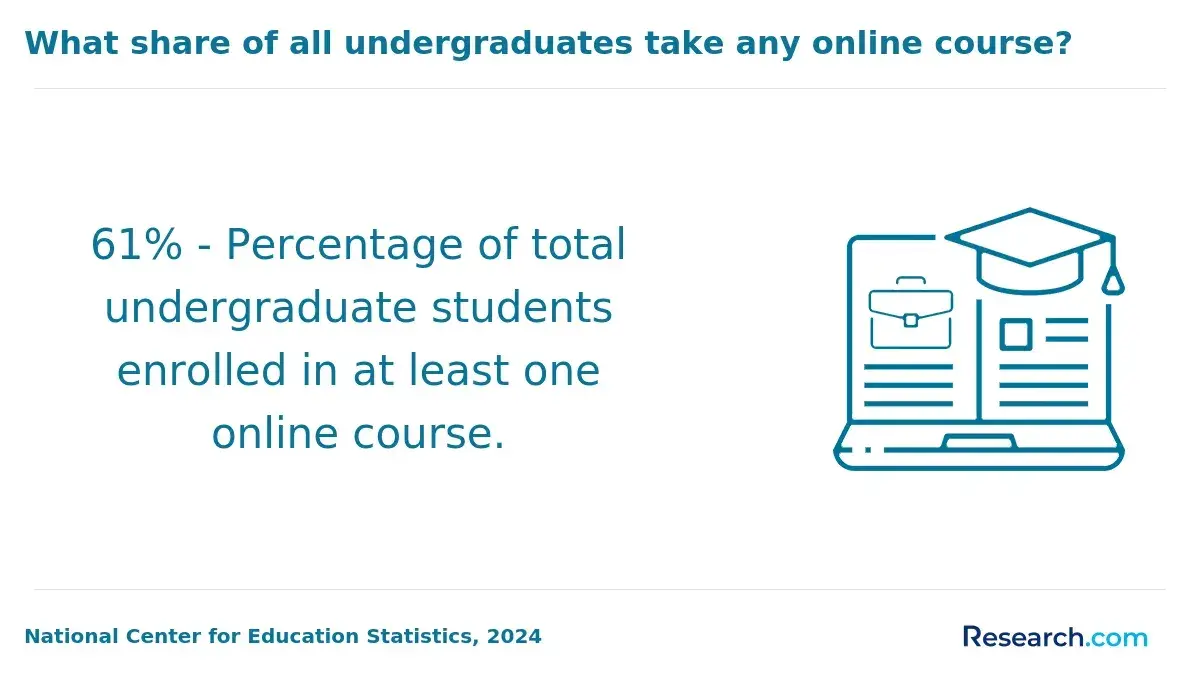
Online photography programs can work well for motivated students who already have access to a camera, computer, software, and local subjects to photograph. Campus-based programs often provide stronger access to studios, lighting kits, printers, labs, peer critique, exhibitions, and local employer relationships. The better option depends on your learning style, location, equipment access, and career target.
The comparison below summarizes the practical trade-offs. Use it to decide whether flexibility or hands-on facilities matter more for your goals.
| Factor | Online programs | Campus-based programs | Best choice when |
| Flexibility | Usually stronger for working adults and parents | More fixed class, lab, and critique schedules | Choose online if schedule control is essential |
| Equipment access | Student may need to provide more gear independently | May include studios, lights, printers, scanners, and checkout equipment | Choose campus if you need shared facilities |
| Critique and community | Can be strong if live critique and portfolio reviews are included | Often stronger for peer learning and informal collaboration | Choose campus if you learn best through in-person feedback |
| Local networking | Depends on internships and student initiative | May offer easier access to local studios, galleries, and employers | Choose campus in a target creative market |
| Cost control | Can reduce commuting or relocation costs | May cost more if relocation, parking, or housing are required | Choose online if you can build portfolio work locally |
Online study is strongest when the program requires original shoots, instructor critique, file submissions, editing workflow, and portfolio milestones. Be cautious with programs that rely mostly on passive video lessons and do not require you to produce, revise, and present a coherent body of work.
Photography is also overlapping with digital learning, AI tools, and media training. Students interested in building photo-based courses, visual training materials, or e-learning assets may find related opportunities in instructional design, where visual storytelling and digital media production can support education and workforce training careers.
What courses and technical skills do strong digital photography programs typically include?
A strong digital photography program should teach more than how to use a camera. Employers and clients increasingly expect photographers to manage full image workflows, work with mixed media, deliver files quickly, understand licensing, and adapt to AI-assisted editing without losing creative judgment.
Look for courses and assignments that develop both creative and production-ready skills. The most useful programs usually include the following areas because they connect directly to paid work and portfolio quality.
- Camera operation, exposure, lenses, focus, file formats, color settings, and capture discipline
- Natural light, studio lighting, flash, modifiers, metering, location lighting, and product lighting
- Digital editing with Lightroom, Photoshop, Capture One, or comparable professional workflow tools
- Color management, printing, monitor calibration, metadata, archiving, and digital asset management
- Portrait, product, documentary, event, editorial, real estate, and commercial assignment formats
- Visual storytelling, composition, art direction, mood boards, sequencing, and portfolio presentation
- Video basics, audio awareness, short-form content, and hybrid photo-video production
- Copyright, model releases, image licensing, contracts, invoicing, estimates, usage fees, and client communication
- Business development, marketing, search visibility, social media strategy, and client retention
- Ethics, representation, consent, AI disclosure, journalistic standards, and responsible image manipulation
AI is becoming part of the photography workflow through culling, masking, noise reduction, generative fill, background cleanup, captioning, and asset search. That can save time, but it also raises ethical and client-trust issues. Students who want deeper technical preparation may also explore degrees in AI online if they are interested in computational imaging, creative automation, or media technology roles beyond traditional photography.
A common red flag is a program that teaches software tricks without requiring original image-making. Editing matters, but a photographer still needs strong lighting, direction, composition, client communication, and problem-solving under real shooting conditions.
How can you verify that a digital photography program is properly accredited and reputable?
Accreditation matters because it can affect federal financial aid eligibility, credit transfer, employer perception, and graduate-school admission. In the U.S., students should first confirm that the school has institutional accreditation from an accreditor recognized by the U.S. Department of Education or the Council for Higher Education Accreditation.
Program reputation also matters, especially in a portfolio-driven field. A school can be accredited and still be a poor fit if it lacks strong faculty feedback, current equipment, internship connections, or graduate portfolio outcomes.
Use this step-by-step process before you apply or pay a deposit.
- Confirm the institution's accreditation status through official accreditation databases, not only the school's marketing pages.
- Ask whether the specific photography, visual media, BFA, or certificate program has current facilities, software, studio access, and equipment checkout policies.
- Review student portfolios, thesis exhibitions, alumni work, internship partners, and faculty professional experience.
- Ask how often students receive critique and whether feedback comes from faculty, peers, visiting artists, clients, or industry reviewers.
- Request total cost details, including tuition, fees, software, printing, equipment, travel, portfolio materials, and insurance if required.
- Check transfer-credit rules if you may move from a certificate or associate degree into a bachelor's program.
- Ask whether career services support freelance business setup, internships, portfolio reviews, resume preparation, and client-facing communication.
Be cautious if a school promises specific salaries, downplays total costs, refuses to discuss accreditation clearly, or shows only highly polished marketing images rather than actual student work. Photography outcomes depend on skill, portfolio strength, market fit, networking, and business execution, so reputable programs should be transparent about both opportunities and limitations.
What are typical salaries for digital photographers in top-growth states and metros?
Photography pay varies more than many students expect because the field includes hourly jobs, salaried positions, contract assignments, day rates, licensing fees, print sales, retainers, and seasonal freelance income. The BLS reported a May 2024 median annual wage of $42,520 for photographers, which is a useful national benchmark but not a guarantee for any individual market or graduate.
The table below explains how salary expectations tend to differ by market type. Instead of treating state averages as fixed outcomes, use this comparison to understand where income may come from and what skills help photographers move into higher-value work.
| Market type | Common states or metros | Typical income drivers | Salary interpretation |
| Major creative capitals | California, New York, Los Angeles, New York City, San Francisco, Seattle | Advertising, fashion, entertainment, tech, editorial, agencies, commercial production | Potential ceiling can be higher, but competition and living costs are also high |
| Fast-growing Sun Belt metros | Texas, Florida, Arizona, Georgia, North Carolina, Tennessee | Population growth, weddings, real estate, small-business branding, events, tourism | More client types may be available, but income often depends on business development |
| Tourism and destination markets | Florida, Colorado, Nevada, Hawaii, coastal and mountain metros | Weddings, hospitality, travel, lifestyle brands, adventure, destination portraits | Demand can be seasonal, so cash-flow planning matters |
| Corporate and institutional metros | Boston, Washington, D.C., Chicago, Minneapolis, Dallas, Charlotte, Raleigh-Durham | Healthcare, universities, nonprofits, companies, conferences, internal communications | Repeat clients may provide stability for photographers with professional workflows |
| Lower-cost regional markets | Mid-sized Midwest, South, and Mountain West cities | Portraits, schools, sports, local business, real estate, events | Rates may be lower, but operating costs and competition may also be lower |
Students should compare local earnings against local costs. A higher day rate in Los Angeles or New York may not produce better net income than steady work in a lower-cost city if rent, assistants, studio space, transportation, and insurance are much more expensive.
For freelancers, the most important number is not just gross revenue. Track net income after equipment, software subscriptions, website hosting, taxes, travel, insurance, printing, marketing, and unpaid administrative time. Many early-career photographers underprice their work because they calculate only the shooting hours and ignore editing, prep, client communication, revisions, and delivery.
What are the main digital photography career paths and advancement opportunities today?
Digital photography careers now range from traditional still-image roles to hybrid creative production jobs. Many photographers advance by specializing, improving business systems, adding motion work, managing teams, or moving into adjacent fields such as creative direction, content strategy, digital asset management, or visual education.
The table below shows common career paths and how photographers typically move forward. It can help students choose assignments, electives, internships, and portfolio projects that support a specific direction.
| Career path | Entry-level roles | Advancement options | Portfolio should prove |
| Commercial and product photography | Studio assistant, product photography assistant, retoucher | Commercial photographer, lead photographer, art director, studio owner | Lighting control, consistency, color accuracy, detail, client-style deliverables |
| Portrait, wedding, and event photography | Second shooter, event assistant, portrait studio assistant | Lead photographer, boutique studio owner, destination photographer | People direction, emotional timing, low-light skill, fast delivery, client experience |
| Editorial and documentary photography | Freelance contributor, photo intern, assistant | Photojournalist, documentary photographer, photo editor, visual storyteller | Narrative sequence, ethics, captions, research, access, visual consistency |
| Real estate and architecture photography | Real estate photographer, drone assistant, editing assistant | Architectural photographer, luxury listing specialist, media package producer | Composition, vertical accuracy, HDR control, twilight work, fast turnaround |
| Social media and brand content | Content assistant, social media photographer, creator support specialist | Content producer, brand photographer, creative strategist | Platform-aware imagery, short-form video, brand consistency, quick production cycles |
| Fine-art photography | Gallery assistant, artist assistant, exhibition intern | Exhibiting artist, educator, curator, grant-funded project creator | Concept, series development, artist statement, exhibition quality, research |
Advancement often requires more than better images. Photographers who can estimate jobs, manage assistants, negotiate usage rights, communicate with clients, deliver organized files, and protect digital assets are better positioned for repeat work.
Digital file security is also becoming more important as photographers handle client images, unreleased products, weddings, corporate events, and branded campaigns. Students with military backgrounds or security interests may find adjacent technology pathways, such as an online cybersecurity bachelor's degree for veterans, useful if they want to combine visual media with secure systems, digital asset protection, or creative-technology operations.
How can students build a competitive portfolio and network while still in school?
A competitive digital photography portfolio is not a random collection of your best-looking images. It should show a clear niche, technical control, consistent editing, and the ability to solve real client or storytelling problems. Students who build strategically while in school can graduate with stronger proof of skill and a more useful network.
Start by choosing a target market, then build evidence that you can serve that market. The steps below help turn coursework into career assets.
- Pick one primary niche for your first portfolio, such as product, portrait, wedding, real estate, editorial, sports, or brand content.
- Create self-directed shoots that look like real assignments, including briefs, mood boards, shot lists, model releases, budgets, and delivery deadlines.
- Assist working photographers to learn client communication, lighting setups, gear handling, backup systems, and professional etiquette.
- Ask faculty, peers, alumni, and working professionals for critique before publishing your final portfolio.
- Build a simple website with tightly edited galleries, contact information, location, services, and a short professional bio.
- Use internships, campus publications, athletics, theater, student organizations, local nonprofits, and small businesses to gain real shooting experience.
- Track every project with contact details, usage permissions, file backups, invoices, release forms, and lessons learned.
- Develop a basic pricing and estimating template so you understand how time, editing, licensing, travel, and expenses affect project value.
Networking should be specific, not desperate. Instead of asking strangers for jobs, ask informed questions, attend portfolio reviews, volunteer selectively for credible organizations, and follow up after critiques. A small circle of reliable assistants, stylists, designers, makeup artists, editors, real estate agents, venue managers, and marketing professionals can become more valuable than a large social media following.
One common student mistake is showing too many unrelated images. A stronger portfolio may contain fewer images, but each one should support the same professional message: what you shoot, who you serve, and why a client or employer should trust you.
Other Things You Should Know About Digital Photography
Freelance digital photographers selling prints, sessions, or digital files often need a state sales tax permit if they make taxable sales. In many states, registration is handled by the department of revenue, and tax rates can vary by county or city.
Smartphones have reduced demand for some casual photography, but professional work still requires lighting control, direction, editing, reliability, licensing knowledge, and client-ready delivery. The strongest opportunities are in specialized, high-trust, or business-critical assignments.
In 2027, states such as California, New York, and Texas demonstrate the strongest growth for digital photography careers. These states have thriving creative industries and significant demand for digital content, offering numerous opportunities for photographers entering the field.
Some tasks can be remote, including editing, retouching, photo research, digital asset management, and client planning. Most shooting work still requires location access, so hybrid careers are more common than fully remote photography jobs.
References
- Digital Photography Market Trends & Forecast 2026–2035 | Global Perspective https://www.businessresearchinsights.com/market-reports/digital-photography-market-120119
- 10 real photography jobs in Australia’s creative industries https://www.collarts.edu.au/collarts-life/news/blog-what-jobs-can-you-get-in-photography-top-10-real-career-paths/
- The Ultimate Guide to Becoming a Professional Photographer https://www.training.com.au/ed/becoming-a-professional-photographer/
- How Much Do Photographers Make | Full Frame Insurance https://www.fullframeinsurance.com/blog/how-much-do-photographers-make
- Digital Photography market Size, Share & Outlook to 2034 https://www.marketreportsworld.com/market-reports/digital-photography-market-14722543
- Digital Photography Market Size, Share | CAGR of 3.6% https://market.us/report/digital-photography-market/
- Photographer Certifications: Best Credentials to Advance Your Career | Teal https://www.tealhq.com/career-paths/photographer-certifications
- Digital Photography Market Size, Share, SWOT Analysis [2032] https://www.skyquestt.com/report/digital-photography-market
- Digital Photography Career Paths | F.I.R.S.T. Institute https://www.first.edu/your-career/photography-career-paths/
- How to Become a Professional Photographer https://digital-photography-school.com/how-to-become-a-professional-photographer-2/