2027 Cheapest and Shortest Online Architecture Degree Programs That Pay Well: Cost, Duration, and Salary Outlook

Co-Founder and Chief Data Scientist
Choosing an online architecture degree is a cost, time, and career decision—not just an admissions decision. Prospective students need to know whether a program is affordable, whether it can be completed quickly, and whether the credential will support licensure, employment, or advancement in design-related roles. This matters especially for working adults and career changers who cannot pause their income for several years.
Online education enrollment is growing by over 15% annually, and more architecture-related programs now use flexible online or hybrid formats. At the same time, architecture graduates typically earn a median salary of around $80,000, so the right program can offer a meaningful return if it is accredited, well structured, and aligned with the student’s career goal.
This guide explains how cheap and short online architecture degree programs work, what they typically cost, how financial aid applies, which formats are most common, and how to judge whether a fast program is legitimate. It also covers skills, job placement, high-paying roles, and practical criteria for choosing a program that balances speed with long-term value.
Key Benefits of the Cheapest and Shortest Online Architecture Degree Programs That Pay Well
- Affordable online architecture degrees often reduce tuition by up to 40%, making education accessible without accumulating excessive student debt, a crucial factor as average architecture student debt reaches $35,900.
- Accelerated programs enable completion within 2 to 3 years, allowing graduates to enter the workforce faster amid a 7% industry job growth projected through 2031.
- Graduates from efficient, reasonably priced programs report competitive salaries averaging $65,000 annually, reflecting strong return on investment compared to program cost and duration.
How Much Does an Affordable Online Architecture Degree Typically Cost?
An affordable online architecture degree usually costs less than a traditional on-campus pathway, but the total price depends on the school, residency rules, transfer credits, technology requirements, and whether the program is accelerated. Online tuition rates have gradually increased by less than 2% annually, which has helped keep many online options competitive for budget-focused students.
For most students, the best way to compare programs is to calculate the full cost of attendance—not just the advertised tuition. Architecture programs often require design software, hardware, studio materials, digital portfolio tools, and fees that can affect the real price.
| Cost factor | Typical amount or range | Why it matters |
| Full bachelor’s program tuition | Between $15,000 and $40,000 | This is often the largest cost and can vary by institution prestige, residency, and credit requirements. |
| Online cost per credit | $300 to $800 per credit | Per-credit pricing helps students compare programs with different credit totals and transfer policies. |
| Additional annual expenses | About $500 to $2,000 per year | Technology fees, software licenses, course materials, and specialized equipment can add up quickly. |
| Accelerated completion | Often within three years | Finishing faster may reduce living, fee, and opportunity costs, but students should confirm the workload is realistic. |
Students should also compare net price after aid, not just sticker price. A school with higher tuition may become cheaper if it offers stronger scholarships, accepts more transfer credits, or charges fewer program fees.
Because architectural careers offer median salaries typically between $80,000 and $90,000, cost should be evaluated against career outcomes, licensure alignment, and the student’s expected time to completion. Career changers comparing fast-track graduate options in other fields may also review an online EdD degree to understand how accelerated professional programs differ by discipline.
Can You Get Financial Aid in the Cheapest Online Architecture Programs?
Yes. Students in the cheapest online architecture programs can often use financial aid if the institution and program meet eligibility requirements. Aid is especially important because tuition commonly ranges from $300 to $600 per credit hour, and programs may last two to four years.
The National Center for Education Statistics reports that about 85% of undergraduate online students receive some form of financial support. That does not mean every student receives enough aid to cover the full cost, but it does show that online learners frequently qualify for grants, scholarships, loans, or employer support.
Common financial aid options
- Federal grants: Need-based grants such as the Pell Grant do not require repayment and can lower the cost of an eligible undergraduate program.
- Scholarships: Universities and professional organizations may offer awards for architecture students, design students, transfer students, or adult learners.
- Student loans: Loans can fill funding gaps, but students should compare repayment terms carefully and avoid borrowing more than they can reasonably repay.
- Employer tuition assistance: Working adults may be able to use employer-sponsored tuition benefits, especially if the degree supports a role in design, construction, planning, facilities, or project management.
What to verify before enrolling
- Whether the school participates in federal student aid programs.
- Whether the online architecture program itself is eligible for aid.
- Whether part-time enrollment affects aid eligibility.
- Whether accelerated terms change disbursement timing.
- Whether satisfactory academic progress rules require a minimum GPA or completion rate.
Students exploring financial assistance for low-cost online architecture programs can also compare funding approaches used in other professional fields, such as CACREP accredited programs, to better understand how accreditation, aid eligibility, and program quality interact.
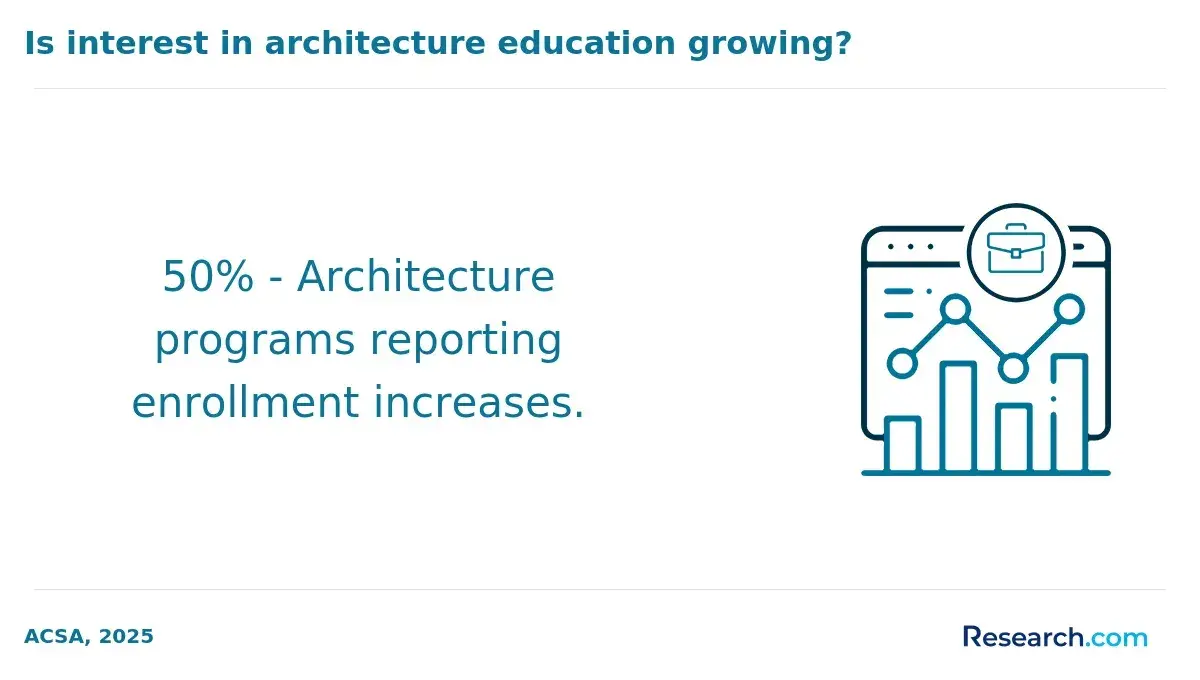
What Are the Shortest Online Architecture Degree Programs?
The shortest online architecture degree programs are usually designed for students who already have transfer credits, prior design coursework, a related undergraduate degree, or professional experience. Approximately 30% of online degree students choose fast-track options, which reflects growing demand for programs that reduce time to graduation.
Fast does not always mean easier. In architecture, compressed programs can be demanding because students must complete design work, critiques, technical assignments, and portfolio development in a shorter timeframe. The best accelerated programs shorten scheduling, not academic standards.
- Fast-track bachelor’s degrees: These programs often require 60-90 credit hours, making them most useful for students who bring prior college credits. Some reduce the usual four-year curriculum to as little as two years through intensive terms, year-round enrollment, or generous transfer policies.
- Accelerated master’s degrees: These degrees may be completed in one to two years and often use modular course structures so students can focus on fewer subjects at a time while progressing quickly.
- Competency-based models: These programs allow students to advance by demonstrating mastery of skills rather than spending a fixed amount of time in a course. They may shorten degree duration for disciplined students with existing knowledge, but students should confirm the credential is recognized for their intended career path.
The main advantage of a shortest-track option is a faster return on investment. Students may pay for fewer terms, enter the workforce sooner, and reduce the time spent balancing school with work. According to the Architectural Registration Board, professionals with bachelor’s degrees can start with salaries between $50,000 and $70,000 annually.
The trade-off is intensity. Students should be realistic about studio workload, software learning curves, critique schedules, and portfolio expectations. Those comparing cost-effective online programs across fields may review an online library science degree for a broader view of how affordable online degree pathways differ by profession.
What Is the Typical Format of the Shortest Online Architecture Degree Programs?
The shortest online architecture degree programs typically use accelerated terms, asynchronous coursework, live critiques, and structured project deadlines. Nearly 40% of online learners prefer shorter, modular courses because they make it easier to focus on one course sequence at a time while balancing work and personal responsibilities.
Architecture is not purely lecture-based, so online delivery must support design feedback, visual communication, technical production, and collaboration. A strong program should make the studio experience clear before students enroll.
- Term length: Courses commonly run in 5 to 8 weeks, allowing students to complete material faster than in traditional 15-week semesters. This format can be efficient but leaves less room to recover from missed deadlines.
- Course delivery: Many programs rely on asynchronous lectures, readings, demonstrations, and assignments. Live critiques, virtual studio meetings, and group discussions may be scheduled to provide real-time feedback.
- Weekly workload: Students should expect around 15 to 20 hours per week. Design-heavy courses may require more time during project submissions, model development, or portfolio reviews.
- Student interaction: Collaboration often happens through video conferences, discussion boards, shared digital workspaces, and peer critique sessions.
- Assessment style: Students are commonly evaluated through design projects, technical drawings, written analysis, presentations, exams, and portfolio-ready work.
Before choosing a compressed format, students should ask how often live attendance is required, what software is used, whether critiques are recorded, and how faculty provide feedback on drawings and models.
How Do Online Classes Work for Accelerated Architecture Degrees?
Online classes in accelerated architecture degrees combine flexible coursework with frequent project deadlines. More than 30% of architecture students are enrolled in accredited online or hybrid programs, showing that digital delivery has become a more accepted part of architecture education.
In practice, students do not simply watch lectures. They produce drawings, models, site analyses, digital presentations, and design proposals, then revise their work based on faculty and peer feedback.
- Asynchronous learning: Students access lectures, readings, demonstrations, and assignments on their own schedule within a weekly window. This format works well for working adults who need flexibility.
- Synchronous sessions: Live critiques, discussions, studio reviews, or group collaborations provide real-time interaction. These sessions can be essential for design development and presentation practice.
- Weekly scheduling: Design tasks, reports, exams, and submissions are usually spread across the week to keep students moving steadily through a compressed term.
- Faculty and peer interaction: Discussion boards, video calls, digital pin-ups, and collaborative platforms help students receive critique and build professional communication skills.
- Time commitment: Students typically spend 15 to 20 hours weekly. Because accelerated courses move quickly, falling behind for even one week can create problems.
Students comparing online delivery models should look at whether the program offers technical support, software training, virtual studio access, and clear expectations for live participation. A student researching an architect online school should also confirm whether the program is fully online or hybrid, since some architecture pathways may require limited in-person components.
What Skills Do Students Gain from a Shortest-Track Online Architecture Degree?
A shortest-track online architecture degree should help students build the same core foundation expected in a longer program, but at a faster pace. The strongest programs emphasize design thinking, technical production, communication, and professional discipline. According to recent data, graduates from these programs often secure relevant jobs within a year, which suggests that focused skills development can support employment when the program is credible and career-aligned.
- Technical competencies: Students learn to use tools such as CAD and BIM for drawing, modeling, documentation, and project coordination. These tools are central to modern architectural workflows.
- Design and visual reasoning: Students practice turning ideas into spatial concepts, diagrams, models, and presentations that communicate design intent clearly.
- Critical thinking and problem-solving: Learners analyze site conditions, user needs, client goals, building constraints, and regulatory requirements to develop workable design solutions.
- Communication skills: Students learn to explain design decisions visually and verbally to faculty, peers, clients, contractors, and review authorities.
- Professional discipline and time management: Accelerated coursework forces students to prioritize tasks, manage multiple deadlines, and respond productively to critique.
These skills can support roles in architecture firms, design support, planning, construction coordination, visualization, sustainability, and related built-environment fields. Students who plan to become licensed architects should also verify whether the degree supports the education requirements for their target jurisdiction.
Are Cheap and Fast Online Architecture Degree Programs Considered Legitimate?
Cheap and fast online architecture degree programs can be legitimate, but only if affordability and speed do not come at the expense of accreditation, curriculum depth, faculty quality, and licensure relevance. A low price is not a problem by itself. The risk comes from enrolling in a program that is not recognized by employers, licensing bodies, or graduate schools.
Students should evaluate legitimacy before applying, not after enrollment. The following factors are especially important:
- Accreditation: Legitimate professional pathways commonly involve accreditation from recognized bodies such as the National Architectural Accrediting Board (NAAB). Accreditation helps show that the curriculum meets rigorous academic standards.
- Faculty credentials: Instructors should have relevant academic qualifications, professional experience, or industry expertise that supports current architectural practice.
- Curriculum quality: Accelerated programs should still cover design, structures, building systems, history, theory, technology, professional practice, and studio-based learning where appropriate.
- Licensing eligibility: Students seeking to become licensed architects should confirm whether the program helps meet professional licensing requirements. Requirements can vary, so students should check the rules that apply to their intended location.
- Industry recognition: Employer partnerships, internships, alumni outcomes, portfolio expectations, and professional networks can indicate whether the program is respected in the field.
Warning signs include vague accreditation claims, unclear faculty information, no portfolio expectations, unrealistic completion promises, limited student support, and refusal to explain licensure implications. A legitimate program should be transparent about what the degree can and cannot do.
What Are the Highest-Paying Roles for Online Architecture Degree Graduates?
Online architecture degree graduates can pursue roles that combine design, technical coordination, project leadership, and sustainability expertise. The highest-paying paths often require experience, licensure, advanced technical skills, management responsibility, or specialization.
- Licensed Architect: Licensed architects lead building design projects, manage construction phases, and ensure compliance with codes and regulations. Median salaries are around $84,560, with top professionals earning over $139,000. Licensure and advanced certifications can improve advancement potential.
- Architectural Manager: Architectural managers supervise design teams, coordinate project execution, and manage budgets. This senior role usually requires substantial experience beyond a bachelor’s degree and can pay more than $140,000 annually, especially in large firms and metropolitan markets.
- Sustainable Design Consultant: Sustainable design consultants focus on energy efficiency and environmentally responsible building solutions. Salaries typically range from $75,000 to $110,000, depending on expertise, market demand, and location.
- BIM Manager: BIM managers oversee Building Information Modeling systems used in design coordination, documentation, and project delivery. Their salaries are comparable to those of sustainable consultants because firms increasingly depend on digital design integration.
Online architecture degree programs usually require 60 to 120 credit hours over two to four years. Average tuition per credit often falls between $300 and $600, making some programs accessible for working adults and career changers who need a flexible route into the field.
Students should remember that salary outcomes depend on location, portfolio quality, licensure progress, firm type, and experience. Those comparing education options by long-term compensation can review high paying degrees to understand how architecture-related roles compare with other strong-earning bachelor’s pathways.
What Is the Job Placement Rate for Online Architecture Graduates?
Job placement rates for online architecture graduates vary by institution, accreditation, student experience, internship access, and local job market. Some programs report outcomes close to those of on-campus graduates. RIT’s NAAB-accredited online Master of Architecture program reports a 100% job placement rate among its graduates, which points to growing employer acceptance of well-structured online architecture credentials.
Students should treat placement data carefully. A reported rate is most useful when the school explains how it was calculated, which graduates were included, what types of jobs counted, and how soon after graduation employment was measured.
- Industry demand: Urban development and sustainable design can support steady demand for architecture-trained professionals, improving opportunities for qualified graduates.
- Program reputation: Graduates from NAAB-accredited programs may benefit from a credential that employers and licensing pathways recognize.
- Internships and practicums: Practical experience helps students move from academic work to professional practice. Online programs that facilitate internships or local placements can improve employment prospects.
- Alumni networks: Alumni communities can provide mentorship, job leads, referrals, and insight into hiring expectations.
- Portfolio strength: Architecture hiring often depends heavily on a student’s portfolio, not just the degree title.
Typical online architecture degree programs charge between $300 and $600 per credit, with part-time degree completions spanning three to four years. Students seeking economical routes should consider cheapest online colleges that accept FAFSA to reduce cost while pursuing credentials connected to employment outcomes for online architecture degree holders.
How Do You Choose the Best Cheap Online Architecture Degree Program?
The best cheap online architecture degree is not simply the one with the lowest tuition. It is the program that offers the strongest combination of affordability, accreditation, curriculum quality, student support, realistic completion time, and career value. Affordable programs often cost between $15,000 and $40,000 total, with per-credit fees ranging from $300 to $700.
Use the following criteria to compare options before applying:
- Accreditation: Confirm whether the program is accredited by the National Architectural Accrediting Board (NAAB) when professional architecture licensure is part of your goal. Accreditation can affect eligibility, recognition, and long-term career mobility.
- Curriculum quality: Review course descriptions, studio requirements, technical coursework, design sequence, software training, and portfolio expectations. A cheap program should still prepare students for real architectural work.
- Program length: Online bachelor’s degrees often take three to four years full-time, though accelerated paths may be available. A shorter program can save money, but students should verify that essential training is not being skipped.
- Transfer credit policy: Generous transfer credit can significantly reduce time and cost, especially for students who already completed general education or design-related coursework.
- Student support: Career counseling, mentoring, internship support, academic advising, and technology help can make the difference between enrolling and finishing. Programs with graduation rates above 70% and strong employment outcomes often have stronger support systems.
- Career outcomes: Median architect salaries hover around $82,000 annually, with top graduates earning up to $100,000 within five years. Look for practical experience, industry connections, and portfolio preparation that can support those outcomes.
- Total cost: Compare tuition, fees, software, equipment, books, travel for any hybrid requirements, and the cost of taking longer than planned.
A practical shortlist should include programs that meet your budget, fit your schedule, support your licensure or career objective, and provide transparent information about outcomes. If a school cannot clearly explain accreditation, costs, completion time, and career support, keep looking.
What Graduates Say About Their Cheapest and Shortest Online Architecture Degree
-
: "Finding an affordable and fast online architecture degree was a game-changer for me. With tuition averaging around $10,000, it allowed me to gain essential skills without drowning in debt. This program not only accelerated my learning but also opened doors to exciting projects sooner than I expected.
— Augustus"
-
: "I chose an online architecture degree because it balanced cost and speed perfectly; the total expense was surprisingly low compared to traditional routes. This affordable option gave me the flexibility to work while studying, and now I confidently apply the concepts I learned to real-world designs. Looking back, it was the practical approach that truly elevated my professional journey.
— Harren"
-
: "Opting for a short online architecture program was a strategic move to enter the field swiftly and economically. The cost, significantly less than on-campus alternatives, made it accessible, while the focused curriculum sharpened my design and technical abilities. Professionally, this degree has been invaluable, helping me secure roles that previously felt out of reach.
— Dakota"
Other Things You Should Know About Architecture Degrees
Transfer credit policies for 2027 online architecture degree programs vary by institution but generally allow up to 30 credits from accredited colleges. Verify specific institution policies early to maximize transferred credits, thus reducing both cost and duration of your degree program.
In 2027, the cheapest and shortest online architecture degree programs are typically accredited by the National Architectural Accrediting Board (NAAB) or regional accrediting agencies recognized by the Council for Higher Education Accreditation (CHEA), ensuring that these programs meet educational quality standards.
References
- Online Architecture Degree | Online Bachelor's in Architecture https://www.onlinecolleges.net/degrees/architecture/
- 2025 Most Affordable Online Master's Programs in Architecture https://www.onlineu.com/most-affordable-colleges/architecture-masters-degrees
- Learn architecture online | Courses and degrees | edX https://www.edx.org/learn/architecture
- 4 Online Short Courses in Architecture by universities in Netherlands | DistanceLearningportal https://www.distancelearningportal.com/study-options-c/short/268451860/architecture-netherlands.html
- The employment rate of graduates studying architecture is the highest https://opportunities-insight.britishcouncil.org/short-articles/news/employment-rate-of-graduates-studying-architecture-highest
- Top 10 Highest Paying Architect Careers | Brighton College https://brightoncollege.com/blog/top-10-highest-paying-architect-careers/
- Architecture, Spatial & Interior Design Short Courses | UAL https://www.arts.ac.uk/subjects/architecture-spatial-and-interior-design/short-courses
- 8 High-Paying Architecture Jobs with Upskilling | EDOXI https://www.edoxi.com/studyhub-detail/high-paying-architecture-jobs-with-upskilling
- Athabasca University https://www.athabascau.ca/programs/summary/bachelor-of-science-in-architecture.html
- Top High-Paying Career Options for Architecture Graduates - Aditya College of Architecture https://www.aditya-arch.edu.in/top-high-paying-career-options-for-architecture-graduates/
- Zippia. (2025). Interior designer demographics and statistics in the US. https://www.zippia.com/interior-designer-jobs/demographics/
- ZipRecruiter. (2025). Architect salary in the United States. https://www.ziprecruiter.com/Salaries/Architect-Salary