2027 Easiest Finance Degree Programs

Co-Founder and Chief Data Scientist
With the average annual salary of financial analysts at $99,890 in 2023, it is clear that a finance degree can lead to a lucrative and rewarding career. Many students, however, find it challenging to navigate the plethora of finance degree programs available.
From my vast experience in career planning, I understand the importance of choosing a program that is both accessible and manageable. In this article, I will share the easiest finance degrees for 2027, helping you find the best path to your financial career goals.
What are the benefits of getting a degree from the easiest finance degrees?
- A finance degree allows you to pursue roles such as financial analyst, financial manager, and financial planner.
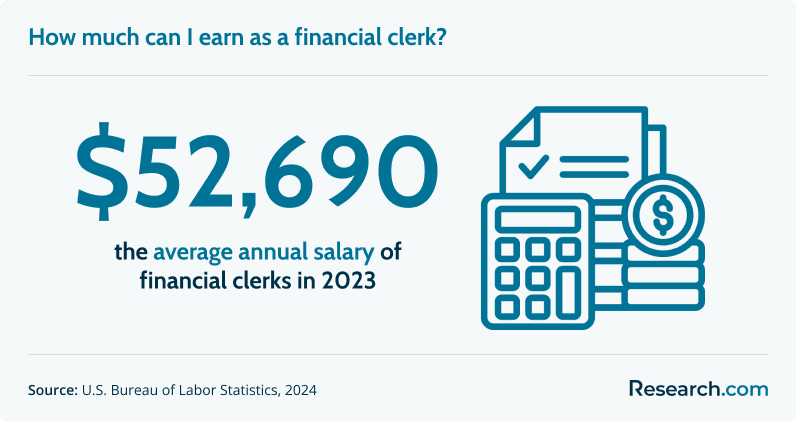
- With an associate's degree in finance, you can earn an average annual salary of $52,690 as a financial clerk, while a bachelor's degree can lead to an average annual salary of $99,890 as a financial analyst.
- Obtaining a finance degree online offers flexibility and convenience, making it easier to balance studies with work and personal commitments.
What can I expect from the easiest finance degrees?
Among the available options, an associate's degree in finance or an associate's degree in business administration with a finance specialization is often considered the easiest path.
- Finance degree programs are designed to provide students with a comprehensive understanding of financial principles, markets, and instruments.
- Students may expect core courses in topics such as financial accounting, corporate finance, economics, and investment analysis. Elective courses may include risk management, financial palnning, and international finance.
- Students may also gain opportunities to analyze real-world financial scenarios and develop problem-solving skills through internships in financial firms, banks, or corporate finance departments.
- Tuition costs of the easiest finance degrees depend on the level of degree you're pursuing. An associate's degree may cost up $3,000 to $10,000 per year, while an MBA in finance from private universities may set you back up to $70,000 annually.
- Associate's and master's degrees in finance may take up to two years to complete, while a bachelor's degree in finance may take up to 4 years for full-time students. Students pursuing a PhD in finance may spend up to 6 years completing their degree.
Where can I work with the easiest finance fegrrees?
With a finance degree, you can work in a variety of sectors, including banking, investment firms, corporate finance departments, and government agencies. Roles such as financial analyst, accountant, financial manager, and investment banker are common.
Finance professionals are also sought after in insurance companies, consulting firms, and non-profit organizations, offering diverse career paths that align with different interests and skills within the financial industry.
How much can I make with the easiest finance degrees?
Entry-level positions, such as financial clerks or bookkeepers, typically offer salaries of around $52,690 annually. With advanced degrees or certifications, roles like financial analysts or managers can earn significantly more, with average salaries around $99,890 per year.
With a degree in finance, your earning potential varies based on your level of education and experience. Career growth and specialization can further increase earning potential in the finance industry.
- Easiest Finance Degrees for 2027 Best Programs
- How long does it take to complete the easiest finance degrees? Completion Time
- How does an online finance degree program compare to an on-campus program? How does an online finance degree program compare to an on-campus program?
- What is the average cost of the easiest finance degrees? Average Cost
- What are the financial aid options for students enrolling in the easiest finance degrees? Financial Aid
- What are the prerequisites for enrolling in the easiest finance degrees? Requirements
- How does the curriculum of an easy finance degree differ from a traditional finance degree? How does the curriculum of an easy finance degree differ from a traditional finance degree?
- What courses are typically in the easiest finance degrees? What courses are typically in the easiest finance degrees?
- Are there specializations available in the easiest finance degrees? Are there specializations available in the easiest finance degrees?
- What certifications can enhance the career prospects of easiest finance degree graduates? What certifications can enhance the career prospects of easiest finance degree graduates?
- How to choose the easiest finance degree? How to choose the easiest finance degree?
- What career paths are available for graduates of the easiest finance degrees? Career Paths
- What is the job market for graduates with a finance degree? Job Market
- Is an easy finance degree worth the investment? Is an easy finance degree worth the investment?
- Can combining finance with healthcare management create a competitive edge? Can combining finance with healthcare management create a competitive edge?
- How do career support services and networking opportunities enhance finance career success? How do career support services and networking opportunities enhance finance career success?
Easiest Finance Degrees for 2027: Practical Options, Costs, Timelines, and Career Trade-Offs
Choosing the “easiest” finance degree is not about finding a program with no math, no accounting, or no analytical work. Finance always requires comfort with numbers, business concepts, and financial decision-making. The real question is which finance degree is the most accessible for your background, schedule, budget, and career goals.
This guide is for students comparing associate, bachelor’s, master’s, MBA, and doctoral finance pathways; working adults who need flexible online options; and career changers who want finance-related roles without overcommitting to a highly specialized program too early. You will learn which finance degrees tend to be easier to enter and complete, how long they take, what they cost, how online and campus programs compare, what jobs they can lead to, and when a different business or accounting path may be a better fit.
Quick Answer: What Is the Easiest Finance Degree?
The easiest finance degree for most students is usually an associate’s degree in finance or an associate’s degree in business administration with a finance specialization. These programs are shorter, more introductory, and often have fewer admissions requirements than bachelor’s or graduate finance programs. Online associate programs can be especially manageable for working students because they often offer flexible schedules.
However, “easy” has trade-offs. Associate-level programs may help with entry-level finance, bookkeeping, banking, and clerical roles, but many higher-paying finance careers, including financial analyst roles, commonly require a bachelor’s degree. Students who want stronger long-term mobility should compare short-term convenience with career ceiling, transfer options, accreditation, and employer expectations.
How to Think About “Easy” Finance Degrees
A finance degree may feel easier because it has flexible delivery, fewer prerequisites, a shorter completion timeline, lower tuition, more practical coursework, or broader business requirements instead of advanced quantitative finance. That does not mean the degree is automatically better. The right choice depends on what you want the credential to do for you.
| Degree option | Why it may be easier | Best fit | Main limitation |
| Associate’s Degree in Finance | Shorter program with introductory finance, accounting, and economics coursework | Students seeking entry-level finance support, banking, bookkeeping, or transfer preparation | May not qualify graduates for many analyst or management roles |
| Online Associate’s Degree in Finance | Flexible format that can fit around work, family, or other obligations | Working adults and students who need remote access to coursework | Requires strong time management and self-direction |
| Associate’s Degree in Business Administration with a Finance Specialization | Broader business curriculum with finance electives or concentration courses | Students who want finance exposure without narrowing their options too early | May offer less finance depth than a dedicated finance major |
| Bachelor’s Degree in Finance | More comprehensive but still accessible through online, transfer-friendly, or adult-learning formats | Students targeting analyst, planning, corporate finance, or investment-related roles | Longer timeline and more advanced quantitative coursework |
| Bachelor’s in Business Administration in Finance | Combines general management training with finance coursework | Students interested in business leadership plus finance skills | May be less specialized than a pure finance degree |
| Master’s Degree in Finance | Focused graduate finance training for students who already have undergraduate preparation | Professionals seeking deeper technical finance knowledge | More rigorous admissions expectations and advanced coursework |
| MBA with a Concentration in Finance | Business leadership degree with finance concentration rather than a purely technical finance curriculum | Professionals pursuing management, consulting, or executive-track roles | Can be expensive and may be less quantitative than a specialized finance master’s |
| Ph.D. in Finance | Not generally considered easy; it is research-intensive and academically demanding | Students aiming for research, university teaching, or theory-driven work | Long completion timeline and narrow academic focus |
Associate’s Degree in Finance
An associate’s degree in finance introduces students to basic financial concepts, accounting practices, economics, financial management, and business operations. It can prepare graduates for support roles such as financial clerk, accounting clerk, bank teller, or bookkeeper, and it can also serve as the first step toward a bachelor’s degree.
Where to Get It:
- Wilmington University (New Castle, DE)
- Northern Virginia Community College (VA)
- Stark State College (North Canton, OH)
Online Associate’s Degree in Finance
An online associate’s program in finance can be one of the most accessible routes for students who need scheduling flexibility. Courses commonly cover financial planning, investments, risk management, accounting basics, and business decision-making through virtual classes, online assignments, and digital learning platforms.
This option works best for students who can stay organized without frequent in-person structure. It is not necessarily easier academically, but the format may make completion more realistic for working adults or students with family responsibilities.
Where to Get It:
- Southern New Hampshire University
- Westcliff University
- Colorado Technical University
Associate’s Degree in Business Administration with a Finance Specialization
This degree blends general business training with finance-focused coursework. Students may study business law, marketing, accounting, management, and financial analysis. Because the curriculum is broader, it can be a good choice for students who want finance skills but also want to keep options open in administration, operations, accounting support, or small business roles.
Where to Get It:
- Ashworth College (West Des Moines, IA)
- Colorado Mesa University (Grand Junction, CO)
- Everglades College (multiple locations in FL)
Bachelor’s Degree in Finance
A bachelor’s degree in finance provides deeper preparation in financial analysis, corporate finance, investment strategy, portfolio management, financial modeling, and international finance. It usually requires more time and stronger quantitative skills than an associate program, but it can open the door to more competitive roles such as financial analyst, financial planner, investment banking analyst, or corporate finance specialist.
Where to Get It:
- University of Maryland Global Campus (online)
- Thomas Edison State University (Trenton, NJ)
- University of North Dakota (Grand Forks, ND)
Bachelor’s in Business Administration in Finance
A bachelor’s in business administration with a finance focus combines finance coursework with management, organizational behavior, strategic management, entrepreneurship, and broader business topics. It may be easier for students who prefer a management-oriented curriculum instead of a narrowly technical finance program.
Where to Get It:
- University of Phoenix (Multiple Locations)
- Oregon State University Ecampus (online)
- Maryville University (St. Louis, MO)
Master’s Degree in Finance
A master’s degree in finance is designed for students who already have undergraduate preparation and want advanced training in finance theory, investments, corporate finance, financial modeling, and risk management. It can support careers in investment banking, portfolio management, risk analysis, and senior financial analysis, but it is not typically the easiest route for beginners.
Where to Get It:
- Bentley University (Waltham, MA)
- University of Chicago Booth School of Business (Chicago, IL)
- Emory University Goizueta Business School (Atlanta, GA)
MBA with a Concentration in Finance
An MBA with a finance concentration pairs graduate business training with advanced finance coursework. It is often a better fit for professionals who want leadership, consulting, corporate finance, or private equity opportunities rather than a purely technical finance credential.
Where to Get It:
- Harvard Business School (Boston, MA)
- Wharton School of the University of Pennsylvania (Philadelphia, PA)
- Kellogg School of Management at Northwestern University (Evanston, IL)
Ph.D. in Finance
A Ph.D. in finance is the most academically advanced option in the field. It emphasizes original research, financial theory, quantitative methods, and scholarly publication. It is best suited for students who want to teach at the university level, conduct research, or work in high-level policy or academic finance settings.
Where to Get It:
- Massachusetts Institute of Technology (MIT) Sloan School of Management (Cambridge, MA)
- University of California, Berkeley - Haas School of Business (Berkeley, CA)
- New York University Stern School of Business (New York, NY)
Student Perspectives on Finance Degrees
- Alicia: ""The online format helped me complete my bachelor’s in finance without pausing my work life. Courses in financial modeling and strategy gave me material I could discuss in interviews, and I moved into a financial analyst role after finishing the program.""
- Jason: ""The associate finance program fit my schedule as a working adult. The coursework in planning and risk helped me build confidence in my accounting-related job.""
- Ciara: ""My finance bachelor’s program gave me a stronger understanding of corporate finance and global markets. It helped me explore opportunities in investment banking and advisory work.""
Key Findings
- The most accessible finance degrees are usually associate-level programs and online programs designed for flexibility.
- A bachelor’s degree generally offers stronger access to finance analyst, planning, and corporate finance roles than an associate degree alone.
- Graduate finance degrees and finance-focused MBAs are better suited for professionals seeking specialization, leadership, or career advancement.
- Online finance programs can reduce scheduling barriers, but students should still verify accreditation, transfer policies, total cost, and career support.
- Entry-level finance support roles may be affected by automation, so students should build practical experience, software skills, and credentials when possible.
How Long Does It Take to Complete an Accessible Finance Degree?
Completion time depends on degree level, enrollment status, transfer credits, and whether the program is offered in a traditional, part-time, online, or accelerated format.
| Degree level | Typical completion time | What students should know |
| Associate’s Degree in Finance | About two years of full-time study | Often used for entry-level work or transfer into a bachelor’s program |
| Bachelor’s Degree in Finance | Around four years of full-time study | Usually provides deeper career preparation and may include internships or applied projects |
| Master’s in Finance | One to two years | Part-time enrollment can lengthen the timeline for working professionals |
| MBA with a concentration in Finance | Two years | Part-time options may extend the duration to up to two years, while accelerated formats may take less than two years |
| PhD in Finance | Four to five years | Includes advanced theory, research training, original research, and a dissertation |
Online Finance Degree vs. On-Campus Finance Degree: Which Is Easier?
An online finance degree can be easier to complete for students who need flexibility, but it is not automatically easier academically. The coursework should still cover finance principles, accounting, economics, risk, financial analysis, and business decision-making. The main difference is delivery.
Online programs may offer asynchronous coursework, allowing students to study from any location with internet access and complete assignments around work or family obligations. Campus programs provide more face-to-face structure, easier access to in-person networking, and a more traditional college routine.
| Factor | Online finance degree | On-campus finance degree |
| Schedule | Often more flexible, especially with asynchronous courses | Usually follows set class times |
| Student fit | Best for self-directed learners, working adults, and remote students | Best for students who want in-person interaction and structured routines |
| Networking | May rely on virtual events, online career services, and alumni platforms | Can provide easier access to campus recruiting, clubs, and local internships |
| Learning style | Requires independent planning and comfort with digital tools | Offers direct classroom interaction and immediate campus support |
| Related option | Students comparing flexible business pathways may also review accelerated online business degree programs | Campus programs may offer stronger local employer connections depending on the school |
What Is the Average Cost of the Easiest Finance Degrees?
Finance degree costs vary by institution type, residency status, delivery format, fees, and whether credits transfer. Students should compare total cost rather than tuition alone, including technology fees, course materials, transportation, housing, lost work time, and exam or certification costs.
| Program type | Cost information provided | Cost notes |
| Associate’s Degree in Finance at public colleges | Approximately $5,000 to $10,000 per year | Often among the lowest-cost entry points into finance education |
| Associate’s Degree in Finance at private colleges | Between $15,000 to $25,000 per year | Students should compare outcomes, transferability, and support services before paying more |
| Associate’s in Business Administration with a finance specialization | Generally falls within similar cost ranges as the associate’s in finance | Costs may vary based on the business emphasis |
| Online associate’s programs in finance at public institutions | Typically ranging from $7,000 to $12,000 per year | Technology and course material fees may apply |
| Online associate’s programs in finance at private institutions | $12,000 to $20,000 per year | Convenience should be weighed against total cost and transfer policies |
| Bachelor’s degree programs in finance and bachelor’s in business administration in finance at public universities (in-state) | Approximately from $10,000 to $20,000 per year | Public in-state tuition may be more affordable than private alternatives |
| Bachelor’s degree programs in finance and bachelor’s in business administration in finance at private universities | $25,000 to $45,000 per year | Students should evaluate scholarship availability and career outcomes carefully |
| Online bachelor’s options and related programs | May offer cost savings of around $5,000 to $10,000 annually compared to on-campus alternatives | Students comparing finance-adjacent routes may also review affordable online accounting degree programs |
Finance degrees can produce a favorable return when students choose an affordable, accredited program and use the degree to qualify for roles with stronger wage potential. Still, ROI is not guaranteed. It depends on the school, total debt, location, internships, work experience, networking, and whether the degree level matches the student’s career goal.
In 2023, median annual salaries for selected entry-level finance-related occupations are shown in the chart below. Financial analysts were the highest earners among the roles noted here, with a median annual salary of $99,890 in 2023. That occupation, however, typically requires a bachelor’s degree.
What Financial Aid Options Are Available for Finance Degree Students?
Students considering finance degrees should apply for aid early and compare award letters carefully. The most affordable program is not always the one with the lowest tuition; grants, scholarships, transfer credits, employer benefits, and fees can change the final price.
- Federal Aid. Eligible students may qualify for grants such as Pell Grants and federal student loans, including Direct Subsidized and Unsubsidized Loans.
- Scholarships. Colleges, professional associations, community organizations, and private groups may offer scholarships based on academic performance, financial need, location, identity, employer affiliation, or interest in finance.
- Work-Study Programs. Federal Work-Study can provide part-time employment opportunities for eligible students with financial need.
- Institutional Aid. Schools may award their own grants, tuition discounts, and scholarships based on need, merit, program enrollment, or other criteria.
- Private Loans. Private loans can help cover remaining costs, but students should compare interest rates, repayment terms, cosigner requirements, and borrower protections before using them.
- State Aid. Some states provide grants, scholarships, tuition assistance, or resident-specific programs for students attending eligible in-state institutions.
What Are the Prerequisites for Enrolling in an Easier Finance Degree?
Admissions requirements vary by school and degree level. Associate programs are usually the most accessible, while bachelor’s and graduate programs may require stronger academic records, prerequisite coursework, test scores, or professional experience.
| Requirement | What it usually means | Why it matters |
| High School Diploma or GED | Applicants generally need proof of high school completion or an equivalent credential | Establishes basic eligibility for undergraduate admission |
| Transcripts | Schools may request high school transcripts and any prior college records | Used to evaluate academic readiness and potential transfer credit |
| Minimum GPA | Some programs may require around 2.0 or higher | Higher GPAs may improve admission or scholarship opportunities |
| Standardized Tests | SAT or ACT scores may be requested by some bachelor’s programs | Many schools vary in test requirements, so students should check current admissions policies |
| Application Form | Students submit personal and educational information through the school’s application | Starts the formal admissions review process |
| Application Fee | Fees vary by institution | Students should ask whether fee waivers are available |
| Letters of Recommendation | Some programs may request references from teachers, employers, or mentors | Can strengthen an application, especially for selective programs |
| Personal Statement or Essay | Applicants may explain their interest in finance and career goals | Helps admissions teams understand motivation and fit |
| Interview | Some schools may require a conversation with admissions staff or faculty | Allows the program to evaluate readiness and communication skills |
How Does an Easier Finance Curriculum Differ from a Traditional Finance Degree?
An easier finance program usually emphasizes accessibility, practical business applications, and foundational finance knowledge. A traditional or more rigorous finance degree may include deeper quantitative analysis, more advanced modeling, higher-level economics, and specialized finance electives.
- More introductory core courses. Accessible programs often begin with personal finance, business foundations, financial literacy, accounting basics, and introductory economics.
- Greater focus on practical skills. Students may complete case studies, budgeting exercises, financial statement reviews, and applied business projects instead of theory-heavy assignments.
- More flexible learning formats. Online and hybrid options are common among programs designed for adult learners and students who need schedule flexibility.
- Fewer specialization choices. Easier or shorter programs may not include advanced concentrations in investment banking, corporate finance, risk management, or financial engineering.
- Lower prerequisite barriers. Associate and broad business programs may accept students from a wider range of academic backgrounds than more selective finance programs.
What Courses Are Common in Easier Finance Degrees?
Even accessible finance programs require quantitative thinking. Students who dislike math entirely may find finance more challenging than expected and may want to compare it with other options among the easiest business degrees. Common courses include:
- Introduction to Finance. Students learn the purpose of finance in business decisions, including financial markets, risk and return, time value of money, financial instruments, and basic analysis.
- Financial Accounting. This course teaches students how to read and prepare financial statements, including the balance sheet, income statement, and statement of cash flows.
- Business Statistics. Students use probability, hypothesis testing, regression, correlation, and data interpretation to support business and finance decisions.
- Financial Management. This course covers budgeting, capital decisions, working capital, financial planning, and risk management within organizations.
- Personal Finance. Students study budgeting, saving, investing, debt, insurance, retirement planning, and estate planning from an individual finance perspective.
Associate-level finance courses can also help students prepare for transfer into bachelor’s programs or related accelerated pathways, including an accelerated accounting degree online option.
Finance degree graduates work across many industries. For bookkeeping, accounting, and auditing clerks, the industry with the highest level of employment is accounting, tax preparation, bookkeeping, and payroll services (97,770). The chart below provides additional detail.
Are Specializations Available in Easier Finance Degrees?
Specializations are more common at the bachelor’s and graduate levels than in associate programs. Many easier finance degrees, especially short or general business programs, focus on core finance knowledge rather than specialized tracks.
Some programs may offer electives or concentrations in areas such as financial planning, banking, investments, or risk management. These options can help students test a career direction without committing to a highly specialized graduate program.
The trade-off is important: general finance programs are easier to enter and often more flexible, but they may provide less depth. Graduates without specialization may face more limited job options, especially for technical or higher-paying roles.
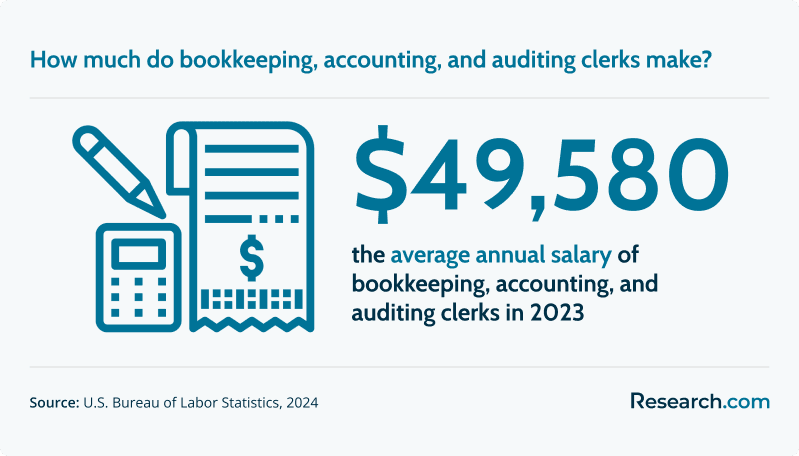
In 2023, bookkeeping, accounting, and auditing clerks working in a general finance capacity had an annual average salary of $49,580. This was slightly above the average salary of all occupations combined at $48,060.
What Certifications Can Improve Career Prospects for Finance Graduates?
Certifications can help finance graduates show specialized knowledge, especially when their degree is broad, introductory, or associate-level. They do not replace experience or a degree requirement for every role, but they can strengthen a resume and clarify a career direction.
| Certification | Best for | How it can help |
| Certified Financial Planner (CFP) | Students interested in financial planning, wealth management, retirement planning, and client advising | Signals preparation for personal financial planning and advisory work |
| Chartered Financial Analyst (CFA) | Students interested in investment banking, portfolio management, investment research, or analysis | Recognized globally and associated with rigorous investment and analysis training |
| Financial Risk Manager (FRM) | Students interested in banking, investment firms, corporate finance, and risk management | Demonstrates knowledge of identifying, measuring, and managing financial risk |
If you are comparing easy finance degree programs, certifications may help you build depth beyond the required curriculum and compete for roles that expect more than general finance knowledge.
Can Supplementary Specialized Degrees Strengthen a Finance Career?
Finance increasingly overlaps with analytics, law, healthcare, technology, and management. Students who begin with a broad or accessible finance degree may later add a specialized credential to move into a more defined career lane.
For example, finance professionals who want stronger data-driven decision-making skills may consider an affordable online MBA in data analytics. Students interested in compliance, contracts, or regulatory work may compare finance training with legal studies options such as the cheapest master of legal studies online programs. Professionals seeking deeper finance specialization may later evaluate the cheapest online masters in finance.
What Accreditation Standards Should Finance Students Check?
Accreditation should be one of the first filters when choosing a finance degree. Institutional accreditation helps protect credit transfer, graduate school eligibility, employer recognition, and access to federal financial aid. Students should verify accreditation through the school and recognized accrediting sources rather than relying only on marketing language.
- Confirm that the institution is accredited by a recognized accrediting body.
- Ask whether credits transfer to bachelor’s or graduate programs.
- Review whether the business school or business programs hold specialized accreditation when relevant.
- Check faculty qualifications, course requirements, graduation information, and career support.
- Ask whether online and campus versions of the program have the same academic recognition.
Students comparing business graduate options may also review affordable AACSB accredited online MBA programs no GMAT when accreditation and flexibility are major priorities.
What Challenges Should Students Expect in an Easy Finance Degree?
An easier finance degree can reduce barriers, but it can also create limitations. Students should understand these risks before enrolling.
| Common challenge | Why it matters | Better approach |
| Assuming “easy” means no quantitative work | Finance requires accounting, statistics, analysis, and spreadsheet skills | Review course descriptions before enrolling and refresh math skills early |
| Choosing the shortest program without checking career requirements | Many finance roles prefer or require a bachelor’s degree | Match the degree level to specific job postings you want |
| Ignoring accreditation | Unaccredited programs can limit transfer, aid, and employer recognition | Verify institutional accreditation before applying |
| Focusing only on tuition | Fees, books, technology costs, transportation, and lost wages affect total cost | Compare full cost of attendance and aid packages |
| Skipping internships or work experience | Finance employers often value applied skills and workplace exposure | Prioritize programs with career services, internships, projects, or employer connections |
| Assuming salary outcomes are guaranteed | Pay depends on role, location, degree level, experience, and market conditions | Use salary data as a planning tool, not a promise |
How to Choose the Easiest Finance Degree for Your Goals
The best finance degree is the one you can complete, afford, and use. Before applying, compare programs with a decision framework rather than relying only on rankings or the word “easy.”
- Define your target role. Decide whether you want banking support, bookkeeping, financial planning, financial analysis, corporate finance, investment work, or management.
- Match the degree level to the job. Associate programs can support entry-level roles, while bachelor’s and graduate credentials are often more useful for analyst, leadership, or specialized positions.
- Check accreditation first. Do not enroll until you verify institutional accreditation and understand whether credits can transfer.
- Compare total cost. Include tuition, fees, books, software, transportation, technology, and the time you may need away from work.
- Review curriculum difficulty. Look for accounting, statistics, finance, spreadsheet, and modeling requirements so you know what to expect.
- Evaluate flexibility. If you work full-time, compare asynchronous online courses, part-time scheduling, and accelerated formats carefully.
- Ask about career support. Strong advising, internships, employer connections, resume help, and alumni networks can make a major difference.
- Plan for credentials and experience. Certifications, internships, and finance-related jobs can help compensate for a broad or introductory curriculum.
How Do Internships and Practical Experiences Improve Finance Degree Outcomes?
Finance is applied. Internships, simulations, case projects, student-managed investment activities, bookkeeping work, banking experience, and finance software practice can help students turn classroom knowledge into employable skills.
Students who need flexibility should look for programs that make practical learning realistic for online or part-time learners. Career centers, virtual networking, alumni mentoring, employer projects, and internship placement support can be especially valuable for students who are not studying on campus.
What Career Paths Are Available After an Easier Finance Degree?
Career options depend heavily on degree level. Associate-level graduates may qualify for support roles, while bachelor’s and graduate degree holders can pursue more analytical, managerial, or specialized finance careers.
Associate’s Degree in Finance
- Financial Analyst Assistant: Supports analysts by preparing reports, organizing data, and assisting with financial research.
- Bank Teller: Processes customer transactions, maintains accurate records, and introduces customers to banking services.
- Accounting Clerk: Handles invoices, maintains financial records, and supports basic accounting functions.
Bachelor’s Degree in Finance
- Financial Analyst: Reviews financial data, evaluates investments, analyzes performance, and supports business or investment decisions.
- Financial Planner: Helps clients plan for retirement, investments, taxes, insurance, and long-term financial goals.
- Corporate Finance Specialist: Supports budgeting, forecasting, capital planning, and financial operations inside an organization.
Graduates who want accounting specialization may compare finance with accredited online master's programs in accounting. Those interested in senior organizational roles outside finance may also explore a doctorate of strategic leadership.
Master’s Degree in Finance
- Financial Manager: Oversees budgeting, financial planning, reporting, and financial strategy.
- Corporate Controller: Manages financial operations, reporting systems, and accounting controls.
- Portfolio Manager: Manages investment portfolios for individuals, institutions, or organizations.
MBA with a Concentration in Finance
- Chief Financial Officer (CFO): Serves as the senior executive responsible for financial strategy and performance.
- Management Consultant: Advises organizations on financial, operational, and strategic decisions.
- Private Equity Professional: Evaluates, invests in, and works to increase the value of private companies.
PhD in Finance
- University Professor: Teaches finance, conducts research, and publishes scholarly work.
- Research Fellow: Produces finance research within academic, policy, or research institutions.
- International Organizations: Contributes to financial policy, development, and research initiatives.
If finance does not fit your strengths or goals, it may be worth comparing other flexible pathways, including fastest online business admin programs, shortest EdD online programs, fastest online technology degrees, or fastest accelerated psychology master's programs.
What Is the Job Market for Finance Degree Graduates?
The finance job market differs sharply by occupation and education level. Roles that require analytical judgment and bachelor’s-level preparation generally have stronger prospects than routine clerical positions that are more exposed to automation and digital transformation.
Financial analysts, who typically hold bachelor’s degrees, are projected to see 8% employment growth from 2022 to 2032. Insurance sales agents and loan officers, which may be more accessible to some associate-level graduates depending on employer requirements, show projected growth of 8% and 3%, respectively.
By contrast, some roles available with only an associate degree face weaker prospects. The projected job growth for financial clerks is negative at -4%, similar to other clerk and teller roles. The chart below provides more detail.
Is an Easy Finance Degree Worth the Investment?
An easy finance degree can be worth it when it is accredited, affordable, aligned with your target job, and paired with practical experience. It may not be worth it if the program is expensive, offers limited career support, lacks transfer pathways, or does not meet the education expectations of the roles you want.
The strongest ROI often comes from choosing the lowest-cost accredited pathway that still supports your long-term goal. For some students, that means starting with an associate degree and transferring. For others, it means going directly into a bachelor’s finance program or choosing a business administration degree with finance coursework.
Students aiming for senior accounting or finance-adjacent leadership roles may eventually ask whether graduate accounting is a better investment. The answer depends on the target career, but this comparison can help: Is getting a Master's in Accounting worth it?
Should Finance Graduates Consider an Affordable Executive MBA Online?
An executive MBA may make sense for experienced professionals who already have a finance foundation and want broader leadership authority. It can add training in global markets, executive decision-making, strategy, and organizational leadership beyond what an easier finance degree typically covers.
This route is usually not the first step for beginners. It is more appropriate when your long-term goal involves senior management, cross-functional leadership, or expanded influence within an organization. If that describes your path, compare options such as an affordable executive MBA online.
How Can You Accelerate a Finance Career with Flexible Degree Options?
Finishing faster is helpful only if the credential still has value. Students who want to move quickly should combine flexible education with transfer planning, practical experience, and skill development.
- Consider accelerated programs carefully. An accelerated finance degree online may help motivated students complete coursework faster while maintaining flexibility.
- Use transfer credits strategically. Prior coursework in accounting, economics, business, or general education may reduce time and cost if accepted by the new school.
- Build experience while studying. Internships, part-time finance work, bookkeeping roles, banking jobs, and projects can strengthen employability.
- Add certifications when appropriate. Credentials such as CFP, CFA, or FRM can help students move beyond a general finance foundation.
- Develop technology skills. Finance students should become comfortable with spreadsheets, financial modeling tools, data interpretation, and digital finance platforms.
- Use networking resources. Alumni connections, virtual events, career fairs, and mentorship can help students find internships and entry-level roles.
Can Combining Finance with Healthcare Management Create a Competitive Edge?
Finance skills can be valuable in healthcare organizations because hospitals, clinics, insurers, and healthcare systems must manage budgets, reimbursement, capital planning, compliance, and resource allocation. Students who understand both finance and healthcare operations may be better positioned for roles that require financial decision-making in regulated healthcare environments.
Professionals interested in this intersection may compare finance training with affordable online MBA programs with healthcare concentration.
How Do Career Support Services and Networking Affect Finance Career Success?
Career support can be the difference between simply earning credits and turning a degree into a job opportunity. Students should look beyond course lists and ask how the school helps finance students prepare for employment.
- Does the program offer finance-specific career advising?
- Are internships, employer projects, or co-op experiences available?
- Can online students access the same career services as campus students?
- Does the school host employer events, alumni panels, or finance networking sessions?
- Are resume reviews, interview coaching, and job search support included?
Students who want a broader business foundation with affordability in mind can also compare affordable accredited business degree programs online.
Finance Degree vs. Business-Focused Program: What Is the Difference?
A finance degree focuses more directly on financial analysis, markets, investments, risk, budgeting, valuation, and financial decision-making. A business-focused program is broader and may include management, marketing, operations, entrepreneurship, human resources, and organizational strategy.
Choose finance if you want work centered on money, markets, analysis, investments, or financial strategy. Choose a broader business degree if you want flexibility across management, administration, operations, or entrepreneurship. Students still comparing business pathways may find this guide useful: business administration vs business management degree.
Questions to Ask Before Enrolling in an Easy Finance Degree
- Is the institution accredited by a recognized accrediting body?
- Will credits transfer into a bachelor’s or graduate program later?
- What finance courses are required, and how quantitative are they?
- Does the program include accounting, statistics, financial management, and spreadsheet-based analysis?
- What are the total costs after fees, books, software, and technology charges?
- What career services are available to online and part-time students?
- Do graduates commonly pursue the jobs you want?
- Are internships, projects, or employer partnerships built into the program?
- Would a business administration, accounting, analytics, or healthcare management program fit your goals better?
- Will you need certifications or a higher degree to reach your desired role?
Key Insights
- The easiest finance degree for many students is an associate’s degree in finance or an online associate finance program, but these options usually lead to more limited entry-level roles.
- A bachelor’s degree in finance takes longer, but it is often the more practical minimum credential for analyst, planning, corporate finance, and investment-related careers.
- Online finance degrees are easier to fit into a busy life, not necessarily easier academically. Self-discipline is essential.
- Cost comparisons should include tuition, fees, transfer credits, financial aid, technology costs, and lost work time, not tuition alone.
- Accreditation, internships, career services, and employer recognition matter as much as program length when evaluating value.
- Automation may weaken prospects for some clerical finance roles, so students should build analytical, software, communication, and certification-based advantages.
- Students who want faster progress should consider accelerated programs, transfer credits, practical experience, and targeted certifications instead of choosing a program only because it sounds easy.
References:
- U.S. Bureau of Labor Statistics. (2024). Financial clerks. Retrieved July 11, 2024, from BLS
- U.S. Bureau of Labor Statistics. (2024). Bookkeeping, accounting, and auditing clerks. Retrieved July 11, 2024, from BLS
- U.S. Bureau of Labor Statistics. (2024). Financial analysts. Retrieved July 11, 2024, from BLS
- U.S. Bureau of Labor Statistics. (2024). Loan officers. Retrieved July 11, 2024, from BLS
- U.S. Bureau of Labor Statistics. (2024). Insurance sales agents. Retrieved July 11, 2024, from BLS
- U.S. Bureau of Labor Statistics. (2024). Occupational employment and wages, May 2023 - 43-3031 Bookkeeping, accounting, and auditing clerks. Retrieved July 11, 2024, from BLS
- U.S. Bureau of Labor Statistics. (2024). Occupational employment and wages, May 2023 - 43-3031 Financial clerks, all other. Retrieved July 11, 2024, from BLS
- U.S. Bureau of Labor Statistics. (2024). Tellers. Retrieved July 11, 2024, from BLS
Other Things You Should Know About The Easiest Finance Degrees
Most finance degrees require College Algebra, Statistics, and sometimes Business Calculus before upper-level finance classes. Some programs accept placement scores or prerequisite completion with a C or better. Universities usually list 120 total credit hours for graduation, with about 30 to 36 credits in finance-specific coursework.
Yes, the easiest finance degree programs often require around 120 to 130 credit hours for completion in 2027. These programs may offer simplified courses with fewer prerequisites, allowing students to complete required credits more efficiently without complex electives.
In 2027, finance degree programs are eased by flexible online courses, interactive digital resources, and streamlined curricula focusing on core financial concepts. Schools emphasize practical applications and industry-aligned skills, reducing the complexity traditionally associated with finance studies and making them more accessible to a diverse range of learners.