2027 Online Healthcare Administration Degrees That Help Build Healthcare Management Skills

Co-Founder and Chief Data Scientist
Choosing an online healthcare administration degree is really a decision about career direction, cost, and management readiness. Healthcare organizations need leaders who understand finance, compliance, staffing, data, and patient-centered operations; the U.S. Bureau of Labor Statistics reported a $117,960 median annual wage for medical and health services managers in May 2024.
This guide is for working adults, career changers, and healthcare employees comparing degree options. You will learn how programs differ, what they cost, which accreditation matters, and how to judge whether the investment fits your goals.
Key Things You Should Know
- Online healthcare administration degrees can prepare students for nonclinical leadership roles in hospitals, clinics, insurance organizations, public health agencies, and long-term care settings, but job level usually depends on degree level and prior experience.
- The strongest program checks are institutional accreditation, relevant healthcare business coursework, transparent total cost, transfer-credit policy, internship or capstone quality, and employer-aligned outcomes.
- BLS data shows medical and health services managers had a $117,960 median annual wage in May 2024, but salaries vary widely by role, region, facility size, and whether the position requires graduate education or licensure.
What are online healthcare administration degrees?
Online healthcare administration degrees are college programs that teach the business, policy, finance, technology, and leadership side of healthcare. Unlike nursing, medicine, or allied health programs, they usually do not train students to provide direct patient care. Instead, they focus on how healthcare organizations operate, stay compliant, manage budgets, improve quality, supervise teams, and use data to support better decisions.
These programs can be offered at the associate, bachelor's, master's, and doctoral levels. The right level depends on whether you are trying to enter healthcare administration, move from a clinical role into management, or compete for executive leadership. Students who already have a bachelor's degree and want senior administrative roles often compare specialized graduate options such as a masters of health administration with MBA or public health pathways.
The table below summarizes the main online healthcare administration degree levels and the decision each one usually supports.
| Degree level | Best fit | Common outcome | Decision note |
Associate degree | Students seeking a lower-cost entry point or transfer pathway | Administrative assistant, patient services, billing support, or transfer to a bachelor's program | Useful if the credits transfer cleanly; less likely to qualify for management roles by itself. |
Bachelor's degree | New college students, career changers, and healthcare workers seeking supervisory roles | Clinic coordinator, operations analyst, department supervisor, or health services administrator | Often the baseline credential for entry-level management and graduate school admission. |
Master's degree | Professionals targeting higher-level management, consulting, policy, or executive-track roles | Practice manager, hospital department manager, director-level roles, or healthcare consultant | Most valuable when paired with relevant work experience, internships, residencies, or capstone projects. |
Doctoral degree | Experienced leaders interested in executive, research, teaching, or policy roles | Senior executive, faculty role, policy leader, or applied research position | Usually unnecessary for most entry-level or midlevel healthcare management jobs. |
An online healthcare administration degree is usually a good fit if you like problem-solving, policy, service quality, budgeting, and team coordination more than direct clinical care. It may not be the best fit if you want hands-on patient care, a fast route to licensure, or a highly technical clinical credential.
Which accreditation matters for healthcare administration programs?
Accreditation is one of the most important checks before enrolling because it affects financial aid eligibility, credit transfer, graduate admission, and employer confidence. At minimum, the college or university should hold institutional accreditation from an accreditor recognized by the U.S. Department of Education or the Council for Higher Education Accreditation.
Programmatic accreditation can matter as well, especially at the graduate level. For healthcare management, the Commission on Accreditation of Healthcare Management Education is widely recognized for master's-level healthcare management programs. Not every legitimate bachelor's program has programmatic healthcare administration accreditation, so the key is to distinguish "required" from "preferred."
The table below explains the accreditation checks that matter most and how to use them when comparing schools.
| Accreditation or approval type | Where it matters most | What to verify | Why it affects your decision |
Institutional accreditation | All degree levels | The institution is accredited by a recognized institutional accreditor. | This is the baseline for federal financial aid, transfer credit review, and degree legitimacy. |
Healthcare management programmatic accreditation | Primarily master's programs | The specific healthcare management program, not just the university, is accredited. | It may signal stronger alignment with healthcare leadership competencies and employer expectations. |
State authorization | Online programs enrolling out-of-state students | The school is authorized to enroll students in your state. | This helps avoid enrollment problems, especially for internships or field experiences. |
Licensure alignment | Long-term care and nursing home administration tracks | The curriculum meets your state board's education expectations if licensure is required. | Some healthcare administration roles are not licensed, but nursing home administration often is. |
A common mistake is checking only the university's marketing page and assuming every program has the same recognition. Before applying, search the accreditor's database, confirm the exact program name, and ask admissions whether the program supports your intended role, state, and credential path.
Can you earn healthcare administration skills online?
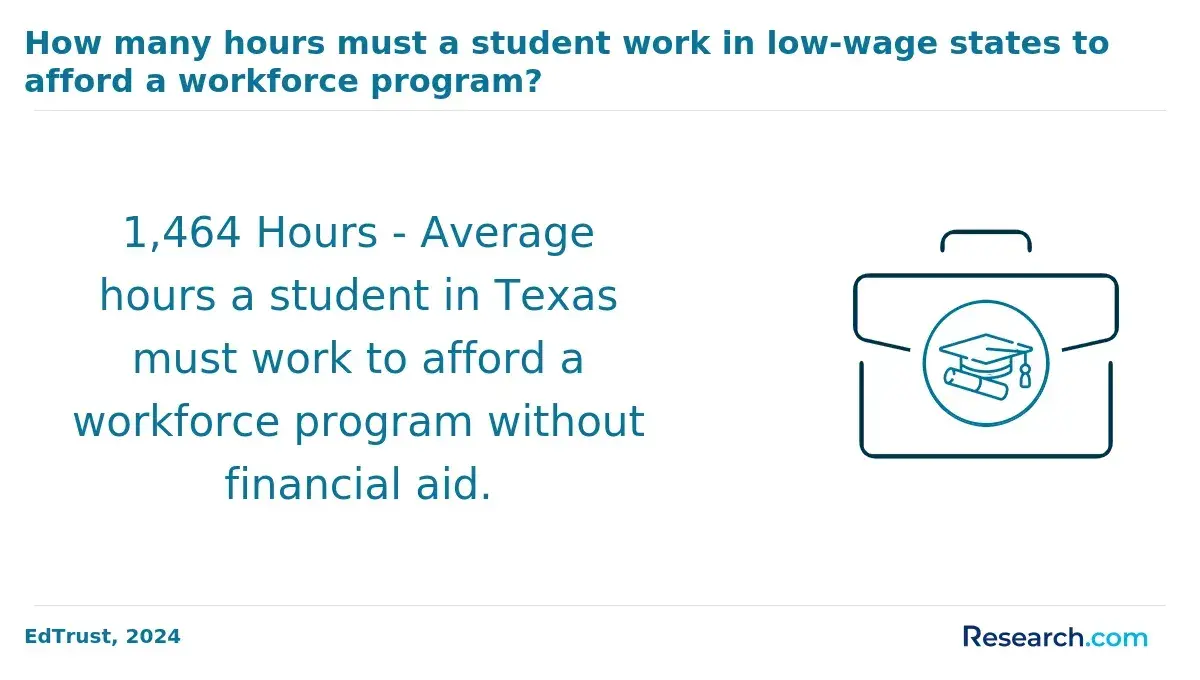
You can build many healthcare administration skills online, especially skills tied to planning, communication, budgeting, policy analysis, quality improvement, data interpretation, and leadership. The best online programs are not just recorded lectures; they use case studies, simulations, group projects, healthcare datasets, capstones, and sometimes supervised field experiences to mirror real administrative work.
Online study is especially practical for working adults because healthcare facilities operate around complex schedules. The trade-off is that students must be intentional about networking and applied experience, since those pieces are easier to access naturally on campus.
Use the comparison below to decide whether online learning fits the way you want to build management skills.
| Format | Strengths | Trade-offs | Best for |
| Fully online asynchronous | Maximum schedule flexibility and easier fit for shift workers | Requires strong self-direction and proactive networking | Working adults, caregivers, military students, and students with unpredictable schedules |
| Online with live sessions | More real-time discussion, presentations, and instructor interaction | Less flexible if sessions are required at fixed times | Students who want structure but cannot relocate |
| Hybrid | Combines online coursework with in-person labs, intensives, or networking | May require travel and may not work for students far from campus | Students near campus or those who value in-person professional connections |
| On campus | More immediate access to faculty, student groups, and local healthcare employers | Less flexible and often harder for full-time workers | Traditional students or those targeting local internship pipelines |
Technology is also changing the skill set. Healthcare administrators increasingly need to understand electronic health records, dashboards, revenue-cycle tools, telehealth operations, cybersecurity basics, and AI-assisted workflow analysis. You do not need to become a programmer, but you should graduate comfortable asking data-driven questions and spotting risks in automated decisions.
To make an online program more career-relevant, take these steps before and during enrollment.
- Ask whether the program uses healthcare-specific case studies rather than generic business assignments.
- Confirm whether you can complete an internship, practicum, capstone, or consulting project with a healthcare organization near you.
- Choose electives in analytics, quality improvement, informatics, project management, or compliance if your target jobs mention those skills.
- Build a portfolio with budget analyses, process-improvement plans, policy memos, dashboards, and leadership reflections.
- Join professional associations or local healthcare networking events so the online format does not limit your visibility.
What courses are in healthcare administration programs?
Healthcare administration programs blend business fundamentals with healthcare-specific regulation, delivery systems, ethics, and quality management. The exact curriculum varies by school and degree level, but strong programs should help you understand both how organizations run and why healthcare decisions carry patient, legal, and financial consequences.
Many students compare healthcare administration with broader business pathways. If you want maximum flexibility across industries and are not committed to healthcare, a business administration online degree may offer a wider management foundation, while healthcare administration gives you more targeted preparation for healthcare systems.
The table below shows common course areas and the management skills they are designed to build.
| Course area | What it teaches | Why it matters in healthcare management |
Healthcare systems and policy | How U.S. healthcare is organized, funded, regulated, and evaluated | Administrators need context for decisions involving access, reimbursement, compliance, and service delivery. |
Healthcare finance | Budgeting, reimbursement, payer mix, cost control, and financial reporting | Managers are often accountable for staffing, purchasing, billing performance, and departmental budgets. |
Quality improvement and patient safety | Performance measurement, root-cause analysis, process redesign, and safety culture | Healthcare leaders must improve outcomes while reducing waste and avoidable errors. |
Law, ethics, and compliance | Privacy, fraud and abuse rules, employment issues, patient rights, and ethical decision-making | Compliance failures can create legal, financial, and reputational risk. |
Human resources and leadership | Hiring, supervision, conflict resolution, workforce planning, and organizational behavior | Many healthcare administration roles involve leading interdisciplinary teams under staffing pressure. |
Health informatics and analytics | Data systems, reporting, dashboards, and evidence-based decision-making | Employers increasingly expect administrators to interpret operational and quality data. |
When comparing curricula, look beyond course titles. A strong "healthcare finance" course should use healthcare reimbursement examples; a strong "leadership" course should address clinical teams, patient safety culture, and regulatory constraints. If most courses look like generic business classes with only a healthcare elective or two, ask how the program supports healthcare-specific career outcomes.
What are the admission requirements for these programs?
Admission requirements depend on degree level, school selectivity, and whether the program is designed for first-time students, transfer students, or working professionals. Online programs are often flexible, but flexible does not mean automatic admission or low expectations.
The table below outlines common requirements so you can estimate how ready you are before spending time and money on applications.
| Program level | Typical admission requirements | Helpful preparation |
Associate degree | High school diploma or equivalent, transcripts, placement review, and basic application materials | Strong reading, writing, basic math, and computer skills |
Bachelor's degree | High school or transfer transcripts, minimum GPA, application form, and sometimes a personal statement | Transferable general education credits, healthcare work exposure, and statistics readiness |
Master's degree | Bachelor's degree, transcripts, resume, statement of purpose, recommendations, and sometimes prerequisite coursework | Professional experience, leadership examples, quantitative readiness, and a clear career goal |
Doctoral degree | Graduate degree or strong professional background, writing sample, resume, recommendations, and interview in some programs | Substantial leadership experience and a defined research, executive, or policy interest |
Some schools no longer require standardized tests for many online healthcare administration programs, especially for working adults. If a test is optional, ask whether submitting scores can improve admission or scholarship consideration rather than assuming it does not matter.
Before applying, gather the items most likely to delay your file.
- Request official transcripts early, especially if you attended multiple colleges.
- Ask whether healthcare certifications, military training, or prior learning can be evaluated for credit.
- Confirm minimum GPA rules and whether the school offers conditional admission if your GPA is below the preferred range.
- Prepare a short career statement that connects your background to healthcare leadership, not just your desire for an online degree.
- Ask whether out-of-state students have any restrictions for field placements, internships, or licensure-aligned tracks.
A common red flag is an admissions process that avoids questions about accreditation, outcomes, transfer credits, or total cost. A reputable program should be able to explain how admissions standards connect to student readiness and career goals.
How long do online healthcare administration degrees take?
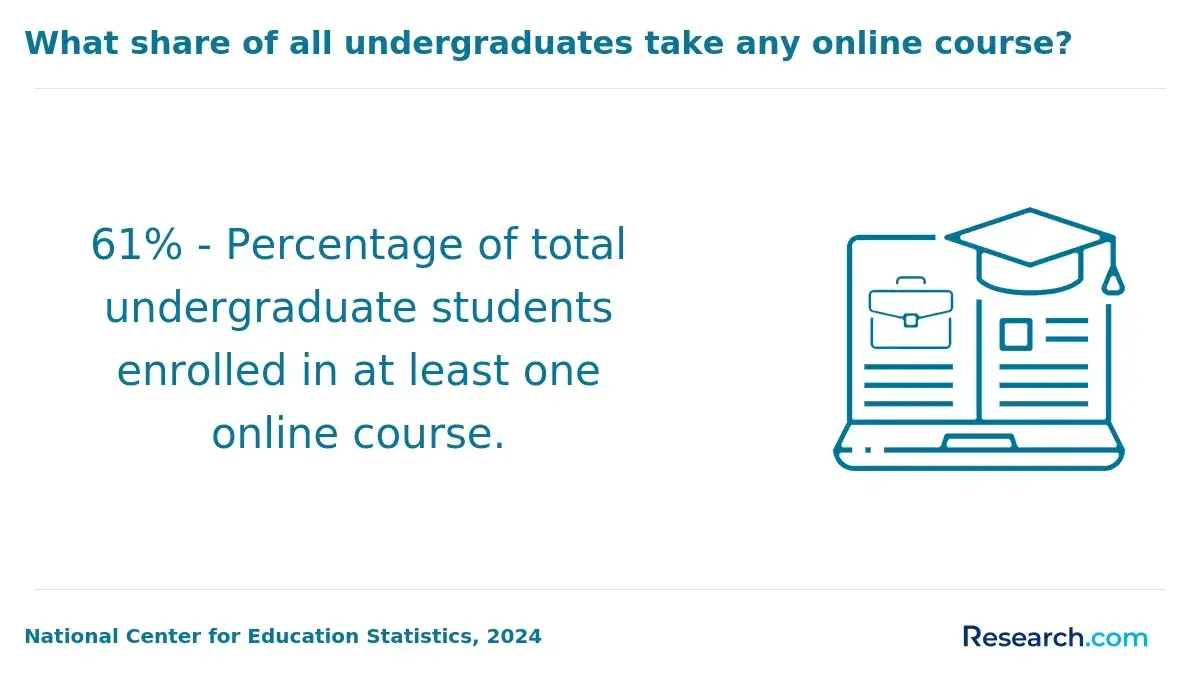
Program length depends on degree level, transfer credits, enrollment intensity, academic calendar, and whether the program includes a practicum or capstone. Online programs may offer traditional semesters, shorter terms, or competency-based pacing, but faster is not always better if you need time to work, build experience, or manage family responsibilities.
The table below shows typical completion timelines and the trade-offs behind each option.
| Credential | Typical online timeline | What can shorten it | What can extend it |
Certificate | Several months to about one year | Prior degree, focused curriculum, and year-round terms | Part-time pacing or limited course availability |
Associate degree | About two years full time | Transfer credit, dual enrollment, or prior learning credit | Developmental coursework or part-time enrollment |
Bachelor's degree | About four years full time | Completed general education credits, associate degree transfer, or accelerated terms | Changing majors, repeating courses, or taking one course at a time |
Master's degree | About one to three years | Full-time enrollment, waived prerequisites, and compact course sequencing | Working full time, practicum scheduling, or thesis requirements |
Doctoral degree | Often three or more years | Clear dissertation or applied project focus and strong advising | Research delays, professional workload, or project-site challenges |
If speed is your top priority, compare the actual course rotation rather than the advertised "finish faster" claim. A program may have short terms but still delay graduation if required courses are offered only once per year.
Students comparing management fields sometimes look at faster, operations-focused alternatives outside healthcare, including an accelerated project management degree. That route may make sense if your main interest is scheduling, process execution, risk management, and cross-industry operations rather than healthcare policy and regulation.
To choose the right pace, estimate your weekly capacity realistically. Full-time online study can be demanding, especially in courses involving statistics, finance, group projects, or fieldwork. A slower pace may cost more in time, but it can reduce burnout and help you apply lessons at work while studying.
How much do online healthcare administration degrees cost?
The cost of an online healthcare administration degree depends on tuition, fees, transfer credits, residency status, books, technology, travel for any campus requirements, and time away from work. Do not compare schools by tuition alone; compare total program cost after transfer credit, scholarships, employer tuition assistance, and required fees.
For a national pricing benchmark, College Board's 2024 Trends in College Pricing reported average published tuition and fees of $11,610 for in-state students at public four-year institutions, $30,780 for out-of-state students at public four-year institutions, and $43,350 at private nonprofit four-year institutions for 2024-25. These figures are not specific to healthcare administration, but they show why residency status and institution type can change the financial picture dramatically.
When schools publish pricing, look for these cost categories and ask whether each is included in the quoted total.
- Tuition charged per credit or per term
- Online learning, technology, graduation, transcript, and program fees
- Books, software, exam proctoring, and course materials
- Travel or lodging for required campus intensives, residencies, or in-person orientations
- Practicum, internship, background check, immunization, or placement-related expenses
- Lost income or reduced work hours if the program requires daytime fieldwork
The smartest cost comparison is cost per completed credential, not cost per credit. A program with a higher per-credit price may be less expensive overall if it accepts more transfer credits, offers a shorter path, or includes fees in tuition. A lower-tuition program may cost more if credits do not transfer, courses are not offered when needed, or students must retake prerequisites.
Use this practical sequence before enrolling.
- Ask for a written degree plan showing exactly which credits you still need.
- Request a total program cost estimate, including fees and required materials.
- Confirm whether tuition is locked, cohort-based, or subject to annual increases.
- Compare employer tuition assistance rules, scholarship deadlines, and federal financial aid eligibility.
- Calculate monthly loan payments under realistic borrowing scenarios before committing.
If you are comparing management degrees for ROI, do not assume healthcare administration is automatically better or worse than another field. For example, students considering facility operations, budgeting, vendor coordination, and site leadership may also compare healthcare pathways with construction management programs. The better investment is the one aligned with the industry you actually want to work in.
What jobs can you get with a healthcare administration degree?
Healthcare administration degrees can lead to roles in hospitals, physician practices, outpatient centers, insurance companies, long-term care facilities, public health organizations, consulting firms, and health technology vendors. The degree does not place every graduate directly into management; entry point depends on degree level, healthcare experience, internships, and local hiring demand.
For many students, the career path starts with coordination, analyst, or supervisor roles and then moves toward department management. Graduate-level education, such as a master's in healthcare administration, health informatics, public health, or business, may be preferred for larger systems or higher-responsibility leadership roles.
The table below connects common job titles with typical responsibilities and the preparation that can help you compete.
| Role | Typical responsibilities | Common preparation |
Medical office manager | Oversees scheduling, billing workflows, staff coordination, patient service, and office procedures | Bachelor's degree, billing knowledge, supervisory experience, and practice-management software skills |
Clinic operations coordinator | Supports daily clinic flow, staffing schedules, patient throughput, and operational reporting | Bachelor's degree, healthcare experience, data reporting skills, and process-improvement coursework |
Health services manager | Manages a department, program, service line, or facility function | Bachelor's or master's degree, leadership experience, finance knowledge, and quality-improvement skills |
Revenue cycle analyst or manager | Monitors billing performance, claims, denials, reimbursement, and financial workflows | Healthcare finance, analytics, coding or billing familiarity, and payer knowledge |
Quality improvement specialist | Tracks performance measures, supports audits, analyzes safety issues, and recommends workflow changes | Quality management coursework, statistics, data visualization, and regulatory knowledge |
Long-term care administrator | Leads nursing home or long-term care operations, staffing, compliance, resident services, and budgets | Degree plus state-specific licensure requirements in many cases |
To improve your job prospects while enrolled, treat school projects as career assets. Choose assignments that let you analyze real healthcare problems, such as appointment no-shows, staffing shortages, patient satisfaction, claims denials, or quality reporting. These examples can become interview stories and portfolio pieces.
Common mistakes include applying only for "administrator" titles, ignoring analyst and coordinator roles, and waiting until graduation to network. Many healthcare management careers grow from internal promotion, so relevant experience in registration, billing, scheduling, patient access, quality, or operations can be valuable even before you hold a management title.
What salary can healthcare administration graduates expect?
Salary expectations in healthcare administration depend heavily on job title, education, experience, employer type, geography, and management scope. A bachelor's graduate entering a coordinator role should not expect the same pay as an experienced hospital department director or licensed long-term care administrator.
The clearest national benchmark is the BLS medical and health services managers category. The BLS reported a $117,960 median annual wage for this occupation in May 2024, which means half of workers in the occupation earned more and half earned less. This is a role-based median, not a guaranteed outcome for all degree holders.
The table below shows how to interpret salary potential by career stage rather than assuming one degree produces one salary.
| Career stage | Possible roles | Salary context | What can improve earning potential |
Entry level | Administrative coordinator, patient access supervisor, billing specialist, clinic operations assistant | Often below manager-level national medians because responsibilities are narrower | Healthcare experience, software skills, strong Excel or analytics ability, and supervisory exposure |
Early management | Office manager, clinic supervisor, revenue cycle lead, quality coordinator | Pay rises with staff responsibility, budget ownership, and measurable operational impact | Bachelor's degree, performance-improvement results, certifications, and internal promotion |
Midlevel leadership | Department manager, practice administrator, program manager, health services manager | Closer to national manager benchmarks when the role includes budget and personnel authority | Master's degree, healthcare finance expertise, analytics, and multi-site or service-line experience |
Senior leadership | Director, executive administrator, vice president, consultant, system-level leader | Highly variable and often tied to organization size, region, and performance responsibility | Advanced degree, long leadership record, strategic planning experience, and strong professional network |
Use salary data carefully when evaluating ROI. Compare the cost of the degree against the jobs you are realistically qualified for immediately after graduation, not only the highest-paying roles listed by schools. Also check regional job postings because local employers may prefer different credentials, experience levels, or certifications.
Do healthcare administration jobs require certification or licensure?
Most healthcare administration jobs do not require a universal license, but some roles do require state-specific licensure or employer-preferred certifications. The biggest licensure issue is long-term care administration, especially nursing home administrator roles, where state boards commonly set education, exam, training, and supervised experience requirements.
Certifications are different from licensure. A certification may strengthen your resume, demonstrate specialized knowledge, or support promotion, but it usually does not give you legal permission to practice unless a state or employer specifically requires it.
The table below separates licensure and certification so you can avoid choosing a program based on the wrong assumption.
| Credential type | Common examples | Usually required? | Decision guidance |
State licensure | Nursing home administrator license or similar long-term care credential | Often required for specific facility administrator roles | Check your state board before enrolling, because requirements can vary by state. |
Professional certification | Healthcare management, revenue cycle, risk management, compliance, or quality credentials | Often optional, sometimes preferred by employers | Choose certifications that match your target role rather than collecting unrelated initials. |
Employer-specific training | Electronic health record, billing platform, safety, privacy, or compliance training | Common after hiring | Useful for advancement, but usually not a substitute for degree-level preparation. |
If your goal involves licensure, follow this sequence before committing to a program.
- Identify the exact job title you want, such as nursing home administrator, assisted living administrator, or hospital operations manager.
- Find the state board or agency that regulates that role in your state.
- Compare the board's education, internship, exam, and experience rules with the school's curriculum.
- Ask the program to provide written confirmation of whether it is designed to meet your state's requirements.
- Keep records of syllabi, field hours, practicum documentation, and supervisor evaluations in case a board requests them.
The safest approach is to treat licensure as state-specific and certifications as career-specific. Do not rely only on a national program description if your intended job is regulated locally.
Other Things You Should Know About Healthcare Administration
Usually, diplomas do not state the delivery format, but policies vary by institution. Ask the school directly how the degree, transcript, and campus name will appear before enrolling.
No, prior healthcare experience is not typically necessary before starting an online healthcare administration degree in 2027. Many programs are designed for those new to the field, providing foundational knowledge in healthcare management, policy, and ethics to help build the necessary skills from scratch.
Review job postings, talk with a clinic manager or department administrator, volunteer in a healthcare setting if possible, and take an introductory healthcare systems or management course. If you enjoy solving workflow, staffing, compliance, and service problems, the field may fit you well.
References
- Healthcare Administration Degree | The College of Westchester https://www.cw.edu/programs/school-of-allied-health-healthcare-services-administration/
- The Best Certifications for Healthcare Administrators | 2025-26 Guide https://masterspublichealth.com/healthcare-administrator-certifications/
- Admissions Criteria https://ed.wum.edu.pl/pl/admissions-criteria
- Do I Need To Be Certified To Be a Healthcare Administrator? - Healthcare Administration Degree Programs https://www.healthcare-administration-degree.net/faq/do-i-need-to-be-certified-to-be-a-healthcare-administrator/
- Healthcare Administration Degree Online | DeVry University https://www.devry.edu/online-programs/bachelors-degrees/healthcare-administration.html
- 10 careers you can pursue with a Healthcare Administration Degree - SMWC https://www.smwc.edu/10-careers-you-can-pursue-with-a-healthcare-administration-degree-blog-december-22/
- Health Administration Accreditation – Why It Matters https://www.healthadministrationdegrees.com/articles/health-administration-accreditation-why-it-matters/
- Healthcare Administration Online Certification Training https://medcerts.com/programs/healthcare/healthcare-administration-professional-online-training
- Online Bachelor's Degree in Health Services Administration https://www.monroeu.edu/student-life/online-experience/online-bachelors-degree-health-services-administration
- Medical and Clinical Administration | Free Online Course | Alison https://alison.com/course/medical-and-clinical-administration