2027 Online BA in Psychology - General Psychology for Medical Records Clerks: What to Check Before Changing Careers
Audited and Verified:
Our Editorial and Data Verification Process
Research.com uses government datasets, official education statistics and primary institutional information to support its career and degree guides. Our review process checks factual accuracy, occupational definitions, source dates and the requirements associated with the credentials discussed.
How This Article Was Fact-Checked
Our editorial team verifies salary estimates, employment projections, education requirements and program information against original data providers and official organizations. Salary figures are checked against the relevant occupational definitions and reporting periods. Information about licensure, accreditation and required in-person training is reviewed separately.
Fact-checked and verified on:

Co-Founder and Chief Data Scientist
Medical records work builds skills in documentation, privacy, and navigating health systems. An online BA in general psychology could help you move toward patient support, human services, or research—but it may be an expensive detour if your goal is advancement in health information management.
This guide is for clerks weighing a career change while working. It explains which roles the degree may support, what additional experience or credentials employers may expect, and how to check a program's time, cost, and fit before enrolling.
Key Things You Should Know
- A general psychology BA can complement record experience for nonclinical support or research roles; it does not qualify you to diagnose or provide therapy.
- Many bachelor's programs require about 120 semester credits, but only a school's degree audit can show how your prior coursework reduces the credits still needed.
- If you want to remain in health information management, compare a targeted credential or employer training with the full degree before committing.
What Is an Online General Psychology Bachelor's Degree for Medical Records Clerks?
An online BA in general psychology is a broad undergraduate degree in behavior, cognition, development, and psychological research. "General" usually means studying several areas of psychology rather than completing a formally designated clinical or addiction concentration. A BA may leave room for electives, but the actual statistics, science, and major requirements differ by school.
For a medical records clerk, the value is not learning to manage charts again. It is adding a foundation for understanding behavior and evaluating evidence to existing strengths in accurate documentation and confidential information handling. When comparing online psychology degree curricula, check whether methods courses, electives, and any applied experience support the work you want to do.
Can a Psychology Bachelor's Degree Help Medical Records Clerks Change Careers?
Yes, particularly for a move into nonclinical patient support, service coordination, or research operations. Records work demonstrates attention to detail and familiarity with health systems; psychology study can add research literacy, communication, and knowledge of behavior. The gap is often direct service or research experience, not simply another credential.
The best route depends on the destination. For patient-facing support, seek supervised experience with referrals, accessibility, and professional boundaries. For research coordination, build competence in spreadsheets, study procedures, and data governance. If the goal is substance-use services, compare state-recognized training and supervised-work requirements with addiction psychology BA and BS degree options; studying addiction does not itself authorize counseling.
Ask a prospective employer for the qualifications in its actual job posting. If the role primarily involves coding, records quality, or information governance, a psychology BA may be less direct than health information training.
What Jobs Can You Get With an Online Psychology Bachelor's Degree?
Possible targets include patient navigators, intake coordinators, human services assistants, research assistants, and program support specialists. Titles are not standardized: one intake role may focus on scheduling, while another requires experience assessing service needs under established procedures. Your records background may be especially useful where careful documentation and privacy are central.
The distinctions below help separate plausible transitions from roles requiring further education or authorization:
| Target role | Relevant preparation | Qualification check |
| Patient navigator or intake coordinator | Health-system familiarity, communication, referrals, accurate records | Check employer requirements for direct-service experience and training. |
| Research assistant or coordinator support | Data accuracy, methods, spreadsheets, study documentation | Check required research experience and permissions for handling study data. |
| Health information specialist | Records systems, coding or data-quality skills | Check whether a health information credential matters more than a psychology degree. |
| Licensed mental health professional | Further qualifying education and supervised practice | A general psychology BA alone is insufficient; verify the jurisdiction's licensing rules. |
Forensic work is another area where job titles can mislead: victim-services support and licensed forensic evaluation are very different paths. Even a forensic psychology master's study with faster pacing should not be assumed to qualify someone for independent clinical or forensic practice.
Online delivery does not determine whether a degree is recognized. Verify that the institution holds accreditation recognized by the U.S. Department of Education or the Council for Higher Education Accreditation, and confirm that the degree is awarded by that institution. Then compare the program with employers' stated degree and experience requirements.
Do not look for American Psychological Association accreditation as a general test of bachelor's quality: APA accreditation covers specified professional psychology training programs, not general psychology BAs. This distinction also matters when reviewing forensic psychology degree program quality checks. Institutional accreditation supports a program's legitimacy; it does not prove that a particular degree meets an employer's hiring standard or a licensing board's rules.
Common subjects include introductory psychology, development, social and cognitive psychology, research methods, and statistics. Programs may also offer biological psychology, psychopathology, health psychology, or electives outside the major. Course titles alone do not show how much practice you will get designing a study, interpreting results, or communicating findings.
For a records-to-research transition, prioritize methods, statistics, ethics, and an approved project with a supervisor. For service coordination, developmental and social psychology may be useful alongside supervised communication experience. A specialized graduate course sequence—such as one considered during forensic psychology master's accelerated curriculum planning—is not interchangeable with undergraduate electives or professional training.
Ask whether projects use simulated, public, or authorized data. Employment in a records department does not give a student permission to use patient information for coursework.
First-year applicants generally need evidence of secondary-school completion; transfer applicants usually submit transcripts from prior colleges. Schools set their own GPA, application, and major-entry rules. Having worked in medical records can strengthen your explanation of career goals, but it does not replace academic requirements.
If you have college credit, request a written evaluation that separates credits accepted from credits applied to general education, psychology prerequisites, the major, and remaining residency requirements. Ask whether a prior statistics course satisfies the psychology requirement and when you can take research methods. The school—not an informal estimate—decides equivalencies and graduation eligibility.
If you are also applying to a substance use counseling bachelor's, compare its admissions and credential pathway separately; financial aid planning for a substance use counseling bachelor's addresses a different program decision, not an admission requirement for general psychology.
Many bachelor's degrees are built around roughly 120 semester credits. Your remaining time depends on the degree audit, course sequence, enrollment pace, and whether required classes are offered when you need them. An associate degree or prior coursework may help, but accepted credits do not necessarily satisfy psychology-major requirements.
Online does not always mean self-paced. Ask about scheduled classes, group meetings, proctored assessments, campus visits, and any placement hours before planning an intensive online psychology degree. As a working clerk, build a term-by-term plan around your shifts; a faster calendar is useful only if you can complete the required work consistently.
There is no reliable single price for "an online psychology BA." Compare each school's tuition basis—per credit, course, or term—plus mandatory fees, materials, and any travel or unpaid experiential requirement. The most useful estimate is the school's written calculation for your remaining requirements, not the advertised price of a full degree.
When reviewing lower-cost online psychology study pathways, request a degree audit and a term-by-term cost estimate from each institution. Check federal-aid eligibility with the financial aid office and ask your employer whether tuition assistance covers psychology or only job-related health information study. Include the earnings and time you might forgo if a placement conflicts with work.
No single certification is required for every medical records job. Employers may value credentials tied to health information management or coding, depending on the position. Check the specific credentialing organization's education and examination rules and the job posting before paying for preparation; a psychology BA is not a substitute for a required coding or health information credential.
This is an important dividing line for your decision. If you want to advance in records quality or coding, investigate the relevant credential first. If you want to leave record work for a psychology-adjacent role, compare that role's actual experience requirements—even if accelerated undergraduate forensic psychology study sounds appealing. A specialized degree title does not confer a records certification or forensic-practice authority.
What Are the Salary and Job Outlook for Psychology Graduates?
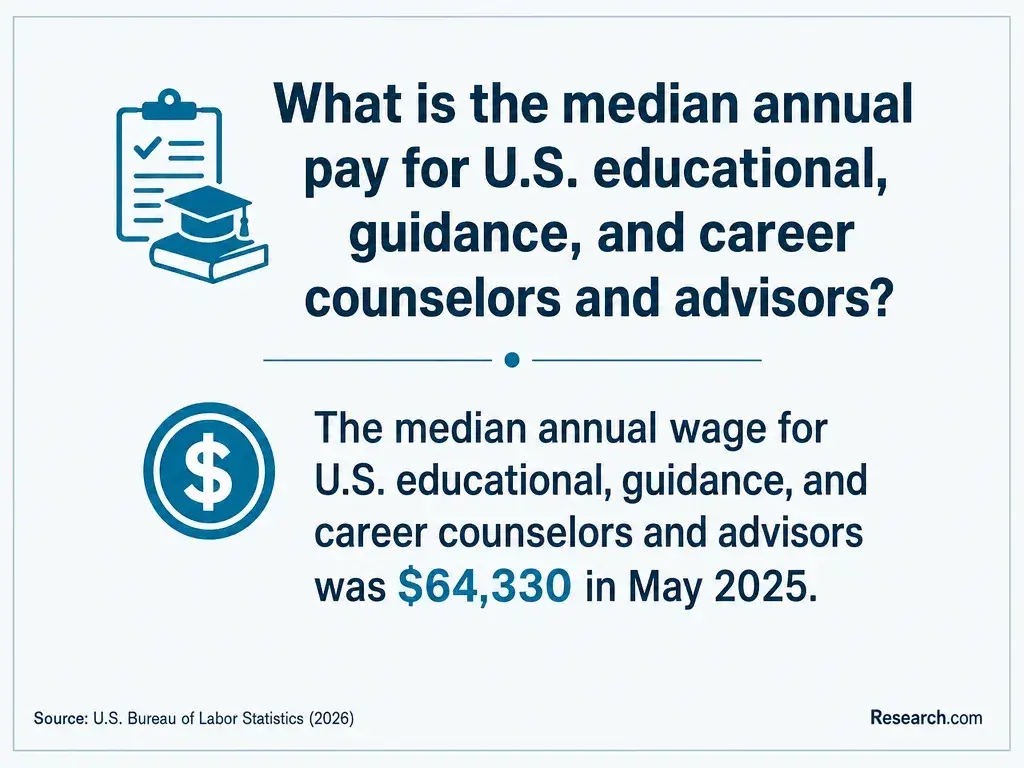
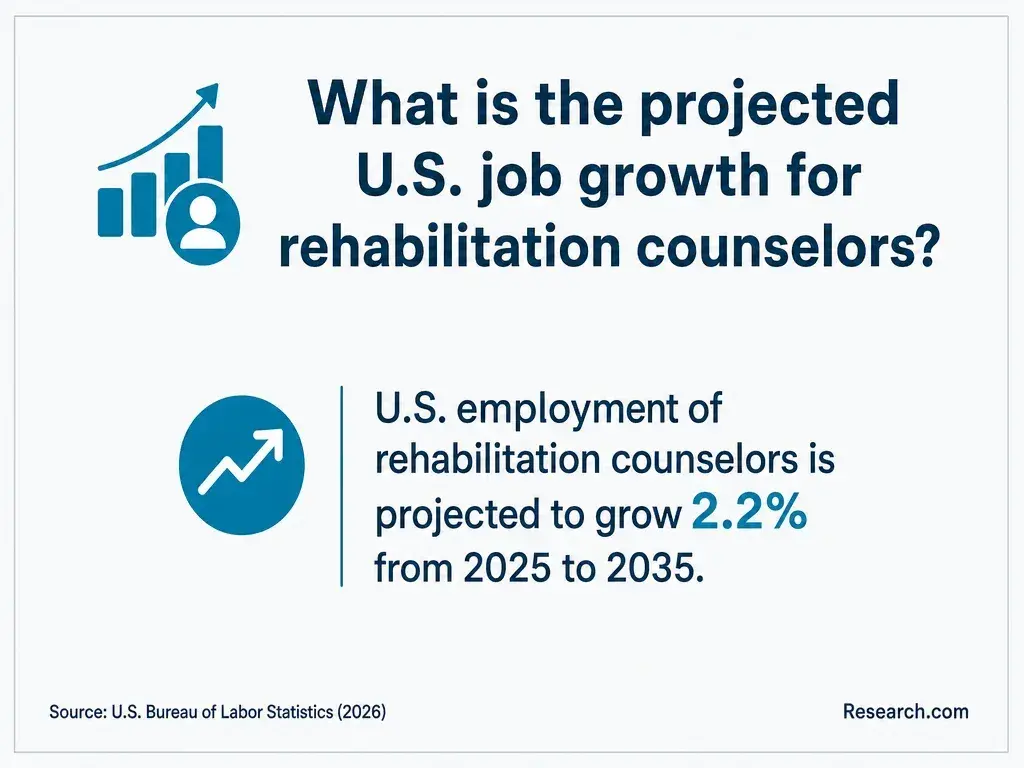
There is no single salary or employment-growth figure for psychology BA graduates: labor statistics track occupations, not everyone holding a particular major. For a defensible comparison, use the U.S. Bureau of Labor Statistics Occupational Outlook Handbook entries for your current occupation and two target occupations. Check each occupation's median pay, projection period, typical entry education, and job duties. An occupation-wide median is not an offer to a new graduate or evidence of a degree's return on investment.
Compare local postings as well. A patient-support role may value your health-system experience, while a research role may require methods experience you have not yet gained. If the eventual job requires graduate training, factor that additional time and cost into the decision; an online psychology master's affordability guide can inform a later comparison, but a general master's is not automatically a licensure route.
Before enrolling, identify three jobs you would actually apply for, record their required qualifications, and compare the lowest-cost credible way to close each gap. Enroll in the BA when its coursework and opportunities address gaps that a shorter credential or supervised experience cannot.
Other Things You Should Know About Psychology
Not without the necessary institutional authorization and applicable privacy protections. Use approved public or simulated data unless your employer and school explicitly permit another approach.
Only if your program approves the site, supervisor, learning objectives, and duties. Regular employment alone does not establish that an academic placement requirement has been met.
Connect specific tasks - accurate documentation, confidential data handling, and coordination across teams - to the target posting. Add evidence of new service or research skills rather than presenting the degree as a substitute for experience.
If you want tuition assistance or a supervised internal opportunity, ask about policy and available roles before enrolling. You can discuss career goals without implying that enrollment gives you permission to access data or take on clinical duties.
- Electronic Health Records and Improved Patient Care - PMC https://pmc.ncbi.nlm.nih.gov/articles/PMC5553914/
- Colorado Transfer https://cdhe.colorado.gov/students/attending-college/colorado-transfer
- Health Information Manager - Explore Healthcare Careers | Mayo Clinic College of Medicine and Science https://college.mayo.edu/academics/explore-health-care-careers/careers-a-z/health-information-manager/
- Medical Records Technician: Duties & Training | UMA https://www.ultimatemedical.edu/blog/what-is-a-medical-records-technician/
- How to choose an accredited online university that fits your goals | Inside Capella | Capella University Blog https://www.capella.edu/blog/inside-capella/how-to-choose-an-accredited-online-university-that-fits-your-goals/
- CWS Data Tool: Careers in Psychology | apa.org https://www.apa.org/workforce/data-tools/careers-psychology
- Bachelor of Arts in Psychology - Texas State's online programs https://online.txst.edu/degrees/undergraduate/ba-psychology/
- Online Bachelor's Degree in Psychology | Purdue Global https://www.purdueglobal.edu/degree-programs/psychology/bachelor-degree-psychology-online/
- Can You Get a Psychology Degree Online - & Should You? | Franklin University https://www.franklin.edu/blog/can-you-get-a-psychology-degree-online
- Transfer Credit Evaluation - TXST Admissions https://www.admissions.txst.edu/future-students/transfer-credit-evaluation.html