2027 Online Criminal Justice Degrees for Students With Prior Police Academy Training

Co-Founder and Chief Data Scientist
Police academy graduates face a pressing challenge: turning field experience into a recognized academic credential without sacrificing work hours or delaying career advancement. The Bureau of Labor Statistics projects a 7% growth in criminal justice-related roles over the next decade, intensifying competition for supervisory and specialized positions that often require formal degrees.
Meanwhile, 68% of adult learners in 2024 prefer flexible online formats that accommodate ongoing employment, according to the National Center for Education Statistics. This shift demands programs that acknowledge prior academy training while offering accessible, accelerated degree pathways.
This article examines online criminal justice degree options tailored for those with police academy backgrounds, focusing on flexibility, transfer credit policies, and workforce outcomes.
Key Things You Should Know
- Bachelor's degree completion post-police academy increases median public safety leadership earnings by 17%, but extending education duration delays reentry into law enforcement roles, amplifying income opportunity costs, per 2024 BLS wage analyses.
- Despite accelerated online bridge programs, 42% of law enforcement agencies as of 2024 now require degree credentials for promotion, creating a strategic tradeoff between immediate field experience and credential acquisition for advancement eligibility.
- National Center for Education Statistics 2024 data indicate that prior academy training grants up to 30% credit transfer in online criminal justice degrees, expediting completion and reducing overall cost burden relative to traditional pathways.
How does prior police academy training affect admission to online criminal justice degrees?
Prior police academy experience impacts eligibility for online criminal justice programs by allowing applicants to bypass foundational courses, thus reducing redundancy and shortening time to degree completion. For example, officers with academy training entering an online bachelor's degree can often skip basic criminal law or policing foundations, enabling focus on advanced topics like criminology theory or Homeland Security.
However, meeting minimum GPA requirements and providing official transcripts remains mandatory, often requiring course-by-course documentation review, which may delay admissions.
Online programs that credit police academy training offer practical advantages, especially for working officers balancing shift work. Asynchronous formats increase accessibility, aligning with data showing roughly one-third of law enforcement actively pursue college while employed, but students must carefully plan course loads to prevent burnout. Accreditation and recency of certification are critical; older or non-accredited certificates may not meet prerequisite standards, influencing transfer credit eligibility and degree timelines.
Officers aiming for investigative or administrative roles benefit when degrees validate practical experience with academic credentials recognized by promotion boards and agencies. Otherwise, reliance on non-credit academy training alone can limit advancement opportunities and increase long-term costs.
Applicants should prioritize programs explicitly crediting police academy training, submit full documentation early, verify accreditation alignment, and understand employer credential expectations to avoid pitfalls.
Prospective students weighing a criminal justice major should evaluate these factors alongside institutional credit policies. More detailed comparisons can be explored at criminal justice major program listings to identify schools best aligned with prior police academy training benefits.
Can police academy coursework be transferred for college credit in criminal justice programs?
Transferring police academy credits to a criminal justice degree can significantly accelerate degree completion but presents practical challenges that require careful navigation. For instance, in 2024, certain law enforcement-focused programs, such as the University of Maryland Global Campus's law enforcement track, accepted up to 60 credits for police academy coursework plus up to 30 additional transfer credits.
This can enable students to complete roughly 75% of a bachelor's degree before attending formal college classes, substantially reducing time and tuition. Yet, these credits generally cover foundational content, meaning upper-division criminal justice courses remain necessary to graduate.
Transfer police academy credits to criminal justice degree programs involves detailed evaluation to verify curriculum alignment with college standards. Students must provide official transcripts and syllabi, but not all police academies maintain records at the level required by higher education institutions, which can delay or complicate credit approval.
Additionally, some state licensing boards enforce course requirements outside the scope of transferred credits, possibly necessitating extra training after graduation.
Employers increasingly require bachelor's degrees for advanced roles, such as detectives or federal agents. Transferring academy credits can thus be a strategic tool to fast-track degree attainment and improve employment prospects without redundant coursework. However, the realities of credit acceptance, licensing, and program requirements must be balanced thoughtfully before pursuing this pathway.
For those exploring secondary education options related to a criminal justice career, including alternative trajectories, see what can a felon go to college for for more nuanced insight into available programs and their practical linkages.
What should students look for in accredited online criminal justice degree programs?
Choosing accredited online criminal justice degree programs for police academy graduates requires rigorous scrutiny beyond mere credentials. Regional accreditation or recognition by the Council on Higher Education Accreditation secures academic standards vital for employer legitimacy and seamless credit transfers. This is especially important for students with prior law enforcement experience, as redundant coursework can delay progression and inflate costs.
Programs targeting the best online criminal justice degrees for students with law enforcement experience must demonstrate curriculum relevance to current law enforcement issues and evolving policies. Overly theoretical or outdated content limits practical application and diminishes advancement opportunities. Applied learning, such as virtual simulations, case studies, or partnerships with local agencies, effectively bridges classroom theory with operational challenges encountered in the field.
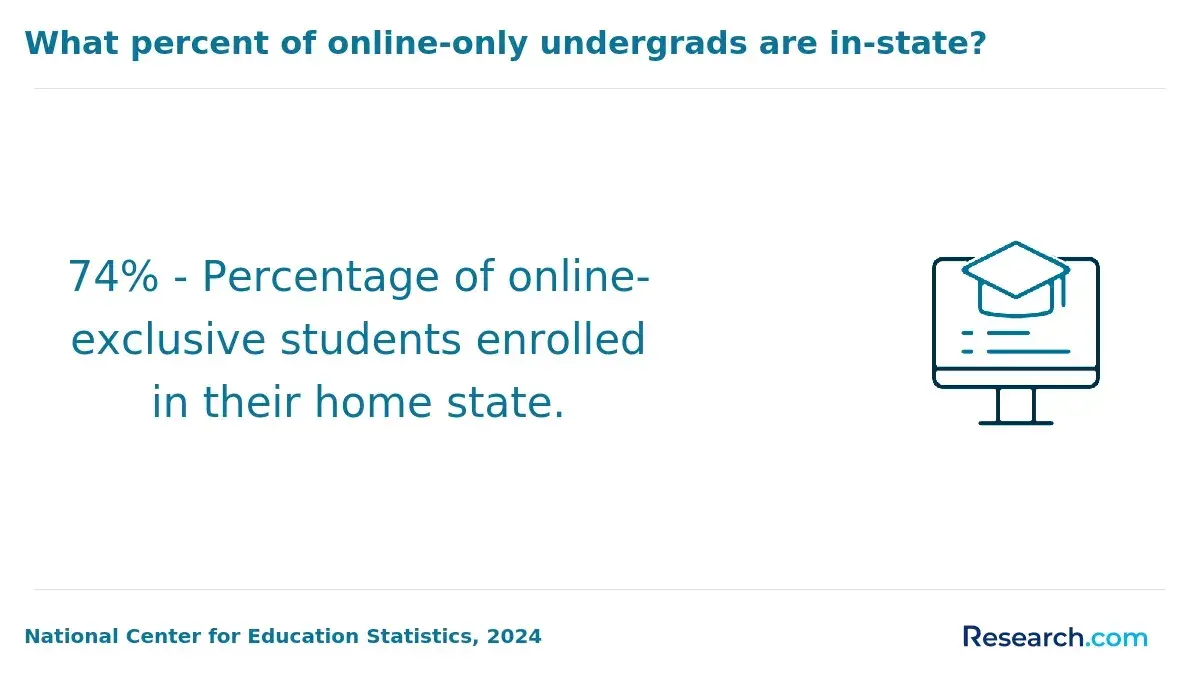
Those juggling shift-heavy jobs should prioritize program flexibility regarding deadlines and synchronous requirements to sustain work-study balance. Evaluating graduate outcomes through job placement rates, salary trajectories, and promotion data clarifies return on investment (ROI). For context, median weekly earnings for bachelor's degree holders were 68% higher than high school graduates ($1,525 vs. $907), reflecting tangible income benefits over time.
Cost-to-benefit assessment should be grounded in expected career gains, weighing total cost of attendance against specialized tracks matching targeted roles like cybercrime or forensic analysis. Students seeking a forensic degree online should ensure programs deliver transferable, employer-validated skills rather than generic theory, aligning with evolving justice system demands.
How do online criminal justice degrees compare to campus-based programs for police professionals?
Police professionals pursuing an online criminal justice degree benefit from scheduling flexibility critical for balancing shift work and family commitments, but this path demands strong self-discipline and time management.
Online programs eliminate geographic restrictions, allowing officers across ranks to progress academically without disrupting active duty. This aligns with data indicating that 36% of sworn officers at sergeant rank or above hold a bachelor's degree compared to 20% of line officers, emphasizing formal education's growing importance for supervisory advancement.
Employers typically regard online and campus degrees similarly when accreditation standards are met, but the two modalities differ in student experience and networking. Campus-based criminal justice programs for law enforcement provide more immediate, face-to-face mentorship opportunities, fostering quicker professional relationships and peer connections. Online students must proactively cultivate such networks, which can be a practical disadvantage depending on individual career goals.
The operational tradeoffs for working officers include minimizing lost income and duty hours versus the need for independent problem-solving regarding study pacing and technology.
Students should verify that online curricula include applied courses relevant to policing realities rather than purely theoretical content, ensuring practical job readiness. Choosing campus versus online criminal justice programs for law enforcement depends on one's capacity for self-directed learning and the value placed on in-person interaction.
For officers keen on accelerated degree completion without sacrificing work stability, online options can be complemented by exploring architecture programs online to understand broader models of efficient online education. Ultimately, employers assess candidates holistically, weighing educational credentials alongside field experience-making degree format one part of a complex hiring equation.
What criminal justice degree levels best build on completed police academy training?
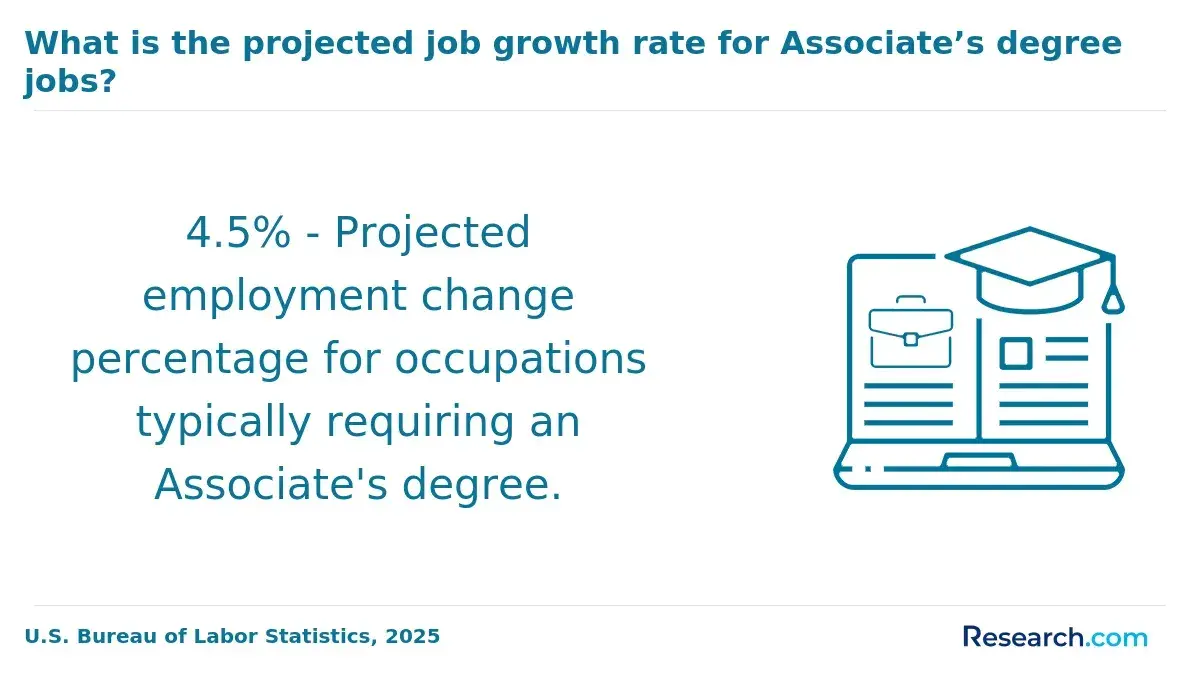
Choosing between an associate and a bachelor's degree after police academy training hinges on realistic career goals and time constraints. An associate degree provides practical knowledge suited for roles in probation or corrections, where job openings are expected to grow about 4% through 2032. This acceleration makes it a sensible pathway for officers seeking quicker workforce entry without extensive additional schooling.
Conversely, police academy graduates targeting investigative, supervisory, or administrative positions will find a bachelor's degree more aligned with employer expectations. These degrees deepen understanding of criminal law, ethics, and leadership, creating a competitive edge for detective or management roles in agencies projecting a 3% employment increase.
For example, patrol officers aiming for detective assignments improve their chances substantially by completing bachelor's coursework focused on investigative skills.
Officers prioritizing swift transitions into specialized areas can leverage associate degrees combined with targeted certifications, but should weigh this against the slower advancement often linked to lacking a bachelor's credential. Hybrid and online programs that accept police academy credits help working students reduce redundant coursework and manage study around shifts.
What core courses and concentrations are offered in online criminal justice programs?
Online criminal justice programs for students with prior police academy experience must balance practical leadership skills with deeper legal and analytical competencies. Core courses broadly cover criminal law, criminology, ethics, research methods, and constitutional law, essential for roles that demand supervisory or policy-making authority beyond frontline tasks.
Choosing concentrations shapes career trajectories, with distinct tradeoffs:
- Corrections and rehabilitation suit probation or community supervision, where understanding offender behavior directly impacts outcomes. This focus aligns with higher wages seen for probation officers compared to correctional officers.
- Forensic science steers students toward technical roles in crime labs but requires pairing with existing law enforcement skills to manage complex evidence analysis.
- Homeland security emphasizes policy, intelligence, and emergency response, fitting federal agency or private security careers.
Agency demand increasingly favors candidates fluent in data analysis and digital systems, making technological competence critical for employment in modernizing criminal justice settings. Specialized coursework that addresses these technical and community-oriented demands enhances positioning for roles in expanding non-incarceration programs or technologically advanced units.
Prospective students should weigh how each focus area matches both their background and targeted employer needs, acknowledging that a program's practical applicability influences long-term workforce integration and compensation potential.
How long do online criminal justice degrees take and what do they cost?
For students with prior police academy experience, completing an online criminal justice degree efficiently hinges on understanding credit transfer policies and realistic enrollment intensity. Programs generally require 18 to 36 months, but accelerated tracks can compress this to about 12 months if students leverage maximum transfer credits and maintain a demanding course load.
The financial implications are substantial: public institutions typically charge $150 to $400 per credit, while private colleges may exceed $1,000 per credit. For instance, a 60-credit bachelor's completion program at $300 per credit totals around $18,000, excluding additional fees, textbooks, and technology expenses that add 10%-15% more.
Choosing a criminal justice program aligned with workforce trends is critical. Job growth projections show a 32% increase for information security analysts from 2024 to 2032, positioning cybercrime and digital forensics specialization as a savvy long-term focus. Prior law enforcement training reduces program length and tuition but demands careful vetting of articulation agreements to ensure seamless credit acceptance.
Candidates must prioritize programs emphasizing practical cybercrime modules and real-world tech skills since employers increasingly demand expertise beyond traditional policing knowledge.
For working professionals balancing full-time roles, program flexibility is a decisive factor to prevent burnout and unnecessary extension of time-to-degree completion. The tradeoff between accelerated cost and course intensity affects both financial outlay and personal stamina.
What criminal justice careers are available to graduates with police academy experience?
Law enforcement professionals with police academy backgrounds seeking advancement face a practical necessity: transitioning from foundational patrol duties to roles demanding analytic, administrative, and legal expertise requires more than experience alone.
Positions such as detectives, specialized investigators, or management involve competencies in report writing, legal frameworks, budgeting, and organizational behavior—skills typically acquired through an online criminal justice degree. For example, a detective must analyze complex case data beyond field observations, while leadership roles require strategic oversight absent from routine enforcement.
Many agencies now require a bachelor's degree for supervisory or federal roles, making online education a viable solution for full-time officers. However, balancing shift work and coursework demands rigorous time management and employer support. According to the National Center for Education Statistics, over 60% of adult online undergraduates work full-time, a factor that underscores the importance of consistent scheduling and degree structure.
Candidates pursuing correctional supervision or cybercrime must combine practical experience with academic knowledge in rehabilitation theory or digital forensics. Yet, federal or intelligence careers often add layers of mandatory training outside degree programs. Employers prioritize demonstrable applied experience paired with strategic knowledge; judicious use of tuition assistance or flexible courses can ease operational constraints and improve degree completion rates.
What salaries and promotion opportunities can criminal justice graduates with police backgrounds expect?
Online criminal justice degrees for graduates with police academy experience create a distinct salary advantage, typically ranging from $55,000 to $75,000 annually. This variance depends on agency size and geography, with larger metropolitan departments offering the upper range.
Employers value the blend of practical law enforcement experience and academic credentials, particularly for roles requiring supervisory competence or specialized investigative skills.
Officers aiming for federal positions or policy roles often find a bachelor's degree a baseline requirement, enabling entry salaries above $60,000. Mid-career promotions linked to degree attainment can boost earnings by 10%-20%, though these gains depend on local labor agreements and performance metrics beyond education alone.
Cost remains a critical factor. Public online bachelor's programs average around $9,500 annually, which is significantly lower than private alternatives at $15,000. Professionals financing their education personally must consider reduced overtime opportunities when balancing class schedules with shift work.
These factors highlight the practical tradeoffs officers encounter when investing in an online criminal justice degree, emphasizing deliberate planning over generic educational pursuits.
How can working officers choose a reputable online criminal justice school that fits their goals?
Officers pursuing online criminal justice programs must weigh accreditation quality, curricular relevance, and practical flexibility against their career objectives. Accreditation from bodies recognized by the U.S. Department of Education or CHEA remains non-negotiable to ensure degree validity and employer acceptance.
Candidates focused on traditional law enforcement advancement benefit from programs offering specialized courses in policing tactics, administrative leadership, or criminal law. Meanwhile, those targeting roles in private security, fraud investigation, or compliance should prioritize programs with investigative methods, risk management, or corporate governance content.
Workforce data reveal significant career shifts: nearly 25% of criminal justice graduates move away from policing and corrections within five years, entering growth sectors like private security and fraud investigation. This reflects the degree's real-world mobility but underscores the need for programs that provide targeted career services and sector-specific networking.
Practical constraints such as flexible, asynchronous course schedules and recognition of prior police academy training largely determine program feasibility for working officers. Without these, students risk extended time to degree and course irrelevance. Cost transparency and available financial aid remain critical considerations given officers' need to balance education alongside work and family.
Consider a patrol officer aiming to transition into federal compliance. Selecting an online program that offers compliance law coursework and verifiable alumni outcomes in that niche is vital. Overlooking such due diligence risks wasted credits, misaligned skills, and limited employer recognition, which are pitfalls documented in government labor statistics and educational outcome reports.
Other Things You Should Know About Criminal Justice Degrees
Yes, many programs offer credit for police academy training. In 2027, students can typically transfer around 12 to 24 credit hours to reduce coursework in their online criminal justice degrees, depending on the academy's accreditation and program policies.
Admission often requires proof of completed police academy training, a minimum GPA of 2.5, and submission of official transcripts. Some programs may also request letters of recommendation and a personal statement detailing career goals specific to criminal justice.
Yes. Many colleges allow transfer of approved academy coursework as elective credit, which can lower the total credits needed, but most still require about 120 semester credits for the degree. General education courses usually remain mandatory, and the registrar or transfer office makes the final evaluation.
In 2027, online criminal justice degree programs for those with police academy training typically cover advanced topics like criminology, public policy, and legal studies. Students enhance their understanding of law enforcement practices and prepare for higher-level roles within criminal justice systems.
References
- Online Criminal Justice Degrees | OnlineColleges.net https://www.onlinecolleges.net/degrees/criminal-justice/
- Top Online Criminal Justice Degrees https://www.criminaljusticeprograms.com/online-criminal-justice-degrees/
- Georgian Court University and Ocean County Police Academy Sign Agreement to Award College Credit for Police Training https://georgian.edu/georgian-court-university-and-ocean-county-police-academy-sign-agreement-to-award-college-credit-for-police-training/
- 25 Jobs You Can Get With A Criminal Justice Degree https://www.criminaljusticedegreeschools.com/careers/best-criminal-justice-jobs/
- Jobs for Criminal Justice Graduates - Find a Rewarding Career https://www.tuw.edu/school-news/top-jobs-for-criminal-justice-graduates/
- Police Academy to BAAS https://www.tamucc.edu/academics/baas-program/criminal-justice.php
- Online Criminal Justice Degree & Career Information https://www.criminaljustice.com/online-degrees/
- Most Affordable Online Criminal Justice Degrees https://www.affordablecollegesonline.org/degrees/criminal-justice-programs/
- Best Criminal Justice Degree Programs for 2026 | PoliceOfficer.org https://policeofficer.org/degree-programs/criminal-justice/