2027 Best Online Criminal Justice Degrees for Veterans Entering Government Service

Co-Founder and Chief Data Scientist
Veterans aiming to enter government service face a pivotal dilemma: balancing rigorous work schedules with the need for an accredited degree that meets federal employment standards in criminal justice.
The U.S. Department of Education reports a 14% increase in adult learners enrolling in fully online programs since 2023, a trend revealing that flexible formats significantly improve access for working professionals but often vary drastically in quality and employer recognition. This intensifies the challenge of selecting a degree that not only advances credentials but also aligns with evolving federal hiring criteria.
This article evaluates the best online criminal justice degrees tailored to veterans' requirements, addressing program flexibility, accreditation, and career outcomes to guide informed decisions for successful government careers.
Key Things You Should Know
- Veterans face a decisive tradeoff between programs emphasizing federal law enforcement accreditation versus those offering broader policy-level criminology insights; data from the Bureau of Labor Statistics show 45% of federal agencies prioritize specific certifications over general degrees.
- Employers in DOJ and DHS increasingly expect candidates with practical cybersecurity training embedded in criminal justice curricula, aligning with Treasury Department reports revealing a 37% rise in cybercrime-related roles since 2023.
- Cost and timing complexities arise as accelerated, competency-based programs reduce average completion from 4 to 2 years but often lack GI Bill full coverage, requiring veterans to balance faster entry against out-of-pocket expenses documented by VA education benefit audits.
What are the best online criminal justice degrees for veterans?
Veterans pursuing the best online criminal justice degree programs for veterans must prioritize curriculum alignment with government career demands, particularly roles in probation, corrections, and rehabilitative services. Programs that integrate applied law enforcement methods and corrections management reflect the Bureau of Labor Statistics' projection of 9% job growth from 2024 to 2034, surpassing many other fields.
A veteran transitioning from military law enforcement to civilian corrections, for example, gains tangible advantage from bachelor's programs offering case management and conflict resolution training, which smooths workforce entry.
Choosing top online criminal justice degrees for veterans entering government service requires weighing fully asynchronous learning against live, simulation-based training. Virtual practicums may or may not meet state-specific requirements for internships or licensure, especially for probation officer roles, making detailed program scrutiny critical.
Furthermore, accredited degrees with veteran-specific financial aid and streamlined credit transfers from military experience reduce both cost and time to completion. Employer expectations emphasize both theoretical rigor and practicum experience, mandating that programs support federal and state credentialing pathways.
Given a median annual wage near $63,290, selecting a degree with integrated labor market outcomes directly influences employability and return on educational investment. Veterans should also explore targeted career information such as how to become a profiler to understand credential and skill requirements beyond general justice studies.
How do online criminal justice programs compare with campus programs?
Online criminal justice degree programs vs. campus programs present a clear operational divide for veterans balancing service obligations with education. While online options offer the flexibility to maintain active federal employment, they often fall short in delivering the immersive, hands-on training essential for rapid skill acquisition in tactical roles such as federal agent or criminal investigator.
Campus programs provide direct access to live simulations, faculty mentorship from experienced law enforcement professionals, and peer collaboration that sharpens situational judgment and teamwork.
The federal workforce includes over 95,000 law enforcement officers, with veterans comprising approximately 28% of new hires—a statistic signaling employer preference for candidates possessing both theoretical knowledge and practical experience.
For veterans pursuing an education, meeting these workforce expectations often necessitates local practicums or internships to bridge gaps inherent in online study formats.
Veterans should consider hybrid programs or schools with established federal partnerships, which can facilitate clearer pathways to field internships and academy preparation. Such arrangements minimize transition lag from academic training to operational roles.
Employers increasingly accept reputable online degrees but prioritize candidates with demonstrated field experience, whether through military service or law enforcement academies. Veterans also benefit from exploring related fields to supplement criminal justice education, such as various forensic science career paths.
Are online criminal justice degrees accredited and GI Bill eligible?
Accreditation status decisively shapes veterans' practical options for online criminal justice degrees and their GI Bill eligibility for online criminal justice programs. Degrees not backed by recognized institutional or programmatic accreditation risk becoming barriers rather than gateways, especially for those targeting federal or state law enforcement careers where strict hiring standards prevail.
For instance, a veteran seeking a federal criminal investigator position must possess credentials from an accredited school approved by the State Approving Agency; otherwise, GI Bill benefits may not apply, and credits might fail to transfer.
Beyond institutional recognition, the Department of Veterans Affairs data reveals that over 14% of more than 820,000 veterans who used VA education benefits pursued criminal justice or public safety fields, reflecting their strong alignment with GI Bill qualifications.
However, persistent challenges remain: programs lacking proper accreditation frequently fall short of clearance or certification requirements critical for government roles. Veterans need to weigh these limits carefully, as GI Bill entitlements have financial caps that if exceeded, expose students to out-of-pocket costs.
Key practical considerations include:
- Ensure school and program accreditation specifically recognized by intended employers and government agencies.
- Verify program approval by the State Approving Agency to avoid gaps in GI Bill coverage.
- Account for entitlement limits to manage costs if pursuing extended or advanced credentials.
Those exploring degree pathways should also consider comparative costs and returns, evaluating options such as a masters degree in marketing as alternative career pivots with distinct financial and market implications.
What courses are in an online criminal justice degree?
Online criminal justice degree curricula must be evaluated through the lens of practical outcomes and workforce relevance, especially for veterans navigating public sector job markets. Core criminal justice courses for veterans typically cover criminology, criminal law, corrections, and procedure, which establish a foundational grasp of legal frameworks and offender management critical to roles in federal, state, or local agencies.
Specialized topics, such as forensic science, cybercrime investigation, and juvenile justice, align coursework with operational demands but require scrutiny for alignment with specific agency protocols and security clearance requirements.
Analytical competency in criminal statistics and research methods supports veterans transitioning into intelligence, policy development, or data-driven decision-making. Ethics and constitutional law instruction address compliance and civil rights issues essential to government roles.
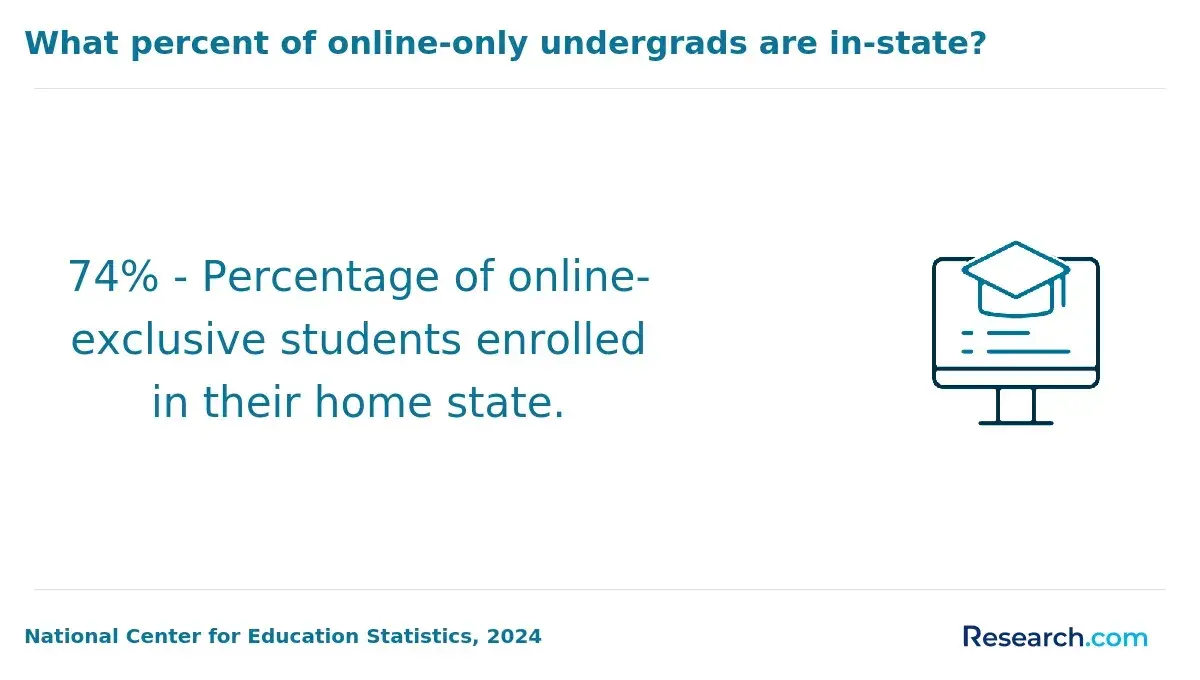
The growing availability of fully online degree programs—widely adopted by public and private institutions as reported by the National Center for Education Statistics—facilitates flexibility for veterans; however, the presence of internships or practicum opportunities is a critical factor in employment prospects and real-world skill application. Programs frequently include capstone projects or policy analysis exercises designed to convert theory into strategic competencies valued by employers.
Veterans considering a pivot to criminal justice should weigh program design against government employer expectations and practical experience opportunities. For those also exploring technical fields, a veteran friendly online electrical engineering degree offers an alternative pathway, demonstrating the varied educational avenues suited to veteran workforce integration.
What admission requirements do online criminal justice programs have?
Applicants to online criminal justice programs must navigate specific admission criteria, notably the need for a high school diploma or GED, with many bachelor's tracks expecting some postsecondary coursework. Veterans have a distinct advantage when programs accept military training as credit, reducing both time and cost for degree completion.
However, applying for federal or state roles necessitates selecting programs that offer pathways to security clearances or law enforcement certifications early in the curriculum-an essential factor often overlooked.
Practical considerations include minimum GPA requirements typically ranging from 2.5 to 3.0, reflecting the competitive screening standards of government employers. Background checks generally occur only before internships or practicum placements, which aligns with typical workforce entry procedures rather than admission protocols.
Setting realistic expectations concerning course delivery is crucial: asynchronous formats benefit veterans balancing employment commitments but require disciplined self-management. Admissions processes demand official transcripts, and sometimes standardized test scores, though many programs are now test-optional. Verification of veteran benefits before enrollment helps prevent financial aid disruptions.
Given CollegeRecon's data indicating an average annual salary of $86,884 for graduates entering government service, prospective students should critically assess a program's alignment with local workforce demand, credential recognition, and military experience integration.
How long does an online criminal justice degree take?
Degree completion timelines in criminal justice vary notably with format and learner profile, impacting career trajectories, especially for veterans. Traditional online bachelor's programs typically span 3 to 4 years full-time, constrained by fixed semesters and credit hour requirements.
By contrast, competency-based models account for prior learning and military experience, enabling some veterans to finish in under 3 years. This depends on transferable credits and weekly study commitment. The key considerations include:
- Students attending full-time (12-15 credits/semester) generally require about 4 years; part-time students often extend beyond 5 years.
- Competency-based programs reduce required credits by aligning verifiable skills with course outcomes.
- Cost savings of 50-60% on tuition are possible with competency-based options, mitigating veteran debt burdens.
- Such programs demand strong self-discipline and time management, which can be challenging alongside service or family duties.
Veterans aiming for government roles should weigh the tradeoff between program flexibility and rigor. While accelerated formats support quicker promotion eligibility by completing degrees sooner, employer biases may favor traditional credentials unless supplemented by demonstrable competencies.
Ultimately, selecting a program requires balancing speed, financial impact, and the operational realities of combining education with ongoing commitments in law enforcement or corrections careers.
How much do online criminal justice degrees cost?
Veterans pursuing online criminal justice degrees for government roles face tuition costs typically ranging from $15,000 to $40,000, influenced by credit requirements and institutional type. Public universities usually charge $300-$700 per credit hour for in-state students, whereas private institutions can exceed $800 per credit. Factoring in VA education benefits is essential, as these can significantly reduce or eliminate out-of-pocket expenses.
Financial planning must go beyond tuition. Veterans balancing employment and studies encounter opportunity costs affecting military or government income. Programs offering accelerated or competency-based formats may provide flexibility but often come with higher tuition rates. Accreditation and transfer credit policies also critically shape how prior military training can shorten degree length and lower overall costs.
Employment data illustrates the tangible returns on investment. For example, intelligence analysts, a common pathway for criminal justice graduates in government, earn a median salary of $104,040 with an 8.5% job growth over ten years, per Arizona State University's 2025 outlook. This underscores the importance of completing a degree for career progression in federal or state intelligence and law enforcement sectors.
Indirect costs such as technology fees, textbooks, and certification exam preparation must be budgeted carefully. Institutions that provide veteran-specific financial guidance and maintain strong ties with federal hiring pipelines can help minimize risk and increase long-term gains.
What jobs can veterans get with a criminal justice degree?
Veterans pursuing a criminal justice degree often leverage their military background to secure roles in federal, state, and local government sectors, where leadership and discipline translate into measurable workforce value. Common positions include law enforcement officer, probation officer, federal agent (e.g., FBI or DEA), corrections officer, and roles in homeland security or immigration enforcement.
Notably, veterans also move into public administration and government management, where operational oversight and policy execution depend on skills honed in military service.
For example, a veteran in state-level public administration may manage criminal justice programs, requiring competencies in budgeting, compliance, and interagency coordination. These roles demand navigating regulatory complexities and stakeholder interests, areas where military discipline confers a practical advantage.
Data from Liberty University's 2025 criminal justice career outcomes show median salaries near $56,000 for early-career public administration roles, advancing to over $90,000 mid-career. This trajectory reflects less physical risk and more stable earning potential compared to frontline enforcement jobs. However, veterans must address challenges such as mandatory security clearances and variable state certification standards, which can delay workforce entry and require additional training.
Targeting agencies with veteran-friendly hiring policies and understanding credentialing timelines is critical for optimizing employment outcomes. Strategic planning around these factors improves transition efficiency and mitigates certification-related friction.
What salaries do criminal justice graduates earn in government jobs?
Starting salaries for criminal justice graduates entering government roles largely depend on position and agency, typically ranging from $40,000 to $65,000 annually. For example, probation officers or correctional treatment specialists usually begin near the lower spectrum, while federal law enforcement roles, such as FBI or DEA agents, start closer to $50,000-$65,000, reflecting established federal pay scales.
Municipal salaries vary significantly, often influenced by local budgets and cost of living, with certain law enforcement or administrative positions offering $40,000 to $55,000.
Veterans accessing online criminal justice degrees benefit from targeted financial aid, including military tuition discounts between 10% and 25% at over 70% of top programs, plus veteran-specific services. These supports improve degree completion rates and enhance job candidacy by facilitating security clearances and veteran preference points, which can positively affect starting salaries.
Salary progression is closely tied to specialization and agency advancement. After five to seven years, local law enforcement roles like sergeants or detectives may earn $70,000-$90,000, whereas seasoned federal criminal analysts or agents can surpass $90,000, contingent on certifications and ongoing training. Candidates should consider that certain agencies demand continuous physical fitness and professional development, affecting timelines.
Selecting programs aligned with civil service exams and federal hiring standards is essential, as degrees lacking this focus may limit employability and suppress salary potential due to inadequate preparation for background investigations and role competencies.
What certifications help veterans enter government service?
Veterans seeking to transition into government roles must weigh certification choices with a keen eye on agency demands and career impact. Credentials like Certified Protection Professional (CPP) and Certified Law Enforcement Analyst (CLEA) provide specialized qualifications directly relevant to federal physical security and intelligence analysis positions such as those within the FBI or DHS.
These certifications can bridge military experience to civilian roles in homeland security and law enforcement more efficiently than general degrees alone.
For roles emphasizing compliance or legal expertise, certifications such as Certified Criminal Justice Specialist (CCJS) and ethics-focused credentials demonstrate practical knowledge of federal regulations and policy enforcement, factors that carry significant weight with government recruiters.
While a bachelor's degree in criminal justice broadens eligibility, targeted certifications serve as verifiable markers of niche proficiency essential for competitive positioning.
Investing time and money into certifications requires balancing upfront costs against post-placement salary gains and career mobility. Reports indicate that veterans completing graduate-level criminal justice or homeland security programs online can expect a 28-35% salary increase within two years when entering government posts.
Prioritizing certifications accepted by specific agencies before pursuing advanced degrees creates a staggered pathway that manages financial resources and maximizes employment value.
Other Things You Should Know About Criminal Justice
Choosing a specialized track, such as cybercrime, forensic science, or homeland security, can significantly influence job opportunities in government agencies by aligning your skills with niche demands. Veterans who pursue general criminal justice degrees may face broader but more competitive job markets, while specialization often leads to higher starting positions and clearly defined career paths. Prioritize programs that offer specialties closely tied to federal or state agency hiring priorities to enhance employability and practical job readiness.
Online criminal justice programs demand consistent weekly engagement, including reading, assignments, and discussion participation, often modeled on a semester schedule with fixed deadlines. Veterans balancing government work or transitioning to civilian roles should prioritize programs with flexible pacing and asynchronous coursework to mitigate conflicts. Realize that underestimating the workload can delay graduation and diminish program value, so choose programs with clear time commitments that fit your current responsibilities.
In 2027, veterans seeking government service jobs should consider online criminal justice programs like Liberty University, American Military University, and Southern New Hampshire University. These institutions have strong veteran support services and excellent curricula tailored to government service pathways.
Experiential learning opportunities significantly enhance practical understanding and improve networking within government agencies, often serving as pipelines to employment. Veterans should prioritize programs offering internships or practicum placements in government or law enforcement environments to build relevant experience and verify skills. Programs lacking these components may save time initially but often leave graduates at a disadvantage when competing against peers with hands-on exposure.
References
- Top 50 Most Affordable Best Online Bachelor’s Programs for Veterans - Best Colleges Online https://www.bestcollegesonline.org/most-affordable/online-bachelors-veterans/
- Best Certifications for Veterans to Earn in Under 6 Months | Jobs for Veterans | G.I. Jobs https://www.gijobs.com/employment-tips/best-certifications-for-veterans-to-earn-in-under-6-months/amp/
- Online Bachelor's Degree Criminal Justice https://www.umgc.edu/online-degrees/bachelors/criminal-justice
- How to Access Free Career Certifications as a Veteran - (DAV) Disabled American Veterans of Idaho https://dav-idaho.org/how-to-access-free-career-certifications-as-a-veteran/
- Top 5 IT Certifications for Veterans Transitioning https://www.mycomputercareer.edu/top-5-it-certifications-for-military-personnel-and-veterans/
- Law Enforcement Jobs for Veterans | All Criminal Justice Schools https://www.allcriminaljusticeschools.com/blog/law-enforcement-jobs-veterans/
- Earning a Criminal Justice Degree Online | University of Bridgeport https://www.bridgeport.edu/news/earning-a-criminal-justice-degree-online/
- Military and Veterans | FBIJOBS https://fbijobs.gov/military-veterans
- Why A Career in Criminal Justice is a Great Fit For Veterans https://www.criminaljustice.com/resources/criminal-justice-career-fit-for-veterans/
- Veteran Certification Programs - UHP https://uhp.com/veteran-certification-programs/