2027 Criminal Justice Roles Growing Fast in Analysis and Compliance

Co-Founder and Chief Data Scientist
Facing a surge in regulatory demands and data-driven scrutiny, criminal justice professionals increasingly wrestle with maintaining compliance while delivering effective analysis. Agencies report 17% growth in demand for compliance officers within law enforcement and related sectors, signaling a shift toward specialized roles that blend legal expertise with analytical rigor. This trend underscores a critical decision point for prospective students and professionals: balancing flexible, accessible education formats with the need for programs that integrate data analysis and regulatory nuances.
Since adult learners disproportionately seek online and part-time pathways, understanding which educational models align with this market evolution is vital. This article examines fast-growing criminal justice roles in analysis and compliance, offering actionable insights to navigate educational options for timely career entry and advancement.
Key Things You Should Know
- Demand for data analysts in criminal justice roles is growing 22% annually through 2028, per BLS, pressuring candidates to prioritize quantitative training over purely legal knowledge despite longer educational pathways.
- Employers increasingly require dual competency in compliance and analytics, shifting hiring toward interdisciplinary degrees; this narrows talent pools and elevates the value of certifications aligned with regulatory software tools.
- Cost and timing constraints pose barriers: median program lengths of 24-36 months reduce accessibility for working adults, forcing candidates to balance workforce reentry delays against rising sector wages documented by DOJ labor reports.
What are the fastest-growing criminal justice roles in analysis and compliance?
The fastest-growing criminal justice roles emphasize analysis and regulatory compliance, reflecting a substantial shift in employer expectations. Between 2021 and 2023, median advertised wages for compliance officers, data analysts, and risk management specialists rose from $56,000 to $76,000, indicating a 36% increase driven by demand for hybrid legal and technical skills. This trend highlights that careers focusing on criminal justice analysis and compliance careers in high demand require a pragmatic combination of specialized education and practical experience.
Compliance officers, for instance, face the complex challenge of interpreting multilayered federal, state, and local regulations-such as prisoner rights enforcement-while preventing costly legal setbacks. A municipal police department compliance officer must continuously update knowledge through education and interpretive skills to keep policies aligned with evolving legal mandates.
Crime analysts supporting predictive policing must master statistical software and geographic information systems (GIS) to translate large datasets into actionable insights, balancing technical expertise with an understanding of the sensitive nature of crime data. Risk management specialists contribute by evaluating liabilities connected to parole decisions and rehabilitation efforts, directly influencing resource allocation and judicial policies.
Prospective professionals must weigh the technical certification demands against required field experience within law enforcement contexts. Those evaluating the fastest growing criminal justice roles in data analysis and regulatory compliance should also consider the tradeoffs of specialized versus broad skill sets in this competitive job market.
For individuals assessing educational investments, knowing how much does it cost to get a criminal justice degree provides critical context when planning these career pivots.
What education is needed for criminal justice analysis and compliance jobs?
Entry into criminal justice analysis and compliance roles generally requires at least a bachelor's degree in criminal justice, criminology, law enforcement, or a related social science, reflecting real-world employer standards. Specialized compliance positions, such as regulatory analysis or forensic auditing, often demand graduate-level education or certifications in focused areas like cybersecurity or risk management. For example, a compliance analyst in municipal law enforcement must navigate local ordinances and state regulations, a competence rarely acquired through generic criminal justice analysis education requirements in the United States that omit applied compliance coursework.
Practical experience is indispensable; internships or cooperative education help bridge theory and practice, especially for working adults pursuing career pivots. Part-time or online bachelor's completion programs ensure continuity of employment without gaps, which is critical given employer preferences. Candidates lacking formal degrees face limited upward mobility, as compliance officer qualifications for criminal justice careers emphasize comprehensive education over certificates alone.
The projected 5% growth in law enforcement occupations over the next decade makes deliberate educational planning essential. Professionals should assess whether advanced specialization-like a master's in criminal justice administration-is necessary to access supervisory or policy-making roles.
Working professionals evaluating alternatives might also consider an accelerated paralegal program online for focused compliance skill development that complements law enforcement expertise.
Is an online criminal justice degree respected by employers?
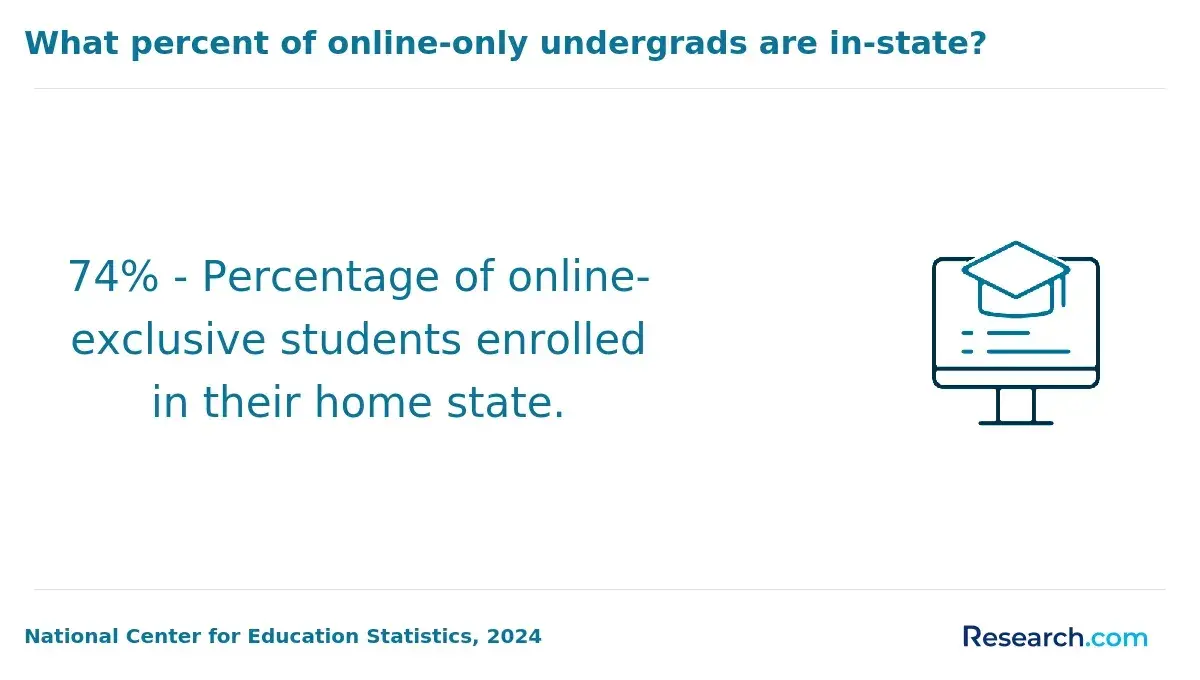
Employer recognition of an online criminal justice degree hinges on accreditation and practical experience embedded in the program. While the Bureau of Labor Statistics forecasts a 3% employment growth for police and detectives through 2034-yielding around 62,200 openings annually-candidates without regionally accredited degrees often struggle to meet licensing standards or access police academy training, especially in states with strict requirements.
Employers prioritize degrees from accredited institutions combined with internships or ride-along experiences that demonstrate familiarity with operational protocols. For roles in compliance or probation services, online degrees can supply sufficient foundational knowledge. However, those aiming for frontline law enforcement should anticipate delays or additional certifications if their program lacks in-person components or practical training.
Prospective students must thoroughly investigate state-specific licensing mandates, including physical and background checks, which often extend beyond the curriculum of online offerings. Programs incorporating synchronous classes or partnerships with local agencies tend to better position graduates for immediate employment.
Understanding the value of accredited criminal justice degrees means recognizing that graduates without field experience face longer timelines entering the workforce. Balancing work, geographic constraints, and program design is critical. For context on alternative online educational paths with efficient and cost-effective options, see online degree in Spanish.
Which criminal justice programs are properly accredited?
Programs accredited by the Academy of Criminal Justice Sciences (ACJS) are uniquely positioned to meet employer expectations for roles requiring analytical, compliance, and policy evaluation skills. Unlike vocational tracks focused on entry-level corrections training, accredited criminal justice programs in the United States incorporate research methods and data analysis that federal, state, and local agencies increasingly require. For example, federal compliance analysts typically prefer candidates from ACJS-accredited institutions due to the rigor and relevance of their curriculum.
Correctional officer roles are projected to decline by 8% over the coming decade, with openings favoring advanced skill sets beyond basic operations. This shift underscores the practical value of selecting the best nationally accredited criminal justice degrees for long-term employability, eligibility for certifications, and graduate education.
Students must weigh program quality indicators such as faculty credentials, delivery format, and industry partnerships reflected in accreditation status. These factors enable access to internships and applied research projects vital for careers in areas like crime data analytics or risk management rather than traditional corrections. Pursuing accredited programs helps avoid credentials that limit professional mobility.
When comparing educational pathways and their outcomes, it's important to note that program flexibility can differ greatly. Some students may also find merit in pursuing shorter, intensive options in related fields, such as online architecture programs, as part of broader workforce strategies.
What courses are included in criminal justice analysis programs?
Focusing on data literacy and compliance in criminal justice programs is essential to meet evolving employer demands, where roles increasingly require analytical rigor over traditional enforcement skills. Core courses with statistical crime data methods, digital forensics, and legal frameworks train students to interpret complex information for law enforcement and regulatory environments. For instance, applying predictive policing algorithms provides analysts with tools to anticipate crime trends, an asset in agencies aiming to optimize resource allocation and reduce incidents.
Compliance-focused coursework grounded in DOJ oversight cases exposes students to real-world consequences of regulatory failures, emphasizing the importance of adherence to ethical and legal standards. Workforce analytics classes further align instruction with employer needs by teaching evaluation of officer performance metrics and public safety outcomes, key to transparent and accountable policing strategies.
Training in cybercrime investigation addresses a rapidly expanding area where investigators must skillfully manage digital evidence while balancing privacy protections. Scenario-based simulations illustrate operational tensions between thorough investigation and rights safeguarding, a frequent tradeoff in practice.
Communication skills are honed through practical report-writing tailored to judicial and agency standards, vital for credible testimony and documentation. Given the median annual wage of $77,270 for police and detectives (BLS, May 2024), students bypassing compliance or data-intensive courses risk diminished employability and compensation, as agencies prioritize policy knowledge and analytical competency.
What admissions requirements do criminal justice programs usually have?
Admissions criteria for criminal justice programs reflect the field's distinct blend of academic and professional demands, where baseline GPA thresholds (often 2.5-3.0) and verified completion of social sciences or quantitative coursework establish foundational readiness. Unlike purely academic pursuits, many programs require background checks due to legal and security sensitivities tied to law enforcement or compliance sectors. Letters of recommendation and personal statements weigh more heavily in specialized tracks such as forensic analysis, signaling selective filtering beyond academic metrics.
Applicants with data analysis, computer science, or legal experience align better with growing industry sectors emphasizing quantitative skills and compliance expertise. This creates a clear tradeoff: traditional criminal justice students may need supplementary skills to compete in analysis roles, while professionals pivoting from related fields gain advantage by leveraging prior technical know-how.
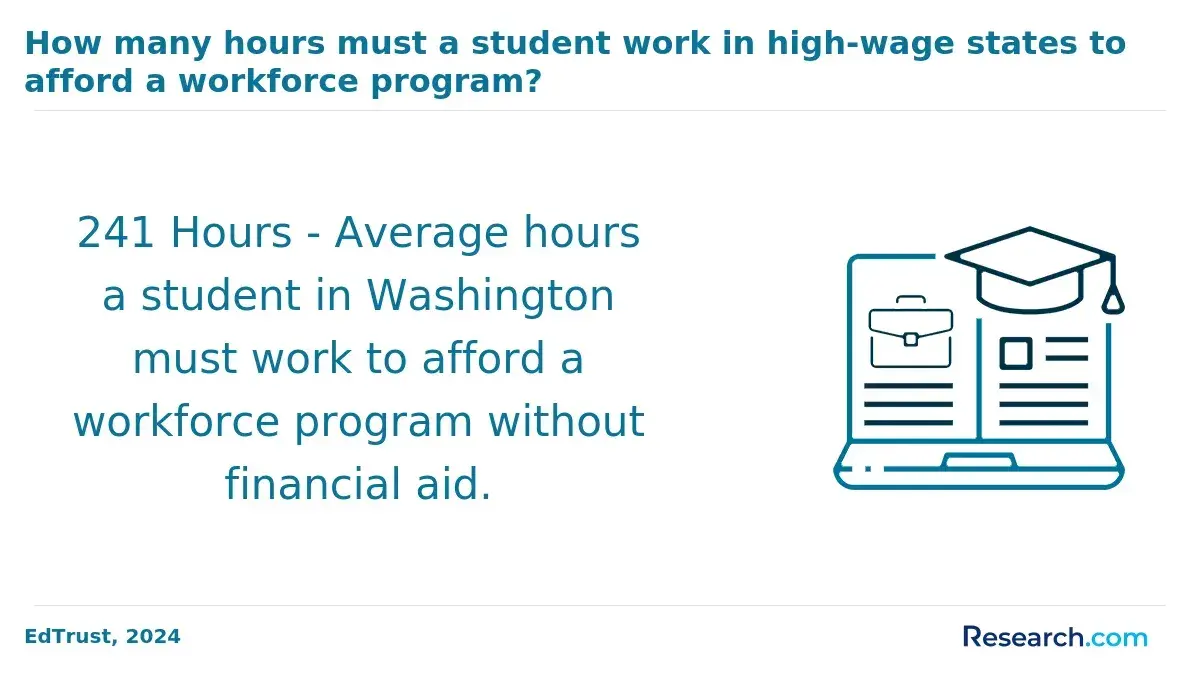
Online formats cater to working professionals but maintain strict admissions standards, underscoring the necessity of verified academic and experiential credentials regardless of delivery mode. Practical decision-making requires balancing admissions qualifications with long-term financial costs. National University data show tuition ranges dramatically-from average total costs around $50,400 to as high as $100,000 for in-person programs-which significantly impacts return on investment.
Choosing a program without factoring in these tradeoffs risks costly debt without commensurate labor market advantage, especially given the field's competitive salary structures and evolving employer expectations.
How long does a criminal justice degree take and what does it cost?
Choosing a criminal justice degree demands weighing total cost against career impact and timing. While associate programs take two years, they typically cap earnings and limit roles to entry-level compliance positions, where median wages surpass $75,000. In contrast, a bachelor's degree-usually four years-opens doors to supervisory and specialist roles in regulatory agencies, law enforcement analysis, and private sectors with salaries starting around $70,000 and rising significantly.
The cost spectrum varies widely: public universities charge $10,000 to $25,000 annually for in-state students, while private institutions exceed $30,000 per year. Accelerated or part-time online degrees offer flexibility but often increase total expenses by 15% to 40%, factoring in higher per-credit tuition and lost income during study.
Employers prioritize candidates versed in legal frameworks, data analytics, and ethical standards-competencies typically developed in comprehensive bachelor's curricula rather than short-term certificates or workshops, which serve better as add-ons after degree completion. Financial aid and employer tuition reimbursement can mitigate costs but require early planning and eligibility verification.
What jobs can you get with a criminal justice degree?
Job prospects for criminal justice graduates now heavily favor roles that integrate technological expertise with traditional law enforcement principles. While conventional positions like police officer or probation officer remain accessible, they encounter saturation and slower wage progression compared to emerging domains. For example, the information security analyst role is projected to grow by 28.5% from 2022 to 2032, driven by rising cyber threats and regulatory demands.
Graduates aiming for cybercrime-related roles must develop specialized skills such as network security, risk analysis, and effective collaboration with law enforcement agencies. A practical scenario includes corporate compliance units requiring familiarity with data privacy laws and forensic auditing-a demanding crossover of legal and technical knowledge. Federal roles often necessitate security clearances and understanding of national security protocols, adding further complexity.
Traditional law enforcement jobs involve rigorous physical, psychological, and certification requirements, whereas compliance analyst roles may offer remote work but require ongoing education to keep pace with evolving regulations and technology. Choosing advanced specializations like forensic psychology typically extends the timeline for entry and limits immediate job placement, creating a tradeoff between quicker employment in cybersecurity fields and long-term specialization.
Criminal justice foundations are increasingly valued in digital compliance contexts for their crime-contextual insights, yet graduates must navigate shifting employer expectations and skill demands to effectively leverage their degrees.
How much do criminal justice analysis and compliance roles pay?
Salary benchmarks in criminal justice analysis and compliance reveal distinct tradeoffs between agency type, skill set, and career stage. Entry-level roles typically range from $40,000 to $45,000 annually, common in smaller government bodies with constrained budgets. Mid-career professionals working in federal or large state agencies often command between $55,000 and $65,000, reflecting the increased responsibility tied to legal compliance and data accuracy.
Specialists who combine multidisciplinary expertise-such as data science and criminal justice-can surpass $75,000, especially in private sector roles focused on regulatory risk management. Without technical competencies in data software and auditing, salaries tend to stagnate near the lower end, even with years of experience. For example, a compliance analyst in banking lacking these skills may see limited pay growth despite tenure.
Budget fluctuations within public and private entities introduce salary ceilings that professionals should consider, particularly when shifting from enforcement to more analytical compliance functions. This transition often means balancing potential short-term pay reductions against longer-term stability and expanded responsibilities linked to corporate governance trends.
Practical career advancement hinges on aligning educational pathways with employer-specific demands, including analytical capability and policy interpretation. The average annual salary of approximately $53,500, as reported in Zippia's 2025 justice jobs review, is not static but influenced heavily by these factors, emphasizing the need for targeted skill acquisition to exceed baseline compensation levels.
What certifications help in criminal justice compliance careers?
Certification choices in criminal justice compliance hinge on distinct employer demands and the nature of oversight. For example, a municipal police compliance officer tasked with managing state and federal regulatory audits benefits tangibly from the Certified Compliance and Ethics Professional (CCEP) credential, which directly supports demonstrating procedural transparency during public reviews. However, identical certifications may hold varying value across sectors; private industry employers often prioritize Certified Information Privacy Professional (CIPP) credentials for roles involving sensitive data governance, whereas public agencies may lean toward Certified Fraud Examiner (CFE) credentials for their focus on investigative rigor.
The labor market outlook projects growth in patrol and investigative roles, intensifying the demand for certifications that complement automation and evolving enforcement technologies. Candidates should weigh costs and prerequisites carefully-certification fees often range from $400 to $1,000 with variable recertification cycles-and critically assess if chosen credentials align with employer recognition patterns. Mismatched certifications can slow career momentum despite operational experience.
Practical implications include ongoing training integration and an awareness of shifting regulatory frameworks or judicial rulings that directly influence compliance responsibilities in patrol and detective roles. Professionals must balance credentials with applicable job functions to maintain relevance in a complex regulatory landscape.
Other Things You Should Know About Criminal Justice
Specialized analysis degrees focus heavily on data interpretation, compliance frameworks, and technology tools aligned with employer needs in regulatory agencies and large institutions, but they often limit exposure to broader criminal justice topics like law enforcement tactics or corrections. Broad programs offer wider conceptual understanding but may inadequately prepare students for the technical demands of compliance jobs. Prioritizing a specialized degree improves employability in analysis roles but narrows career flexibility; broader degrees can delay readiness for data-centric positions without supplemental training.
Employers in criminal justice increasingly value targeted certifications that validate specific compliance skills, software proficiency, or regulatory knowledge over additional general graduate degrees. While advanced degrees may help in management track roles, certifications provide immediate, practical evidence of job-readiness and reduce downtime between hire and productivity. Professionals seeking quick advancement should prioritize earning relevant certifications aligned with their role rather than pursuing costly degrees that offer marginal added value in day-to-day compliance functions.
Programs designed with flexible schedules, part-time options, and online accessibility significantly improve the ability of working adults to gain credentials without career interruptions. However, not all online programs deliver equivalent employer recognition or hands-on experience, which remain critical in compliance roles sensitive to practical skills. Decision-makers should prioritize programs balancing flexibility with strong industry linkages and applied learning components to maximize career advancement and real-world employability.
References
- Online Bachelor’s Degree in Criminal Justice https://www.monroeu.edu/academics/undergraduate-programs/school-criminal-justice/online-bachelors-degree-criminal-justice
- What Are the Entry Requirements for a Criminal Justice Program? | University of Bridgeport https://www.bridgeport.edu/news/entry-requirements-for-a-criminal-justice-program/
- Careers for a Criminal Justice Certificate - Lakewood University https://lakewood.edu/careers-for-a-criminal-justice-certificate/
- Criminology and Criminal Justice Majors https://www.hamline.edu/academics/undergraduate/criminology-criminal-justice
- The 2024 Compliance and Financial Crime Salary Survey Guide | Barclay Simpson https://www.barclaysimpson.com/salary-guides/2024-compliance-financial-crime-salary-guide/
- Why criminal justice careers are becoming more specialized https://www.police1.com/career-development/why-criminal-justice-careers-are-becoming-more-specialized
- How Long is a Master's in Criminal Justice (MSCJ) Program? https://www.forensicscolleges.com/blog/resources/how-long-to-earn-masters-in-cj
- Explore Bachelor's Degree in Criminal Justice | All Criminal Justice Schools https://www.allcriminaljusticeschools.com/criminal-justice/criminal-justice-bachelors-degree/
- Breaking Into Law: 5 Career Paths Worth Exploring for Criminal Justice Graduates | Thomas Edison State University https://www.tesu.edu/about/blog/2025/career-paths-for-criminal-justice-grads.php
- 25 Jobs You Can Get With A Criminal Justice Degree https://www.criminaljusticedegreeschools.com/careers/best-criminal-justice-jobs/