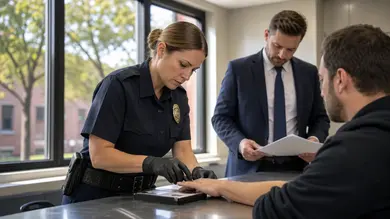
2027 Online Criminal Justice Degree Programs Costs: Tuition & Fees

Co-Founder and Chief Data Scientist
The real question is not simply whether an online Criminal Justice degree is affordable. It is whether the total cost, financial aid package, program format, and likely career return make sense for your situation. Tuition can differ sharply by school type, residency policy, degree level, transfer credits, and required fees, so the advertised price rarely tells the whole story.
This guide explains what students should expect to pay for an online Criminal Justice degree, what tuition usually includes, which expenses are easy to overlook, and how online costs compare with campus-based programs. It also covers in-state and out-of-state pricing, affordable and higher-cost school examples, financial aid eligibility, and the time it may take to recover the investment after graduation.
Key Points About Online Criminal Justice Degree Costs
- Average tuition for online Criminal Justice degrees ranges between $15,000 and $40,000, depending on institution type and program level.
- Costs vary due to factors like residency status, credit load, and additional fees such as technology or lab expenses.
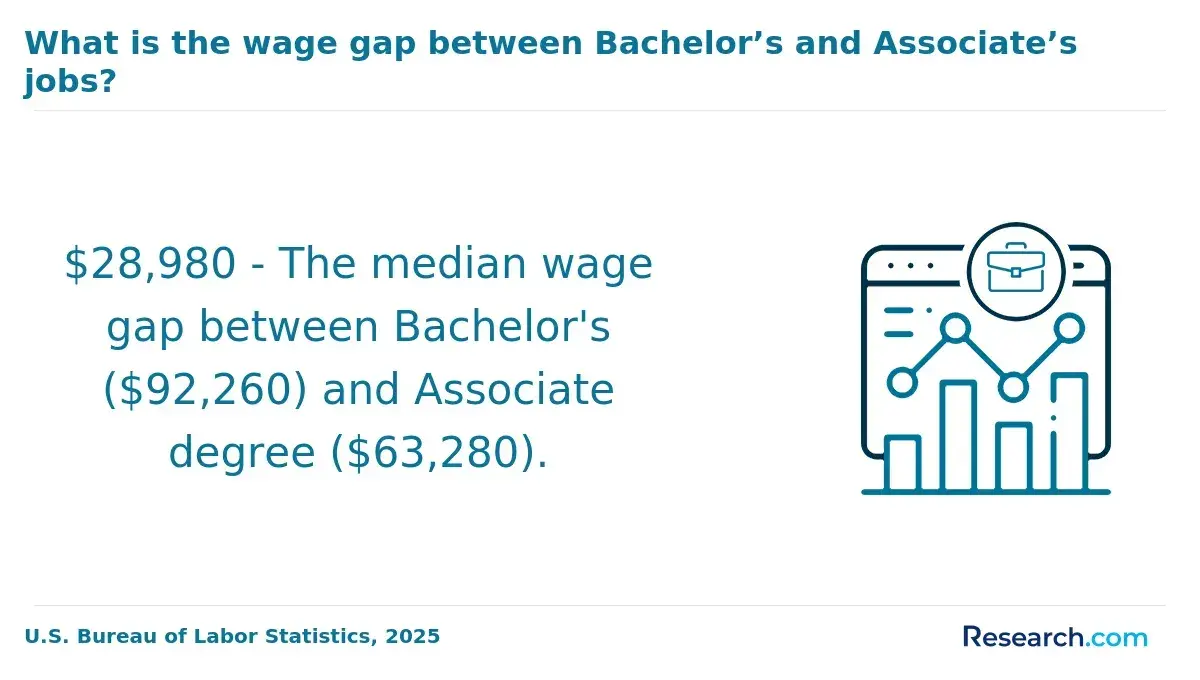
- Investing in this degree can lead to higher earning potential and career advancement in law enforcement, legal services, or corrections.
What Is the Average Cost of an Online Criminal Justice Degree?
The average yearly tuition for online bachelor's degrees in Criminal Justice ranges from approximately $10,000 to $13,700 at public universities. Over four years, that places the typical tuition total between $40,000 and $55,000 before financial aid, transfer credits, employer benefits, or scholarships are applied.
There is a wide gap between low-cost and high-cost programs. Some public colleges list per-credit tuition as low as $107 to $553, while other institutions charge substantially more. Public universities often offer the lowest rates to in-state students, with costs around $10,000 per year. Out-of-state students and students at private schools may see annual charges closer to $18,000. Private universities generally have higher tuition and often exceed $18,000 per year.
Some online programs use different pricing models. For example, programs such as those offered by Penn Foster report total costs between $13,100 and $13,700 for the entire bachelor's degree. Students should read the pricing page carefully because “total cost” may or may not include books, technology charges, exam fees, graduation fees, or other required expenses.
Online Criminal Justice programs are often less expensive than comparable on-campus options, which often exceed $19,000 annually. Related online social sciences programs generally fall within a similar range. Still, the best estimate is the school’s full cost of attendance, not tuition alone. Budget for technology fees, course materials, online proctoring, and any specialized supplies used in criminal justice coursework.
What Is Typically Included in the Tuition for an Online Criminal Justice Degree?
Tuition for an online Criminal Justice degree usually pays for enrollment in required courses, access to the online classroom, faculty instruction, and core academic services. In many programs, students also receive access to advising, digital library databases, tutoring, and technical support. However, each school defines “included” differently, so students should request a line-by-line cost breakdown before enrolling.
Common tuition inclusions
- Course access: Tuition generally covers enrollment in the required criminal justice, criminology, law, corrections, policing, research, and general education courses needed for the degree.
- Online learning platform: Students typically receive access to the learning management system where lectures, assignments, discussion boards, grades, and course materials are delivered.
- Faculty interaction: Most programs include instructor communication through email, video meetings, virtual office hours, discussion forums, and feedback on assignments.
- Academic support: Advising, tutoring, writing assistance, and degree planning are commonly available to online students.
- Library and research tools: Online students often receive access to research databases, e-books, journals, and criminal justice resources used for papers and projects.
- Some mandatory fees: Certain schools bundle required fees into tuition, while others list them separately.
Costs that may not be included
Students should not assume that tuition covers every expense. Additional costs may include textbooks, digital access codes, technology fees, proctoring fees, graduation charges, software, upgraded internet, or a computer that meets program requirements. Some criminal justice courses may also require specialized materials for practical exercises.
Online study can reduce commuting and housing costs, but it does not eliminate all out-of-pocket expenses. Before choosing a program, compare the tuition rate with the full cost of attendance and ask whether required materials are included, optional, or billed separately.
What Factors Influence the Cost of Pursuing an Online Criminal Justice Degree?
The total cost of an online Criminal Justice degree depends on more than the advertised tuition rate. Two schools with similar per-credit prices can have very different final costs once fees, transfer policies, residency rules, course load, and aid eligibility are considered.
- Type of school: Public colleges often charge less than private institutions, especially for in-state residents. For example, public programs like the University of Louisville charge around $553 per credit, while private schools tend to be more expensive.
- Residency status: Residency matters most at public universities. In-state students may qualify for lower tuition, while out-of-state students can pay more for the same online courses. Private schools generally do not base tuition on residency.
- Credit-hour requirements: Most bachelor's degrees require between 120 and 123 credits. Because many online programs charge by the credit, the number of credits you must complete directly affects the total bill.
- Transfer credits: Students who transfer community college credits, prior college coursework, military training, or approved professional learning may reduce the number of credits they need to pay for at the four-year institution.
- Program length and pacing: Accelerated programs can shorten time to graduation, but students should confirm whether faster pacing changes tuition, fees, financial aid timing, or workload.
- Technology and online learning fees: Online students may pay charges for learning platforms, proctoring, identity verification, technical support, or digital course tools.
- Books and supplies: Textbooks, digital resources, and course materials can add meaningful costs, especially when access codes are required.
- Student services and reputation: Programs with extensive advising, career services, experienced faculty, strong employer connections, or recognized accreditation may cost more, but the added support can improve completion and career outcomes.
Students comparing accelerated options or lower-cost pathways can also review related formats such as top 6 month associate online programs, especially if they plan to build credits before entering a bachelor’s program.
Are Online Criminal Justice Programs Cheaper Than Traditional Programs?
Online Criminal Justice programs are often cheaper than traditional campus-based programs, but the savings depend on the school’s tuition policy, fees, housing costs, and the student’s ability to keep working while enrolled.
Data from the National Center for Education Statistics shows that the average annual tuition and fees for online bachelor's programs in law and legal studies, including Criminal Justice, are approximately $10,121. By comparison, on-campus programs average $19,628. After financial aid, the average net prices fall to $4,887 for online programs and $9,175 for campus-based education.
The largest savings usually come from expenses online students may avoid, such as campus housing, commuting, parking, relocation, and some facility-based fees. Online study can also make it easier for working adults to continue earning income while completing the degree.
That said, online is not automatically the cheapest option. Some online programs charge technology fees, proctoring fees, digital platform fees, or specialized material costs. Students may also need reliable internet, updated hardware, a webcam, or equipment used in practical assignments, such as fingerprint-dusting kits for fieldwork-related coursework.
Students looking for flexible and manageable degree options, including an easy bachelor's degree online, should compare the full cost of attendance rather than focusing only on the tuition rate.
Are There In-state and Out-of-state Tuition for Online Criminal Justice Programs?
Yes, many online Criminal Justice programs still distinguish between in-state and out-of-state tuition, especially at public universities. However, this is not universal. Some schools charge one online tuition rate for all students, regardless of residency.
At many public universities, in-state students pay less because state funding helps subsidize tuition for residents. Out-of-state students may pay a higher per-credit rate even when the program is fully online. This can make residency one of the most important cost factors for students comparing public institutions.
Some public universities use a flat-rate online tuition model instead. Under this approach, all online students pay the same rate whether they live in the state or outside it. This model is common among schools that want to attract students nationally and simplify pricing.
Regional tuition agreements can also affect costs. For example, certain public colleges participate in programs such as the Southern Regional Education Board's Academic Common Market, which may provide discounted out-of-state rates for eligible students from participating states.
Private colleges usually charge the same online tuition regardless of where the student lives. Still, students should verify each school’s policy because exceptions, program-specific fees, military rates, partnership discounts, and state authorization rules may apply.
Which Schools Offer the Most Affordable Criminal Justice Degree Programs?
The most affordable online Criminal Justice degree programs usually combine low tuition, accreditation, transfer-friendly policies, and eligibility for federal financial aid. A low sticker price is helpful, but students should also evaluate completion support, course availability, and whether credits will transfer or apply efficiently toward graduation.
Examples of lower-cost online Criminal Justice options include:
- University of Memphis: Offers an online bachelor's in criminology and criminal justice for approximately $8,208 per year, with flexible course schedules that can work well for employed students.
- Arizona State University: Provides an online bachelor's in criminology and criminal justice at around $10,710 annually, with synchronous and asynchronous options that support different learning preferences.
- Mississippi College: A private institution offering an online bachelor's in administration of justice at about $18,200 per year, with flexible pacing and hands-on experiential learning opportunities.
Affordability can also improve when a program offers flat-rate per-credit pricing, accepts transfer credits, provides accelerated courses, or allows students to apply federal financial aid. Schools such as Arizona State University and the University of Louisville allow online learners to apply for Pell Grants and other financial assistance. Mercer University's online criminal justice leadership degree also uses accelerated modules and may award credit for prior work experience, which can reduce both time and cost.
Students who want a lower-cost stepping stone before a bachelor’s degree may also compare transfer-focused associate pathways, including options related to the quickest way to get associate's degree.
Which Schools Offer the Most Expensive Criminal Justice Degree Programs?
The most expensive online Criminal Justice programs are often graduate, doctoral, private, or research-intensive programs. Higher tuition may reflect faculty expertise, specialized coursework, research opportunities, institutional reputation, or extensive student support. Still, a higher price does not automatically mean a better fit, so students should compare outcomes, curriculum, faculty access, and career relevance.
Examples of higher-cost online Criminal Justice programs include:
- Boston University: Offers an online Master of Science in Criminal Justice with tuition around $56,854 per year for both in-state and out-of-state students. The program emphasizes research and leadership and gives students access to faculty involved in nationally recognized projects.
- Arizona State University: Offers an online master's program costing approximately $28,800 annually for out-of-state students. The program includes advanced applied coursework, including data analysis and policing, and uses an online learning platform designed to mirror the on-campus experience.
- Florida International University: Provides an online PhD in International Crime and Justice with tuition charged at about $1,002 per credit hour for out-of-state students. The doctoral program can exceed $75,000 total and emphasizes original research and specialized faculty expertise.
Students considering premium-priced programs should ask what the additional cost buys: research mentoring, career placement support, leadership preparation, doctoral supervision, access to specialized faculty, or stronger professional networks. They should also compare debt levels against realistic earnings in their intended criminal justice career path.
For broader school comparisons, students can review the best schools online and then narrow the list by tuition, accreditation, format, and career fit.
How Long Does It Take to See a Return on an Online Criminal Justice Degree?
Many graduates may begin seeing a return on an online Criminal Justice degree within two to five years after entering the workforce, but the timeline depends on tuition paid, financial aid received, student loan balance, starting salary, and career progression.
For context, many bachelor's degree holders in Criminal Justice earn about $46,771 annually at the outset, which aligns with the national average for similar degrees. If an online program averages around $10,000 per year and takes four years to complete, the tuition cost can total approximately $40,000 before financial aid.
Students who receive grants, scholarships, employer tuition assistance, military benefits, or transfer credit may reach a positive return faster because they borrow less or pay less out of pocket. Graduates who move into federal roles, specialized law enforcement, investigative work, corrections leadership, compliance, or other higher-paying paths may also recover their costs sooner.
The payoff can take longer when students borrow heavily, attend a high-cost private program, work in lower-paying local roles, or pursue additional graduate education immediately after finishing the bachelor’s degree. The clearest way to estimate return is to compare expected debt payments with entry-level salaries in the specific criminal justice career and location the student plans to pursue.
Are Online Criminal Justice Students Eligible for Financial Aid?
Yes. Online Criminal Justice students are generally eligible for federal financial aid if they attend an eligible accredited institution and meet aid requirements. Online students can often access the same major aid categories as campus-based students, including federal grants, low-interest student loans, and work-study opportunities where available.
The first step is completing the Free Application for Federal Student Aid (FAFSA). FAFSA information is used to determine eligibility for federal aid and may also be used by states and colleges to award grants, scholarships, or institutional support. Eligibility commonly depends on enrollment status, satisfactory academic progress, citizenship or eligible non-citizen status, and the school’s participation in federal aid programs. Criminal convictions may affect aid availability in some cases, but they are reviewed individually.
- Federal grants and loans: Pell Grants, subsidized loans, and other federal aid programs may help cover tuition and fees for qualifying online students.
- Institutional scholarships and discounts: Many schools offer awards for transfer students, military personnel, adult learners, first-generation students, or students admitted through partnership agreements.
- State grants and scholarships: Eligibility may depend on residency, enrollment level, program type, and state funding rules.
- Employer tuition assistance: Some employers reimburse or help pay for criminal justice education, especially for employees in law enforcement, corrections, public safety, or related fields.
Students should confirm that the program is accredited, aid-eligible, and aligned with their career goals before borrowing. Those comparing criminal justice with other career paths may also explore the best jobs for introverts that pay well to evaluate different education-to-career options.
Are Online Criminal Justice Programs Expected to Increase in the Coming Years?
If this question refers to cost, online Criminal Justice tuition is expected to continue rising moderately as colleges respond to inflation, technology investments, and demand for flexible degree options. That does not mean every program will become unaffordable, but students should expect prices and fees to change over time.
Current tuition for online Criminal Justice degrees typically ranges from around $200 to $600 per credit hour. Public universities are often more affordable, especially for in-state students, while private institutions tend to charge higher rates. Some schools also use flat-rate tuition for full-time online enrollment, which can make budgeting easier for students who plan to take a consistent course load.
Community colleges and state schools remain common lower-cost options for associate and bachelor's-level study. Students can also reduce total costs by transferring credits, applying for scholarships and grants, using employer tuition assistance, and choosing programs with transparent fee structures.
When budgeting, students should include more than tuition. Technology fees, textbooks, digital materials, graduation charges, and equipment needs can change the total cost. The safest approach is to request the current full cost of attendance and ask how often tuition and fees are reviewed or increased.
What Students Say About The Cost of Pursuing Online Criminal Justice Programs
- Kai: "Pursuing my Criminal Justice degree online was a professional decision, and cost was one of my biggest concerns. Once I compared the program price with the career options it could support, it felt like a practical investment rather than just another expense. The degree has played an important role in my career development, and the value has lasted beyond graduation."
- Denver: "I chose an online Criminal Justice program because I needed both flexibility and a reasonable cost. Being able to keep working while studying made the expense easier to manage. The program still required careful budgeting, but it strengthened my understanding of the legal system and helped me prepare for a career change."
- Tony: "Affordable tuition made it possible for me to move forward without taking on overwhelming debt. Knowing that the program cost was manageable gave me confidence to invest in the degree. I am now working toward a leadership role in law enforcement, and the return has been worth it for my goals."
Other Things You Should Know About Criminal Justice Degree Program Costs
In 2027, the average tuition for online criminal justice programs varies widely, ranging from $300 to $600 per credit hour. Total costs depend on the institution and required credit hours for graduation, typically amounting to between $10,000 and $30,000 for an entire program.
No. Online criminal justice programs often charge technology, course-material, and distance-learning fees separately from tuition. In 2027, these add-ons can total about $50 to $300 per term, and some schools also charge a graduation fee or a proctoring fee for exams.
Tuition rates for online Criminal Justice degree programs in 2027 are determined by factors including credit hours, course delivery methods, and institutional funding. Public universities often have lower rates than private ones, and in-state students may receive discounted rates compared to out-of-state enrollees.
In 2027, online Criminal Justice degree programs often charge additional fees besides tuition, including technology fees, course materials, and exam proctoring. Some programs may also have fees for access to virtual resources and labs, which can influence the overall cost of the degree.
References
- Should I Get My Bachelor’s Degree in Criminal Justice Online? | CSU Global https://csuglobal.edu/blog/should-i-get-my-bachelors-degree-criminal-justice-online
- Criminal Justice Online https://louisiana.edu/online/majors-minors/criminal-justice-online
- Section 5: Certification Prep https://www.medicalbillingandcoding.org/certification-prep/
- Online Bachelor of Arts in Criminal Justice https://www.utep.edu/extendeduniversity/utepconnect/online-programs/bachelor-programs/bachelor-of-arts-in-criminal-justice.html
- Online Criminal Justice Degree | Accredited Programs | SNHU https://www.snhu.edu/online-degrees/bachelors/bs-in-criminal-justice
- Online Bachelor of Science in Criminal Justice – Faulkner University https://www.faulkner.edu/online/online-bachelor-degrees/criminal-justice/
- Tuition for Criminal Justice Online Graduate Program - MSU https://online.cj.msu.edu/masters-criminal-justice/tuition
- Is College Worth it? | Return on Investment Analysis of College Degree https://educationdata.org/college-degree-roi
- Financial Aid Tips for Criminal Justice Students https://www.criminaljusticeprograms.com/financial-aid/