2027 Cheapest and Shortest Online Criminal Justice Degree Programs That Pay Well: Cost, Duration, and Salary Outlook

Co-Founder and Chief Data Scientist
Choosing an online criminal justice degree often comes down to three questions: Can you afford it, can you finish it quickly, and will employers respect the credential? For working adults, transfer students, military learners, and career changers, the best option is not simply the cheapest program. It is the lowest-cost accredited program that fits your schedule, accepts eligible credits, and supports the career path you want.
Online criminal justice programs have grown by over 20% in enrollment, reflecting wider access to flexible degree options. That growth gives students more choices, but it also makes comparison harder. Tuition rates, transfer policies, term lengths, financial aid eligibility, and career outcomes can vary widely from one school to another.
This guide explains what affordable and accelerated online criminal justice degrees typically cost, how financial aid works, which formats can shorten completion time, what skills students build, and how to judge whether a cheap and fast program is legitimate. It also covers salary-focused career paths and practical factors to review before enrolling.
Key Benefits of the Cheapest and Shortest Online Criminal Justice Degree Programs That Pay Well
- Affordable online criminal justice programs reduce tuition costs by up to 40%, easing financial burdens while maintaining accredited curriculum standards compared to traditional degrees.
- Accelerated formats enable degree completion in as little as 12 months, allowing students to enter the workforce faster and adapt to evolving industry demands.
- Graduates earn competitive salaries averaging $55,000 annually, reflecting strong return on investment and robust job growth projected at 6% through 2030.
How Much Does an Affordable Online Criminal Justice Degree Typically Cost?
An affordable online criminal justice degree typically costs far less at a public institution than at a private or out-of-state school. For many students, the biggest savings come from choosing an accredited public university, using in-state or flat-rate online tuition, and transferring previously earned credits. Recent data places average tuition and fees for public four-year in-state online programs at around $9,500 per year.
- Total tuition: Affordable online criminal justice bachelor's programs usually range from $10,000 to $30,000. Public schools are often the most economical, especially when they offer in-state tuition or special online rates. Private and out-of-state options may charge above $20,000 annually.
- Cost per credit: Many online programs charge between $200 and $500 per credit hour. Since bachelor's degrees require many credits, even a small difference in per-credit pricing can change the final cost substantially.
- Fees and materials: Technology fees, online learning fees, textbooks, assessment fees, and course materials can add several hundred dollars to the total. Always compare the full estimated cost of attendance, not tuition alone.
- Transfer credit savings: Students with community college credits, military training, prior college coursework, or approved prior learning may reduce both time and tuition. This can be one of the most effective ways to make a program cheaper.
- Accelerated program savings: Programs designed for completion in three years or less can lower total costs by shortening the time to degree. These options usually work best for students who can handle compressed terms and consistent weekly coursework.
Cost should not be evaluated in isolation. A very low tuition rate may not be a bargain if the school lacks recognized accreditation, offers weak advising, or does not support transfer to graduate programs. Compare net price, accreditation, transfer policy, student support, and career services before committing. Students comparing other budget-conscious professional degrees may also find useful cost-framing in guides to affordable MSW programs.
Can You Get Financial Aid in the Cheapest Online Criminal Justice Programs?
Yes. Students in cheap online criminal justice programs can often receive financial aid, but eligibility depends heavily on accreditation, enrollment status, and the school's participation in federal aid programs. Nearly 85% of undergraduates, including many online learners, receive some form of financial aid, so students should not assume that a low-cost online degree must be paid fully out of pocket.
- Federal grants: Pell Grants can help eligible students with financial need and do not require repayment. To qualify, students generally need to complete the FAFSA and enroll in an eligible accredited institution.
- State grants and scholarships: Some states offer aid for residents pursuing degrees in criminal justice, public safety, law enforcement, or related fields. Eligibility may depend on residency, income, academic standing, or public service goals.
- Federal student loans: Federal loans can cover remaining costs after grants and scholarships. They must be repaid, but they often provide more borrower protections and repayment flexibility than private loans.
- Employer tuition assistance: Students already working in corrections, policing, courts, security, or public administration should ask whether their employer offers tuition reimbursement. Some agencies support education that can lead to promotion or specialized assignments.
- Private scholarships: Professional associations, community foundations, unions, civic organizations, and criminal justice groups may fund students based on merit, financial need, service background, or career goals.
The most important rule is to confirm that the program is accredited and aid-eligible before enrolling. Low-cost programs at community colleges and state universities often participate fully in federal financial aid, while some unaccredited or limited-purpose providers may not. Students should compare the net cost after grants and scholarships, not just the advertised tuition.
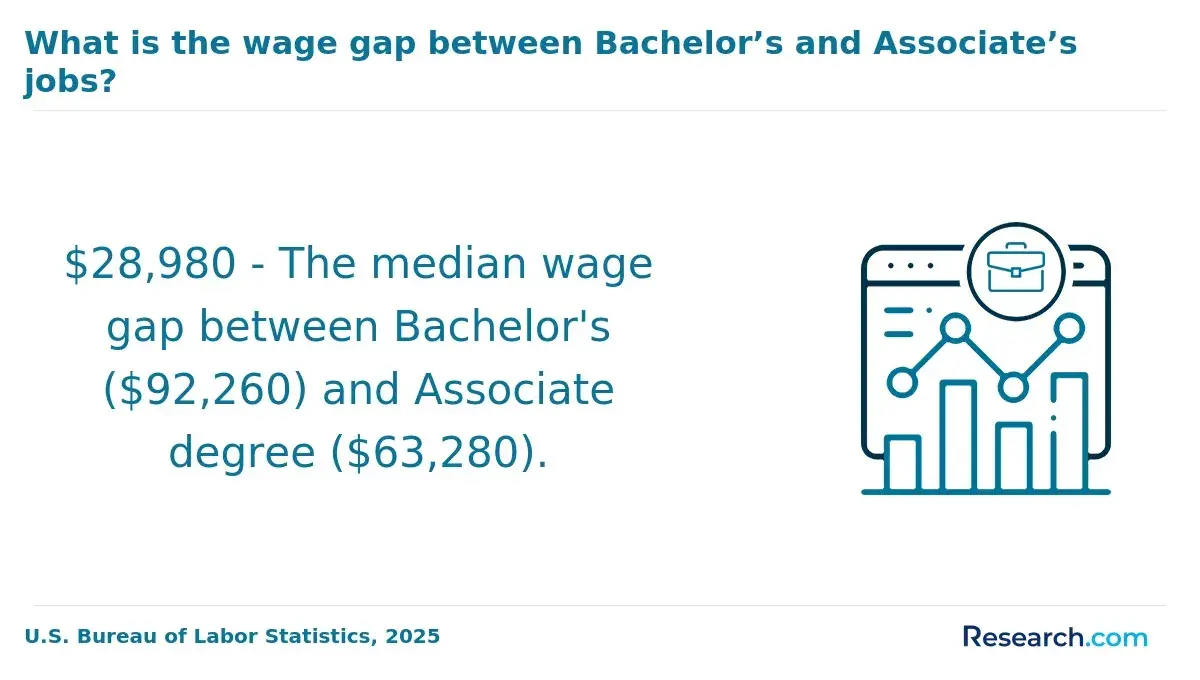
Financial aid can also improve return on investment. Graduates may enter criminal justice fields where median salaries range from $50,000 to over $70,000, but earnings depend on role, location, agency, experience, and additional training. For students comparing aid options across helping professions, resources on affordable CACREP accredited programs can provide additional context on accreditation and funding questions.
What Are the Shortest Online Criminal Justice Degree Programs?
The shortest online criminal justice degree programs are usually accelerated associate degrees, degree-completion bachelor's programs, and transfer-friendly bachelor's pathways. These programs are built for students who already have credits, can study year-round, or can handle shorter academic terms. Demand for the shortest online criminal justice degree programs has increased by over 20% in the past five years as more learners look for options that can be completed in less than two years.
- Accelerated associate degrees: Some online associate degrees can be completed in 12 to 18 months. These programs may be useful for entry-level roles or for students planning to transfer into a bachelor's program later.
- Accelerated bachelor's degrees: Online bachelor's programs often take about 2 to 2.5 years instead of the traditional four when students enter with transfer credits or enroll in a condensed schedule.
- Degree-completion programs: These are often the fastest bachelor's options for students who already completed general education credits, an associate degree, military training, or previous college coursework.
- Modular course structures: Many accelerated programs use 4 to 8 week terms. Students focus on fewer courses at a time but move through them more quickly.
- Year-round enrollment: Summer, winter, and multiple annual start dates can reduce downtime between terms and help students maintain momentum.
- Credit recognition: Programs that accept transfer credits, prior learning, or approved professional training can shorten the path to graduation.
The fastest option is not always the best option. Accelerated programs require steady weekly work, strong organization, and fewer breaks. Students working full time or managing family responsibilities should ask whether part-time pacing is available if the full accelerated schedule becomes unrealistic.
Tuition for accelerated online criminal justice degrees usually aligns with traditional rates and can range from about $150 to $400 per credit depending on the institution. Graduates may pursue roles such as police officers or probation officers, with median salaries between $55,000 and $65,000 annually. Students comparing accelerated formats in other fields can review flexible models used in online EMBA programs.
Breakdown of Public Fully Online Title IV Institutions

What Is the Typical Format of the Shortest Online Criminal Justice Degree Programs?
The shortest online criminal justice programs usually rely on compressed academic terms, structured weekly modules, and frequent deadlines. The format is designed to help students finish faster, but it also leaves less room to recover if they fall behind. Modular learning has grown significantly, and many students prefer shorter, focused terms because they can complete requirements with fewer long gaps between courses.
- Term length: Accelerated programs commonly use 5 to 8 week sessions instead of full 15-week semesters. This allows students to complete more courses across the year, but each course moves quickly.
- Course delivery: Most courses are asynchronous, meaning students can log in at different times to watch lectures, read materials, complete quizzes, and submit assignments. Some programs add live virtual meetings, presentations, or instructor check-ins.
- Weekly workload: Students generally spend 15 to 20 hours per week on coursework. In a compressed term, assignments that would normally be spread across a full semester may be due within a few weeks.
- Class structure: Courses often include readings, recorded lectures, discussion boards, short papers, case studies, exams, and applied projects involving law enforcement, courts, corrections, ethics, criminology, or policy.
- Student interaction: Online discussions, group projects, peer responses, and virtual office hours can help students stay connected, even when most coursework is independent.
Before choosing a short-track program, students should review sample syllabi if available. Pay attention to weekly due dates, exam formats, writing requirements, and whether courses require proctored tests, field experiences, or live attendance. The best accelerated format is one that matches your work schedule and study habits, not simply the one with the shortest advertised completion time.
- : "Balancing work and studies was challenging, especially with the intense weekly hours and quick turnaround for assignments. The focused terms meant I had to stay organized and avoid falling behind. But knowing I could finish in just over a year kept me motivated. The virtual discussions helped me feel connected despite the distance, and completing the degree so quickly was incredibly rewarding."
How Do Online Classes Work for Accelerated Criminal Justice Degrees?
Online classes in accelerated criminal justice programs are usually organized around weekly modules, fixed deadlines, and a learning management system where students access all course materials. Over 75% of online learners choose digital courses primarily for their adaptable schedules, which makes this format especially useful for working adults and career changers.
- Asynchronous coursework: Students typically review recorded lectures, readings, case materials, and assignments on their own schedule. Flexibility does not mean self-paced; most courses still have weekly due dates.
- Synchronous sessions: Some courses include scheduled live video meetings, instructor Q&A sessions, presentations, or group discussions. Students should check time zone requirements and attendance expectations before enrolling.
- Weekly modules: Courses are commonly divided into clear weekly units. Each module may include readings, lectures, discussion posts, quizzes, papers, or applied criminal justice scenarios.
- Assignments and feedback: Students may submit work weekly or biweekly. Instructors typically provide feedback through the course platform, email, rubrics, announcements, or discussion boards.
- Peer interaction: Discussion forums and group projects help students analyze cases, debate policy questions, and practice professional communication.
- Technology requirements: Students need reliable internet, a current computer, word processing software, and comfort using digital platforms. Some courses may require proctoring tools, video participation, or database access.
Accelerated online classes reward consistency. Students who block out study time, log in several times each week, and start assignments early are more likely to keep pace. Waiting until the end of the week can be risky because compressed courses often have multiple overlapping deadlines.
What Skills Do Students Gain from a Shortest-Track Online Criminal Justice Degree?
A shortest-track online criminal justice degree should help students build practical, employer-relevant skills in law, public safety, investigation, ethics, communication, and analysis. The fast pace does not remove the need for depth; it simply requires programs to deliver coursework in a more concentrated format. The Bureau of Labor Statistics projects a 5% growth in technology use within the field over the next decade, making technical confidence increasingly important alongside traditional criminal justice knowledge.
- Critical thinking and decision-making: Students learn to evaluate facts, identify risks, compare legal and ethical considerations, and make reasoned judgments under pressure.
- Written and verbal communication: Criminal justice work often depends on clear reports, accurate documentation, professional testimony, and effective communication with colleagues, clients, victims, and the public.
- Legal and procedural awareness: Coursework typically introduces criminal law, constitutional principles, court processes, corrections, policing, and due process. A degree may support career readiness, but some roles still require academy training, state certification, or agency-specific requirements.
- Technical proficiency: Students may gain experience with databases, crime analysis tools, forensic concepts, digital evidence issues, and information systems used in justice-related work.
- Problem-solving: Case studies and scenarios help students connect theory to real situations, such as incident response, offender supervision, policy evaluation, or investigative decision-making.
- Professionalism and time management: Accelerated programs require students to manage deadlines, communicate proactively, and meet expectations consistently. Those habits transfer directly to criminal justice workplaces.
One graduate described the fastest online criminal justice degree program as intense but useful: “Balancing work and studies was tough at first, especially since the courses moved quickly and required focused attention every week. Scenario exercises and real-world case studies helped me feel more confident handling unpredictable situations on the job. By the time I graduated, I had developed both the knowledge and the mindset needed to step into my role without hesitation.”
Are Cheap and Fast Online Criminal Justice Degree Programs Considered Legitimate?
Cheap and fast online criminal justice degree programs can be legitimate, but only if they meet recognized academic and professional standards. Low tuition and a 12 to 24 month timeline are not warning signs by themselves. The real issue is whether the school is accredited, transparent about costs, clear about transfer policies, and honest about career preparation.
- Accreditation: Regional accreditation is often the safest standard for transfer credit, graduate school admission, and employer recognition. Nationally accredited or unaccredited schools may create limitations, especially if students later want to transfer or pursue advanced study.
- Faculty credentials: Strong programs use instructors with advanced degrees, criminal justice experience, legal expertise, research backgrounds, or relevant professional practice.
- Curriculum quality: Legitimate programs cover core areas such as criminology, criminal law, policing, courts, corrections, ethics, research methods, and justice policy. Courses should be current and clearly tied to learning outcomes.
- Career preparation: A criminal justice degree may support employment goals, but it may not replace police academy training, state certification, background checks, physical fitness requirements, security clearance, or other agency-specific standards.
- Student support: Advising, tutoring, library access, technology help, career counseling, and internship guidance are signs that the school is built to support online learners.
- Transparency: Legitimate schools clearly publish tuition, fees, refund policies, accreditation status, graduation requirements, and transfer credit rules.
- Employer recognition: Programs with strong reputations, public accountability, and active alumni networks may provide better credibility in hiring and promotion decisions.
Students should be cautious with programs that promise a degree with little coursework, avoid naming their accreditor, pressure applicants to enroll immediately, or advertise guaranteed employment. A fast program should still require meaningful academic work.
What Are the Highest-Paying Roles for Online Criminal Justice Degree Graduates?
The highest-paying roles for online criminal justice degree graduates are often those that combine investigative ability, specialized training, technology skills, agency experience, and strong professional screening. A degree can help candidates qualify or compete, but many high-paying criminal justice roles also require academy training, certifications, background checks, security clearance, physical standards, or prior experience.
- Federal agents: Roles such as FBI and DEA agents are among the highest-paying criminal justice paths, with median annual wages often exceeding $98,000 and top earners reaching over $150,000. These jobs typically require strong investigative skills, knowledge of criminal law, physical fitness, and a rigorous hiring process.
- Cybersecurity analysts: Criminal justice graduates who move into cybersecurity, digital forensics, or cybercrime investigation can work to protect organizations from digital threats. This technology-driven area offers median salaries around $103,000 annually and generally requires computer proficiency along with investigative thinking.
- Criminal law paralegals: Paralegals who focus on criminal law support attorneys by conducting research, organizing evidence, preparing documents, and managing case materials. Salaries typically range between $55,000 and $65,000, depending on location, experience, employer type, and specialization.
Salary growth usually depends on more than the degree itself. Advanced degrees, specialized certifications, language skills, digital forensics expertise, leadership experience, and years of service can all affect earnings. Students pursuing top salaries for online criminal justice degree holders should compare program cost, completion time, internship access, and the curriculum's alignment with their target role.
For broader salary comparisons across majors, students can review resources on highest paying bachelor's degrees and use them alongside criminal justice-specific labor market research.
What Is the Job Placement Rate for Online Criminal Justice Graduates?
Job placement rates for online criminal justice graduates vary by school, program quality, location, student experience, and target occupation. According to the National Center for Education Statistics, job placement rates often exceed 70% within six to twelve months after graduation. Programs that include practical experience, employer connections, and strong career services may report stronger outcomes.
- Accreditation and quality: Accredited programs with clear academic standards are more likely to be respected by employers and other institutions. Quality also shows up in advising, course design, faculty experience, and student support.
- Internships and practicum experience: Programs that integrate internships or practicum components commonly report placement rates above 80%. Practical experience helps students build confidence, references, and professional contacts.
- Industry demand: The criminal justice sector, including law enforcement, cybersecurity, and correctional services, is projected to grow by 5% through 2031. Demand can differ by region and occupation, so students should research local hiring conditions.
- Program reputation and alumni networks: Schools with active alumni, employer partnerships, career fairs, and dedicated career advisors can help students identify openings and prepare stronger applications.
- Student background: Prior military service, public safety experience, security work, bilingual ability, technology skills, and clean background checks can influence employment outcomes.
- Cost and program length: Affordable options with tuition around $200 to $300 per credit and associate degrees completed within two years can offer a practical balance of cost, speed, and employability when paired with strong career support.
Graduates who use internships, certifications, and networking opportunities often see median starting salaries between $40,000 and $50,000, with higher earnings possible through continued training and experience. Students who want to strengthen specific skills after graduation can compare relevant online certificate programs.
How Do You Choose the Best Cheap Online Criminal Justice Degree Program?
To choose the best cheap online criminal justice degree program, compare value rather than price alone. A strong program should be accredited, affordable after aid, realistic for your schedule, transparent about outcomes, and aligned with your target career. The cheapest option can become expensive if credits do not transfer, courses are poorly supported, or the degree is not respected by employers.
- Verify accreditation: Prioritize recognized regional accreditation when possible. This can affect transfer credit, graduate school eligibility, financial aid access, and employer confidence.
- Calculate total net cost: Look beyond tuition. Include fees, books, technology costs, transfer credit savings, financial aid, employer reimbursement, and the cost of extending enrollment if you need more time.
- Check transfer policies: Ask how many credits the program will accept, whether credits expire, and whether military, academy, or professional training can count toward requirements.
- Review the curriculum: A solid program should cover law enforcement, courts, corrections, criminal law, criminology, ethics, research, and justice administration. Electives or concentrations can help if you are interested in cybersecurity, homeland security, juvenile justice, forensics, or public administration.
- Compare program length: Accelerated paths that can be finished in 18 to 24 months may reduce costs and speed up career progress, but only if the workload is manageable.
- Evaluate student support: Look for academic advising, tutoring, library services, technology support, writing help, and career counseling designed for online students.
- Assess career outcomes: Review graduation rates, placement rates, internship access, and employer partnerships. Programs with graduation rates above 60% and job placement exceeding 70% typically indicate stronger results.
- Match the degree to the job: Confirm whether your target role requires a degree, academy training, certification, licensure, physical testing, background screening, or previous experience. A degree should support the path, not be mistaken for the only requirement.
Reliable sources such as the College Scorecard and Bureau of Labor Statistics can help students compare costs, graduation data, debt levels, and employment trends. Before enrolling, speak with an admissions advisor, a financial aid officer, and, if possible, a current student or graduate.
What Graduates Say About Their Cheapest and Shortest Online Criminal Justice Degree
- : "Finding an affordable and quick online criminal justice degree was a game changer for me. The program's reasonable cost, which averaged around $10,000, allowed me to earn my degree without piling on debt. Now, as a probation officer, I'm confident that my education not only saved me money but fast-tracked my career growth. — Troy"
- : "When I decided to pursue an online criminal justice degree, affordability was my top priority. The program I chose offered a comprehensive curriculum at a fraction of the cost I expected-less than $12,000 total-and I finished in under two years. This efficiency gave me the flexibility to advance into law enforcement with practical skills and minimal delay. — Denver"
- : "Enrolling in a short, affordable online criminal justice degree was one of the best professional decisions I made. With tuition costs around $9,500, it was accessible without sacrificing quality. The fast pace of the program helped me swiftly move up the ranks in my department, proving the value of an economical and accelerated education. — Kathryn"
Other Things You Should Know About Criminal Justice Degrees
The shortest online criminal justice degree programs in 2027 typically require around 60 credit hours for an associate's degree. Some accelerated bachelor's programs may require about 120 credit hours but can offer credit for prior learning to shorten completion time.
Yes, some online criminal justice degree programs offer accelerated options that can be completed in as little as 18 months. These programs typically require full-time enrollment and may include summer sessions to fast-track graduation within the 2027 academic timeframe.
References
- Preparing for a Criminal Justice Career | University of Bridgeport https://www.bridgeport.edu/news/criminal-justice-career-preparation/
- Affordable Online Bachelor's In Criminal Justice Degrees https://thebestschools.org/rankings/bachelors/affordable/online-bachelors-criminal-justice/
- 15 Best Online Bachelor's In Criminal Justice https://www.criminaljusticedegreeschools.com/rankings/best-online-bachelors/
- Online Criminal Justice Degrees: Find the Right Program https://www.publicservicedegrees.org/online-degrees/criminal-justice-programs/
- Financial Aid Tips for Criminal Justice Students https://www.criminaljusticeprograms.com/financial-aid/
- Accelerated Bachelor of Arts in Criminology & Criminal Justice Online https://online.wpunj.edu/degrees/undergraduate/ba-criminology-criminal-justice-accelerated-professional-track/
- What Are the Job Placement Rates For a Criminal Justice Degree? - Top Criminal Justice Schools https://www.top-criminal-justice-schools.net/faq/what-are-the-job-placement-rates-for-a-criminal-justice-degree/
- 2025 Most Affordable Online Criminal Justice Degrees https://www.onlineu.com/most-affordable-colleges/criminal-justice-degrees
- Bachelor of Science in Criminal Justice - Online/On Campus | Fisher College https://www.fisher.edu/academics/undergraduate-programs/bs-criminal-justice
- Should I Get My Bachelor’s Degree in Criminal Justice Online? | CSU Global https://csuglobal.edu/blog/should-i-get-my-bachelors-degree-criminal-justice-online