2027 Online Criminal Justice Degree Programs for Veterans: GI Bill Benefits, Costs & Top Considerations

Co-Founder and Chief Data Scientist
A veteran returning to civilian life often faces challenges transitioning into a rewarding career. Although many consider online criminal justice programs, uncertainty about GI Bill benefits, tuition costs, and post-graduation job prospects can create barriers. Approximately 45% of veterans enrolling in online criminal justice degrees utilize the GI Bill for tuition and housing support, yet navigating benefit eligibility remains complex.
Furthermore, 78% of these graduates secure employment within six months, highlighting program value despite initial confusion. This article explores how veterans can maximize GI Bill benefits, evaluate program costs, and identify top factors when selecting an online criminal justice degree to enhance career success.
Key Benefits of Online Criminal Justice Degree Programs for Veterans
- The GI Bill covers tuition, fees, and housing for many online criminal justice programs, enabling veterans to pursue education with reduced financial burden.
- Online criminal justice degrees offer flexible schedules ideal for veterans balancing family, work, or military commitments, with asynchronous courses common.
- Many programs provide specialized career services for veterans, including job placement assistance and networking tailored to military-connected students entering law enforcement or federal agencies.
Who qualifies as a veteran for online criminal justice degree programs?
Knowing veteran eligibility is essential when applying to online criminal justice programs, especially to maximize GI Bill benefits that help cover tuition, housing allowances, and other costs. Over 250,000 veterans use education benefits annually, underscoring the need to understand who qualifies. Below are common eligibility categories relevant to these programs.
- Service Status: Veterans who served on active duty and received an honorable discharge generally qualify for educational benefits. Completion of service commitment with a discharge under conditions other than dishonorable is typically required for eligibility.
- Discharge Classifications: Full GI Bill benefits are usually available only to those with honorable or general discharges under honorable conditions. Veterans with dishonorable discharges are typically disqualified from most education benefits.
- Reservists and National Guard: Reservists or National Guard members called to active duty or meeting certain service duration requirements often qualify for education assistance. Those with honorable service in these roles commonly receive GI Bill benefits applicable to online criminal justice degree eligibility.
- Dependents: Some benefits extend to spouses and children through programs like the Fry Scholarship or Transfer of Entitlement, supporting family members pursuing a degree in criminal justice.
Service members and veterans interested in online criminal justice programs should carefully review BCBA master's programs online as a reference for affordable educational pathways. Meeting the eligibility requirements for veterans in online criminal justice programs ensures full utilization of benefits and financial support throughout their degree journey.
Do online criminal justice degree programs accept military training for college credit?
Transfer and prior learning credits are especially important for veterans and active-duty service members pursuing online criminal justice degrees, as they can significantly reduce the time and cost required to complete the program, maximizing GI Bill benefits.
Nearly 90% of colleges award credit for military training through prior learning assessments or transcript evaluations. Below are the common methods used to transfer military experience to online criminal justice degrees.
- Joint Services Transcripts (JST): These official records detail a service member's military training and coursework, allowing academic institutions to evaluate and potentially award equivalent college credits.
- Credit Recommendations: Many programs follow American Council on Education (ACE) guidelines, which provide standardized credit recommendations for various military courses and training.
- Competency-Based Assessments: Some institutions offer assessments that validate the specific skills and knowledge veterans have gained, granting academic credit based on demonstrated competencies.
- Policy Limits: Schools may have institutional policies that cap the amount of military education credits transferrable, ensuring degree requirements are met through a combination of military and college coursework.
By leveraging these evaluation methods, veterans can efficiently translate their military training into academic progress within online criminal justice programs. Service members interested in expanding their education options might also explore fields like engineering degree online programs, which similarly recognize military experience for credit.
How do online criminal justice degree programs work for veterans?
Online Criminal Justice degree programs offer veterans the flexibility to juggle education alongside work, family, or military duties through adaptable formats and tailored support. Below are key features that make these programs suitable for veterans:
- Flexible Delivery: Most courses are asynchronous, letting veterans access lectures and assignments anytime to fit their schedules without strict timing constraints.
- Customized Pacing: Programs often include self-paced or accelerated options, enabling learners to adjust study speed based on their personal circumstances and career goals.
- Academic Support: Dedicated advisors knowledgeable about military education benefits, tutoring services, and digital resources help veterans navigate challenges and succeed academically.
- Benefit Utilization: GI Bill benefits frequently cover part or all tuition costs, while additional monthly housing allowances reflect living expenses near the institution, even for remote studies.
- Veteran Resources: Peer networks, career counseling targeting law enforcement transitions, and VA benefits assistance create a veteran-focused support system within these programs.
I spoke with a veteran enrolled in an online Criminal Justice degree program who shared how balancing study with family and irregular work hours was initially daunting. "Finding time for coursework around deployments and night shifts wasn't easy," he said.
Navigating VA benefits took patience, but having advisors who understood military-specific challenges proved invaluable. "The peer groups helped me feel connected despite studying remotely," he added, emphasizing that the program's flexibility and support made completing his degree possible despite the obstacles.
Veterans pursuing online criminal justice degrees must prioritize accreditation, as it directly impacts the use of GI Bill benefits and future career prospects. The U.S. Department of Veterans Affairs mandates that programs be accredited by recognized agencies to qualify for tuition payments and housing allowances under the GI Bill.
There are two main forms of accreditation to consider: institutional accreditation, which assesses the entire educational institution, and programmatic accreditation, which focuses specifically on the criminal justice program. Programmatic accreditation is often essential for meeting state licensure requirements and obtaining professional certifications.
Accreditation also influences the transferability of college credits and whether employers recognize the degree's value during hiring and promotion decisions. Without proper accreditation, veterans may face challenges in completing their education efficiently or qualifying for essential licenses.
Over 90% of GI Bill recipients attend accredited institutions, underscoring the importance of selecting approved programs to ensure educational benefits and career readiness in criminal justice fields.
Veterans comparing online criminal justice degree programs must consider total costs beyond tuition to create accurate budgets. Tuition per credit hour often ranges widely, with averages falling between $250 and $600, making program length and fees key determinants of overall expense. The following points outline essential cost factors to consider when evaluating these programs.
- Tuition per Credit Hour: Courses typically cost between $250 and $600 per credit, depending on the program and institution. This rate directly affects the total tuition based on required credits for degree completion.
- Total Program Cost: Earning a bachelor's degree in criminal justice online generally ranges from $15,000 to $40,000 before applying financial aid or benefits, reflecting differences in program length and course load.
- Mandatory Fees: Additional charges such as technology, registration, and student services fees can add between $500 and $2,000, which are often not covered by tuition payments.
- Housing Allowance: Unlike traditional programs, most online criminal justice programs do not qualify for housing allowances under GI Bill benefits, impacting active-duty members and veterans budgeting for education.
- Out-of-Pocket Costs: After GI Bill benefits, veterans typically incur annual expenses around $1,200 for books, supplies, or tuition costs exceeding reimbursement caps.
Those considering GI Bill benefits for online criminal justice programs should be aware of these cost components to avoid surprises. Veterans might also explore other affordable online options such as the cheapest MLIS degree online to compare educational investments and benefits effectively.
Veterans pursuing online criminal justice degrees benefit significantly from GI Bill provisions, helping reduce education expenses and ease financial planning. In 2022, about 1.2 million veterans and their families utilized Post-9/11 GI Bill benefits, underscoring their critical role in veteran education opportunities. Key features of these benefits include:
- Post-9/11 GI Bill Coverage: This benefit can cover up to 100% of in-state tuition and fees at public universities or up to a capped limit for private and foreign institutions, greatly lowering out-of-pocket costs.
- Tuition and Fees: Payments are applied directly to the school, ensuring veterans do not face upfront tuition bills when their program is VA-approved.
- Housing Allowance: Recipients receive a monthly housing stipend based on the Basic Allowance for Housing for an E-5 with dependents, which may be adjusted for fully online programs compared to on-campus rates.
- Book and Supply Stipends: Veterans can claim up to $1,000 annually to offset expenses related to textbooks and course materials essential for their studies.
- Eligibility Requirements: Veterans must have served at least 90 days of active duty post-September 10, 2001, and their criminal justice degree must be approved by the VA to access benefits.
When asked about her perspective on how GI Bill benefits supported her online criminal justice education, a veteran who recently graduated shared insightful reflections. She described initial uncertainty navigating benefit rules and the challenge of balancing coursework with family obligations, but emphasized how the steady housing allowance relieved financial stress. "Knowing the GI Bill would cover my tuition gave me confidence to focus fully on classes," she explained.
She also noted how the book stipend made acquiring expensive textbooks manageable, avoiding extra debt. Her experience highlighted the importance of careful program selection and proactive communication with veteran affairs offices to fully maximize available benefits. "It's empowering to complete a degree without financial strain, knowing that the sacrifices I made are honored through these benefits," she added thoughtfully.
Veteran support services play a vital role in helping military-affiliated students succeed in online criminal justice degree programs. Research by the National Center for Veterans Analysis and Statistics shows that veterans who access these services experience a 12% increase in retention rates.
The following list highlights key types of support designed specifically for veterans.
- Academic Advising: Advisors help veterans navigate course selections while accommodating their unique military experiences and schedules, ensuring alignment with career objectives and maximization of GI Bill benefits.
- Benefits Counseling: This guidance assists students in understanding and applying their VA education benefits, tuition coverage, and housing allowance options, simplifying financial planning during their studies.
- Mental Health Resources: Tailored support addresses challenges such as PTSD and stress, providing counseling and coping strategies essential for maintaining academic focus and well-being.
- Career Services: Specialized job placement support targets law enforcement, corrections, and federal agencies recognizing veteran hiring preferences, enhancing post-graduation employment opportunities.
- Peer Support: Veteran-only online communities and support groups foster connection and camaraderie, critical for remote students who may otherwise feel isolated.
Veterans planning to pursue an online criminal justice degree need to consider program duration carefully to balance education with work, family, or ongoing service commitments. The time it takes can vary significantly depending on several key factors. Here are some important considerations:
- Enrollment Status: Full-time students typically complete their degree in about four years, whereas part-time students may take five to six years. Part-time options provide flexibility but extend overall program length.
- Credit Transfer: Many programs accept transferred credits from prior college coursework or military training, which can shorten the time needed to graduate by a semester or more.
- Military Training Recognition: Veterans often receive credit for relevant military experience, accelerating degree completion and maximizing the benefits of GI Bill usage.
- Course Scheduling Flexibility: Asynchronous and online course formats allow veterans to tailor their workload around other responsibilities, enabling part-time study or accelerated pacing based on individual needs.
- Program Length Variations: Some accelerated programs offer degree completion in as little as two to three years, especially when competency-based education or prior learning assessments are available. These options can enhance the overall value of GI Bill benefits.
The typical duration of online criminal justice programs using GI Bill benefits depends heavily on these factors. Veterans who efficiently leverage credit transfers and military training recognition can reduce time significantly. Planning accordingly helps manage educational progress alongside other life commitments without unnecessary delays.
For veterans interested in career outcomes, exploring degrees that pay well can guide choices toward programs with strong financial return prospects.
Understanding potential career opportunities for veterans with criminal justice degrees is essential for selecting programs that align with military skills and future job prospects. According to the U.S. Bureau of Labor Statistics, employment for police and detectives is projected to grow slower than the average for all occupations from 2024 to 2034.
Below are common roles and industries that veterans with an online criminal justice degree often pursue.
- Law Enforcement Officer: Many veterans transition into roles such as police officers or detectives, where discipline and leadership learned in the military are highly valued. These positions offer the chance to serve communities and maintain public safety.
- Corrections Officer: Working in correctional facilities allows veterans to apply problem-solving and organizational skills to manage inmate behavior and support rehabilitation efforts.
- Probation Officer: Veterans can leverage experience in structure and accountability to supervise offenders in the community, helping reduce recidivism and promote successful reintegration.
- Forensic Analyst: Analytical skills honed in the military translate well into forensic science roles that support criminal investigations through evidence analysis and lab work.
- Security Manager: The field offers opportunities in private or corporate security, homeland security, and victim advocacy, where veterans' strategic planning and crisis management skills excel.
Veterans should consider programs that provide relevant certifications and coursework to boost employability. Many use GI Bill benefits to cover tuition and housing expenses, making it important to find quality education with cost-effective options. Resources like cheapest online colleges that accept FAFSA can assist in identifying affordable programs that meet veterans' needs for career advancement in criminal justice jobs for veterans.
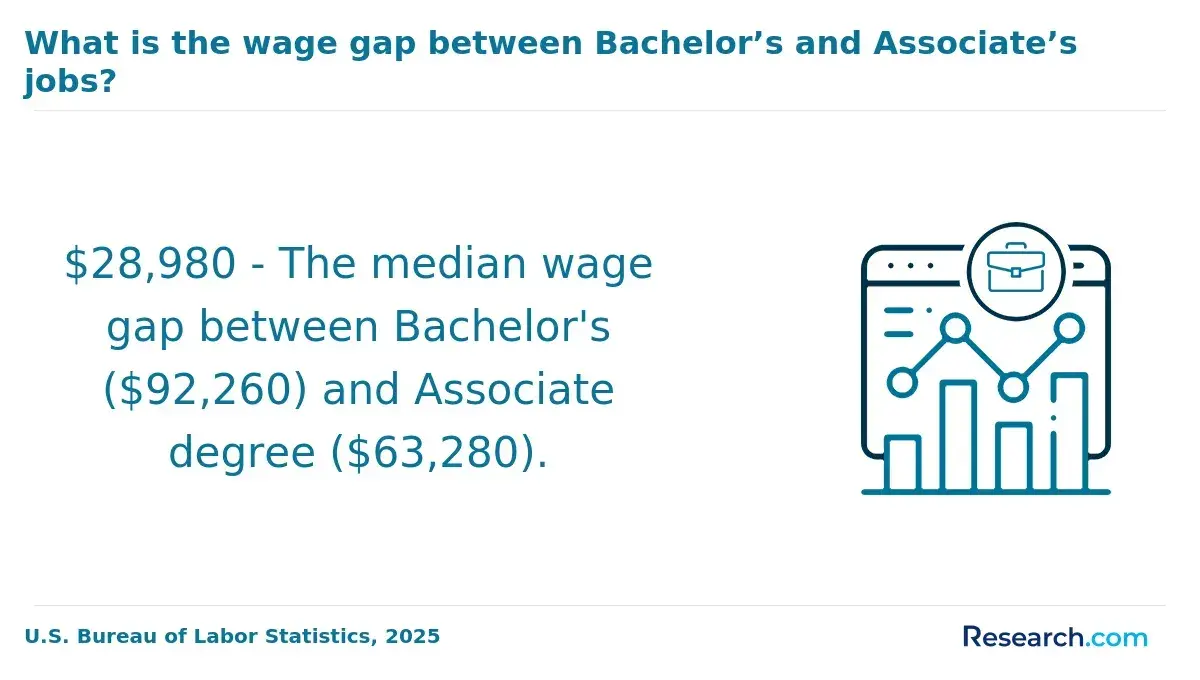
Knowing potential post-graduation income is vital for veterans assessing online criminal justice degree programs, as it affects financial planning and program value. Median annual wages for holders of criminal justice bachelor's degrees reach about $67,000, according to the U.S. Bureau of Labor Statistics. Several factors shape these earnings, including the following key elements:
- Industry Sector: Federal law enforcement and cybersecurity roles generally offer higher salaries than local policing or corrections positions, reflecting differences in responsibility and funding.
- Job Role: Specialized or supervisory positions tend to command increased pay, with opportunities often linked to one's area of expertise within the criminal justice field.
- Geographic Location: Urban centers and high-cost living areas typically provide better compensation, while rural or lower-cost regions may offer less.
- Experience Level: Veterans with prior military experience often advance more quickly, leveraging leadership and risk management skills to achieve higher salaries over time.
- Transferable Skills: Military certifications and discipline can lead to faster promotions and entry into specialized roles, positively affecting earning potential.
What Graduates Say About Their Online Criminal Justice Degree for Veterans
- Stacy: "Transitioning from active duty to civilian life felt uncertain until I enrolled in an online criminal justice degree program. The structured curriculum helped me understand the nuances of the civilian system, making my adjustment smoother. Upon completing the program, I felt equipped and confident stepping into a career in corrections, which offered stability and growth. "
- Rita: "As a veteran, pursuing an online criminal justice degree was a strategic move to advance my career professionally. The program's affordability and focus on real-world application enhanced my leadership skills and understanding of legal frameworks. This degree not only bridged my military background with civilian opportunities but also solidified my role in the criminal justice field at a managerial level. "
- Ivy: "Choosing an online criminal justice degree program was a practical decision for me after leaving the military. The flexibility allowed me to balance family life and studies, and the average cost of attendance was reasonable compared to traditional schools. Graduating with this degree has opened doors to law enforcement roles where my military experience and education complement each other perfectly. "
Other Things You Should Know About Criminal Justice Degrees
Veterans pursuing online criminal justice degrees in 2027 need a reliable computer, high-speed internet, a webcam, and updated software for video conferencing and coursework. Institutions may require specific applications, so checking program-specific requirements is advised.
The GI Bill can cover tuition and fees for eligible online criminal justice degree programs, but some restrictions apply. For example, the housing allowance is typically lower for online students than for those attending classes on campus. Veterans should verify program eligibility with the Department of Veterans Affairs and the school's veterans affairs office.
Yes. Schools offering online programs to veterans should be approved by the U.S. Department of Veterans Affairs and authorized in the state where the student is enrolled or receiving distance education. Veterans can verify approval through the VA Education and Training resources before starting classes.
- College Credit for Military Training & Experiences https://www.dantes.mil/credit4training/
- Criminal Justice Careers for Online Graduates | Maryville Online https://online.maryville.edu/online-bachelors-degrees/criminal-justice/careers/
- Leveraging Military Experience in Criminal Justice https://www.snu.edu/blog/leveraging-military-experience-in-criminal-justice
- Online Criminal Justice Degree Tuition https://www.pennfoster.edu/programs/legal/criminal-justice-bachelors-degree/tuition
- Law Enforcement Jobs for Veterans | All Criminal Justice Schools https://www.allcriminaljusticeschools.com/blog/law-enforcement-jobs-veterans/
- Online Degree Programs from GMC's Global Online Leadership College https://online.gmc.edu/programs/criminal-justice-bas/
- Online Criminal Justice Degree | Accredited Programs | SNHU https://www.snhu.edu/online-degrees/bachelors/bs-in-criminal-justice
- Top Criminal Justice Careers For Veterans https://www.criminaljustice.com/resources/top-criminal-justice-careers-for-veterans/
- Transfer Military Experience & Training Into CTU Credit https://www.coloradotech.edu/military/credit-transfer