2027 Are There Any One-Year Online Criminal Justice Degree Programs Worth Considering?

Co-Founder and Chief Data Scientist
An accelerated online Criminal Justice degree can be useful if you need a faster credential for promotion, career change, graduate study, or entry into a public safety-related role. The key question is whether a true one-year timeline is realistic for your degree level, prior credits, work experience, and schedule.
For most students, “one-year Criminal Justice degree” does not mean starting from zero and finishing a full associate or bachelor’s degree in twelve months. The shortest realistic options are usually graduate programs for students who already have a bachelor’s degree or bachelor’s completion programs for students with substantial transfer credit. This guide explains what is feasible, what programs exist, how to evaluate quality, what costs to expect, and how to decide whether an accelerated online Criminal Justice program fits your goals.
Key Points About One-Year Online Criminal Justice Degree Programs
- One-year online Criminal Justice degrees focus on condensed curriculum, prioritizing core topics like law enforcement, criminology, and corrections over broad traditional programs.
- These accelerated programs often cater to working professionals seeking rapid career advancement or credential upgrades without full-time campus attendance.
- Students should expect rigorous pacing and limited electives, with enrollment typically lower due to the specialized, intensive nature of Criminal Justice fields.
Is It Feasible to Finish a Criminal Justice Degree in One Year?
Finishing a Criminal Justice degree online in one year is most realistic at the master’s level. Many one-year online master’s programs are built around short, intensive terms, often using eight-week courses that allow students to complete requirements more quickly than in a traditional semester format.
At the undergraduate level, a one-year timeline is much less common. A full associate or bachelor’s degree normally requires far more coursework than can be completed in one year, especially for students beginning with no prior college credit. Bachelor’s completion programs may be faster, but they usually require a large number of transferable credits before admission.
Who has the best chance of finishing quickly?
- Students who already hold a bachelor’s degree: These applicants may qualify for accelerated graduate programs that can be completed in one year.
- Students with substantial transfer credits: Bachelor’s completion programs may shorten the path for those who have already completed general education and lower-division requirements.
- Working professionals in criminal justice or public safety: Prior experience can make graduate coursework more relevant and manageable, though it does not replace required academic work unless the school grants credit for training or certifications.
- Students who can handle compressed coursework: Accelerated courses move quickly and require consistent weekly study time, strong writing skills, and careful planning.
Students should also watch for requirements that can affect timing, such as internships, capstone projects, research assignments, background checks, or prerequisite courses. Even when the academic coursework is designed for fast completion, these requirements may extend the total time needed to graduate.
Are There Available One-year Online Criminal Justice Degree Programs?
There are accredited one-year online master’s programs in Criminal Justice, but accredited one-year online associate and bachelor’s degree options are not currently available in the United States in the same way. Most undergraduate programs advertised as accelerated still require more than one year unless the student enters with extensive transfer credit.
For students who already have a bachelor’s degree, a one-year online master’s in Criminal Justice may be the most direct fast-track option. Those comparing graduate pathways can also review online 1 year masters programs to understand how accelerated master’s formats differ across fields.
- San Diego State University (BS in Criminal Justice - Online): This accelerated degree-completion program requires 60 transferable credits and can be finished in as little as 15 months. The curriculum includes criminal and social justice topics and an 18-credit public administration minor. Students must complete 120 total credits to graduate.
- DeSales University (BA in Criminal Justice - Online): This online accelerated program allows transfer of up to 75 credits and typically takes more than 15 months to complete. It includes options such as rehabilitation or intelligence and coursework in areas including social problems and applied data analysis.
- University of Mississippi (Online Master of Criminal Justice): This accredited graduate program is designed for working professionals and can be completed in one year. Students may choose concentrations in criminal justice leadership or homeland security, and the program uses eight-week accelerated courses with flexible scheduling.
The practical takeaway is simple: if you are starting college for the first time, a one-year Criminal Justice degree is unlikely. If you already have significant credits or a bachelor’s degree, you may have credible accelerated options.
Why Consider Taking Up One-year Online Criminal Justice Programs?
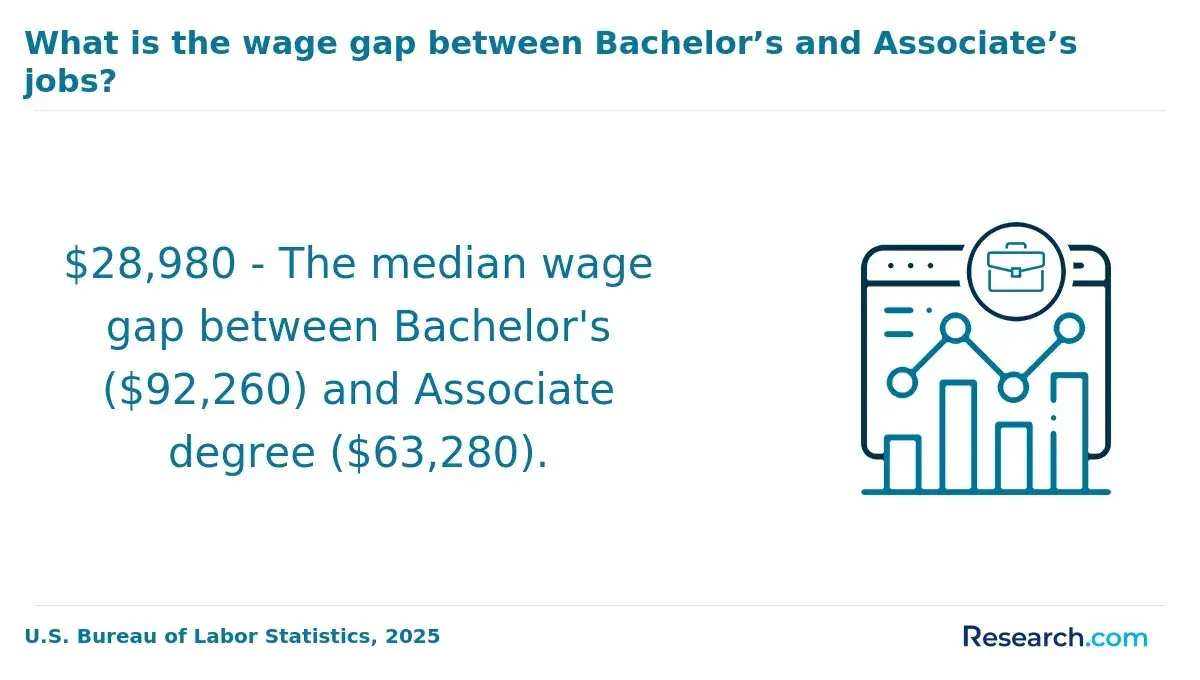
A one-year online Criminal Justice program can make sense when speed, flexibility, and career relevance matter more than a slower campus-based experience. These programs are best suited for disciplined students who already know why they need the credential and can manage a demanding academic schedule.
- Faster credential completion: A shorter timeline may help students qualify sooner for internal advancement, graduate-level roles, agency requirements, or specialized criminal justice functions.
- Flexibility for working adults: Online delivery, especially asynchronous coursework, can make it easier to study while continuing full-time employment or family responsibilities.
- Career-focused curriculum: Many accelerated Criminal Justice programs emphasize leadership, policy analysis, homeland security, corrections, law enforcement administration, and applied decision-making.
- Immediate workplace application: Students already working in criminal justice, public safety, social services, or government may be able to apply course concepts directly to current responsibilities.
- Reduced time away from the workforce: Online study can allow students to avoid relocating, commuting, or pausing their careers while completing the program.
However, speed should not be the only factor. Students comparing fast degree paths may also want to review what is the easiest bachelor's degree to get online to understand how workload, transfer credit, and program structure affect completion time. The best accelerated program is not simply the shortest one; it is the one that is accredited, manageable, affordable, and aligned with your career goal.
What Are the Drawbacks of Pursuing One-year Online Criminal Justice Programs?
The main drawback of a one-year online Criminal Justice program is intensity. Accelerated study compresses reading, writing, research, exams, and projects into a shorter period, which can make the program difficult for students with unpredictable work schedules or heavy personal obligations.
- Heavy weekly workload: Short courses can require frequent deadlines, substantial reading, and rapid completion of writing or research assignments.
- Less time to absorb complex topics: Subjects such as constitutional law, ethics, policing policy, corrections, criminological theory, and research methods benefit from reflection and discussion. A compressed format may limit that depth.
- Higher burnout risk: Students balancing work, family, and accelerated coursework may struggle to maintain energy across consecutive terms.
- Fewer program choices: Truly one-year online Criminal Justice degrees are rare, especially at the associate and bachelor’s levels.
- Limited networking if the program is fully asynchronous: Online programs can offer discussion boards, virtual meetings, and faculty access, but students may need to be more intentional about building professional connections.
- Possible scheduling pressure: Missing one course rotation in an accelerated program can delay graduation if required courses are not offered every term.
Before enrolling, ask the program how many hours students typically spend per week, whether courses overlap, how often required courses are offered, and what support is available if work or family responsibilities interfere with the planned pace. A fast program only helps if you can finish it successfully.
What Are the Eligibility Requirements for One-year Online Criminal Justice Programs?
Eligibility requirements depend on whether the program is an accelerated bachelor’s completion pathway or a graduate degree. In general, one-year or near-one-year options are designed for students who already bring academic credit, professional experience, or both.
For accelerated bachelor’s completion programs, applicants commonly need a significant number of transferable credits. For example, programs such as San Diego State University may require at least 60 semester units, or 90 quarter units, of transferable college-level coursework. Prerequisites may include political science, sociology, and statistics, along with general education areas such as communication, mathematics beyond intermediate algebra, and critical thinking. A minimum GPA of around 2.8 is often expected.
- Completed college credits: Bachelor’s completion programs often require 60+ semester units before admission.
- Minimum GPA: A college GPA near 2.8 or higher is commonly used to show readiness for accelerated coursework.
- Bachelor’s degree for graduate study: One-year master’s programs generally require applicants to have already completed an undergraduate degree.
- Professional experience: Graduate programs may value or require relevant work history in criminal justice, public safety, government, military service, or a related field.
- Background checks: Some programs require criminal background screening, particularly when coursework, field experiences, or career pathways involve public safety environments.
- Placement exams: Schools may use assessments to confirm readiness for writing-intensive or advanced coursework.
- Personal statement or interview: Accelerated programs may ask applicants to explain their goals, motivation, and ability to handle a compressed schedule.
- High school diploma or GED: This is typically the minimum starting requirement for associate-level Criminal Justice programs, though associate degrees generally are not structured as one-year programs.
- Credit for training: Some schools may award credit for military, law enforcement, or professional training, which can reduce total completion time.
Applicants should request a transfer evaluation before committing to a program. The number of credits a school accepts can change both the graduation timeline and the total cost. Students weighing the long-term value of different credentials can also compare online options with four year degrees that pay well.
What Should I Look for in One-year Online Criminal Justice Degree Programs?
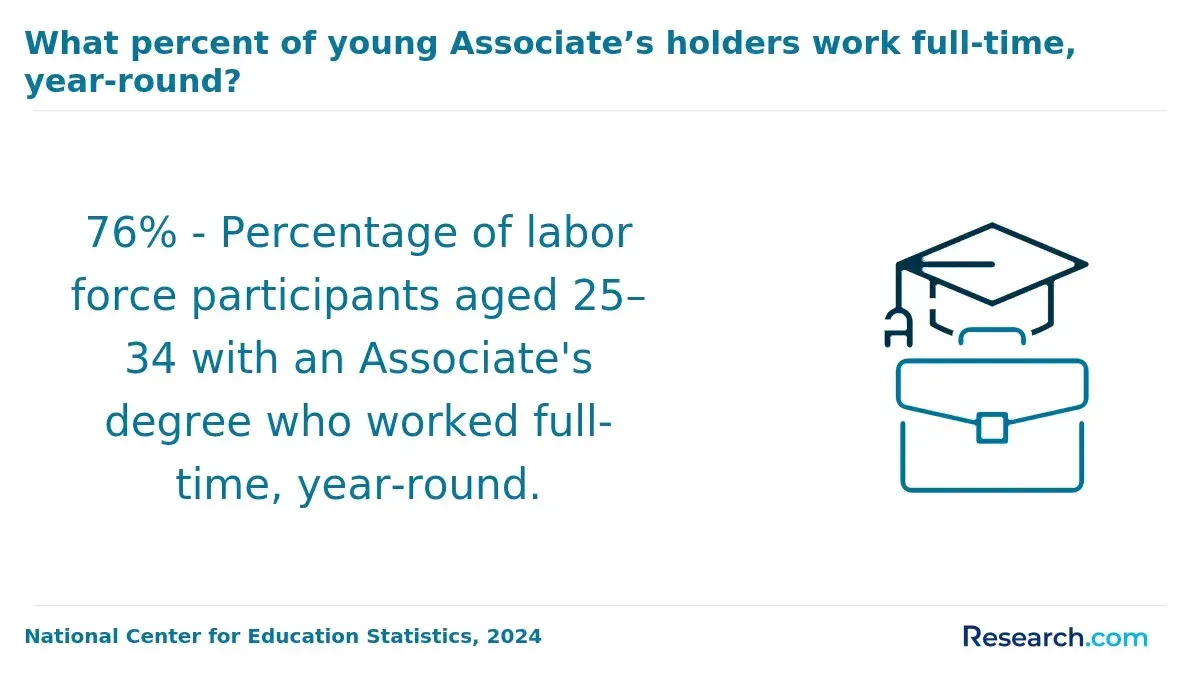
When evaluating one-year online Criminal Justice programs, focus first on legitimacy and fit. A fast program is not worthwhile if it lacks recognized accreditation, does not match your career goal, or requires a pace you cannot sustain.
- Accreditation: Confirm that the institution holds regional accreditation. Accreditation affects credit transfer, graduate school eligibility, financial aid access, and employer recognition.
- Correct degree level: Make sure the program matches your starting point. Students with no prior college credit should not expect to complete a full bachelor’s degree in one year, while bachelor’s degree holders may be eligible for accelerated master’s programs.
- Transfer credit policy: For bachelor’s completion programs, ask how many credits can transfer, which courses meet major requirements, and whether military or law enforcement training can be evaluated for credit.
- Curriculum quality: Look for coursework in criminology, criminal law, corrections, policing, ethics, research methods, policy analysis, and leadership. Graduate programs should include advanced analytical and evidence-based components.
- Specializations: Concentrations such as corrections, homeland security, rehabilitation, intelligence, or criminal justice leadership can help align the degree with a specific career direction.
- Faculty experience: Instructors with academic expertise and practical backgrounds in criminal justice, law enforcement, corrections, homeland security, courts, or policy can strengthen applied learning.
- Course format: Fully asynchronous courses offer flexibility, while scheduled live sessions may provide more interaction. Accelerated 8-week terms can support faster completion but require steady weekly effort.
- Academic standards: Some programs require students to maintain a minimum GPA of 2.8 or 3.0. Understand probation, withdrawal, and course repeat policies before enrolling.
- Student support: Look for advising, writing support, library access, technology help, career services, and faculty availability. These services matter more in compressed programs.
- Total cost and aid eligibility: Compare tuition, fees, transfer credit savings, and financial aid options. Students can also review colleges that accept financial aid when evaluating affordability.
- Career relevance: Ask whether graduates work in the roles you are targeting and whether the program supports internships, capstones, agency partnerships, or applied projects.
Be cautious of any school that promises unrealistic completion timelines without reviewing your transcripts. A credible program should be transparent about admissions requirements, credit transfer, tuition, graduation requirements, and expected workload.
How Much Do One-year Online Criminal Justice Degree Programs Typically Cost?
One-year online Criminal Justice degree programs typically cost between $8,000 to $20,000 in total tuition. The final amount depends on the institution, degree level, residency status, transfer credits, and required fees.
Public universities may charge lower rates for in-state students, while private institutions and out-of-state tuition can increase the total price. Online students should also check for technology fees, online course fees, graduation fees, books, software, and any specialized materials required for coursework, such as fingerprint kits.
Accelerated formats can reduce indirect costs because students spend less time enrolled and may be able to keep working while studying. Bachelor’s completion students may also lower costs if the school accepts a large number of transfer credits. However, a shorter program is not automatically cheaper; cost per credit, fees, and the number of remaining credits still matter.
Before enrolling, ask for a written cost estimate showing tuition, fees, accepted transfer credits, expected graduation timeline, and available aid. This makes it easier to compare programs on total price rather than advertised speed.
What Can I Expect From One-year Online Criminal Justice Degree Programs?
Students in one-year online Criminal Justice programs should expect a fast, structured, and writing-intensive experience. Courses are often delivered online in accelerated terms, frequently in 8-week sessions, with weekly readings, discussion posts, papers, exams, case analyses, and applied projects.
The curriculum typically examines how the justice system operates and how policy, law, ethics, and evidence affect decision-making. Depending on the degree level and concentration, students may study criminology, law enforcement leadership, corrections, courts, homeland security, criminal justice administration, research methods, and policy analysis.
Academic expectations
- Consistent weekly deadlines: Accelerated courses move quickly, so falling behind can be difficult to recover from.
- Applied assignments: Students may analyze case studies, agency challenges, policy questions, or leadership scenarios.
- Research and writing: Graduate programs in particular often require advanced writing, source evaluation, and evidence-based analysis.
- Independent learning: Online students need strong self-direction, especially in asynchronous courses.
- Faculty interaction: Support may be available through email, office hours, discussion boards, virtual meetings, or feedback on assignments.
The biggest challenge is balancing compressed coursework with work and personal responsibilities. Students considering broader academic options may also explore colleges with double major programs, although dual-degree or double-major pathways may require a longer timeline than a one-year Criminal Justice program.
Are There Financial Aid Options for One-year Online Criminal Justice Degree Programs?
Financial aid may be available for one-year online Criminal Justice programs if the institution and program meet eligibility requirements. Students should confirm accreditation, enrollment status, and aid eligibility before applying, because not every accelerated format qualifies in the same way.
- Federal aid: Eligible students may use the Free Application for Federal Student Aid (FAFSA) to apply for federal aid such as Pell Grants and federal loans. Eligibility can depend on citizenship, financial need, enrollment level, and attendance in an eligible accredited program.
- State aid: Some states offer grants or scholarships for residents attending approved institutions. Deadlines, residency rules, and eligible schools vary by state.
- Employer tuition assistance: Employers in law enforcement, corrections, public safety, government, and related sectors may help pay for relevant education. Policies may require a minimum GPA, proof of completion, or continued employment for a set period.
- Institutional scholarships: Universities may offer merit-based, need-based, transfer, military, public service, or graduate scholarships.
- Professional and private scholarships: Criminal justice associations, honor societies, community organizations, and foundations may offer awards tied to career goals, service, academic performance, or financial need.
Accelerated students should ask how aid is disbursed across short terms. A one-year schedule can affect billing dates, enrollment status, and refund timing. The safest approach is to speak with both admissions and financial aid before enrolling and to get the total estimated cost in writing.
What Criminal Justice Graduates Say About Their Online Degree
- : "Completing my one-year online Criminal Justice degree was a game-changer for my career. Within months, I secured a promotion because I could apply the practical skills I gained. The accelerated format was intense, but finishing faster than a traditional program made the effort worthwhile. The average cost was affordable enough to make the professional leap possible. Tony"
- : "The competency-based structure helped me focus on mastering each skill while balancing work and study. Looking back, the curriculum was comprehensive and prepared me for real-world challenges in the criminal justice field. The online format made the degree accessible without sacrificing quality. Denver"
- : "Earning an online Criminal Justice degree in just one year required discipline and consistent effort. I valued the balance of theory and practical application because I could use what I learned in my job right away. The combination of speed and cost-effectiveness made the degree a smart investment for my future. Kai"
Other Things You Should Know About Pursuing One-Year Criminal Justice Degrees
In 2027, programs from institutions like Purdue University Global and Southern New Hampshire University offer accelerated one-year online Criminal Justice degrees that focus on applicable skills and knowledge, effectively preparing graduates for entry-level roles in law enforcement, corrections, and security fields.
Some one-year online Criminal Justice programs include optional or required internships to provide hands-on experience. Given the online format and accelerated timeline, not all programs offer this component, so prospective students should check if the program facilitates local internship placements or simulated practical experiences. Practical training can be important for career readiness.
Yes. Many schools accept up to 60 transfer credits for an accelerated bachelor’s path, which can shorten completion to about 12 months if you already hold general education credits. The registrar or admissions office sets the transfer policy, and coursework must come from regionally accredited institutions.
References
- Criminal Justice Studies | Online Bachelor's Degree Completion | Online Courses | San Francisco State University | College of Professional & Global Education https://cpage.sfsu.edu/criminaljustice
- Online Criminal Justice Degree Tuition https://www.pennfoster.edu/programs/legal/criminal-justice-bachelors-degree/tuition
- Financial Aid Tips for Criminal Justice Students https://www.criminaljusticeprograms.com/financial-aid/
- Bachelor of Science in Criminal Justice https://online.uc.edu/undergraduate-degrees/bs-criminal-justice/
- Online Master of Criminal Justice https://www.online.olemiss.edu/mcj/
- Tuition and Fees https://criminology.fsu.edu/prospective-students/degrees/online-degree-programs/online-masters-program/tuition-and-fees
- Online Bachelor's Degree in Criminal Justice https://onlineprograms.ecu.edu/programs/undergraduate-degrees/bachelors-in-criminal-justice/
- Online Criminal Justice Degree School | Purdue Global https://www.purdueglobal.edu/degree-programs/criminal-justice/
- Earning a Criminal Justice Degree Online | University of Bridgeport https://www.bridgeport.edu/news/earning-a-criminal-justice-degree-online/
- Online Criminal Justice Degrees (Types, Benefits & FAQ) https://www.allcriminaljusticeschools.com/criminal-justice/criminal-justice-online-degree/