2027 Best Online Nursing Programs in Iowa – Accredited RN to BSN Programs

Co-Founder and Chief Data Scientist
Choosing an online nursing program in Iowa is not just a question of convenience. It affects your eligibility for licensure, your clinical training experience, your total cost, your ability to keep working, and your long-term career options. Iowa continues to need qualified nurses, and the 2024 National Nursing Workforce Survey points to sustained demand amid staffing shortages, with Iowa facing a projected 20% nursing shortage in 2026. For working nurses, career changers, and students comparing local options, online and hybrid nursing programs can make advancement more realistic without requiring a complete pause in employment.
This guide explains how online nursing education works in Iowa, which nursing paths are available, what licensure requires, how long programs usually take, what costs to expect, and how to compare accredited programs. It also highlights Iowa RN to BSN options from reputable institutions and explains how to evaluate whether a program fits your goals, schedule, budget, and licensing needs. If you are still comparing broader options, you can also review online pathways through an online nursing degree guide.
Best Online Nursing Programs in Iowa Table of Contents
- How to become a nurse in Iowa?
- What is the typical cost of a nursing program in Iowa?
- How long does it take to become a nurse in Iowa?
- Can you become a nurse with online nursing programs in Iowa?
- Online Nursing Programs in Iowa for 2027
- Accreditation of Online Nursing Programs in Iowa
- Is Iowa good for nursing?
- Can out-of-state or internationally trained nurses practice in Iowa?
- What are my continuing education and licensure renewal requirements in Iowa?
- How can direct entry MSN programs benefit non-nurses in Iowa?
- How can dual credentials in nursing and medical assisting expand career opportunities in Iowa?
- How do Iowa nursing programs support the transition from education to employment?
- Which factors are key to selecting a quality Iowa nursing program?
- How can I become an LVN nurse in Iowa?
- How can I become a nurse practitioner in Iowa?
- Can complementary certifications boost your nursing career in Iowa?
- What can I do with a nursing degree in Iowa?
- How can nurses in Iowa enhance community health outreach?
- How can online BSN programs for non-nurses help address Iowa's nursing shortages?
- What financial aid options are available for nursing students in Iowa?
Quick Answer: Can You Earn a Nursing Degree Online in Iowa?
Yes. Iowa students can use online nursing programs for several goals, especially RN to BSN completion, graduate nursing study, and some bridge or advancement pathways. However, pre-licensure nursing programs still require in-person clinical training, lab work, or supervised practice because nursing is a hands-on healthcare profession. The best choice depends on whether you are entering nursing for the first time, already licensed as an LPN or RN, or preparing for advanced practice.
| Student goal | Best-fit pathway | Online availability | Main licensing consideration |
| Enter nursing quickly | LPN program | May include online coursework, but clinical work is in person | Must complete an approved program and pass NCLEX-PN |
| Become an RN through a shorter undergraduate route | ADN program | Often hybrid rather than fully online | Must complete clinical requirements and pass NCLEX-RN |
| Earn a traditional bachelor’s degree for RN practice | BSN program | May be campus-based or hybrid for pre-licensure students | Must meet state requirements and pass NCLEX-RN |
| Advance as a working RN | RN to BSN program | Commonly available online | Requires an active RN license or eligibility based on program policy |
| Move into advanced practice, leadership, or education | MSN, DNP, or PhD in Nursing | Often online or hybrid depending on specialty | Advanced roles may require certification and additional Iowa licensure steps |
How to become a nurse in Iowa?
The usual starting point for nursing education in Iowa is a high school diploma or an equivalent credential. Students benefit from a strong academic base in science, especially biology and chemistry, because those subjects support later coursework in anatomy, physiology, pharmacology, and patient care. Foundational preparation matters; nursing education builds both clinical judgment and technical competence, as reflected in broader discussions of preparing for nursing education.
After high school, the next decision is which nursing credential fits your timeline and career goal. Iowa offers practical nursing, associate degree, bachelor’s degree, RN completion, and graduate nursing options. The right path depends on whether you want the fastest entry into bedside care, broader RN opportunities, a bachelor’s credential, or advanced clinical authority.
Nursing Pathways to Choose From
Nursing is not a single-track career. Students can start with a short practical nursing route, pursue RN licensure through an ADN or BSN, or continue into graduate education for advanced practice, teaching, leadership, or research. The table below shows how the major options differ.
| Pathway | Typical purpose | Usual completion time stated for this path | Best for |
| Licensed practical nurse (LPN)/licensed vocational nurse (LVN) | Basic nursing care under supervision | Around one year | Students who want a faster entry point or a bridge toward RN study |
| Associate degree in nursing (ADN) | RN preparation through an associate-level program | 2 to 3 years | Students who want to qualify for RN licensure without starting with a four-year bachelor’s route |
| Bachelor of Science in Nursing (BSN) | RN preparation with broader coursework in leadership, research, and community health | 4 years | Students seeking comprehensive undergraduate nursing preparation through options such as the best online BSN program |
| RN-to-BSN or ADN-to-BSN | Bachelor’s completion for licensed RNs | Varies by transfer credits and enrollment pace | Working nurses who want advancement while using formats such as online accelerated nursing programs |
| Master of Science in Nursing (MSN) | Graduate preparation for advanced practice, education, or leadership | 2 to 3 years, depending on specialization | RNs planning roles such as nurse practitioner, nurse anesthetist, clinical nurse specialist, nurse midwife, or nurse educator |
| Doctor of Nursing Practice (DNP) | Terminal practice-focused nursing degree | Varies by entry point and specialty | Advanced practice nurses focused on leadership, systems improvement, and evidence-based practice |
| PhD in Nursing | Research and academic preparation | Varies by program and dissertation timeline | Nurses interested in scholarship, research, faculty roles, or academic leadership |
| Specialized certifications | Credentialed expertise in a focused clinical area | Varies by certification | Nurses who want to demonstrate competence in areas such as critical care, pediatric nursing, oncology, medical-surgical, critical care, and acute care |
According to a recent report by the American Nurse Journal (2024), some of the most common specializations among nurses include medical-surgical, critical care, and acute care. These specialty areas can shape the jobs you pursue after licensure, but they usually build on a recognized nursing license and relevant clinical experience.
Nursing License and Examination
In Iowa, nurses generally practice with either a registered nurse license or a licensed practical nurse license. The license determines the scope of practice, the level of independent responsibility, and the types of roles a nurse may hold. Licensure is overseen by the Iowa Board of Nursing, which sets requirements for approved education, examinations, renewal, and continuing practice.
Online coursework alone is not enough to become licensed. Students must complete an approved nursing education pathway, meet clinical requirements, and pass the appropriate national exam. Current nurses must also keep their credentials active through renewal and continuing education requirements.
Registered Nurse (RN) License
An Iowa RN typically completes either an ADN or BSN program and passes the National Council Licensure Examination for Registered Nurses, known as the NCLEX-RN. Registered nurses have a broader practice role than LPNs and may work in hospitals, clinics, long-term care, community health, home health, and other care environments. Common RN responsibilities include patient assessment, medication administration, care planning, monitoring changes in patient condition, documentation, and collaboration with physicians and interdisciplinary teams.
Licensed Practical Nurse (LPN) License
Iowa LPNs complete an approved practical nursing program and pass the NCLEX-PN. Their role focuses on practical bedside care and supportive nursing tasks, usually under the supervision of RNs or other healthcare providers. Depending on the setting, LPN work may include vital signs, wound care support, certain medication-related duties, assistance with daily activities, and observation of patient changes that require escalation.
What is the typical cost of a nursing program in Iowa?
The cost of nursing education in Iowa depends on the credential, school type, residency status, credit requirements, fees, technology costs, books, clinical supplies, uniforms, exam expenses, and how many credits transfer into the program. Public institutions may charge lower tuition to in-state students, while private colleges and out-of-state online programs may have different pricing structures. Online study can reduce commuting and relocation costs, but it does not automatically make a program inexpensive.
For BSN programs, the overall cost typically falls between $40,000 and $100,000. Depending on location and institutional reputation, the price can range from $25,000 to $200,000 or even more. At a normal public college, the cost of a nursing degree (BSN-RN) might range from $40,000 to $100,000 (Leland, 2026).
| Cost factor | Why it matters | Question to ask before enrolling |
| Tuition model | Some programs charge per credit, while others use semester-based pricing | What is the total estimated cost for my exact transfer-credit situation? |
| Residency status | In-state and out-of-state rates can differ, even for online learners | Will I be billed as an Iowa resident or as an out-of-state student? |
| Clinical or practicum expenses | Pre-licensure and advanced programs may require in-person placements | Who arranges clinical placements, and are there extra fees? |
| Fees and materials | Technology, background checks, immunizations, equipment, books, and exam costs add up | Which required costs are not included in tuition? |
| Transfer credits | Accepted credits can reduce time and tuition | How many credits will transfer before I commit? |
| Financial aid and employer support | Scholarships, grants, payment plans, and tuition reimbursement can change affordability | What aid is available for working nurses or adult learners? |
A program with a higher listed tuition is not always a poor choice, and a lower-cost program is not automatically the best value. The stronger comparison is total cost versus completion time, accreditation, clinical support, licensure eligibility, student services, and realistic career benefit.
How long does it take to become a nurse in Iowa?
The time required to become a nurse in Iowa depends on the credential you choose and whether you study full time, part time, online, hybrid, or on campus. Nurses in Iowa may work in settings such as community hospitals, academic medical centers, and teaching hospitals (National Council of State Boards of Nursing, 2024), but entry into those roles depends on completing the appropriate education and licensure steps.
| Nursing role or credential | Typical timeline | Main requirement after education |
| Certified nurse assistant (CNA) | A few weeks to a few months | Pass a competency exam after completing a state-approved training program |
| Licensed practical nurse (LPN) | 12 to 18 months | Pass the NCLEX-PN after completing a state-approved practical nursing program |
| Registered nurse through an ADN | About 2 to 3 years | Pass the NCLEX-RN after completing an accredited ADN program with clinical experience |
| Registered nurse through a BSN | About 4 years | Pass the NCLEX-RN after completing nursing coursework, clinical training, and general education requirements |
| Advanced practice registered nurse (APRN) | 1 to 4 years beyond the BSN, depending on specialty and degree level | Complete graduate education and meet specialty, certification, and state requirements |
For working nurses, the timeline can be shorter or longer depending on transfer credits and course load. For new students, the fastest path is not always the best path; a shorter program may get you into the workforce sooner, while a BSN may provide broader preparation for leadership, public health, graduate study, and competitive RN roles.
Can you become a nurse with online nursing programs in Iowa?
Yes, but the answer depends on your starting point. If you are already an RN, online RN to BSN programs in Iowa can be a practical way to earn a bachelor’s degree while continuing to work. If you are not yet licensed, expect an online or hybrid format rather than a fully online experience, because nursing programs must include supervised clinical learning.
Students should be cautious about any pre-licensure program that appears to promise a completely online route to RN or LPN licensure without in-person clinical requirements. Nursing is regulated, and licensure depends on meeting state-approved education and examination standards. A legitimate program should clearly explain where clinicals occur, who approves placements, and whether graduates are eligible for the required NCLEX exam.
| Online nursing format | What it usually means | When it makes sense |
| Fully online RN to BSN | Coursework is online and designed for licensed RNs | You already hold an RN license and want a BSN for advancement or graduate study |
| Hybrid pre-licensure program | Theory courses may be online, while labs and clinicals are in person | You are preparing for initial nursing licensure and need hands-on training |
| Online graduate nursing program | Didactic courses may be online, with clinical or practicum requirements arranged separately | You are an RN pursuing advanced practice, education, leadership, or specialized roles |
Before choosing a program, review admissions requirements, clinical placement policies, NCLEX preparation, state authorization, and accreditation. If you are starting nursing school for the first time, it may also help to review what to expect when making the necessary preparations for nursing school.
Online Nursing Programs in Iowa for 2027
Many online nursing programs in Iowa are designed for registered nurses who already have an ADN or diploma and want to complete a BSN. These programs usually emphasize leadership, evidence-based practice, population health, communication, health assessment, and professional nursing development. Based on the latest American Association of Colleges of Nursing report (2024), 96% of college graduates with BSN degrees were employed within four to six months after graduation.
The programs below are useful starting points for comparing Iowa RN to BSN options. Do not choose based on tuition alone. Compare accreditation, total credits, transfer policy, faculty access, course schedule, graduation requirements, and how well the curriculum matches your career plan.
| Program | Program length | Credits required | Cost information | Accreditation |
| University of Iowa RN to BSN Program | 1 to 2 years | 32 | $474 per credit | Commission on Collegiate Nursing Education (CCNE) |
| Mount Mercy University RN to BSN Program | 1 to 2 years | 36 | $533 per credit | Commission on Collegiate Nursing Education (CCNE) |
| Saint Ambrose University RN to BSN Program | 1 to 2 years | 27 | $638 per credit | Commission on Collegiate Nursing Education (CCNE) |
| Mercy College of Health Sciences RN to BSN Program | 1 to 2 years | 26 | $2,679 per semester | Commission on Collegiate Nursing Education (CCNE) |
| Morningside College RN to BSN Program | 1 to 2 years | 24 | $340 per credit | Commission on Collegiate Nursing Education (CCNE) |
1. University of Iowa RN to BSN Program
The University of Iowa College of Nursing offers an RN to BSN pathway for registered nurses who entered the profession through an associate degree or diploma program and want to complete bachelor’s-level nursing study. The program is delivered entirely online, making it more manageable for nurses balancing employment, family responsibilities, and school. Coursework emphasizes areas such as nursing leadership, evidence-based practice, and community health nursing.
- Program length: 1 to 2 years
- Tracks/concentrations: None
- Cost per Credit: $474
- Required Credits to Graduate: 32
- Accreditation: Commission on Collegiate Nursing Education (CCNE)
2. Mount Mercy University RN to BSN Program
Mount Mercy University provides an RN to BSN curriculum intended to help practicing nurses transition into baccalaureate-level professional nursing. The program introduces broader nursing concepts while supporting mentorship and academic connection with faculty. Course topics include pharmacotherapeutics, baccalaureate nursing education concepts, pathophysiology, assessment, and genetics for RNs.
- Program length: 1 to 2 years
- Tracks/concentrations: None
- Cost per Credit: $533
- Required Credits to Graduate: 36
- Accreditation: Commission on Collegiate Nursing Education (CCNE)
3. Saint Ambrose University RN to BSN Program
Saint Ambrose University offers a fully online RN to BSN option for registered nurses who want a bachelor’s credential for advancement or future graduate study. The program can be completed in as little as 15 months and includes nursing coursework in theory, pathophysiology/pharmacology, health assessment, and related professional topics.
- Program length: 1 to 2 years
- Tracks/concentrations: None
- Cost per Credit: $638
- Required Credits to Graduate: 27
- Accreditation: Commission on Collegiate Nursing Education (CCNE)
4. Mercy College of Health Sciences RN to BSN Program
The Mercy College of Health Sciences RN to BSN major requires 26 major credits and is structured for part-time completion in approximately 12 months for just over $10,000. The curriculum includes professional nursing topics such as genomics, holistic nursing, and information and financial management, helping RNs strengthen both clinical and systems-based understanding.
- Program length: 1 to 2 years
- Tracks/concentrations: None
- Cost: $2,679 per semester
- Required Credits to Graduate: 26
- Accreditation: Commission on Collegiate Nursing Education (CCNE)
5. Morningside College RN to BSN Program
Morningside College offers an online RN to BSN program for students who have already completed an associate degree in nursing. The program combines liberal arts perspectives with professional nursing development and includes coursework such as comprehensive assessment in health and illness, community health nursing, and healthcare policy and organization.
- Program length: 1 to 2 years
- Tracks/concentrations: None
- Cost per Credit: $340
- Required Credits to Graduate: 24
- Accreditation: Commission on Collegiate Nursing Education (CCNE)

Accreditation of Online Nursing Programs in Iowa
Accreditation should be one of the first items you verify when comparing online nursing programs in Iowa. It signals that a program has been reviewed against recognized standards for curriculum, faculty qualifications, student outcomes, clinical preparation, and institutional quality. For nursing students, accreditation can affect licensure eligibility, transfer options, graduate school admission, employer acceptance, and financial aid access.
Why Accreditation Matters
Recognized nursing accreditors such as CCNE or ACEN review programs to determine whether they meet professional nursing education standards. For students, this matters because a nursing degree is not only an academic credential; it is tied to regulated practice. If a program does not meet the standards required for licensure or is not recognized by employers or graduate schools, the lower upfront cost may create serious problems later.
How Accreditation Can Affect Your Career
Many healthcare employers prefer or require graduates from accredited nursing programs because accreditation provides evidence that the curriculum and clinical expectations meet accepted professional standards. Accreditation is also important if you plan to continue into an MSN, DNP, or other advanced program, since graduate nursing programs often require applicants to hold a degree from an accredited institution.
How to Verify Accreditation Before You Apply
Do not rely only on marketing language. Check the nursing program page, the school’s accreditation disclosures, and recognized databases from the U.S. Department of Education or CHEA. You can also ask the admissions office to confirm the exact accreditor, the program covered by accreditation, and whether the online format is included. If a school avoids direct answers about accreditation or licensure eligibility, treat that as a warning sign.
Affordable Accredited Programs in Iowa
Affordability matters, but it should not come at the expense of accreditation. Nurses planning graduate study may want to compare flexible and accredited options such as the cheapest online nursing master's programs, especially if long-term goals include advanced practice, leadership, education, or specialized roles.
Is Iowa good for nursing?
Iowa can be a strong state for nurses who want a mix of hospital, clinic, long-term care, rural health, community health, and advancement opportunities. The state has reputable nursing schools and healthcare systems that can support both new and experienced nurses. However, whether Iowa is “good” for you depends on your target role, preferred location, salary expectations, willingness to work in rural or underserved areas, and plans for graduate education.
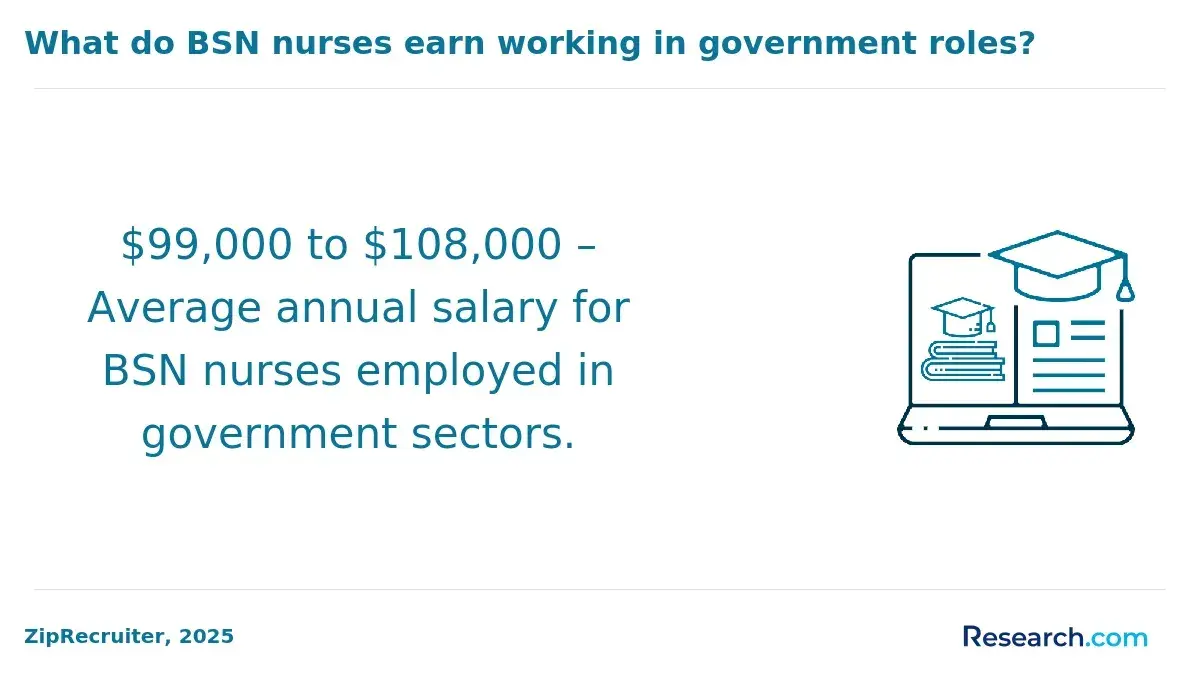
As of 2026, the median annual salary for registered nurses (RNs) in Iowa is approximately $77,780 (Nurse.org, 2026). Salary can vary by employer, specialty, shift, experience level, credential, and location, so students should avoid assuming that any degree guarantees a specific income. A more practical approach is to compare program cost against realistic local job opportunities and advancement paths.
| Reasons Iowa may fit nursing students | Trade-offs to consider |
| Multiple education pathways, including LPN, ADN, BSN, RN to BSN, MSN, DNP, and PhD routes | Not every online program is appropriate for initial licensure |
| Opportunities in hospitals, clinics, long-term care, home health, and community settings | Clinical placement location can affect convenience and commuting |
| Career mobility for nurses who continue into BSN or graduate study | Advanced roles require additional education, certification, and licensing steps |
| Potential need for nurses in rural and underserved communities | Rural opportunities may require travel, flexibility, or broader clinical responsibilities |
Can out-of-state or internationally trained nurses practice in Iowa?
Out-of-state and internationally educated nurses may be able to practice in Iowa, but they must follow the credential review and licensure process required by the Iowa Board of Nursing. Applicants may need to submit documentation, verify prior education and licensure, complete credential evaluation, and satisfy any additional coursework or examination requirements. Because rules can differ depending on where you were educated and licensed, review the process early rather than waiting until you have accepted a job offer. For a focused overview, see this guide on how to become an RN in Iowa.
What are my continuing education and licensure renewal requirements in Iowa?
Licensure does not end after you pass the NCLEX. Iowa nurses must keep their licenses current by following renewal rules and completing required continuing education. These requirements help ensure that nurses remain informed about clinical practice, patient safety, ethics, regulation, and professional standards. Because deadlines and documentation matter, nurses should track renewal dates and keep records of completed education. For state-specific details, review the nursing license requirements in Iowa.
How can direct entry MSN programs benefit non-nurses in Iowa?
Direct entry MSN programs are designed for people who already hold a non-nursing bachelor’s degree and want to transition into nursing through a graduate-level pathway. These programs can be attractive to career changers because they combine intensive clinical preparation with advanced coursework in evidence-based practice, clinical decision-making, leadership, and healthcare systems. In Iowa, this route may help expand the nursing talent pool, particularly for students who are ready for a rigorous transition into healthcare. Prospective students should confirm licensure eligibility, clinical placement support, program accreditation, and whether the curriculum aligns with their intended role. To compare options, explore direct entry MSN programs for non-nurses online.
How can dual credentials in nursing and medical assisting expand career opportunities in Iowa?
Some Iowa healthcare workers may strengthen their employability by combining nursing education with practical administrative or clinical support skills. Training in medical assisting can be useful in clinics, rural healthcare settings, and interdisciplinary teams where staff members often coordinate patient intake, documentation, communication, and basic clinical support. For nurses, complementary skills can improve workflow awareness and make transitions across healthcare environments easier. Students considering this route should make sure each credential serves a clear career goal rather than collecting credentials without a plan. For related training options, review medical assistant programs in Iowa.
How do Iowa nursing programs support the transition from education to employment?
The strongest Iowa nursing programs do more than deliver coursework. They help students move from classroom learning into safe, employable practice through clinical placements, simulation, faculty mentorship, career advising, resume support, interview preparation, employer connections, and job fairs. Working nurses comparing RN to BSN programs should ask whether career services are available to online students, not only campus students. If cost is a major factor, it may also be useful to compare cheap RN to BSN online programs that still provide credible academics and career support.
Which factors are key to selecting a quality Iowa nursing program?
A quality nursing program should be accredited, transparent about licensure eligibility, clear about clinical requirements, and realistic about time and cost. Students should also review faculty qualifications, curriculum depth, NCLEX preparation, student support, transfer policies, and employer relationships. Rankings can be helpful starting points, but they should not replace direct verification. To compare recognized options, review accredited nursing schools in Iowa.
| What to check | Why it matters | Red flag |
| Accreditation | Supports licensure, employment, and future education | The school is vague about the accrediting body or program coverage |
| Clinical placement process | Hands-on training is essential for nursing competence | Students are left to find all placements without support |
| Licensure eligibility | Graduation must align with Iowa requirements | The program does not clearly state NCLEX or state eligibility |
| Total cost | Tuition is only part of the expense | Fees, supplies, exams, or travel costs are not disclosed |
| Transfer credit policy | Accepted credits can reduce time and cost | You cannot get a clear transfer evaluation before enrolling |
| Student support | Online students need advising, tutoring, library access, and faculty communication | Support appears limited to campus-based students |
How can I become an LVN nurse in Iowa?
Iowa commonly uses the LPN pathway for practical nursing roles, though some students may search for the term LVN because it is used in other states. To become a practical nurse in Iowa, students generally complete an approved practical nursing program, gain supervised clinical experience, and pass the NCLEX-PN. This route can lead to direct patient care roles and may also serve as a bridge toward RN education later. For a step-by-step explanation, see the guide on how to become an LVN nurse in Iowa.
How can I become a nurse practitioner in Iowa?
Becoming a nurse practitioner in Iowa requires RN preparation, a BSN foundation, graduate nursing education, supervised advanced clinical training, national certification in a specialty area, and compliance with Iowa’s advanced practice requirements. This path is best for nurses who want greater diagnostic, treatment, leadership, and patient management responsibility. Because nurse practitioner preparation involves significant academic and clinical commitment, compare MSN and doctoral options carefully before enrolling. For a detailed pathway, review how to become a nurse practitioner in Iowa.
Can complementary certifications boost your nursing career in Iowa?
Additional healthcare credentials can strengthen a nurse’s versatility when they align with a real job function. For example, knowledge of medical billing and coding can help nurses understand documentation, reimbursement, compliance, and administrative workflows. This can be useful in clinics, care coordination, utilization review, case management, and leadership-adjacent roles. Certifications should be chosen strategically, not simply added for volume. If administrative healthcare skills fit your goals, see how to become a medical biller and coder in Iowa.
What can I do with a nursing degree in Iowa?
A nursing degree can lead to bedside care, advanced practice, education, leadership, public health, research, home health, occupational health, and specialty nursing roles. Based on the latest Bureau of Labor Statistics data (2024), the job outlook for registered nurses is expected to grow by 5% from 2024 to 2034. Demand is influenced by chronic health conditions, healthcare technology, population needs, care access, and the continuing need for skilled nursing services.
Career options vary based on whether you hold an LPN, RN, BSN, MSN, DNP, or research-focused credential. Some roles require graduate education, specialty certification, and additional licensure steps.
- Registered nurse (RN). RNs deliver direct patient care in hospitals, clinics, long-term care facilities, and other healthcare settings. Their work often includes assessment, medication administration, documentation, care coordination, and communication with patients, families, and care teams.
- Nurse practitioner (NP). NPs are advanced practice nurses who may work in primary care, pediatrics, family practice, women’s health, and specialty settings. Their responsibilities can include diagnosis, treatment planning, prescribing medications, and managing patient care within their authorized scope.
- Certified nurse midwife (CNM). CNMs focus on women’s health, prenatal care, childbirth support, postpartum care, and related services. They may work in hospitals, birthing centers, or independent practice environments depending on state rules and employment setting.
- Nurse anesthetist (CRNA). CRNAs provide anesthesia and anesthesia-related care in surgical, procedural, and medical environments. Their work is highly specialized and centered on patient safety before, during, and after procedures.
- Nurse educator. Nurse educators teach future nurses in academic and clinical settings. They may design courses, supervise clinical learning, evaluate student performance, and help prepare the next generation of nursing professionals.
- Clinical nurse specialist (CNS). CNSs are advanced practice nurses with expertise in a patient population, care setting, or clinical specialty. They often support care quality, staff education, evidence-based practice, and complex patient management.
- Home health nurse. Home health nurses care for patients in residential settings, including people recovering from illness, surgery, disability, or chronic conditions. The role requires independence, strong assessment skills, and patient education.
- Occupational health nurse. Occupational health nurses support employee health, workplace safety, injury prevention, and wellness programs. They may work with employers to reduce health risks and coordinate care after workplace injuries.
- Research nurse. Research nurses support clinical studies and trials by assisting with patient care, data collection, protocol compliance, and communication between participants and research teams.
How can nurses in Iowa enhance community health outreach?
Nurses in Iowa can have a direct impact on community health, especially in areas where access to preventive care, mental health support, chronic disease management, or rural services is limited. Because nurses often work close to patients and families, they are well positioned to identify local needs and connect people with care.
- Expand preventive care education. Nurses can support screenings, community classes, and patient education around chronic conditions such as diabetes and hypertension, helping residents recognize risks and seek care earlier.
- Improve rural access. In rural Iowa, nurses can participate in mobile clinics, telehealth follow-up, home care, and partnerships with local organizations to reach patients who have limited access to traditional healthcare sites.
- Support mental health awareness. Nurses can help reduce stigma, connect patients to resources, and collaborate with schools, clinics, and community centers to improve access to support.
- Build local partnerships. Outreach is stronger when nurses work with schools, nonprofits, public agencies, faith groups, and healthcare providers to coordinate services for vulnerable populations.
- Use technology thoughtfully. Telemedicine, online education, and remote follow-up can help nurses maintain contact with patients who face transportation, mobility, or scheduling barriers.
How can online BSN programs for non-nurses help address Iowa’s nursing shortages?
Online BSN programs for non-nurses can help Iowa broaden the pipeline of future nurses by giving career changers a structured way to move into healthcare. These programs are most useful when they combine flexible coursework with rigorous clinical training, licensure preparation, and strong student support. They are not a shortcut around clinical requirements, but they can make nursing education more accessible to adults who cannot attend a traditional campus program full time.
Addressing workforce gaps
Career changers can bring prior professional experience into nursing, including communication, leadership, problem-solving, and service skills. In regions where healthcare staffing is tight, an accessible pathway for non-nurses can help expand the pool of future RN candidates.
Flexible education for diverse learners
Online coursework can help students with work, caregiving, or geographic constraints complete nursing theory and related assignments with more scheduling control. Clinical and lab requirements still need careful planning, so students should ask exactly where and when in-person components occur.
Accelerated pathways to licensure
Many online BSN programs for non-nurses offer accelerated tracks, allowing students to complete their education in as little as 12 to 18 months. These programs are intensive, so applicants should evaluate whether they can manage the pace, clinical schedule, and financial commitment before enrolling.
Bridging healthcare disparities
Graduates who serve rural and underserved Iowa communities can help improve access to patient-centered care. Programs with strong local clinical partnerships may be especially valuable for students who want to remain in Iowa after graduation.
Fostering career growth and leadership
BSN-prepared nurses may be positioned for future movement into charge nurse, nurse manager, educator, public health, or graduate nursing pathways. Students considering a career switch can compare online BSN programs for non-nurses to understand how these pathways differ from traditional BSN and RN to BSN options.
What financial aid options are available for nursing students in Iowa?
Nursing students in Iowa may be able to use federal, state, institutional, employer-based, and program-specific funding. Common sources include Pell Grants, Stafford Loans, Federal Work-Study opportunities, institutional scholarships, tuition discounts, payment plans, and employer tuition reimbursement. Iowa-specific options mentioned for nursing students include the Iowa Tuition Grant and the Health Care Loan Repayment Program, which is designed to encourage healthcare professionals to serve in underserved areas.
Apply early, compare aid packages carefully, and ask whether scholarships apply to online, part-time, RN completion, or graduate students. Also confirm whether aid covers fees, books, clinical costs, and required supplies. Students planning advanced practice may want to review funding possibilities through nurse practitioner programs in Iowa, including scholarships or employer-sponsored tuition reimbursement options where available.
Common Mistakes to Avoid When Choosing an Iowa Nursing Program
| Mistake | Why it can hurt you | Better approach |
| Choosing a program without verifying accreditation | It may affect licensure, employment, transfer, and graduate school options | Confirm accreditation through official sources before applying |
| Assuming “online” means no in-person requirements | Clinical training is essential for licensure and safe practice | Ask where labs, simulations, practicums, and clinicals take place |
| Comparing only tuition rates | Fees, supplies, travel, books, and exams can change total cost | Request a full cost estimate based on your enrollment plan |
| Ignoring transfer credit policies | You may repeat coursework or pay more than necessary | Get a written transfer evaluation before committing |
| Assuming salary outcomes are guaranteed | Pay varies by role, employer, location, experience, and schedule | Use salary data as a planning tool, not a promise |
| Relying only on rankings | A highly ranked program may not fit your schedule, budget, or licensure needs | Use rankings as a starting point and verify practical fit |
Becoming a Nurse in Iowa
Becoming a nurse in Iowa is a structured process: choose the right pathway, complete an approved and accredited program, satisfy clinical requirements, pass the required exam, and maintain your license. For working RNs, an online RN to BSN can be a practical investment that supports broader professional opportunities. For first-time nursing students, online learning can help with flexibility, but hands-on clinical preparation remains nonnegotiable.
Before enrolling, compare programs by accreditation, total cost, credit requirements, transfer policies, clinical support, student services, and career alignment. Nursing school is a major commitment, so it is also wise to understand the tuition costs and fees associated with nursing school before choosing a program. The strongest option is the one that gets you to licensure or advancement without creating unnecessary financial, academic, or regulatory risk.
Key Insights
- Online nursing education in Iowa is most straightforward for licensed RNs. RN to BSN programs are commonly online, while pre-licensure routes still require in-person clinical training.
- Accreditation is essential. It can affect licensure eligibility, employer acceptance, transfer credits, and admission to graduate nursing programs.
- Costs vary widely. BSN programs typically cost between $40,000 and $100,000, but the full range can be from $25,000 to $200,000 or even more depending on school, location, and reputation.
- Timeline depends on the credential. CNA training may take a few weeks to a few months, LPN programs usually take 12 to 18 months, ADN programs take about 2 to 3 years, BSN programs take about 4 years, and APRN preparation can require 1 to 4 years beyond the BSN.
- Iowa offers real nursing opportunities, but outcomes are not automatic. As of 2026, the median annual salary for registered nurses in Iowa is approximately $77,780, while individual pay depends on role, employer, experience, specialty, and location.
- The best program is not always the cheapest or highest ranked. Choose the option that aligns with your licensure goal, schedule, clinical needs, budget, transfer credits, and long-term career plan.
Related Articles for Nearby States
- 2027 Best Online Nursing Programs in Minnesota – Accredited RN to BSN Programs
- 2027 Best Online Nursing Programs in Wisconsin – Accredited RN to BSN Programs
- 2027 Best Online Nursing Programs in Illinois – Accredited RN to BSN Programs
- 2027 Best Online Nursing Programs in Nebraska – Accredited RN to BSN Programs
- 2027 Best Online Nursing Programs in South Dakota – Accredited RN to BSN Programs
- 2027 Best Online Nursing Programs in Missouri – Accredited RN to BSN Programs
- 2027 Best Online Nursing Programs in Kansas – Accredited RN to BSN Programs
- 2027 Best Online Nursing Programs in Indiana – Accredited RN to BSN Programs
- 2027 Best Online Nursing Programs in North Dakota – Accredited RN to BSN Programs
- 2027 Best Online Nursing Programs in Michigan – Accredited RN to BSN Programs
References:
- American Association of Colleges of Nursing. (2025). New graduate employment data. American Association of Colleges of Nursing.
- NCSBN. (2025). 2024 National Nursing Workforce Study. https://www.ncsbn.org/workforce
- Nightingale College. (2024). Nursing Shortage: 2026 US Statistics. https://nightingale.edu/blog/nursing-shortage-by-state.html
- HRSA. (2025). 2024 National Sample Survey of Registered Nurses. https://bhw.hrsa.gov/data-research/access-data-tools/national-sample-survey-registered-nurses
- U.S. Bureau of Labor Statistics. (2025). Registered Nurses: Occupational Outlook Handbook:: U.S. Bureau of Labor Statistics.
Other Things You Should Know About Online Nursing Programs in Iowa
Yes. Most Iowa online RN to BSN programs require an unencumbered, active RN license in Iowa or a compact-state license at admission. Students must also hold an accredited nursing diploma or associate degree and meet any GPA minimum, often 2.5 or higher.
Students in Iowa can access federal aid programs like Pell Grants, as well as state-specific grants and scholarships for RN to BSN online programs. Each institution may offer additional scholarships, so checking specific school options is recommended for the latest opportunities in 2027.