
2027 Respiratory Therapy vs. Nursing Degree Programs: Explaining the Difference

Co-Founder and Chief Data Scientist
Choosing between respiratory therapy and nursing is not just a question of which healthcare degree sounds more appealing. It is a decision about the kind of patients you want to care for, how broad or specialized you want your clinical role to be, how quickly you want to enter the workforce, and what kind of long-term advancement you expect from your education.
The need for trained healthcare workers remains serious. The U.S. needs 1.1 million new registered nurses to help offset retirements and rising care demand. Respiratory therapists are also essential as hospitals, home health providers, sleep centers, and rehabilitation programs care for patients with asthma, COPD, acute respiratory failure, and other cardiopulmonary conditions.
This guide compares respiratory therapy and nursing degree programs in practical terms: what you study, how long each path takes, where graduates work, what online programs can and cannot provide, how much programs may cost, what licenses or certifications matter, and how to evaluate return on investment before enrolling.
Quick Answer: Respiratory Therapy vs. Nursing Degree Programs
Respiratory therapy is the more specialized path. It focuses on breathing, lung function, oxygen therapy, ventilator management, sleep-related breathing disorders, and emergency cardiopulmonary care. Nursing is the broader path. It prepares students to assess patients, administer medications, coordinate care, educate patients, document treatment, and work across many specialties.
- Choose respiratory therapy if you want a focused cardiopulmonary role, enjoy technical equipment, and are interested in acute care, pulmonary rehabilitation, neonatal care, or sleep medicine.
- Choose nursing if you want a wider range of clinical settings, more specialty options, and possible advancement into leadership, case management, public health, education, or advanced practice roles.
- Entry-level education differs: respiratory therapy commonly begins with an associate degree, while nursing may begin with an associate degree, although many employers prefer or require a bachelor’s degree for some positions.
- Median pay differs: respiratory therapists earn a median annual salary of approximately $77,960, while registered nurses earn about $86,070 annually.
- Online programs can be worthwhile when they are accredited, transparent about clinical requirements, and aligned with licensure or credentialing expectations in your state.
What can I expect from respiratory therapy vs. nursing degree programs?
Respiratory therapy and nursing both prepare students for patient care, but they train students for different scopes of practice. Respiratory therapy programs concentrate on cardiopulmonary assessment, oxygen delivery, ventilator support, airway management, pulmonary diagnostics, and treatment plans for patients with breathing disorders. Students learn how to respond to respiratory emergencies and how to manage patients who need mechanical ventilation or long-term breathing support.
Nursing programs cover a wider clinical foundation. Students learn patient assessment, medication administration, care planning, documentation, health education, infection control, medical-surgical care, pediatrics, mental health, maternal-newborn care, and community health. Nurses often coordinate with physicians, therapists, pharmacists, social workers, and family members to support the full patient care plan.
| Factor | Respiratory Therapy | Nursing |
| Main clinical focus | Heart and lung function, breathing treatments, oxygen therapy, ventilators, pulmonary rehabilitation | Whole-person care across acute, chronic, preventive, mental health, pediatric, adult, and community settings |
| Typical entry education | Associate degree for many entry-level roles | Associate degree may qualify graduates for RN licensure, while many positions prefer or require a bachelor’s degree |
| Common credentials | CRT or RRT credentials, depending on the pathway and exam outcomes | RN licensure after completing an approved program and passing the NCLEX |
| Best fit for students who | Prefer a technical, specialized role centered on cardiopulmonary care | Want broad patient care responsibilities and many possible specialty tracks |
| Clinical environment | Often hospital-based, especially ICU, ER, neonatal, pulmonary, and respiratory care departments | Hospitals, clinics, schools, long-term care, public health, home care, physician offices, and specialty units |
What are the benefits of getting a respiratory therapy or nursing degree?
- Direct patient impact: Respiratory therapists help patients breathe more effectively, while nurses support assessment, treatment, recovery, education, and ongoing care.
- Multiple healthcare settings: Graduates may work in intensive care units, emergency departments, long-term care, rehabilitation, community health, home care, and specialty clinics.
- Clear professional pathways: Both fields have defined credentialing, clinical training, and advancement routes.
- Competitive healthcare wages: Respiratory therapists earn a median salary of approximately $77,960, and registered nurses earn about $86,070 annually.
- Online options for working adults: Many degree-completion and bridge programs allow licensed professionals to study while continuing to work, although clinical requirements still matter.
Where can I work with respiratory therapy vs. nursing degree programs?
Respiratory therapists and registered nurses often work side by side, especially in hospitals, but their job settings and daily responsibilities differ.
Respiratory therapists commonly work in:
- Hospitals, especially intensive care units, emergency departments, neonatal units, and pulmonary care departments
- Respiratory care departments that support oxygen therapy, ventilator management, and airway treatments
- Sleep study centers
- Home health agencies that provide respiratory equipment support and in-home care
- Pulmonary rehabilitation programs
- Nursing care facilities and long-term care settings
Registered nurses commonly work in:
- Hospitals and specialty units
- Physician offices and outpatient clinics
- Nursing homes and long-term care facilities
- Home healthcare services
- Schools and community health programs
- Public health, case management, and care coordination roles
Both careers may involve evening, overnight, weekend, or holiday shifts, especially in hospitals and other facilities that provide 24-hour care.
How much can I make with respiratory therapy vs. nursing degree programs?
Salary depends on location, employer, experience, credentials, shift differentials, and specialty area. The figures below provide a broad comparison using the stated median salary data.
| Career | Median Salary | Common Employers | What Can Affect Pay |
| Respiratory Therapist | $77,960 annually | Hospitals, home health care services, nursing care facilities | RRT credential, ICU or neonatal experience, location, employer type, advanced responsibilities |
| Registered Nurse | $86,070 annually | Hospitals, physician offices, home healthcare services | BSN completion, specialty certification, shift type, region, leadership duties, advanced education |
Do not choose a program based only on median salary. A lower-cost, accredited program with strong clinical placement support and strong exam preparation may produce a better outcome than a higher-cost program with weak student support.
- Best Online Respiratory Therapy and Nursing Programs for 2027
- How long does it take to complete a respiratory therapy vs. nursing degree program?
- How does an online respiratory therapy or nursing degree compare to an on-campus program?
- What is the average cost of a respiratory therapy vs. nursing degree program?
- What are the financial aid options for students enrolling in a respiratory therapy vs. nursing degree program?
- What are the prerequisites for enrolling in a respiratory therapy vs. nursing degree program?
- What courses are typically in a respiratory therapy vs. nursing degree program?
- What types of specializations are available in respiratory therapy vs. nursing degree programs?
- What student support services can improve your learning outcomes?
- Are fast-track programs the key to rapid career advancement?
- What are the potential challenges in completing respiratory therapy and nursing degree programs?
- What are the certification exam pass rates and quality benchmarks?
- What is the return on investment for respiratory therapy vs. nursing degrees?
- Are flexible online learning options a smart choice for career advancement?
- Are advanced practice and bridging programs a viable option for career growth?
- How does one choose the best respiratory therapy vs. nursing degree program?
- What career paths are available for graduates of respiratory therapy vs. nursing degree programs?
- What is the job outlook for graduates with a respiratory therapy vs. nursing degree?
Best Online Respiratory Therapy and Nursing Programs for 2027
Online healthcare programs are most useful when they match your current credentials and career goal. Many online respiratory therapy programs are designed for practicing CRTs or RRTs who want a bachelor’s or master’s degree. Many online nursing programs listed here are RN-to-BS or RN-to-BSN options, meaning they are intended for licensed registered nurses rather than first-time nursing students.
How do we rank schools?
Research.com rankings are built using a structured ranking methodology that considers institutional data, program information, and outcome-focused indicators where available. The process draws on multiple data sources, including the IPEDS database from the National Center for Education Statistics, Peterson's database and its Distance Learning Licensed Data Set, and the College Scorecard database, which provides information related to college costs and outcomes.
Online Respiratory Therapy Programs
University of Cincinnati
The University of Cincinnati offers an online Bachelor of Science in Respiratory Therapy for Certified Respiratory Therapists and Registered Respiratory Therapists who want to move beyond entry-level practice. The 50-credit curriculum is structured for working respiratory care professionals seeking stronger clinical knowledge, technical confidence, and career mobility.
- Program Length: As short as 20 months
- Tracks/Concentrations: Respiratory therapy
- Tuition: $556 per credit (in-state), $571 per credit (out-of-state)
- Accreditation: CoARC
Boise State University
Boise State University offers a fully online Master of Science in Respiratory Care for practicing Registered Respiratory Therapists. The program focuses on advanced respiratory care practice, leadership, research, and education-oriented skills for professionals preparing for senior clinical, academic, or administrative responsibilities.
- Program Length: 2 years
- Tracks/Concentrations: Educational leadership
- Tuition: $27,405
- Accreditation: CoARC
University of North Carolina at Charlotte
The University of North Carolina at Charlotte provides an online Master of Science in Respiratory Care for current respiratory care practitioners. The 30-credit program emphasizes leadership development, evidence-based practice, and broader professional competencies that can support advancement beyond direct bedside care.
- Program Length: 2 years
- Tracks/Concentrations: Educational leadership
- Tuition: $10,077 (resident), $17,305 (non-resident)
- Accreditation: CoARC
University of Mary
The University of Mary offers an online RRT-to-BSRT pathway for Registered Respiratory Therapists pursuing a Bachelor of Science in Respiratory Therapy. Students may earn up to 18 semester hours of block credit, making the program a possible fit for credentialed therapists who want a faster degree-completion route.
- Program Length: 12 months
- Tracks/Concentrations: RRT to BSRT
- Tuition: $12,240
- Accreditation: CoARC
Texas State University
Texas State University offers an online Master of Science in Respiratory Care for registered respiratory therapists who already hold a bachelor’s degree. The program combines foundational respiratory care knowledge with advanced coursework and uses an online learning platform designed to support collaboration among students.
- Program Length: 4 semesters
- Tracks/Concentrations: Respiratory care
- Tuition: $12,864.96 (resident), $27,228.96 (non-resident)
- Accreditation: CoARC
Online Nursing Programs
Loma Linda University
Loma Linda University offers an online RN-to-BS in Nursing that supports both part-time and full-time enrollment. The 50-credit curriculum includes a professional RN capstone project and coursework in nursing informatics, introductory epidemiology, and nursing research. Because the university is rooted in the Seventh-day Adventist Christian tradition, students also complete two religion courses.
- Program Length: 2.5 years
- Tracks/Concentrations: RN to BS
- Tuition: $17,250
- Accreditation: Commission on Collegiate Nursing Education
Medical University of South Carolina
The Medical University of South Carolina offers an asynchronous cohort-based RN-to-BSN program online. The 35-credit program includes clinical hours each semester, which may be completed virtually or in person. Students complete capstone-related work in areas such as gerontology, community and public health, and leadership.
- Program Length: 3 or 6 semesters
- Tracks/Concentrations: RN to BSN
- Tuition: $27,750 for full-time, South Carolina residents
- Accreditation: Commission on Collegiate Nursing Education
SUNY Downstate Health Sciences University
SUNY Downstate Health Sciences University provides an RN-to-BS program built around nursing competencies identified by the American Association of Colleges of Nursing. Coursework includes pathophysiology, health informatics, clinical care technologies, and the role of spiritual care in nursing practice.
- Program Length: 3 semesters
- Tracks/Concentrations: RN to BS
- Tuition: $10,605 for full-time, New York residents
- Accreditation: Commission on Collegiate Nursing Education
Texas Tech University Health Sciences Center
Texas Tech University Health Sciences Center offers an online RN-to-BSN program using asynchronous coursework, discussion boards, and web conferencing. The 30-credit program also includes electives in holistic nursing, political engagement in healthcare, and the integration of spiritual considerations into evidence-based practice.
- Program Length: 2-3 semesters
- Tracks/Concentrations: RN to BSN
- Tuition: $6,450 (resident); $19,050 (non-resident)
- Accreditation: Commission on Collegiate Nursing Education
The University of Texas Health Science Center at Houston
The University of Texas Health Science Center at Houston offers an online RN-to-BSN program with multiple yearly start dates. The 31-credit program includes online lecture-based courses, including applied health informatics and professional practice topics.
- Program Length: 2-5 semesters
- Tracks/Concentrations: RN to BSN
- Tuition: $8,460 (resident); $34,441 (non-resident)
- Accreditation: Southern Association of Colleges and Schools Commission on Colleges
How long does it take to complete a respiratory therapy vs. nursing degree program?
Program length depends on your starting point. A first-time student, a licensed RN, and a practicing RRT will have very different timelines. Before comparing schools, identify whether you need an entry-level licensure program, a degree-completion program, or an advanced degree.
| Pathway | Typical Student | Approximate Timeline Mentioned | Important Consideration |
| Associate degree in respiratory therapy | Students preparing for entry-level respiratory therapy roles | Generally takes two years | Check CoARC accreditation and eligibility for credentialing or state requirements |
| RRT-to-BSRT | Registered Respiratory Therapists seeking a bachelor’s degree | Can be completed in about one year in some cases | Designed for already credentialed professionals, not first-time students |
| Traditional BSN | Students pursuing a bachelor’s-level nursing education | Typically requires four years of full-time study | Clinical placement quality and state approval are essential |
| Accelerated nursing degree | Students who already hold a non-nursing bachelor’s degree | Some students complete RN training in as little as one year | Fast timelines are intensive and depend on prior coursework and enrollment status |
| Master’s or doctoral programs | Licensed professionals pursuing advanced practice, leadership, education, or research | Typically adds two to four years after the bachelor’s degree | Part-time enrollment may extend the timeline |
If your main question is how fast you can become a nurse, the answer depends on whether you are starting from scratch, transferring credits, or entering with a prior bachelor’s degree. A 12 month accelerated nursing degree online may work for students who already meet prerequisite requirements and can handle a demanding pace.
Students considering associate-level nursing should understand the differences between ADN, AAD, and AAS nursing degrees. All may involve nursing-related study, but the ADN is widely used for RN licensure preparation, the AAS often emphasizes workforce preparation, and the AAD may be more transfer-oriented depending on the school.
How does an online respiratory therapy or nursing degree compare to an on-campus program?
An online degree can be credible, but healthcare students need to evaluate it differently from a general online degree. In respiratory therapy and nursing, accreditation, clinical placement, state authorization, exam preparation, and faculty support are not optional details. They determine whether the program can actually help you move toward licensure, certification, or advancement.
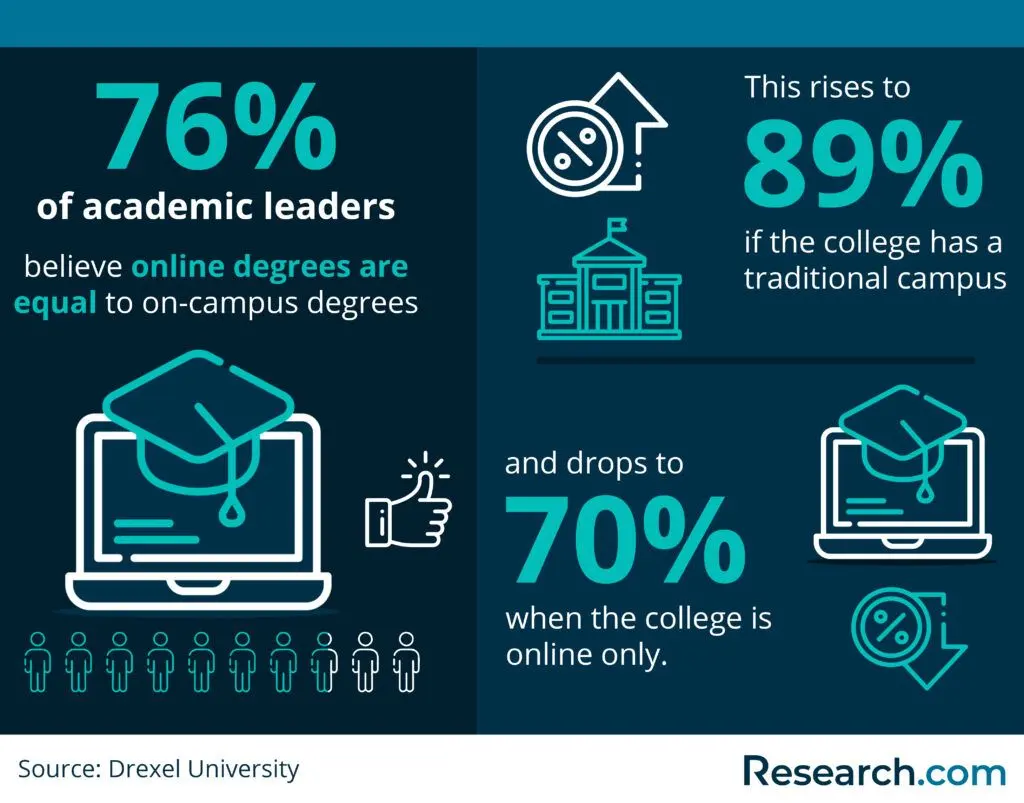
A survey cited by Drexel University Online reported that when an online degree comes from an accredited institution with a physical campus, 89% of academic leaders view it as equal to an on-campus degree. That figure drops to 70% for online-only institutions. This does not mean every campus-based online program is automatically better, but it does show why institutional credibility matters.
| Question | Online Program | On-Campus Program |
| Best for | Working professionals, licensed RNs or RRTs, students needing scheduling flexibility | Students who prefer face-to-face instruction, campus labs, and local clinical coordination |
| Clinical training | May be local, virtual, in-person, or arranged through approved sites depending on the program | Often coordinated near the campus or through established regional partners |
| Schedule | Often asynchronous or hybrid, especially for degree-completion programs | Usually more structured, with fixed class and lab times |
| Risk to check | Whether the program meets your state’s licensure or credentialing requirements | Whether the campus location, commute, and clinical schedule are realistic |
| Cost consideration | May reduce relocation and commuting costs, but fees and clinical expenses still apply | May include campus-based fees, commuting, parking, housing, or relocation expenses |
For nurses seeking advanced credentials, comparing affordable online MSN programs can be useful, but tuition should not be the only filter. Accreditation, clinical placement support, faculty access, and graduate outcomes matter just as much as the advertised price.
What is the average cost of a respiratory therapy vs. nursing degree program?
Costs vary by institution type, residency status, program level, transfer credits, fees, clinical requirements, and whether the student attends full time or part time. Reported average tuition figures show that respiratory therapy and nursing both require a significant education investment.
For respiratory therapy, average tuition for a graduate degree is $22,003, while undergraduate programs are around $22,978. For nursing, undergraduate programs average $26,401, while graduate programs average $21,140.
| Program Area | Undergraduate Average Tuition | Graduate Average Tuition | How to Interpret the Cost |
| Respiratory Therapy | Around $22,978 | $22,003 | Entry-level programs may be shorter, while degree-completion and graduate options serve practicing professionals |
| Nursing | $26,401 | $21,140 | Costs differ widely across ADN, BSN, RN-to-BSN, MSN, and advanced practice routes |
Healthcare education costs should be evaluated in context. A program with higher tuition may still be reasonable if it has strong clinical placement support, transparent outcomes, and a schedule that lets you continue working. A cheaper program can become expensive if credits do not transfer, clinical placements are hard to secure, or graduates are not well prepared for required exams.
The same logic applies across healthcare education. In a radiographer and radiologist degree program comparison, costs differ sharply because the career paths require very different levels of education and clinical training.
What are the financial aid options for students enrolling in a respiratory therapy vs. nursing degree program?
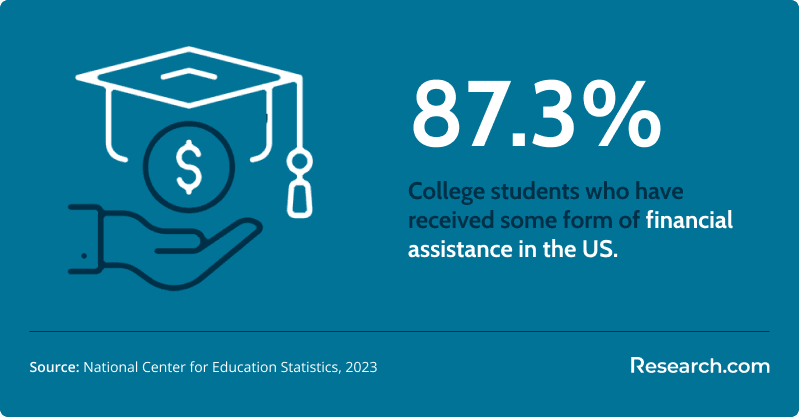
Financial aid can make a respiratory therapy or nursing degree more manageable, but students should understand the difference between aid that reduces the bill and aid that must be repaid later. According to the National Center for Education Statistics figure cited in the original article, 87.3% of college students receive some form of financial aid.
- Federal and state grants: Grants generally do not need to be repaid and may be based on financial need, enrollment status, or state-specific rules.
- Federal student loans: Federal loans often provide borrower protections and repayment options that private loans may not offer.
- Private student loans: These may help fill gaps, but students should compare interest rates, fees, repayment terms, and co-signer requirements carefully.
- Scholarships: Schools, professional associations, hospitals, foundations, and community organizations may offer awards based on need, merit, location, or intended healthcare field.
- Work-study programs: Eligible students may work part time while enrolled, often through campus-related employment.
- Employer tuition reimbursement: Hospitals and healthcare systems may help pay for RN-to-BSN, BSRT, MSN, or other career-advancing programs, especially when the degree supports workforce needs.
Ways to reduce your out-of-pocket cost
- Ask whether previous college credits, professional credentials, or block credits can reduce the total number of courses required.
- Compare total program cost, not just tuition per credit.
- Confirm whether clinical fees, lab fees, background checks, immunizations, uniforms, equipment, and exam preparation are included.
- Check whether part-time enrollment changes tuition, fees, aid eligibility, or graduation timeline.
- Ask your employer about reimbursement before you enroll, not after the first bill arrives.
What are the prerequisites for enrolling in a respiratory therapy vs. nursing degree program?
Prerequisites are designed to show that students are ready for science-heavy coursework and clinical training. Requirements vary by school, so applicants should verify the exact list with each program rather than assuming all healthcare programs require the same courses.
Respiratory therapy prerequisites often include:
- Anatomy
- Physiology
- Chemistry
- Microbiology
- Math in some programs
These courses prepare students to understand cardiopulmonary function, disease processes, medication effects, oxygenation, and the science behind respiratory interventions.
Nursing prerequisites often include:
- Anatomy
- Physiology
- Microbiology
- Nutrition
- Psychology
- Statistics in some programs
If you are asking what to expect in your first year of nursing school, start by strengthening your foundation in science, reading comprehension, time management, and patient-centered communication. Nursing programs move quickly, and weak preparation in anatomy, physiology, or pharmacology can make the first year much harder.
Some programs may also expect volunteer work, paid healthcare experience, a minimum GPA, entrance testing, CPR certification, immunization records, background checks, drug screening, or documentation for clinical clearance.
Considering Other Entry Points into Healthcare
If respiratory therapy or nursing feels like too large a first step, consider a shorter healthcare role before committing to a degree. Medical assisting can be a practical entry point. The job responsibilities of a medical assistant may include scheduling, record management, taking vital signs, preparing patients for exams, and assisting with basic clinical procedures. This route can help students confirm their interest in patient care before pursuing a longer program.
What courses are typically in a respiratory therapy vs. nursing degree program?
Both fields require science, clinical reasoning, communication, and hands-on training. The difference is depth versus breadth. Respiratory therapy goes deeper into cardiopulmonary care, while nursing covers a wider set of patient populations and health conditions.
| Respiratory Therapy Coursework | Nursing Coursework |
| Cardiopulmonary Anatomy & Physiology | Human Anatomy and Physiology |
| Respiratory Pathophysiology | Microbiology |
| Pulmonary Rehabilitation | Pharmacology |
| Respiratory Pharmacology | Health Assessment |
| Mechanical Ventilation | Medical-Surgical Nursing |
| Respiratory diagnostics and treatment planning | Pediatric Nursing |
| Airway management and oxygen therapy | Mental Health Nursing |
Clinical education is central to both programs. Nursing clinicals usually expose students to broader patient care environments, while respiratory therapy clinicals focus heavily on pulmonary care, ventilator management, critical care, diagnostics, and respiratory interventions.
What types of specializations are available in respiratory therapy vs. nursing degree programs?
Specialization can shape your schedule, work environment, earning potential, and advancement options. It can also affect the type of patients you see every day.
Respiratory therapy specializations may include:
- Pediatric Respiratory Care
- Adult Critical Care
- Pulmonary Rehabilitation
- Sleep Medicine
- Neonatal Care
A respiratory therapist who develops advanced expertise may qualify for more specialized clinical responsibilities. Students comparing career outcomes may also want to review a dedicated guide to registered respiratory therapist salary expectations.
Nursing specializations may include:
- Pediatric Nursing
- Geriatric Nursing
- Oncology
- Psychiatric Nursing
- Emergency Nursing
- Nurse Midwifery
Nursing also offers graduate-level advanced practice paths, including nurse practitioner and clinical nurse specialist roles. These paths usually require additional education and may involve expanded responsibilities such as diagnosing, prescribing, managing treatment plans, or leading care teams, depending on state rules and role type.
What student support services can improve your learning outcomes?
Strong support services can be the difference between finishing a healthcare program and falling behind. Respiratory therapy and nursing programs are demanding because students must manage academic work, labs, simulations, clinical schedules, documentation, and exam preparation at the same time.
Look for programs that provide:
- Dedicated academic advising for healthcare students
- Clinical placement coordination rather than vague promises that students will “find local sites”
- Faculty office hours and timely instructor feedback
- Technical support for online learning platforms
- Simulation lab access or virtual simulation tools where appropriate
- Exam preparation resources for NCLEX, NBRC, or other required assessments
- Career services connected to healthcare employers
- Mentoring for students balancing work, family, and clinical requirements
Support is especially important in accelerated and graduate nursing pathways. For example, students considering fast track nurse practitioner programs should ask how the school manages advising, clinical placements, workload expectations, and progression standards before enrolling.
Are fast-track programs the key to rapid career advancement?
Fast-track programs can shorten the time to a credential, but they are not automatically the best choice. They work best for students who already have relevant credits, strong study habits, flexible schedules, and a realistic understanding of the clinical workload.
Accelerated nursing and bridge programs may help qualified professionals move more quickly from RN to BSN, BSN to graduate study, or a non-nursing bachelor’s degree into nursing. However, faster does not mean easier. Condensed courses often require more weekly study time, fewer breaks, and tighter deadlines.
Before choosing an accelerated path, compare credit transfer policies, clinical placement support, accreditation, exam outcomes, and student services. Some schools advertise the quickest RN to BSN program, but the right choice is the program you can complete successfully while meeting professional standards.
What are the potential challenges in completing respiratory therapy and nursing degree programs?
Healthcare programs are challenging because they combine academic difficulty with real patient-care expectations. Students must master complex science content while meeting attendance, professionalism, documentation, and clinical performance standards.
| Common Challenge | Why It Matters | Better Strategy |
| Underestimating clinical time | Clinical schedules may include early mornings, travel, preparation, and post-clinical assignments | Ask for a sample clinical schedule before enrolling |
| Working too many hours | Heavy work schedules can interfere with labs, exams, and patient care requirements | Discuss part-time options or employer flexibility in advance |
| Choosing based only on tuition | Low tuition does not guarantee strong exam preparation or clinical placement | Compare total cost, outcomes, accreditation, and student support |
| Ignoring state requirements | Not every online program meets every state’s licensure expectations | Confirm state approval and eligibility before applying |
| Assuming online means no clinicals | Healthcare programs often require in-person clinical or practice experiences | Ask exactly where and how clinical requirements are completed |
| Not planning for fees | Books, uniforms, equipment, testing, background checks, immunizations, and travel can add costs | Request a full cost breakdown from the school |
Students comparing cost-conscious graduate routes may also review affordable online FNP programs to understand how program pricing, clinical requirements, and specialization can affect total investment.
What are the certification exam pass rates and quality benchmarks?
Exam pass rates and student outcomes are important quality signals. For nursing, ask about first-time NCLEX pass rates. For respiratory therapy, ask about NBRC-related outcomes and credentialing preparation. A reputable program should be willing to explain how students are prepared for required exams and how recent graduates have performed.
Quality benchmarks to ask about include:
- Programmatic accreditation status
- State approval or authorization for licensure-related education
- First-time exam pass rates
- Graduation and retention rates
- Job placement or employment outcomes when available
- Clinical site availability and placement process
- Faculty qualifications and clinical experience
- Student complaint process and academic support resources
Some degree-completion programs are designed for already licensed nurses and may not include new clinical hours. For example, students researching RN to BSN 100 online no clinicals options should still verify whether projects, practicums, community health experiences, or capstones are required.
What is the return on investment for respiratory therapy vs. nursing degrees?
Return on investment is not just salary minus tuition. A better ROI analysis includes program length, lost wages if you reduce work hours, fees, clinical travel, credentialing costs, likelihood of completion, exam readiness, and the type of roles available after graduation.
Nursing may offer broader long-term advancement because registered nurses can move into many specialties, leadership roles, case management, education, informatics, and advanced practice. Students seeking a faster route into registered nursing may compare top accelerated BSN nursing programs online, especially if they already hold a bachelor’s degree in another field.
Respiratory therapy may offer a faster and more focused route into direct patient care, particularly for students who want cardiopulmonary specialization. A shorter program can support earlier workforce entry, but long-term advancement may depend on earning advanced credentials, completing a bachelor’s or master’s degree, or moving into leadership, education, or specialized practice.
Questions to ask before judging ROI
- What is the total program cost after transfer credits, fees, and supplies?
- Can I work while enrolled, or will I need to reduce my income?
- Does the program publish exam pass rates and graduate outcomes?
- Will this degree qualify me for the role I want in my state?
- Are clinical placements arranged by the school or left to the student?
- Does the program support career advancement, or only degree completion?
Are flexible online learning options a smart choice for career advancement?
Flexible online programs can be a strong option for licensed professionals who want to keep working while earning a higher credential. They are especially common in RN-to-BSN, RN-to-MS, BSRT-completion, and respiratory care master’s programs.
Self-paced and asynchronous formats can help working adults manage coursework, but flexibility requires discipline. Students must still meet deadlines, complete projects, participate in discussions, and satisfy clinical or practice requirements when applicable. Programs such as self paced RN-BSN programs may appeal to nurses who need more control over their study schedule, but accreditation and outcomes should remain the first filters.
Are advanced practice and bridging programs a viable option for career growth?
Bridge and advanced practice programs can help healthcare professionals expand their scope, qualify for leadership roles, or move into specialized practice. In nursing, bridge options may connect RN-to-BSN, BSN-to-MSN, or direct-entry routes. Some direct entry NP programs are designed for students who want to become nurse practitioners without following the traditional RN-to-BSN-to-MSN sequence.
These pathways require careful review. Advanced roles may involve additional licensure, certification exams, clinical hours, and state-specific practice rules. Before enrolling, ask whether the program prepares graduates for the exact credential, license, or role they intend to pursue.
How does one choose the best respiratory therapy vs. nursing degree program?
The best program is the one that fits your career goal, current credentials, state requirements, schedule, and budget. Rankings can help you build a shortlist, but they should not replace direct verification with the school.
- Confirm accreditation. Respiratory therapy students should look for CoARC accreditation where relevant. Nursing students should check for recognized nursing accreditation such as the Commission on Collegiate Nursing Education and verify state approval for licensure-related programs.
- Match the program to your starting point. Do not apply to an RN-to-BSN or RRT-to-BSRT program if you do not already hold the required license or credential.
- Verify clinical placement support. Ask whether the school assigns clinical sites, helps students find sites, or expects students to arrange placements independently.
- Review exam outcomes. Ask for NCLEX or NBRC-related pass-rate information, depending on your field.
- Compare total cost. Include tuition, fees, books, equipment, testing, uniforms, travel, and lost work time.
- Evaluate faculty access. Online students should know how quickly instructors respond and what academic support is available.
- Ask about transfer credits. Transfer policies can significantly affect timeline and cost.
- Check employer reputation. Speak with local hospitals, clinics, or healthcare recruiters if possible.
- Read progression policies. Understand what GPA, course grades, clinical performance standards, and exam requirements must be met to continue.
- Think beyond graduation. Choose a program that supports the next credential or role you want, not just the fastest completion date.
Common mistakes to avoid when choosing a program
- Assuming every accredited college has an accredited healthcare program
- Choosing the cheapest program without checking outcomes
- Ignoring whether an online program meets your state’s requirements
- Failing to ask who secures clinical placements
- Relying only on rankings instead of comparing fit, cost, and support
- Assuming salary outcomes are guaranteed after graduation
- Overlooking employer tuition reimbursement or transfer credit opportunities
What career paths are available for graduates of respiratory therapy vs. nursing degree programs?
Respiratory therapy and nursing both offer advancement, but the career ladders look different. Respiratory therapy tends to move from direct cardiopulmonary care into specialized clinical roles, lead therapist positions, education, management, or advanced respiratory care practice. Nursing provides a wider set of specialty and leadership options because nurses work across so many healthcare settings.
| Career Stage | Respiratory Therapy Examples | Nursing Examples |
| Early healthcare exposure | Respiratory therapy aide, patient care technician | Certified nursing assistant, medical assistant, emergency medical technician |
| Licensed or credentialed practice | Certified Respiratory Therapist, Registered Respiratory Therapist | Registered nurse, staff nurse |
| Specialized clinical roles | Adult critical care, neonatal care, sleep medicine, pulmonary rehabilitation | Emergency nursing, pediatrics, oncology, psychiatric nursing, geriatrics |
| Leadership and education | Lead therapist, clinical director, clinical instructor | Case manager, nurse supervisor, clinical manager, nursing director |
| Advanced practice or graduate-level roles | Respiratory care leadership, education, research, advanced clinical practice depending on degree and employer | Nurse practitioner, clinical nurse specialist, nurse midwifery, administration, research |
The median annual wage for respiratory therapists was $77,960 as of May 2023. For students who enjoy cardiopulmonary care and technical clinical work, that can make respiratory therapy a practical healthcare career path.
Nursing offers a broader ladder. The nurse practitioner career path is one example of how registered nurses can move into advanced primary or specialty care after additional education and credentialing. Students asking whether nursing school is worth it should weigh the median annual wage of $86,070 as of May 2023 against tuition, program length, licensing requirements, and personal fit for bedside and team-based care.
What is the job outlook for graduates with a respiratory therapy vs. nursing degree?
The employment outlook for both fields is positive, but the growth rates differ. Respiratory therapists are projected to see 13% job growth from 2023 to 2033, which is much faster than the average for all occupations. Demand is connected to an aging population and ongoing need for care related to respiratory conditions such as COPD and asthma.
Registered nurses are projected to see 6% growth over the same period, which is faster than the average for all occupations. Nursing demand is supported by rising healthcare service needs, care for older adults, and the broad use of nurses across hospitals, clinics, home health, long-term care, and community settings.
Choose based on the role, not only the growth rate. Respiratory therapy may be a better fit if you want specialized respiratory and critical-care work. Nursing may be a better fit if you want more specialty choices, wider job settings, and more graduate-level pathways.
Respiratory Therapy vs. Nursing: Which Degree Should You Choose?
Choose respiratory therapy if you want a focused clinical identity centered on lung function, oxygenation, ventilators, airway care, pulmonary diagnostics, and rehabilitation. It can be a strong match for students who like technical equipment, measurable interventions, and acute-care environments.
Choose nursing if you want broad patient-care responsibility and more flexibility across specialties. Nursing may offer more varied long-term options, including bedside care, public health, care coordination, education, leadership, informatics, and advanced practice.
| Choose This Path If... | Respiratory Therapy | Nursing |
| You want a highly specialized clinical focus | Strong fit | Possible, but nursing begins with broader training |
| You want many specialty options | Moderate fit | Strong fit |
| You prefer cardiopulmonary equipment and ventilator care | Strong fit | Possible in ICU or critical care nursing, but not the whole role |
| You want advanced practice options | Possible through advanced education and leadership routes | Strong fit through nurse practitioner, clinical nurse specialist, and related graduate paths |
| You want to work in many different healthcare settings | Good fit, especially hospitals and respiratory-focused settings | Strong fit across hospitals, clinics, schools, homes, and public health |
Key Insights
- Respiratory therapy is specialized; nursing is broad. Respiratory therapists focus on cardiopulmonary care, while nurses manage wider patient-care responsibilities across many conditions and settings.
- Both fields can start at the associate level, but advancement expectations differ. Respiratory therapy commonly uses an associate degree for entry-level preparation, while nursing may require or strongly prefer a bachelor’s degree for many roles.
- Median pay is competitive in both careers. Respiratory therapists earn about $77,960 annually, while registered nurses earn about $86,070 annually.
- Job outlook is strong for both fields. Respiratory therapists are projected to grow 13% from 2023 to 2033, while registered nurses are projected to grow 6% during the same period.
- Online programs can be credible, but only if they are properly accredited and clinically realistic. Always verify accreditation, clinical placement, state requirements, and exam preparation before enrolling.
- Do not choose based only on speed or price. A fast or low-cost program is only worthwhile if it helps you complete the degree, meet credentialing requirements, and qualify for the role you want.
- The best choice depends on your preferred work. If you want ventilators, pulmonary care, and respiratory emergencies, consider respiratory therapy. If you want broader care coordination and more specialty options, consider nursing.
References
- Bureau of Health Workforce, HRSA. Nursing Workforce Projections Factsheet.
- Bureau of Labor Statistics. Occupational Employment and Wage Statistics.
- Bureau of Labor Statistics. Respiratory Therapists: Occupational Outlook Handbook.
- College Tuition Compare. Registered Nursing/Registered Nurse Major.
- College Tuition Compare. Respiratory Care Therapy/Therapist Major.
- Drexel University Online. Online Degree vs. Traditional Degree.
- Newsweek. It's Time to Address America's Nursing Shortage - Opinion.
- U.S. Department of Health and Human Services. Health Worker Wellbeing Advisory.
- U.S. Chamber of Commerce. Understanding America's Labor Shortage: The Most Impacted Industries.
- Zippia. Respiratory Therapist Jobs.
- Zippia. Registered Nurse Jobs.
- Zippia. Registered Nurse Salaries.
- Zippia. Respiratory Therapist Salaries.
Other Things You Should Know About Respiratory Therapy vs. Nursing Programs
Respiratory therapy graduates usually take the NBRC Certified Respiratory Therapist (CRT) exam, and many later pursue the Registered Respiratory Therapist (RRT) exam. Nursing graduates must pass the NCLEX-RN to become licensed registered nurses through their state board of nursing.
In 2027, both respiratory therapy and nursing degree programs incorporate clinical training as a core component. Respiratory therapy programs often emphasize hands-on experience with respiratory care techniques, while nursing programs provide a broader clinical exposure to various aspects of patient care, preparing graduates for diverse medical settings.
To enroll in a respiratory therapy program in 2027, you typically need courses in biology, chemistry, and mathematics. Nursing degree programs often require anatomy, microbiology, and psychology. Both may require CPR certification and a minimum GPA, which varies by institution.



