2027 Financial Technology Degree Completion Rates by Format: Online, Hybrid, and Campus Programs Compared

Co-Founder and Chief Data Scientist
Choosing how to complete a financial technology degree poses a practical dilemma for many students balancing work, family, and long-term career goals. Online programs offer flexibility but raise concerns about engagement and discipline. Campus programs provide structure and networking but demand physical presence and commuting. Hybrid formats claim to blend these benefits but vary widely in execution and support.
Completion rates differ significantly across these delivery modes, influenced by factors such as access to resources, learning environment, and personal commitment. Understanding these patterns can clarify which format aligns best with individual circumstances and employment prospects. This article compares online, hybrid, and campus program completion rates, explores determinants of student success, and guides prospective students toward the format most likely to support their educational and career objectives.
Key Things to Know About Financial Technology Degree Completion Rates by Format
- Completion rates for online fintech programs average 12% lower than campus formats, highlighting challenges with remote engagement that may impact sustained discipline and timely graduation.
- Hybrid programs show 7% higher retention than purely online, suggesting that structured face-to-face interactions improve commitment without sacrificing flexibility.
- A 2024 study indicates campus fintech learners more often benefit from immediate peer and faculty support, reinforcing perseverance through complex, technical coursework.
- Key Things to Know About Financial Technology Degree Completion Rates by Format Key Things to Know About Financial Technology Degree Completion Rates by Format
- How Do Completion Rates Compare Across Online, Hybrid, and Campus Financial Technology Programs? Completion Rate Comparison
- What Factors Have the Greatest Impact on Financial Technology Degree Completion? Degree Completion Factors
- Which Financial Technology Degree Format Is Hardest to Complete? Completion Difficulty
- How Does Each Financial Technology Learning Format Affect Student Success? How Does Each Financial Technology Learning Format Affect Student Success?
- How Does Enrollment Status Affect Financial Technology Completion Rates? How Does Enrollment Status Affect Financial Technology Completion Rates?
- Can Transfer Credits Improve Financial Technology Degree Completion? Transfer Credits
- What Student Support Services Improve Financial Technology Completion Rates? Student Support Services
- How Do Financial Technology Completion Rates Affect Career Outcomes? Impact on Career Outcomes
- How Should Students Choose the Best Financial Technology Learning Format? Choosing the Best Format
- What Are the Long-Term Pros and Cons of Each Financial Technology Learning Format? Learning Format Pros & Cons
How Do Completion Rates Compare Across Online, Hybrid, and Campus Financial Technology Programs?
Degree completion rates in financial technology programs often reflect more about the students' circumstances than the inherent quality of the programs. Differences across online, hybrid, and campus formats typically arise because each attracts distinct student profiles with varying commitments and challenges. Interpreting these rates as indirect indicators of student outcomes provides a clearer perspective on how personal factors shape persistence and graduation rather than using them as straightforward measures of institutional effectiveness.
The variation in completion rates between online, hybrid, and campus financial technology programs is frequently tied to elements such as employment obligations, course load intensity, and access to support services. Campus programs, with structured schedules and in-person engagement, benefit students able to commit full-time and access campus resources. Hybrid formats balance face-to-face interaction with online flexibility, which suits students managing moderate outside responsibilities. Fully online programs offer maximum schedule adaptability but can challenge persistence due to potential isolation and competing priorities. Ultimately, success depends on aligning format demands with each student's unique situation.
Prospective students should weigh completion rate data alongside their learning preferences, available study time, and external obligations to choose the most fitting educational format. For instance, a working professional balancing family and job duties might find a hybrid or online financial technology degree more feasible, while someone seeking immersive engagement could lean toward campus programs. Considering such trade-offs alongside career goals improves the likelihood of completing the degree. For those exploring affordable alternatives, reviewing options like the cheapest MBA programs online may also inform their decision-making process within the spectrum of delivery formats.
What Factors Have the Greatest Impact on Financial Technology Degree Completion?
Degree completion in financial technology programs hinges on more than just student motivation; it emerges from a complex interplay of personal readiness, academic demands, and institutional design. Various combinations of these factors determine whether a student navigates challenges or drops out. For instance, a working adult enrolled in a hybrid program might struggle without adequate time management but can succeed with targeted institutional support. The most influential drivers of persistence and graduation include the following:
- Student Engagement and Accountability: Active participation and consistent interaction with instructors and peers strongly correlate with higher completion rates. Students who feel connected to their cohort and faculty tend to stay motivated, while isolation-especially common in online formats-can lead to disengagement. Building regular study routines and seeking virtual or in-person networking opportunities can strengthen this aspect.
- Institutional Support Services: Access to advising, tutoring, and technical help plays a critical role, particularly for those balancing work or family obligations. Research from the National Center for Education Statistics shows that institutions offering robust wrap-around services see significantly better completion outcomes. Students should prioritize programs that emphasize accessible and proactive support.
- Time Management and Self-Motivation: Especially relevant in online environments, the ability to organize workloads and maintain discipline directly impacts persistence. Without strong self-regulation skills, learners risk falling behind, which exponentially increases dropout risk. Prospective students can improve outcomes through workshops, coaching, or digital tools designed to enhance these skills.
- Program Structure and Learning Format: Hybrid models often deliver better completion results than purely online programs by blending flexibility with periodic live engagement. This design mitigates the isolation of remote learning and leverages campus resources, creating an environment more conducive to student success. Understanding how format aligns with personal circumstances is essential.
- Socioeconomic Factors and External Responsibilities: Financial pressures, caregiving duties, and employment can limit study time and increase stress. Students facing such challenges typically benefit from programs that offer flexible scheduling and financial advising. Recognizing these external realities early on helps in selecting environments built to accommodate them.
- Prior Educational Attainment and Digital Literacy: Students with a solid academic foundation and comfort with technology navigate fintech coursework more smoothly. Those less familiar with digital tools or lacking foundational skills may encounter barriers unless remedial resources are available. Preparing through preparatory courses or self-study strengthens persistence prospects.
- Career Alignment and Practical Relevance: Programs that clearly connect coursework with real-world fintech applications sustain student motivation by demonstrating tangible outcomes. When students can envision direct benefits to their career pathways, they are more likely to persist through challenges. Evaluating curriculum relevance in advance aids in this alignment.
Which Financial Technology Degree Format Is Hardest to Complete?
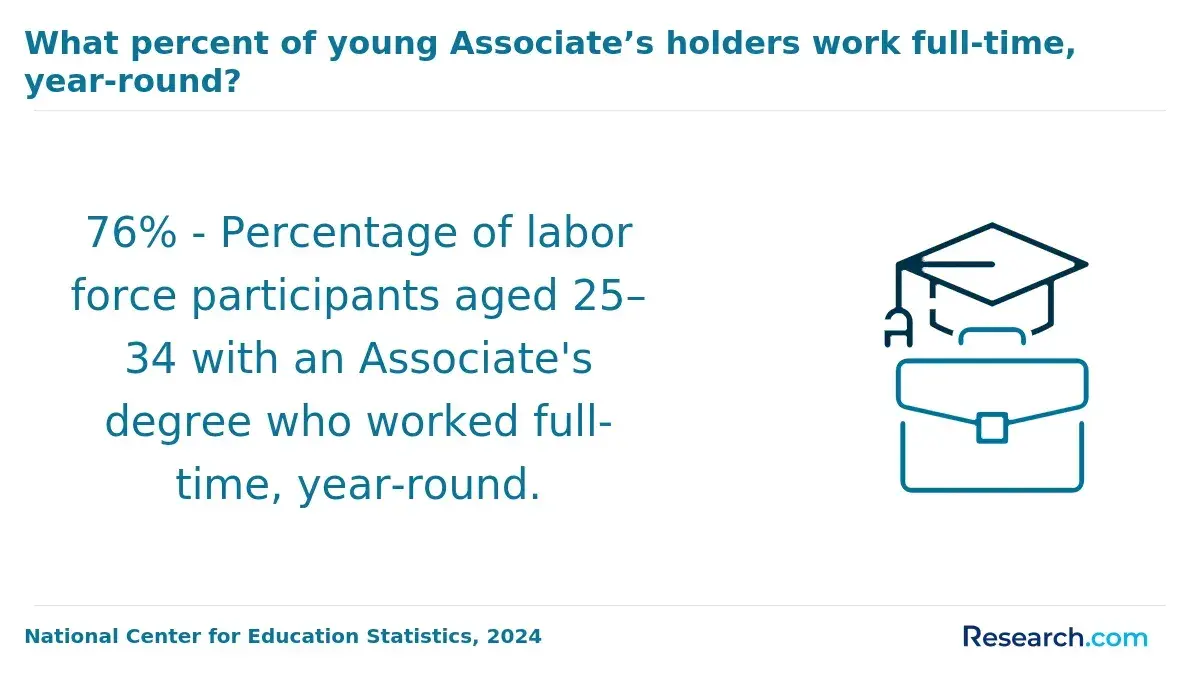
Data from 2024 reports by the National Center for Education Statistics illustrates meaningful differences in degree completion rates across delivery methods for financial technology programs. Fully online programs typically see completion rates about 10-15% lower than campus-based offerings, largely due to challenges like reduced student engagement and limited immediate academic support. Hybrid options, which combine online flexibility with face-to-face interaction, tend to sit between online and campus completion rates, reflecting a balance that suits many learners juggling work and study. The more structured and immersive campus environment supports the highest persistence, although its rigidity can present difficulties for students needing flexibility.
Consider a mid-career professional managing family care who enrolls in an online financial technology degree for its flexibility but struggles with the isolation of remote learning and competing demands, lowering their completion likelihood. Conversely, a student attending a hybrid program benefits from scheduled in-person sessions that help maintain accountability while retaining some remote convenience. These scenarios highlight how personal circumstances and program format interplay to influence persistence, emphasizing that no single format fits all but understanding these tradeoffs is crucial for realistic expectations.
One financial technology graduate recounted hesitating over choosing an online program while balancing a full-time job and parenting. Initially attracted by the convenience, the lack of direct interaction and steady peer support made progress slower than hoped during challenging weeks. Switching to a hybrid format mid-degree provided much-needed connection and structure without fully sacrificing flexibility, reinforcing the importance of program design in sustaining motivation and completion, especially for learners navigating complex outside responsibilities.
How Does Each Financial Technology Learning Format Affect Student Success?
Student success in financial technology programs is less about the format itself and more about how well that format fits an individual's learning style, schedule, and life commitments. For example, a working parent pursuing a degree might find campus schedules too rigid but benefit from the flexibility of hybrid or online options. Meanwhile, a student who thrives on in-person collaboration may struggle without regular face-to-face interaction. Recent data from the National Student Clearinghouse Research Center (2024) shows degree completion rates tend to be higher in campus and hybrid models compared to fully online formats, underscoring the role of engagement and support. The following points outline key factors shaping student outcomes in different learning environments.
- Structure and Scheduled Interaction: Campus programs offer consistent face-to-face schedules that foster routine and accountability. Students who excel with external motivation and prefer direct oversight often perform better here, whereas online learners must self-manage without that structure.
- Flexibility for Life Balance: Online formats allow students to study from anywhere at any time, ideal for those juggling work or family. However, the lack of set times requires strong self-discipline, and students lacking this may fall behind or drop out.
- Access to Academic Support: On-campus students typically benefit from immediate access to tutoring, advising, and peer interaction. Hybrid formats partially replicate this, helping students stay connected, unlike some fully online programs where support can be fragmented.
- Social Engagement and Isolation Risks: Students in campus or hybrid programs often experience a sense of community, which correlates with persistence and motivation. Online students may face isolation, risking lower completion unless programs intentionally foster interaction.
- Technology and Resource Availability: Success online depends heavily on reliable technology and access to digital tools. Students lacking adequate resources or technical skills may struggle, whereas campus learners often have infrastructure readily available.
- Learning Preference Alignment: Some students assimilate information best in-person through real-time discussion and hands-on activities, which campus formats support. Others prefer self-paced learning online; mismatching style and format can undermine progress in a fintech degree.
- Program Completion Rates: Evidence from the National Center for Education Statistics highlights that campus and hybrid programs show degree completion rates approximately 15-20% higher than fully online financial technology tracks, reflecting how interaction and support mitigate attrition risks.
How Does Enrollment Status Affect Financial Technology Completion Rates?
Enrollment status is one of the most important factors influencing degree completion rates in financial technology programs, yet its effect varies widely depending on a student's personal and professional circumstances rather than the number of courses taken alone. Full-time and part-time enrollment each present distinct advantages and challenges that affect persistence and graduation likelihood. Recognizing these nuances helps prospective students choose a path aligned with their life situations and educational goals. Here are the primary ways enrollment status shapes financial technology degree completion:
- Academic Immersion and Routine: Full-time students often benefit from a structured schedule that supports sustained focus and continuous progress. This immersive environment leverages peer engagement and institutional resources, boosting completion especially in campus and hybrid settings.
- Balancing Commitments: Part-time students typically juggle work, family, and studies, which can extend time to degree and increase risk of attrition. Those with demanding external responsibilities may find part-time enrollment necessary but should prepare for the slower progression.
- Self-Discipline in Online Formats: The self-paced nature of many online financial technology programs requires strong time management skills. Part-time online students may struggle without regular class attendance, while full-time enrollees can maintain momentum more readily.
- Access to Support Services: Full-time enrollment often grants more frequent and comprehensive access to advising, tutoring, and career services, which are critical for overcoming academic hurdles and enhancing completion rates.
- Workforce Integration: Part-time students frequently integrate work and study, gaining real-world experience that complements their education. Though this may delay graduation, it can enhance employability and practical skills in financial technology fields.
- Completion Rate Differences: Data from the National Center for Education Statistics shows full-time financial technology students graduate at nearly twice the rate of part-time peers within a six-year timeframe, underscoring the significance of enrollment intensity on outcomes.
- Program Format Interaction: Hybrid programs can offer a middle ground by blending flexibility with scheduled in-person sessions, which helps part-time students stay motivated and connected to campus resources while managing external demands.
For example, a working professional enrolled part-time in an online financial technology program may leverage their job experiences to enhance learning, but should anticipate a longer path to degree completion and proactively seek advising and time management support to stay on track. Prospective students can also explore flexible options, including programs like ABA paralegal programs that balance rigor with accessibility.
Can Transfer Credits Improve Financial Technology Degree Completion?
Transfer credits can significantly influence the trajectory of completing a financial technology degree, but their impact varies widely by student circumstances and program structure. For example, a student who has accumulated relevant college credits or military training may avoid repeating foundational courses, effectively reducing the time and cost to graduate. This can happen because the acceptance of transfer credits decreases duplicate coursework, allowing the student to focus on advanced or specialized fintech topics sooner.
However, transfer credits are not a guaranteed shortcut. Success depends heavily on how well those credits align with the specific fintech curriculum, institutional policies on credit acceptance, and the number of remaining degree requirements. A transfer student might find many of their credits deemed inapplicable to core competencies of the program, forcing them to take additional courses that offset expected time savings.
Evidence from the National Student Clearinghouse Research Center (2024) reveals that students applying transfer credits before enrolling in bachelor's programs are about 30% more likely to graduate within six years compared to peers who do not transfer credits. This advantage holds across learning formats, yet the degree of benefit differs-campus programs typically offer smoother integration with advising support, while online formats may impose stricter evaluation processes that delay credit acceptance.
To realistically assess whether transfer credits will shorten their path, prospective students should obtain an official credit evaluation early in the admissions process and compare the total credits accepted with the program's graduation requirements. This enables an informed estimate of the remaining course load relative to their planned enrollment intensity. Without this analysis, students risk unanticipated credit loss or redundancy that could extend their completion timeline.
Ultimately, transfer credits can be a powerful tool for improving degree completion odds in financial technology, especially when combined with thorough planning and alignment between previous coursework and program demands. Yet, they represent only one factor among many-including personal commitment, financial resources, and institutional support-that shape graduation success.
What Student Support Services Improve Financial Technology Completion Rates?
Completion rates in financial technology degree programs vary considerably based on how effectively student support services address the distinct challenges posed by online, hybrid, and campus formats. These services create critical scaffolding that helps students navigate complex curricula and the rapidly evolving fintech landscape, reducing dropout risks tied to uncertainty and insufficient guidance. Real-world outcomes demonstrate that no singular intervention ensures success, but integrated, format-sensitive supports lead to measurable persistence gains. Key support services linked to improved graduation rates include:
- Integrated Academic and Career Advising: Financial technology students benefit from advising that combines educational planning with career insights, clarifying degree requirements while aligning goals with industry trends. Institutions with structured advising report completion increases of up to 15%, illustrating the value of tailored, proactive guidance in reducing attrition caused by misaligned expectations.
- On-Demand Tutoring and Supplemental Instruction: Particularly for online learners facing isolation from peers and faculty, accessible tutoring addresses technical and conceptual hurdles in real time. Hybrid students gain from a blend of in-person and digital tutoring resources, while campus programs continue to leverage physical centers; the availability across formats narrows performance gaps.
- Early Alert and Predictive Analytics Systems: These tools identify students at academic risk early on, enabling timely supports such as counseling or workload adjustments. Programs that implement such systems show improved retention, underscoring the importance of data-driven interventions in sustaining student momentum.
- Personalized Outreach and Engagement: Regular, customized contact-whether through emails, phone calls, or peer mentoring-helps maintain motivation and accountability. This is especially vital in flexible learning environments where self-direction is key but can also result in disconnection.
- Flexible Scheduling and Workload Management Supports: Recognizing that fintech students often juggle work and study, services that help balance course load and deadlines reduce overwhelm and prevent burnout, thus supporting continuous progress toward degree completion.
- Digital Resource Accessibility: Providing equal access to online libraries, software tools, and collaboration platforms bridges the resource divide between remote and campus students, ensuring remote learners can engage fully with coursework.
One online financial technology graduate recalled struggling with the program's demanding analytics courses while working full-time. Initially hesitant to seek help, she eventually engaged with the early alert system, which connected her to tutoring and a mentor who helped break down complex topics outside class hours. These supports not only boosted her confidence but allowed her to adjust her course plan realistically without falling behind. Her experience highlights how adaptive, responsive services tailored for online learners' unique pressures can tip the balance from near withdrawal to on-time program completion.
How Do Financial Technology Completion Rates Affect Career Outcomes?
Completion of a financial technology degree strongly shapes early and mid-career outcomes by signaling persistence and technical competency to employers. While the credential itself is important, the likelihood of finishing the program varies by format, which in turn influences career trajectories. Campus programs often foster higher completion rates through immersive support systems, whereas online formats face challenges like student isolation. Prospective students should consider not only the credential but also completion likelihood when planning their educational path. Here are key ways degree completion impacts careers in financial technology:
- Higher employment stability and wage potential driven by technical qualifications: Graduates with completed financial technology degrees tend to secure more stable jobs and command higher salaries compared to those with incomplete credentials, as demonstrated in 2024 labor market analyses. Persistence through graduation signals commitment, attracting fintech employers valuing technical mastery and credential verification.
- Access to promotion opportunities through demonstrated perseverance and skill mastery: Employers in fintech increasingly reward completed degrees as indicators of readiness for advanced roles. This is especially true in campus-based programs where structured environments reinforce timely completion, benefiting students aiming for upward mobility.
- Enrollment advantage in graduate programs and professional certifications enhancing long-term competitiveness: Graduates from hybrid or campus programs with higher completion rates are more likely to pursue advanced degrees or certifications, further strengthening career resilience amid fast-evolving fintech demands.
- Real-world scenario illustrating format impact on career outcomes: A student balancing work and family may choose an online format but face challenges completing the program due to limited engagement, reducing their chances of securing competitive roles. Conversely, a peer attending a hybrid program benefits from periodic in-person support improving retention and career prospects.
Career outcomes for fintech graduates by learning format highlight that completion rates influence more than just credentials; they affect how well students can leverage their education in the workforce. For additional context on degree affordability and options, prospective students can also explore the MLIS degree rankings.
How Should Students Choose the Best Financial Technology Learning Format?
Choosing between online, hybrid, and campus formats for a Financial Technology program can significantly impact a student's degree completion and career trajectory. Data from the U.S. Department of Education in 2024 shows that students who balance full-time jobs with their studies complete degrees at higher rates when formats align with their lifestyle and capacity for self-directed learning. For example, a working professional with limited daytime availability might thrive in an online or hybrid program, while another learner requiring structured interaction may benefit more from campus-based learning. Key factors to consider include the following:
- Work-Life Balance and Flexibility: Students employed full-time often need flexible schedules that online or hybrid formats offer. This flexibility can support progress but demands excellent time management skills to prevent attrition.
- Self-Motivation and Discipline: Online learning requires a high degree of self-regulation. Prospective students must honestly assess their ability to stay engaged without close supervision, which is less of a challenge in campus settings.
- Access to Academic Resources: Campus programs provide immediate access to faculty and peers, benefiting students who require hands-on experiences or quick feedback, important in collaborative FinTech disciplines.
- Blended Interaction in Hybrid Programs: Hybrid formats combine autonomy with periodic in-person engagement, potentially improving retention by addressing both independence and social support needs.
- Digital Literacy and Technology Comfort: Mastery of digital tools is critical in online and hybrid options. Students less comfortable with technology may find campus programs more accommodating.
- Learning Preferences and Environment: Some students thrive on face-to-face collaboration and structured schedules typical of campus learning, while others prefer the autonomy of online formats.
- Program Outcomes and Employability: Evidence suggests that learners actively engaging with both digital content and on-campus resources have better academic outcomes and stronger employability, which should factor into format decisions.
Prospective students prioritizing a balanced approach can explore accelerated degree programs for working adults that often blend these formats strategically. Making an informed choice based on these factors ensures a sustainable path to degree completion and long-term career success in financial technology.
What Are the Long-Term Pros and Cons of Each Financial Technology Learning Format?
Long-term outcomes for financial technology degree completion vary notably across online, hybrid, and campus formats. Each mode shapes student progress differently, influencing career transitions and skill mastery over time. Understanding these effects helps students align format choice with their unique circumstances. Below are key considerations reflecting recent 2024 education research:
- Flexibility and Accessibility: Online degree programs provide unmatched flexibility, ideal for working adults or those with family commitments, but often at the cost of lower engagement and networking, which can impact career growth over time.
- Engagement and Community Building: Hybrid models foster stronger motivation and a sense of community by combining online convenience with in-person interaction, benefiting students who thrive on intermittent direct contact.
- Completion Rates: Campus-based programs show the highest graduation rates due to structured schedules and in-person faculty support, which suit learners needing routine and direct mentorship.
- Skill Application Opportunities: Face-to-face formats often better develop hands-on skills and practical collaboration, advantageous for students aiming for immediate workforce readiness.
- Networking and Employer Connections: Campus graduates typically enjoy stronger employer relationships, enhancing job placement, while online learners may rely more on virtual networking platforms.
- Time Management Demands: Hybrid and online students must balance varying schedules and self-regulation demands, which can challenge those without strong organizational skills.
- Long-Term Career Trajectory: While flexibility aids retention in online formats, the limited engagement might slow advancement; campus and hybrid graduates often report smoother career entry due to richer experiential learning and networking.
References
- Finance and FinTech https://aut-edu.uz/bachelors/finance-and-fintech
- Learn fintech | edX https://www.edx.org/learn/fintech
- Financial Solutions to Transform Fintech in Private Schools https://sycamoreleaf.com/fintech-transforming-private-schools
- New graduate certificate program trains learners to shape future of financial technology https://www.sheridancollege.ca/newsroom/news-releases/2026/05/new-financial-technology-fintech-graduate-certificate-program
- Compare Different FinTech Training Formats https://blog.nobledesktop.com/learn/fintech/fintech-training-format-comparison
- Financial Technology https://www.conestogac.on.ca/fulltime/financial-technology/admissions
- MSc Finance and Financial Technology (FinTech) | ICMA Centre https://www.icmacentre.ac.uk/study/masters/msc-finance-and-financial-technology-fintech
- How to choose the right financial technology partner https://blogs.opentext.com/how-to-choose-the-right-financial-technology-partner/
- What is fintech? A guide to graduate careers in financial technology https://targetjobs.co.uk/careers-advice/accountancy-banking-and-finance/what-fintech-guide-graduate-careers-financial-technology
- Financial Technology (M.S.) *STEM Program https://www.njcu.edu/admissions-aid/graduate-admissions/graduate-degrees/financial-technology-ms-stem-program
Other Things You Should Know About Financial Technology
Yes, the flexibility that online formats offer can be a double-edged sword. While it allows students to balance work and personal commitments more easily, it also demands strong self-discipline and time-management skills. For many financial technology students, especially those working in fast-paced environments, the lack of structured class times may lead to procrastination or inconsistent study habits, which can negatively impact completion rates. Prioritizing programs with built-in deadlines or cohort-based pacing can mitigate this risk and improve persistence.
Hybrid programs require students to navigate both in-person and online components, which can complicate scheduling and workload management. In practice, students balancing these dual formats may face conflicting demands, such as needing to be physically present on campus while also completing asynchronous tasks. These coordination challenges often lead to stress or burnout, reducing the likelihood of completion for those without flexible employer support or personal resources. Students should assess their daily schedules critically before committing to hybrid formats.
Employer expectations in financial technology increasingly recognize online degrees as valid but often still exhibit preference for on-campus or hybrid formats, associating them with more rigorous or immersive training. This perception can affect internships, networking opportunities, and job placement post-graduation, influencing not just completion but tangible career benefits. Students aiming for roles in highly competitive fintech sectors may want to prioritize programs with strong campus engagement or hybrid models that facilitate employer contact and experiential learning.
Campus programs tend to demand more consistent time investment and can feel more intense, which may deter students juggling external responsibilities. However, this workload often comes paired with more immediate access to faculty, peer collaboration, and career services, all of which sources suggest improve degree completion and post-graduation success. If a student can commit the necessary time, choosing a campus format may be strategically beneficial, particularly for those seeking hands-on learning and robust professional networks within the financial technology field.