2027 Financial Technology ROI by Institution Type: Public vs Private vs Nonprofit Online Programs

Co-Founder and Chief Data Scientist
Choosing between public, private, and nonprofit online programs in financial technology often hinges on factors beyond surface-level tuition comparisons. For example, a 2024 study by the National Center for Education Statistics found that students at nonprofit online institutions have a 12% higher graduation rate than those at comparable public schools, yet often face greater average student debt burdens.
This discrepancy highlights the complex tradeoffs between institutional support, affordability, and career readiness. Prospective students risk overpaying for programs with lower post-graduation value or struggling under excessive debt if these factors are not carefully weighed. This article will analyze ROI variations by institution type to guide informed decisions on financial technology online education.
Key Things to Know About Financial Technology ROI by Institution Type
- Public institutions often offer lower total costs but may have longer completion times, affecting ROI by delaying workforce reentry; choosing between speed and affordability requires balancing immediate financial burden and future earning potential.
- Private programs frequently carry higher tuition yet deliver stronger employer recognition and tighter alumni networks, suggesting tradeoffs between upfront debt exposure and enhanced post-graduation career advancement opportunities.
- Nonprofit online providers' ROI hinges on specialized learner support and flexible pacing, critical for working adults, though less consistent accreditation and variable graduation rates can limit long-term value and employment outcomes.
- Key Things to Know About Financial Technology ROI by Institution Type Key Things to Know About Financial Technology ROI by Institution Type
- What Does ROI Mean for a Financial Technology Program and How Is It Measured? Understanding Financial Technology Program ROI
- How Do Public, Private, and Nonprofit Online Financial Technology Programs Differ in Overall Value? Value by Institution Type
- How Do Tuition Costs Affect the ROI of a Financial Technology Program Across Institution Types? Tuition Costs and ROI
- How Do Graduation Rates Influence Financial Technology Program ROI? Graduation Rates Impact ROI
- What Role Do Career Outcomes Play in the ROI of a Financial Technology Degree? Career Outcomes and ROI
- How Does Student Debt Impact the Long-Term ROI of a Financial Technology Program? Debt vs. Long-Term ROI
- How Do Flexibility and Adult Learner Support Affect Financial Technology Program Value? Flexibility and Program Value
- How Do Accreditation and Institutional Reputation Influence Financial Technology ROI? How Do Accreditation and Institutional Reputation Influence Financial Technology ROI?
- How Does Time-to-Degree Affect the ROI of Public, Private, and Nonprofit Financial Technology Programs? How Does Time-to-Degree Affect the ROI of Public, Private, and Nonprofit Financial Technology Programs?
- How Can You Choose the Best Financial Technology Program Based on Your ROI Goals? Choosing Programs by ROI
What Does ROI Mean for a Financial Technology Program and How Is It Measured?
ROI for a financial technology program hinges on more than upfront costs or salary boosts alone; it requires analyzing the total educational investment alongside real-world outcomes. For instance, selecting a lower-cost public online program may seem financially prudent, but if that program's longer time-to-degree and lower employer recognition delay job placement, the cumulative opportunity costs and debt could erode the anticipated ROI. Data from the National Center for Education Statistics highlights that average student debt for graduates from private institutions tends to be nearly 40% higher than public university counterparts, underscoring how borrowing levels shape net returns and the long-term financial impact of education choices.
Measuring ROI in financial technology education requires integrating factors such as graduation rates, program reputation, and post-completion career services alongside direct costs. A 2024 Brookings Institution study shows public university online students have about a 15% higher completion rate compared to private peers-this faster reentry into the workforce often translates into reduced total cost and earlier earnings, critically affecting ROI calculations.
Different students' goals, whether prioritizing expedited credentialing, specialized skills, or managing debt, influence which programs yield the best long-term value. Navigating these trade-offs is essential for career changers and working adults who must carefully evaluate how institution type, financial aid packages, and intrinsic program quality will affect their ultimate return on investment in financial technology.
Ultimately, relying on surface-level rankings or immediate post-graduation salary figures may mislead prospective learners comparing public, private, and nonprofit online options. A comprehensive ROI assessment balances tangible outcomes with less visible factors-such as learner support, employer engagement, and curriculum rigor-that affect career traction over time. For those considering an online degree, including those exploring the easiest online bachelor's degree route to expedite entry, understanding these nuanced elements will help avoid costly missteps and align educational investment with realistic financial and career planning.
How Do Public, Private, and Nonprofit Online Financial Technology Programs Differ in Overall Value?
Choosing between public, private, and nonprofit online financial technology programs requires assessing how varying tuition models, student support, and institutional reputation tangibly affect career outcomes and financial stability. Public programs often offer lower tuition supported by state funds, which can be critical for students balancing work and family, but may come with larger classes and fewer personalized resources, potentially limiting preparation in a field demanding cutting-edge skills.
Private programs generally command higher fees but frequently provide stronger career services and smaller cohorts, reflected in a 15% higher employment rate within six months of graduation, according to Peterson's Education Research 2024. Nonprofit institutions prioritize accessibility and tend to yield lower student debt, yet they might lack extensive alumni networks or the brand pull of established private universities, influencing long-term professional mobility and hiring preferences.
The return on investment in these programs depends heavily on individual financial capacity and career ambitions rather than institution type alone. Regional accreditation and employer recognition remain decisive, especially in fintech sectors that value practical expertise and adaptability. Programs excelling in up-to-date technology training and hands-on projects can counterbalance moderate brand recognition by enhancing job readiness, a key factor when debt load and time to completion affect career timelines. Students facing financial constraints might prioritize nonprofit or public options with lower debt risks, while those focusing on immediate industry networking and support might lean toward private programs despite the steeper costs.
A working professional weighing financial technology program options struggled to decide between an affordable public university with minimal student support and a private school boasting strong employer connections but a significantly higher price tag. Concerned about accruing substantial debt but eager to secure rapid employment, the individual examined graduation rates, employment data, and financial aid offers before selecting a nonprofit institution offering a balanced mix of manageable tuition, solid support, and respected accreditation. This choice alleviated anxiety about both cost and long-term value, highlighting how nuanced tradeoffs shape meaningful ROI decisions beyond simplistic cost or prestige metrics.
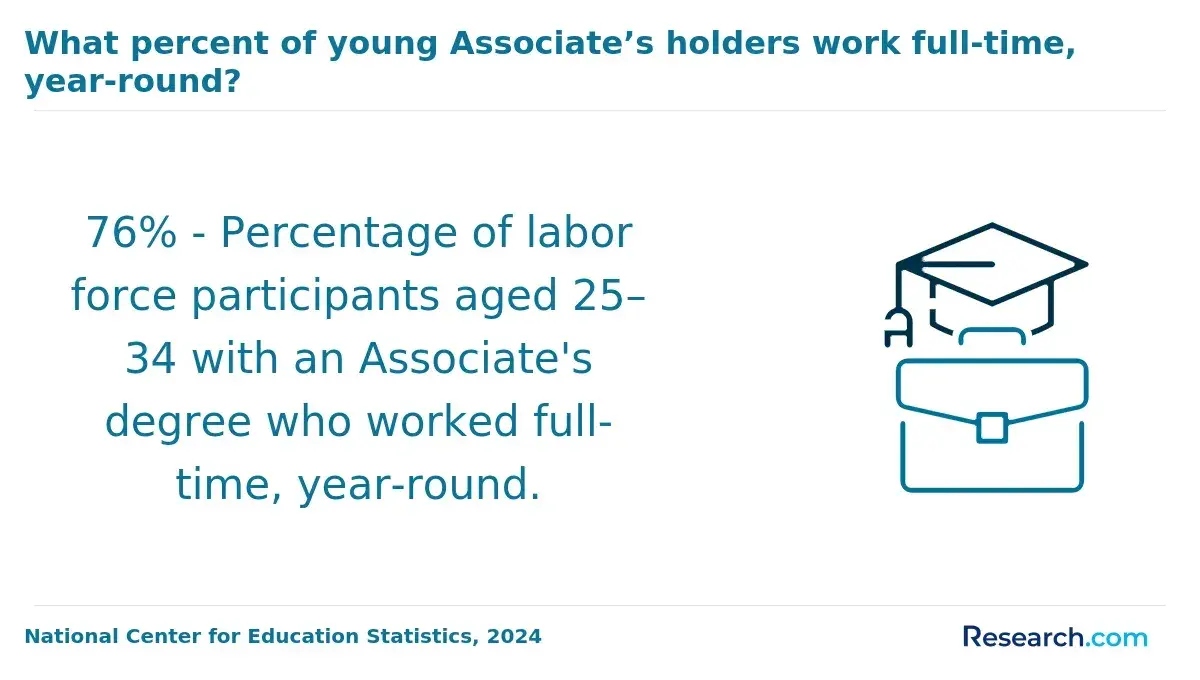
How Do Tuition Costs Affect the ROI of a Financial Technology Program Across Institution Types?
Tuition disparities between public, private nonprofit, and nonprofit online financial technology programs significantly influence return on investment but do not offer a simple formula for decision-making. Public institutions generally charge between $8,000 and $15,000 annually and often provide more substantial financial aid, which can lower the effective net price and reduce student debt, accelerating the timeline to recoup educational expenses.
However, lower sticker prices might coincide with longer time-to-degree or fewer career services, delaying employment outcomes and thus diluting expected ROI. For example, a working professional balancing family commitments might find a flexible public program more affordable upfront but could face extended enrollment periods that increase indirect costs and postpone earnings gains.
Conversely, private nonprofit programs with tuition ranging from $20,000 to $45,000 may burden students with higher debt levels but sometimes deliver better employment leverage through industry connections, specialized career support, and potentially higher starting salaries. According to the National Center for Education Statistics 2024 data, private nonprofit graduates often take larger loans but might experience stronger long-term income growth.
This tradeoff means that paying more does not guarantee better outcomes unless the program's quality and career resources align closely with a student's goals. For learners prioritizing fast market reentry with minimal debt, public options frequently represent superior value, whereas those targeting niche fintech sectors with competitive hiring standards may find higher tuition justified by enhanced prospects.
Ultimately, the ROI of financial technology credentials hinges on complexity beyond tuition alone, encompassing aid availability, debt burden, completion rates, program flexibility, and employer recognition. Decision-makers must weigh how well a program's support infrastructure mitigates extended time-to-degree and debt risks against their financial capacity and career ambitions. Lower tuition often benefits cost-conscious students but may come with tradeoffs affecting earnings trajectory, while pricier nonprofit options require careful scrutiny to validate whether incremental expenses translate into meaningful, discipline-specific advantages in the fintech job market.
How Do Graduation Rates Influence Financial Technology Program ROI?
Graduation rates offer a meaningful, though imperfect, lens into the return on investment for financial technology programs, reflecting both institutional effectiveness and student persistence. Private nonprofit online programs report a 59% six-year completion rate, notably higher than 47% at public institutions, which often serve part-time learners balancing work and life commitments. This gap, rooted in variations in academic support and enrollment intensity, influences not only time-to-degree but also total educational costs and debt management, key factors for cost-conscious adults assessing student graduation success and financial technology ROI comparison.
While higher graduation rates generally signal stronger institutional frameworks that facilitate timely credentialing and smoother workforce entry, focusing solely on these figures risks overlooking complexities like curriculum quality, employer connections, and financial aid offerings. Robust academic and career services can reduce attrition and enhance long-term ROI, but adult learners must weigh these benefits against practical tradeoffs such as program flexibility and personal circumstances.
For those evaluating options, comparison should extend beyond raw completion statistics to include a broader understanding of how institutional missions and services align with career goals and financial realities, much like considerations one might make when exploring master of social work programs.
What Role Do Career Outcomes Play in the ROI of a Financial Technology Degree?
The measurable impact of career outcomes profoundly shapes the ROI of Financial Technology degrees across public, private, and nonprofit online providers, with differences arising from each program's alignment to industry demands and cost structures. Employment rates exceeding 85% within six months of graduation, as reported by the National Center for Education Statistics in 2024, highlight how closely a curriculum's relevance affects the speed at which graduates recoup educational investments.
Private programs' tendency to focus on specialized skills like data analytics and regulatory expertise often leads to quicker job placement but at higher tuition costs, creating a tradeoff between upfront expense and near-term earnings. Conversely, public institutions generally offer broader access with extensive community networks, supporting more diverse career mobility despite sometimes slower initial salary growth, while nonprofit programs prioritize affordability and flexible pacing, appealing to working adults balancing education with career transitions but potentially extending time-to-degree.
Employer recognition plays a critical role in interpreting career outcomes as ROI, where demonstrated proficiency in emerging fintech technologies often carries greater weight than program prestige alone. Public programs embedded in university ecosystems may enable pathways to graduate study, expanding long-term professional options beyond immediate job placement, which is a consideration rarely captured in simple cost-benefit analyses.
Nonprofits' emphasis on incremental skill-building can suit those seeking minimal career disruption, though the slower pace of salary progression requires weighing immediate affordability against extended financial impact. Students must therefore evaluate how institutional characteristics intersect with tuition, debt load, and time commitments relative to their own career timing and advancement goals.
An online Financial Technology graduate reflected on weighing these factors before enrolling, unsure if a higher-cost private program's promise of rapid hiring would justify its expense compared to an affordable nonprofit alternative. Initially skeptical about the degree's tangible value beyond credentialing, the graduate observed incremental gains in responsibilities and employer acknowledgment of skills about a year post-completion. The experience underscored how career outcomes influencing ROI extend beyond salary alone, incorporating subtle shifts in role complexity and networking benefits that contributed to a steadily improving professional trajectory over time.
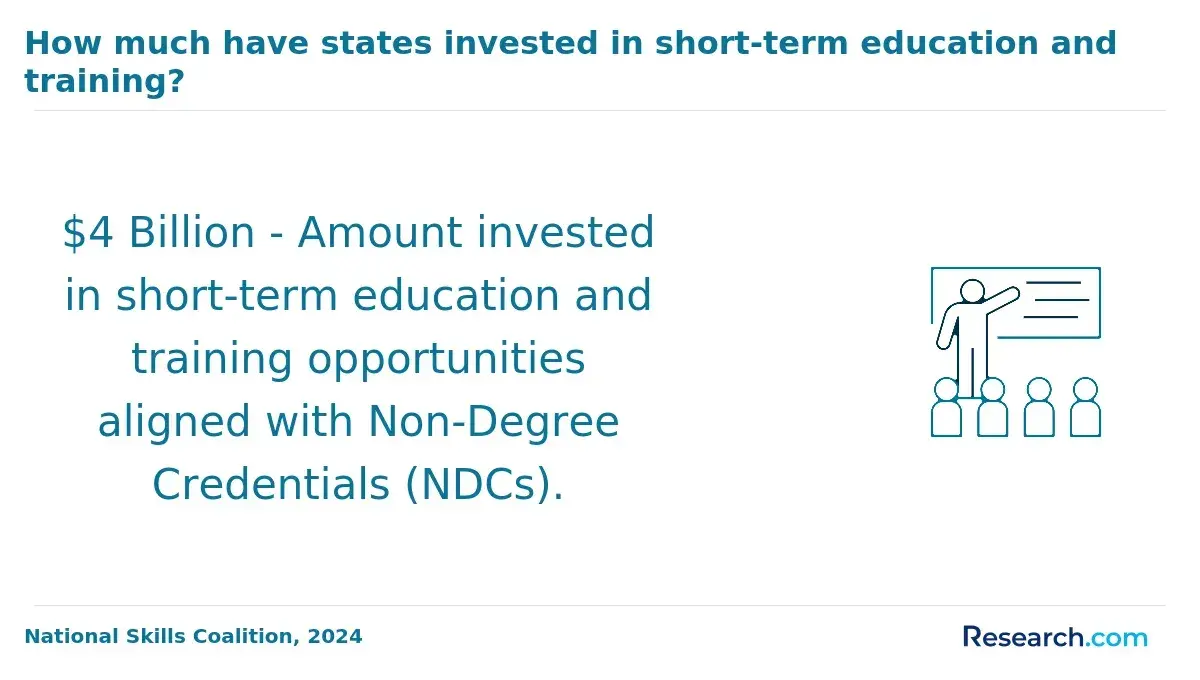
How Does Student Debt Impact the Long-Term ROI of a Financial Technology Program?
Graduates weighing the long-term financial outcomes of student loans in financial technology education must consider how debt levels and repayment obligations directly affect their return on investment. For instance, students incurring 25% more debt at private institutions often face heavier monthly payments, which can reduce financial flexibility during critical early career phases or when pivoting roles in this rapidly evolving sector. Borrowers who delay graduation or fail to complete their program risk compounding debt without the offsetting wage gains, underscoring the importance of retention rates and program length in practical ROI calculations.
Comparing public, private, and nonprofit online programs reveals meaningful tradeoffs: while private schools typically carry higher upfront costs and slightly elevated default risks, nonprofit programs often benefit from targeted financial aid that lowers average debt and improves debt-to-earning ratios for graduates. This dynamic highlights that higher tuition does not guarantee better job prospects or salaries, as employers prioritize applied skills and certifications. Adult learners and career changers must therefore evaluate debt burden not just against sticker price but relative to educational quality, completion likelihood, and actual career advancement opportunities in fintech.
Choosing between programs also means assessing debt within realistic repayment scenarios shaped by post-completion employment sectors. Prospective students can gain context by researching options like an online social media marketing degree to understand cost versus benefit tradeoffs in digital and tech-focused fields analogous to fintech. Ultimately, a nuanced understanding of student debt effects on financial technology program ROI can empower cost-conscious learners to select pathways that align with their professional goals while minimizing financial risk.
How Do Flexibility and Adult Learner Support Affect Financial Technology Program Value?
Program flexibility and adult learner support shape the tangible ROI of financial technology programs more than institutional prestige alone. For working professionals balancing jobs and family, asynchronous coursework and part-time options can be the difference between completion and attrition, with a 2024 National Center for Education Statistics study noting 68% higher persistence when such scheduling is available. Yet, this flexibility often intersects with the level of support services offered-academic advising, career counseling, and accessible faculty-which are critical for maintaining momentum, especially amid competing responsibilities.
Private and nonprofit online programs tend to invest more heavily in tailored support, offering dedicated career services that improve employment outcomes by roughly 15%, according to a Wiley Research Institute analysis. However, these benefits come with tradeoffs, as higher tuition rates can increase debt burdens that dilute net value for cost-sensitive students. Public institutions generally provide more affordable options with standardized technology platforms and transfer pathways but may lack the intensive support mechanisms that sustain engagement and shorten time-to-degree for adult learners navigating complex schedules and life demands.
Deciding among these program types requires weighing how flexibility, support intensity, and affordability align with one's personal situation and career goals. For example, a military-affiliated student may prioritize institutions with specific accommodations and flexible faculty interaction despite higher costs, while a career changer managing full-time work might value asynchronous options combined with robust advising to reduce opportunity costs and avoid prolonged enrollment. Understanding these nuanced operational differences is essential for adults seeking a financial technology education that delivers sustainable value beyond credential attainment.
How Do Accreditation and Institutional Reputation Influence Financial Technology ROI?
Accreditation and institutional reputation significantly shape the return on investment for Financial Technology programs by influencing employer trust, credit transfer options, and graduate school eligibility. Programs holding regional accreditation generally provide more reliable pathways for graduates, as employers and other institutions more readily recognize their credentials.
For example, a candidate graduating from a regionally accredited public university is statistically 20% more likely to secure relevant employment within six months compared to one from a nonaccredited institution, according to the Council for Higher Education Accreditation. This advantage can justify the often higher tuition costs associated with reputable public or nonprofit providers, especially when balanced against the risks of taking on substantial student debt.
Private and nonprofit online programs may hold national or specialized accreditations that indicate specialized quality but might lack the broad recognition that influences employer decision-making and transferability. Surveys such as the National Association of Colleges and Employers study show 65% of employers weigh institutional reputation heavily when assessing Financial Technology credentials, favoring known entities with established outcomes like internship placements or industry links. Yet, prestige does not always correlate with financial return; some affordable, accredited programs deliver comparable career outcomes while minimizing financial strain. Therefore, cost-conscious learners should evaluate how accreditation intersects with program support services, completion rates, and access to licensure or certification pathways to assess overall ROI within the context of their career goals and financial constraints.
How Does Time-to-Degree Affect the ROI of Public, Private, and Nonprofit Financial Technology Programs?
Time-to-degree directly impacts the return on investment for public, private, and nonprofit online Financial Technology programs by influencing tuition exposure, opportunity costs, and career advancement pace. Public institutions average longer completion periods, around 5.1 years, compared to nonprofits at 4.7 years and private programs at 4.4 years, which can significantly increase the total cost and delay workforce progression.
For working adults managing employment and family, extended timelines often translate to prolonged tuition payments and postponed income gains, but these longer durations can provide necessary flexibility for part-time study and reduce dropout risk, preserving educational quality for complex schedules.
Graduation rates and transfer credit policies further affect these timelines and thus ROI in online Financial Technology programs. Public institutions tend to accept more transfer credits, which may shorten completion times for transfer students, whereas private programs often have more restrictive credit policies that could lengthen degree duration. However, faster or accelerated pathways common at private institutions reduce debt burden by enabling quicker reentry into higher-paying roles, albeit sometimes at the expense of manageable course loads or depth of learning.
Employers generally prioritize relevant skills and certifications over time spent in school, which can mitigate longer completion times if programs offer practical experience and career-aligned credentials. Adult learners should also consider options like doctoral programs without dissertation if continuing education is a goal beyond the Financial Technology degree.
How Can You Choose the Best Financial Technology Program Based on Your ROI Goals?
The best online financial technology programs for ROI hinge largely on a student's priorities rather than institution type alone. Public institutions generally offer lower tuition and better state financial aid, leading to less debt and higher graduation rates that shorten time-to-degree, which is crucial for cost-conscious adult learners balancing work and family. However, private programs often provide stronger industry connections and specialized skills valued in niche fintech roles, though this comes with higher debt burdens and sticker prices, elevating financial risk for those without employer support or savings.
Nonprofit online programs carve a middle path by emphasizing flexibility and learner support, which benefits working adults seeking to maintain steady income while advancing their education. The 2024 employment survey by the Association of Financial Technology Professionals highlights that programs with employer partnerships, commonly found in private and select nonprofit institutions, demonstrate better post-graduation placement rates. Yet, public universities' extensive alumni networks and regional ties can offer competitive advantages in local job markets, which is a decisive factor for students who prioritize immediate return and local employment opportunities in their financial technology program ROI comparison.
Individual circumstances such as current employment, family obligations, and time-to-degree expectations significantly affect how students evaluate these tradeoffs. Those prioritizing low immediate debt and cost efficiency might prefer public programs, while learners focused on specialized skills or networking may lean toward private or nonprofit options despite higher costs. For a deeper understanding of program options tailored to career changers or transfer students, reviewing the best online associate degree programs in criminal justice offers a parallel framework for evaluating educational ROI rooted in outcomes and affordability.
References
- What is fintech? 6 main types of fintech and how they work | Plaid https://plaid.com/resources/fintech/what-is-fintech/
- Three Steps to Take for Better ROI When Selecting New Technology | Agillink https://www.agillink.com/insights/Blog/three-steps-to-take-for-better-roi-when-selecting-new-technology1.html
- FinTech Market Overview with Size, Share, Value | Growth [2034] https://www.fortunebusinessinsights.com/fintech-market-108641
- Is College Worth It? A Comprehensive Return on Investment Analysis - FREOPP https://freopp.org/whitepapers/is-college-worth-it-a-comprehensive-return-on-investment-analysis/
- ROI and Accreditation of Online Programs | 16 | Using ROI for Strategi https://www.taylorfrancis.com/chapters/edit/10.4324/9781003448587-16/roi-accreditation-online-programs-leah-matthews
- College is still worth it, even with student debt, but we can do better | Brookings https://www.brookings.edu/articles/college-is-still-worth-it-even-with-student-debt-but-we-can-do-better/
- Flexible Programs Assist Adult Learners to Thrive - The EvoLLLution https://evolllution.com/opinions/flexible-programs-assist-adult-learners-to-thrive
- The ROI of investing in financial technology – Is it worth it? https://www.smailesgoldie.co.uk/the-roi-of-investing-in-financial-technology-is-it-worth-it/
- What is fintech? A guide to graduate careers in financial technology https://targetjobs.co.uk/careers-advice/accountancy-banking-and-finance/what-fintech-guide-graduate-careers-financial-technology
- What it is and how to calculate ROI or Return on Investment - Esade https://www.esade.edu/beyond/en/what-is-roi-and-how-to-calculate-return-on-investment/
Other Things You Should Know About Financial Technology
Private programs may offer more specialized curricula or stronger industry connections, which can enhance job placement in competitive fintech roles. However, the higher tuition does not always translate into proportionally better career outcomes, especially for entry-level candidates. For many learners, especially career changers and those mindful of debt, public institutions strike a better balance between cost and employer recognition, making private options worth considering primarily if unique experiential learning or networking opportunities align closely with one's career goals.
Nonprofit programs often emphasize applied learning and adaptability, tailoring coursework to sector shifts without the pressure of profit motives. This can benefit students seeking practical, current skills rather than broad theory. However, nonprofits vary widely in resources and industry engagement, so prospective students should examine how well a program updates content and incorporates hands-on projects. Prioritizing nonprofits with strong advisory boards or industry partnerships tends to yield better alignment with employer expectations in this dynamic field.
Public universities typically offer more flexible pacing options and scaled coursework to accommodate working professionals, while private programs may demand more intensive or accelerated schedules. Nonprofit institutions often fall between these extremes but vary by program design. Students must weigh their current work commitments against the program's structure-opting for a public or nonprofit program might better support part-time study without sacrificing depth, whereas private offerings might suit those who can commit full-time and seek fast-track completion.
Employers in fintech often value demonstrable skills, certifications, and relevant experience over institutional prestige alone. Public universities enjoy strong regional recognition and are frequently trusted for solid foundational training, making them a pragmatic choice for most students. Private institutions may carry weight in niche fintech subfields or luxury job markets but do not universally guarantee better employment outcomes. Thus, decision-makers should prioritize program content and practical relevance rather than assuming private equals superior acceptance in the fintech workforce.