2027 Financial Technology Degree Concentration Trends: Which Specializations Are Growing the Fastest

Co-Founder and Chief Data Scientist
Imagine a recent graduate debating whether to specialize in blockchain applications or digital payments within a Financial Technology degree, fully aware that choosing the wrong path might limit job prospects for years. With the global fintech workforce expected to grow by 25% through 2027, demand is uneven across specializations: blockchain roles are expanding rapidly, while others like traditional financial analytics show slower growth.
This uneven demand highlights the risk of selecting declining fields amid rapid technological shifts. Such decisions bear significant consequences on employability and career progress. This article examines recent Financial Technology degree concentration trends to identify which specializations demonstrate the strongest growth potential and best align with evolving industry needs.
Key Things to Know About Financial Technology Degree Concentration Trends and Fast-Growing Specializations
- Growth in blockchain and decentralized finance specializations reflects rising industry reliance on secure, transparent transaction methods, but students must weigh slower curriculum updates against gaining cutting-edge skills.
- Employers increasingly value fintech majors with expertise in AI-driven analytics, signaling demand for candidates who can optimize risk and customer insights, yet practical experience often outweighs theoretical knowledge.
- Emerging fintech fields show rapid enrollment growth, pressuring programs to balance accelerated access with comprehensive coverage, impacting student readiness for niche roles requiring both depth and adaptability.
- Key Things to Know About Financial Technology Degree Concentration Trends and Fast-Growing Specializations Key Things to Know
- What Are the Most Popular Financial Technology Degree Concentrations Today? Popular Degree Concentrations
- Which Financial Technology Degree Specializations Are Growing the Fastest? Fastest Growing Specializations
- Why Are Certain Financial Technology Degree Concentrations Experiencing Rapid Growth? Reasons for Rapid Growth
- Which Industries Are Driving Demand for Fast-Growing Financial Technology Degree Specializations? Industries Driving Demand
- What Are the Highest-Paying Financial Technology Degree Concentrations? Highest-Paying Concentrations
- How Are Technology and Innovation Influencing Financial Technology Degree Specialization Trends? Tech and Innovation Impact
- What Career Opportunities Are Available in Fast-Growing Financial Technology Degree Concentrations? Career Paths in Growth Areas
- Which Online Financial Technology Degree Concentrations Are Seeing the Most Growth? Fastest-Growing Concentrations
- What Is the Future Outlook for Emerging Financial Technology Degree Specializations? Future Outlook
- How Can You Choose the Right Financial Technology Degree Concentration Based on Your Career Goals? Choosing Your Degree Concentration
What Are the Most Popular Financial Technology Degree Concentrations Today?
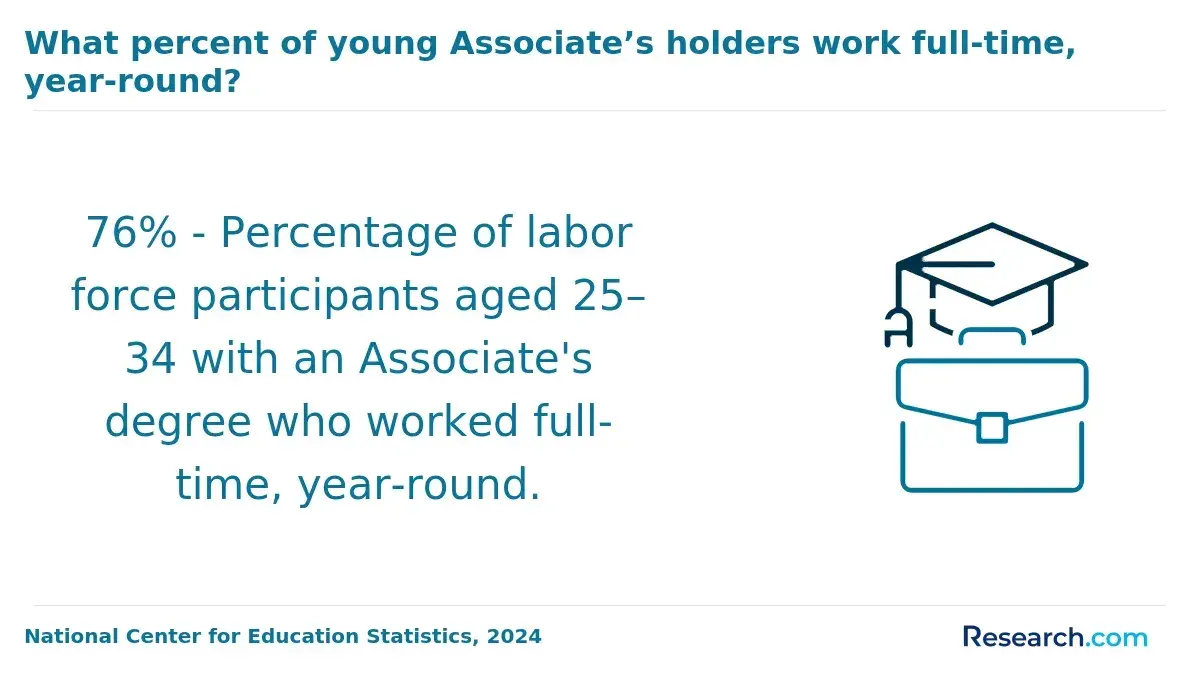
The most popular financial technology degree concentrations today reflect the sector's urgent response to rapid technological disruption and evolving compliance demands. Data analytics leads this surge, fueled by employers' reliance on actionable insights derived from big data to optimize risk management and personalize financial services. A 2024 report from the National Center for Education Statistics highlights a 35% enrollment increase in programs emphasizing data science and analytics, underscoring how practical, quantitative skills have become indispensable across fintech roles.
This shift signals that students prioritizing analytics are positioning themselves for roles where interpreting complex datasets and integrating machine learning models directly influence financial decision-making.
Blockchain technology and cybersecurity concentrations have also experienced significant growth, aligning with both market opportunity and regulatory complexity. Blockchain's transformative effect on payments, decentralized finance, and smart contracts drives academic and employer demand for graduates fluent in cryptocurrency ecosystems and token economics. Meanwhile, the cybersecurity focus responds to a critical workforce shortage in safeguarding sensitive financial data, with the U.S. Bureau of Labor Statistics projecting a 23% growth in information security analysts through 2032-highlighting the persistence of cyber threats as a core industry concern.
Given these dynamics, students must weigh specialization tradeoffs between blockchain's innovative but volatile environment and cybersecurity's steady demand for risk mitigation expertise within financial institutions.
Students evaluating financial technology degree options should consider how these trending specializations correlate with long-term industry needs and adaptability, especially as automation and regulatory requirements evolve. Choices in these concentrations reflect broader employer expectations for interdisciplinary skills, where a combination of technical proficiency and financial acumen is increasingly critical.
Prospective learners may also explore diverse pathways ranging from traditional financial modeling to emerging tech-driven areas, sometimes seeking accelerated online degrees to rapidly align with market urgencies. Understanding the growing popularity of these concentrations reveals not only which fields employers prioritize most but also the practical realities shaping career viability within fintech's competitive landscape.
Which Financial Technology Degree Specializations Are Growing the Fastest?
The fastest growth in financial technology degree concentrations stems from evolving employer demands shaped by digital innovation and increasing regulation. Specializations focusing on data analytics and AI integration in finance show strong expansion due to their role in improving machine learning models for fraud detection, risk assessment, and customer personalization.
Labor statistics from 2024 forecast nearly 20% growth in fintech roles requiring advanced analytics expertise over the next decade, indicating sustained demand rather than a transient trend. However, students considering this path should weigh the technical intensity and ongoing need to update skills against broader foundational finance knowledge to maintain flexibility amid shifting industry tools and priorities.
Blockchain and distributed ledger technology also exhibit significant growth driven by the rise of cryptocurrencies and decentralized finance platforms. Industry data reveal a 35% increase in blockchain-related financial job postings in early 2024, reflecting heightened business adoption coupled with regulatory scrutiny. This concentration demands familiarity with cryptographic protocols and compliance, which may limit versatility in traditional finance roles but offers specialization aligned with emerging regulatory environments and transparency initiatives.
Regulatory technology (RegTech) further responds to complex AML, KYC, and data privacy mandates, with universities reporting rising enrollments for programs bridging legal knowledge and fintech capabilities-highlighting an intersectional skill set increasingly prized by employers navigating tightening regulations.
Why Are Certain Financial Technology Degree Concentrations Experiencing Rapid Growth?
The surge in enrollment for certain financial technology degree concentrations primarily stems from rapidly shifting employer demands driven by advancements in blockchain, cybersecurity, and data science. For instance, the rise of decentralized finance and the integration of digital assets require graduates who can navigate complex cryptographic systems and evolving compliance frameworks, pushing programs to prioritize these skill sets.
According to the U.S. Bureau of Labor Statistics, employment in tech-enabled financial roles is projected to increase by 15% through 2034, outpacing many other sectors. However, such growth often involves tradeoffs, as students must weigh the intense technical rigor and fast-paced regulatory changes against their own adaptability and long-term career goals.
Regulatory tightening across global markets further accelerates demand for expertise in RegTech, merging legal knowledge with technological proficiency to manage anti-money laundering and data privacy requirements. Employers report persistent shortages of qualified candidates in cybersecurity and data analytics within financial services, which amplifies pressure on academic programs to produce workforce-ready graduates in these domains.
Yet, rapid specialization does not guarantee universal fit; students should consider whether a narrowly focused concentration aligns with varied career pathways or if a broader interdisciplinary approach might provide better resilience against shifting industry needs. The challenge lies in balancing deep technical skills with an understanding of financial systems and policy to remain competitive and adaptable over time.
Which Industries Are Driving Demand for Fast-Growing Financial Technology Degree Specializations?
Industry demand, rather than academic trends alone, is the primary force shaping the fastest growing financial technology degree specializations. Sectors such as banking and insurance are actively seeking professionals versed in regulatory technology and cybersecurity to navigate complex compliance environments and mitigate evolving risks. The decentralized finance (DeFi) ecosystem also drives specialization growth by creating a need for blockchain and smart contract expertise, which influences hiring across crypto platforms, asset managers, and fintech startups.
According to the U.S. Bureau of Labor Statistics (2024), fintech-related IT roles are expected to grow 18% over the next decade, underscoring a deeper structural shift toward tech-driven financial services and signaling sustained workforce demand for hybrid finance-technology skill sets.
Payments and digital wallet providers increasingly prioritize skills in AI-driven fraud detection and mobile fintech solutions as consumer behavior trends toward cashless transactions. Meanwhile, investment and lending institutions focus on data analytics and machine learning to improve risk modeling and credit scoring efficacy. Students evaluating fastest growing financial technology degree specializations should consider how such market shifts demand continuous adaptation and technical depth.
For those balancing practical constraints, selecting concentrations aligned with industries experiencing tangible growth-rather than transient buzz-offers a strategic advantage. Exploring programs at accredited online universities can provide access to relevant curricula tailored to these evolving employer expectations.
What Are the Highest-Paying Financial Technology Degree Concentrations?
Specializations in blockchain development, cybersecurity, and data analytics consistently yield the highest earnings within financial technology degree programs, primarily due to acute talent shortages and escalating technical demands. A 2024 analysis by the U.S. Bureau of Labor Statistics and the National Association of Business Economists highlights that expertise in blockchain and distributed ledger technologies can command salaries up to 30% above broader fintech generalist fields.
This premium reflects the market's focus on securing transparent transaction infrastructures and addressing regulatory complexities, alongside the urgent need to counter increasingly sophisticated cyber threats. Choosing a concentration in these areas requires readiness for rapid knowledge updates and adapting to shifting risk landscapes, as well as strategic positioning for leadership roles emerging from niche specialization.
Meanwhile, fintech data analytics and machine learning tracks attract elevated compensation by driving decision-making through actionable insights and enhancing operational efficiency. Graduates in these domains are valued for enabling smarter risk management and targeted customer engagement, factors critical to financial institutions navigating digital transformation.
However, students must consider that these fields demand a solid statistical and coding foundation and may face fluctuating demand contingent on evolving industry priorities. Balancing technical depth with managerial skills often influences long-term career stability more than initial salary boosts, especially given regulatory shifts impacting fintech sectors.
How Are Technology and Innovation Influencing Financial Technology Degree Specialization Trends?
The rapid integration of artificial intelligence, automation, and data analytics is decisively reshaping financial technology degree program innovation by driving curricula to prioritize these competencies. Employer demand now heavily favors graduates with applied skills in AI-driven financial modeling and machine learning, as these capabilities underpin advanced risk assessment and fraud detection.
Universities are responding by embedding real-world tools such as cloud computing, blockchain, and cybersecurity into specialization tracks, creating a deeper alignment between academic outcomes and workplace expectations. This evolution requires students to judiciously assess their specialization choice not only for immediate relevance but also for adaptability, as rapid technology turnover can quickly render narrow skills obsolete.
Specializations concentrating on big data and AI integration are among the fastest-growing areas within financial technology degrees because they enable financial organizations to harness predictive analytics for personalized customer experiences and regulatory compliance. From the perspective of working professionals and career changers, these trends underscore the necessity of interdisciplinary fluency that combines technical expertise with financial market knowledge.
Programs adopting project-based learning and industry partnerships better prepare students for the practical challenges they will face. Prospective students evaluating online pathways should also consider offerings like MFT online, which balances accelerated completion with core technical skills, helping manage academic and professional responsibilities during study.
Ultimately, the impact of emerging technologies on financial technology specializations calls for a strategic approach to degree planning-one that weighs immediate employability against long-term skill sustainability. Areas such as decentralized finance and RegTech are gaining traction but demand continuous upskilling and awareness of ethical concerns around data use.
Students must navigate these complexities to select concentrations that optimize both their ability to graduate on time and remain competitive within an evolving fintech landscape.
What Career Opportunities Are Available in Fast-Growing Financial Technology Degree Concentrations?
Demand for fintech specializations is increasingly shaped by how regulatory frameworks and technological innovation intersect in financial services. For example, the 35% projected growth rate for information security analysts through 2033 reported by the U.S. Bureau of Labor Statistics signals strong employer emphasis on cybersecurity skills that ensure compliance and protect against evolving threats. Graduates focused on cybersecurity gain critical expertise valued across banking, insurance, and regulatory sectors, offering a foundation for resilience amid shifting compliance landscapes.
Conversely, concentrations in blockchain and decentralized finance introduce faster-paced but less predictable career paths, requiring graduates to navigate not only rapid technology adoption but also unsettled legal standards, which can limit short-term job stability despite growth opportunities.
Emerging AI and machine learning applications further complicate specialization choices by blending finance, computing, and statistical modeling to meet rising industry demands for automation in areas like risk assessment and fraud detection. A 2024 labor analytics report highlights a nearly 40% increase in fintech roles requiring AI-driven financial modeling, illustrating how interdisciplinary capabilities enhance employability and open avenues toward innovative leadership positions.
Data analytics, by contrast, offers broad applicability by enabling strategic insight into large financial datasets, sustaining demand across diverse fintech operations without tying graduates to volatile subfields. Therefore, the selection of a fintech concentration decisively influences professional identity, skill diversification, and adaptability, making it imperative that students evaluate not only current market signals but also the degree to which a specialization supports long-term career versatility within the evolving fintech ecosystem.
Which Online Financial Technology Degree Concentrations Are Seeing the Most Growth?
Growth in online financial technology degree concentrations is largely driven by the interplay of rapid technological advancements and shifting regulatory landscapes. Specializations in data analytics and blockchain, for example, have seen enrollment increases exceeding 25% from 2022 to 2024, reflecting employers' intensified demand for skills in AI-driven financial data interpretation and distributed ledger applications.
This growth signals more than just popularity; it indicates a strategic alignment with industry needs such as fraud detection, risk assessment, and compliance, which are increasingly reliant on these technical competencies. However, students should weigh such trends against the evolving nature of these fields-blockchain regulations remain fluid, and mastery of underlying technologies can require constant updating.
Similarly, concentrations in cybersecurity within financial technology represent a robust growth area fueled by escalating digital threats and stringent compliance standards. These programs respond to employer priorities around protecting sensitive financial data and transactional platforms, making expertise in cybersecurity an essential, marketable asset. Nonetheless, specialization here demands a commitment to staying abreast of emerging vulnerabilities and defense mechanisms, which often requires continuous professional development beyond formal education.
Emerging niches like sustainable finance technology and regulatory technology (RegTech) show promise but currently lack widespread academic infrastructure, posing a tradeoff between pioneering in a less saturated field and navigating less established curricula and job markets.
According to the National Center for Education Statistics, these distinctions in growth emphasize that practical employability and long-term career stability depend on both market demand and an individual's capacity for ongoing learning within complex, dynamic fintech sectors.
What Is the Future Outlook for Emerging Financial Technology Degree Specializations?
The trajectory for emerging financial technology degree specializations is strongly influenced by rapid adoption of AI, blockchain, and cybersecurity solutions within the finance sector. According to the U.S. Bureau of Labor Statistics (2024), roles in financial analysis and fintech data science are expected to grow over 15% in the next decade, signaling robust career growth projections in financial technology specializations.
This growth reflects employers' prioritization of skill sets that address fraud prevention, regulatory compliance, and risk management through technologies such as machine learning and distributed ledger systems. Students opting for blockchain or cybersecurity tracks must weigh the challenge of staying current with fast-evolving tools against the advantage of entering fields with expanding organizational budgets and critical security demands.
Compliance regulations and shifting economic conditions further catalyze specialization demand, especially as global digital payment adoption and decentralized finance expand. Graduates possessing strong interdisciplinary skills-combining analytics, programming, and domain expertise-are positioned to meet employer expectations in this complex environment.
However, prospective candidates should critically assess transient industry trends versus enduring capabilities; specialization choices driven solely by short-term spikes may lead to skill obsolescence. Enrollment increases in these areas indicate heightened interest, but students aiming for sustained employability should consult detailed labor data and consider practical career outcomes outlined in masters degrees that are worth it to align their educational pathways accordingly.
How Can You Choose the Right Financial Technology Degree Concentration Based on Your Career Goals?
Choosing a financial technology degree concentration without aligning it to specific career goals can limit adaptability in an industry marked by rapid innovation and divergent skill demands. For example, specializations in blockchain and digital currencies, projected by the U.S. Bureau of Labor Statistics to grow over 20% through 2030, cater to roles focusing on decentralized finance and fintech innovation but may require continuous technical retraining.
Conversely, a data analytics or cybersecurity focus typically leads to more stable roles driven by regulatory needs and enterprise risk management, offering steadier employment but potentially narrower innovation exposure. Deciding between these paths depends heavily on whether a student prioritizes exposure to emerging fintech ecosystems or sustained demand within foundational financial services.
The decision also affects long-term career flexibility and professional development. Many employers increasingly seek candidates who combine technical fintech expertise with strong business acumen, a skill set emphasized in many MS in data analytics programs and similar degrees. Students should evaluate how their chosen specialization positions them for roles that match their interests-be it client engagement, technical development, or compliance-and factor in program emphases on hands-on experience and certifications.
Ultimately, selecting a financial technology concentration demands balancing workforce trends against personal career trajectories to avoid becoming overspecialized in a narrow niche or underprepared for evolving industry needs.
References:
- What is a Finance and Technology Degree | University of Phoenix https://www.phoenix.edu/articles/finance/what-is-a-finance-and-technology-degree.html
- Program Spotlight: FinTech, Everything You Ever Wanted to Know https://www.encoura.org/resources/wake-up-call/program-spotlight-fintech-everything-you-ever-wanted-to-know/
- Fintech Career Paths: Analytics, Business, AI, and More https://www.bryant.edu/graduate/blog/fintech-career-paths-analytics-business-ai-and-more
- How to choose the right study pathway into financial planning - Advice Academy https://adviceacademy.au/how-to-choose-the-right-study-pathway-into-financial-planning/
- Finance with FinTech: Most In-Demand PGDM Specialization | Muthoot Business School https://www.mbsglobal.ac.in/blog-detail/why-finance-with-fintech-is-the-most-in-demand-pgdm-specialization
- Why do fintechs look for postgraduates who can cover specialties? - AEEN https://www.aeen.org/why-do-fintechs-look-for-postgraduates-who-can-cover-specialties/
- Fintech is growing fast. Here are 3 reasons why that's a good thing https://www.weforum.org/stories/2024/02/fintech-growth-customer-demand/
- Top Financial Technology Trends Are Transforming Fintech Innovation https://kms-technology.com/blog/four-key-technology-areas-of-fintech/
- 10 Key Fintech Trends Youâll Want To Know https://corporate.visa.com/en/products/visa-direct/blog/10-key-fintech-trends-youll-want-to-know.html
- Exploring FinTech Careers: Opportunities for CFA Students Interested in Tech https://www.ijert.org/exploring-fintech-careers-opportunities-for-cfa-students-interested-in-tech
Other Things You Should Know About Financial Technology
Choosing a highly specialized concentration can align you with niche industry roles, such as blockchain engineering or digital payment systems, which are growing rapidly but may limit flexibility. Conversely, a broader fintech curriculum often covers diverse yet interconnected areas, enhancing adaptability to evolving markets but potentially diluting deep expertise sought by certain employers. For those early in their career or pivoting from other fields, prioritizing a specialization with clear employer demand and established career pathways usually offers stronger outcomes than spreading focus too thin.
Decentralized finance (DeFi) is increasingly being integrated into financial technology degree programs in 2027 as institutions respond to industry demand. As blockchain technologies evolve, programs emphasize DeFi to prepare students for roles in this rapidly expanding field, indicating strong career prospects.
Programs heavily weighted toward theoretical frameworks often lag in preparing students for rapid changes typical in fintech, where hands-on coding, applied analytics, and experiential projects drive employer interest. Concentrations integrating real-world case studies, internships, and collaborations with fintech firms tend to foster better job readiness. Students should carefully evaluate how current curricula balance conceptual depth with updated practical tools to avoid skills obsolescence upon graduation.
Specializing in regulatory compliance offers stable career opportunities as financial services remain highly scrutinized, but these roles may lean toward process and policy management rather than inventing new products. Focusing on technology innovation like AI-powered credit scoring or payment systems can unlock more dynamic and higher-growth positions but comes with greater competition and less predictability. For career longevity, a hybrid approach or selecting a specialization that integrates compliance with tech innovation signals versatility highly valued by employers balancing risk and growth.