2027 Financial Technology Degree Enrollment Trends by Age Group: Traditional Students vs Adult Learners

Co-Founder and Chief Data Scientist
The rapid integration of blockchain, AI, and regulatory technology within financial services drives distinct enrollment patterns in financial technology degree programs. Traditional students often align with academic pipelines focused on foundational coding and data analytics, while adult learners typically engage through flexible, career-transition models addressing skill gaps amid 32% projected job growth in FinTech roles through 2030.
Licensing prerequisites and employer preference for practical experience shape these divergences, privileging adult learners who balance upskilling with current industry demands. The age distribution reflects shifting educational accessibility and workforce stratification, signaling an evolving profession responsive to both emerging technologies and pragmatic credentials.
Key Things to Know About Financial Technology Degree Enrollment Trends by Age Group
- Traditional college-age enrollees prioritize foundational technical skills, which aligns with employer demand for early-career adaptability but often limits immediate specialization in fintech niches.
- Adult learners face higher opportunity costs, with 2024 data showing longer part-time enrollment rates, reflecting tradeoffs between income loss and reskilling urgency.
- Employers increasingly value demonstrated project experience over credential age, shifting recruitment toward candidates regardless of enrollment timing-but favor those who can quickly apply fintech innovations.
- Key Things to Know About Financial Technology Degree Enrollment Trends by Age Group Key Things to Know About Financial Technology Degree Enrollment Trends by Age Group
- Which Age Groups Represent the Largest Share of Financial Technology Students? Students by Age Group
- Why Do Traditional Students Choose Financial Technology Degree Programs? Traditional Students
- Why Do Adult Learners Return to School for a Financial Technology Degree? Adult Learners
- How Do Academic Goals Vary Between Younger and Older Financial Technology Students? Academic Goals by Age Group
- How Do Financial Concerns Differ Between Traditional Students and Adult Learners? Financial Concerns by Age Group
- What Challenges Do Adult Learners and Traditional Students Face While Earning a Financial Technology Degree? Student Challenges by Age Group
- How Does Age Affect Financial Technology Degree Student Retention? Age and Student Retention
- Which Financial Technology Specializations Are Most Popular Among Adult Learners? Top Specializations for Adult Learners
- How Does Age Affect Job Opportunities for Financial Technology Graduates? Impact of Age in Job Opportunities
- What Do Current Financial Technology Enrollment Trends Reveal About Future Demand? What Do Current Financial Technology Enrollment Trends Reveal About Future Demand?
Which Age Groups Represent the Largest Share of Financial Technology Students?
Financial technology programs typically draw students at various life stages, but enrollment predominantly clusters within certain age ranges. This concentration results from differences in career onset, financial conditions, and educational pathways rather than purely academic preferences.
The resulting age distribution therefore mirrors the intersection of labor market demands, access to education, and the timing of professional development within the fintech sector.
- Ages 18-24: Representing the largest share of financial technology degree enrollment by age group, this cohort mainly comprises recent high school graduates pursuing traditional higher education. Their participation aligns with broader postsecondary enrollment patterns where early career exposure and foundational training are prioritized. However, younger students often face the challenge of absorbing evolving fintech content while balancing general education requirements.
- Ages 25-34: This segment includes many entering the field through career switching or upskilling. Though smaller than the traditional college-age group, their enrollment reflects pragmatic motivations tied to immediate workforce applicability and return on educational investment. Flexible program delivery is crucial here to accommodate ongoing employment, making this group pivotal in shaping fintech education accessibility.
- Ages 35 and older: Adult learners in this bracket contribute to a growing but still modest part of financial technology programs. Their decisions frequently stem from strategic career pivots or specialized skill enhancement, often leveraging existing industry experience. Their participation underscores a shift toward lifelong education models demanding succinct, applied curricula over broad foundational courses.
These enrollment trends reflect labor market realities where employers seek a blend of technical skills and domain knowledge found across age groups. While younger students benefit from longer development time and internship potential, older learners bring substantive work experience that can offset gaps in formal training. Understanding these patterns helps clarify why the largest age demographics in financial technology programs mirror broader educational and workforce pathways rather than simply age-related preferences.
Prospective students weighing these factors should consider how timing, financial readiness, and program structure align with their career goals and life circumstances. For those navigating their options, resources analyzing the easiest online college routes can offer insight into accessible pathways and scheduling flexibility that often influence enrollment decisions within financial technology education.
Why Do Traditional Students Choose Financial Technology Degree Programs?
Traditional students often select financial technology degree programs driven by a blend of academic curiosity and strategic early career planning. These programs signal a competitive edge by merging technical skills with financial knowledge, making them appealing to those aiming to differentiate their credentials in a crowded job market.
Motivations for traditional students enrolling in financial technology degrees frequently include the desire to engage with emerging technologies such as blockchain and data analytics while securing a credible academic pathway that supports early professional exploration. According to a 2024 report by the National Center for Education Statistics, roughly 65% of students in fintech-related programs cite employability and future job security as key motivations, highlighting how program outcomes directly inform enrollment choices.
Deeper enrollment dynamics reveal how university recruitment pipelines and secondary education exposure shape these decisions. Guidance counselors and early contact with fintech subjects through high school or introductory college courses inform students' perceptions of the field's stability and relevance. Peer networks and institutional emphasis on career services further reinforce this trend, presenting financial technology degrees as practical pathways aligned with current labor market demands.
This layered educational system influences not only students' motivations but also their early engagement with internships and co-op opportunities, factors that amplify the benefits of financial technology degrees for college-age learners. Students increasingly recognize that these structured early-career pathways can offer targeted skill development and clear career trajectories within a sector undergoing rapid technological transformation.
Traditional students also weigh the accessibility of programs, many seeking samples of what is the easiest associate degree to get as a way to enter the field efficiently, while balancing degree rigor with practical outcomes.
Why Do Adult Learners Return to School for a Financial Technology Degree?
Adult learners returning to school for a Financial Technology degree typically do so to navigate evolving career trajectories that demand updated skill sets in a rapidly digitizing finance sector. Many seek tangible wage growth or the ability to pivot into tech-driven roles from traditional finance or IT backgrounds, where fintech expertise increasingly dictates employability and career mobility.
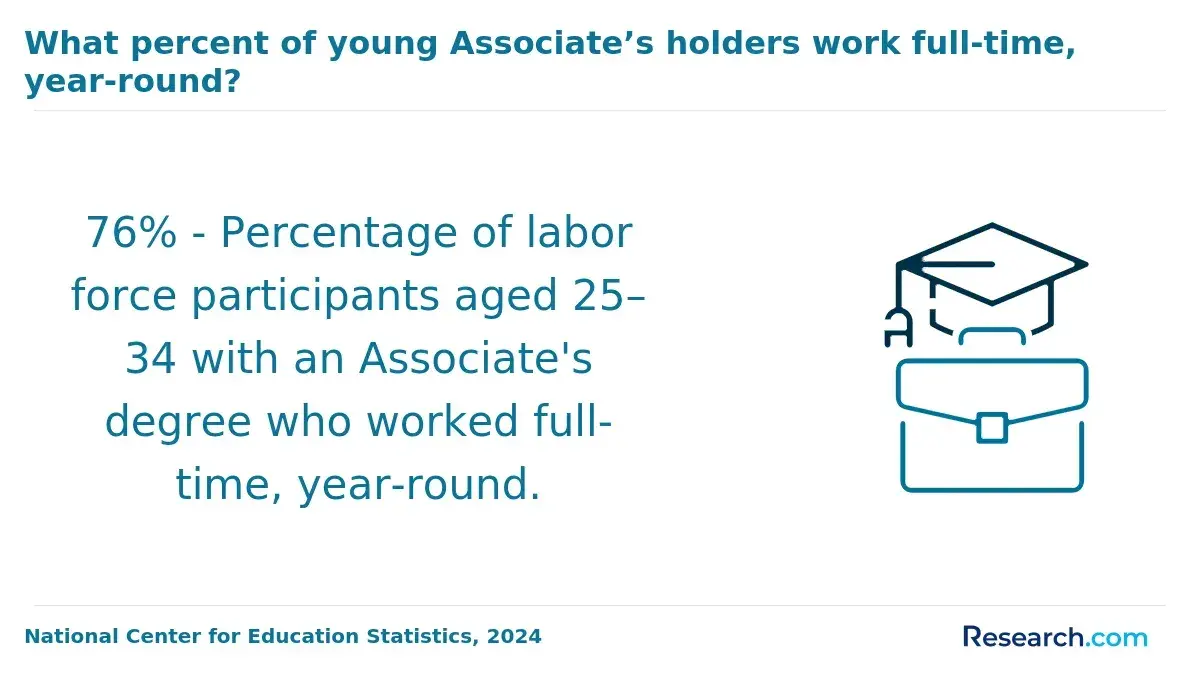
According to the National Center for Education Statistics (2024), approximately 60% of adult learners in business or technology fields prioritize career advancement as their key reason for enrollment, underscoring a pragmatic focus on professional outcomes tied to labor market transitions rather than general personal enrichment.
Beyond immediate career incentives, factors such as growing employer tuition reimbursement programs and the proliferation of online and hybrid Financial Technology programs significantly influence adult enrollment decisions. The accelerated pace of technological innovation in payments, blockchain, and cybersecurity compels professionals to engage in lifelong learning to maintain relevance amid credential inflation and shifting employer expectations.
The need to balance ongoing work and family commitments with education leads many adults to prefer flexible program formats that blend applied coursework with industry-standard tools, reflecting the sector's practical and dynamic employment demands.
The influx of adult learners in Financial Technology reshapes program structures and pedagogical approaches, driving growth in digitally accessible curricula and fostering heterogeneous classroom environments where peer learning spans diverse life and professional experiences. This demographic shift not only affects instructional design but also aligns with broader workforce reskilling initiatives as financial services undergo continuous digital transformation.
Consequently, adult participation informs both the accessibility and real-world orientation of Financial Technology education, reinforcing its role as a strategic response to labor market volatility and skill obsolescence in the sector.
How Do Academic Goals Vary Between Younger and Older Financial Technology Students?
Younger financial technology students typically approach their studies with a mindset centered on exploration and foundational skill development, aiming to establish a versatile base for entry-level roles or further graduate education. These students often prioritize comprehensive technical knowledge and theoretical frameworks that prepare them broadly for the evolving fintech landscape, recognizing that early-career flexibility can be key to long-term employability.
Their academic goals usually emphasize completing multi-year degree programs to secure credentials that align with typical hiring standards for junior positions. According to a 2024 report from the National Center for Education Statistics, around 45% of traditional students pursue fintech degrees with broad career entry in mind, reflecting this foundational academic focus.
In contrast, older financial technology students generally engage with programs as a strategic response to specific professional demands such as transitioning roles, mastering niche competencies, or attaining credentials that directly enhance workplace standing. Their priorities tend to focus on targeted skill acquisition and credentialing that can yield immediate job security or upward mobility, favoring shorter, flexible courses or part-time study options that accommodate existing financial and personal responsibilities.
This group is also more inclined toward graduate certificates or master's degrees in specialized fintech areas to keep pace with industry shifts rather than foundational theory. Data from the same 2024 NCES report indicates roughly 62% of adult learners pursue degrees to solidify their positions or pivot careers, underscoring a pragmatic, outcome-driven academic approach.
An adult learner who reentered education to pursue a financial technology degree recounted navigating the rolling admissions process with considerable hesitation. Balancing full-time work and family commitments meant the pressure to apply early was daunting, especially without a clear timeline from the institution. After several weeks of uncertainty, the learner opted to complete prerequisite courses independently to strengthen their application, delaying submission but ultimately feeling more confident.
This strategic waiting period reflected a nuanced recognition of both personal readiness and competitive admissions timing rather than a simple rush to enroll, illustrating the complex decision-making older students face in aligning their educational goals with life constraints.
How Do Financial Concerns Differ Between Traditional Students and Adult Learners?
Traditional students pursuing financial technology degrees typically depend heavily on family support, federal student aid, or loans to finance their education. Their financial decision-making often centers on managing tuition costs with deferred repayment plans and anticipating post-graduation employment to handle debt burdens. According to the National Center for Education Statistics, about 68% of traditional undergraduates utilize federal student aid, a reflection of this dependence.
These students generally have limited personal income, so their enrollment and persistence hinge on balancing tuition affordability with long-term debt tolerance and financing models geared toward early-career investment.
Adult learners experience a distinct set of financial pressures that shape their education funding behavior differently. Many juggle full-time work, family obligations, and immediate expenses such as mortgages and childcare, which elevate the opportunity cost of returning to school. Lost wages from reduced work hours or choosing part-time study can surpass direct tuition expenses, complicating financing decisions. Employer tuition assistance programs can offset some costs, but more than half of adult financial technology students cite pressing financial responsibilities as key barriers to enrollment, highlighting the complex tradeoffs in opportunity cost and cash flow these learners face.
These financial contrasts influence enrollment patterns and program choices, including a preference for flexible, online modalities that accommodate ongoing work commitments, as a growing share of adult learners select part-time or remote options. Such flexibility reduces income disruption and optimizes the timing of credential attainment relative to workforce demands.
Prospective students considering financial technology degrees must weigh these funding dynamics, including the nuanced financial aid challenges faced by adult learners in financial technology programs, alongside long-term return on investment and career trajectory. For those comparing program accessibility, exploring online schools for real estate can offer insights into flexible, cost-effective educational models applicable across fields.
What Challenges Do Adult Learners and Traditional Students Face While Earning a Financial Technology Degree?
Traditional students pursuing a Financial Technology degree often struggle with the transition into rigorous academic environments, where mastering new, quantitative skills demands disciplined study habits and effective time management. These students, typically aged 18 to 24, must juggle coursework alongside extracurriculars and internships essential for entering highly competitive fintech job markets.
A 2024 report from the National Center for Education Statistics highlights that 42% of traditional students find balancing these combined demands challenging, revealing how navigating structured learning while building foundational expertise shapes their academic trajectory.
In contrast, adult learners face a distinct set of obstacles rooted in their external commitments and re-engagement with formal education, frequently years after prior study. Over 60% of adult students in tech-related programs manage full-time employment alongside coursework, according to a 2024 Pew Research Center study, intensifying stress and constraining available study time.
Family responsibilities, financial pressures related to lost income or partial employer support, and potential gaps in current technical skills further complicate their educational progress, often limiting networking and mentorship opportunities compared to younger peers.
These divergent challenges underscore the need for institutions to adapt support mechanisms by offering flexible course schedules, targeted advising, and modular content delivery to accommodate varying life circumstances. Programs investing in responsive services not only mitigate dropout risks but also acknowledge how different stages in learners' lives influence persistence and skill acquisition.
Understanding these nuanced pressures is critical for tailoring Financial Technology education pathways that realistically align with students' evolving needs and employment realities.
How Does Age Affect Financial Technology Degree Student Retention?
Younger financial technology students often confront retention barriers tied to their adjustment to college-level demands and fluctuating motivation. The transitional nature of early adulthood, including exploring academic interests and managing social pressures, frequently distracts from sustained program engagement. These students may also lack clarity in career objectives, leading to pace disruptions or mid-program changes.
Data from the National Center for Education Statistics in 2024 indicates retention rates for students under 25 in fintech-related majors fall significantly below those of older peers, reflecting these early attrition triggers.
Older financial technology students generally exhibit stronger persistence driven by concrete career motivations and practical experience, yet they face distinct challenges balancing academic responsibilities with ongoing work and family obligations. Their time constraints necessitate flexible program structures and institutional supports to maintain momentum.
While this cohort demonstrates higher completion rates-approximately 15% more than traditional students per recent NCES findings-they must navigate accessibility hurdles and digital fluency demands that institutions rarely fully address. Consequently, retention strategies tailored to adult learners' complex life circumstances critically influence their academic success.
One fintech degree graduate recalled hesitation during the rolling admissions period: uncertain whether to apply immediately due to job demands and financial uncertainty, they delayed submission until securing clearer funding and schedule flexibility. This gap caused anxiety about losing a spot but ultimately allowed for more deliberate preparation, leading to a smoother start.
Their experience highlights how timing and readiness critically intersect with adult learner retention, underscoring the need for admissions policies and advising that accommodate diverse life rhythms rather than rigid deadlines.
Which Financial Technology Specializations Are Most Popular Among Adult Learners?
Adult learners pursuing financial technology degrees generally select specializations that provide clear paths to immediate job relevance and measurable career mobility. Their choices often reflect a practical balancing of current professional skills with transitions into roles offering better salary prospects or leadership opportunities. This pragmatic orientation explains why certain fields attract a disproportionate share of adult students, contrasted with the broader or more theoretical focuses typical of traditional college-age peers.
Trends observed in fintech degree specialization patterns among mature students underscore how work experience and upskilling needs drive enrollment.
- Data Analytics: Around 42% of adult learners focus on data analytics due to its direct applicability in fraud detection, customer behavior analysis, and operational efficiency. This specialization leverages existing business or technical skills to facilitate advancement in digitally transforming financial firms.
- Blockchain Technologies: Selected by roughly 27% of mature students, blockchain appeals for its emerging role in payments, asset management, and regulatory compliance, tapping into rapidly expanding sectors where many professionals aim to pivot or deepen expertise.
- Risk Management: Favoring roles tied to compliance, credit risk, and cybersecurity, risk management attracts adult learners seeking immediate alignment with employer demand and practical experience translation into advancement.
- Regulatory Technology (RegTech): Increasingly popular among learners with backgrounds in finance or law, this specialization supports those targeting evolving compliance landscapes and automation-driven oversight functions.
- Financial Systems Integration: This track suits professionals aiming to bridge IT and finance units, enhancing skill sets in software implementation and digital infrastructure critical for broader organizational impact.
These specialization choices demonstrate how adult learners prioritize fintech degree specialization trends among mature students that emphasize workforce reskilling and domain-specific expertise, rather than broad academic exposure. This pattern parallels findings in other disciplines where practical upskilling governs enrollment decisions, contrasting with younger students' inclination toward foundational or exploratory fields.
Aligning with the National Center for Education Statistics data, this strategic preference highlights the demand among working professionals to qualify for roles with tangible salary advancement and better job security. For those considering the broader context of career transition, comparing choices within financial technology with insights from other applied degrees, such as an environmental science degree, reveals similar dynamics of adult learner specialization driven by professional relevance and labor market alignment.
How Does Age Affect Job Opportunities for Financial Technology Graduates?
For younger financial technology graduates, job opportunities often align with entry-level roles, facilitated by internship pipelines and their recent exposure to current fintech tools. Employers tend to prioritize these candidates for positions requiring adaptability to evolving technologies and workplace cultures, making them more competitive in early-career hiring. Data from the U.S. Bureau of Labor Statistics in 2024 shows that graduates under 25 have about a 12% higher employment rate within six months of graduation compared to those over 30.
This dynamic frequently shapes traditional enrollment patterns and affects how younger students navigate the financial technology graduate job market trends by age.
Conversely, older graduates pursuing financial technology credentials typically bring prior work experience and transferable soft skills, which can make them attractive for mid-level roles or cross-functional responsibilities. However, age-related biases still exist, potentially limiting access to entry-level technical positions often reserved for younger or less costly candidates.
The impact of age on financial technology career opportunities thus reflects a tradeoff between leveraging strategic industry knowledge and overcoming employer stereotypes. Prospective students weighing educational pathways might also consider how this balance intersects with practical program accessibility and employability, including examining alternatives such as the cheapest online spanish degree as a comparative analysis in affordability and duration.
What Do Current Financial Technology Enrollment Trends Reveal About Future Demand?
Rising enrollment trends in Financial Technology degree programs reflect growing recognition of this field's career relevance among both traditional college-age students and adult learners. The 2024 National Center for Education Statistics report highlights an 18% increase in enrollment among learners aged 25 and older between 2022 and 2024, significantly outpacing the 7% growth in younger demographics.
This shift indicates adult learners are increasingly prioritizing reskilling and upskilling to remain competitive amid rapid fintech innovation. Meanwhile, traditional students are attracted by programs incorporating emerging topics like blockchain and AI, signaling a broadened academic interest that transcends basic finance principles.
These enrollment dynamics mirror broader labor market signals such as intensified demand for fintech specialists and evolving employer expectations for practical, technology-savvy talent. The growth in adult learner participation corresponds to employers' need for experienced professionals versed in new financial technologies and digital payment systems, fueling specialized program development.
Additionally, the expansion of flexible delivery formats-including online and hybrid programs-addresses workforce shortages by enabling accessibility for working adults, suggesting ongoing program innovation will be essential to align education with industry growth and the increasing complexity of financial services careers.
References
- Financial Constraints & Collegiate Student Learning: A Behavioral Economics Perspective https://www.amacad.org/publication/daedalus/financial-constraints-collegiate-student-learning-behavioral-economics-perspective
- Working in FinTech – a career path with a real impact https://www.fsdc.org.hk/en/media/working-in-fintech-a-career-path-with-a-real-impact
- FinTech Market Overview with Size, Share, Value | Growth [2034] https://www.fortunebusinessinsights.com/fintech-market-108641
- SUERF https://www.suerf.org/publications/suerf-policy-notes-and-briefs/population-ageing-and-the-digital-divide/
- The End of the Traditional Student Era: Higher Ed’s New Enrollment Reality - Collegis Education https://collegiseducation.com/insights/end-of-traditional-student-era/
- Fintech industry trends 2024: Impact on financial services - Speednet https://speednetsoftware.com/fintech-industry-trends-2024-impact-on-financial-services/
- U.S.: trust in the fintech sector by age group| Statista https://www.statista.com/statistics/1312809/trust-in-fintech-sector-united-states/
- Top 5 Reasons Why Adults Go Back to School https://www.georgefox.edu/adult-degree/articles/back-to-school-reasons.html
- What is a Finance and Technology Degree | University of Phoenix https://www.phoenix.edu/articles/finance/what-is-a-finance-and-technology-degree.html
- Fintech and Digital Transformation in Finance (Major on the Bachelor in Finance and Accounting program) https://www.kozminski.edu.pl/en/fintech-and-digital-transformation-finance-major-bachelor-finance-and-accounting-program
Other Things You Should Know About Financial Technology
Adult learners typically prioritize programs that allow self-paced study or part-time enrollment due to work and family commitments, while traditional students often follow fixed schedules tied to academic calendars. This difference affects the depth and timing of skill acquisition; adult learners may face extended completion times but benefit from balancing education with practical experience. Programs lacking flexible formats may deter adult learners despite their motivation, whereas traditional students might find rigid structures more manageable but less tailored to individual learning styles or career goals.
Yes. Employers often value recent, up-to-date technical skills from younger, traditional graduates but may view adult learners' broader work experience as a valuable asset that complements their fintech education. Adult learners should emphasize how their combined experience and new knowledge address real-world problems, while traditional students might need to focus on internships or projects to demonstrate practical application. Choosing a program with strong industry connections or cooperative education can better align with these differing expectations.
Adult learners must carefully assess whether to prioritize technical depth or interdisciplinary skills. Programs with intensive coding, data analysis, and system design demand significant time investment and can be less flexible but lead to specialized roles with higher technical responsibilities. Conversely, fintech programs emphasizing business strategy alongside technology may require less technical rigor, offering broader managerial or consulting pathways. The choice hinges on previous experience, career goals, and time availability, with a recommendation to focus on technical proficiencies if aiming for core developer roles and integrated programs for leadership track transitions.