2027 Financial Technology Degree Program Availability Report: Which States and Schools Offer the Most Options

Co-Founder and Chief Data Scientist
Patterns in financial technology program availability reveal how educational institutions respond to the dynamic demands of this evolving field. States with concentrated fintech degree offerings often reflect regional investments in tech-driven finance sectors, which align with labor market absorptions and skills specialization. According to the U. S. Bureau of Labor Statistics, employment for financial analysts and related fintech-adjacent roles is projected to grow steadily through 2032, influencing program development strategies. This growth propels institutions to prioritize curricula that balance technical proficiency with regulatory understanding, a dual emphasis shaping curricular breadth.
This article examines which states and schools offer diverse fintech degree options, highlighting implications for access, institutional focus, and workforce readiness.
Key Benefits of States and Schools That Offer the Most Financial Technology Degree Program Options
- States and schools with more program options often require navigating varied curricula, creating a tradeoff between specialization depth and broader fintech exposure, impacting how students tailor their expertise to niche employer needs.
- A 2024 study found 67% of fintech employers prefer graduates with diverse course selections, highlighting how program variety signals adaptability-critical in a rapidly evolving financial ecosystem.
- Greater program diversity frequently correlates with more affordable pathways due to increased transfer and articulation agreements, though this can extend time to degree completion, influencing candidates balancing cost, timing, and career launch.
- Key Benefits of States and Schools That Offer the Most Financial Technology Degree Program Options Key Benefits
- Which States Offer the Most Financial Technology Degree Programs? Top States
- Why Do Some States Have More Financial Technology Programs Than Others? Program Availability
- Which Colleges Offer the Largest Number of Financial Technology Degree Options? Top Schools
- How Do Online Programs Improve Access in States With Limited Options? Online Program Access
- How Much Does Financial Technology Program Tuition Vary by State? Program Cost
- How Does Financial Technology Program Demand Affect Admissions Decisions? Program Demand
- How Do Financial Technology Specialization Options Vary by Region? Specialization Options
- How Does Regional Employer Demand Affect Career Outcomes? Employer Demand
- What Factors Matter Most When Comparing Financial Technology Programs Across States? Key Comparison Factors
- Which Regions May See the Fastest Growth in Financial Technology Education? Fastest Growing Region
Which States Offer the Most Financial Technology Degree Programs?
The distribution of financial technology degree programs across the United States reflects a strong correlation with regional economic hubs, established academic institutions, and evolving labor market needs. States hosting large metropolitan areas with dense financial, technological, and educational infrastructures tend to provide the broadest range of program options. These environments foster collaboration between universities and fintech industries, creating an ecosystem that supports specialized curricula and experiential learning aligned with employer expectations.
- California: Leveraging its proximity to Silicon Valley and a diverse higher education system, California offers abundant financial technology programs integrated within business, computer science, and engineering schools. The state's emphasis on practical fintech skills such as blockchain and regulatory technology benefits students by enhancing workforce readiness in a highly competitive tech market.
- New York: As a global financial powerhouse, New York blends traditional finance education with cutting-edge tech innovation in its academic offerings. Programs here often incorporate financial data analytics and cybersecurity, directly responding to demand from Manhattan's dense cluster of financial institutions and fintech startups, providing graduates fast access to influential employers.
- Texas: With robust economic centers like Austin and Dallas, Texas's fintech education landscape expands rapidly, focusing on entrepreneurial ventures and regulatory frameworks. Institutions offer a variety of degrees and certificate programs targeted at the state's growing tech-driven financial sectors, offering flexibility for students aiming at multiple fintech career trajectories.
Other states such as Massachusetts and Illinois exhibit increasing but more specialized financial technology program availability, reflecting regional industry priorities like quantitative finance and payment technologies. This focused growth contrasts with the broader program arrays typical of the leaders and underscores tradeoffs prospective students face between program diversity and niche expertise.
Considering these patterns, students seeking locations with the most financial technology degree programs should also weigh the implications of local employment competition, cost of living, and the depth of employer engagement available through regional educational ecosystems. Understanding these dynamics aligns with evaluations found in best college majors for the future studies guiding informed program selection.
Why Do Some States Have More Financial Technology Programs Than Others?
Variations in the availability of financial technology degree programs by state largely reflect differences in higher education infrastructure and the regional demand for graduates equipped with fintech skills. States with well-developed university systems and greater investment in program expansion tend to offer more specialized options, responding to localized workforce needs. Population density and metropolitan growth also affect student interest and institutional capacity, driving program development where there is sufficient enrollment to sustain them. Consequently, the geographic spread of fintech programs is not random but intricately connected to how states prioritize and support relevant academic offerings.
Key drivers behind these differences include state funding priorities, the research capacity of local universities, and the presence of fintech and financial services industry clusters. According to recent data from the National Center for Education Statistics, states with higher per capita public university spending report up to 30% more degree options in fields like financial technology, illustrating how funding models directly impact program breadth. Institutional ability to attract specialized faculty and build interdisciplinary curricula depends on stable financial backing combined with employer demand for graduates with coding, data analytics, and compliance expertise. Industry clustering fosters partnerships that encourage universities to develop programs tailored to employer needs, further concentrating program availability in states with robust economic ecosystems. This systemic concentration of educational resources and labor market signals shapes where students can access comprehensive financial technology education.
These disparities influence not only student access to fintech programs but also regional workforce development trajectories. Limited availability in some states may drive prospective students to seek programs online or relocate to regions with stronger academic-industrial ties. This dynamic shapes talent flows and can reinforce economic divides, as regions with fewer programs potentially face lagging fintech innovation capacity. Growing interest in alternatives such as an online PhD in leadership within related sectors underscores how academic pathways evolve in response to accessibility and demand. Understanding these structural factors informs policymaking and institutional strategy aimed at balancing fintech education distribution nationwide.
Which Colleges Offer the Largest Number of Financial Technology Degree Options?
The breadth of financial technology degree options at a college is largely shaped by the institution's scale, funding, and interdisciplinary capacity rather than geography alone. Larger universities with robust research activity and institutional resources are better positioned to offer varied academic pathways, including specialized tracks and diverse delivery formats such as certificates, bachelor's, and graduate degrees. These schools leverage extensive cross-department collaboration-linking finance, computer science, and data analytics-to address employer demand for graduates equipped with hybrid, applied skills.
- Large Public Research Universities: These institutions often command extensive state and federal funding, enabling them to develop multiple fintech concentrations and graduate-level programs. Systems such as the University of California include campuses with strong ties to regional tech industries, fostering curriculum innovation that integrates blockchain, AI, and regulatory technology. Their capacity for applied research and industry partnerships drives program diversification and hands-on learning opportunities.
- Private Research Universities With Extensive Endowments: Ivies and other major private research universities benefit from financial resources supporting broad interdisciplinary centers and cutting-edge faculty expertise. Schools like those within the Ivy League have the flexibility to trial fintech specializations and offer certificates alongside traditional degrees, frequently collaborating with finance hubs in New York and Boston to align offerings with sector needs and evolving regulations.
- Large State Universities: These schools serve diverse student populations and often expand fintech education via scalable online programs and certificate tracks targeted at workforce entrants and professionals seeking upskilling. Their size supports multiple delivery methods and curricular innovation across departments, offering layered credential options that accommodate varying career stages.
- Technical Institutes and STEM-Focused Universities: Institutions emphasizing STEM disciplines possess the capacity to rapidly develop fintech curricula focused on the technological and analytic underpinnings of the industry, such as coding, data security, and financial algorithms. Their advantage lies in deep integration with computer science and engineering faculties facilitating specialized fintech tracks.
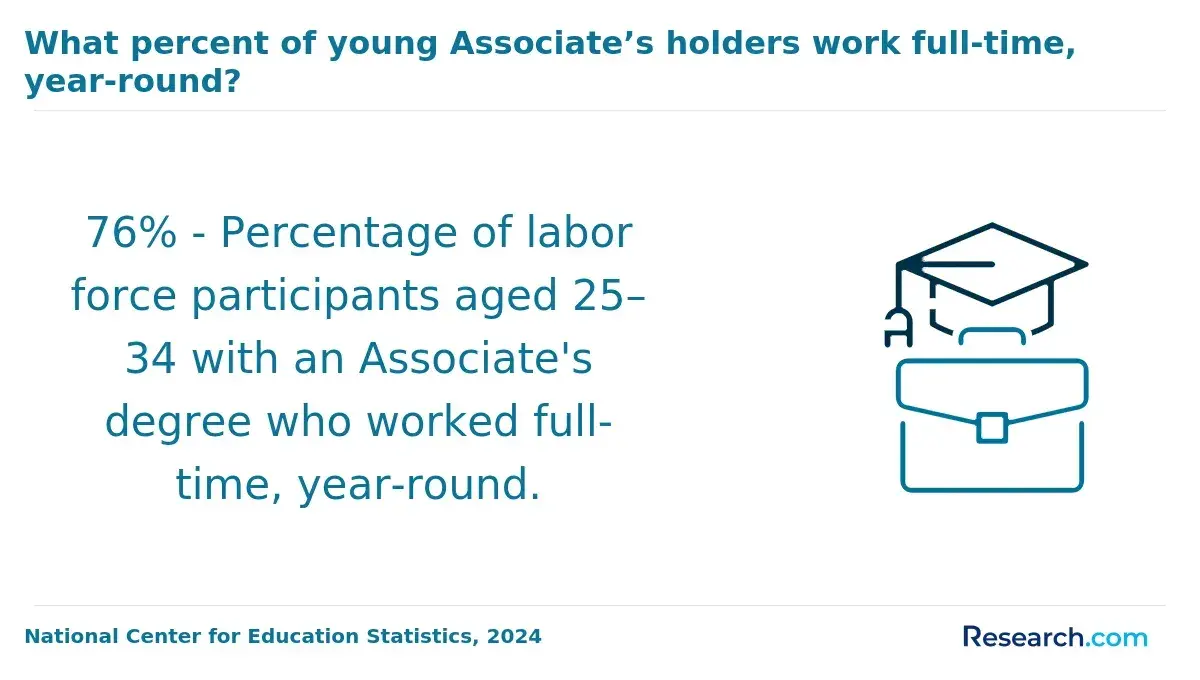
According to 2024 data from the National Center for Education Statistics, colleges with dedicated fintech programs typically offer three to five distinct credentials, reflecting a layered academic approach that balances theoretical foundations with applied skills.
How Do Online Programs Improve Access in States With Limited Options?
Students located in states where traditional campuses offer few or no financial technology degree options benefit significantly from online program availability. These programs bypass the constraints of physical infrastructure, allowing learners to access specialized curricula without relocating or incurring costly travel and housing expenses. This expanded reach is crucial in areas like Montana or Wyoming, where online enrollment in fintech courses has surged by 25% recently, illustrating how digital delivery reshapes regional education landscapes. By overcoming geographic barriers, online avenues broaden the pool of prospective students who can pursue fintech education while balancing personal and professional responsibilities.
The core mechanisms enabling this improved access include asynchronous learning frameworks that detach coursework from fixed schedules, permitting students across different time zones to participate fully. Cross-state enrollment policies have also grown more accommodating, enabling institutions to scale their reach well beyond their traditional catchment areas and reducing dependence on local university options. This institutional scalability supports a more equitable distribution of fintech education, as programs can tailor delivery to dispersed populations without sacrificing interaction quality through virtual labs and collaboration tools. Consequently, students in underserved regions gain parity in educational resources, while institutions tap into wider markets.
These shifts have broader implications for workforce development and institutional competition. Online access allows talent pools to grow in emerging fintech hubs outside traditional metropolitan centers, contributing to localized economic diversification. It also introduces new competitive dynamics for programs traditionally bound by geography, prompting providers to innovate in content delivery and student engagement. As a result, the interplay between digital expansion and geographic accessibility encourages a more fluid student mobility paradigm and presents practical challenges for states seeking to retain or attract skilled fintech professionals.
A graduate reflected on her experience navigating the rolling admissions process for an online financial technology program while living in a state with limited in-person options. Initially hesitant, she waited several weeks for clarity on application deadlines and start dates, balancing this uncertainty with a full-time job and family obligations. When acceptance finally arrived, the flexibility of the online format allowed her to immediately begin coursework without disrupting her work schedule, validating her cautious approach. Her story underscores the practical tradeoffs applicants face in timing and preparation when relying on remote options in regions with few local alternatives.
How Much Does Financial Technology Program Tuition Vary by State?
Tuition for financial technology program tuition differences by state primarily reflects distinct state and institutional funding approaches, rather than arbitrary cost decisions. Public universities use residency-based pricing that typically offers substantial discounts to in-state students, linking tuition rates directly to the level of state investment in higher education. Private institutions, often operating with less direct public funding, tend to charge uniformly higher rates regardless of residency, influenced by their own financial models and market positioning. This interplay of public funding levels, institutional type, and residency rules produces a wide spectrum of tuition, underscoring structural variation across states rather than simple regional cost differences.
Current data indicate that in-state tuition at public universities for financial technology degrees frequently ranges between $5,000 and $15,000 annually, according to sources such as the National Center for Education Statistics and state university reports. Out-of-state students pay significantly more, often doubling the in-state rate, while private schools can charge upwards of $30,000 or more per year. States with robust funding for public systems like California, Texas, and Florida tend to keep in-state tuition in the moderate range of about $6,000 to $10,000, yet still exhibit wide variation when considering private or out-of-state rates.
Northeastern states such as Massachusetts and New York present a higher baseline, driven by local living costs and institutional missions, with some public programs exceeding $12,000 annually for residents. These figures clarify that pricing reflects a mix of funding policies, economic conditions, and program delivery formats rather than uniform tuition structures.
These disparities have practical implications for affordability and student mobility, often necessitating careful consideration of geographic and financial trade-offs. Varying tuition rates impact access to financial technology degrees, influencing program selection and enrollment patterns nationwide. Students must weigh not only tuition but also potential scholarships, part-time options, and regional employment opportunities tied to specific fintech hubs.
Additionally, expanding online program offerings, like those seen in related fields such as the online hospitality management degree market, illustrate how states seek to balance affordability and accessibility in response to evolving educational demands and workforce needs.
How Does Financial Technology Program Demand Affect Admissions Decisions?
Rising demand for financial technology programs often results in heightened admissions selectivity as institutions grapple with managing applicant volume against limited enrollment capacity. When application numbers surge, schools typically respond by elevating academic standards, including GPA minimums and prerequisites, to ensure they admit candidates most likely to succeed within constrained cohort sizes. This competitive pressure is especially apparent at universities situated in regions with thriving fintech ecosystems, where applicant pools tend to be larger and more qualified, prompting admissions committees to refine criteria in alignment with workforce needs.
The pressures shaping admissions extend beyond mere applicant quantity, reflecting capacity limits related to faculty availability, lab resources, and compliance with accreditation standards that dictate program quality and cohort sizes. Institutions also factor in the profile of candidates-favoring those with quantitative skills or relevant finance backgrounds-reflecting employer demand for graduates equipped to navigate complex fintech roles. Balancing these operational constraints with market alignment necessitates selective admissions approaches that weigh both institutional resources and evolving industry requirements, thereby impacting acceptance rates and entry thresholds across programs.
These dynamics compel prospective students to adopt strategic preparation methods, as rising demand translates into tougher competition and lengthier, sometimes unpredictable admissions decisions. The increased selectivity can enhance a program's reputation but may limit accessibility for a broader range of applicants, skewing the cohort toward those with stronger prior credentials or connections to fintech sectors. Such conditions underscore the importance of understanding how enrollment management practices intersect with labor market trends to shape not only who gains admission but also the diversity and skill makeup of incoming students.
An alum who navigated admissions at a competitive fintech program recalls delaying their application until after completing a quant-heavy summer course to bolster credentials, aware that demand spikes created a narrow window for acceptance. They described experiencing extended waiting periods amid rolling admissions, which required balancing optimism with contingency plans for alternative schools. Their decision to strengthen specific skills before applying reflected an acute awareness that high demand often meant admission hinged on both timing and demonstrated alignment with program priorities rather than solely on academic record.
How Do Financial Technology Specialization Options Vary by Region?
Financial Technology specialization options reflect the economic focus and industry density unique to different U.S. regions, resulting in varied curricular emphases and skill development aligned with local market demands. Coastal financial hubs like New York and California provide broader, innovation-centric programs emphasizing areas such as blockchain application, digital payment systems, and fintech startups, driven by dense clusters of established financial firms and burgeoning entrepreneurial ventures.
Conversely, the Midwest and Southern regions lean toward specialties embedded in traditional banking modernization and regulatory technology, shaped by the presence of major banking centers and compliance-focused employers. These distinctions represent how local ecosystems influence which fintech subfields receive institutional attention and resource allocation.
These regional sectoral differences are further shaped by university research priorities, employer partnerships, and targeted workforce development initiatives that guide program design. Institutions in technology-forward areas often collaborate with ventures and incubators, fostering entrepreneurship and emerging technology integration in their fintech curricula. Meanwhile, programs in regions dominated by legacy financial institutions emphasize regulatory frameworks, risk management, and operational fintech tools tailored to compliance-intensive environments. According to a 2024 report from the National Center for Education Statistics, around 62% of fintech degree offerings concentrate within 12 states, signaling how state-level economic structures heavily influence the availability and diversity of specialization tracks.
The uneven geographic distribution and curricular focus bear notable implications for students' educational choices and career paths. Those enrolling in programs located in innovation-driven regions may access coursework that aligns with startup ecosystems and emerging technology roles, potentially enhancing exposure to disruptive fintech applications. Conversely, students in regions centered on regulatory and traditional finance specialties might find steadier employment opportunities within established institutions but with narrower scope for cutting-edge technical development. Therefore, prospective students must consider how regional labor market conditions and institutional strengths interact to shape program relevance and long-term career positioning in financial technology.
How Does Regional Employer Demand Affect Career Outcomes?
Regional employer demand critically shapes the employment prospects and early career outcomes for graduates in financial technology degree programs. States with concentrated fintech hubs, such as New York, California, and Massachusetts, consistently present more abundant job openings and higher starting salaries compared to regions with less developed fintech sectors. This geographic disparity means graduates' access to internships, entry-level roles, and networking opportunities is often dependent on local industry presence rather than just academic qualifications. Consequently, regional employer demand for financial technology graduates directly influences how quickly and successfully new professionals can transition into the workforce.
The mechanisms driving these variances include the clustering of fintech firms and startup ecosystems that create competitive wage dynamics, spurring salary premiums in major markets. Universities located in strong fintech regions often benefit from employer partnerships offering tailored skill development and recruitment pipelines aligned with regional demand trends. Specialized hiring ecosystems-focusing on fintech niches such as blockchain or regulatory technology-further amplify demand variations by requiring graduates to align their specializations with local market priorities. These dynamics clarify why career outcomes in financial technology by state can exhibit marked differences even among similarly credentialed candidates.
For graduates, decisions about geographic mobility and program selection are intertwined with these regional labor market realities. While remote work expansion has introduced some flexibility, many employers continue to prioritize local presence due to networking, regulatory requirements, and sector-specific knowledge. This alignment between supply and demand not only affects initial salary ranges but also long-term career trajectories, reinforcing the importance of assessing regional fintech ecosystems as a factor in educational and professional planning. Those seeking alternative pathways might explore online colleges that accept low GPA as part of broadening their educational options amid this landscape.
What Factors Matter Most When Comparing Financial Technology Programs Across States?
Evaluating financial technology degree programs across states involves more than just assessing program availability. State-level factors such as tuition costs, specialized curriculum options, and local industry demand profoundly affect educational access and post-graduation outcomes. Understanding these dimensions helps prospective students navigate tradeoffs affecting both affordability and long-term career positioning.
- Curriculum Relevance and Specialization: Programs that incorporate cutting-edge fintech topics like blockchain, AI applications in finance, and cybersecurity better equip students for current market demands. States differ in how many institutions update their syllabi regularly or offer niche concentrations, directly influencing the depth of skill acquisition. According to the National Center for Education Statistics (2024), programs revising curricula biennially see a 15% higher employment placement rate within six months post-graduation.
- Regional Industry Ecosystem: The presence of fintech hubs, such as California or New York, provides students with expanded internship and job placement prospects through local startups and established financial entities. Such environments enhance access to real-world experience and employer networks, a critical factor when comparing programs by state.
- Tuition and Cost Considerations: State residency often impacts tuition rates substantially, and variations in financial aid availability also affect overall affordability. These differences influence not only access but the total cost of education, which in turn affects return on investment in regions with varied labor market demands for fintech skills.
- Program Flexibility: States offering online or hybrid program formats cater effectively to non-traditional students balancing work or family obligations. The U.S. Department of Education (2024) reports a 20% increase in degree completion rates in programs with such flexible delivery methods, underscoring the importance of instructional mode diversity.
- Faculty Expertise and Institutional Accreditation: Access to experienced faculty and recognized accreditation underpin educational quality and industry acceptance of the credential. Employer feedback, as noted by the Financial Industry Regulatory Authority (FINRA) in 2024, highlights the value of hands-on skills like data analytics and regulatory compliance, often fostered through faculty-led practical labs.
Comparing state-level financial technology degree program options by state requires weighing these elements in relation to individual circumstances and career goals. Students should also consider the broader educational infrastructure supporting fintech along with regional economic conditions that dictate specialization relevance and long-term employability. For those exploring adjacent fields, understanding the comparative landscape alongside degrees such as geographic information systems degree can provide valuable insights into interdisciplinary opportunities within technology-driven sectors.
Additional distinctions in regional tuition and specialization differences in financial technology education underscore the need for a nuanced approach that goes beyond surface-level rankings, aiming instead for an informed evaluation of educational and workforce alignment.
For a detailed perspective on program availability and state-level distribution, see the comparative analysis at geographic information systems degree.
Which Regions May See the Fastest Growth in Financial Technology Education?
Growth in financial technology education tends to be strongest where employer demand, population shifts, and higher education investment intersect. Regions with expanding fintech industries and evolving workforce needs are more likely to see sustained program growth, as universities respond to both labor market shortages and economic development priorities. This creates ecosystems where educational offerings in financial technology align closely with regional industry demands and institutional capacity to scale.
- South: The South leads in projected fintech education growth, driven by expanding fintech hubs in Texas, Georgia, and Florida. Lower operational costs and rising venture capital attraction create strong employer demand, prompting universities to broaden fintech curricula focused on blockchain, cybersecurity, and digital payments. Population growth and university expansion support increasing program availability and specialization diversity.
- West: Anchored by Silicon Valley and Seattle, the West maintains robust growth through strong industry partnerships and steep student demand. Higher education institutions actively scale programs emphasizing experiential learning and applied research, meeting employer needs in an innovation-driven environment. This translates to a wide range of fintech educational options with practical workforce alignment.
- Northeast: Traditionally a fintech education leader, the Northeast shows more measured growth linked to specialized and advanced training rather than broad enrollment increases. A mature market with concentrated financial centers means program expansion is strategic, focusing on high-level certifications and research-intensive tracks responding to established employer expectations.
References
- Fintech uses in public sector and government to improve services https://www.globalgovernmentfinance.com/how-is-fintech-being-used-in-government-and-the-public-sector/
- Financial technology - Wikipedia https://en.wikipedia.org/wiki/Financial_technology
- Globalization of Finance and Fintech in the MENA Region https://erf.org.eg/publications/globalization-of-finance-and-fintech-in-the-mena-region/
- Assessment of the Conditions for the Development of the Financial Technology (FinTech) Sector in Selected Countries in 2021 https://www.e-mentor.edu.pl/eng/article/index/number/109/id/1702
- Fintech in Education: 10 Strategies for Online Learning https://waltermoralesentrepreneurialscholarship.com/leveraging-fintech-in-education-10-strategies-for-online-learning-success/
- Emerging Geographies of Financial Technology in Europe: Mapping Organizational, Institutional, and Strategic Financial Center Change in the Benelux https://researchportal.vub.be/en/projects/emerging-geographies-of-financial-technology-in-europe-mapping-or/
- Program Spotlight: FinTech, Everything You Ever Wanted to Know https://www.encoura.org/resources/wake-up-call/program-spotlight-fintech-everything-you-ever-wanted-to-know/
- What is fintech? 6 main types of fintech and how they work | Plaid https://plaid.com/resources/fintech/what-is-fintech/
- Global Fintech Statistics, Data & Charts - 2026 https://www.merchantsavvy.co.uk/fintech-statistics/
- Global Reach - Best Overseas Education Consultants | Study Abroad http://www.globalreach.in/course-details.php
Other Things You Should Know About Financial Technology
States with many fintech programs typically feature heterogeneous workloads-from intensive, project-heavy formats to more class-based, theoretical approaches. Choosing programs with heavier hands-on components and applied projects better prepares students for real-world fintech challenges but demands a higher time commitment. Those balancing work or other obligations should critically assess how program structure aligns with their capacity without sacrificing substantive learning.
While having many fintech options in a state can increase accessibility, the institution's reputation heavily influences hiring outcomes. Employers in fintech tend to prioritize candidates from programs with proven outcomes and close ties to the industry, meaning students might benefit more by selecting fewer programs tied to recognized research centers or fintech hubs rather than opting solely for availability. Reputation often translates into better internships and job placements.
States with a wide range of fintech programs typically offer greater access to interdisciplinary studies combining finance, technology, and data science, which support career adaptability. Students aiming for flexibility in career paths should prioritize such environments but remain cautious about potential inconsistency in program integration across departments. Evaluating how well programs facilitate cross-disciplinary collaboration can be more beneficial than simply counting program options.