2027 Are Online Computer Science Degrees Respected by Employers?

Co-Founder and Chief Data Scientist
Choosing an online computer science degree is no longer a question of whether online learning can be “real” education. The better question is whether a specific program will be respected by employers, build job-ready skills, and help you compete for software, data, cybersecurity, cloud, and IT roles. Recent data shows that over 40% of employers recognize online degrees as comparable to traditional ones when they come from accredited institutions, but acceptance still depends on program quality, school reputation, practical experience, and how well graduates can prove their skills.
This guide explains how employers evaluate online computer science credentials in hiring, promotions, and salary decisions. It also covers the role of accreditation, university reputation, AI-powered virtual classrooms, certifications, employer partnerships, and future trends that may further strengthen the credibility of online computer science programs.
Key Benefits of Online Computer Science Degrees Respected by Employers
- Employers increasingly recognize online computer science degrees, with 72% of hiring managers reporting they view them as equally credible to traditional degrees according to a 2023 industry survey.
- Graduates develop strong technical and problem-solving skills through accredited online programs that often mirror the curriculum of on-campus courses, ensuring job-ready competencies.
- Holding an online computer science degree is linked to better career outcomes, with alumni experiencing a 15% higher average salary growth within five years compared to those without a degree in the field.
Which Accrediting Bodies Make an Online Computer Science Degree Legitimate?
An online computer science degree is most credible when it comes from an accredited institution and, in some cases, a program with discipline-specific accreditation. Accreditation does not guarantee a job, but it helps confirm that the school meets recognized academic standards, that credits may be easier to transfer, and that employers and graduate schools are less likely to question the legitimacy of the credential.
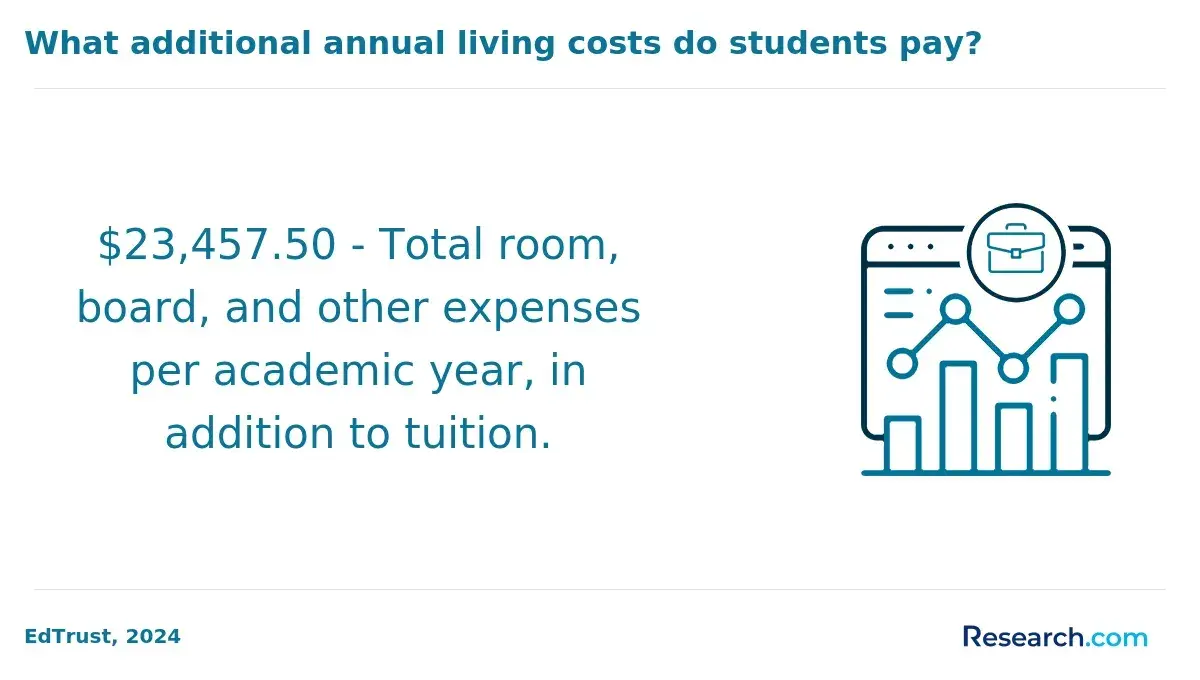
Students should check accreditation before comparing tuition, course format, or admissions requirements. A low-cost or flexible program can still be a poor investment if the credential is not widely recognized. Students comparing affordability should focus on accredited options, including resources that identify a cheap computer science degree online without sacrificing institutional legitimacy.
Key types of accreditation to review
- Regional Accreditation: Regional accreditation applies to the institution as a whole. It is often the most important accreditation signal for students who want broad employer recognition, access to federal financial aid, and better credit transfer options. Examples include the Higher Learning Commission and the Southern Association of Colleges and Schools. For most degree-seeking students, a regionally accredited university is the safest baseline.
- National Accreditation: National accreditation is more common among career-oriented, vocational, or specialized institutions. Some nationally accredited schools may serve specific student needs, but credits may not transfer as easily to regionally accredited institutions, and some employers may be less familiar with the credential. Students considering this route should ask how graduates fare in the specific jobs they want.
- Programmatic Accreditation: Programmatic accreditation evaluates a specific academic program rather than the entire school. For computer science, ABET is the most recognized programmatic accreditor. ABET accredited computer science programs are reviewed for curriculum quality in areas such as programming languages, data structures, algorithms, cybersecurity, and computing theory. ABET accreditation can be especially helpful for students who want a credential with additional technical validation.
How to use accreditation in your decision
| Question to Ask | Why It Matters |
| Is the university institutionally accredited? | This is the core legitimacy check for employer recognition, financial aid eligibility, and transferability. |
| Is the computer science program ABET accredited? | ABET can add credibility, especially when employers want evidence of a rigorous technical curriculum. |
| Will credits transfer to another institution? | Transfer policies can affect students who may later change schools or pursue graduate study. |
| Do employers in your target field recognize the school? | Accreditation is essential, but employer familiarity with the institution can also influence screening decisions. |
For students who want to finish faster, bachelor's degree accelerated programs can be worth exploring, provided the school is properly accredited and the compressed schedule still leaves enough time to build projects, complete labs, and prepare for interviews.
Does University Reputation Affect Employer Views of Online Computer Science Degrees?
Yes. University reputation can influence how quickly an employer trusts an online computer science degree, especially during resume screening. A degree from a well-known university with a strong computer science department may reduce skepticism because employers already associate the institution with academic rigor, selective admissions, or successful alumni.
Reputation matters most when employers have limited information about a candidate. If a resume only lists a degree and a few general skills, the school name may carry more weight. If the candidate also presents a strong portfolio, internships, certifications, open-source work, or relevant job experience, the hiring decision usually becomes more skills-based.
What makes a university’s online degree more credible?
- Institutional recognition: Employers are more comfortable with universities they already know, including schools with long-standing computer science programs.
- Accreditation status: Accreditation shows that the program is subject to external academic review, regardless of whether courses are online or on campus.
- Industry alignment: Universities with technology company partnerships, employer advisory boards, or project-based curricula may better prepare students for workplace expectations.
- Graduate outcomes: Alumni working in relevant tech roles can strengthen employer confidence in the program’s quality.
- Transparency: Clear information about curriculum, faculty, labs, capstone projects, and student support helps employers and students understand the program’s rigor.
Still, reputation is not enough on its own. Employers want evidence that graduates can write clean code, troubleshoot systems, collaborate with teams, learn new tools, and solve real problems. In fact, 70% of organizations have hired individuals holding online degrees, which reflects growing acceptance but not automatic approval of every program.
Students comparing long-term education pathways may also research what is the easiest phd to get online, but for computer science employment, the stronger strategy is to combine a reputable credential with a clear record of technical work.
Do Employers Treat Online and On-campus Computer Science Degrees Equally?
Employers increasingly treat online and on-campus computer science degrees as comparable when the online degree comes from an accredited, reputable institution and the graduate can demonstrate job-ready skills. The degree format is usually less important than the school’s credibility, the rigor of the curriculum, and the candidate’s ability to perform in technical interviews or workplace projects.
However, acceptance is not identical in every hiring context. Some employers are fully comfortable with online degrees, especially in technology fields where remote work and digital collaboration are common. Others may still ask more questions about hands-on experience, team projects, or academic rigor, particularly for undergraduate programs from lesser-known institutions.
Where online and on-campus degrees are often viewed similarly
- Accredited universities: If the transcript and diploma come from the same accredited institution as the campus program, employers may not distinguish between delivery formats.
- Graduate-level programs: Online master’s degrees are often viewed as evidence of discipline, self-direction, and career focus, especially for working professionals.
- Skills-based hiring environments: Tech employers that use coding tests, portfolio reviews, and technical interviews tend to focus more on demonstrated ability than classroom format.
- Remote or hybrid companies: Employers that operate virtually may value graduates who are already comfortable with asynchronous communication, digital tools, and independent work.
Where online graduates may need extra proof
- Hands-on preparation: Students should be ready to discuss labs, capstone projects, software builds, internships, or team-based assignments.
- Program rigor: Employers may be cautious if a program appears too short, too easy, or unclear about technical requirements.
- Entry-level roles: New graduates without work experience may need stronger portfolios to compete with candidates from highly recognized campus programs.
The best way for online computer science graduates to reach parity is to make their skills visible. A strong resume should highlight programming projects, GitHub repositories, internships, certifications, cloud deployments, security labs, Agile teamwork, and measurable outcomes. Employers are less likely to focus on modality when they can see evidence of competence.
Do Employers Trust Online Computer Science Degrees from AI-powered Virtual Classrooms?
Employers may trust online computer science degrees from AI-powered virtual classrooms when the technology supports real learning rather than replacing academic rigor. AI tools can improve online education by providing faster feedback, adaptive exercises, coding support, virtual labs, and personalized study paths. But the presence of AI alone does not make a program credible. Accreditation, faculty oversight, assessment quality, and project-based learning still matter.
AI-powered learning environments can be especially useful in computer science because students need repeated practice, immediate debugging feedback, and exposure to complex technical systems. Adaptive platforms may help students identify weak areas in algorithms, programming syntax, systems design, or cybersecurity concepts before they fall behind.
How AI can strengthen employer confidence
- Adaptive learning: Coursework can adjust to a student’s strengths and weaknesses, helping learners spend more time on concepts they have not mastered.
- Virtual labs and simulations: Students can practice coding, testing, system design, and security exercises in environments that resemble workplace tasks.
- Instant feedback: AI tutors and automated assessment tools can help students troubleshoot programming errors and refine their approach more quickly.
- Learning analytics: Programs may be able to show stronger evidence of student progress, mastery, and engagement.
These features can support employer trust when they are tied to rigorous assessments and real deliverables. Studies show that a majority of HR professionals now view online learning as equal or superior to traditional education, with many having already hired online degree holders. Nearly 80% of online STEM students report their education matches or exceeds the quality of on-campus programs.
The main concern for employers is quality control. They want to know whether students completed meaningful work, received expert instruction, and solved authentic problems. Online programs using AI should be transparent about faculty involvement, academic integrity policies, lab requirements, capstone expectations, and how student work is evaluated.
What Skills Do Employers Value from Online Computer Science Graduates?
Employers value online computer science graduates who can combine technical depth with professional reliability. A degree can help a candidate get noticed, but hiring decisions usually depend on whether the graduate can build, test, secure, explain, and improve technology in a real work environment.
The strongest online programs give students repeated practice with coding, design, collaboration, documentation, and debugging. Graduates should be prepared to show proof of these skills through projects, technical interviews, portfolios, internships, certifications, or prior work experience.
Technical skills employers commonly look for
- Programming proficiency: Employers often look for fluency in languages such as Python, Java, C++, and JavaScript. More important than memorizing syntax is the ability to write readable, maintainable code and explain design choices.
- Data structures and algorithms: These fundamentals support efficient problem-solving and are often tested in technical interviews for software engineering roles.
- Software development practices: Version control, testing, debugging, documentation, Agile workflows, and code review experience help graduates move from classroom assignments to professional software teams.
- Cloud computing: Exposure to AWS, Azure, and Google Cloud can prepare students for roles involving scalable infrastructure, deployment, and distributed systems.
- Artificial intelligence and machine learning: Coursework in AI and machine learning can support roles involving predictive analytics, automation, data modeling, and intelligent applications.
- Cybersecurity fundamentals: Employers increasingly expect computer science graduates to understand secure coding, access control, threat awareness, and responsible data handling.
Professional skills that matter in online graduates
- Time management: Completing an online degree requires planning, consistency, and accountability, which are valuable in remote and hybrid workplaces.
- Communication: Employers want graduates who can explain technical decisions clearly to teammates, managers, clients, and nontechnical stakeholders.
- Collaboration: Online group projects can help students practice distributed teamwork, task tracking, and digital communication.
- Adaptability: Technology changes quickly, so graduates must be comfortable learning new frameworks, tools, and development practices.
- Problem-solving: Employers value candidates who can break down ambiguous problems, test possible solutions, and improve based on feedback.
Cost can also shape the education decision. Students who want to build these skills while managing expenses may compare the online associates degree cost before committing to a longer pathway.
Do Professional Certifications Help Validate Online Computer Science Degrees?
Yes. Professional certifications can help validate an online computer science degree by giving employers additional evidence of specific, testable skills. They are not a substitute for a degree, but they can reduce doubts about practical readiness, especially when the certification matches the candidate’s target role.
Certifications are most useful when they support a clear career direction. For example, a student interested in cloud roles may benefit from cloud platform credentials, while a cybersecurity-focused graduate may use security certifications to show technical specialization.
How certifications strengthen an online computer science profile
- Industry-recognized credentials: Certifications such as CompTIA A+, AWS Cloud Practitioner, and Certified Ethical Hacker (CEH) are widely recognized in technology hiring. They show that a candidate has met an external standard beyond completing coursework.
- Specialized skill validation: Certifications in cybersecurity, cloud computing, and data science can confirm that a graduate has focused skills in high-demand areas.
- Practical credibility: Many certification exams emphasize applied knowledge, which can help address employer concerns about whether online learning included hands-on work.
- Career mobility: Certifications can support transitions into new roles, promotions, or specialized teams when paired with relevant experience.
- Professional commitment: Maintaining certifications can signal that a graduate keeps pace with changing technologies and industry expectations.
When certifications are worth the investment
| Career Goal | Certification Value |
| Entry-level IT or support | Can help demonstrate foundational technical knowledge and readiness for first roles. |
| Cloud computing | Can validate familiarity with major platforms and deployment concepts. |
| Cybersecurity | Can show focused preparation in risk, defense, ethical hacking, or security operations. |
| Software engineering | May be useful, but projects, code samples, and technical interviews often carry more weight. |
One professional who pursued an online computer science degree said certifications helped change how employers responded to his application. He had initial concerns that some hiring teams might question the online credential, so he earned CompTIA A+ and AWS certifications while working full-time. “The certification process was intense and required focused study beyond the degree syllabus, but it gave me confidence in my technical abilities,” he explained.
After earning those credentials, he noticed more interview callbacks and stronger promotion prospects. “The certifications validated what I learned online in a way that employers clearly recognized, making my degree much more marketable,” he said. His experience shows why certifications can be a useful bridge between academic study and employer expectations.
Do Online Computer Science Graduates Earn the Same Salaries as On-campus Graduates?
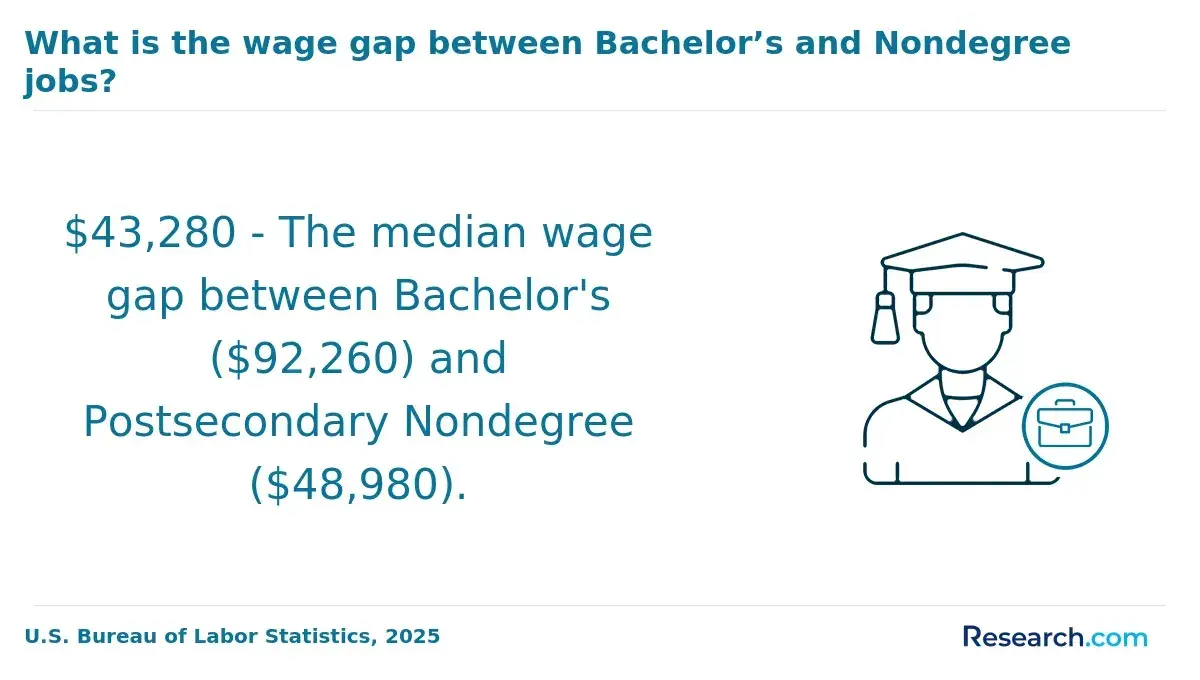
Online computer science graduates can earn salaries comparable to on-campus graduates when their degrees come from accredited programs and they qualify for the same roles. Employers generally base salary offers on job title, technical skills, experience, location, company budget, and interview performance rather than whether courses were completed online or in person.
That said, the degree format is not the only variable. Graduates from highly recognized schools, students with internships, and candidates with strong portfolios may have an advantage in competitive roles. Online students should focus on building evidence that supports their value in the job market.
Factors that affect salary outcomes
- Accreditation and program reputation: Employers are more likely to treat degrees equally when they come from accredited universities with credible computer science curricula.
- Technical skill level: Candidates who can perform well in coding assessments, system design discussions, and project reviews are better positioned for competitive offers.
- Work experience: Internships, freelance projects, prior IT roles, and professional software work can influence salary more than degree modality.
- Job role: Software engineering, cybersecurity, data, cloud, and IT management roles may have different compensation patterns based on responsibility and specialization.
- Geography and remote work: Location and remote hiring policies can affect pay ranges, even when two candidates have similar degrees.
- Negotiation and market timing: Salary outcomes can depend on demand for specific skills and the candidate’s ability to compare offers.
For online graduates, the practical takeaway is clear: do not rely on the degree alone to secure salary parity. Build a portfolio, prepare for technical interviews, document measurable project outcomes, and pursue internships or certifications when they align with your career goals.
How Do Online Computer Science Degrees Impact Career Growth and Promotions?
An online computer science degree can support career growth when it helps a professional qualify for technical roles, move into higher-responsibility positions, or shift from a nontechnical job into software, data, cybersecurity, cloud, or IT work. For working adults, the main advantage is that online study can add credentials and skills without requiring a full career pause.
Promotions rarely happen because of the degree alone. Employers usually look for evidence that the employee can take on more complex work, lead projects, communicate across teams, and solve problems independently. An online degree can help when it expands those capabilities and signals long-term commitment.
Ways an online computer science degree can support advancement
- Eligibility for technical roles: Some employers require or prefer a degree for software engineering, systems, data, cybersecurity, or IT leadership positions.
- Stronger technical foundation: Coursework in programming, algorithms, systems, databases, and security can help professionals move beyond tool-specific experience.
- Greater internal visibility: Completing a degree while working can show initiative, discipline, and readiness for more responsibility.
- Career flexibility: Computer science skills apply across technology, finance, healthcare, education, government, and many other sectors.
- Preparation for leadership: Advanced technical knowledge can help employees manage teams, evaluate systems, and contribute to strategic technology decisions.
- Continuous learning habits: Online programs often require self-direction, which is valuable in a field where tools and practices change quickly.
A professional who completed an online computer science degree described the experience as a turning point. Before enrolling, she was balancing a full-time job and family responsibilities while trying to qualify for a promotion. The flexible format allowed her to build software development and data analysis skills without leaving her job. She credited the degree with increasing her confidence and visibility at work, leading to a supervisory position within just two years of graduation.
She reflected, “The ability to learn asynchronously meant I could absorb complex concepts at my own pace, which made a real difference. Earning that degree not only expanded what I could do technically but also showed my employer I was serious about growth, which opened doors I hadn't imagined before.”
What Companies Actively Hire Graduates from Online Computer Science Programs?
Companies across many sectors hire graduates from online computer science programs, especially when candidates come from accredited schools and can demonstrate practical skills. Technology employers may be the most visible, but computer science talent is also needed in finance, healthcare, education, logistics, retail, government, and remote-first companies.
Most employers do not hire someone simply because a degree is online or on campus. They hire candidates who can solve business problems with technology. Online graduates should target employers whose needs match their skills and then use projects, internships, certifications, and interview preparation to prove fit.
Industries that commonly hire online computer science graduates
- Technology companies: Software, cloud computing, cybersecurity, AI, and data companies hire for roles such as software engineer, web developer, data analyst, QA engineer, systems analyst, and security specialist. These employers often care heavily about coding ability, system knowledge, and problem-solving.
- Finance and fintech: Banks, investment firms, payment platforms, and financial technology companies need computer science graduates to build secure, scalable, and reliable systems. Coursework in algorithms, data analysis, databases, and cybersecurity can be especially relevant.
- Healthcare and health tech: Hospitals, insurers, health data companies, and health technology startups rely on computing professionals for software systems, data management, privacy, analytics, and digital patient tools.
- Education and edtech: Educational institutions and learning technology companies hire graduates for software development, learning platforms, instructional technology, analytics, and digital infrastructure. Some students interested in broader academic or interdisciplinary pathways may also compare dual degree programs.
- Remote-first and distributed companies: Employers with remote or hybrid teams may value online graduates who already understand asynchronous communication, virtual collaboration, and independent project management.
How to identify online-degree-friendly employers
- Look for job postings that emphasize skills, portfolios, projects, and certifications rather than only school prestige.
- Research whether the company hires remote workers, career changers, bootcamp graduates, or candidates from nontraditional pathways.
- Review employee profiles to see whether current staff come from online, public, private, or alternative education backgrounds.
- Prioritize employers that use structured technical assessments, because these can give online graduates a fair chance to demonstrate ability.
What Future Trends Will Shape Online Computer Science Degrees' Credibility?
The credibility of online computer science degrees will likely continue to improve as online programs become more transparent, more skills-based, and more closely connected to employer needs. The strongest programs will be those that can prove students are mastering technical competencies, completing meaningful projects, and meeting recognized academic standards.
Future acceptance will not be automatic. Employers will continue to distinguish between rigorous online degrees and weak programs with limited assessment or unclear outcomes. Students should look for programs that publish curriculum details, accreditation status, faculty qualifications, project requirements, student support, and career outcomes.
Trends likely to influence credibility
- AI-driven learning validation: Artificial intelligence may help personalize instruction, monitor progress, and provide more detailed evidence of mastery. Used responsibly, this can give employers more confidence in what graduates can do.
- Global accreditation collaboration: Cooperation among accrediting bodies can create more consistent expectations for online computer science education across borders.
- Increased employer partnerships: Universities that work with employers on curriculum design, projects, internships, and hiring pipelines may produce graduates whose skills align more closely with workforce needs.
- Skill-based and competency hiring: Employers are placing more emphasis on portfolios, assessments, certifications, and demonstrated experience. With 83% of business leaders valuing reputable online degrees, candidates who can prove practical ability may benefit.
- Expansion in high-demand fields: Online computer science programs are growing alongside job market demand, including an 11% increase in computer and IT occupations. This expansion may make online credentials more common and more familiar to hiring teams.
The likely result is a more evidence-based hiring market. A respected online degree, combined with a strong portfolio and relevant experience, should continue to become easier for employers to evaluate and trust.
Here's What Graduates of Respected Online Computer Science Programs Have to Say About Their Degree
- : "Completing my online computer science degree was an empowering journey that opened doors I hadn't imagined possible. The flexible schedule helped me keep working full-time while building a stronger technical foundation. The curriculum also helped me develop confidence for leadership roles. Within months of graduation, I secured a position at a Fortune 500 tech firm, where my remote learning experience was highly valued. The ability to balance life and study made all the difference in my career trajectory. — Jamal"
- : "The most meaningful part of earning my computer science degree online was the chance to grow personally while expanding my professional network globally. I moved from uncertainty about my career direction to becoming a passionate advocate for tech education in underserved communities. Many of my professors were industry experts, which helped me stay current in a rapidly evolving job market. Today, I lead initiatives that combine technology with social impact, showing that an online degree can be a platform for transformative work. — Marisol"
- : "Graduating from an online computer science program gave me the practical skills I needed to enter a competitive field with confidence and credibility. The learning platform emphasized real-world applications and teamwork, which prepared me for virtual collaboration. After earning my degree, I landed a job with a leading software company, and the certifications I earned along the way accelerated my promotions. The experience taught me the importance of continuous learning and adaptability in tech careers. — Kevin"
Other Things You Should Know About Respectable Online Computer Science Degree Programs
In 2027, employers often consider the accreditation of the program, the reputation of the institution, and the skills acquired through the degree. They also value practical experiences such as internships and projects that demonstrate real-world application of the candidate's skills.
In 2027, many employers see online computer science degrees as comparable to traditional degrees if they are from accredited and reputable institutions. Emphasis is placed on the skills acquired and the ability to apply them effectively in the workplace, rather than the mode of learning.
Accreditation ensures that an online computer science program meets established academic standards. In 2027, employers often check for accreditation status to verify the degree's legitimacy, affecting how they perceive its respectability. Non-accredited programs may be less respected by employers.
References
- What certifications should I get for computer science? | edX https://www.edx.org/resources/certifications-computer-science
- Superagency in the workplace: Empowering people to unlock AI’s full potential https://www.mckinsey.com/capabilities/mckinsey-digital/our-insights/superagency-in-the-workplace-empowering-people-to-unlock-ais-full-potential-at-work
- Emerging IT Trends: Key Insights for Computer Science Students https://gbs.edu.mt/blog/emerging-trends-in-it-what-every-computer-science-student-must-know/
- What Careers Can You Get With a Computer Science Degree? | CourseCompare.ca https://www.coursecompare.ca/computer-science-occupations-careers-jobs/