2027 Psychology Admissions Trends Report: Acceptance Rates, GPA Expectations, and Test Policy Changes

Co-Founder and Chief Data Scientist
Admissions metrics in psychology programs reflect a complex interplay of factors beyond simple selectivity. Enrollment capacity often contends with rising student interest driven by workforce demand in mental health and behavioral science fields. Accreditation bodies and licensure pathways impose prerequisite coursework and capacity constraints that indirectly shape GPA expectations and acceptance rates.
Recent data from the American Psychological Association highlight shifts toward holistic review policies and test-optional approaches, signaling adaptations to evolving applicant profiles and equity goals. The variation in student age distributions further underscores changing pathways into psychology careers, revealing how programs balance accessibility with preparation for the profession's expanding, diverse workforce needs.
Key Things to Know About Psychology Admissions Trends
- Acceptance rates for psychology programs have tightened to an average of 25% in 2024, reflecting increased applicant volume; this demands stronger academic profiles but also narrows access for late planners.
- Competitive psychology programs now expect GPAs above 3.7, signaling employer preference for candidates with proven academic discipline; however, this raises barriers for diverse applicant pools and transfer students.
- The shift toward test-optional policies in psychology admissions reduces upfront costs and access barriers, yet shifts pressure to holistic review components, impacting timeline planning and highlighting the value of extracurricular evidence.
- Key Things to Know About Psychology Admissions Trends Key Things to Know About Psychology Admissions Trends
- What Are the Current Acceptance Rates for Psychology Degree Programs? Current Acceptance Rates
- What Is the Average GPA of Accepted Psychology Students? GPA Requirement
- Are SAT or ACT Scores Still Required for Psychology Degree Programs? SAT/ACT Requirement
- How Many Psychology Programs Have Adopted Test-Optional Admissions Policies? Test-Optional Programs
- What Non-Academic Factors Do Psychology Admissions Committees Consider? What Non-Academic Factors Do Psychology Admissions Committees Consider?
- Which Types of Schools Are the Most Selective for Psychology Applicants? Which Types of Schools Are the Most Selective for Psychology Applicants?
- How Do Admissions Standards Differ Across States and Regions? Admission Standards by State
- How Do Admissions Requirements Compare Between Online and Campus Programs? Online vs On-Campus Admissions
- Is There a Relationship Between Admissions Standards and Student Success? Admission Standards & Student Success
- How Can Students Strengthen a Psychology Program Application? Program Application Preparation
What Are the Current Acceptance Rates for Psychology Degree Programs?
Acceptance rates for psychology degree programs vary significantly depending on institution type and program level, with recent data from the U.S. Department of Education's College Scorecard (2024) highlighting this disparity. Public four-year universities commonly report acceptance rates between 50% and 75%, while private schools-especially those with selective reputations-often admit fewer than 40% of applicants.
Undergraduate psychology programs generally feature higher acceptance rates, averaging around 60% nationally per the National Center for Education Statistics, yet this conceals wide variation, with flagship public institutions admitting upwards of 70% and elite private schools accepting less than 25%.
Doctoral and specialized graduate programs in clinical or experimental psychology exhibit the lowest acceptance rates, frequently under 20%, reflecting constrained capacity amid growing applicant pools.
The variation in psychology degree program acceptance rates largely stems from differences in institutional prestige, resource availability, and regional demand. Public institutions may offer broader access with larger cohort sizes, while private programs balance limited seats with higher selectivity to maintain program quality and reputation. Testing waivers such as GRE elimination have shifted emphasis toward GPA and experiential credentials, intensifying the competition for graduate admissions despite the absence of standardized testing barriers.
Moreover, a psychology degree program acceptance rates in the US reflect not only enrollment capacity but also strategic institutional priorities that favor candidates with strong academic and relevant clinical or research experience, influencing how programs manage growing applicant interest and workforce alignment.
For prospective students evaluating psychology programs, acceptance rates serve as one factor intertwined with career preparedness and program fit rather than a sole indicator of quality or employability post-graduation. Students navigating this landscape may consider attending less selective institutions that offer meaningful hands-on training and practical exposure to supplement academic credentials.
Balancing acceptance likelihood against financial considerations and experiential opportunities remains vital for long-term success. Those interested in interdisciplinary or alternative degrees might also explore a cheap online MBA as a complementary credential, particularly in roles combining psychology insights with business acumen.
What Is the Average GPA of Accepted Psychology Students?
Recent admissions data from institutional fact books and education databases show that the average GPA for accepted psychology students in the US generally ranges from about 3.2 to 3.7 on a 4.0 scale at the undergraduate level. More selective programs frequently report mean accepted GPAs between 3.6 and 3.8, reflecting sharper academic benchmarks in response to rising applicant volume and program rigor.
Graduate psychology programs, particularly those with clinical or research emphases, typically expect undergraduate GPAs in the 3.5 to 3.9 range, signaling heightened expectations tied to advanced coursework and specialized skills.
GPA requirements in psychology degree programs are shaped by factors such as institutional selectivity, program demand, and differences in grading standards among public, private, and online schools. Mid-tier institutions often balance GPA expectations with other qualitative components like research experience and personal statements, while highly competitive programs emphasize GPA as a key signal of academic preparedness.
Variability in academic rigor-especially across STEM versus humanities-intensive curricula-also plays a crucial role in how admissions committees interpret GPA as a proxy for student potential in psychology fields.
These GPA thresholds influence applicant behavior by encouraging strategic preparation, particularly for transfer applicants who often need GPAs above 3.0 to remain competitive, with many aiming for 3.4 or higher to strengthen their candidacy. This selective GPA framework reflects the competitive nature of psychology programs and underscores the importance of a comprehensive application profile that aligns with career pathways and practical competence.
Prospective students considering options like the cheapest masters online should factor this GPA landscape into their planning to meet demonstrated academic standards without compromising broader experiential qualifications.
Are SAT or ACT Scores Still Required for Psychology Degree Programs?
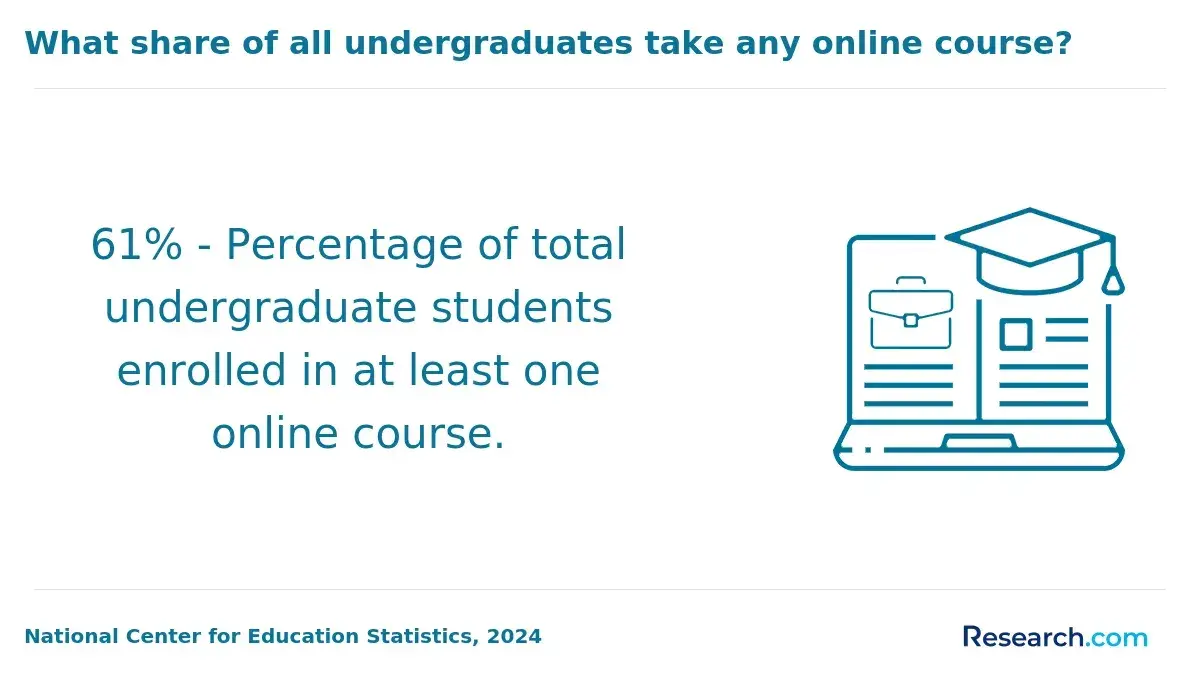
As of 2024, an increasing number of psychology degree programs have moved away from requiring SAT or ACT scores for admissions. Data from the National Center for Education Statistics, together with updates from the College Board and ACT, highlight a considerable decline in these standardized tests' role across many institutions. Schools now emphasize high school GPA and academic rigor over test scores, viewing these as stronger indicators of sustained student performance.
However, some highly selective or research-focused programs may still consider SAT/ACT results as a supplementary metric, particularly for applicants whose academic records hover near admission thresholds or come from nontraditional backgrounds.
The shift away from standardized testing is driven largely by efforts to address equity and accessibility, as well as ongoing debates about the predictive validity of SAT/ACT scores for success in psychology and related social sciences. Test-optional policies enable institutions to diversify applicant pools and reduce barriers for underrepresented groups, but they also prompt a heavier reliance on qualitative elements like essays and recommendations.
Differences persist between public, private, and highly selective schools, with less competitive programs sometimes removing test requirements entirely, while top-tier universities maintain a more nuanced approach balancing test scores with other credentials and institutional ranking strategies.
How Many Psychology Programs Have Adopted Test-Optional Admissions Policies?
As of 2024, a substantial majority of psychology degree programs across four-year institutions have implemented test-optional admissions policies, with estimates indicating that over 60% of accredited programs have moved away from requiring standardized tests like the SAT or ACT. Public universities lead this shift, with more than three-quarters adopting test-optional frameworks, while private institutions have somewhat lower adoption rates, hovering around 55%.
This widespread transition is corroborated by data from FairTest and the National Center for Education Statistics, signaling a notable realignment in admissions priorities within the field.
The move toward test-optional admissions is driven by multiple factors beyond simplifying application hurdles. Equity considerations are paramount, as standardized tests have long been criticized for perpetuating socioeconomic and racial disparities that do not necessarily reflect a candidate's potential for success in psychology disciplines. The COVID-19 pandemic accelerated these changes, prompting institutions to reconsider their evaluation metrics amid disrupted testing opportunities.
Additionally, rising awareness about the limited predictive value of standardized scores specifically in psychology outcomes, combined with increased competition among programs to attract diverse and qualified applicants, has encouraged a shift toward holistic review processes emphasizing GPA, coursework rigor, and qualitative components like personal statements.
These policy changes have practical consequences for applicants and programs alike. Test-optional policies often increase application volumes by lowering perceived barriers, which can lead to greater selectivity and complexity in how admissions committees assess candidates.
Prospective students may need to recalibrate their admissions strategies, focusing more on academic consistency and narrative elements over standardized test performance. Ultimately, this evolving landscape reflects a broader institutional reevaluation of meaningful assessment criteria, balancing access, fairness, and the predictive validity of admissions tools in psychology education.
What Non-Academic Factors Do Psychology Admissions Committees Consider?
Psychology admissions committees increasingly rely on a combination of academic results and non-academic factors to conduct a holistic review of applicants. This approach aims to evaluate a candidate's broader potential, accounting for personal qualities and contextual experiences that grades and test scores alone cannot capture.
Understanding these non-academic criteria is crucial because they signal attributes linked to professional preparedness and alignment with the discipline's demands.
- Demonstrated Research Experience: Participation in research projects or internships is often prioritized to assess hands-on initiative and critical thinking capacity beyond classroom learning. Admissions panels recognize that direct involvement in empirical work correlates with stronger practical skills, which complement academic metrics and better predict success in experimental and applied psychology roles.
- Interpersonal Skills: Emotional intelligence, communication, and teamwork abilities are evaluated primarily through letters of recommendation and personal statements. Such skills matter for effective client interaction and collaboration in multidisciplinary settings, which many programs consider essential non-academic criteria given employer feedback on workforce readiness.
- Leadership and Community Engagement: Involvement in clubs, volunteer efforts, or advocacy related to mental health signals commitment to social responsibility. These experiences are weighed because they reflect ethical considerations and the ability to contribute to the psychology community, which many graduate programs moderately prioritize alongside academic performance.
- Cultural Competence and Diversity Awareness: Evidence of working across cultural boundaries or adapting to diverse client populations aligns with growing demands for inclusivity in healthcare. Candidates demonstrating these competencies often engage with explicit diversity mission statements or submit targeted experiences, strengthening their fit in programs emphasizing equitable service and collaboration.
- Contextual Background and Resilience: Admissions committees increasingly consider life experiences that show perseverance, adaptability, or overcoming adversity, recognizing that such qualities influence a student's capacity to navigate the complex professional landscape psychology entails. This factor often interacts with academic indicators to form a nuanced applicant profile.
According to a 2024 survey by the American Psychological Association, 68% of graduate psychology programs place priority on applicants' research involvement, underscoring the field's preference for experiential learning alongside traditional GPA expectations. These non-academic elements, integrated with academic criteria, shape admissions decisions that better forecast student success and employability in psychology professions.
Additionally, prospective students evaluating their options should consider pathways that value these broad competencies, including those transitioning via an online administration degree or other interdisciplinary foundations, which may complement psychology admissions non academic evaluation criteria particularly well.
Which Types of Schools Are the Most Selective for Psychology Applicants?
Admissions for psychology programs demonstrate wide variance in selectivity based on institutional mission, program demand, and resource allocation. The most competitive psychology programs are often housed in institutions balancing high applicant interest with limited enrollment slots, rigorous academic standards, and distinctive funding models.
Understanding the nuances of selectivity involves assessing more than just prestige; factors such as program capacity, regional student populations, and institutional strategic priorities play critical roles in shaping admissions difficulty and applicant profiles.
- Highly Selective Private Research Universities: These institutions typically admit fewer than 15% of psychology applicants, driven by strong demand combined with limited spots and well-funded research labs. Their focus on research productivity creates high expectations for GPA (often above 3.7), comprehensive academic preparation, and supplemental criteria like research experience, which elevate admissions rigor beyond raw applicant volume.
- Elite Liberal Arts Colleges: Although smaller and less research-intensive than their university counterparts, these colleges maintain low acceptance rates by emphasizing holistic reviews that weigh qualitative factors such as leadership, essays, and letters alongside academic credentials. Their selectivity ties closely to institutional reputation and the desire to cultivate diverse, well-rounded cohorts within constrained program sizes.
- Public Regional Universities: These institutions generally exhibit higher acceptance rates-typically above 50%-reflecting larger program capacities and missions emphasizing access over exclusivity. Admission standards here tend to focus more on baseline academic readiness with average admitted GPAs between 3.0 and 3.4. However, they may offer fewer advanced research opportunities, affecting applicant competitiveness compared to selective private programs.
- Community Colleges Offering Psychology Pathways: With open admissions policies and foundational curriculum offerings, community colleges serve as critical access points for diverse populations and transfers into four-year psychology programs. Their selectivity is minimal, prioritizing accessibility, although they provide limited specialized preparation or resources relative to four-year institutions.
How Do Admissions Standards Differ Across States and Regions?
Admissions standards for psychology degree programs vary considerably across U.S. states and regions, reflecting differences in institutional missions, applicant volume, and local policies. According to 2024 data from the National Center for Education Statistics and state university admissions reports, programs in densely populated, resource-rich areas frequently set higher GPA cutoffs, often exceeding 3.5, and maintain selective testing requirements despite a wider national shift toward test-optional policies.
Conversely, institutions in less densely populated or lower-funded regions often adopt more flexible admissions criteria, with average expected GPAs closer to 3.0-3.4 and widespread acceptance of test-optional applications. This variation signals that admissions practices are responsive not only to academic preparedness but also to efforts to balance access with program capacity and regional workforce preparation.
Key factors shaping these regional disparities include variations in public funding allocation, population growth, and distinct labor market demands, especially in healthcare and community services. Urban-centered universities in competitive states tend to emphasize rigorous academic metrics and standardized assessments as mechanisms to manage large and highly qualified applicant pools, whereas programs in rural or economically diverse regions prioritize practical experience and local workforce alignment over standardized test scores.
Institutional selectivity also differs, driven by enrollment pressures, available facilities, and state-level education policies that can either incentivize or restrict admissions flexibility. Together, these dynamics create an uneven admissions landscape shaped by economic context, institutional priorities, and demographic realities rather than solely by academic criteria.
How Do Admissions Requirements Compare Between Online and Campus Programs?
Admissions requirements for psychology programs reveal distinct patterns when comparing online and campus-based formats, influenced by institutional priorities and evolving enrollment landscapes. Campus programs typically enforce higher GPA standards, often requiring cumulative GPAs of 3.0 to 3.5 to maintain rigorous academic selection, reflecting traditional models consistent with recent university admissions data.
In contrast, online psychology degrees tend to adopt more flexible criteria, sometimes accepting GPAs as low as 2.5, to accommodate a broader and more diverse student population including working professionals and nontraditional learners, aligning with patterns identified in recent reports on comparing admissions requirements for online versus campus psychology programs.
Standardized testing policies also diverge notably, with campus programs slowly reintegrating SAT, ACT, or GRE scores particularly for research-focused tracks, whereas many online programs continue to waive these requirements, emphasizing holistic reviews of personal statements and relevant experience instead.
These differences stem primarily from underlying program objectives and delivery models. Online programs prioritize accessibility and scalability to meet increasing demand across healthcare systems and educational markets, targeting students who need scheduling flexibility and may bring diverse professional backgrounds. Campus programs, meanwhile, maintain selectivity aligned with intensive in-person training, laboratory work, and networking opportunities.
This dynamic influences not only admissions criteria but also academic support structures and student services, creating differentiated learning ecosystems. The distinct enrollment policies reflect attempts to balance inclusion with program quality, factoring in the varied needs of their target student populations as detailed in recent institutional disclosures about acceptance rates and GPA standards in online and traditional psychology degrees.
These admissions discrepancies carry broader implications for prospective students weighing program options. Campus psychology degrees often appeal to those seeking robust research preparation and traditional campus experiences, while online offerings provide viable pathways for those requiring flexibility, albeit with expectations to demonstrate practical competencies outside initial admissions metrics.
Recognition among employers and graduate schools may still favor campus credentials due to perceived rigor, though well-established programs with appropriate accreditation and partnerships, for instance through child psychologist masters programs, are increasingly closing this gap, reflecting long-term shifts in how institutional brand and delivery mode influence workforce relevancy.
Is There a Relationship Between Admissions Standards and Student Success?
Recent data from the National Center for Education Statistics (NCES, 2024) indicates a moderate correlation between higher admissions GPA thresholds and improved graduation rates in psychology programs, with an approximate 8% increase in four-year completion at more selective institutions. However, this relationship does not directly translate into superior career outcomes or stronger student success across the board.
Research from sources like the Journal of Higher Education Outcomes highlights that students admitted through holistic or test-optional policies can achieve comparable results in internship placements and employment, underscoring that selectivity alone is an incomplete measure of program effectiveness or individual achievement in psychology fields.
The impact of selective admissions on psychology graduate outcomes is complicated by numerous factors beyond GPA requirements. Variations in student demographics, access to academic advising, institutional funding levels, curriculum design, and availability of support services significantly influence retention and success rates.
More rigorous admissions may restrict access for applicants with non-traditional strengths, requiring institutions to balance inclusivity and preparation by investing in developmental resources to maintain outcomes. Meanwhile, employer demand in mental health emphasizes applied skills and experiential learning, further diluting the predictive power of admissions metrics for long-term employability.
For prospective psychology students and advisors, admissions standards should not be regarded as a sole indicator of educational quality or future success. Evaluating programs on student support, practical training opportunities, and alignment with career goals often provides a more meaningful framework.
Exploring the easiest degree to get can also provide insight into alternative pathways where admissions selectivity is lower but outcomes remain viable through targeted institutional resources and experiential learning models.
How Can Students Strengthen a Psychology Program Application?
Successful psychology program applications rely on a combination of academic rigor, relevant experiential learning, and clear evidence of fit with program objectives. Admissions committees increasingly emphasize how applicants demonstrate preparedness for graduate-level psychological study, assessing not only GPA or test scores but also the strength of experiential insights and articulation of career intent.
Competitive and holistic review processes prioritize candidates who show a cohesive narrative of growth, research readiness, and applied understanding rather than minimal threshold achievements.
- Focused Academic Preparation: Maintaining a strong GPA with coursework concentrated in psychological sciences and quantitative methods signals an applicant's ability to handle complex subject matter. Admissions teams often interpret upward grade trends or coursework rigor as indicators of intellectual resilience and readiness for research-intensive environments.
- Relevant Experiential Engagement: Documented internships, research assistantships, or community service roles provide concrete evidence of practical skills and ethical awareness, which are increasingly valued given the rising demand for graduates with applied competencies. The National Center for Education Statistics notes that applicants with substantial experiential learning improve their admission and employment prospects substantially.
- Strategic Use of Standardized Tests: Although many programs have adopted test-optional policies post-2023, submitting strong GRE or related scores can differentiate candidates by reinforcing quantitative aptitude and preparedness, particularly at more selective institutions.
- Purposeful Personal Statements: Essays that explicitly connect an applicant's career goals with psychology's real-world implications help admissions officers assess motivation, alignment with program missions, and potential contribution to the field. Well-crafted statements complement academic metrics by illustrating applicant insight and commitment.
- Targeted Recommendations: Letters from supervisors or professionals familiar with an applicant's research abilities and character provide qualitative validation of skills and work ethic. Such endorsements help reviewers triangulate applicant strengths beyond transcripts and test scores, enhancing holistic assessment credibility.
References:
- 7 Tips for Applying to a Psychology PhD Program https://www.psychologytoday.com/us/blog/curious/201501/7-tips-applying-psychology-phd-program
- The Psychology of Debt - Homewood Health Centre https://homewoodhealthcentre.com/articles/the-psychology-of-debt/
- ACT/SAT Optional List for Fall 2025 - Fairtest https://fairtest.org/test-optional-list/
- 12 Best Colleges for Psychology Majors in 2026 https://www.sparkadmissions.com/blog/best-colleges-for-psychology-majors-2026/
- Bachelor’s in Psychology Programs Online https://www.onlinemswprograms.com/careers/social-work-vs-counseling-vs-psychology/ba-psychology/
- Your Guide to Psychology Degree Entry Requirements https://www.stonebridge.uk.com/blog/distance-learning/entry-requirements-psychology-degree-or/
- 5 High School Classes Highly Selective Colleges Expect You to Take https://www.saraharberson.com/blog/high-school-classes-highly-selective-colleges-expect-you-to-take
- The Psychology License Map: A State-by-State Guide https://www.onlinemastersdegrees.org/student-resources/psychology/licensure-by-state/
- The Psychology of Student Success https://www.oxfordscholastica.com/blog/psychology-articles/the-psychology-of-student-success/
- Psychology degree entry requirements | Whatuni https://www.whatuni.com/advice/clearing/psychology-degree-course-entry-requirements/91993/
Other Things You Should Know About Psychology
Many psychology programs emphasize holistic review, yet GPA remains a critical filter due to volume and academic rigor concerns. Applicants with GPAs near cutoffs must consider whether the specific program consistently favors well-rounded profiles over strict academic metrics. Prioritizing programs that balance GPA with other indicators of resilience or relevant experience can improve admission odds and align with programs focusing on practical skill development rather than pure academic performance.
Test-optional admissions can shift emphasis toward qualitative assessments like personal statements and recommendations, which introduces more subjectivity and variability in selection. This can advantage candidates with strong narratives or unique experiences but also increases competition among non-traditional applicants. Prospective students should weigh if programs' test-optional moves genuinely correspond to broader evaluative criteria or if they merely maintain stringent GPA cutoffs to manage selectivity.
For specialized areas such as neuropsychology or clinical psychology, higher GPA expectations often correlate with more rigorous foundational training and research opportunities. Prioritizing programs with elevated GPA thresholds may reflect a curriculum designed to prepare students for competitive post-graduate certifications and demanding employer standards. However, this can increase workload intensity and stress, so aspirants should balance academic demands with capacity for sustained performance over their course of study.
Transfer applicants face added complexity since programs increasingly scrutinize prior GPA trends and coursework relevance due to growing applicant pools. Some psychology programs impose stricter GPA thresholds for transfers or require pre-requisite coursework completed at accredited institutions. Transfer students must strategically select target programs with transparent transfer policies and prioritize maintaining or improving GPA to enhance acceptance chances and ensure alignment with graduation requirements.