2027 Psychology Salary Trends Report: Are Wages Keeping Up With Tuition and Inflation?

Co-Founder and Chief Data Scientist
Consider a prospective psychology student weighing the decision to enroll in graduate school amid escalating tuition fees and living expenses. This individual examines not only the sticker price of their education but also the financial outlook post-graduation, questioning whether salary gains will offset rising costs and inflation.
The challenge lies in predicting if their degree will deliver sustainable economic value when repayment pressures coincide with shifting economic conditions. Evaluating salary growth alongside tuition and inflation trends is essential to understanding the true cost-benefit balance of pursuing advanced studies in psychology.
This article explores salary trends, tuition growth, inflation impacts, and related factors to illuminate the affordability and economic value of a psychology degree over time.
Key Things to Know About Psychology Salary Trends
- Graduate wages in psychology have risen only modestly, around 3% annually, lagging behind the 5.4% average increase in tuition and inflation combined, pressuring net returns on investment.
- Specialization in clinical or industrial-organizational psychology correlates with 20-25% higher lifetime earnings, highlighting the importance of targeted graduate training over generalized degrees.
- Licensure and postdoctoral experience significantly influence salary growth, as research shows a 15% wage boost for psychologists who complete state certification within five years.
- Key Things to Know About Psychology Salary Trends Key Things to Know
- What Is the Current Salary Outlook for Psychology Graduates? Salary Outlook
- Are Psychology Salaries Keeping Up With Inflation? Inflation Impact
- How Do Tuition Costs Compare With Psychology Salary Growth? Tuition vs Salary
- Does a Psychology Degree Deliver a Positive Return on Investment? Degree ROI
- Which Industries Offer the Highest Salaries for Psychology Graduates? Highest-Paying Industries
- Which States and Cities Offer the Highest Pay for Psychology Professionals? Highest-Paying Locations
- How Do Psychology Salaries Grow Throughout a Career? Career Growth
- How Do Psychology Salaries Compare With Similar Degrees? Salary Comparison
- How Is Employer Demand Affecting Psychology Salary Trends? Employer Demand
- How Can Students Maximize Their Lifetime Earnings With a Psychology Degree? Maximizing Earnings
What Is the Current Salary Outlook for Psychology Graduates?
The current salary outlook for psychology graduates in the US reflects a complex landscape shaped by educational attainment, career specialization, and market demand. Median wages vary widely; for example, clinical, counseling, and school psychologists earn around $85,860 annually, while those in entry-level roles with only a bachelor's degree often see starting salaries between $40,000 and $50,000.
Specialized areas such as industrial-organizational psychology command higher pay, frequently surpassing $105,000, highlighting the advantage of aligning expertise with business needs. These figures underscore how the average starting salary for psychology graduates can differ dramatically based on the chosen career path and level of professional licensure.
Consider two psychology graduates with similar degrees: one enters a general counseling role, while the other pursues advanced certification and moves into organizational psychology. The counselor may initially earn less, but with job demand relatively steady, their salary growth might be moderate.
Meanwhile, the graduate focusing on industrial-organizational psychology likely starts with a higher wage and benefits from robust salary growth linked to increasing corporate investments in workforce optimization. This illustrates the importance of evaluating salary potential alongside long-term career trajectories, anticipated job availability, and opportunities for credential advancement rather than relying solely on entry-level pay.
Rising tuition costs and inflation complicate this picture, as wages for many early-career psychologists have not kept pace with these expenses, which has implications for recent graduates managing student debt. Doctoral-level psychologists in private practice or specialized roles, however, often reach salaries well above six figures, reflecting the value placed on advanced education and experience.
Students weighing their options may also find merits in accelerated programs such as an online EdD that offer a faster route to advanced credentials and potentially improved earning prospects over time.
Are Psychology Salaries Keeping Up With Inflation?
Annual wage growth for psychology-related occupations has averaged roughly 3.5% between 2020 and 2024, according to data from the U.S. Bureau of Labor Statistics and the National Bureau of Economic Research. Over the same period, inflation measured by the Consumer Price Index climbed about 4.0% yearly, meaning nominal pay increases have not fully preserved real purchasing power.
For a recent graduate working as a school psychologist, this subtle gap can translate into tangible financial strain: despite getting a higher paycheck each year, the day-to-day costs for housing, transportation, and essentials rise faster than income, thereby eroding overall living standards. This difference highlights why nominal wage growth alone is insufficient to evaluate whether psychology salaries are keeping pace with tuition and broader economic pressures.
Multiple factors affect how well psychology salaries respond to inflationary trends. Specialty areas like industrial-organizational psychology and private practice often see stronger wage increases, whereas roles in school or community mental health tend to lag behind, exacerbating income disparities within the field. Geographic location also plays a critical role, as psychologists in rural or underserved regions frequently face stagnant wages despite higher inflation impacting those communities.
For prospective students weighing the cost-benefit of entering psychology, exploring programs that emphasize affordability, such as a psychology degree online cheap, can help mitigate the burden of rising tuition amid these challenging economic dynamics.
How Do Tuition Costs Compare With Psychology Salary Growth?
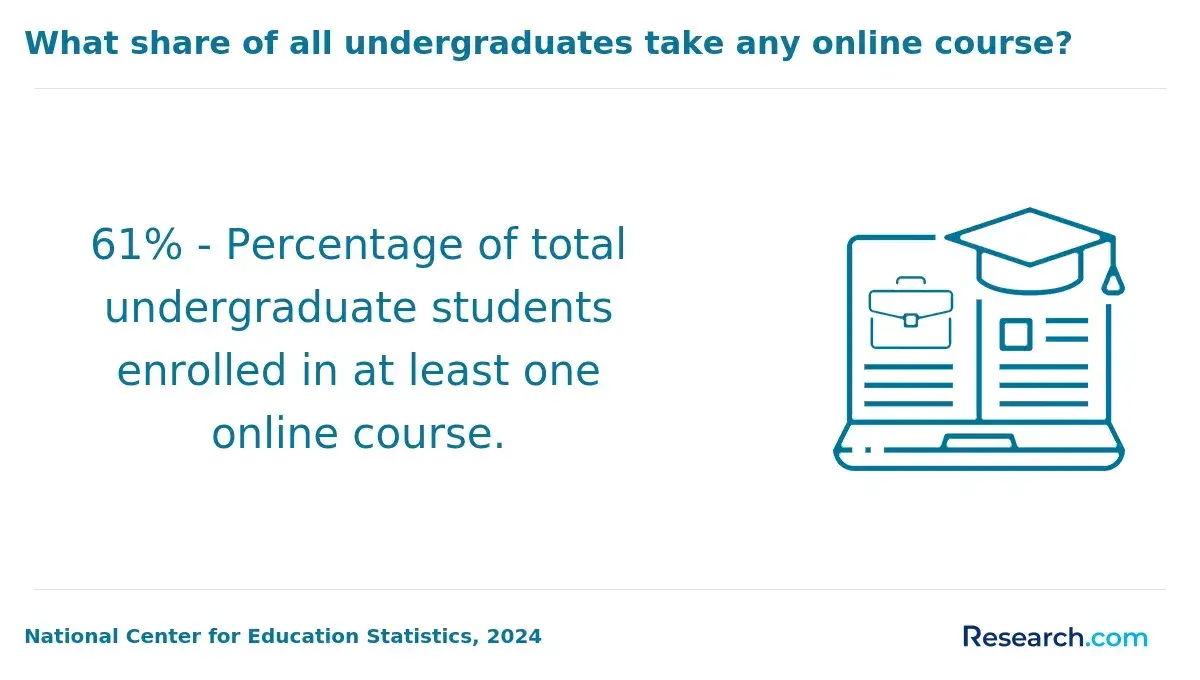
Evaluating the financial viability of a psychology degree requires analyzing tuition increases alongside salary growth rather than considering each factor in isolation. Recent data from the National Center for Education Statistics and the U.S. Bureau of Labor Statistics reveal that average annual undergraduate tuition in psychology-related programs has risen by roughly 3.5% over the past ten years, now averaging around $40,000 per year when accounting for additional costs.
Meanwhile, entry-level salaries for those holding a bachelor's degree in psychology have grown at a much slower pace, approximately 1% to 2% annually after inflation, with median wages ranging between $45,000 and $55,000. This divergent trajectory highlights a growing financial strain, especially for students reliant on loans, as early career earnings may not adequately offset the rising cost of education.
For example, a recent graduate paying the current average tuition might face escalating debt that outpaces the modest salary increases typical of early psychology careers. Conversely, those pursuing advanced degrees could see improved income potential, mid-career earnings can reach $75,000 to $95,000, but must balance this against the added financial and time commitments of graduate study.
Geographic location, specialty area within psychology, and the structure of individual programs also influence these dynamics significantly. Therefore, understanding the interplay between tuition inflation and salary development offers a nuanced framework for prospective students assessing long-term return on investment rather than relying on tuition or salary data alone.
Reflecting on these challenges, one psychology graduate recalled hesitating before enrolling in a master's program due to the steep tuition hikes she had witnessed during her undergraduate years. Though initially discouraged by the prospect of accumulating more debt, she recognized that her entry-level salary plateaued well below the cost increases she had seen.
Ultimately, she chose to proceed with graduate school after carefully weighing the improved earning potential against ongoing living expenses and debt repayment timelines, a decision shaped by her firsthand experience of the widening gap between tuition costs and salary growth early in her career.
Does a Psychology Degree Deliver a Positive Return on Investment?
Return on investment (ROI) in higher education involves weighing the total costs of earning a psychology degree against the potential earnings and career development it enables over time, rather than focusing solely on initial salaries. For example, a student who completes a bachelor's degree in psychology may face several years of relatively modest earnings, since median annual salaries for bachelor-level holders lag behind many other fields.
However, if that student advances to graduate education, such as a master's or doctoral program, and obtains licensure or specialized credentials, their earning potential typically rises, especially in clinical, counseling, or industrial-organizational roles. Data from the Bureau of Labor Statistics in 2024 highlights this upward trend, showing that psychologists with advanced degrees earn significantly more on average than those with only undergraduate qualifications.
In practical terms, a psychology graduate who spends an extra 2-5 years obtaining a master's or doctoral degree might initially extend their educational investment and delay income growth, but this often leads to improved career stability and higher wages that can offset those early costs. Factors such as geographic location, sector of employment, and chosen specialization heavily influence whether a psychology degree yields a positive ROI.
Rising tuition costs and inflation challenge the economics of obtaining even a bachelor's degree; yet, psychology graduates who align their studies with high-demand niches and anticipate the necessity of graduate education tend to maximize the long-term financial and professional benefits. Ultimately, the ROI of a psychology degree varies by individual paths and market conditions, underscoring the importance of strategic planning to align educational investment with realistic career goals.
Which Industries Offer the Highest Salaries for Psychology Graduates?
Salary outcomes for psychology graduates vary widely depending on the industry, role specialization, and geographic location. A nuanced understanding of where demand overlaps with advanced credentialing can illuminate clearer career pathways.
Recent data from the U.S. Bureau of Labor Statistics reveals that specific industries consistently offer higher salaries for psychology-related occupations, reflecting the complex expertise required and the strategic value psychology professionals deliver in those settings. For those evaluating education investments against future earning potential, recognizing these sectors can significantly impact long-term financial sustainability and job market resilience.
Below are key industries known for strong earning potential among psychology degree holders.
- Healthcare And Social Assistance: This sector remains the leading source of high salaries for psychology graduates, especially in clinical, counseling, and school psychology roles. Specialized fields such as neuropsychology and psychiatric hospital positions typically demand advanced degrees and licensure, driving compensation above national averages due to the critical nature of mental health services.
- Technology Sector: Increasingly lucrative for those with expertise in human factors, user experience (UX), and organizational psychology, this industry seeks professionals who enhance product usability and workplace well-being. The demand for psychology graduates adept at integrating behavioral insights with tech innovation translates to competitive salaries and growing job openings.
- Federal And State Government: Government roles in research, forensic psychology, policy development, and military applications provide steady salaries with long-term benefits. Positions within agencies focused on defense or veterans' affairs reward specialized experience and often include structured pay increases tied to tenure and education.
- Consulting Services: Management and business psychology consultants command high fees by applying psychological principles to leadership development, workforce planning, and organizational culture improvement. These roles often require a blend of psychology knowledge and business acumen, positioning consultants as valuable strategic advisors.
- Education And Research Institutions: Though often less lucrative initially, academic roles concentrated in psychological research and higher education can lead to sustained income growth, especially for those securing tenure or funded research grants. The ability to publish and secure external funding enhances earning potential.
- Corporate Human Resources: Specialists in employee assessment, training design, and organizational development earn premiums when leveraging psychology to optimize talent management and employee engagement. Corporations increasingly recognize the link between workforce psychology and productivity, lifting salaries for skilled professionals.
The highest paying industries for psychology degree holders consistently map to sectors valuing evidence-based decision-making combined with advanced interpersonal and analytical skills. For prospective students and career changers, this insight encourages targeted specialization aligned with labor market realities.
Considering cost-effectiveness and quality of education, exploring options like the best data science master's programs can complement psychology expertise, especially for roles involving quantitative analysis or digital innovation.
Which States and Cities Offer the Highest Pay for Psychology Professionals?
Geographic location plays a critical role in determining the earning potential for psychology professionals, reflecting regional economic dynamics, industry presence, and living expenses. While some areas offer higher nominal salaries, the true value of these earnings often depends on the cost of living and local job market stability. For example, a graduate choosing between San Francisco and Houston must weigh substantial pay differences alongside housing costs and tax implications.
Below are some of the top-paying states and cities for psychology roles, drawn from 2024 data by the U.S. Bureau of Labor Statistics and the American Psychological Association.
- California: Home to dense urban hubs like San Francisco and Los Angeles, California provides average salaries exceeding $110,000 for psychologists. Demand stems from healthcare, tech, and academia, but high living costs and state taxes considerably reduce net income, requiring careful budgeting for graduates starting their careers.
- Massachusetts: Boston's concentration of research institutions and hospitals supports median wages near $105,000. The city's competitive market offers opportunities in clinical and research psychology, yet graduates must balance generous pay against steep housing prices and rising tuition debts.
- Washington State: Seattle's expanding technology sector and healthcare system drive wages over $100,000. The combination of strong job growth and quality of life attracts professionals, but growing urban expenses and local taxes temper take-home pay.
- New York City: With salaries ranging from $90,000 to $108,000, New York's diverse industries create broad demand in clinical, organizational, and research psychology. However, high rent and taxes mean net earnings may not stretch as far, challenging new graduates to weigh growth potential against expenses.
- Chicago: Offering competitive salaries in the $90,000 to $100,000 range, Chicago presents opportunities across healthcare and corporate sectors. While the city's cost of living is lower than coastal metros, recent graduates should evaluate job market saturation and cost alignment carefully.
- Washington, D.C.: Robust demand for psychology professionals in government, policy, and healthcare supports salaries near $100,000. The region's career stability is attractive, though high housing costs and taxes require strategic financial planning for early-career professionals.
- Texas and Florida: Although salaries here tend to be lower, generally between $75,000 and $85,000, significantly lower living costs improve overall affordability. For graduates prioritizing manageable expenses and work-life balance, these states offer compelling alternatives despite wage gaps.
How Do Psychology Salaries Grow Throughout a Career?
Salaries in psychology often start modestly, with entry-level practitioners earning median annual wages between $60,000 and $70,000, particularly those holding master's degrees in applied fields. Over the first decade, professionals with doctoral qualifications typically see income rise substantially, frequently reaching $90,000 to $110,000, reflecting accumulated experience and specialization.
By mid-career, psychologists occupying leadership or niche roles in clinical or industrial-organizational psychology may surpass $130,000, although this trajectory varies based on factors like geographic location, employment setting, and additional credentials. The most notable salary growth usually occurs when practitioners take on supervisory responsibilities, secure certifications, or transition into administrative, research, or academic positions, where earnings can outpace inflation and better justify earlier educational investments.
Consider two graduates with comparable doctoral degrees: one pursues private clinical practice, gradually building a referral base, eventually earning beyond $130,000 after 20 years; the other opts for a community mental health role with lower starting pay and slower growth, despite similar academic credentials. The latter's salary trajectory illustrates how choice of subfield and work environment can constrain income potential, underscoring that professional development, strategic networking, and continuous credentialing play pivotal roles in long-term financial outcomes.
According to the U.S. Bureau of Labor Statistics (2024), wage patterns in psychology reflect these distinctions, with specialized and leadership tracks offering the greatest cumulative gains over a career.
One psychology graduate described feeling uncertain initially about the slow salary increases early on, especially while managing student debt. After five years, shifting focus from entry-level counseling in a nonprofit to obtaining board certification and taking on supervisory duties brought a noticeable jump in income
. Reflecting back, the decision to seek advanced credentials and leadership roles "felt urgent," given the high tuition paid, but also brought relief as earnings finally aligned with long-term financial expectations. This experience highlights how deliberate career moves, rather than degree attainment alone, often determine the pace and scale of salary growth in psychology.
How Do Psychology Salaries Compare With Similar Degrees?
The earning potential of psychology graduates must be weighed carefully against similar majors, especially as rising tuition and inflation affect the return on investment.
Median salaries for those holding bachelor's degrees in psychology typically fall below STEM fields but can surpass earnings in some social sciences. Career trajectories and specialization significantly influence long-term income, with advanced degrees often serving as a key lever for boosting salaries.
For those evaluating psychology salary comparison with related degrees, here are some critical distinctions:
- Sociology and Anthropology: Graduates with these degrees generally earn less than psychology majors, with median annual wages closer to $55,000. Careers often center on social research, community services, and policy analysis, which traditionally offer fewer high-salary roles compared to clinical or industrial-organizational psychology specialties.
- Biology and Computer Science: These STEM majors frequently command median salaries above $75,000 at the bachelor's level, reflecting higher demand in sectors like biotech, health sciences, and technology. The technical and specialized skills required in these fields drive stronger wage growth and better alignment with tuition inflation.
- Advanced Psychology Degrees: Master's and doctoral-level graduates in clinical, counseling, or industrial-organizational psychology can earn significantly higher wages, often exceeding $85,000. This scenario underscores the tangible payoff for those who invest more time in specialized training and certifications.
- Interdisciplinary Opportunities: Psychology students might enhance earning potential by combining fields; for instance, pursuing the easiest MBA specialization can open management roles that typically offer higher salaries and leadership pathways.
For anyone concerned with the earning potential of psychology versus similar majors, it's crucial to factor in degree level, specialization, and realistic career outcomes rather than viewing the degree as a standalone commodity.
How Is Employer Demand Affecting Psychology Salary Trends?
Employer demand is a key factor influencing salary trends in psychology, but its effect is nuanced by competition and economic conditions. For example, a recent graduate with a bachelor's degree may find that despite increased hiring activity in school and industrial-organizational psychology, starting salaries have risen only modestly, around 3% in recent years, while inflation surpasses 5% in many areas.
This scenario highlights how large numbers of qualified candidates dilute wage growth even when employer demand grows, limiting the financial benefit new graduates might expect. The demand for psychology professionals depends heavily on factors such as the expansion of mental health services and corporate investment in workplace well-being, both of which encourage employers to hire more specialists but may not translate immediately into higher compensation.
The relationship between psychology employer demand and salary trends also reflects how organizations balance hiring needs with budget constraints and candidate experience. Higher employer demand can lead to faster wage growth, but salaries are influenced by specialization, regional economic health, and internal compensation strategies.
According to the U.S. Bureau of Labor Statistics, psychology occupations are projected to grow 8% through the next decade, somewhat faster than average, yet wage increases remain moderate. For students and career changers weighing costs, it's useful to explore alternatives like the fastest MBA online, which may offer different trajectories in earnings and employer demand dynamics within similar timeframes.
How Can Students Maximize Their Lifetime Earnings With a Psychology Degree?
Maximizing lifetime earnings with a psychology degree requires deliberate choices beyond simply completing coursework. Data from the U.S. Bureau of Labor Statistics and the American Psychological Association in 2024 highlight that advanced education, specialization, and relevant experience strongly correlate with higher income.
For example, a graduate who pursues a doctorate in clinical psychology and gains licensure is more likely to earn substantially more than a bachelor's degree holder working in entry-level roles. Practical strategies target skills, credentials, and positioning to build a sustainable, upward career trajectory. Consider a student who invests time in internships while specializing in industrial-organizational psychology; this combination enhances employability and long-term salary growth.
Key strategies include:
- Advanced Degrees: Pursuing master's or doctoral degrees often leads to significantly higher median wages, especially in clinical or neuropsychology fields, by opening doors to licensed and specialized roles.
- Specialization Selection: Targeting high-demand areas like industrial-organizational psychology offers better job stability and salary prospects due to market needs.
- Practical Experience: Engaging in internships or research assistantships during studies increases employability and access to higher-paying private sector positions.
- Professional Credentials: Earning certifications and licenses adds credibility, allowing access to leadership or consultant roles with greater earnings.
- Geographic Targeting: Working in metropolitan areas with thriving mental health or business sectors typically yields higher wages and sustained demand.
- Complementary Skills: Developing abilities in data analysis, counseling, or project management enhances versatility and increases earning potential.
- Employer Type Awareness: Choosing employers in healthcare, corporate consulting, or tech industries often results in better compensation compared to academic or nonprofit sectors.
References
- Return on Investment For an Online Psychology Degree https://www.onlinepsychologydegrees.com/articles/return-on-investment-for-an-online-psychology-degree/
- The price of college is rising faster than wages for people with degrees | USAFacts https://usafacts.org/articles/is-college-worth-it-the-price-of-college-is-rising-faster-than-wages-for-people-with-degrees/
- Is College Worth it? | Return on Investment Analysis of College Degree https://educationdata.org/college-degree-roi
- Top 5 Highest-Paying Psychology Careers - Rivier Academics https://www.rivier.edu/academics/online/resources/program-resources/top-5-highest-paying-psychology-careers-rivier-university/
- Is College Worth It? A Comprehensive Return on Investment Analysis - FREOPP https://freopp.org/whitepapers/is-college-worth-it-a-comprehensive-return-on-investment-analysis/
- Has pay kept up with inflation? | Brookings https://www.brookings.edu/articles/has-pay-kept-up-with-inflation/
- The Best States For Psychologists | Psychology.org https://www.psychology.org/states/best-states-for-psychologists/
- Psychologist Salary and Career Outlook https://teach.com/online-ed/psychology-degrees/online-masters-in-psychology/career-outlook/
- What Do Psychologists Earn? Highest Paying Psychology Jobs | Walbrook https://www.walbrook.ac.uk/subjects/psychology/psychologist-salaries-highest-paying-jobs/
Other Things You Should Know About Psychology Salary Trends
Specializations like clinical, industrial-organizational, or neuropsychology often experience differing salary trajectories and stability based on demand and required credentials. For example, clinical psychologists with licensure may face slower wage growth but greater job security due to regulatory requirements, while emerging fields might offer higher starting salaries but less predictable career paths. Prospective students should weigh the tradeoff between the immediate earning potential of newer specialties and the long-term steadiness that comes with established credentials and roles.
Graduates from prestigious programs tend to have access to stronger professional networks and specialized internships, which can translate into higher initial salaries or leadership roles. However, high tuition at these institutions may require longer repayment periods, potentially offsetting early salary gains. Candidates with limited financial flexibility might benefit more from affordable programs that emphasize practical skills and local industry connections, balancing upfront costs against actual employment outcomes.
Many psychology graduates start or supplement their income with part-time or adjunct positions, which often offer lower pay and minimal benefits compared to full-time roles. Reliance on such arrangements can slow overall salary growth and create financial instability, particularly when balancing student loan repayment and living expenses. Prioritizing full-time, tenure-track, or permanent clinical positions-even if initially harder to secure-can improve long-term earning trajectories and benefits accumulation.
Rising administrative duties, caseloads, and documentation requirements have not been consistently matched by corresponding salary increases, especially in public or nonprofit sectors. This imbalance can lead to burnout and reduced job satisfaction, which may prompt professionals to pursue alternative fields or roles outside direct practice. Those entering psychology should consider workload expectations carefully and weigh the financial and personal costs of high-demand environments against the potential for long-term compensation gains.