2027 Psychology ROI by Institution Type: Public vs Private vs Nonprofit Online Programs

Co-Founder and Chief Data Scientist
Consider a prospective psychology student evaluating three online programs, one public, one private, and one nonprofit, that appear equal in curriculum but differ sharply in tuition and career support.
A 2024 study by the National Center for Education Statistics reveals public institutions have a 15% higher average graduation rate in online programs, yet private schools often offer stronger career services that correlate with improved employment prospects. These differences translate into significant variation in student debt levels and long-term earning potential, affecting the true return on investment.
This article analyzes critical factors shaping psychology ROI by institution type to guide a more informed, outcome-focused decision.
Key Things to Know About Psychology ROI by Institution Type
- Public online psychology programs typically offer lower tuition but may have longer average completion times, increasing indirect costs—a tradeoff critical for students balancing affordability against timely workforce entry.
- Private institutions often present stronger brand recognition and employer networks, enhancing career advancement potential; however, higher tuition frequently leads to increased student debt, influencing long-term financial flexibility.
- Nonprofit programs blend moderate cost structures with specialized learner support, benefiting working adults, yet variable graduation rates underscore the importance of assessing institutional capacity to deliver timely credentials.
- Key Things to Know About Psychology ROI by Institution Type Key Things to Know About Psychology ROI by Institution Type
- What Does ROI Mean for a Psychology Program and How Is It Measured? Understanding Psychology Program ROI
- How Do Public, Private, and Nonprofit Online Psychology Programs Differ in Overall Value? Value by Institution Type
- How Do Tuition Costs Affect the ROI of a Psychology Program Across Institution Types? Tuition Costs and ROI
- How Do Graduation Rates Influence Psychology Program ROI? Graduation Rates Impact ROI
- What Role Do Career Outcomes Play in the ROI of a Psychology Degree? Career Outcomes and ROI
- How Does Student Debt Impact the Long-Term ROI of a Psychology Program? Debt vs. Long-Term ROI
- How Do Flexibility and Adult Learner Support Affect Psychology Program Value? Flexibility and Program Value
- How Do Accreditation and Institutional Reputation Influence Psychology ROI? Accreditation and Reputation
- How Does Time-to-Degree Affect the ROI of Public, Private, and Nonprofit Psychology Programs? Time-to-Degree
- How Can You Choose the Best Psychology Program Based on Your ROI Goals? Choosing Programs by ROI
What Does ROI Mean for a Psychology Program and How Is It Measured?
The return on investment for a psychology program must be evaluated through a nuanced lens that goes beyond sticker price and immediate post-graduation salaries. Prospective students need to weigh total educational costs, including tuition, fees, and opportunity costs such as income lost during study, against factors like graduation rates and time-to-degree completion.
For instance, a public online program may offer lower tuition but have a 50% graduation rate within six years, whereas private nonprofit alternatives often report closer to 65%, which can accelerate entry into the workforce and affect long-term earnings. This decision becomes especially significant when considering the debt burden, as private nonprofit graduates often carry 20-30% more student debt, a critical factor in financial planning and subsequent career flexibility.
Career outcomes tied to program reputation, practical training, and job placement services must factor heavily into any psychology program return on investment calculation. Programs that align curriculum with employer expectations in mental health often justify higher upfront costs by improving employment prospects and long-term earnings potential. Yet ROI also varies based on individual goals.
Someone seeking licensure or specialized credentials might find value in a program with strong network development or clinical training, even if upfront costs are higher. For adult learners balancing work and study, opportunity cost and time-to-degree weigh heavily, which is why some turn to condensed options like the 1 year online masters that concentrate practical skills into accelerated formats to optimize both time and financial investment.
How Do Public, Private, and Nonprofit Online Psychology Programs Differ in Overall Value?
Choosing among public, private, and nonprofit online psychology programs involves weighing distinct tradeoffs in cost, support, and long-term benefit that directly impact affordability and career prospects. Public institutions generally offer lower tuition, especially for in-state students, with average graduation rates near 55% and comparatively lower student debt, as reported by the National Center for Education Statistics (2024).
However, reduced student services in many public programs may require learners to be more self-directed, potentially affecting retention and timely completion. Conversely, private programs often come with higher costs but provide enhanced advising, smaller classes, and career networking that can slightly improve graduation outcomes and employer perception, albeit with increased debt risk.
Nonprofit online psychology programs frequently balance moderate pricing with flexible scheduling and strong accreditation, appealing particularly to working adults seeking to minimize debt while maintaining quality. These offerings may outperform both public and private counterparts in student satisfaction and practical preparation, reflecting an important consideration for those prioritizing adaptability alongside educational rigor.
Employer preferences vary, but some specialized roles favor graduates from accredited nonprofits or private institutions, while public program graduates tend to be valued for foundational knowledge obtained more economically. Ultimately, the best choice hinges on individual financial circumstances, professional goals, and capacity for navigating available support systems.
A working professional debated these options closely when selecting an online psychology program, hesitant to take on high debt from a well-known private school despite its strong alumni network. They found public programs affordable but were concerned about limited student support potentially slowing degree progress while working full-time.
After evaluating a nonprofit program with proven flexibility and solid accreditation, they felt reassured that it aligned with their financial constraints and career aspirations, offering a realistic path to completion without excessive borrowing or sacrificing program quality.
How Do Tuition Costs Affect the ROI of a Psychology Program Across Institution Types?
Tuition costs alone do not determine the return on investment for Psychology programs; instead, their interplay with financial aid, student debt, and program outcomes reveals the true value.
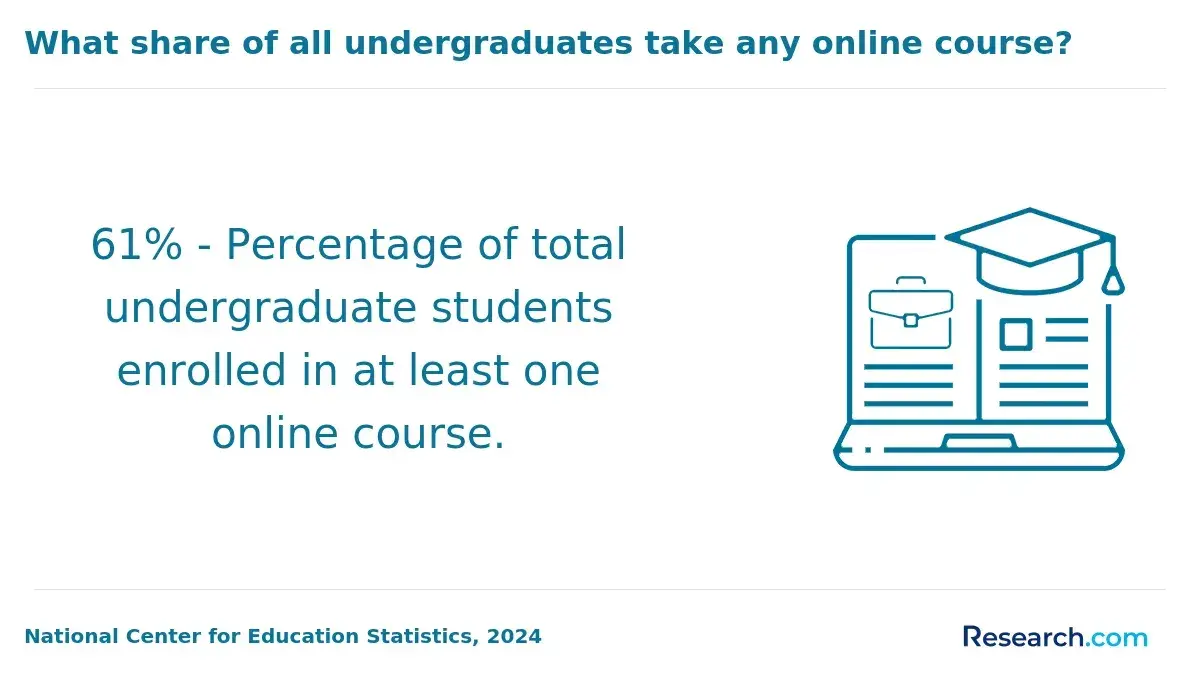
Public institutions often offer lower sticker prices, around $7,000 to $10,000 annually for online undergraduate psychology programs as of 2024, according to the National Center for Education Statistics, but students may face higher borrowing rates due to limited aid availability and longer times to degree completion. For example, a student graduating late from a low-tuition public program may accumulate more debt and delay labor market entry, diminishing the anticipated savings and overall ROI.
Private and nonprofit online Psychology programs frequently charge significantly higher tuition, sometimes exceeding $25,000 annually, yet approximately 60% of students at private nonprofit institutions benefit from grants or scholarships that reduce net costs by 40%, per data from the Institute for College Access & Success.
These programs often emphasize personalized mentoring and career services, which can lead to faster job placement or access to higher-paying roles, potentially offsetting initial expenses. However, this advantage depends heavily on individual goals and circumstances, meaning that higher tuition may not justify its cost for all students, especially those prioritizing minimal debt over extensive support networks.
Graduation rates and time to degree completion also influence the ultimate financial outcome, with many public programs exhibiting stronger completion metrics that help contain total cost. Meanwhile, nonprofit options may balance moderate tuition with targeted services aimed at degree attainment and employability.
This nuanced landscape requires students to weigh upfront costs against institutional support and labor market outcomes, recognizing that the cheapest program does not always deliver the strongest long-term value, nor does the most expensive guarantee superior ROI without matching career advantages.
How Do Graduation Rates Influence Psychology Program ROI?
Graduation outcomes serve as a practical gauge of educational efficiency, especially when comparing psychology program graduation rates and return on investment across public, private, and nonprofit online institutions. Public programs often report six-year graduation rates near 60%, outpacing private and nonprofit counterparts at about 50%, reflecting differences in student demographics, institutional resources, and academic pacing.
For cost-conscious adult learners balancing work, family, and education, lower graduation rates can translate into extended time-to-degree, increased tuition fees, and heavier debt loads, all of which undercut the financial returns of the program.
Programs with lower completion percentages frequently enroll higher shares of part-time or transfer students, who may prioritize flexibility and tailored support over speed, complicating a simple interpretation of ROI. Nonprofit institutions often provide these adaptive academic structures, which while potentially elongating degree timelines, can enhance long-term career sustainability and satisfaction—key considerations alongside immediate earning potential.
Data from Georgetown University's Center on Education and the Workforce highlights that graduation outcomes closely correlate with employment rates and earning power in psychology fields, though debt-to-earnings ratios more accurately reflect the balance of costs and career benefits.
Prospective students must weigh these factors in concert, considering institutional support and cost-per-credit metrics rather than relying on graduation rates alone. Given the competitive financial landscape, evaluating different program designs alongside practical priorities is essential. For those exploring specialized fields like an engineering degree online may provide additional perspectives on affordability strategies applicable in Psychology education pathways.
What Role Do Career Outcomes Play in the ROI of a Psychology Degree?
Employment outcomes serve as a critical lens through which the ROI of online psychology degrees from different institution types must be viewed, especially when balanced against tuition costs and debt load. Public programs, with their 68% employment rate within a year as reported by the National Center for Education Statistics in 2024, often provide broader access to institutional partnerships and public health networks that enhance job placement.
In contrast, private institutions may offer more personalized career services and smaller class sizes, which can improve individual career support but often come with higher financial burdens that can offset early gains. Nonprofit programs, while sometimes slower to translate into immediate salary benefits, could deliver stronger value over time through focus on graduate study pathways and social impact roles, which influence long-term career stability and opportunities in research or clinical settings.
Decision-making around enrollment should weigh how skills alignment, employer recognition, and practical experience affect mobility and upward trajectory in a crowded job market. For a working adult or career changer, the choice between flexibility, cost, and specialized credentialing will influence whether a program enhances licensure eligibility or sustains employability over time.
The subtle interplay of these factors often means that the strongest return is realized not solely through initial earnings but through ongoing ability to navigate diverse roles and advance within healthcare or counseling sectors. This complexity highlights that institutional type alone does not guarantee ROI; nuanced practical outcomes and student circumstances must guide the evaluation.
One graduate of an online psychology program recalled facing an uncertain financial decision when enrolling in a mid-cost private institution. Initially skeptical about whether the degree would lead to tangible career benefits given the expense, they found that the university's personalized career support directly contributed to securing a promotion within a year.
Their employer recognized the degree as relevant to supervisory responsibilities, and the graduate appreciated how applied coursework translated into daily practice, ultimately validating the investment beyond mere salary metrics.
How Does Student Debt Impact the Long-Term ROI of a Psychology Program?
Debt burdens significantly shape the long-term ROI of psychology programs, especially when contrasting public, private, and nonprofit online institutions. Students graduating from private online programs often face debt loads roughly 35% higher than their public counterparts, impacting financial flexibility and delaying wealth accumulation.
This debt disparity, coupled with varying graduation rates and borrowing strategies, means students must evaluate how much debt they are willing to carry relative to the anticipated career advancement, educational quality, and program completion timelines when assessing the true value of their degree.
Graduates from public programs typically experience lower default rates, reflecting a debt-to-income balance that supports manageable repayment. For instance, psychology graduates with debts below $30,000 are 25% less likely to default compared to those with debts over $50,000 from private programs, highlighting the practical consequences of borrowing decisions on long-term financial health.
Given that psychology careers often have moderate salary trajectories, students facing high educational costs must weigh if increased debt leads to proportionally better outcomes or if nonprofit and public options offer a more sustainable debt-to-completion ratio. Those considering financing strategies and program options may also benefit from exploring alternatives like income-driven repayment plans or debt forgiveness programs available to psychology graduates.
Evaluating student debt impact on long-term psychology program ROI requires careful consideration beyond tuition price tags, including graduation success rates, repayment outcomes, and actual career earning potential.
Adult learners and professionals exploring degrees should compare cost structures critically, much like when analyzing other fields such as the top MBA online, to understand the balance between investment and expected returns. This nuanced approach helps ensure decisions align with both immediate affordability and the financial realities of psychology professions over time.
How Do Flexibility and Adult Learner Support Affect Psychology Program Value?
Flexibility and adult learner support shape the return on investment for online psychology programs in ways that extend beyond tuition costs or scheduling convenience. Public institutions often provide a wider range of asynchronous and part-time options that accommodate working adults but may lack the personalized academic advising and faculty access that contribute to student persistence and satisfaction.
By contrast, private programs frequently emphasize synchronous engagement and faculty mentorship, offering stronger networking prospects but at higher price points that increase financial risk if job outcomes or career advancement remain uncertain.
Nonprofit programs tend to balance affordability with comprehensive support services tailored to adult learners, such as transfer credit assistance and military accommodations, which research from the Council for Adult and Experiential Learning highlights can improve six-year graduation rates by 25%.
These resources help reduce excess credit accumulation and shorten time to degree, critical factors for cost-conscious students managing work and family obligations. Choosing between these models requires weighing the tradeoff between schedule flexibility and the intensity of support services, recognizing that inadequate advising or career counseling can diminish the practical value and extend the opportunity cost of an online psychology degree.
Ultimately, the decision hinges on how well a program's structure aligns with individual circumstances, including professional responsibilities and long-term career goals in psychology-related fields. With employers and graduate programs increasingly valuing demonstrated competencies and practical experience, sustained institutional support and tailored advising often correlate with better workforce readiness and graduation success.
For adult learners, particularly those transferring credits or balancing multiple commitments, prioritizing programs that integrate these elements is essential for maximizing educational outcomes and controlling debt burden throughout the degree pathway.
How Do Accreditation and Institutional Reputation Influence Psychology ROI?
Accreditation and institutional reputation fundamentally shape the return on investment (ROI) for students pursuing psychology degrees, as these factors directly influence licensure eligibility, employer recognition, and credit transferability.
For example, graduates from regionally accredited programs are 33% more likely to find employment within their field within one year, according to the Council for Higher Education Accreditation (CHEA) 2024 report. This advantage often outweighs tuition cost differences, meaning a lower-cost private nonprofit program without proper accreditation could impede access to counseling licensure exams, limiting career paths and income potential despite its affordability.
Public institutions typically leverage longstanding reputations and stronger state funding to support higher graduation rates and transfer options, which can mitigate student debt burdens and enhance networking opportunities. Conversely, some private schools, even with niche specializations, face skepticism if not recognized by key accrediting bodies, negatively impacting graduates' perceived value by employers and graduate schools.
Working adults and transfer students must weigh these tradeoffs carefully, as the nuanced interplay between program credibility and institutional prestige can affect both timely degree completion and the long-term applicability of their credentials.
Ultimately, the combined evaluation of accreditation, institutional reputation, and support services informs practical decision-making for cost-conscious learners balancing affordability with career readiness.
Those prioritizing licensure and graduate admission should focus on programs aligned with recognized psychology accreditation standards, while also assessing how institutional reputation might influence employer surveys and internship access, critical components to enhancing career outcomes and managing cumulative debt. Such an approach ensures a more strategic assessment of ROI across public, private, and nonprofit online psychology programs.
How Does Time-to-Degree Affect the ROI of Public, Private, and Nonprofit Psychology Programs?
Time-to-degree directly affects total tuition exposure and opportunity costs in psychology programs, with public institutions averaging 5.2 years for bachelor's completion versus 4.7 years at private schools. Nonprofit online programs often provide accelerated pathways enabling degree completion in as little as 3 to 4 years, which can significantly reduce the period of delayed income and debt accumulation.
However, faster completion may limit part-time work opportunities, which for many adult learners are essential to balancing family and professional responsibilities. Decision-makers must weigh how program length intersects with enrollment status and transfer credit policies, which in public institutions frequently shorten time-to-degree by credit recognition, thus affecting the practical ROI of psychology programs.
Enrollment intensity and completion likelihood further influence return profiles. Part-time enrollment, prevalent in nonprofit online formats, extends time-to-degree but mitigates financial strain by allowing sustained income, which can reduce borrowing and increase long-term value despite longer academic timelines.
By contrast, full-time enrollment at traditional public and private institutions typically shortens time-to-degree but may create immediate financial pressures impacting student debt. Graduation rates, varying from approximately 60% at public institutions to over 70% in some private nonprofits through targeted support, must also be factored into value assessments.
Adult learners evaluating degree completion speed and financial return in psychology online programs would benefit from exploring options among non profit universities that balance accelerated pacing with flexible structures.
How Can You Choose the Best Psychology Program Based on Your ROI Goals?
Determining the best psychology program based on ROI goals hinges on individual priorities rather than simply on institution type. Public programs often offer lower tuition and reduced student debt burdens, but private and nonprofit online psychology degrees may provide higher graduation rates, recently averaging 68% compared to 55% for public counterparts, potentially shortening time-to-degree and lowering overall costs.
Those balancing work and family obligations might value the greater flexibility frequently found in nonprofit and public options, including asynchronous coursework designed for part-time study, which can impact long-term career prospects in psychology.
Financial tradeoffs extend beyond tuition; graduates of public programs tend to carry 15-20% less debt on average, which can be significant for early-career professionals or those planning graduate study. Meanwhile, accreditation and program reputation remain critical, with nonprofit programs often delivering stronger networks and career services in clinical and counseling psychology fields that reflect employer hiring preferences.
Assessing your ROI means evaluating full cost of attendance, financial aid availability, and expected time-to-completion against projected employability outcomes in your chosen region or sector.
Given these variables, cost-conscious adult learners and career changers should carefully compare program attributes aligned with their specific work-life balance and financial goals. For those exploring advanced credentials, it's useful to consult comprehensive rankings like the best EdS to EdD programs to understand pathways that optimize both career and financial return.
This nuanced approach to psychology program ROI comparison by institution type supports more informed decision-making that reflects real-world constraints and opportunities.
References
- The Difference Between Public and Private Nonprofit Colleges — GGU Military https://military.ggu.edu/blog/private-nonprofit-college-benefits
- How To Calculate The ROI Of Your College Degree | Bankrate https://www.bankrate.com/loans/student-loans/roi-college-degree/
- Is College Worth It? A Comprehensive Return on Investment Analysis - FREOPP https://freopp.org/whitepapers/is-college-worth-it-a-comprehensive-return-on-investment-analysis/
- How to Measure Impact and ROI Without Losing Your Purpose – ROI Institute https://roiinstitute.net/how-to-measure-impact-and-roi-without-losing-your-purpose/
- The Economics of Accreditation: Costs, Benefits, ROI - Course Accreditation https://course-accreditation.com/blog/the-economics-of-accreditation-costs-benefits-roi/
- Is College Worth it? | Return on Investment Analysis of College Degree https://educationdata.org/college-degree-roi
Other Things You Should Know About Psychology ROI by Institution Type
Specializations such as clinical, counseling, industrial-organizational, or forensic psychology vary widely in demand, salary potential, and required credentials. Public institutions often provide broader foundational programs with fewer niche options, while private and nonprofit schools may offer more targeted specializations that align with specific career paths. Choosing an institution that supports your desired specialization can improve ROI by positioning you for roles with clearer licensure pathways or higher market demand.
For adult learners balancing work and study, the flexibility and structure of a program often matter more than whether it's public, private, or nonprofit. Programs with asynchronous courses and strong career services can accelerate completion and job placement, critically improving ROI. Therefore, choosing a program that fits your schedule and offers practical support can outweigh institutional prestige, especially in psychology's skills-driven job markets.
Employer perception in psychology frequently hinges on accreditation and demonstrable competencies rather than institution type. However, some employers may associate private or nonprofit programs with smaller class sizes and more personalized mentorship, which can enhance applied learning and internship opportunities. Prioritizing programs known for practical training rather than just brand name can deliver better ROI by improving workforce readiness.
Programs with intense, fast-paced curricula may shorten time-to-degree but can impose challenges balancing work, family, and study, risking burnout or lower academic performance. Public institutions sometimes offer more standardized pacing, while private and nonprofit programs may allow customized pacing that fits career changers' unique schedules. Selecting a program with manageable workload and adaptable scheduling is crucial to maintain quality learning and maximize long-term ROI.