
2027 Is Demand for Esports Business Degree Graduates Growing or Declining?

Co-Founder and Chief Data Scientist
Choosing an esports business degree is really a career-risk decision: the industry is growing, but the best jobs are still concentrated, competitive, and often shaped by experience as much as by the credential itself. The esports business sector is projected to grow at an annual rate of 14.5% through 2028, which signals real demand for people who understand sponsorships, digital audiences, events, media rights, partnerships, analytics, and community growth.
That does not mean every graduate will move directly into a full-time esports role. Employers usually look for business fundamentals, proof of practical work, and fluency in gaming culture. This guide explains where demand is strongest, which roles and industries are hiring, how location and degree level affect employability, what skills matter most, and whether an esports business degree is a smart investment given current job-market conditions.
Key Things to Know About the Demand for Esports Business Degree Graduates
- Employment in esports business is rising as global esports revenue reached $1.38 billion in 2023, driving demand for skilled graduates in marketing, event management, and analytics.
- Projected job growth exceeds 15% over the next decade, outpacing traditional sports industries due to expanding digital platforms and audience engagement.
- Specializing in emerging areas like esports law, content creation, or team management increases long-term career stability amid evolving industry dynamics and technological advances.
What Factors Are Driving Demand for Esports Business Degree Professionals?
Demand for esports business professionals is being driven by the commercialization of competitive gaming. As esports organizations become more professional, they need people who can manage revenue, audiences, brand relationships, events, content, and compliance—not just people who understand games.
- Industry growth: Expanding global audiences, sponsorship activity, tournament revenue, and team operations are creating more business-side roles. Employers need graduates who can apply marketing, management, finance, and operations skills in an esports setting.
- More sophisticated revenue models: Esports organizations increasingly rely on sponsorships, advertising, merchandise, subscriptions, media rights, live events, and digital activations. That raises demand for professionals who can build partnerships and measure return on investment.
- Technological advancement: Streaming platforms, virtual reality, data analytics, and audience-tracking tools are changing how esports companies reach fans and monetize engagement. Graduates who can interpret data and turn it into strategy have an advantage.
- Demographic shifts: Younger audiences are deeply involved in gaming as players, viewers, creators, and consumers. Employers value professionals who understand digital communities, creator culture, online behavior, and youth-focused brand communication.
- Regulatory developments: As esports becomes more established, organizations face more issues involving data privacy, intellectual property, advertising rules, gambling, player contracts, and ethical standards. Business graduates with compliance awareness are better prepared for responsible operations.
- Evolving skill requirements: The strongest candidates combine broad business training with esports-specific knowledge. A degree may help, but employers often prioritize portfolios, internships, event experience, campaign results, and measurable contributions.
Prospective students should evaluate accredited esports business degree programs in the United States carefully. Accreditation matters because it can affect credit transfer, graduate school eligibility, employer confidence, and access to certain financial aid options. Students who want broader business preparation may also compare esports-focused programs with traditional business pathways, including affordable MBA programs, especially if they plan to pursue management roles later.
Which Esports Business Occupations Are Seeing the Highest Growth Rates?
The fastest-growing esports business opportunities tend to sit at the intersection of live events, digital media, marketing, analytics, and sponsorship revenue. The U.S. Bureau of Labor Statistics projects an 11% overall growth for marketing and management professions through 2031, which supports demand in adjacent esports business roles. However, esports-specific hiring can fluctuate by game title, team funding, sponsor budgets, and media trends.
- Esports event managers: This role is projected to grow nearly 20% over the next decade as tournaments, conventions, collegiate competitions, and brand-sponsored events expand. Employers typically look for business, marketing, hospitality, sports management, or related training plus hands-on event experience.
- Digital marketing specialists: Esports brands rely heavily on online campaigns, creators, social media, paid advertising, fan communities, and performance metrics. Candidates with marketing or communications training and strong digital-platform experience are well positioned.
- Broadcasting producers: Streaming is central to esports visibility. Producers who understand live production, audience pacing, platform requirements, sponsorship integration, and gaming culture can support broadcasts for tournaments, leagues, teams, and media firms.
- Game analysts: Analytics roles support competitive strategy, audience insights, campaign performance, and business planning. These jobs often require stronger quantitative skills than many students expect, including comfort with data tools and clear reporting.
- Sponsorship coordinators: As esports revenue grows, organizations need professionals who can identify brand partners, build proposals, activate campaigns, track deliverables, and maintain sponsor relationships. Business, marketing, and communications preparation are especially useful.
Students interested in audience psychology, motivation, and fan behavior may also find value in complementary coursework. For example, an accelerated psychology bachelor’s degree online can support a broader understanding of consumer behavior, though it should be paired with business and esports-specific experience for industry roles.
Which Industries Hire the Most Esports Business Degree Graduates?
Esports business graduates are not limited to teams. The strongest employment prospects often come from the broader gaming, media, technology, events, and marketing ecosystem. Students should look beyond job titles with “esports” in them and search for roles tied to gaming audiences, digital entertainment, creator partnerships, and live production.
- Esports organizations and teams: Teams and leagues hire for operations, player support, sponsorship activation, marketing, content planning, merchandise, community management, and event coordination. These roles are attractive but competitive because many students target them first.
- Gaming and technology companies: Publishers, platform companies, hardware brands, software firms, and gaming startups may hire graduates for product marketing, user acquisition, community engagement, business development, partnerships, and customer success roles.
- Media and broadcasting firms: Streaming networks, production companies, and digital media firms need people who understand content calendars, live broadcasts, advertising inventory, audience retention, rights discussions, and sponsor placement.
- Event management companies: Firms that produce tournaments, conventions, collegiate events, and brand activations need professionals who can manage logistics, vendors, staffing, registration, promotion, budgeting, and contingency planning.
- Digital marketing agencies: Agencies serving gaming and esports clients hire for social media strategy, creator campaigns, paid media, analytics, brand positioning, and fan engagement. This can be a practical entry point for graduates building a portfolio.
- Colleges and universities: Some institutions support esports teams, student clubs, arenas, intramural programs, and recruitment initiatives. These roles may combine student affairs, athletics, marketing, and event operations.
How Do Esports Business Job Opportunities Vary by State or Region?
Location affects esports business hiring because jobs tend to cluster around gaming companies, media production hubs, major event venues, sponsors, agencies, and large universities. Remote work has expanded access, but many relationship-heavy roles still benefit from being near industry activity.
- High-demand states: States like California, Texas, and Florida often have stronger esports-related job availability because of gaming companies, major metros, media infrastructure, and event activity. California is especially tied to technology, entertainment, and gaming ecosystems.
- Regional industry clusters: The Pacific Northwest and Northeast have growing esports startup activity, university programs, agency work, and event organization. These clusters can create specialized opportunities even when total job volume is smaller than in the largest states.
- Urban-rural divide: Large metro areas usually offer more openings in marketing, sponsorships, events, production, and partnerships, but competition is also stronger. Rural areas may have fewer dedicated esports roles, though remote positions and collegiate esports programs can create selective opportunities.
- Cost-of-living impact: A salary that looks attractive in one market may be less practical in a high-cost city. Students should compare compensation with rent, transportation, taxes, and the likelihood of hybrid or remote work before relocating.
- Growth outlook variability: Esports business jobs are anticipated to grow nationally by around 15% in coming years, but hiring will vary by regional economy, sponsor investment, population density, venue access, and local gaming communities.
A practical job-search strategy is to identify three target markets: one major esports hub, one lower-cost emerging market, and one remote-friendly category such as digital marketing, analytics, community management, or content operations. This gives graduates more flexibility if local hiring is limited.
How Does Degree Level Affect Employability in Esports Business Fields?
Degree level can influence employability, but it does not replace experience. In esports business, employers often evaluate candidates by asking whether they can run campaigns, manage events, communicate with sponsors, analyze audiences, and work under fast-moving conditions. The right degree level depends on the role you want and how much experience you already have.
| Degree level | Typical value in esports business | Common limitations |
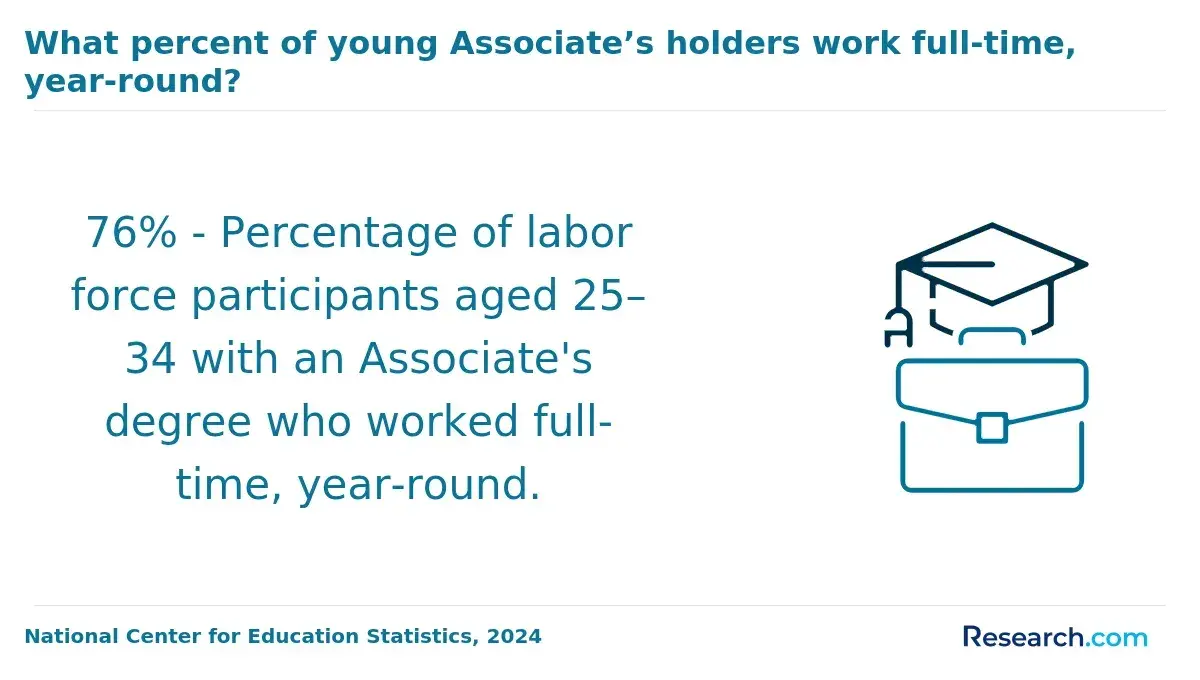
| Associate degree | Can support entry-level work in event assistance, marketing support, community operations, or administrative roles. | May not be enough for competitive management, sponsorship, or strategy roles without strong internships or portfolio work. |
| Bachelor's degree | Often the standard credential for roles in marketing, operations, event management, sponsorship coordination, and business development. | Graduates still need practical experience, industry networking, and evidence of business results. |
| Master's degree | Can strengthen leadership, strategy, analytics, and management preparation. Master's holders experience roughly 10% higher employment than bachelor's graduates. | Best return usually comes when paired with prior experience or a clear path to senior roles. |
| Doctorate degree | Most relevant for research, teaching, policy, consulting, or academic leadership connected to esports, gaming, or digital business. | Rarely required for standard industry roles and may not improve entry-level hiring prospects. |
An associate degree can be a lower-cost starting point, but students seeking management-track positions usually benefit from completing a bachelor's degree. A master's degree may help professionals move into senior strategy, program direction, or brand leadership, but it should be chosen carefully based on cost, career stage, and employer expectations. Students comparing graduate options outside esports can also review programs such as an MLIS degree to understand how specialized master’s pathways differ by field.
Students who want broader business flexibility should compare esports-specific curricula with traditional business programs at online business schools, especially if they want career options beyond gaming and esports.
What Skills Are Employers Seeking in Esports Business Graduates?
Employers want esports business graduates who can combine business execution with cultural fluency. Passion for gaming may help you understand the audience, but hiring decisions usually come down to whether you can produce measurable value.
- Marketing and digital engagement: Graduates should know how to plan campaigns, manage social platforms, write for digital audiences, work with creators, interpret engagement metrics, and adjust strategy based on performance.
- Analytical thinking: Esports organizations use data to understand viewers, sponsors, ticket sales, content performance, player engagement, and community growth. Candidates who can turn data into decisions stand out.
- Event coordination: Tournaments and live activations require scheduling, budgeting, vendor management, staffing, venue coordination, promotion, risk planning, and fast problem-solving. Even small event experience can be valuable evidence.
- Financial insight: Employers value graduates who understand budgets, sponsorship value, revenue streams, pricing, profitability, and cost control. Esports organizations often operate with lean teams, so financial discipline matters.
- Communication and relationship building: Professionals must work with players, sponsors, media partners, vendors, creators, fans, and executives. Clear writing, professional follow-up, and stakeholder management are essential.
- Content and platform fluency: Graduates should understand how audiences behave across Twitch, YouTube, Discord, TikTok, X, and other digital communities, while recognizing that platform trends can change quickly.
- Adaptability: The esports market changes with game popularity, publisher decisions, sponsorship cycles, and technology. Employers favor candidates who can learn quickly and adjust without losing focus.
A common mistake is treating esports knowledge as the main qualification. A stronger approach is to build proof: volunteer at tournaments, create campaign reports, manage a student esports club budget, support a livestream, analyze sponsorship examples, or complete internships in gaming, sports, media, or digital marketing.
- : "One recent esports business graduate described the transition into the field this way: “I had to learn quickly how to listen and adapt.” His first tournament role involved last-minute schedule changes, sponsor questions, and communication challenges. The experience showed him that employers valued resilience and stakeholder management as much as classroom knowledge."
How Does Job Demand Affect Esports Business Graduate Salaries?
Job demand can improve salary conditions for esports business graduates, but pay varies widely by role, employer size, location, experience, and revenue source. Esports careers often sit inside the broader media, entertainment, marketing, sports, and technology labor markets. Roles related to media and entertainment—where many esports business careers fall—are projected to grow 9% from 2022 to 2032.
- Initial salary offers: When employers need candidates who understand both business and esports audiences, starting offers may become more competitive. Graduates with internships, analytics skills, event experience, or sponsor-facing work usually have stronger leverage than graduates with coursework alone.
- Job security and negotiations: Higher demand can improve bargaining power, but esports organizations vary in financial stability. Candidates should consider benefits, contract length, growth potential, and employer funding—not only base pay.
- Specialized opportunities: Roles tied to analytics, sponsorship strategy, media rights, creator partnerships, and revenue growth may offer better compensation because they are closer to measurable business outcomes.
- Career advancement: Demand can speed up promotion for professionals who deliver results. Moving from coordinator roles into manager, director, or strategy positions often depends on demonstrated revenue impact, successful events, or audience-growth achievements.
Graduates should research salaries by job function rather than relying only on “esports” as a keyword. A digital marketing role at a gaming company, an event operations role with a tournament organizer, and a sponsorship role with a team may have very different pay structures even if all are connected to esports.
How Is AI Changing Demand for Esports Business Professionals?
AI is changing the type of work esports business professionals perform. With 67% of organizations planning to boost AI investments, demand is increasing for people who can use AI tools responsibly, interpret outputs, and apply insights to business goals. This shift is driving a 25% increase in demand for professionals skilled in AI integration.
- Automation of routine tasks: AI can support reporting, campaign optimization, audience segmentation, content planning, customer support, and engagement analysis. This may reduce demand for purely repetitive entry-level work.
- More strategic entry-level expectations: New graduates may be expected to use AI tools to work faster, but they still need judgment. Employers want people who can check accuracy, identify bias, protect data, and connect insights to business decisions.
- Emergence of specialized roles: Opportunities are growing for professionals with esports knowledge and skills in data science, machine learning, AI ethics, automation strategy, and analytics operations.
- Shifting skill requirements: Candidates who combine business communication, esports fluency, data literacy, and AI tool competence will be more competitive than those with only general business training.
- Changing hiring patterns: Employers are increasingly interested in hybrid skill sets. A marketing graduate who can analyze AI-generated audience segments or an event coordinator who can automate reporting may stand out.
AI is not eliminating the need for esports business professionals; it is raising the bar. Students should learn how to use AI for research, reporting, forecasting, content planning, and campaign testing while also understanding privacy, intellectual property, and ethical limits.
- : "A graduate of an esports business degree program explained that AI initially felt overwhelming because she had to master new tools alongside traditional business skills. Over time, she found that interpreting AI-driven data and applying it creatively helped her contribute to strategy discussions earlier in her career."
Is Esports Business Considered a Stable Long-Term Career?
Esports business can be a viable long-term career, but it is not as predictable as some traditional business fields. Stability depends on how well a professional can transfer skills across gaming, sports, media, technology, marketing, and entertainment. The safest path is to build broad business capabilities while specializing in esports audiences and operations.
- Long-term employment trends: Global expansion, sponsorship activity, digital viewership, and event growth support continued demand. Still, hiring may fluctuate when specific games lose popularity, teams restructure, or sponsor budgets tighten.
- Industry reliance on business roles: Esports organizations need marketing managers, event coordinators, sponsorship specialists, analysts, media producers, and operations staff. These roles are essential, but some employers operate with small teams and variable funding.
- Adaptability to change: Professionals who keep learning new platforms, analytics tools, AI systems, fan-engagement methods, and revenue models are more likely to stay employable.
- Career advancement and reskilling: Esports business skills can transfer to gaming companies, creator-economy firms, sports organizations, digital agencies, entertainment brands, and higher education. This flexibility improves long-term stability.
- Portfolio-based credibility: A degree may open conversations, but long-term security is often built through successful campaigns, events, partnerships, and measurable business outcomes.
Students comparing esports business with other career paths should be honest about risk tolerance. Esports can be rewarding for people who are comfortable with change, networking, project-based work, and emerging markets. Those who prioritize predictable hiring pipelines may want to compare it with other high-paying bachelor’s degrees before committing.
Is a Esports Business Degree Worth It Given the Current Job Demand?
An esports business degree can be worth it if the program provides strong business fundamentals, credible accreditation, internship access, industry projects, and practical exposure to marketing, events, sponsorships, analytics, and media. It is less likely to be worth the cost if it is narrowly focused on gaming culture without enough transferable business training.
Current job demand is real but specialized. The esports industry’s expansion has created opportunities in marketing, event management, team operations, digital content, sponsorships, and analytics. However, employers often value hands-on experience and proven skills as much as the degree title. A graduate who has managed events, built campaigns, analyzed audience data, or worked with sponsors will usually be more competitive than a graduate who has only completed coursework.
The decision depends on four questions:
- Does the curriculum transfer beyond esports? Look for accounting, marketing, management, business law, analytics, communication, and strategy—not only esports-themed courses.
- Does the program connect students to employers? Internships, capstones, tournaments, alumni networks, and employer partnerships can affect outcomes.
- Can you afford the credential without unreasonable debt? Job demand does not guarantee a high starting salary, so cost matters.
- Are you building experience while enrolled? Student clubs, event volunteering, freelance marketing, streaming operations, and internships can make the degree more valuable.
Some students may start with lower-cost associate degree options before transferring into a bachelor’s program. Others may choose a traditional business degree and specialize through internships and esports projects. The strongest choice is usually the one that keeps career options open while helping the student build industry-specific proof of ability.
What Graduates Say About the Demand for Their Esports Business Degree
- Levi: "Choosing to pursue an esports business degree was a pivotal moment in my life, combining my passion for gaming with a solid foundation in business management. The return on investment was clear as I quickly secured a role in event management within a leading esports organization. This degree didn't just open doors-it shaped my entire career trajectory."
- Ahmed: "Reflecting on my decision to study esports business, I realize it was both strategic and rewarding. The comprehensive curriculum provided me with critical industry insights, which translated directly into a lucrative position in marketing and sponsorship acquisition. The degree proved invaluable in gaining professional credibility and expanding my network."
- Christopher: "My esports business degree has been an instrumental asset in establishing myself as a consultant for teams and brands in the industry. While the financial ROI was encouraging, the real value was in developing a versatile skill set tailored to the fast-evolving esports landscape. This program laid the groundwork for my ongoing professional growth."
Other Things You Should Know About Esports Business Degrees
In 2027, the average salary for esports business degree graduates ranges from $50,000 to $75,000 annually, depending on experience, location, and specific roles within the industry. Higher salaries are possible for specialized positions or in metropolitan areas with a significant esports presence.
Demand is driven by the rapid growth of the esports industry, increasing investments, and the need for specialized skills in management, marketing, and analytics. In 2027, companies are looking for graduates who can manage large-scale esports events and partnerships effectively.
In 2027, esports business degree graduates should have skills in data analytics, marketing strategies, and team management. Proficiency in emerging technologies such as VR and AR is crucial, along with knowledge of digital gaming platforms. Problem-solving and leadership skills are also essential.
References
- Esports Marketing: How Gaming Shaped My Career https://britishesports.org/the-hub/articles/esports-marketing-how-gaming-shaped-my-career/
- Esports: A complete guide by the video games industry - VIDEOGAMES EUROPE https://www.videogameseurope.eu/vge-esports/esports-a-complete-guide-by-the-video-games-industry/
- Careers in Esports: Jobs and Opportunities https://senet.cloud/en/blog/careers-in-esports
- Career opportunities in the esports industry (infographic) https://brighterbox.com/blog/article/career-opportunities-esports-industry-infographic
- Want Job Growth? Building the Digital Economy Through Esports—Lessons from Saudi Arabia to Syracuse https://www.mindthismagazine.com/want-job-growth-building-the-digital-economy-through-esports-lessons-from-saudi-arabia-to-syracuse/
- Esports: everything you need to know about this exploding digital market https://www.polytechnique-insights.com/en/columns/digital/esports-everything-you-need-to-know-about-this-exploding-digital-market/
- Top tips for securing a job in esports | Calderdale College https://www.calderdale.ac.uk/top-tips-for-securing-a-job-in-esports/
- The Impact of Esports on the Development of 21st Century Skills and Academic Performance for Youths https://biomedres.us/fulltexts/BJSTR.MS.ID.009694.php
- Esports degrees pros and cons: Are they worth the money? https://esportsinsider.com/2024/02/esports-degrees-pros-and-cons
- Esports Careers Guide: The Best Jobs in Esports https://bigcreative.education/esports-careers-guide-the-best-jobs-in-esports/


