
2027 Competency-Based Online Computer Science Master's Degrees

Co-Founder and Chief Data Scientist
A competency-based online computer science master's degree is built for students who already have technical experience, learn independently, and want a graduate credential without waiting for a traditional semester calendar to move forward. Instead of measuring progress mainly by credit hours and weekly attendance, these programs ask students to prove that they have mastered defined skills through projects, exams, portfolios, and other assessments.
That model can be attractive to software developers, IT professionals, data workers, and career changers who need flexibility while keeping a full-time job. It can also be demanding: self-paced does not mean easy, and faster completion usually requires strong discipline, prior knowledge, and consistent weekly study time. According to a recent study, 45% of online computer science master's students prefer CBE programs for their adaptability.
This guide explains how competency-based online computer science master's programs work, what admissions teams typically look for, how GPA and prior learning may be evaluated, what affects cost and completion time, and how to judge accreditation, curriculum, assessment quality, and career value before enrolling.
Key Benefits of Competency-Based Online Computer Science Master's Degree
- Competency-based online cs master's degrees offer flexibility for working professionals by allowing self-paced progress, accommodating varied schedules without sacrificing job or personal commitments.
- This model accelerates skill acquisition by focusing on mastering specific competencies, enabling learners to bypass redundant coursework and complete the degree faster than traditional programs.
- Students benefit from access to global networking opportunities through virtual cohorts and industry partnerships, expanding professional connections beyond geographic limitations.
What Is a Competency-Based Computer Science Master's Degree, and How Does It Work?
A competency-based computer science master's degree is a graduate program in which students advance by demonstrating mastery of specific skills rather than simply completing a fixed number of classroom hours. The core idea is straightforward: if you can already prove you understand a topic, you may be able to move through it faster; if a topic is new or difficult, you spend more time until you meet the required standard.
In a traditional online master's program, students usually follow weekly assignments across a semester or term. In a competency-based education program, learning is often broken into skill areas, modules, or units tied to measurable outcomes. Progress depends on passing assessments that show you can apply the material.
- Mastery replaces seat time: Students must show proficiency in defined competencies before moving forward. Attendance and participation may still matter, but the central measure is whether the student can perform the required work.
- Self-paced learning creates flexibility: Students can often move quickly through familiar topics, such as programming fundamentals or systems concepts, and spend more time on advanced areas such as machine learning, cybersecurity, or distributed systems.
- Assessments drive progression: CBE programs commonly use coding projects, technical papers, exams, simulations, labs, and capstone-style work to verify learning.
- Faculty and mentors still matter: The format is independent, but it is not meant to be unsupported. Strong programs provide faculty feedback, academic coaching, technical help, and clear rubrics.
- The model fits experienced adult learners: Working professionals often benefit most because they can connect academic requirements to real workplace skills. Enrollment in competency-based education programs has increased by over 50% among graduate students in recent years.
The best CBE programs are transparent about what each competency means, how mastery is evaluated, how often students can submit work, and what happens if they do not pass an assessment the first time. Before enrolling, ask whether the program is truly competency-based or simply an asynchronous online degree with flexible deadlines.
Students comparing flexible graduate options may also look at formats designed for busy adults, including online PhD programs for working professionals, but a CBE master's degree is usually a more targeted option for building advanced technical skills at the graduate level.
What Are the Admission Requirements for a Competency-Based Online Computer Science Master's Program?
Admission requirements for competency-based online computer science master's programs are designed to answer one main question: can the applicant succeed in a rigorous, self-directed graduate technology program? Schools may be flexible about test scores, but they still look closely at academic readiness, technical background, and evidence of independent learning.
- Bachelor's degree and transcripts: Most programs require a bachelor's degree from an accredited institution. A computer science or closely related major is often preferred, but some programs consider applicants from other fields if they can show sufficient preparation in programming, discrete math, data structures, algorithms, databases, or systems.
- Academic performance: Official transcripts are used to evaluate prior coursework and readiness for graduate-level computing. Some programs list a minimum GPA, while others use GPA as one part of a broader review.
- Professional experience: Relevant work in software development, information technology, data analysis, cybersecurity, systems administration, or related areas can strengthen an application. In a CBE program, documented experience can be especially useful because the model values demonstrated capability.
- Recommendations: Many programs request two to three letters from supervisors, instructors, or technical leads who can comment on the applicant's problem-solving ability, work ethic, communication skills, and readiness for independent study.
- GRE or GMAT policies: Many competency-based programs waive standardized test requirements and focus instead on academic records, work history, projects, certifications, and personal statements. Applicants should still verify each school's policy because requirements vary.
- Statement of purpose or goals: A strong statement should explain why the applicant wants a computer science master's degree, why the CBE format fits their learning style, and how the program supports specific career goals.
Applicants should not assume that flexibility means low standards. A good application clearly documents technical competencies through projects, GitHub repositories, professional achievements, certifications, prior coursework, or employer-verified responsibilities. Students comparing admissions models across fields may also find it useful to review how an accelerated master's in social work structures entry requirements and pacing, though computer science programs usually place heavier weight on technical readiness.
What Is the Minimum GPA Requirement for a Computer Science Competency-Based Master's Program?
Many accredited competency-based online computer science master's programs expect applicants to have at least a 3.0 GPA on a 4.0 scale, but GPA is rarely the only factor considered. Because CBE programs emphasize demonstrated mastery, some schools may review professional experience, technical portfolios, certifications, prior graduate coursework, or admissions assessments alongside undergraduate grades.
- Common benchmark: A 3.0 GPA is a frequent minimum or preferred standard for graduate admission, especially for applicants coming directly from undergraduate study.
- Below-threshold applicants may still have options: Some programs consider candidates with a GPA below 3.0 if they can show substantial computer science experience, strong recent coursework, leadership in technical roles, or evidence of advanced skills.
- Alternative evidence can matter: Portfolios, coding samples, system design work, professional certifications, and competency tests may help admissions teams understand what an applicant can actually do.
- Policies differ by institution: One school may enforce a firm GPA cutoff, while another may allow conditional admission, prerequisite coursework, or a probationary start. Applicants should confirm the exact policy before applying.
- Admissions advisors can clarify strategy: If your GPA is not competitive, ask whether the program accepts supplemental materials, recent graded coursework, or technical assessments to strengthen your file.
One professional who enrolled in a competency-based online computer science master's program while changing careers had an undergraduate GPA below the typical threshold. The admissions team encouraged him to submit a detailed project portfolio and a letter explaining his experience leading software development teams. He described the process as challenging but fair because the program looked beyond a single number. “It wasn't just about numbers,” he said, “but proving what I could actually do.”
For applicants in a similar position, the practical takeaway is to prepare evidence before contacting schools. A concise portfolio, a clear resume, and an explanation of recent technical growth can make the conversation more productive.
How Long Does It Take to Complete a Competency-Based Computer Science Master's Degree Online?
Completion time for a competency-based online computer science master's degree depends on the student's prior knowledge, weekly study time, program structure, assessment schedule, and transfer or prior learning options. Students with strong computer science backgrounds may move quickly, while those balancing work, family, and new technical material may need a longer timeline.
- Self-paced progression changes the timeline: Students are not always locked into a standard semester rhythm. If they master material quickly and pass assessments, they may move forward sooner.
- Completion can vary widely: Motivated students who already understand much of the material may finish in as few as 12 months. Others who study part time while managing professional and personal obligations may take up to 3 years.
- Subscription tuition can reward speed: In programs that charge by term or month, finishing faster can reduce total cost. However, rushing without meeting mastery standards can lead to repeated submissions and delays.
- Transfer credit and prior learning can shorten the path: Students may reduce the number of required competencies if the school accepts previous graduate coursework, certifications, portfolios, or challenge assessments.
- Workload planning is essential: A realistic plan should include weekly hours for reading, coding, debugging, revision, meetings, and assessment preparation. CBE programs are flexible, but they still require sustained effort.
Students who want the fastest possible path should ask each school how many competencies can be completed per term, whether assessments are available on demand, how often faculty review submissions, and whether there are required course sequences that limit acceleration. Those comparing accelerated formats more broadly can also review accelerated bachelor's degrees to understand how pacing models differ by degree level.
How Much Does a Competency-Based Online Computer Science Master's Degree Cost?
The cost of a competency-based online computer science master's degree depends heavily on the tuition model. Some programs charge a flat rate for a term, while others charge by credit, course, or competency. The cheapest option on paper is not always the lowest-cost option for every student; the total cost depends on how quickly you can complete the required work and whether you receive transfer credit, employer support, scholarships, or federal aid.
- Subscription-based tuition: Students pay a fixed amount for a defined term and may complete as many approved competencies as they can during that period. This model can be cost-effective for disciplined students with strong prior knowledge.
- Per-credit or per-competency pricing: Students pay according to the number of credits or competencies completed. This can be easier to budget for slower-paced learners but may cost more if the program stretches over a long period.
- Potential savings compared with traditional formats: CBE programs can cost less when students accelerate through familiar material and avoid paying for extra terms. Savings are not automatic; they depend on actual completion speed.
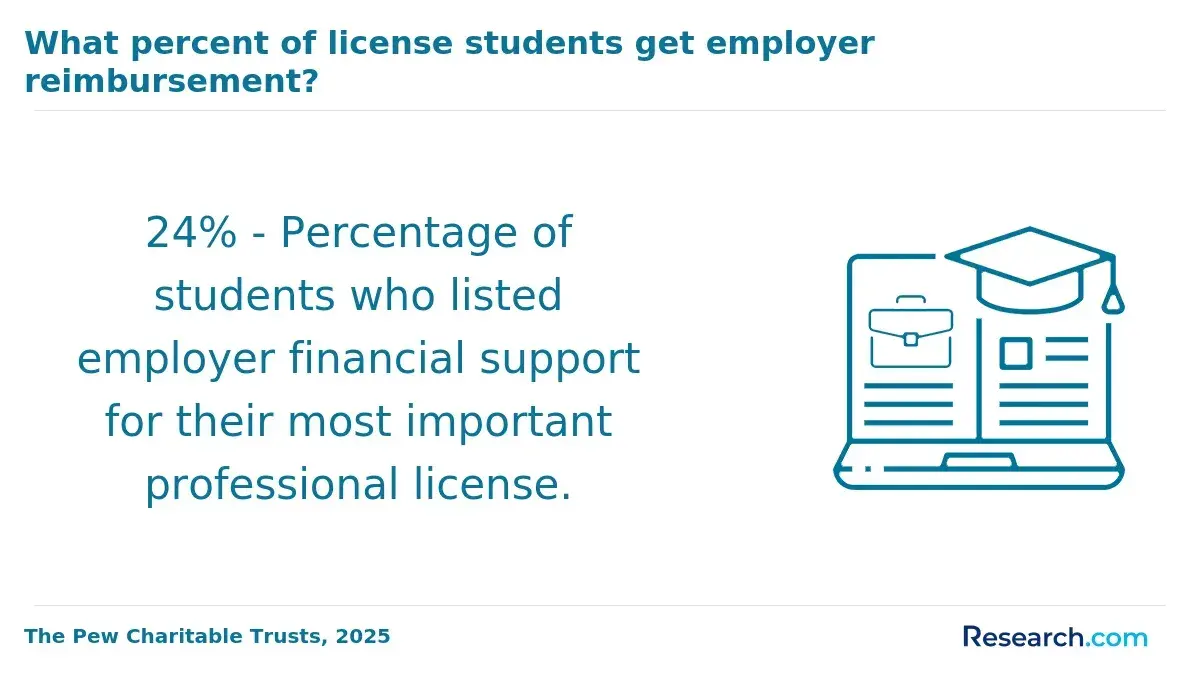
- Financial aid and employer benefits: Eligible students may be able to use federal student loans, employer tuition reimbursement, scholarships, or graduate education benefits. Always confirm that the institution and program meet aid eligibility rules before enrolling.
- Additional expenses: Budget for technology fees, software, hardware upgrades, books, proctoring charges, internet access, and any required learning materials. Working professionals should also consider the opportunity cost of reduced overtime, freelance work, or personal time.
When comparing programs, review both the tuition model and the pace you can realistically sustain. A student who completes many competencies per term may benefit from a flat-rate subscription model, while a student with limited weekly study time may prefer a structure that does not penalize slower progress. If affordability is a deciding factor, compare the full computer science degree cost across tuition, fees, transfer policies, and expected time to completion.
One career-changing professional described the flat subscription model as motivating because it encouraged steady progress and helped her save money by finishing efficiently. She also noted that employer tuition assistance required patience and paperwork, and that technology upgrades and textbooks should be included in the budget from the beginning.
Which Accrediting Bodies Recognize Competency-Based Computer Science Master's Programs?
Accreditation is one of the most important checks when evaluating a competency-based online computer science master's program. It affects financial aid eligibility, transferability, employer recognition, and the basic credibility of the degree. Students should verify accreditation independently rather than relying only on marketing language.
- Regional accreditation: Institutional accreditation from agencies such as the Higher Learning Commission (HLC), Southern Association of Colleges and Schools Commission on Colleges (SACSCOC), and WASC Senior College and University Commission (WSCUC) indicates that the college or university has met recognized standards for academic quality, governance, faculty qualifications, student support, and financial stability.
- Programmatic accreditation: ABET (Accreditation Board for Engineering and Technology) is a discipline-specific accreditor associated with computing, engineering, and technology programs. Programmatic accreditation may be relevant depending on the school, degree title, and curriculum focus.
- Federal verification: Students should use the U.S. Department of Education's Database of Accredited Postsecondary Institutions and Programs (DAPIP) to confirm institutional accreditation and avoid unrecognized providers.
- Financial aid and employer acceptance: Accreditation can affect access to federal aid and the likelihood that employers, licensing bodies, or other universities will recognize the degree.
- Warning signs: Be cautious of schools that cite accreditors not recognized by the Department of Education or the Council for Higher Education Accreditation, pressure students to enroll quickly, provide vague competency descriptions, or refuse to explain faculty qualifications and assessment standards.
For CBE programs specifically, accreditation review should extend beyond the institution's name. Ask how competencies are mapped to graduate-level learning outcomes, who evaluates student work, how academic integrity is protected, and how the school ensures that accelerated students meet the same standards as students in traditional formats.
What Core Competencies and Curriculum Areas Are Covered in a Computer Science CBE Master's Program?
A computer science CBE master's curriculum is organized around measurable competencies rather than only course titles. Students are expected to demonstrate that they can apply graduate-level computing knowledge to technical problems, design decisions, analysis tasks, and professional scenarios.
- Software development and engineering: Programs may assess architecture, design patterns, testing, secure coding, maintenance, DevOps concepts, and the ability to build reliable software systems.
- Algorithms and computational thinking: Students are often expected to analyze problem complexity, select appropriate algorithms, and justify technical decisions using sound reasoning.
- Data systems and analytics: Common areas include databases, data modeling, data management, statistical thinking, machine learning foundations, or applied analytics, depending on the program focus.
- Systems, networks, and security: Competencies may cover operating systems, distributed systems, cloud infrastructure, networking, cybersecurity principles, risk assessment, and secure system design.
- Research and applied problem-solving: Graduate programs usually require students to evaluate sources, interpret technical literature, propose solutions, and communicate findings clearly.
- Leadership, ethics, and professional practice: Many programs include competencies in project leadership, team communication, ethical technology use, privacy, compliance, and responsible computing.
Because CBE programs vary widely, students should request the competency map before enrolling. A strong program should show exactly what students must master, how each competency is assessed, and how the curriculum aligns with career goals such as software engineering leadership, cybersecurity, data science, systems architecture, or technology management.
The most useful curriculum is not simply the one with the most current buzzwords. It is the one that gives students repeated opportunities to build, evaluate, document, and defend technical work at a graduate level.
What Delivery Formats and Technology Platforms Are Used in Online Computer Science CBE Programs?
Online computer science CBE programs rely on digital platforms that manage learning materials, assessment submissions, competency tracking, faculty feedback, and student support. The platform matters because it directly affects how easily students can plan work, submit projects, monitor progress, and resolve problems.
- Learning management systems: Programs may use Canvas, Blackboard, or institution-specific systems to organize modules, assignments, rubrics, announcements, and grades. In a CBE program, the system should also show which competencies are complete, in progress, or still required.
- Asynchronous instruction: Most CBE programs emphasize asynchronous learning so students can study around work and personal responsibilities. Materials may include readings, recorded lectures, labs, coding exercises, discussion boards, and guided projects.
- Synchronous support: Some programs add live webinars, office hours, coaching sessions, group discussions, or virtual labs. These can be valuable for difficult technical topics, but students should confirm whether attendance is required.
- Programming and lab environments: Computer science programs may use cloud labs, virtual machines, code repositories, automated testing tools, secure exam platforms, or specialized software for databases, analytics, cybersecurity, or systems work.
- Accessibility and mobile compatibility: Quality platforms should support accessibility standards, screen readers, keyboard navigation, captions, and usable mobile interfaces. Students should not have to fight the technology to complete the degree.
- Technical support: Reliable support is especially important in programs where assessment deadlines, proctored exams, coding environments, or lab access can affect progress.
Before enrolling, ask for a platform demonstration if available. Check whether the system works on your devices, whether required software is compatible with your operating system, and how quickly technical issues are resolved. This kind of platform review is useful across online graduate programs, including an online master's in marriage and family therapy, but it is especially important in computer science because labs, code submission, and technical tooling are central to the learning experience.
How Are Students Assessed, and How Is Mastery Demonstrated in Computer Science CBE Programs?
Students in competency-based computer science master's programs demonstrate mastery by producing evidence that they can apply graduate-level skills. Instead of relying only on timed exams or weekly participation, these programs often use performance-based assessments tied to explicit rubrics.
- Projects and technical artifacts: Students may complete software builds, architecture documents, code reviews, data analyses, security assessments, simulations, or capstone projects that resemble professional work.
- Exams and objective assessments: Some competencies may still be evaluated through exams, especially for theory, algorithms, systems concepts, or security fundamentals. The key difference is that the exam is tied to mastery of a defined outcome.
- Rubric-based faculty evaluation: Trained evaluators use rubrics to judge whether submissions meet required standards. Clear rubrics help students understand what “mastery” means before they submit work.
- Portfolio development: Many programs allow or require students to collect completed work into a portfolio. This can help students explain their skills to employers, especially when projects are relevant to real technical roles.
- Revision and resubmission: If a student does not meet the standard, CBE programs often provide feedback and allow revision. This approach emphasizes improvement, but repeated revisions can also extend the timeline.
- Academic integrity controls: Strong programs use originality checks, proctoring, code review, oral defenses, or project validation to make sure submitted work reflects the student's own ability.
Prospective students should ask to see sample rubrics and assessment descriptions. A credible program should be able to explain how mastery is evaluated, who evaluates it, how feedback is delivered, and how students appeal or revise assessments. Students comparing flexible and affordable online degrees in other fields, such as online accounting degree programs, should apply the same principle: the assessment model should be clear, rigorous, and aligned with career outcomes.
What Transfer Credit and Prior Learning Assessment Options Exist for Computer Science CBE Programs?
Transfer credit and prior learning assessment can be valuable in a competency-based computer science master's program because many applicants already have technical experience, certifications, or previous graduate coursework. These options may shorten the degree path, but policies vary by institution and should be confirmed before enrollment.
- Transfer graduate credit: Some schools accept prior graduate-level computer science or related coursework if it was completed at an accredited institution and matches the program's competencies.
- Portfolio evaluation: Students may be allowed to submit evidence such as software projects, technical documentation, professional work samples, certifications, or employer-verified responsibilities to demonstrate existing mastery.
- Challenge exams: Institutions may offer internal exams that allow students to test out of specific competencies or foundational areas.
- Standardized exams: Some programs may accept exams such as CLEP (College Level Examination Program) and DSST (DANTES Subject Standardized Tests), though these are more commonly associated with undergraduate credit and should not be assumed for graduate programs.
- Credit limits: Most programs restrict how much of the degree can be satisfied through transfer or prior learning assessment, often capping between 30% and 50% of total degree requirements.
- Documentation requirements: Schools usually require official transcripts, syllabi, certification records, project descriptions, supervisor verification, or portfolio materials before awarding credit.
The best time to ask about prior learning assessment is before applying or immediately after admission. Students should request a written evaluation of transfer and PLA options, including which competencies remain, how the decision was made, and whether awarded credit affects tuition, pace, or financial aid status.
What Career Outcomes and Professional Opportunities Does a Computer Science CBE Master's Degree Unlock?
A competency-based online computer science master's degree can support career advancement when the program is accredited, technically rigorous, and aligned with the student's goals. The degree may be most valuable for professionals who want to move into more advanced technical roles, qualify for leadership opportunities, or document skills they have partly developed through work experience.
- Skill-based employer appeal: CBE graduates can often point to specific competencies, projects, and portfolios rather than relying only on a transcript. This can help in interviews where employers want evidence of practical ability.
- Potential roles: Graduates may pursue roles such as software developer, cybersecurity specialist, data analyst, and systems architect. Opportunities exist across technology, finance, healthcare, government agencies, and other sectors that depend on computing expertise.
- Salary potential: Labor market studies show that holders of advanced computer science degrees typically earn between $90,000 and $130,000 annually or more, depending on experience and specialization. Actual pay depends on location, employer, role, technical specialty, and prior experience.
- Portfolio value: Projects completed during the program can help candidates explain their strengths in software design, analytics, security, architecture, or applied problem-solving.
- Career mobility: A master's degree may support movement from individual contributor roles into technical lead, engineering management, solutions architecture, data leadership, or specialized security and systems positions.
- Professional networks: Alumni groups, faculty connections, professional associations, employer partnerships, and peer communities can help students identify job leads, mentors, and continuing education opportunities.
The degree alone does not guarantee a promotion or salary increase. Students should evaluate whether the curriculum matches the roles they want, whether the program has career support, and whether employers in their target field understand and respect the institution. A strong CBE degree is most powerful when paired with a clear career strategy and a portfolio that proves relevant skills.
What Graduates Say About Their Competency-Based Online Computer Science Master's Degrees
-
: "I chose the competency-based online computer science master's degree because it let me move quickly through subjects I already knew, which helped me save both time and tuition fees. The affordable cost made the decision easier than a traditional program, and the flexibility allowed me to keep working full time. Completing the degree strengthened my confidence and helped open doors to leadership roles in my tech career.
— Benny"
-
: "The most valuable part of the competency-based online computer science degree was the focus on mastering real-world skills instead of just passing exams. The lower overall expense compared with campus-based options made it a practical investment while I was working and supporting a family. The program gave me current knowledge and hands-on expertise that improved my day-to-day job performance.
— Greyson"
-
: "Choosing a competency-based online computer science master's program was a strategic way to balance graduate school with my professional workload. The cost-effective structure helped me pursue advanced study without taking on overwhelming debt. Since graduating, I have seen a real impact on my career progression because employers value the self-directed learning and technical proficiency the degree represents.
— Cooper"
Other Things You Should Know About Computer Science Degrees
The typical duration to complete a competency-based online computer science master's degree in 2027 varies based on the student’s pace, but many programs can be finished in 18-24 months. Some universities may allow faster completion by leveraging prior knowledge and skills.
Prospective students should have foundational skills in programming languages like Python or Java and a basic understanding of algorithms and data structures to succeed in a 2027 competency-based online computer science master's degree.
References
- Technology for Learning https://cbe.ab.ca/programs/technology-for-learning/Pages/default.aspx
- Side by Side: Comparing Credit for Prior Learning and Competency-Based Education | California Competes https://californiacompetes.org/resources/side-by-side-comparing-credit-for-prior-learning-and-competency-based-education/
- Online Prior Learning Assessment (PLA) Programs | Colorado State University Global https://csuglobal.edu/admissions/transfer-students/alternative-credit-options/online-prior-learning-assessment-pla-programs
- Mastery-Based Learning in Computer Science Education | Codio https://www.codio.com/blog/mastery-based-learning-computing-education
- How is Mastery Defined in Postsecondary Competency-Based Education? - C-BEN https://www.c-ben.org/how-is-mastery-defined-in-postsecondary-competency-based-education/
- Finances https://www.colorado.edu/cs/academics/online-programs/mscs-coursera/finances
- MS in Computer Science https://catalog.csus.edu/colleges/engineering-computer-science/computer-science/ms-in-computer-science/
- Technology Delivery - 6B https://6b.education/services/technology-delivery/
- 8 Tech-Based Solutions for Designing and Delivering CBE https://www.instructure.com/resources/blog/8-tech-based-solutions-designing-and-delivering-cbe
- Powerful Together: Competency-Based Education and Online Delivery - Today's Students Coalition https://todaysstudents.org/powerful-together-competency-based-education-and-online-delivery/


