
2027 Easiest Online Computer Science Master's Degree Programs That Pay Well: High-Salary Degrees with Simple Admissions

Co-Founder and Chief Data Scientist
Choosing an “easy” online computer science master’s degree is not about finding a program with weak coursework. It is about finding a legitimate, accredited program with fewer admissions barriers, flexible pacing, practical support, and a realistic path to higher-paying technology roles. For working adults, career changers, and applicants without a perfect academic record, the right program can reduce friction without reducing the value of the credential.
Many prospective students struggle with admissions requirements while managing jobs and family responsibilities. Nearly 60% of applicants report difficulty meeting rigorous entry requirements while balancing full-time work. At the same time, demand remains strong: the Bureau of Labor Statistics projects a 15% growth in computer science-related jobs through 2030, with median salaries exceeding $100,000 annually. This guide explains how to evaluate accessible online computer science master’s programs, what “easy admission” really means, which jobs can pay well after graduation, and what trade-offs to consider before enrolling.
Key Benefits of Online Computer Science Master's Degree Programs That Have Simple Admissions and Pay Well
- Many online computer science master's programs feature streamlined admissions with no GRE requirement, increasing accessibility for professionals with relevant work experience.
- Flexible asynchronous learning formats allow students to balance studies with employment, benefiting from a 15% annual growth in online education enrollment.
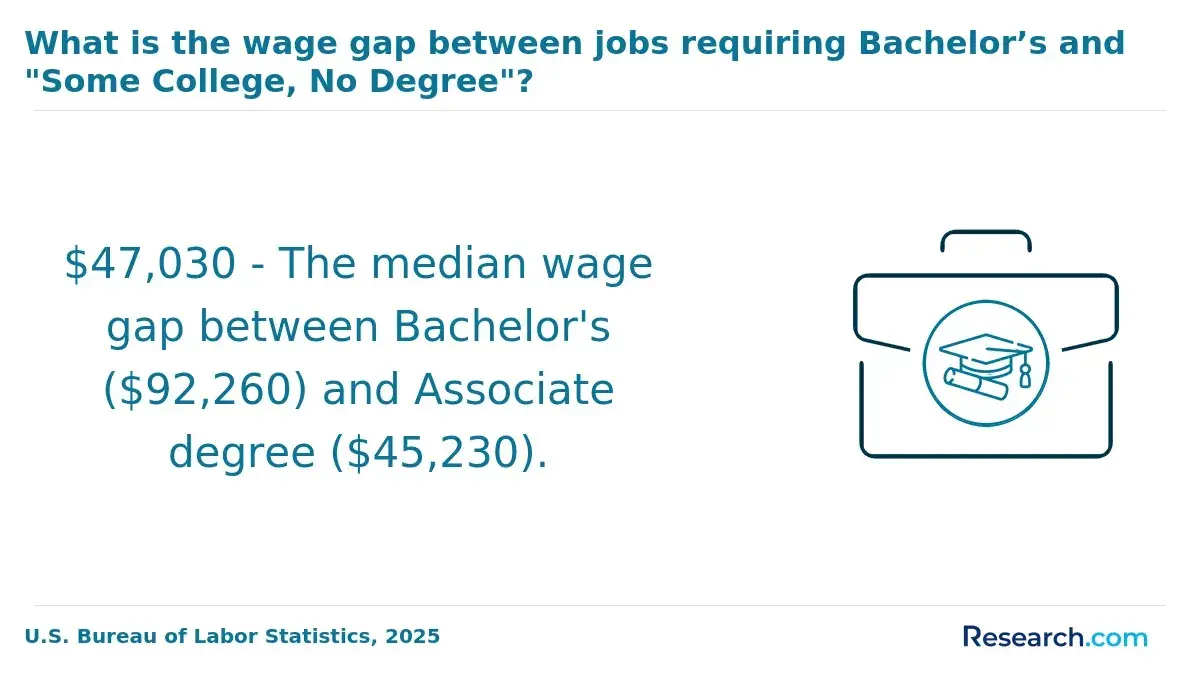
- Graduates typically see a 20% higher starting salary than bachelor's holders, reflecting strong industry demand for advanced computer science expertise.
How Can You Tell If Online Computer Science Master's Degree Programs Have Easy Admission Requirements?
An online computer science master’s program usually has easier admission requirements when it removes unnecessary application barriers while still requiring evidence that students can handle graduate-level technical work. The goal is not to admit everyone; it is to give qualified applicants more than one way to prove readiness.
These programs are often a better fit for working professionals, career changers, and applicants whose undergraduate record does not fully reflect their current skills. Instead of relying only on test scores or a narrow set of prerequisites, they may look at employment history, programming experience, professional certifications, completed coursework, and a clear statement of purpose.
Common signs of a lower-barrier admissions process
- No standardized test requirement: Many accessible programs waive exams such as the GRE, which can reduce cost, preparation time, and application stress.
- Limited prerequisite coursework: Some programs allow students from non-computer science backgrounds to apply, especially if they have completed or are willing to complete foundational courses in programming, discrete mathematics, data structures, or similar areas.
- Holistic review: Admissions committees may weigh professional experience, portfolio work, recommendation letters, and personal statements alongside GPA.
- Provisional or conditional admission: A school may allow students to begin the program while completing bridge courses or earning minimum grades in initial classes.
- Flexible start dates: Multiple entry points during the year can make the process easier for applicants who cannot wait for one annual deadline.
- Simplified documentation: Programs with fewer required essays, no test scores, and straightforward transcript submission can be easier to navigate.
What “easy admission” should not mean
Be cautious if a program promises admission with little review, avoids questions about accreditation, or cannot clearly explain graduation requirements. A lower-barrier program should still publish admission standards, curriculum requirements, tuition information, student support resources, and accreditation status. Admissions flexibility is helpful; a lack of academic quality is not.
If you are comparing multiple flexible online degrees while planning your education path, reviewing fields beyond technology, such as online MSW programs, can also help you understand how admissions models differ across graduate disciplines.
What High-Paying Jobs Can You Get With an Easy Online Computer Science Master's Degree Program?
An accessible online computer science master’s degree can support high-paying career paths, but the degree alone does not guarantee a specific salary. Outcomes depend on your prior experience, technical specialization, location, portfolio, employer, and ability to perform in interviews. Employment in computer and information technology occupations is projected to grow 15% from 2021 to 2031, which helps explain why many professionals use a graduate degree to move into more advanced technical roles.
The strongest return usually comes when the program helps you build marketable skills in software engineering, data science, cybersecurity, cloud infrastructure, artificial intelligence, systems design, or technology leadership.
- Software Developer: Software developers design, build, test, and improve applications or systems. They typically earn between $90,000 and $130,000 annually. A master’s degree may be most useful for developers who want to move into more complex engineering, architecture, or specialized technical roles.
- Data Scientist: Data scientists use statistics, programming, machine learning, and domain knowledge to extract insights from large datasets. Salaries range from $95,000 to $140,000. Graduates should look for programs with strong coursework in machine learning, data mining, probability, databases, and applied analytics.
- IT Manager: IT managers oversee teams, systems, budgets, and technology projects. They earn between $100,000 and $150,000. This path is often best for students who already have technical experience and want to combine graduate study with leadership development.
- Cybersecurity Analyst: Cybersecurity analysts protect networks, applications, and data from threats. They make $85,000 to $130,000. Programs with security architecture, cryptography, incident response, and risk management coursework can be especially relevant.
- Cloud Engineer: Cloud engineers build, maintain, and optimize cloud-based systems. They command salaries of $100,000 to $140,000. Students interested in this route should look for coursework or projects involving distributed systems, DevOps, containers, networking, and cloud platforms.
How to choose a program based on career goals
| Career goal | Program features to prioritize | Useful evidence to build while enrolled |
| Software engineering | Algorithms, systems design, software architecture, databases | Code portfolio, capstone project, technical interview practice |
| Data science | Machine learning, statistics, data engineering, applied analytics | Data projects, model documentation, visualization samples |
| Cybersecurity | Network security, secure software, incident response, risk management | Security labs, threat analysis reports, certification preparation |
| Cloud or infrastructure | Distributed systems, networking, DevOps, scalable computing | Cloud deployment projects, automation scripts, architecture diagrams |
| Technology management | Project leadership, IT strategy, systems planning, communication | Leadership examples, project outcomes, stakeholder documentation |
Students comparing flexible online options outside computer science may also find it useful to review accelerated psychology degree programs to see how accelerated formats vary by field.
Can You Get Into an Online Computer Science Master's Degree Program With a Low GPA?
Yes, it may be possible to get into an online computer science master’s program with a low GPA, especially if the school uses holistic review or conditional admission. GPA still matters because it can signal academic readiness, but it is not always the only factor. A 2022 survey revealed that 35% of these programs now use flexible admission criteria that reduce the weight placed on GPA, which can help working professionals and career changers present a stronger overall application.
The key is to show that your current preparation is stronger than your transcript suggests. Admissions committees are more likely to take a chance on an applicant who can demonstrate technical growth, professional maturity, and a clear plan for succeeding in graduate coursework.
Ways to strengthen an application with a lower GPA
- Use professional experience strategically: Describe specific technical responsibilities, systems you worked on, programming languages used, teams supported, or measurable project results.
- Submit strong recommendation letters: Choose supervisors, professors, or technical leads who can speak to your problem-solving ability, discipline, and readiness for advanced study.
- Complete prerequisite or bridge coursework: Strong grades in recent courses can help offset older academic weaknesses, especially in programming, data structures, discrete mathematics, algorithms, or statistics.
- Write a focused personal statement: Explain the context behind your GPA without making excuses. Then show what changed, what you have done since, and why you are prepared now.
- Highlight certifications or portfolio work: Relevant projects, code samples, cloud deployments, data analyses, or security labs can provide practical evidence of your skills.
- Ask about conditional admission: Some schools allow applicants to prove themselves by earning minimum grades in the first courses before receiving full admission status.
What to avoid
Do not rely on a vague statement such as “I am passionate about technology.” Instead, connect your goals to the program’s curriculum and show evidence. Also avoid applying only to programs with strict GPA cutoffs if your record falls below them. Contact admissions offices before applying and ask how they review applicants with significant work experience or recent technical coursework.
One graduate of an accessible online computer science master’s program said his modest undergraduate GPA made him hesitant to apply. He strengthened his application by emphasizing a decade of software development experience, requesting detailed letters from employers, and completing an online preparatory course. His takeaway was simple: “It wasn’t just about numbers; my story and skills mattered.” That approach does not guarantee admission, but it shows how applicants can make a low GPA part of a broader, more convincing profile.
Can Easy Online Computer Science Master's Degree Programs Be Completed in Under a Year?
Some online computer science master’s programs may be completed in under a year, but this depends on the program structure, credit requirements, transfer policies, course availability, and the student’s ability to handle an intensive workload. A short timeline can be attractive, yet it is not automatically the best choice for every learner.
Finishing quickly can reduce time in school and help students pursue advancement sooner. However, computer science graduate coursework can be demanding. Algorithms, machine learning, systems, databases, cybersecurity, and cloud computing often require substantial weekly study time, especially for students without a computer science background.
What makes faster completion possible
- Accelerated courses: Shorter, intensive terms allow students to complete more courses in less calendar time. The trade-off is a faster pace and less recovery time between assignments.
- Full-time enrollment: Taking a heavier course load can shorten the degree timeline, but it may be difficult for students working full time or managing major family obligations.
- Prior credits and experience: Some programs accept previous graduate credits or recognize relevant preparation, which can reduce the number of required courses.
- Flexible scheduling: Overlapping courses, summer terms, and self-paced formats can help motivated students move faster when courses are available.
- Streamlined admissions: Programs with simpler requirements can reduce the time between application and enrollment, especially for students who do not need months to prepare for standardized tests.
Questions to ask before choosing an under-one-year path
- How many credits are required, and how many can realistically be completed each term?
- Are courses offered every term, or only once per year?
- Can students take multiple advanced technical courses at the same time?
- Are capstones, exams, internships, or thesis requirements included?
- What happens if work or family responsibilities force you to slow down?
Accelerated programs can work well for students with strong technical preparation and reliable weekly study time. They may be risky for students who need bridge courses, are returning to school after a long break, or are learning programming fundamentals for the first time. Graduates of these programs may still position themselves for fields associated with the most profitable degrees, but the best timeline is the one you can complete successfully.
Are Online Computer Science Master's Degree Programs Easier Than On-Campus Ones?
Online computer science master’s programs are usually not easier in academic content than on-campus programs. They can feel more manageable because of scheduling flexibility, recorded lectures, and no commute. A 2023 study found that around 68% of students in online technology graduate programs complete their courses within the expected time, which suggests that many students can succeed online when the structure fits their lives.
The main difference is how students experience the workload. On-campus programs provide more built-in structure and face-to-face interaction. Online programs often require more self-direction, time management, and comfort with digital learning tools.
Online versus on-campus: what changes for students
| Factor | Online format | On-campus format |
| Schedule | Often more flexible, especially with asynchronous courses | More fixed class times and campus-based commitments |
| Interaction | May rely on discussion boards, video meetings, chat, and email | More immediate in-person discussion and informal networking |
| Accountability | Requires strong self-management and independent planning | Class meetings and campus routines create external structure |
| Access to materials | Recorded lectures and digital resources can be reviewed repeatedly | Live lectures may be less flexible unless recordings are available |
| Time costs | No commute; easier to combine with work or family duties | Commute and campus time may add weekly hours |
When online may feel easier
- You need to keep working while enrolled.
- You learn well from recorded lectures and written materials.
- You are organized enough to manage weekly deadlines without in-person reminders.
- You prefer studying during evenings, weekends, or other nontraditional hours.
When online may feel harder
- You need frequent live explanation to understand complex technical concepts.
- You struggle to stay motivated without a fixed classroom routine.
- You have limited access to reliable technology or a quiet study space.
- You depend heavily on spontaneous peer interaction and immediate instructor feedback.
A graduate who chose an online computer science master’s degree for flexibility said that balancing full-time work and family would have been nearly impossible on campus. Recorded lectures allowed him to revisit difficult concepts at night, but he still had to stay disciplined and ask for help early. For him, the format made the degree more achievable, not academically easier.
Are Easy Online Computer Science Master's Degree Programs Accredited?
Many accessible online computer science master’s programs are accredited, but students should verify accreditation before applying. Accreditation matters because it affects degree credibility, employer recognition, financial aid eligibility, transfer credit decisions, and potential admission to future doctoral or professional programs. More than 90% of online computer science programs offered by regionally accredited institutions maintain valid accreditation, reflecting the growing credibility of online degrees in technology fields.
Do not assume that a program is credible simply because it is online, affordable, or easy to enter. The most important step is confirming that the institution is properly accredited by a recognized accrediting body.
Types of accreditation to check
- Regional accreditation: This is the most widely respected form of institutional accreditation in the United States. Agencies such as the Middle States Commission on Higher Education or the Higher Learning Commission evaluate the overall quality and legitimacy of colleges and universities.
- Programmatic accreditation: Program-specific accreditation, such as ABET for computing fields, reviews whether the curriculum meets standards for technical rigor and professional preparation. It may be especially valuable for some employers, certifications, or further study pathways.
How to verify accreditation
- Check the university’s official accreditation page.
- Confirm the accreditor is recognized by appropriate higher education authorities.
- Look for whether accreditation applies to the institution, the specific program, or both.
- Ask admissions whether online students earn the same degree as on-campus students.
- Be cautious of schools that make accreditation hard to find or use vague language such as “recognized by industry” without naming an accreditor.
Students seeking strong career outcomes should prioritize regionally accredited institutions and, when available and relevant, programmatic accreditation. A program can be accessible and flexible while still meeting serious academic standards.
What Is the Average Tuition for Easy Online Computer Science Master's Degree Programs?
The average tuition for easy online computer science master’s degree programs typically falls between $10,000 and $30,000 for the entire course of study. The final cost depends on the institution, total credit requirements, residency rules, course fees, technology fees, and whether students receive employer tuition assistance or financial aid.
Cost should be evaluated alongside completion time, accreditation, student support, and career relevance. A cheaper program is not always the better value if it lacks the courses, faculty access, or employer recognition needed for your goals. Likewise, a more expensive program should be able to justify its cost through stronger support, curriculum depth, reputation, or career services.
What affects tuition and total cost
- Typical cost range: Affordable online computer science master’s degrees usually span from $10,000 to $30,000 for the entire program, depending on school pricing and degree requirements.
- Program format: Fully online programs may reduce commuting and relocation costs. Hybrid programs can cost more if they require campus visits, travel, or added fees.
- Credit requirements: Programs with more required credits generally cost more unless the school uses a flat-rate model.
- Technology and course fees: Online students may pay platform, software, proctoring, lab, or administrative fees beyond tuition.
- Transfer credits: Accepted graduate credits may reduce the total number of courses you must pay for.
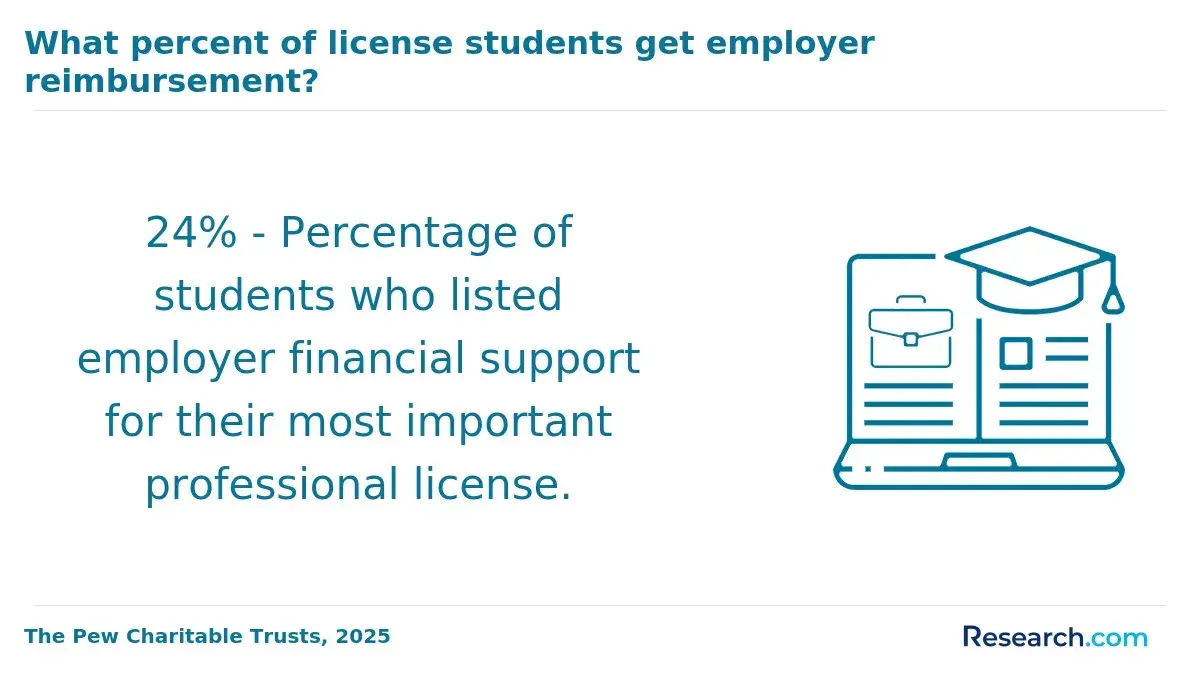
- Employer support: Some working professionals reduce out-of-pocket costs through tuition reimbursement or professional development benefits.
Cost questions to ask before enrolling
- What is the total program cost, including fees?
- Is tuition charged per credit, per course, or at a flat rate?
- Are online students charged different rates than on-campus students?
- Can transfer credits reduce tuition?
- Are textbooks, software, exams, or cloud computing resources included?
- What happens financially if you need to pause enrollment?
Students planning a lower-cost path into computing before graduate study may also compare an affordable online computer science degree as part of long-term education planning. For perspective on affordability in other online graduate fields, resources on online MLIS programs can also show how pricing structures vary across disciplines.
Can Transfer Credits Make an Online Computer Science Master's Degree Program Easier to Complete?
Yes. Transfer credits can make an online computer science master’s degree easier to complete by reducing the number of courses, lowering tuition, and shortening the path to graduation. Recent data show that nearly 40% of graduate students in online programs utilize transfer credits, which reflects how important prior learning has become for working adults and nontraditional students.
Transfer credit policies vary widely. Some schools accept only graduate-level coursework from accredited institutions. Others may consider professional certifications, bridge coursework, or prior learning in limited ways. Before enrolling, students should request a formal transfer evaluation rather than relying on general statements from admissions materials.
How transfer credits can help
- Accelerated degree completion: Transfer credits can help students skip overlapping courses and move more quickly into advanced computer science topics.
- Tuition savings: Fewer required credits usually means paying for fewer courses, which can reduce total program cost.
- Better work-life balance: A lighter course requirement can make graduate school more manageable for students working full time or supporting families.
- Recognition of prior learning: Relevant academic work, and in some cases professional preparation, may validate skills students already have.
Transfer credit questions to ask
- What is the maximum number of credits that can be transferred?
- Do credits expire after a certain number of years?
- Must transferred courses match specific program requirements?
- Are grades below a certain level excluded?
- Are credits from non-computer science graduate courses accepted?
- Will transfer credits affect financial aid, course sequencing, or graduation timing?
Transfer credits can be a strategic advantage, but they should fit your academic plan. Skipping a foundational course may save time, but it can also create problems if later courses assume knowledge you have not mastered. Students comparing affordability across online programs may also review options such as an affordable online accounting degree to see how transfer policies can affect total cost in different fields.
What Kind of Academic Support Do Online Computer Science Master's Degree Students Receive?
Online computer science master’s students typically receive academic, technical, and career support designed to help them progress through demanding coursework from a distance. Support quality can vary significantly by school, so it should be part of your program comparison, not an afterthought.
Strong support is especially important for students who are returning to school, changing careers, or balancing graduate study with full-time work. In technical subjects, small delays in understanding core concepts can quickly affect performance in later assignments.
- Tutoring services: Many programs offer live or on-demand help for difficult topics such as algorithms, data structures, machine learning, databases, and programming assignments.
- Academic advising: Advisors help students choose courses, understand prerequisites, plan graduation timelines, and avoid sequencing mistakes that can delay completion.
- Technical support: Online students may need help with learning platforms, virtual labs, coding environments, proctoring tools, software installation, and access issues.
- Faculty access: Office hours, discussion boards, email support, and scheduled video meetings can make a major difference in advanced technical courses.
- Peer collaboration: Group projects, cohort models, online forums, and study groups can reduce isolation and improve persistence.
- Writing and research support: Graduate students may need help with technical reports, research papers, documentation, and capstone presentations.
- Career services: Resume reviews, interview coaching, portfolio guidance, networking events, and employer connections can help students translate the degree into career opportunities.
How to evaluate support before enrolling
Ask whether support is available during evenings or weekends, especially if you work full time. Also ask whether tutoring is included in tuition, whether faculty have required response times, and whether career services are tailored to technology roles. A program with easy admission but weak student support can become difficult once coursework begins.
How Do You Choose the Easiest Online Computer Science Master's Degree Program That Pays Well?
To choose an accessible online computer science master’s program with strong earning potential, look for the best balance of admissions flexibility, academic quality, cost, specialization, support, and career alignment. The easiest program to enter is not always the easiest to finish, and the cheapest program is not always the strongest investment.
Start with your goal. A student who wants to become a data scientist should evaluate different courses than a student aiming for cybersecurity, software architecture, or IT management. Then compare programs using practical criteria rather than marketing claims.
- Program cost: Affordable tuition can reduce debt and financial pressure, but total cost should include fees, books, software, and any required campus visits.
- Program duration: Shorter or flexible schedules can help you graduate sooner, but accelerated formats require strong time management.
- Accreditation: Recognized accreditation helps protect the value of the degree and may affect financial aid, transfer options, and employer acceptance.
- Career support: Job search assistance, resume support, technical interview preparation, networking, and employer engagement can improve career outcomes.
- Alignment with high-demand fields: Programs with coursework in cybersecurity, AI, data science, cloud computing, software engineering, or systems design may better support higher-paying paths.
- Admission flexibility: Look for GRE waivers, holistic review, bridge courses, conditional admission, or flexible GPA review if your background is nontraditional.
- Student support: Tutoring, advising, faculty access, and technical help can determine whether a flexible program is actually manageable.
- Course delivery: Decide whether you prefer asynchronous learning, live online classes, self-paced modules, or a cohort model.
Decision checklist
| Question | Why it matters |
| Is the institution accredited? | Protects degree credibility and may affect aid or future study. |
| Can I meet the technical prerequisites? | Prevents early struggles in advanced coursework. |
| Does the curriculum match my target job? | Improves the connection between the degree and career outcomes. |
| Can I afford the total cost? | Reduces the risk of stopping out due to financial pressure. |
| Can I realistically handle the pace? | Helps avoid overload, especially in accelerated programs. |
| What support is available online? | Improves persistence and performance in difficult courses. |
A smart choice is one you can enter, afford, complete, and use. Focus less on finding the program that sounds easiest and more on finding the program that removes unnecessary barriers while still building the skills employers value.
What Graduates Say About Their Easy Online Computer Science Master's Degree Programs That Pay Well
- Benny: "Finding an easy online computer science master's degree program that fit my busy schedule was a game changer for me. The cost was surprisingly affordable, especially compared to traditional on-campus options, which made pursuing this degree less stressful financially. Since graduating, I've landed a position with a major tech company, and the degree definitely opened doors I thought were out of reach."
- Amanda: "When I decided to advance my career, I looked for a program that balanced quality with ease of access. The program I chose offered a reasonable tuition, averaging around $15,000, which was a fraction of many others I researched. Reflecting on my journey, the flexible online structure and affordable cost allowed me to specialize in areas that enhanced my job prospects and salary."
- Kevin: "As a working professional, I needed a master's program that wasn't overwhelming but still respected by employers. The ease of progressing through my online computer science degree reaffirmed my decision to invest around $12,000 in my education. Today, that choice has translated into a significant salary increase and a more advanced role in my field, proving that even a simpler path can lead to substantial rewards."
Other Things You Should Know About Computer Science Degrees
Several online programs in 2027 feature streamlined application processes by omitting GRE requirements and offering rolling admissions. Some programs accept applications with just a bachelor's degree and letters of recommendation. These simplified processes aim to attract a broader range of students.
In 2027, easy online computer science master's programs typically offer specializations in areas like artificial intelligence, data science, cybersecurity, and software engineering, allowing students to tailor their education to match personal career goals and interests in high-demand fields.
The easiest online computer science master’s degree programs in 2027 typically require 30 to 36 credit hours for completion. Specific programs may vary slightly, but most aim to provide flexible course load options to accommodate students seeking a straightforward academic path.
References
- Top 21 Computer Science Jobs for 2026: Career Paths and Salary Guide https://www.schiller.edu/blog/top-21-computer-science-jobs-for-2026-career-paths-and-salary-guide/
- Which Computer Science Track Fits Your Career Goals? https://www.ciit.edu.ph/which-computer-science-track-fits-your-career-goals/
- BSc Computer Science: Key Skills Employers Seek in Graduates https://www.regenesys.net/reginsights/what-are-the-key-skills-employers-look-for-in-bsc-computer-science-graduates
- Thesis vs Non-Thesis https://www.iit.edu/admissions-aid/graduate-admission/thesis-vs-non-thesis
- What certifications should I get for computer science? | edX https://www.edx.org/resources/certifications-computer-science
- Scholarships for Online Computer Science Students https://www.onlinecolleges.me/financial-aid/scholarships/computer-science/
- Navigating a Computer Science Degree https://www.jeffyang.io/posts/navigating-a-computer-science-degree/
- Ada Computer Science https://adacomputerscience.org/student_challenges
- How to Gain Real-World Experience While Studying Online | American National University https://an.edu/how-to-gain-real-world-experience-while-studying-online/
- Computer Science Concentrations https://computing.louisiana.edu/computer-science/concentrations


