2027 Most Affordable Online Video Game Design Degree Programs

Co-Founder and Chief Data Scientist
An online video game design degree can help you turn game ideas, art skills, coding ability, or storytelling interests into a structured career path—but only if the program gives you the right mix of technical training, portfolio work, affordability, and employer-recognized credentials. For many students, the hardest part is not deciding whether game design sounds exciting. It is figuring out which online programs are affordable, credible, and practical enough to justify the cost.
This guide is for prospective students comparing budget-conscious online video game design degrees for 2027. It explains what these programs teach, how long they take, what they cost, which schools are featured in this affordability-focused list, how online learning compares with campus study, and what career options may be available after graduation. It also covers accreditation, financial aid, portfolio strategy, labor market realities, and emerging trends such as artificial intelligence, virtual reality, and cross-platform development.
Quick Answer: What should you know before choosing an affordable online video game design degree?
An affordable online video game design degree is usually a bachelor’s program that combines game design theory, programming, 3D modeling, animation, user experience, storytelling, and project-based portfolio development. Most programs require 120-130 credits, take 3-4 years for full-time students, and may cost anywhere from $2,000 to $15,000 per semester or $300 to $700 per credit hour. The best choice is not always the cheapest program; it is the accredited program that fits your career goal, teaches industry-relevant tools, supports portfolio development, and offers enough flexibility to complete the degree without taking on unnecessary debt.
What are the main benefits of earning an online video game design degree?
- Career flexibility: Graduates may pursue roles in game design, game art, animation, interactive media, quality assurance, digital design, simulation, and related creative technology fields.
- Remote access: Online programs allow students to learn design workflows, game engines, digital art tools, and collaborative production methods without moving near campus.
- Portfolio development: Strong programs require playable prototypes, art assets, design documents, level designs, or capstone projects that can be shown to employers.
- Salary potential: Entry-level roles may start around $50,000 to $60,000, while experienced professionals can move toward higher-paying positions. Zippia reports an average annual salary of $95,185 for video game designers in 2024.
- Access to a large market: ESA 2024 data reports over 190 million players in the U.S. alone, showing how broad the gaming audience has become.
What can I expect from online video game design degree programs?
Online video game design degree programs teach students how games are planned, built, tested, revised, and presented. A typical curriculum blends creative design with technical production. You may study programming, level design, 3D modeling, character animation, game engines, story development, user interface design, game testing, and production workflows. Many programs also require team projects because modern game development is highly collaborative.
The strongest programs are portfolio-centered. Instead of only completing quizzes and lectures, students produce work that can demonstrate skill: playable prototypes, interactive environments, character models, design documents, animations, user interface mockups, or final capstone games. This matters because employers in game design often care as much about what you can build as what degree you hold.
Costs vary widely. Online video game design programs commonly charge $300 to $700 per credit hour, and many bachelor’s degrees require 120 credit hours. Full-time students often finish in about four years, while accelerated programs may shorten the timeline and part-time study may extend it.
| Program feature | What it usually means for students | Why it matters |
| Project-based courses | You create games, prototypes, models, or interactive experiences instead of only studying theory. | Employers often evaluate portfolios before interviews. |
| Game engine training | Courses may use tools such as Unity, Unreal Engine, GameMaker, or Godot. | Hands-on tool experience helps you transition from coursework to production work. |
| Design and programming balance | Some programs emphasize art and design, while others focus more on code and development. | Your choice should match the job you want after graduation. |
| Capstone or final project | You complete a major portfolio piece before finishing the degree. | A polished capstone can help demonstrate readiness for entry-level roles. |
| Online flexibility | Courses may be asynchronous, synchronous, or a mix of both. | Format affects how easily you can study while working or managing other obligations. |
Where can I work with an online video game design degree?
The most direct destination is the video game industry, where graduates may contribute to game mechanics, levels, character assets, animation, interactive systems, or quality assurance. Common employers include independent studios, larger private game companies, simulation firms, mobile game developers, and entertainment technology teams. Zippia reported in 2024 that 77% of video game designers work in private companies, which suggests that most opportunities are tied to private-sector studios and development firms.
The degree can also transfer into adjacent fields. Game design programs teach skills that apply to web experiences, mobile applications, virtual reality environments, augmented reality products, educational simulations, digital marketing, film or television effects, and interactive training tools. Graduates who are comfortable with both creative production and technical problem-solving may find opportunities beyond traditional game studios.
How much can I make with an online video game design degree?
Salary depends on your role, location, portfolio quality, employer type, and experience level. Entry-level game design or production roles may pay around $50,000 to $60,000 per year. These jobs often involve supporting senior designers, building levels, testing systems, scripting game interactions, or helping create assets.
Mid-level designers may earn between $70,000 and $85,000 annually as they gain responsibility for larger design systems, feature development, team coordination, or more complex production tasks.
Higher salaries are more common in senior, lead, and creative leadership positions. Zippia reports that the average annual salary for video game designers is $95,185 in 2024. Experienced professionals in larger companies may earn well over $100,000, particularly when they supervise teams, manage design direction, or contribute to major commercial releases. These outcomes are not guaranteed, so students should evaluate salary data alongside program cost, debt, portfolio strength, and local or remote job opportunities.
| Career stage | Typical responsibilities | Salary information stated in source material |
| Entry level | Assist with level design, testing, scripting, asset work, documentation, or basic coding. | Around $50,000 to $60,000 per year |
| Mid level | Own features, refine mechanics, collaborate with senior staff, and contribute to larger production goals. | Between $70,000 and $85,000 annually |
| Advanced or lead level | Guide teams, shape creative direction, manage systems, or oversee major projects. | Zippia reports an average annual salary of $95,185 for video game designers in 2024, with some experienced professionals earning well over $100,000. |
- Most Affordable Online Video Game Design Degree Programs for 2027
- How long does it take to complete an online video game design program?
- How does an online video game design program compare to an on-campus program?
- What is the average cost of online video game design programs?
- What are the financial aid options for students enrolling in an online video game design program?
- What are the prerequisites for enrolling in an online video game design degree program?
- What courses are typically in online video game design programs?
- What types of specializations are available in an online video game design program?
- How to choose the best online video game design degree program?
- How can I verify the quality of an online video game design degree program?
- Are online video game design degrees accredited and industry-recognized?
- What are the common challenges of pursuing an online video game design degree?
- What emerging trends are shaping the video game design industry?
- What career paths are available for graduates of an online video game design degree?
- How do academic support services enhance your online video game design experience?
- What is the job market for graduates with an online video game design degree?
- How can internships and real-world projects boost career success in video game design?
- Is an Online Video Game Design Degree Worth the Investment?
- How can artificial intelligence elevate game design education?
- Expanding Career Opportunities Beyond Game Design
- The Importance of Networking in the Video Game Design Industry
- Can complementary skills like cybersecurity boost game design?
- How can interdisciplinary studies boost innovation in video game design?
- Can insights from health informatics enhance game design?
- How to showcase your work as video game designer?
Most Affordable Online Video Game Design Degree Programs for 2027
How do we rank our schools?
Research.com’s ranking process is designed to help students compare programs using transparent education data rather than marketing claims alone. The evaluation draws from sources such as the IPEDS database, Peterson’s database, the College Scorecard database, and the National Center for Education Statistics. These sources support comparisons of affordability, institutional information, and student-focused indicators. For a fuller explanation of ranking criteria, review the Research.com methodology page.
1. University of Advancing Technology
The University of Advancing Technology offers a Game Design degree built around collaborative production, design documentation, game mechanics, prototyping, and interactive storytelling. Students work with peers and faculty on substantial game projects while using tools tied to programming, asset creation, and game development workflows. The program may be a strong fit for students who want an immersive technology-focused environment and a portfolio that reflects team-based production experience.
- Required Credits to Graduate: 120 credits
- Tracks/Concentrations: Game Design, Game Art and Animation, Game Programming
- Cost: $6,950 per 9-credit semester
- Accreditation: Higher Learning Commission (HLC)
2. California State University-Monterey Bay
The Game Design & Interactive Media program at CSU Monterey Bay emphasizes teamwork, user-centered design, environment modeling, character design, communication, and programming. Students build interactive projects and portfolio pieces while learning to design for real users and varied platforms. This option may appeal to students who want a public university setting with a broader interactive media foundation.
- Required Credits to Graduate: 120 credits
- Tracks/Concentrations: Game Design & Interactive Media, Web Design, Visual Design
- Cost: $2,871 per semester for more than 6 units
- Accreditation: WASC Senior College and University Commission (WSCUC)
3. University of Baltimore
The University of Baltimore offers a B.S. in Simulation and Game Design that combines game theory, programming, multiplayer design, 3D modeling, and applied production work. Students can focus on Technical Art or Coding & Development and complete capstone work involving game building, testing, and professional feedback. The program may suit students interested in game design skills that also connect to simulation, IT, and visual design careers.
- Required Credits to Graduate: 92 credits
- Tracks/Concentrations: Technical Art, Coding and Development
- Cost: $4,996 per semester for 12+ credits and in-state students, $11,992 for 12+ credits and out-of-state students
- Accreditation: Middle States Commission on Higher Education (MSCHE)
4. Lindenwood University
Lindenwood University’s Bachelor of Arts in Game Design combines design theory with applied studio work. Students study game aesthetics, storytelling, usability, and project development while gaining access to flexible online or on-campus course options. The program’s Game Art emphasis may be useful for students who want to build visual design skills alongside broader game design knowledge.
- Required Credits to Graduate: 78 credits, plus 54 credits for Game Art emphasis
- Tracks/Concentrations: General, Game Art
- Cost: $495 per credit hour
- Accreditation: HLC
5. Southern New Hampshire University
Southern New Hampshire University’s Bachelor of Arts in Game Art and Development focuses on visual production for interactive media. Students study 3D modeling, lighting, shading, animation, and digital asset creation using tools such as Adobe Creative Suite and 3DS Max. The program may be a good match for students who want an online art-oriented pathway into game development, web-based games, mobile games, or console-related production work.
- Required Credits to Graduate: 120 credits
- Tracks/Concentrations: Game Art and Development, Game Programming and Development
- Cost: $330 per credit hour
- Accreditation: New England Commission of Higher Education (NECHE)
| School | Best fit | Cost information stated | Accreditation |
| University of Advancing Technology | Students seeking a specialized technology school with project-heavy game design training | $6,950 per 9-credit semester | Higher Learning Commission (HLC) |
| California State University-Monterey Bay | Students interested in game design, interactive media, user-centered design, and visual communication | $2,871 per semester for more than 6 units | WASC Senior College and University Commission (WSCUC) |
| University of Baltimore | Students who want simulation, technical art, coding, and game design in one applied program | $4,996 per semester for 12+ credits and in-state students, $11,992 for 12+ credits and out-of-state students | Middle States Commission on Higher Education (MSCHE) |
| Lindenwood University | Students looking for a flexible BA option with a Game Art emphasis available | $495 per credit hour | HLC |
| Southern New Hampshire University | Students focused on game art, 3D modeling, animation, and portfolio-based online learning | $330 per credit hour | New England Commission of Higher Education (NECHE) |
What do online video game design students often value?
Students who choose online video game design programs often point to flexibility, software access, portfolio development, and the ability to balance school with work or personal obligations. A well-designed online program should still include instructor feedback, collaboration, technical support, and opportunities to complete realistic projects.
“The online format helped me keep working while learning game design tools and receiving instructor feedback. I did not have to relocate, and I could build projects at a pace that fit my schedule.” – Sienna
“Group projects showed me how art, coding, and design decisions come together in a real production workflow. Even online, collaboration became one of the most valuable parts of the program.” – Lin
“I was unsure about returning to school, but the online structure made it possible. Courses in 3D modeling, coding, and design helped me turn a personal interest into a clearer career direction.” – Garry
Key Findings
- Most online video game design degree programs take 3-4 years for a full-time student to complete.
- The average cost of an online video game design degree ranges from $2,000 to $15,000 per semester.
- Online video game design programs commonly require 120-130 credits to graduate.
- Employment for web developers and digital designers is expected to grow by 8% from 2023 to 2033.
- The median annual salary for game designers is around $95,185, while experienced designers can earn over $100,000.
How long does it take to complete an online video game design program?
A bachelor’s-level online game design degree usually takes about four years for full-time students. This estimate assumes a typical 120-credit structure and steady enrollment across fall and spring terms. Part-time students may need five or six years, while accelerated formats can sometimes be completed in as little as three years through heavier course loads, year-round study, or condensed terms.
Transfer credit can significantly affect completion time. Students with prior college coursework, an associate degree, military training, or approved professional learning should ask each school how credits are evaluated. The chart below shows the most common degrees held by current video game designers, according to Zippia data published in 2024. Students considering shorter routes may also compare game design options with jobs you can get with an associate's of arts degree, especially if they want to enter the workforce before finishing a bachelor’s degree.
How does an online video game design program compare to an on-campus program?
Online and campus-based video game design programs can lead to similar academic credentials, but the experience is different. Online programs work best for students who need scheduling flexibility, can manage independent work, and have a suitable computer setup. Campus programs may be better for students who want in-person studio access, local clubs, face-to-face collaboration, and structured schedules.
| Factor | Online video game design degree | On-campus video game design degree | Decision tip |
| Schedule | Often more flexible, especially when courses are asynchronous | Usually follows set class times and campus schedules | Choose online if you need to work while studying. |
| Location | Can be completed from anywhere with required technology and internet access | Requires living near or commuting to campus | Online study may reduce relocation and commuting costs. |
| Cost structure | May reduce housing, transportation, and some campus-based expenses | May include housing, commuting, meal plans, and campus fees | Compare total cost, not tuition alone. Similar logic applies when reviewing affordable cyber security degree online programs. |
| Collaboration | Uses discussion boards, video meetings, shared repositories, and online project tools | Allows in-person lab work, clubs, and studio collaboration | Ask how group projects are managed online. |
| Technology access | Students may need their own computer and software access | Campus labs may provide specialized workstations and equipment | Include hardware and software in your budget. |
| Networking | May offer virtual events, alumni groups, online showcases, and remote collaboration | Often includes campus clubs, local events, and studio visits | Online students should be proactive about networking. |
Neither format is automatically better. The stronger option is the one that helps you finish, build a strong portfolio, and access the tools and support required for your target role.
What is the average cost of online video game design programs?
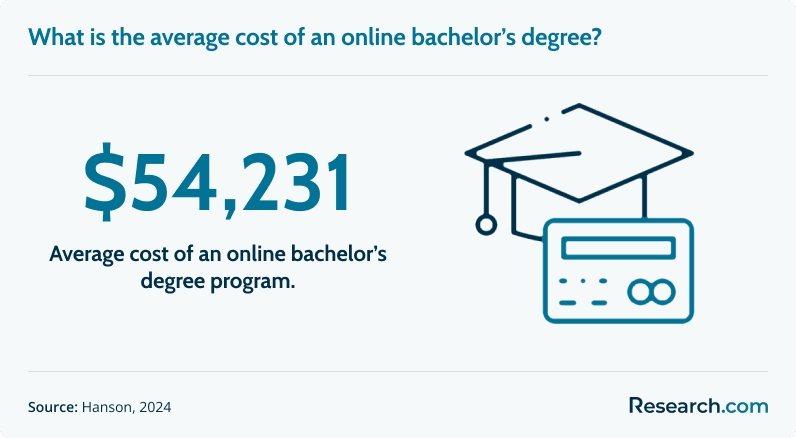
The average cost of an online video game design degree program ranges from $2,000 to $15,000 per semester. Programs that charge by credit often fall between $300 and $700 per credit hour. Since many bachelor’s programs require about 120 credits, small differences in per-credit tuition can substantially change total cost. Students comparing game design with technical fields may notice that some lower-cost options resemble the affordability range discussed in guides on how much does a software engineer degree cost.
Public universities may offer lower prices for in-state students, while private institutions often have different pricing models. Some online programs use flat-rate tuition, which can make costs easier to predict. However, tuition is only part of the budget. Students may also need a capable computer, game development software, art tools, cloud storage, a drawing tablet, audio equipment, or upgraded internet access.
| Cost category | What to check before enrolling | Why it affects affordability |
| Tuition | Per-credit rate, semester rate, in-state or out-of-state pricing, and full program cost | This is the largest visible expense. |
| Fees | Online learning fees, technology fees, graduation fees, and course-specific charges | Fees can make a “low tuition” program more expensive than expected. |
| Software and tools | Required game engines, art software, 3D modeling tools, audio software, and subscriptions | Some tools are free or student-discounted; others may add recurring costs. |
| Hardware | Computer specifications, graphics capability, storage, headset, drawing tablet, and peripherals | Game design coursework can require stronger hardware than general online courses. |
| Time to completion | Transfer credit, part-time status, accelerated options, and course availability | Extra semesters can increase tuition and delay earnings. |
| Financial aid | Federal aid eligibility, scholarships, institutional grants, and employer assistance | A higher sticker price may be manageable if aid reduces net cost. |
What are the financial aid options for students enrolling in an online video game design program?
Online students may qualify for many of the same financial aid options as campus students if they attend an eligible accredited institution. The key is to compare net price after aid, not only the advertised tuition rate.
- Federal Grants: Need-based grants such as the Pell Grant may be available to eligible undergraduate students. Grants generally do not need to be repaid.
- Scholarships: Students can search for awards from schools, professional associations, nonprofit organizations, and creative industry groups. The ESA Foundation provides scholarships for women and minorities pursuing video game-related degrees.
- Federal Student Loans: Students can complete the FAFSA to determine eligibility for federal loans, which often have borrower protections and repayment options not always available with private loans.
- Private Loans: Private student loans may help cover remaining costs, but they can have higher interest rates, credit requirements, and fewer repayment protections.
- Institutional Aid: Colleges may offer merit scholarships, need-based aid, program-specific awards, or transfer student scholarships.
- Work-Study Programs: Eligible students may earn money through part-time jobs connected to the school. Some positions may also help students build technical, design, or media experience.
- Tuition Reimbursement Programs: Employers in technology, design, media, or related fields may reimburse part of tuition when the degree supports professional development.
- Creative Industry Scholarships: Organizations such as Women in Animation and the IGDA Foundation may offer competitive scholarships, grants, or support for students entering game-related fields.
How to reduce the cost of an online video game design degree
- Submit the FAFSA early and confirm that the school participates in federal student aid.
- Ask whether transfer credits can reduce the number of courses you must take.
- Compare total program cost, including fees, not just tuition per credit.
- Look for schools that include software access or offer student licenses.
- Consider part-time enrollment if it helps you avoid high-interest private loans.
- Apply for scholarships every year, not only before your first semester.
- Ask employers about education benefits before enrolling.
What are the prerequisites for enrolling in an online video game design degree program?
Admission requirements vary by institution, but most bachelor’s-level online video game design programs expect applicants to show readiness for college-level work. Some schools focus mainly on academic records, while others may welcome portfolios or creative samples.
- High School Diploma or GED: Most bachelor’s programs require proof of high school completion or an equivalent credential.
- Minimum GPA: Many programs look for a GPA around 2.5 or higher, though requirements can differ by school and applicant type.
- Standardized Test Scores: Some schools may request SAT or ACT scores, but many online programs now make these scores optional or do not require them.
- Portfolio: A portfolio is not always mandatory, but it can strengthen an application if it includes digital art, coding projects, game prototypes, animations, mods, level designs, or interactive media samples.
- Letters of Recommendation: Some programs ask teachers, employers, or mentors to comment on your work ethic, creativity, technical ability, and readiness for online learning.
- Personal Statement or Essay: Schools may ask you to explain your interest in game design, career goals, and reasons for choosing the program.
The chart below illustrates preferred gaming platforms in U.S. households, based on ESA 2024 reporting.
What courses are typically in online video game design programs?
Online video game design curricula usually combine design thinking, digital art, programming, production, and testing. The exact mix depends on whether the degree emphasizes game art, game programming, interactive media, simulation, or general design.
| Course area | What students learn | Career relevance |
| Introduction to Game Design | Core design principles, game loops, mechanics, player goals, storytelling, and planning | Builds the foundation for design documents and prototypes. |
| Game Programming | Programming logic and languages such as C++ or Python, along with debugging and implementation | Useful for technical design, gameplay programming, and scripting roles. |
| 3D Modeling and Animation | Creating and animating characters, objects, environments, and visual assets with tools such as Blender or Maya | Supports game art, animation, and related digital media work. Students comparing visual media paths may also explore an online animation degree. |
| Game Development Tools | Game engines and workflows using platforms such as Unity or Unreal Engine | Helps students create playable projects and understand production pipelines. |
| User Interface Design | Menu systems, player feedback, layout, usability, and visual hierarchy | Applies to game UI, app design, digital products, and UX-related roles. |
| Interactive Media | Digital interaction beyond traditional games, including virtual and augmented reality concepts | Expands career options into simulation, training, education, and immersive media. |
| Game Audio Design | Sound effects, music integration, voiceover workflows, and audio feedback | Supports atmosphere, accessibility, and player engagement. |
| Game Testing and Quality Assurance | Bug reporting, playtesting, troubleshooting, usability testing, and quality control | Can prepare students for common entry-level roles in game production. |
| Advanced Game Design | Complex systems, balancing, pacing, advanced mechanics, and refined player experience | Develops design judgment and deeper problem-solving ability. |
| Project Management for Game Development | Scheduling, team coordination, scope control, production milestones, and resource planning | Supports producer, team lead, and project coordination roles. Broader management paths can overlap with some of the highest paying MBA careers. |
What types of specializations are available in an online video game design program?
Specializations help students align coursework with a specific career direction. Before choosing one, review job descriptions for roles you want and compare them with the program’s required courses and portfolio expectations.
- Game Programming: Emphasizes coding, algorithms, game engines, performance optimization, and implementation of gameplay systems.
- 3D Modeling and Animation: Focuses on character models, props, environments, rigging, animation, texture work, and visual asset production.
- Game Art and Design: Centers on concept art, visual storytelling, environmental design, character design, and artistic direction.
- Game Sound Design: Covers sound effects, music integration, voice work, audio tools, and interactive sound systems.
- Interactive Media: Explores digital experiences beyond traditional games, including VR, AR, installations, web-based interactivity, and simulations.
- Game Production and Management: Teaches production planning, team coordination, budgets, schedules, and milestone management.
- User Experience Design: Focuses on usability, accessibility, interface design, player feedback, and improving the overall user journey.
- Gameplay Mechanics: Concentrates on rules, systems, difficulty balance, rewards, progression, and player motivation.
- Narrative Design: Builds skills in branching storylines, dialogue, character arcs, lore, and story integration. Students who want deeper creative writing and studio practice may also research an MFA online.
- Virtual Reality Game Design: Covers immersive interaction, spatial design, comfort, hardware constraints, and VR-specific user experience challenges.
| If your goal is... | Consider this specialization | Portfolio pieces to build |
| Writing game systems and mechanics | Game Programming or Gameplay Mechanics | Playable mechanics demo, code samples, technical design documentation |
| Creating characters and environments | 3D Modeling and Animation or Game Art and Design | Character turnarounds, 3D models, animation reels, environment scenes |
| Designing immersive experiences | Interactive Media or Virtual Reality Game Design | VR prototype, interactive installation, simulation demo |
| Building story-driven games | Narrative Design | Dialogue samples, branching narrative prototype, story bible, quest design |
| Leading production workflows | Game Production and Management | Production plan, milestone schedule, team project documentation |
| Improving player usability | User Experience Design | UI mockups, playtest reports, accessibility improvements, user flow maps |
How to choose the best online video game design degree program?
The best online video game design degree is the one that matches your target role, budget, schedule, and learning style while giving you credible training and a strong portfolio. Use the checklist below before enrolling.
- Confirm accreditation: Make sure the institution is accredited by a recognized accreditor. Accreditation can affect financial aid eligibility, credit transfer, graduate school admission, and employer confidence.
- Match the curriculum to your goal: A student who wants to become a gameplay programmer needs different coursework than a student focused on concept art or narrative design.
- Review faculty backgrounds: Look for instructors with relevant experience in game design, animation, software development, interactive media, or digital production. Teaching experience also matters; some educators may have backgrounds similar to those explored in the cheapest online master's in education.
- Check software and hardware requirements: Ask whether the program uses tools such as GameMaker, Unreal Engine, Godot, Unity, Blender, Maya, Adobe Creative Suite, or other industry-relevant platforms.
- Evaluate portfolio support: A degree should help you graduate with finished projects, not just completed coursework.
- Ask about internships and employer connections: Hands-on experience can make a major difference when applying for competitive entry-level roles.
- Compare total cost after aid: Include tuition, fees, software, hardware, books, and extra semesters.
- Consider flexibility honestly: Self-paced coursework is convenient, but it requires discipline. Synchronous classes offer structure but may be harder to schedule.
- Investigate outcomes: Ask about graduate employment, portfolio examples, alumni roles, and job placement support.
- Check student services: Online students should have access to tutoring, technical support, library resources, career advising, and instructor feedback.
| Question to ask | Why it matters | Warning sign |
| Is the school institutionally accredited? | Accreditation affects aid, transferability, and credibility. | The school avoids clear accreditation information. |
| What portfolio projects do students complete? | Employers want evidence of practical skill. | The program has few examples of student work. |
| Which game engines and tools are taught? | Tool familiarity can help with job readiness. | The curriculum relies on outdated or unspecified software. |
| Are courses asynchronous, synchronous, or mixed? | Format affects your ability to balance school with work. | Scheduling expectations are unclear before enrollment. |
| How are team projects handled online? | Game development is collaborative. | There is little explanation of collaboration tools or process. |
| What are the full costs beyond tuition? | Technology, fees, and software can change affordability. | The school promotes tuition but does not disclose additional expenses. |
How can I verify the quality of an online video game design degree program?
Start with accreditation, then move to evidence of learning quality. Confirm that the institution is accredited by a recognized agency, review the curriculum course by course, look at faculty qualifications, and ask for examples of student portfolios or capstone projects. If the school publishes student outcome data, review it carefully and ask how it was collected.
Also compare the program against similar creative technology degrees. For example, students evaluating design-focused options may want to compare tuition, portfolio expectations, and software requirements with the cheapest online graphic design degree options to understand value across related fields.
Are online video game design degrees accredited and industry-recognized?
Online video game design degrees can be credible when they come from accredited institutions and teach current industry practices. Accreditation does not guarantee a job, but it signals that the school meets recognized academic standards. It can also influence financial aid, transfer credit, and graduate school options.
Industry recognition depends on more than accreditation. Employers may look at your portfolio, tools used, internships, team projects, faculty connections, and the program’s reputation in game development or interactive media. When comparing game design schools online, ask whether students complete playable games, collaborate in teams, and receive feedback from instructors or industry professionals.
What are the common challenges of pursuing an online video game design degree?
Online game design study is flexible, but it is not easy. Students must manage deadlines, learn complex tools, collaborate remotely, and solve technical problems without the immediate access of a physical lab. Programming, 3D modeling, animation, and game engine work can be frustrating when your computer setup, internet access, or time management is weak.
- Self-discipline: Asynchronous courses require consistent weekly progress.
- Remote collaboration: Team projects depend on communication, version control, shared files, and clear roles.
- Technical troubleshooting: Students may need to resolve software installation, hardware performance, and file compatibility issues.
- Portfolio pressure: Completing assignments is not enough; you need polished work that shows employers what you can do.
- Rapid tool changes: Game engines, AI tools, production workflows, and platform requirements continue to evolve.
Students who want a stronger technical foundation may also consider computing-focused pathways, including a 2-year computer science degree online, before or alongside game design training.
What emerging trends are shaping the video game design industry?
Several trends are changing how games are designed, produced, and delivered. Artificial intelligence is increasingly used for asset support, testing assistance, procedural content, and workflow automation. Procedural generation continues to expand design possibilities, especially for large or replayable environments. Cross-platform development remains important as players expect games to work across consoles, PCs, mobile devices, and cloud-based systems. Virtual reality, augmented reality, and simulation design also create opportunities outside traditional entertainment.
These changes do not remove the need for strong design fundamentals. Instead, they increase the value of designers who understand player behavior, technical constraints, ethical tool use, accessibility, and production collaboration. Students who want deeper computing preparation may compare game design study with an online computer science masters, especially if they plan to work in advanced systems, AI-driven experiences, or technical leadership.
What career paths are available for graduates of an online video game design degree?
Career paths vary based on portfolio, specialization, experience, and technical ability. Some graduates enter game studios, while others move into simulation, animation, web experiences, mobile design, user experience, education technology, or interactive media. Entrepreneurial graduates may eventually launch independent studios or pursue business training such as the cheapest online DBA if they want to manage or grow a company.
Entry-Level Roles
- Junior Game Designer: Supports mechanics, level design, documentation, scripting, and feature iteration under senior team guidance.
- Game Tester or Quality Assurance Tester: Tests builds, reports bugs, documents issues, verifies fixes, and learns how production pipelines operate.
- Assistant Animator: Helps create character motion, effects, or animation assets while learning studio standards and feedback processes.
Mid-Level Roles
- Level Designer: Builds playable spaces, controls pacing, creates challenges, and aligns environments with the game’s mechanics and narrative goals.
- 3D Modeler: Creates characters, props, and environments using specialized modeling and texturing tools such as Blender or Maya.
- Gameplay Programmer: Implements mechanics, systems, controls, and interactions through code while collaborating with designers and artists.
Advanced Roles
- Lead Game Designer: Guides the design team, protects the creative vision, reviews systems, and coordinates work across departments.
- Art Director: Defines visual style, supervises artists and animators, and ensures consistency across characters, environments, interface elements, and promotional assets. Leadership and people-management skills can also connect to training like the cheapest online master's in human resources.
- Game Producer: Oversees schedules, milestones, team communication, scope management, and delivery goals.
Specialized Roles
- Virtual Reality Designer: Creates immersive environments and interactions for VR platforms while accounting for comfort, hardware, and spatial design.
- Technical Artist: Connects art and engineering by optimizing assets, building tools, supporting shaders, and helping art function properly inside game engines.
- Narrative Designer: Develops dialogue, story structure, characters, lore, quests, and branching content that support gameplay.
The chart below shows the most common industries for video game designers, based on Zippia 2024 data.
How do academic support services enhance your online video game design experience?
Good support services can make the difference between simply enrolling and actually finishing with a usable portfolio. Online students should have access to technical help, tutoring, library resources, writing support, career advising, and timely instructor feedback. Game design students also benefit from critique sessions, peer review, portfolio reviews, and guidance on presenting work professionally.
Because online game design relies heavily on technology, schools with strong digital learning infrastructure often provide a smoother experience. Students comparing support models may also review resources associated with the best online colleges for information technology to understand how technical student services can affect online learning quality.
What is the job market for graduates with an online video game design degree?
The job market is mixed, and students should understand the difference between design, programming, animation, and digital media roles. Game designers are often grouped within broader digital design categories. According to 2024 data, employment for web developers and digital designers is expected to grow by 8% from 2023 to 2033. That suggests positive demand for certain digital design skills, though competition for game studio jobs can still be strong.
The outlook is less favorable for some programming roles. Employment for computer programmers is projected to decline by 10% from 2023 to 2033. Students who want programming-heavy jobs should build a strong technical portfolio, learn current tools, and consider whether software development, technical art, gameplay engineering, or broader computing roles provide better opportunities.
For visual production, employment for special effects artists and animators is projected to grow by 4% between 2023 and 2033, with approximately 6,700 openings expected annually. Level design, UI/UX design, simulation, and interactive media roles may follow broader digital design and software development patterns rather than one single game-specific labor category.
How can internships and real-world projects boost career success in video game design?
Internships and applied projects help students prove that they can work beyond classroom exercises. Employers want to see whether you can collaborate, follow feedback, solve production problems, meet deadlines, and improve a project through iteration. A degree program that includes real clients, studio-style teamwork, game jams, capstones, or internships can give students stronger portfolio evidence.
Real-world projects also teach constraints that are hard to learn from lectures alone: scope control, bug tracking, playtesting, version management, communication, production risk, and revision cycles. Students interested in data-driven design or analytical thinking may also explore adjacent graduate options such as masters bioinformatics, though game design students should prioritize applied game projects first if their immediate goal is studio employment.
Is an Online Video Game Design Degree Worth the Investment?
An online video game design degree may be worth the investment if it is accredited, affordable for your budget, aligned with your target role, and strong enough to help you build a competitive portfolio. It may not be worth it if the program is expensive, weak on hands-on projects, unclear about outcomes, or too general for the job you want.
| A degree may be worth it if... | You may want another option if... |
| You want structured training across design, tools, production, and portfolio development. | You already have strong skills and only need a few targeted courses or certifications. |
| The program is accredited and eligible for financial aid. | The school’s accreditation or aid eligibility is unclear. |
| You can complete the degree without taking on unmanageable debt. | The total cost is high and salary outcomes are uncertain for your target role. |
| The curriculum matches your specialization, such as game art, programming, or UX. | The program teaches broad media topics but little game production. |
| You need a bachelor’s degree for career mobility or graduate study. | You are mainly trying to learn one tool and can do so through a shorter, lower-cost path. |
When assessing return on investment, compare tuition, fees, software, hardware, scholarships, transfer credit, and time to completion against realistic job prospects. Students comparing cost-effective technical degree models may also review cheap online colleges for engineering to understand how affordability differs across related technical fields.
How can artificial intelligence elevate game design education?
Artificial intelligence is increasingly relevant in game design education because it can support procedural content generation, adaptive gameplay, automated testing, player behavior analysis, and faster experimentation. Students may use AI-assisted tools to explore ideas, generate variations, test systems, or study how games respond to player decisions.
AI should not replace core design skill. Students still need to understand mechanics, pacing, art direction, ethics, accessibility, storytelling, user experience, and technical constraints. Those who want to specialize further in intelligent systems, machine learning, or AI-supported interactive media can compare game design programs with artificial intelligence degrees online.
Expanding Career Opportunities Beyond Game Design
A video game design degree can support careers outside traditional game studios because the training combines visual communication, interaction design, storytelling, software tools, and user-centered thinking. Students who want stable or broader employment options should intentionally build transferable skills while in school.
1. Graphic Design
Game design and graphic design overlap in composition, color, typography, branding, layout, and visual storytelling. Graduates may apply game art and interface skills to marketing assets, digital branding, product visuals, or web content. Students considering this direction can review the graphic design career path for related roles and expectations.
2. Virtual Reality and Augmented Reality Development
VR and AR use many game design skills, including 3D modeling, animation, interface design, spatial interaction, and user testing. These roles may appear in healthcare, retail, education, training, architecture, and entertainment.
3. Multimedia and Interactive Media Production
Interactive media roles may involve e-learning modules, museum exhibits, web experiences, simulations, product demos, or digital storytelling. These positions can be a strong fit for graduates who enjoy combining creativity, technology, and user engagement.
The Importance of Networking in the Video Game Design Industry
Game design hiring is competitive, and many opportunities are influenced by portfolios, referrals, community reputation, and collaboration history. Networking does not replace skill, but it can help students learn about roles, receive feedback, find collaborators, and discover opportunities that are not widely advertised.
- Join game development communities: Reddit, Discord, independent game forums, engine-specific communities, and student groups can help you ask questions, share work, and find collaborators.
- Attend events and conferences: Events such as the Game Developers Conference (GDC), local expos, meetups, and online panels can expose you to industry expectations and hiring trends.
- Use professional platforms: LinkedIn, portfolio sites, social media, GitHub, and ArtStation can make your work visible to peers, recruiters, and potential collaborators.
- Participate in game jams: Events such as Global Game Jam or Ludum Dare help students build quick prototypes, practice teamwork, and add collaborative work to a portfolio.
- Use your school’s network: Online students should still connect with faculty, alumni, career services, and classmates. These relationships can lead to feedback, internships, referrals, or project partnerships.
- Seek mentorship: Experienced designers can help you evaluate your portfolio, choose a specialization, and avoid common early-career mistakes. Students still deciding on the broader education path can also compare the best online degrees to get.
Can complementary skills like cybersecurity boost game design?
Cybersecurity knowledge can be valuable in modern game development, especially for online games, multiplayer systems, player accounts, in-game economies, and user data. Designers do not all need to become security specialists, but understanding secure coding, privacy, authentication, threat awareness, and exploit prevention can improve collaboration with engineering and security teams.
Students who want to combine game design with secure software and online systems may explore cyber security programs as a complementary pathway. This combination can be especially relevant for multiplayer games, live-service products, and interactive platforms that manage user information.
How can interdisciplinary studies boost innovation in video game design?
Game design often improves when students borrow ideas from other fields. Psychology can support player motivation and behavior design. Computer science can strengthen systems thinking. Data analysis can improve balancing and user research. Art, music, theater, and creative writing can deepen atmosphere and storytelling. Education and training fields can inform serious games and simulations.
Interdisciplinary study works best when it supports a clear design goal. For example, students interested in complex systems, data visualization, or simulation may find that concepts from bioinformatics master's programs online offer useful analytical perspectives, even if the direct career path differs from game design.
Can insights from health informatics enhance game design?
Health informatics can offer useful lessons for game designers who want to build data-informed, adaptive, or user-sensitive experiences. Concepts such as user data tracking, behavior analysis, interface clarity, feedback loops, and accessibility can help designers create games or simulations that respond more effectively to individual users.
This is especially relevant for serious games, rehabilitation tools, wellness applications, medical training simulations, and educational platforms. Students interested in these connections may review health informatics online to understand how data, usability, and user outcomes intersect in digital systems.
How to showcase your work as video game designer?
A portfolio is one of the most important assets for an aspiring video game designer. Employers and collaborators want proof that you can create, revise, explain, and finish work. A strong portfolio should show final results and the thinking behind them.
- Prioritize quality over volume: A few polished projects are stronger than many incomplete experiments. Choose work that shows design judgment, technical skill, and finished execution.
- Show different skills intentionally: Include projects that demonstrate your target role, such as level design, programming, game art, animation, UX, narrative design, or systems design.
- Include collaborative work: Games are usually made by teams. Explain your role, what you contributed, what tools were used, and how the team solved problems.
- Create a personal prototype: A solo or lead project can show initiative, creative direction, problem-solving, and the ability to take an idea from concept to playable form.
- Document your process: Add design notes, sketches, wireframes, playtest findings, early builds, iteration summaries, and explanations of key decisions.
- Build an online portfolio: Use platforms such as ArtStation, GitHub, or a personal website. Make navigation simple and provide clear descriptions of each project.
- Keep it current: Update your portfolio as you complete better work. Remove older projects that no longer represent your skill level.
- Connect projects to your specialization: If you want to work in AI-supported gameplay, procedural systems, or adaptive design, consider adding relevant projects or exploring advanced study such as the cheapest online master's in artificial intelligence.
| Common portfolio mistake | Better approach |
| Uploading only screenshots with no explanation | Describe your role, tools, process, challenges, and design decisions. |
| Showing too many unfinished projects | Feature polished work that demonstrates completion and iteration. |
| Claiming team work without clarifying your contribution | State exactly what you built, designed, wrote, tested, or managed. |
| Ignoring playtesting or feedback | Include how user feedback changed your design. |
| Using a portfolio that is hard to navigate | Organize projects by skill area and make contact information easy to find. |
Common mistakes to avoid when choosing an online video game design degree
- Choosing only by lowest tuition: A cheap program can become costly if it lacks accreditation, transfer support, portfolio development, or career services.
- Ignoring accreditation: Accreditation can affect financial aid, credit transfer, graduate school admission, and employer trust.
- Assuming all “game design” programs teach the same skills: Some emphasize art, others programming, simulation, media production, or general design.
- Underestimating hardware needs: Game development coursework may require a computer with stronger graphics, memory, and storage than standard online classes.
- Failing to build a portfolio early: Waiting until the final semester can leave you with too little polished work.
- Overlooking collaboration: Employers value teamwork, version control, communication, and production discipline.
- Assuming salary outcomes are guaranteed: Reported averages are useful, but individual outcomes depend on role, location, experience, portfolio, and market conditions.
- Relying only on rankings: Rankings are a starting point. Always verify curriculum, cost, accreditation, support, and fit for your goals.
Key Insights
- An affordable online video game design degree should be evaluated by total value, not tuition alone. Accreditation, tools, portfolio projects, support services, and transfer policies all affect whether the program is worth the cost.
- Most full-time students complete bachelor’s-level online game design programs in 3-4 years, and many programs require 120-130 credits.
- Program costs vary widely, with online video game design degrees commonly ranging from $2,000 to $15,000 per semester or $300 to $700 per credit hour.
- The job market is not uniform. Web developers and digital designers are projected to grow by 8% from 2023 to 2033, while computer programmers are projected to decline by 10% over the same period.
- Portfolio quality is critical. Students should graduate with finished prototypes, design documentation, art assets, code samples, playtest evidence, or other role-specific work.
- Online learning works best for disciplined students who can manage remote collaboration, technical troubleshooting, and consistent project development.
- AI, VR, AR, procedural generation, cross-platform development, cybersecurity, and data-informed design are reshaping the field, but fundamentals such as player experience, storytelling, usability, and teamwork remain essential.
- The best next step is to shortlist accredited programs, compare total net cost, review student work, confirm software requirements, ask about internships or capstones, and choose the program that best matches your target role.
References:
- Bureau of Labor Statistics (BLS). (2024a). Computer Programmers. Occupational Outlook Handbook. BLS.
- Bureau of Labor Statistics (BLS). (2024b). Software Developers, Quality Assurance Analysts, and Testers. Occupational Outlook Handbook. BLS.
- Bureau of Labor Statistics (BLS). (2024c). Web Developers and Digital Designers. Occupational Outlook Handbook. BLS.
- Entertainment Software Association (ESA). (2024). 2024 Essential Facts About the U.S. Video Game Industry. Resources. ESA.
- Hanson, M. (2024). Average Cost of Online College. Education Data Inititative.
- Zippia. (2024a). Video Game Designer Demographics and Statistics in the US. Zippia.
- Zippia. (2024b). Video Game Designer Salary. Zippia.
Other Things You Should Know About Online Video Game Design Degrees
Affordable online video game design degree programs typically require around 120 credit hours to graduate in 2027. This generally includes courses in game development, graphic design, and computer programming. Ensure the program covers essential skills and knowledge you need for a career in game design.
Most affordable online video game design bachelor’s degrees require about 120 credit hours, including general education, art or programming foundations, and game-design courses. Some accelerated programs accept transfer credits, which can reduce the total required hours by 30 or more credits.