
2027 How to Become a Construction Manager: Step-By-Step Guide

Co-Founder and Chief Data Scientist
Construction management is the career path for people who want to lead building projects, coordinate teams, control budgets, solve site problems, and make sure work meets safety and code requirements. A construction manager oversees a project from early planning through closeout, working with owners, architects, engineers, subcontractors, inspectors, suppliers, and field crews.
This guide is for students, career changers, tradespeople, military learners, and working adults who are deciding whether construction management is a realistic next step. You will learn what construction managers do, what degree or certificate path makes sense, which skills employers value, how salaries and job outlook are described by current sources, and how to compare programs before committing time and money.
The career can be attractive because construction activity continues to require people who can manage schedules, budgets, safety, contracts, and labor. The Bureau of Labor and Statistics cites projected employment growth of eight percent as construction activity expands. The same career decision, however, should not be based on demand alone. You also need to understand the education requirements, field experience expectations, licensing or certification value, technology skills, and the pressure that comes with managing expensive, deadline-driven projects.
Many construction managers begin with a bachelor’s degree in construction management, construction engineering, civil engineering, or a related business field. Some students also build management fundamentals through a business administration degree or flexible business administration programs online, especially if they already have construction experience and want stronger budgeting, leadership, and operations skills.
Quick Answer: How Do You Become a Construction Manager?
To become a construction manager, you typically need a mix of formal education, jobsite experience, project management ability, and knowledge of construction codes, contracts, safety, estimating, scheduling, and software. A bachelor’s degree in construction management, civil engineering, construction engineering, or a related field is often the clearest route, although certificates, associate degrees, apprenticeships, and trade experience can support entry-level roles.
The practical path is straightforward: learn construction fundamentals, gain field experience, build scheduling and estimating skills, understand OSHA and building code expectations, use industry software, and pursue certifications when they match your career stage. Advanced roles usually require stronger leadership experience, a record of completing projects successfully, and sometimes a master’s degree or professional certification.
| Career goal | Best starting point | What to focus on first |
| Enter the field quickly | Certificate, associate degree, internship, or assistant role | Blueprint reading, safety, estimating, scheduling, and site communication |
| Qualify for project management roles | Bachelor’s degree plus field experience | Contracts, budgets, procurement, building systems, and team coordination |
| Move into senior leadership | Experience, certifications, and possibly a master’s degree | Risk management, executive communication, finance, and multi-project oversight |
| Shift from trades to management | Targeted degree, certificate, or employer-sponsored training | Documentation, cost control, scheduling software, and leadership skills |
How to Become a Construction Manager Table of Contents
- Why construction management can be a strong career choice
- Construction management job outlook and salary context
- Skills construction managers need
- How to start a construction management career
- How to move into higher-level construction management roles
- Related career paths for construction management professionals
- How technology is changing construction management
- Why regulations and safety standards matter
- Whether an advanced degree can improve career mobility
- How to think about degree return on investment
- Why internships and field experience matter
- How online accelerated programs fit into construction management training
- How to match your education path to your schedule
- Whether a 1-year program can help you advance faster
- What to review before choosing a construction management program
- Whether fast degree programs are credible for this field
Why pursue a career in Construction Management?
Construction management appeals to people who want a career that combines technical knowledge, leadership, business judgment, and visible results. Instead of completing one specialized trade task, construction managers coordinate the full project environment: schedules, budgets, crews, materials, inspections, change orders, quality control, owner expectations, and safety procedures.
The role matters because construction projects can fail when communication breaks down, costs are underestimated, materials arrive late, safety rules are ignored, or subcontractors are not properly coordinated. A strong construction manager reduces those risks by turning plans into organized work, tracking progress, and keeping stakeholders aligned. A detailed overview of construction manager roles and responsibilities highlights how central the position is to planning, coordination, and project execution.
Compensation can also make the field worth considering. According to the U.S. Bureau of Labor Statistics as of May 2024, the median annual wage for construction managers is $106,980, although actual pay can differ by region, employer, project type, experience, and level of responsibility. The same cited outlook reports that demand for construction managers is projected to grow 9 percent from 2024 to 2034. Another discussion of construction managers points to compensation and career opportunity as common reasons people enter the field.
This career is not for everyone. Construction managers often deal with schedule pressure, weather delays, supply problems, safety incidents, contract disputes, and demanding clients. It is a better fit if you can stay organized under pressure, communicate clearly with different groups, make decisions with incomplete information, and accept accountability for project outcomes.
| Construction management may fit you if... | You may want another path if... |
| You enjoy coordinating people, schedules, budgets, and technical details. | You prefer highly predictable work with few urgent changes. |
| You are comfortable moving between office work and jobsite conditions. | You want a role with minimal field exposure or site responsibility. |
| You can communicate with executives, engineers, inspectors, trades, and vendors. | You dislike negotiation, documentation, conflict resolution, or follow-up. |
| You want a career where experience can significantly increase responsibility. | You want advancement without building a track record on real projects. |
Construction Management Career Outlook
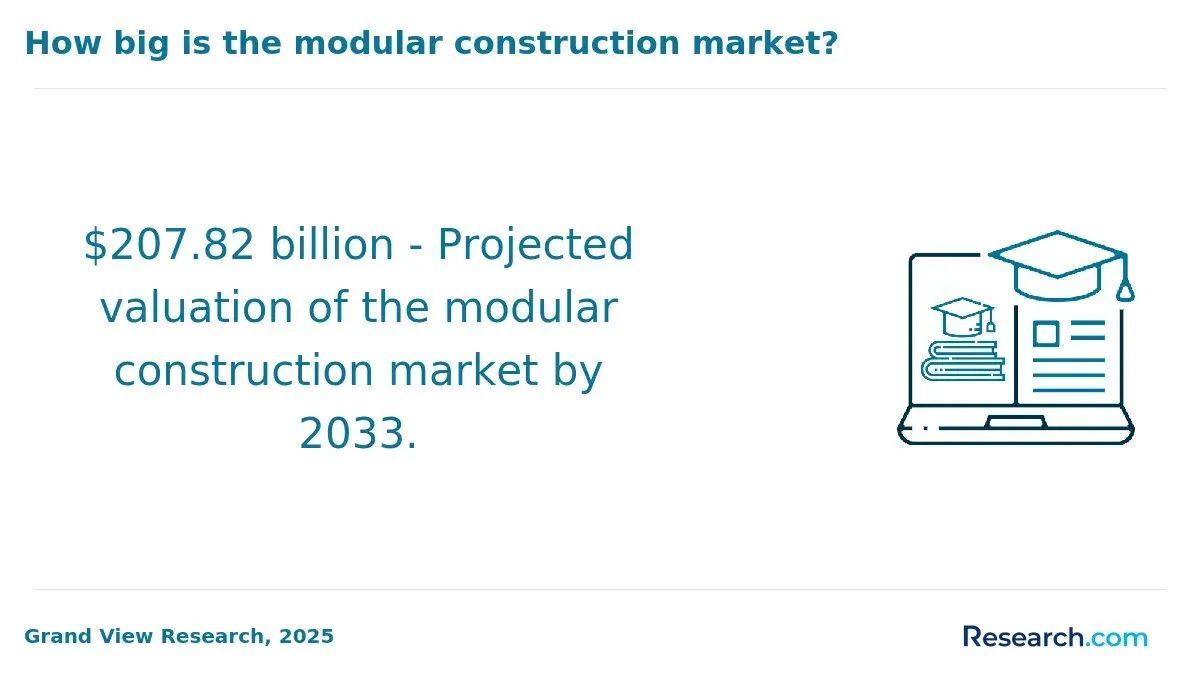
The construction field continues to need managers who can bring order to complex projects. After the COVID-19 pandemic, the industry rebounded as many regions reinvested in infrastructure, transportation, utilities, public facilities, housing, and commercial development. Each major project requires coordination across design, procurement, permitting, labor, scheduling, safety, and closeout.
Construction management also connects to several related career areas. Facility managers oversee building operations, maintenance, space use, vendor relationships, and long-term property performance. As of 2026, the average annual salary of facility managers is at $85,000 with an expected employment growth of seven percent through 2030. Sustainability consultant is another related option for professionals interested in energy use, environmental performance, materials, and compliance; this role falls under environmental scientists and specialists, which will have projected employment of 83,800 by 2031.
These outlook figures are useful starting points, but they should not be treated as personal salary guarantees. Your results will depend on your location, employer type, project size, portfolio, certifications, negotiation ability, and whether you can manage increasingly complex work.
| Role | Typical focus | Salary or outlook figure cited in this guide |
| Construction Manager | Plans, coordinates, budgets, schedules, and supervises construction projects. | Median annual wage of $106,980 as of May 2024; projected growth of 9 percent from 2024 to 2034. |
| Facility Manager | Manages building operations, maintenance, systems, vendors, and property performance. | Average annual salary of $85,000 as of 2026; expected employment growth of seven percent through 2030. |
| Sustainability Consultant | Advises on environmental performance, energy efficiency, compliance, and sustainable practices. | Projected employment of 83,800 by 2031 under environmental scientists and specialists. |
Required Skills for Construction Manager
Construction managers need more than general leadership ability. They must understand how buildings and infrastructure are planned, priced, scheduled, built, inspected, and delivered. The best candidates combine technical construction knowledge with business judgment, communication, risk management, and software fluency.
Students can build these abilities through construction management degrees, internships, field experience, apprenticeships, certificates, and employer training. Some schools offer affordable construction management degree programs that help future managers study project delivery, estimating, safety, contracts, and building systems while balancing cost and flexibility.
Technical Skills Construction Managers Use
- Construction methods and materials: Managers need to understand how concrete, steel, wood, masonry, mechanical systems, electrical systems, and sitework come together so they can recognize sequencing problems and quality issues.
- Plan and blueprint interpretation: Reading architectural drawings, engineering plans, specifications, details, and dimensions is essential for translating design intent into field execution.
- Building codes, zoning, and safety rules: Construction managers must know how code, permit, accessibility, environmental, and safety requirements affect project decisions.
- Estimating and quantity takeoff: Cost control begins with understanding labor, material, equipment, subcontractor pricing, contingencies, and scope assumptions.
- Scheduling and sequencing: Managers must know how tasks depend on one another and how delays in one phase can affect inspections, subcontractors, procurement, and final delivery.
- Construction technology: Familiarity with construction management platforms, project scheduling tools, CAD, Building Information Modeling, document control systems, and field reporting software is increasingly important.
Management and Professional Skills Employers Expect
- Project management: Construction managers plan work, assign resources, monitor schedules, track budgets, resolve issues, and keep project teams accountable.
- Leadership: The role requires directing teams without losing trust, especially when deadlines are tight or conditions change.
- Communication: Managers must explain technical issues clearly to owners, architects, engineers, subcontractors, inspectors, suppliers, and executives.
- Problem-solving: Site conflicts, weather delays, material shortages, design gaps, and safety concerns require fast but careful decisions.
- Financial management: Budget tracking, change orders, pay applications, cost reports, and forecasting are central to project success.
- Risk management: Strong managers identify schedule, safety, financial, contract, and quality risks before they become expensive disruptions.
- Documentation: Daily reports, RFIs, submittals, meeting minutes, inspection records, change logs, and closeout documents protect the project and the organization.
How to Start Your Career in Construction Management
The construction management path usually begins with education, field exposure, and progressively larger responsibilities. There has been a notable rise in building permits, housing starts, and housing completions over the past year. In addition, industry experts have anticipated a substantial surge in commercial construction, with growth projections of at least 40 percent. When project volume rises, employers need people who can manage crews, schedules, costs, safety, and compliance.
A bachelor’s degree in construction management, civil engineering, construction engineering, architecture, business, or a related field is a common route into the profession. Learners who need flexibility may compare campus programs with an online business degree, especially if they want stronger management training and already have construction experience.
Education alone is rarely enough. Employers value candidates who have worked around real projects. Internships, assistant superintendent roles, estimating internships, field engineer positions, construction coordinator jobs, and trade experience can all help you understand how plans, people, materials, contracts, and weather interact on a jobsite.
Step-by-Step Path to Becoming a Construction Manager
- Learn the industry basics. Start with construction methods, safety, plan reading, materials, project delivery methods, and building codes.
- Choose an education pathway. Decide whether a certificate, associate degree, bachelor’s degree, master’s degree, or business-focused program fits your current experience and career target.
- Get field experience early. Look for internships, part-time field roles, trade work, estimating assistant jobs, or project coordinator positions.
- Build software skills. Practice scheduling, estimating, document control, BIM, spreadsheet analysis, and project management platforms.
- Create a project portfolio. Track projects you supported, responsibilities you handled, budgets or schedules you helped manage, and problems you helped solve.
- Network with industry professionals. Connect with contractors, owners, construction associations, suppliers, faculty, alumni, and internship supervisors.
- Add certifications when useful. Certifications can strengthen credibility once you meet the education, experience, or exam requirements.
- Apply for entry-level management roles. Common starting titles include assistant project manager, field engineer, project engineer, estimator, scheduler, construction coordinator, or assistant superintendent.
What can I do with an Associate’s Degree in Construction Management?
Construction Materials Sales Representative
A construction materials sales representative works with manufacturers, suppliers, contractors, builders, and other construction buyers. The role involves explaining product value, maintaining customer relationships, meeting sales goals, tracking industry trends, and understanding how materials are used on projects.
Median salary: $35,290
What can I do with a Bachelor’s Degree in Construction Management?
Project Manager
A project manager plans and coordinates work from the earliest stages through completion. In construction, this can include scope review, scheduling, budgeting, subcontractor coordination, documentation, quality checks, owner communication, and closeout. Project managers also work in other fields such as IT, engineering, and business, but construction project management requires strong knowledge of site operations and building processes.
Median salary: $94,500
Can you get construction management with just a certificate?
A certificate can help you enter construction management, but it usually works best when paired with field experience or a related credential. Certificate programs often focus on practical topics such as project planning, cost estimating, scheduling, safety, and construction methods. That can be enough for some entry-level or support roles, especially if you already know the construction environment.
Common roles for certificate holders may include assistant project manager, estimator, field engineer, construction coordinator, or junior project controls support. A certificate can show employers that you are serious about moving into management, but it may not replace a bachelor’s degree for larger projects, higher-responsibility positions, or employers with formal degree requirements.
If you choose the certificate route, evaluate the curriculum carefully. Look for plan reading, estimating, scheduling, contracts, safety, building codes, project documentation, and software exposure. Then combine the credential with internships, jobsite experience, or employer-sponsored training.
| Credential | Best for | Limitations to understand |
| Certificate | Career changers, tradespeople, and entry-level learners who need focused training. | May not satisfy degree preferences for advanced construction management roles. |
| Associate degree | Learners seeking technical foundations and a shorter academic path. | May lead first to support roles before full project management responsibility. |
| Bachelor’s degree | Students targeting project engineer, assistant project manager, estimator, or management-track roles. | Requires more time and cost, so program quality and ROI matter. |
| Master’s degree | Professionals pursuing leadership, specialized management, or executive-level advancement. | Most valuable when paired with relevant experience and a clear career goal. |
How can I advance my career in construction management?
Advancement usually comes from managing larger budgets, leading bigger teams, completing more complex projects, improving cost and schedule outcomes, and developing stronger client-facing skills. Education can help, but employers also look for proof that you can deliver projects safely, legally, and profitably.
A graduate degree, such as a Master’s in Construction Management or an MBA with a construction or project leadership focus, can help experienced professionals move toward senior project manager, program manager, operations manager, or executive roles. Flexible learners can also explore a master’s degree in construction management online if they need to continue working while studying.
Professional certifications can also support advancement. Credentials from organizations such as the Construction Management Association of America (CMAA), Project Management Institute (PMI), Construction Financial Management Association (CFMA), or International Risk Management Institute (IRMI) may help demonstrate expertise in construction management, project management, financial controls, or risk. Mentorships and apprenticeships can be just as valuable because they expose you to how experienced leaders handle contract disputes, delays, owner expectations, and difficult site decisions.
What can I do with a Master’s in Construction Management?
Construction Manager
A construction manager oversees planning, scheduling, budgeting, staffing, subcontractor coordination, quality control, risk management, and communication across the life of a project. At the master’s level, the role may involve more complex projects, multi-team leadership, strategic planning, and coordination with senior stakeholders.
Median salary: $98,890
Facilities Manager
Facilities managers supervise building operations, maintenance systems, vendor work, safety procedures, space planning, and long-term facility performance. Construction management training can be useful because facilities managers must understand building systems, renovation work, capital projects, and operational budgets.
Median salary: $97,930
What kind of job can I get with a Doctorate in Construction Management?
Industry Consultant
An industry consultant uses advanced research, analytical ability, and field knowledge to advise clients on construction strategy, project performance, risk, claims, technology adoption, sustainability, or operational improvement. Doctoral preparation may also support academic, research, or high-level advisory work.
Median salary: $93,000
Which certification is best for construction management?
The best construction management certification depends on your role, experience level, and career goal. A project manager may benefit from a different credential than a construction finance specialist or risk professional. Before choosing, confirm eligibility requirements, exam expectations, renewal rules, employer recognition, and whether the credential matches the type of work you want.
| Certification | Issuing organization | Best fit |
| Certified Construction Manager (CCM) | Construction Management Association of America (CMAA) | Experienced construction managers who want a credential focused specifically on construction management practice, ethics, and project delivery. |
| Project Management Professional (PMP) | Project Management Institute (PMI) | Professionals who want a broadly recognized project management credential that can apply across construction and other industries. |
| Certified Construction Industry Financial Professional (CCIFP) | Construction Financial Management Association (CFMA) | Construction professionals involved in accounting, reporting, financial management, risk, and company-level financial controls. |
| Construction Risk and Insurance Specialist (CRIS) | International Risk Management Institute (IRMI) | Professionals who handle construction risk, insurance, surety bonds, contract risk, and risk mitigation. |
Alternative Career Options for Construction Manager
A construction management background can lead to more than one job title. If you understand schedules, budgets, contracts, materials, safety, procurement, and stakeholder coordination, you may be able to move into consulting, estimating, real estate development, facility management, procurement, or operations. Professionals interested in the contracting side of purchasing and vendor relationships can also explore contract management and procurement.
It is also important to understand the difference between a construction manager and a general contractor. In a comparison of construction manager vs general contractor, the major distinction is scope. Construction managers are often involved across planning, coordination, budgeting, and owner communication, while general contractors are more directly responsible for on-site construction execution and subcontractor management.
Because construction is affected by technology, sustainability expectations, financing conditions, labor availability, and building regulations, some professionals use their construction management background to move into adjacent business career paths.
- Construction consultant: Advises contractors, developers, owners, or agencies on project planning, performance improvement, claims, scheduling, cost control, safety, or compliance.
- Construction estimator or quantity surveyor: Prepares cost estimates, conducts material takeoffs, reviews bids, evaluates scope, and supports project budgeting.
- Real estate developer: Identifies development opportunities, coordinates financing, manages design and construction, and evaluates feasibility, cost, schedule, and market demand.
- Facility manager: Oversees building operations, maintenance, systems, renovations, vendors, and long-term asset performance.
- Project controls specialist: Tracks cost, schedule, risk, reporting, documentation, and forecasting for complex construction programs.
How can emerging technologies transform construction management?
Technology is changing how construction managers plan, document, coordinate, inspect, and communicate. Building Information Modeling, drones, IoT sensors, project management platforms, mobile field reporting, digital document control, and scheduling tools can improve visibility across a project. Used well, these tools help teams identify clashes, track progress, monitor safety risks, document site conditions, and coordinate decisions faster.
Technology does not replace construction judgment. A manager still needs to understand sequencing, cost impacts, subcontractor coordination, safety obligations, contract language, and owner priorities. The strongest professionals use software to improve decisions rather than treating it as a substitute for field knowledge.
Students should also be careful with unrelated degree comparisons. For example, a marriage and family counseling degree online may develop communication and conflict-resolution skills in a very different professional context, but it does not replace construction-specific training in codes, estimating, scheduling, safety, contracts, and building systems.
| Technology | How construction managers use it | Decision value |
| Building Information Modeling | Coordinates design data, detects conflicts, and supports visualization. | Can reduce confusion before construction reaches the field. |
| Drones | Capture site progress, hard-to-access conditions, and visual records. | Can improve documentation and progress monitoring. |
| IoT sensors | Collect data related to equipment, site conditions, materials, or safety. | Can support real-time monitoring and risk awareness. |
| Project management platforms | Centralize RFIs, submittals, schedules, documents, tasks, and communication. | Can reduce miscommunication and improve accountability. |
How do industry regulations and safety standards impact construction management?
Regulations and safety standards shape nearly every construction management decision. Projects must comply with local building codes, zoning requirements, permit rules, environmental regulations, accessibility standards, and safety expectations. Construction managers help ensure the work is not only completed, but completed legally and safely.
Safety compliance is one of the role’s most serious responsibilities. Construction managers must understand Occupational Safety and Health Administration (OSHA) standards, site-specific safety plans, hazard communication, inspection routines, incident response, subcontractor safety expectations, and documentation. Poor safety management can lead to injuries, shutdowns, fines, legal exposure, schedule delays, and reputational damage.
Regulatory awareness should also influence your education choices. If you are considering a fast entry route, such as the fastest bachelor's degree, confirm that the program still covers safety, codes, contracts, estimating, and field-relevant management skills. Speed is useful only if the credential prepares you for the responsibilities employers expect.
Can an Advanced Degree Propel My Construction Management Career to the Next Level?
An advanced degree can help if it aligns with your career stage. For early-career professionals, experience may matter more than immediately pursuing graduate study. For experienced project managers, however, a master’s degree can deepen knowledge in strategic leadership, risk management, construction technology, finance, contracts, and organizational decision-making.
Graduate education can also strengthen credibility when pursuing senior project manager, construction executive, program manager, owner’s representative, consultant, or operations leadership roles. Still, the return depends on cost, school quality, employer recognition, schedule flexibility, and whether the curriculum matches your target role. If earnings potential is a major factor, comparing construction management graduate options with broader lists of the highest paying masters degrees can help you evaluate opportunity costs.
What is the return on investment for a construction management degree?
The return on investment for a construction management degree depends on how much you pay, how quickly you finish, how much experience you gain while studying, whether the program is respected by employers, and how well it connects you to internships or management-track roles. A lower-cost program can improve ROI, but only if it provides credible training and does not limit employment options.
Prospective students should compare tuition, fees, books, software costs, travel, lost work time, transfer credit policies, internship access, employer partnerships, graduation requirements, and financial aid. Working adults may want to compare traditional programs with affordable online universities for working adults to reduce cost and scheduling friction.
| ROI factor | Why it matters | Question to ask |
| Total cost | Tuition is only part of the expense; fees, materials, software, travel, and lost wages can change affordability. | What will I pay from enrollment through graduation? |
| Program credibility | Employers may value programs with strong construction faculty, industry ties, and practical coursework. | Do local and regional employers recognize this program? |
| Field experience | Internships and project exposure can be decisive for entry-level hiring. | Does the school help students secure internships or cooperative education? |
| Time to completion | Finishing faster can reduce opportunity cost, but compressed programs require discipline. | Can I realistically complete the workload while meeting job or family obligations? |
| Career outcomes | Salary averages do not guarantee individual results. | What roles do graduates actually obtain after completion? |
How Important Are Practical Internships to Construction Management Success?
Internships are one of the most valuable parts of construction management preparation because they expose students to real jobsite conditions, project documentation, meetings, safety expectations, subcontractor coordination, and schedule pressure. Classroom learning matters, but construction management is a field where applied judgment develops through practice.
A good internship can help you understand the difference between what drawings show, what contracts require, what crews can complete, and what owners expect. It can also help you build references, clarify which project types interest you, and compete for entry-level roles after graduation.
Short programs, including options such as a 6-month associate degree online, may help some learners start building credentials sooner. However, accelerated study should be paired with practical exposure whenever possible. Employers often want evidence that you can function in real construction environments, not just complete coursework.
Importance of Online Accelerated Programs in Construction Management
Online accelerated construction management programs can help motivated learners complete coursework faster while maintaining work and family responsibilities. These programs typically compress topics such as estimating, scheduling, project management, building codes, contracts, and construction methods into a shorter academic timeline.
The advantage is speed and flexibility. The risk is overload. Construction management is detail-heavy, and students need time to practice technical skills, absorb terminology, complete projects, and connect coursework to field realities. Before enrolling, confirm how the program handles labs, software, internships, faculty support, and employer connections.
Some learners are interested in programs that may allow completion in as little as two years. If that timeline fits your goals, compare options such as the best 2 year construction management degree online while reviewing accreditation, curriculum depth, transfer policies, and whether the program includes applied projects or internship support.
An accelerated online program can be a credible path when it is academically sound, employer-relevant, and realistic for your schedule. It is less useful if it rushes through core material, lacks construction-specific faculty, or provides little support for field experience.
Tailor Your Education to Your Lifestyle
There is no single correct way to prepare for construction management. A traditional campus degree can be useful for students who want in-person labs, networking, and structured schedules. Online and hybrid programs can work better for working adults, military learners, parents, career changers, and people already employed in construction.
Self-Paced Online Programs
Self-paced study can help learners who need control over weekly scheduling. This format may be useful if you work irregular hours or need to move more slowly through technical material. However, self-paced programs require discipline. Before enrolling in a self paced online college, ask how long you have to complete courses, whether faculty support is available, and how exams, projects, and software assignments are handled.
Hybrid Learning Models
Hybrid programs combine online coursework with in-person sessions, labs, workshops, site visits, or internships. This can be a strong option for construction management because students can study theory online while still gaining hands-on exposure to plans, materials, building systems, and site coordination.
Accelerated Degree Programs
Accelerated programs are designed for students who want to finish faster. They may work well for career switchers, tradespeople moving into management, or working adults with prior college credit. The key is to verify that the shorter timeline does not reduce exposure to estimating, scheduling, safety, codes, project controls, contracts, and field experience.
| Learning format | Best for | Watch out for |
| Online | Working adults and students who need location flexibility. | Limited hands-on exposure unless internships or field projects are included. |
| Campus | Students who want structured schedules, in-person networking, and lab access. | Less flexibility for full-time workers or students far from campus. |
| Hybrid | Learners who want flexibility plus some in-person technical experience. | Travel requirements and scheduling conflicts. |
| Self-paced | Highly disciplined students with variable schedules. | Procrastination, limited peer interaction, and unclear support structures. |
| Accelerated | Students who can handle intensive coursework and want faster completion. | Heavy workload and less time to absorb complex material. |
Can a 1-Year Degree Program Accelerate My Construction Management Career?
A short, intensive program can help you build targeted skills quickly, especially if you already have construction experience or prior college credit. A 1-year option may be most useful for professionals who need a focused credential in project management, estimating, scheduling, regulatory compliance, or leadership rather than a full traditional degree timeline.
Before choosing a short program, be realistic about what it can and cannot do. It may strengthen your resume and help you qualify for better roles, but it will not automatically replace years of site experience. If you are exploring 1 year degree programs, check whether the curriculum is construction-specific, whether faculty have industry experience, and whether the program supports career advancement in the roles you want.
What factors should I consider when choosing a construction management degree program?
Choosing a construction management program should be a business decision, not just an academic one. The right program should match your career goal, budget, schedule, experience level, and local employer expectations. Accreditation, curriculum, faculty expertise, internship access, technology training, and career support all matter.
Cost is important, but the cheapest option is not always the best value. Students comparing the cheapest construction management degree should still confirm academic quality, transfer credit rules, graduation requirements, employer reputation, and whether the program includes practical construction coursework.
Questions to Ask Before Enrolling
- Is the institution properly accredited?
- Does the curriculum cover estimating, scheduling, safety, contracts, codes, building systems, and project management?
- Are faculty members experienced in construction, engineering, architecture, or project delivery?
- Does the program include internships, cooperative education, capstone projects, or employer partnerships?
- What construction software will I learn?
- Can I transfer previous college credits or industry training?
- What is the total program cost, including fees and materials?
- Is the schedule realistic for my work and family obligations?
- What roles do graduates typically pursue?
- Will the program help me prepare for certifications or advancement?
Are fast degree programs a credible path to a construction management career?
Fast degree programs can be credible when they come from legitimate institutions, cover the same core competencies employers expect, and include enough applied learning to prepare students for real construction responsibilities. They are most useful for focused, organized learners who can handle compressed coursework and already understand the demands of the field.
The main risk is choosing speed over substance. Construction management requires technical accuracy, safety awareness, financial control, and communication under pressure. A fast program should still teach cost estimating, project planning, scheduling, document control, regulatory compliance, contracts, and construction technology. For broader comparisons, students can review fast degree programs and then narrow their choices to construction-specific options.
Common Mistakes to Avoid When Preparing for Construction Management
- Choosing a program without checking accreditation: Accreditation affects credibility, transfer options, financial aid access, and employer confidence.
- Looking only at tuition: Fees, software, books, commuting, travel, lost wages, and time to completion can change the real cost.
- Assuming online means easy: Online construction management programs can be demanding, especially when they include estimating, scheduling, technical drawings, and project simulations.
- Ignoring internships: Field experience can be the difference between knowing construction terminology and being ready to coordinate real work.
- Waiting too long to learn software: Scheduling, estimating, BIM, document control, and spreadsheet skills can make entry-level candidates more useful.
- Assuming salary outcomes are guaranteed: Median wages and averages are helpful benchmarks, but individual earnings depend on region, employer, experience, role, and project complexity.
- Choosing the fastest program without reviewing curriculum depth: Accelerated study works only if it still builds the technical and managerial skills the field requires.
- Overlooking financial aid: Students should compare grants, employer tuition support, military benefits, payment plans, and scholarships for business students when relevant to their program path.
How to Become a Construction Manager
The most reliable path to becoming a construction manager is to combine construction-specific education with practical project experience. A bachelor’s degree is a common route, but certificates, associate degrees, graduate programs, apprenticeships, trade experience, internships, and certifications can all play a role depending on your starting point.
If you are new to the field, focus first on safety, blueprint reading, construction methods, estimating, scheduling, and communication. If you already work in construction, identify the management skills you need to move up: budgeting, documentation, contracts, project controls, leadership, and software. If you are already a project manager, consider whether a certification or advanced degree would help you qualify for larger projects or senior leadership.
Construction management can be a strong career, but it is not the only administrative or operations-focused path. If you prefer office coordination, records management, scheduling, and business support without construction site accountability, you may also want to compare this path with how to become an administrative assistant.
Key Insights
- Construction management is both technical and managerial. You need to understand building methods, safety, codes, schedules, contracts, budgets, software, and people management.
- A bachelor’s degree is a common route, but not the only entry point. Certificates and associate degrees can support junior roles, while field experience can help tradespeople move toward management.
- Experience is essential. Internships, assistant roles, project engineer work, estimating support, and jobsite exposure can matter as much as coursework for early-career hiring.
- Salary and job outlook are promising but not guaranteed. The cited May 2024 median annual wage for construction managers is $106,980, and the cited projection is 9 percent growth from 2024 to 2034, but individual outcomes vary by market, employer, and experience.
- Certifications should match your role. CCM is construction-management specific, PMP is broader project management, CCIFP focuses on construction finance, and CRIS targets risk and insurance.
- Technology skills are increasingly important. BIM, scheduling tools, document control systems, drones, IoT sensors, and project management platforms can improve coordination when used with sound construction judgment.
- Program choice affects ROI. Compare accreditation, total cost, internship access, curriculum depth, software training, transfer policies, and employer reputation before enrolling.
- Fast and online programs can work when they are credible. Speed and flexibility are helpful only if the program still teaches the construction-specific skills employers expect.
References:
- Bureau of Labor and Statistics. (2025). Occupational Outlook Handbook: Administrative Services and Facilities Managers. Retrieved from: https://www.bls.gov/ooh/management/administrative-services-managers.htm#tab-6
- Bureau of Labor and Statistics. (2025). Occupational Outlook Handbook: Environmental Scientists and Specialists. Retrieved from: https://www.bls.gov/OOH/life-physical-and-social-science/environmental-scientists-and-specialists.htm#tab-5
- Bureau of Labor Statistics, U.S. Department of Labor. (2025, August 28). Construction laborers and helpers. Occupational Outlook Handbook. https://www.bls.gov/ooh/construction-and-extraction/construction-laborers-and-helpers.htm
- Construction Coverage. (2026, February 5). U.S. construction industry data: Total construction spending, trends, and statistics. ConstructionCoverage.com. Retrieved February 6, 2026, from https://constructioncoverage.com/data/us-construction-spending
- Grand View Research. (2025). Modular construction market. https://www.grandviewresearch.com/press-release/global-modular-construction-market
Other Things You Should Know About Becoming a Construction Manager
Gaining practical experience is vital. Start with internships or entry-level jobs on construction sites. Consider roles like project coordinator or assistant project manager. These positions offer hands-on experience and insights into project management, ensuring you're well-prepared for a future as a construction manager.
In 2027, beneficial certifications for construction managers include the Certified Construction Manager (CCM) offered by the Construction Management Association of America (CMAA) and the Project Management Professional (PMP) from the Project Management Institute. These certifications validate a manager's skills and enhance job prospects in the industry.
Yes, several online courses are available for aspiring construction managers in 2027. Platforms like Coursera and edX offer courses from universities worldwide. These courses cover project management, safety compliance, and cost estimation, providing flexibility and foundational knowledge for the role.
The OSHA 30-hour Construction Outreach Training course is the most common safety credential for construction managers. It covers hazard recognition, fall protection, PPE, and site safety responsibilities. Some employers also prefer OSHA 10 for entry-level staff, but OSHA 30 is the stronger supervisory training.
In 2027, consider degree programs such as a Bachelor of Science in Construction Management or Civil Engineering. These programs typically cover project management, construction methods, and cost estimating, offering a solid foundation for aspiring construction managers. Accredited programs can enhance career prospects.


