2027 Psychology Transfer Credit Trends: How Schools Are Adapting for Adult Learners

Co-Founder and Chief Data Scientist
After completing several courses in psychology at a community college, a working military spouse transfers to a state university only to find that nearly 30% of their credits won't count toward their bachelor's degree. This gap adds unexpected semesters and out-of-pocket expenses, forcing a tough decision between extending education or switching majors. Recent data from the National Student Clearinghouse Research Center shows a declining trend in credit transfer acceptance rates since 2023, reflecting growing institutional caution about course equivalencies. Such shifts directly impact adult learners' timelines and financial planning, especially in highly structured fields like psychology.
This article examines these evolving transfer credit trends, institutional adaptations, and policy shifts. It offers practical insights to help adult transfer students navigate psychology program requirements while making informed choices that minimize costs and maximize credit mobility.
Key Things to Know About Psychology Transfer Credit Trends for Adult Learners
- Expanded acceptance of military and workforce credits reflects institutions' acknowledgment of diverse adult learner backgrounds, but varying evaluation criteria create transfer unpredictability, complicating strategic credit planning for Psychology students.
- Technology-enabled transcript reviews accelerate transfer evaluations, reducing administrative delays; however, automated assessments may overlook nuanced prior learning relevance, potentially disadvantaging applicants with complex educational histories.
- A 2024 study found 37% of Psychology transfer students use alternative credit sources, highlighting a shift toward flexible degree paths that lower access barriers but may involve tradeoffs in employer recognition and specialization depth.
- Key Things to Know About Psychology Transfer Credit Trends for Adult Learners Key Things to Know About Psychology Transfer Credit Trends for Adult Learners
- How Are Psychology Programs Changing Transfer Credit Policies for Adult Learners? Evolving Adult Transfer Policies
- Why Are More Psychology Schools Accepting Credit for Prior Learning and Work Experience? Prior Learning Credit Benefits
- How Do Psychology Colleges Evaluate and Award Transfer Credits Today? Transfer Credit Evaluation Process
- Which Alternative Credits Are Most Commonly Accepted by Psychology Programs? Accepted Alternative Credits
- How Are Psychology Schools Improving Transfer Pathways for Community College Students? Improved Community College Pathways
- How Can Transfer Credits Help Psychology Students Graduate Faster? Accelerating Degree Completion
- How Much Money Can Students Save Through Psychology Transfer Credit Opportunities? Cost Saving Through Transfers
- How Are Psychology Programs Supporting Military Students and Workforce Learners Through Transfer Credits? How Are Psychology Programs Supporting Military Students and Workforce Learners Through Transfer Credits?
- What Transfer Credit Innovations Are Shaping the Future of Psychology Education? What Transfer Credit Innovations Are Shaping the Future of Psychology Education?
- How Can Adult Learners Maximize Transfer Credits in a Psychology Program? Maximizing Your Transfer Credits
How Are Psychology Programs Changing Transfer Credit Policies for Adult Learners?
Psychology programs are increasingly recalibrating transfer credit policies to address the practical realities faced by adult learners and working professionals, recognizing that expanded credit acceptance can significantly reduce time-to-degree and lower costs. For example, a military-affiliated student leveraging Joint Services Transcript credits might find credits for foundational psychology courses accepted, accelerating degree progress in ways that were often unavailable in the past. However, institutions must balance this flexibility with academic standards, often requiring a substantial portion of upper-division credits to be completed in-house, which complicates course sequencing and limits full credit mobility for some transfer students. This tradeoff highlights the importance of strategic academic advising when comparing transfer options, particularly since many programs still impose strict caps on transferable psychology-specific credits despite broader efforts to facilitate credit acceptance.
The rise in transfer credit acceptance in psychology is also reflected in the growing adoption of credit for prior learning (CPL) policies, which extend credit not only for traditional college coursework but for professional certifications and experiential learning relevant to the field. According to recent data, more than half of institutions integrate such policies, supporting the degree progress of students balancing career commitments while promoting affordability. Yet, these policies vary widely, often depending on the rigor of evaluation processes and the alignment of prior experiences with program learning outcomes. Students seeking to maximize credit from community colleges or professional backgrounds must navigate these differences carefully, weighing transfer policies against program requirements and institutional credit residency rules, and may find resources detailing associate degree online programs useful when exploring accelerated degree-completion pathways.
Why Are More Psychology Schools Accepting Credit for Prior Learning and Work Experience?
The increasing trend of psychology programs accepting credit for prior learning and professional experience reflects a strategic adaptation to institutional and labor market pressures rather than a simple softening of transfer policies. Psychology departments are recognizing that experiential learning, including military training, industry certifications, and employer-led skill development, can meet essential competency standards when carefully evaluated. This approach supports degree acceleration and boosts enrollment by accommodating adult learners balancing career and education, but it also requires maintaining academic rigor to ensure that credits align with licensure and competency expectations. For example, a 2024 Council for Adult and Experiential Learning report found that nearly 70% of adult learners granted prior learning credits completed their degrees more quickly, illustrating the impact on persistence and time-to-degree while reflecting a broader shift toward flexible, outcome-based recognition models.
Yet, expanding credit acceptance introduces practical trade-offs for students and institutions. Schools face the challenge of standardizing assessments and transferability across programs, which can lead to uneven credit policies and complicate transfer decisions. From a workforce perspective, psychology programs incorporating work-based learning prioritize skills relevant to applied contexts, responding to employer demand for demonstrable competencies rather than academic seat time alone. However, students must weigh how credits from diverse experiential sources affect eligibility for certification and future employment, since not all forms of prior learning readily transfer or equate with foundational coursework. This dynamic underscores the importance of transparent articulation from schools regarding credit applicability and the potential licensing implications, informing well-rounded degree-completion strategies.
One student with prior military experience encountered a complex credit evaluation process when attempting to translate training into formal psychology degree credits. Initially uncertain about how much of their service-related learning would be accepted, they had to compile detailed documentation and engage in multiple departmental reviews. Although the process delayed enrollment decisions and caused some frustration, the eventual recognition of certain competencies shortened their remaining coursework significantly. This experience highlights both the benefits and procedural hurdles involved as psychology programs strive to balance flexibility with academic and professional standards.
How Do Psychology Colleges Evaluate and Award Transfer Credits Today?
Transfer credit evaluation in psychology programs has shifted from a simple administrative task to a strategic component impacting enrollment and student success. Institutions now rigorously assess coursework, military training, and alternative credits through criteria like accreditation status, course equivalency, and program-specific learning outcomes. For example, a military-affiliated student must navigate not only whether prior training credits align with academic standards but also satisfy upper-division residency or course-level requirements, influencing how many credits ultimately apply toward degree progress.
Colleges balance the need for flexibility with academic rigor by integrating advancements such as AI-driven transcript analysis, yet subjective factors like course recency and grade thresholds still weigh heavily. A practical planning challenge for adult learners transferring from community colleges or nontraditional programs involves negotiating credit applicability against institutional policies that may limit acceptance of experiential learning or certifications. Notably, data from the Council for Adult and Experiential Learning reveals that psychology departments acknowledging prior learning credits can boost transfer student graduation rates, with 75% graduating in six years when articulation agreements facilitate credit acceptance versus 55% without them, underscoring how these policies affect timelines, educational costs, and student mobility.
Which Alternative Credits Are Most Commonly Accepted by Psychology Programs?
Acceptance of alternative credits in psychology programs has evolved into a strategic approach to enhance degree accessibility and completion rates for adult learners, rather than a mere policy adjustment. Programs frequently evaluate credit for prior learning (CPL), military training, workforce certifications, and examinations like CLEP, recognizing these pathways as valid demonstrations of college-level knowledge. However, transfer decisions hinge on institutional factors such as accreditation, course equivalency, residency, and often strict limits on upper-division credits, which can shape how much previously earned credit meaningfully reduces time to graduation. For example, while CLEP and DSST exams are accepted by over 60% of psychology programs according to the National Student Clearinghouse Research Center, a student may still face caps that restrict how these credits apply toward major requirements.
Many psychology programs also consider competency-based assessments from providers aligned with curriculum standards, though acceptance varies widely, requiring thorough evaluation to ensure content rigor and relevance. Military and workforce credits, endorsed in about 45% of transfer applications per the American Council on Education, offer significant flexibility but come with tradeoffs related to program-specific restrictions and credit transfer ceilings. These constraints influence affordability decisions and transfer planning, making it critical for adult learners to assess their credit's applicability within degree pathways tailored for experiential learning and workforce certificates. Those exploring options like a cheapest masters program should consider how these nontraditional credits align with program policies to maximize practical value without unintended delays.
How Are Psychology Schools Improving Transfer Pathways for Community College Students?
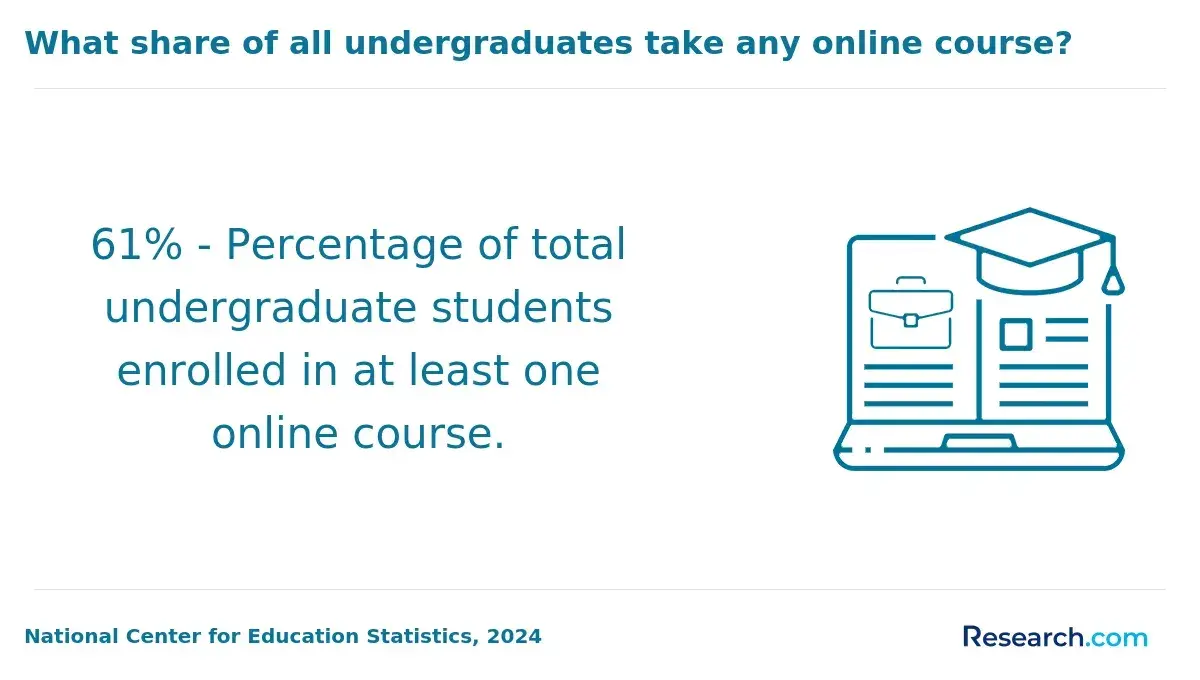
Reducing barriers in transfer pathways has become essential for psychology programs aiming to improve degree completion rates and accessibility. Schools increasingly rely on articulation agreements and structured degree maps to clarify how community college credits align with bachelor's requirements, which helps students avoid redundant coursework and minimizes lost credits. However, transfer credit acceptance varies widely, and nearly 35% of psychology credits may not apply directly toward degrees, according to a 2024 National Center for Education Statistics report. This inconsistency forces students to proactively engage with advising and course planning to preserve academic momentum and shorten time to graduation, especially for adult learners juggling external responsibilities.
Institutions also incorporate prior learning assessments and flexible credit policies that recognize non-traditional experiences, such as military training or professional certifications, giving working professionals alternative routes to advance their degree progress. Dedicated transfer advisors collaborate with psychology departments to create individualized plans that address both credit evaluation and career trajectories, though limitations remain. The complex tradeoff involves balancing the rigor of degree requirements with flexibility, meaning transfer students must weigh the risk of course repetition against the prospects of accelerated completion.
One community college transfer student recalled approaching a state university's psychology program uncertain whether her credits would transfer. Initial transcript evaluations yielded mixed results, causing frustration over unclear equivalencies and course applicability. After several advising sessions, she was able to access a detailed articulation agreement that outlined which credits fulfilled core requirements, allowing her to confidently adjust her enrollment plan. This clarity reduced her risk of credit loss and helped her maintain steady progress despite balancing part-time work and family obligations.
How Can Transfer Credits Help Psychology Students Graduate Faster?
Transfer credit policies for adult learners in psychology programs significantly influence degree timelines, yet their impact depends heavily on institutional acceptance and course applicability. While many students expect previous credits to accelerate graduation, real-world outcomes vary because schools often limit transfer credit use for upper-division psychology coursework or tightly sequence key classes. A student transferring credits from a community college may see general education credits accepted readily but find specialized courses like research methods rejected or requiring retaking, extending rather than shortening degree completion. Understanding residency requirements and the nuances of credit articulation agreements is critical for working professionals and military-affiliated students who must plan carefully to avoid unexpected delays.
The rising adoption of block-transfer policies and prior learning assessments aims to streamline credit recognition, but these measures still face practical challenges around credit equivalency and rigor standards. With about 60-70% of transferred credits accepted on average, accelerated graduation through psychology transfer credits is not guaranteed, requiring informed decisions about which credits align with program-specific graduation requirements. Adult learners balancing work and study benefit from schools that embrace flexible transfer pathways, yet need to weigh affordability and enrollment patterns alongside evolving credit policies to timeline their completion realistically. For those seeking specialized psychology-focused routes, comparing programs and transfer articulation is essential, as shown in comprehensive resources on the best MFT programs that highlight transfer-related implications for degree planning.
How Much Money Can Students Save Through Psychology Transfer Credit Opportunities?
Transfer credits can substantially alter the financial equation for students pursuing Psychology degrees, but the net benefit depends heavily on institutional policies and degree requirements. For instance, adult learners and military-affiliated students who leverage prior learning assessments or recognized military training often reduce their tuition burden significantly by cutting down required coursework. According to a 2024 National Student Clearinghouse report, successful credit transfers trim degree timelines by about six months on average, translating to savings in both tuition and lost wages, though psychology programs may limit which credits count, especially regarding core curriculum and residency requirements.
Despite potential savings, restrictions on credit acceptance create practical tradeoffs. Many institutions insist on completing 30 to 45 credits in residence, capping how many previously earned credits apply, and Psychology departments frequently require direct equivalency to specific courses, limiting transferability. This can lead to partial credit rejections or duplication, which erodes anticipated financial gains and may influence where students choose to enroll. Ultimately, students must weigh whether transferring from lower-cost community colleges or prior institutions meaningfully offsets time and expense, balancing streamlined degree paths with the realities of program-specific credit policies and the long-term goal of timely graduation.
How Are Psychology Programs Supporting Military Students and Workforce Learners Through Transfer Credits?
Psychology programs increasingly rely on systematic prior learning assessments (PLAs) to translate military training, professional certifications, and apprenticeship experiences into applicable academic credits. This practice acknowledges the specialized skills military and workforce learners bring, such as leadership and behavioral health competencies, which can fulfill certain degree prerequisites or electives. Nevertheless, transfer credit acceptance varies significantly, with roughly 70% of military-affiliated students receiving some credit per the American Council on Education data, illustrating both progress and lingering inconsistency across institutions.
This uneven recognition requires students to carefully evaluate how much previously earned learning will genuinely shorten their remaining coursework or accelerate graduation. Institutional constraints, such as rigid evaluation standards or limited transfer guides specific to psychology, mean that some credits may not apply toward core requirements, thereby extending degree timelines despite initial credit awards. The practical impact of these policies often hinges on a program's ability to align nontraditional learning with academic rigor, which influences educational accessibility and workforce reentry timing for adult learners balancing employment and study commitments.
For working professionals and military learners aiming to integrate prior experience into degree pathways, these credit policies represent a calculated tradeoff between validation of prior knowledge and the need to meet discipline-specific standards valued by employers and graduate programs. While flexible, part-time, and online formats complement credit mobility efforts, students must still navigate inconsistent acceptance and plan accordingly to avoid unexpected delays or costs. Institutions that foster clear communication and bilateral agreements to standardize credit evaluation can improve outcomes, but variability persists, underscoring the need for strategic decision-making when leveraging transfer credits in psychology education.
What Transfer Credit Innovations Are Shaping the Future of Psychology Education?
Emerging transfer credit innovations in psychology education are significantly reshaping how adult learners and transfer students navigate degree completion, particularly by improving access and reducing redundancy. AI-assisted transcript evaluation speeds credit assessments by up to 40%, allowing advisors to more consistently apply institutional policies and quickly identify credit for prior learning or military experience. This technology-driven credit assessment for psychology transfer credits benefits working professionals but also presents challenges, such as uneven integration across institutions and varying standards for alternative credit sources like professional certifications and experiential portfolios.
Competency-based education (CBE) models further advance credit flexibility by recognizing demonstrated skills over traditional seat time, contributing to a 12% rise in transfer student graduation rates according to a 2024 report. However, adult learners face tradeoffs between program affordability and maintaining academic rigor, since not all institutions equally accept non-traditional credentials. Expanding transfer pathway agreements tailored to psychology majors, particularly for military-affiliated students, help mitigate credit loss but suffer from inconsistent adoption and limited institutional resources. Digital credentialing platforms offer potential for improving transfer credit portability, although scalability remains a constraint within diverse university systems. Prospective students should also consider how these pathways influence long-term educational planning and workforce alignment, understanding that while technology and alternative credit can accelerate progression, quality and recognition by employers vary.
For those exploring degree options that minimize time to completion, specialized programs that integrate these transfer credit innovations can provide practical advantages. This is particularly relevant for professionals seeking an advanced degree without unnecessary delays, such as candidates pursuing the easiest PhD without dissertation. Being aware of how these evolving transfer policies impact credit acceptance and course equivalencies forms a critical part of informed decision-making in psychology education today.
How Can Adult Learners Maximize Transfer Credits in a Psychology Program?
Maximizing prior learning credits in psychology degrees requires adult learners to strategically engage with institutional transfer policies well before enrollment, as credit acceptance often depends on nuanced course equivalencies and recent coursework standards. For example, a working professional transferring from a community college may face partial denial of credits if their courses do not align closely with the psychology core at the receiving institution, highlighting the tradeoff between saving time and meeting strict degree residency rules. A 2024 report from the National Center for Education Statistics found that nearly 40% of transfer students experience denials due to these mismatches or total credit caps, underscoring the importance of pre-transfer academic advising focused on detailed transcript evaluation within psychology programs.
Recognition of prior learning from workforce experience or military training introduces alternative pathways that can mitigate course duplication but often require portfolios or standardized assessments to prove competency. Adult learners must also navigate institutional credit limits, commonly capping transfer acceptance at 60-75% of the total degree, which forces careful selection and sequencing of remaining core courses aligned with licensure or employment standards. Prioritizing schools with articulation agreements further reduces redundancy, and those seeking advanced credentials may find value in specialized pathways such as EdS to EdD bridge programs online to continue building on transferred credits without losing momentum.
References:
- Paving the Way for Transfer Pathways in Psychology and Sociology https://cic.edu/research/community-college-transfer-pathways/
- Military Students - Indiana Commission for Higher Education https://transferin.net/military-students/
- College Credit Transfer to Stretch Savings Further https://www.collegesavings.org/college-credit-transfer-to-stretch-savings-further
- How to Transfer College Credits and Finish Your Degree Faster https://www.park.edu/blog/transfer-college-credits-finish-degree-faster/
- Clinical Psychology Transfer Credit FAQ | Fuller Seminary https://fuller.edu/academics/school-of-psychology/clinical-psychology-transfer-credits-faqs/
- Military spouses need support in their educational journeys - EdNC https://www.ednc.org/perspective-missing-from-the-conversation-supporting-military-spouses-in-the-college-transfer-process/
- How Colleges Award Credits For Work Experience https://www.affordablecollegesonline.org/college-resource-center/college-credit-for-work-experience/
- Sophia Learning, UMGC Military-Connected Learner Data Show That Credit Transfer Translates to Student Success https://www.cael.org/resouces/pathways-blog/sophia-learning-umgc-military-connected-learner-data-show-that-credit-transfer-translates-to-student-success
- How do you calculate how much you can save by earning college credits in high school? https://talk.collegeconfidential.com/t/how-do-you-calculate-how-much-you-can-save-by-earning-college-credits-in-high-school/1823319
- The Impact of the New Adult Learner - Trends in Higher Education in 2023 - UPCEA https://upcea.edu/the-impact-of-the-new-adult-learner-trends-in-higher-education-in-2023/
Other Things You Should Know About Psychology
Many psychology programs that accept extensive transfer credits risk diluting the amount of discipline-specific coursework students complete on campus. While this can shorten time to degree, the tradeoff may be less exposure to advanced or specialized psychology topics that employers value, such as research methods or ethical issues in psychology. Students need to prioritize programs that require a core set of upper-division psychology courses to ensure they meet professional standards and are competitive in the job market.
Flexible transfer policies make it easier for adult learners to enter or continue psychology degrees without repeating prior learning, which can reduce stress and workload. However, some programs replace classroom-based learning with online or competency-based assessments in these cases, potentially limiting peer interaction and in-person mentorship. Prospective students should weigh whether the convenience of transfer credits aligns with their need for immersive, hands-on learning experiences that foster practical skills and network building.
General education transfer credits can shorten time to graduation, but relying heavily on non-psychology courses may reduce the proportion of discipline-relevant credits on a transcript, impacting how employers or graduate programs view the degree's focus. Students aiming for psychology-related careers or further study should prioritize earning as many upper-level psychology credits within their program as possible, rather than just accumulating credits to meet total credit requirements.
Degrees heavily composed of transfer credits may raise questions for some employers about the consistency and depth of training, especially if many credits come from diverse or less rigorous institutions. This could impact hiring competitiveness in fields requiring strong methodological skills or clinical preparation. Adult learners should seek programs that balance transfer credit acceptance with comprehensive, accredited psychology coursework to maintain credibility and practical readiness in the workforce.