2027 Online vs Campus Psychology Outcomes Report: Graduation Rates, Cost, and Career Trade-Offs

Co-Founder and Chief Data Scientist
Key Things to Know About Online vs Campus Psychology Outcomes
- The 2024 National Center for Education Statistics reports campus psychology programs have 12% higher graduation rates, reflecting structured support but often requiring greater time commitment than many online options.
- Average total costs for campus psychology degrees typically exceed online costs by 30%, influencing affordability and potentially extending debt timelines, which crucially impacts working adults balancing finances and study.
- Employer surveys from 2024 indicate a moderate preference for campus-based psychology graduates in clinical settings due to in-person practicum exposure, underscoring real-world training trade-offs affecting early career placement.
- Key Things to Know About Online vs Campus Psychology Outcomes Key Things to Know About Online vs Campus Psychology Outcomes
- What Are the Biggest Differences Between Online and Campus Psychology Program Outcomes? Online vs Campus Outcomes
- How Do Graduation Rates Compare Between Online and Campus Psychology Programs? Comparing Graduation Rates
- Why Do Online and Campus Psychology Students Have Different Completion Rates? Why Completion Rates Differ
- How Do Online and Campus Psychology Programs Compare on Total Cost? Total Cost Comparison
- What Hidden Costs Should Students Expect in Online vs Campus Psychology Programs? Hidden Program Costs
- How Does Financial Aid Affect the Cost of Online and Campus Psychology Programs? Financial Aid Impact
- Do Online and Campus Psychology Graduates Have Different Career Outcomes? Comparing Career Outcomes
- How Do Employers View Online vs Campus Psychology Degrees? How Do Employers View Online vs Campus Psychology Degrees?
- Which Psychology Degree Format Offers Better Flexibility for Working Adults? Which Psychology Degree Format Offers Better Flexibility for Working Adults?
- How Should Students Choose Between an Online and Campus Psychology Program? Choosing Your Program Format
What Are the Biggest Differences Between Online and Campus Psychology Program Outcomes?
How Do Graduation Rates Compare Between Online and Campus Psychology Programs?
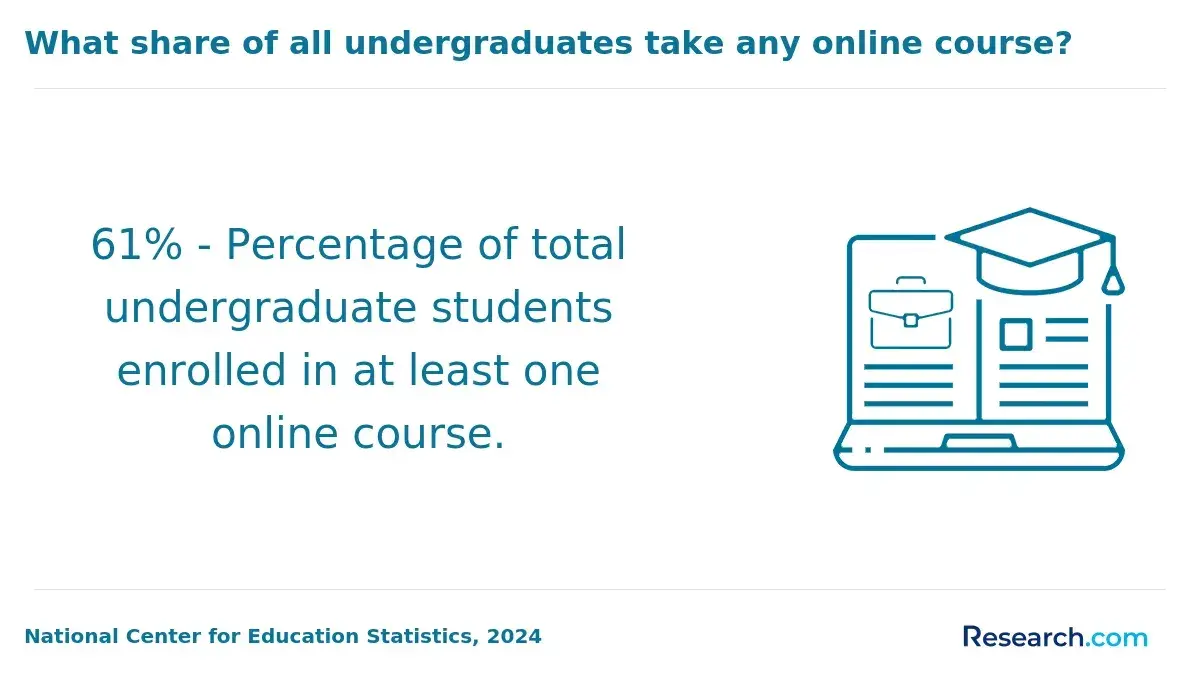
In practical terms, prospective students must consider how these factors align with their personal circumstances. Those reliant on consistent faculty interaction or cohort accountability might find campus pathways better aligned with their persistence needs, whereas individuals needing flexible scheduling must weigh the risk of extended time-to-degree on online platforms that sometimes lack the centralized advising and immersive engagement models of their campus counterparts. Additionally, differences in admissions selectivity and resource allocation also influence completion statistics, as online programs may purposefully increase access at the expense of average graduation rates to serve a more diverse learner population. Understanding how program formats integrate practicum demands and academic support offers a clearer lens for evaluating the meaningful value behind raw graduation numbers in psychology education.
Why Do Online and Campus Psychology Students Have Different Completion Rates?
How Do Online and Campus Psychology Programs Compare on Total Cost?
Financial aid structures influence net cost and pacing: campus students usually benefit from institutional grants and work-study opportunities tailored to on-site attendance, whereas online students often depend more on federal aid or employer tuition reimbursement programs. These differences can impact program length and total borrowing, with College Scorecard data from 2024 showing slightly higher average debt levels among online psychology graduates, possibly tied to extended completion times or part-time enrollment. Decisions on format selection affect debt planning, workload management, and ultimately graduation timelines.
For working adults comparing program options under budget constraints, assessing the total cost landscape is crucial. This includes considering that many employers now support continuing education and can affect affordability for online students who must juggle coursework alongside job obligations. Prospective students seeking a nuanced understanding of psychology program total cost comparison may also explore resources on affordable online colleges to align tuition savings with realistic cost projections and career goals.
What Hidden Costs Should Students Expect in Online vs Campus Psychology Programs?
Hidden costs often shift the financial reality for students choosing between online and campus psychology programs, complicating decisions that initially seem straightforward. While online learners face technology fees that can reach up to $300 per term-including specialized software and exam proctoring-campus students encounter substantial expenses in transportation, parking, and housing, which together may exceed $10,000 annually depending on location. These indirect costs also influence clinical placements; campus students usually benefit from local site arrangements, whereas online students might incur added travel or lodging for offsite practicum, a factor that can extend both time and budget beyond tuition calculations. Such expenses affect not only upfront affordability but also the ability to sustain employment and family obligations during study, with flexible scheduling in online programs potentially offsetting some costs but sometimes prolonging completion time and increasing debt burdens, as reflected in recent data from the National Center for Education Statistics and the U.S. Department of Education.
One graduate recalled weighing an online program that touted lower tuition but revealed cumulative technology and proctoring fees alongside distant practicum sites requiring overnight stays and childcare shifts. Conversely, a local campus option posed high commuting and parking costs, plus unpredictable housing expenses during intensive clinical semesters. The student admitted, "I thought I'd save money online, but ongoing fees and travel for in-person requirements made it surprisingly expensive." This experience underscores how nuanced, often overlooked financial factors can alter the expected return on investment and should be integral to format selection and completion planning in psychology education pathways.
How Does Financial Aid Affect the Cost of Online and Campus Psychology Programs?
The financial aid impact on online vs campus psychology program costs reveals crucial nuances that influence net expenses and borrowing decisions. Campus students often access broader institutional scholarships, grants, and assistantships exclusive to on-site enrollees, which can substantially lower net tuition. However, online students may face restrictions tied to residency or part-time status that reduce their eligibility for such aid, increasing the effective cost even when nominal tuition appears lower. For example, an online learner balancing work and study might receive less federal aid due to part-time enrollment but can leverage employer tuition benefits more frequently, offsetting some institutional aid disparities.
Do Online and Campus Psychology Graduates Have Different Career Outcomes?
Choosing between online and campus formats involves weighing trade-offs related to geographic flexibility, professional connections, and licensure preparation. While online formats offer cost advantages and scheduling convenience for working adults, they may limit opportunities for hands-on clinical experience and local mentoring that expedite licensure readiness. Conversely, campus-based students typically benefit from centralized career services and embedded practicum environments, which can foster stronger professional networks and smoother transitions into credentialing processes. These differences can influence long-term career mobility, as in-person networks often open doors to specialized clinical positions that may be less accessible to online-trained graduates without comparable internship experiences.
How Do Employers View Online vs Campus Psychology Degrees?
Employer evaluation of online versus campus Psychology degrees hinges primarily on the perceived rigor, accreditation, and integration of practical experience rather than the mode of delivery itself. For example, hiring managers in clinical settings often scrutinize whether candidates' transcripts reflect rigorous, regionally accredited curricula with embedded clinical internships or supervised practicums, which are essential for licensure eligibility and hands-on competency. A 2024 survey by the National Association of Colleges and Employers found that 68% of employers regard accredited online degrees from reputable institutions as equally credible to those earned on campus, provided they demonstrate equivalent academic and experiential rigor.
Despite this growing acceptance, the decision between program formats carries significant career implications, especially early on. Campus programs may offer more direct networking and in-person collaborative opportunities, valuable for fields emphasizing personal interaction and ongoing professional development. Conversely, online formats that lack clearly visible experiential learning components or come from less familiar institutions can trigger employer skepticism, particularly in licensure-focused roles or positions requiring immediate practical skills. The effectiveness of either approach ultimately depends on how well the credential signals adherence to state licensure standards, program selectivity, and hands-on training.
This nuanced employer perspective underscores the importance for prospective students to evaluate not only tuition or convenience but also how their chosen format aligns with licensing pathways and workforce expectations. While high-quality online Psychology degrees increasingly support comparable career mobility, graduates must ensure their programs embed clinical experiences and come from recognized institutions to mitigate any perceived deficits in credibility or preparedness.
Which Psychology Degree Format Offers Better Flexibility for Working Adults?
Flexible psychology degree programs for working adults present distinct scheduling and engagement trade-offs that impact persistence and graduation timing. Online formats offer asynchronous coursework, enabling students to study around fluctuating job shifts or caregiving responsibilities without a fixed commute. Yet, many online psychology degrees still require in-person clinical practicums or proctored assessments, limiting full flexibility. Conversely, campus programs impose strict daytime class schedules and mandatory residencies, which can disrupt continuous employment but provide real-time faculty interaction and cohort cohesion valuable for motivation and skill development.
Choosing between online vs campus psychology programs for adult learners often hinges on balancing these structural differences with personal and workforce demands. Part-time pacing in online programs lets students extend completion timelines to manage work and family, though it may increase overall cost due to prolonged enrollment. Campus learners face tighter time frames but benefit from immediate support networks and access to labs or counseling centers. Employers increasingly recognize the value of remote degrees, with 42% supporting online pathways to minimize time away from work, yet real-world readiness depends on program format aligning with individual learning and professional development needs.
Practical decisions also consider hybrid or evening options that blend flexibility with some on-site requirements, neither fully eliminating commute nor rigid timetables. When evaluating options, candidates should weigh how scheduling autonomy, cohort interaction, and required in-person elements intersect with career continuity, financial exposure, and long-term employability. For those researching comparative degrees in fields like graphic design or psychology, close attention to these operational factors is essential before committing to a format that best suits complex adult learning requirements.
How Should Students Choose Between an Online and Campus Psychology Program?
References
- How Employers View Online Degrees: Interviews with Nine Hiring Executives https://www.onlineeducation.com/features/how-employers-view-online-degrees
- 2025 Most Affordable Online Colleges for Psychology Degrees https://www.onlineu.com/most-affordable-colleges/psychology-degrees
- The “hidden” costs of college are making themselves known https://thetriangle.org/article/the-hidden-costs-of-college-are-making-themselves-known
- Can I Get a Bachelor of Psychology Online? | University of Bridgeport https://www.bridgeport.edu/news/getting-a-bachelor-of-psychology-online/
- How employers see your online degree https://www.calcoast.edu/news/truth-about-how-employers-view-your-online-degree
- Online vs in-person study: which one is right for you? https://www.ube.ac.uk/whats-happening/articles/online-vs-in-person-learning/
- Costs of Online and Campus Colleges | University of Phoenix https://www.phoenix.edu/blog/comparing-the-costs-of-online-and-campus-colleges.html
- Types of Financial Aid for Online Colleges https://www.umassglobal.edu/blog-news/types-financial-aid-online-colleges
- Best Online Bachelor's Degrees In Psychology Of 2025 https://www.psychology.org/rankings/best-online-bachelor-degree-programs/
- Can You Get Financial Aid for Online College? Finding Out https://beal.edu/can-you-get-financial-aid-for-online-college/
Other Things You Should Know About Psychology
Online programs often face challenges providing direct clinical practice, a critical component for psychology careers requiring licensure or therapeutic skills. While some programs incorporate virtual simulations or partnerships with local clinics, the variability in access and quality can impact skill development. Students prioritizing licensure or clinical roles should verify how the online program facilitates supervised, in-person hours and consider whether a hybrid or campus-based model better supports these practical requirements.
Networking in psychology heavily influences internship placements and job prospects, and campus programs typically offer more organic peer and faculty interaction. Online programs must intentionally design virtual engagement and mentorship, but these connections can feel less immediate or robust. For students relying on strong, local professional networks or clinical mentorships, campus programs usually provide clearer pathways, while online learners may need to proactively seek external networking opportunities beyond their program.
Online psychology students often juggle less structured schedules, requiring exceptional self-discipline to meet deadlines amid competing personal and professional demands. This flexibility benefits working adults but can also lead to higher attrition or prolonged completion times without strong time management skills. Campus students typically have more fixed class times and in-person accountability, which can facilitate steady progress but offers less flexibility for complex life schedules.
Campus programs often offer more immediate access to faculty-led research, labs, and in-person collaboration necessary for competitive research roles. While online programs may include research components, they frequently lack hands-on lab experience and face-to-face mentorship, limiting opportunities for publication and conference engagement. Prospective researchers should prioritize campus-based programs unless an online option clearly demonstrates structured, immersive research opportunities aligned with their specialized interests.