2027 Online Real Estate Degrees With Real Estate Law Coursework

Co-Founder and Chief Data Scientist
Navigating the complex legal landscape of real estate transactions without formal training in real estate law often results in costly mistakes, liability risks, or stalled deals that can derail careers. With over 65% of adult learners opting for flexible online programs in 2024 according to the National Center for Education Statistics, the shift towards accessible online education reflects a strategic response to workforce demands and time constraints faced by working professionals.
This trend empowers students to integrate rigorous coursework like real estate law into their schedules without sacrificing employment or family obligations. This article examines online real estate degree options featuring real estate law courses to help prospective students select programs aligned with career advancement and legal proficiency requirements.
Key Things You Should Know
- Only 42% of online real estate degrees with law coursework start directly within under four years per NCES, imposing cost and time tradeoffs compared to accelerated certificates for professionals aiming at swift licensing or broker roles.
- Employers prioritize candidates combining jurisprudence fluency with transactional skills; a 2024 NAR report shows graduates targeting compliance and contract negotiation command 15% higher median starting salaries than peers without law components.
- Programs embedding updated statutory modules aligned with 2024 federal and state regulatory reforms reduce retraining costs by 22%, yet uneven curriculum adoption across institutions creates credential risk for graduates in evolving markets.
What is an online real estate degree with a real estate law focus?
A focused online real estate degree with coursework in real estate law equips students to interpret complex legal frameworks crucial to property transactions, zoning compliance, and contract enforcement. This specialization aligns with employer demand for professionals capable of managing legal nuances internally, often speeding up deal closures and lowering reliance on external counsel.
Graduates are prepared for roles requiring practical legal expertise, such as title searches, regulatory compliance, and risk mitigation, without necessitating a law license. Hiring trends favor candidates versed in state-specific property statutes, with brokerage firms and property management companies prioritizing these skills to reduce litigation risks. The rise of real estate degrees online reflects this market shift.
Working professionals seeking positions like real estate analyst or compliance officer will find flexible online programs valuable, though these typically lack immersive negotiation training and mentorship found in traditional law settings. Supplementary internships or certifications may be required to bridge this gap.
For example, a developer navigating mixed-use zoning benefits greatly from real-time knowledge of local legal codes, enabling swift project modifications. This contrasts with general real estate degrees that focus more heavily on finance or marketing, underscoring a tradeoff between legal specialization and broader business skills.
Online real estate degree programs with real estate law coursework demand disciplined remote study but prepare graduates for a competitive, evolving industry shaped by regulatory complexity and increasing diversity among professionals.
How do online real estate degrees compare with on-campus programs for real estate law?
Online real estate degree programs with real estate law courses offer curriculum parity with on-campus programs but diverge sharply in experiential opportunities essential for legal proficiency. Accredited online options cover key subjects like property law, contracts, and regulatory compliance, ensuring foundational knowledge aligns with traditional settings.
However, on-campus programs provide more direct instructor engagement and structured access to internships, moot courts, and industry networking that build practical skills employers seek. The U.S. Bureau of Labor Statistics projects 5% growth for real estate appraisers and assessors through 2032, heightening the importance of applied legal knowledge interwoven with valuation expertise.
Students considering differences between online and on-campus real estate degrees in real estate law must weigh flexibility against the need for immersive, scenario-based training prevalent in campus environments. For example, a professional pivoting careers might choose an online program for scheduling convenience but will need to independently secure internships or mentorships to demonstrate compliance competence and valuation accuracy demanded by employers in a regulatory-complex field.
Conversely, campus enrollment can streamline these experiential pathways through institutional partnerships. Practical realities suggest students reliant on remote learning should actively pursue on-the-ground exposure to supplement coursework. This balance shapes readiness for real estate law roles focused on adherence to evolving regulations.
Those evaluating educational options might also explore accelerated timelines, such as those offered in a project management degree online fast, to align their career pivot with market demand efficiently.
What accreditation should online real estate degree programs with law coursework have?
Programs offering online real estate degree accreditation standards must be regionally accredited by U.S. agencies recognized by the Department of Education or CHEA to ensure rigorous academic quality and employer recognition. Regional accreditation directly influences transferability and career legitimacy, especially for law-intensive real estate degrees. Without it, graduates often face barriers in advancing toward roles requiring legal expertise.
Real-world implications vary according to specialization. For example, professionals focused on commercial real estate law benefit from specialized credentials tied to recognized accreditation bodies like the Accreditation Council for Business Schools and Programs (ACBSP), enhancing prospects with law firms or regulatory bodies. Conversely, residential agents might prioritize programs with strong state licensing collaborations over rigorous legal content.
Data indicates that graduates with a law-focused MS in real estate earn an average base salary of $79,000, substantially higher than the $52,030 median for brokers and sales agents, reflecting employer preference for accredited programs embedding practical legal coursework. However, nationally accredited or less-recognized online options may offer cost savings but often lack industry reputation and credit transferability.
Prospective students should ensure that the program's law curriculum matches their career objectives, whether in development, property management, or consulting. For those exploring foundational education pathways, a bachelor's degree in project management may complement real estate studies with critical organizational skills relevant to complex transactions.
What real estate law courses and legal topics are typically included in these programs?
Real estate law curriculum consistently integrates contract law, property rights, zoning, land use, and environmental regulations-subjects essential for navigating the field's intricate legal framework. Understanding these areas directly impacts roles such as title insurance analysts and brokerage firm professionals, where precise knowledge of ownership types and easements mitigates costly title disputes.
Common real estate legal issues covered in degree programs include municipal zoning's influence on development feasibility and environmental compliance challenges like the Clean Water Act, which affect both industrial property management and redevelopment projects. Employers prioritize graduates who demonstrate immediate readiness to draft and vet contracts, manage landlord-tenant disputes, and interpret evolving regulations without heavy reliance on external legal counsel.
This expectation shapes coursework toward case studies and negotiation simulations, emphasizing skills transferable to compliance officer and property manager positions facing regulatory risk. Real estate finance law supplements this foundation by clarifying mortgages, foreclosures, and lending frameworks-a necessity for managing investment portfolios or advising on financing structures with awareness of legal liabilities.
Students weighing program costs-average undergraduate in-state tuition near $9,374 and master's programs exceeding $57,000-must assess the practical value of these competencies against long-term career advancement. For those exploring specialized growth, comparing pathways to fields such as human resource management through online master's programs in human resource management can reveal strategic alternatives.
What are the admission requirements for online real estate degrees emphasizing real estate law?
Online real estate law programs often impose specific admission requirements that function as essential filters to ensure candidates can handle complex legal material. Typically, a high school diploma or equivalent is mandatory, but programs may also require prior college coursework in economics, business, or introductory law to reduce remedial instruction. This prerequisite safeguards against delays in graduation and extra costs.
Applicants usually submit transcripts and sometimes standardized test scores, although waivers are common if prior college credits or relevant experience exist. Admissions may also consider a personal statement focused on real estate law career goals, adding depth to evaluating fit beyond grades. Letters of recommendation, while less frequent, can strengthen cases where analytical or legal reasoning skills must be demonstrated.
From a labor market perspective, possession of legal knowledge offers a measurable wage advantage. For example, median annual wages for real estate managers with legal expertise reach nearly $64,000, contrasting with about $52,000 for brokers and agents, indicating employer demand for those who can navigate regulatory frameworks and contract law.
Key operational considerations include ensuring applicants have foundational skills in reading comprehension and critical thinking, vital for topics like landlord-tenant laws and zoning ordinances. Programs also require confirmation of technology readiness and time management abilities to handle asynchronous formats effectively.
In practical terms, those aiming for career pivots into property management or advanced real estate roles should weigh admission thresholds and preparatory course mandates carefully, as inadequate preparation may compromise employability and extend educational timelines.
How long do online real estate degrees take and what do they cost?
Completing an online real estate master's degree within two years aligns with employer expectations for currency and program rigor, balancing knowledge relevance against the risk of outdated expertise from extended study periods. Candidates targeting roles in commercial brokerage or development often find that programs emphasizing finance and market analysis deliver immediate applicability, while those pivoting toward compliance or legal advisory benefit from curricula weighted toward real estate law.
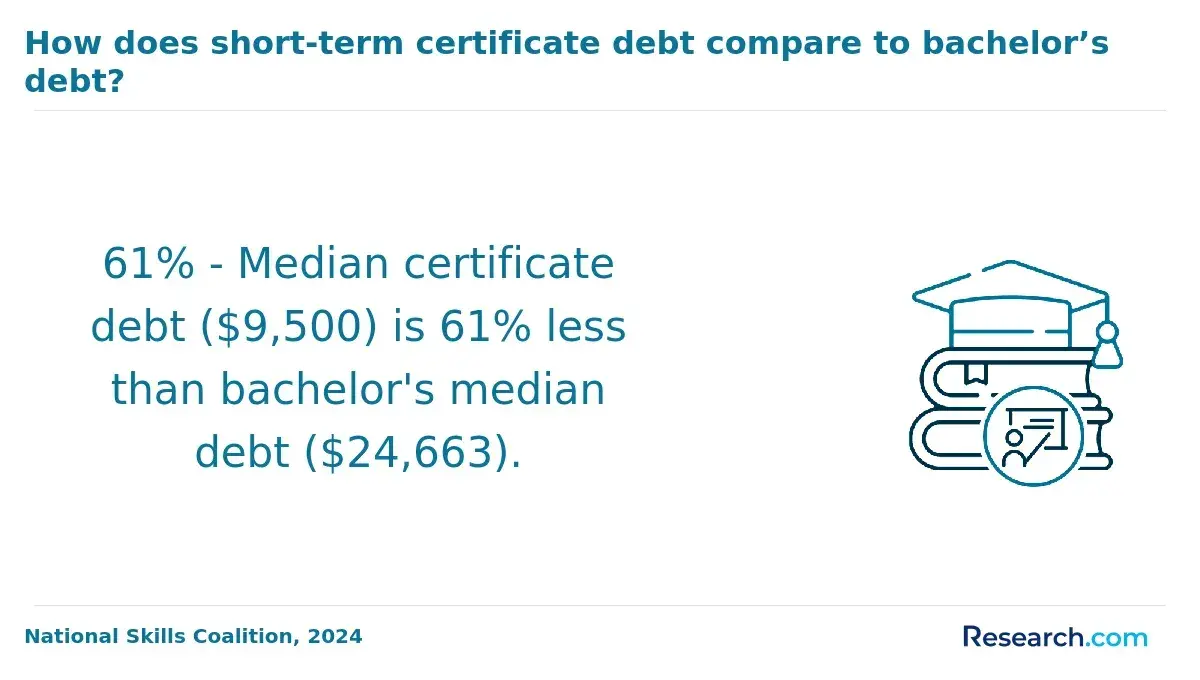
Tuition generally falls between $28,000 and $53,000, paralleling broader two-year master's price ranges reported by the National Center for Education Statistics. This investment covers comprehensive coursework but excludes recurring costs such as licensing exam fees and mandated continuing education, which materially affect long-term affordability and credential ROI.
For mid-career professionals maintaining income streams, part-time options offered by many online programs enable concurrent work-study balance. Yet the potential tradeoff of prolonged completion should be weighed carefully, as employers increasingly scrutinize timely degree attainment when evaluating credibility.
- Typical program lengths: around two years with part-time flexibility
- Tuition range: approximately $28,000 to $53,000
- Additional costs: licensing exams, state-specific continuing education
- Significance of curriculum focus for career pivots and sector relevance
Choosing a program that fits both schedule constraints and professional objectives affects employability and trajectory within real estate-related fields where regulatory knowledge, market dynamics, and legal frameworks continually evolve.
How do these degrees prepare you for state real estate licensing requirements?
Real estate degrees incorporating targeted legal coursework align directly with state licensing requisites, reducing dependency on additional exam prep and streamlining licensure pathways. These programs emphasize contract law, property rights, agency duties, and regulatory compliance-elements tested rigorously on state exams. For example, candidates in urban markets confront complex zoning and land use rules specific to their jurisdictions.
Tailored curricula that address these variances improve licensees' readiness to handle localized challenges swiftly and confidently. Employers value graduates who demonstrate immediate command of relevant laws, minimizing onboarding delays related to regulatory compliance. Consequently, programs integrating mandatory legal principles with practical scenarios offer a competitive edge in workforce integration.
The typical graduate tuition of around $23,654 warrants scrutiny against potential returns, particularly for mid-career learners who must weigh tuition costs against expected licensing and employment benefits. Admissions trends favor professional experience over standardized tests like the GRE, reflecting a pragmatic shift prioritizing real-world industry familiarity. Prospective students must confirm their program's approval by their state's licensing board to ensure eligibility.
- Core course emphasis improves licensing exam success with direct focus on state-specific laws
- Legal training reduces transitional friction from education to practice
- Mid-career candidates benefit from experiential-based admissions policies
- Tuition investment demands careful alignment with career licensing goals
- State authorization verification is essential to avoid eligibility pitfalls
What careers can you pursue with an online real estate degree focused on law?
Graduates holding an online real estate degree with a legal concentration occupy roles where regulatory precision and contractual expertise directly affect operational success. Positions such as real estate attorney, compliance officer, and transactional analyst demand fluency in contract law, zoning regulations, and dispute resolution-skills that reduce reliance on external legal counsel and enhance internal risk management.
For example, attorneys with this background may focus on resolving complex title issues or negotiating commercial leases, while compliance officers ensure developments meet stringent municipal and federal legal standards. Employers in corporate real estate and large property firms increasingly prioritize candidates who merge legal literacy with real estate knowledge, especially in areas like multifamily housing or commercial retail investments.
This interdisciplinary skill set improves employability for senior roles requiring nuanced understanding of evolving regulations, such as landlord-tenant laws and environmental compliance. Students should weigh the significant upfront cost-averaging over $57,000 for a master's degree-against an average base salary near $79,000, which often equates to a payback period under one year.
However, the requirement to pursue professional licensure or bar eligibility for attorney roles complicates timelines and commitments, whereas non-lawyer roles in compliance or transactions offer alternative pathways without mandatory certification. This dual legal-real estate expertise fosters career resilience across advisory, development, and investment sectors, making the degree a pragmatic choice for professionals targeting roles where legal acuity directly influences value creation.
What salary ranges and job outlook can graduates with real estate law training expect?
Salary outcomes for graduates trained in real estate law vary widely, typically ranging from $55,000 for entry-level positions like compliance analysts or property managers to over $100,000 for specialized roles such as real estate attorneys or senior compliance officers. This wage disparity reflects distinct job functions, geographic factors, and the depth of legal expertise required.
Employers increasingly prioritize candidates with current knowledge of evolving frameworks like ESG mandates, PropTech adoption, and zoning law updates, placing a premium on credentials aligned with these trends. Data USA reports that sub-bachelor's certificates focusing on regulatory or legal aspects dominate credential awards in real estate, highlighting market demand for concise, practical training that supports compliance roles across brokerage, lending, and municipal planning.
However, these credentials may limit upward mobility compared to bachelor's or Juris Doctor degrees, which remain essential for transaction oversight, litigation, and senior positions. For example, a graduate engaged in urban development might leverage legal training to expedite permitting by interpreting zoning changes more efficiently, thus mitigating project delays and reducing compliance costs.
Yet, without advanced qualifications or licensure, candidates risk stagnating below managerial or advisory tiers. Key competencies include contract drafting, regulatory interpretation, and ethical compliance, but graduates must engage in continuous learning to keep pace with legislative shifts and technological innovations reshaping real estate law enforcement.
How can students evaluate and choose the best online real estate law program?
Choosing an online real estate law program requires balancing cost, curriculum relevance, and employment outcomes to avoid unnecessary debt while ensuring practical legal preparation. Tuition varies widely: public institutions average $12,596 annually versus $28,017 at private schools, a notable 120% difference per the National Center for Education Statistics data.
Selecting a publicly accredited program can maintain credential value while reducing financial strain. Curriculum alignment with career objectives demands scrutiny beyond course titles. Programs focusing on property rights, contract law, zoning, and land use regulations-and taught by faculty with direct legal or industry experience-better equip students for roles in commercial brokerage or compliance.
For example, professionals aiming to move from property management to real estate legal counsel benefit from coursework that integrates lease negotiation case studies rather than abstract theory alone. Employment statistics and employer partnerships are critical. Programs that embed internships or virtual law clinics enhance practical readiness and expand real estate legal networks.
Asynchronous learning models dominate, but access to live mentorship or peer interaction strengthens comprehension of complex regulatory issues, a decisive advantage in competitive markets.
- Prioritize accredited public institutions for cost-effective credentials.
- Verify faculty expertise in active legal practice relevant to your specialization.
- Assess programs' practical training elements like internships or case studies integrated into online formats.
- Balance flexibility with opportunities for live engagement or networking for nuanced skill development.
Other Things You Should Know About Real Estate
Most online real estate degree programs include 12 to 18 credit hours focused on real estate law, such as property law, contracts, landlord-tenant law, and land use regulation. Some schools also require a capstone or internship, but the law component is usually a fixed part of the major.
For practical career outcomes, prioritizing programs that emphasize local and state real estate law is advisable, especially if you plan to work within a specific market. State-specific rules heavily influence licensing, contract standards, and dispute resolution, making general national content less immediately applicable. Programs incorporating localized coursework better prepare students for licensing exams and employer expectations in their target region. If your career goal involves multi-state practice, select a curriculum that balances foundational national principles with specialized state law modules.
To engage effectively in online real estate law courses, you need a reliable internet connection, a computer or tablet with updated software, and access to course management systems like Blackboard or Canvas, which are typically used by programs in 2027.
References
- Real Estate https://icieducation.com/courses/business/real-estate/
- How to Choose a Real Estate School: Comprehensive Guide for Aspiring Agents https://www.colibrirealestate.com/career-hub/blog/how-do-i-choose-a-real-estate-school/
- Florida Real Estate Education https://www.stateofflorida.com/real-estate-education/
- Job Outlook for Lawyers in the Current Market https://nbi-sems.com/blogs/news/job-outlook-for-lawyers
- Finding the Best Online Real Estate Classes for Your Online Real Estate Education https://www.midsouthacademy.com/post/finding-the-best-online-real-estate-classes-for-your-online-real-estate-education
- How to Choose the Best Online Real Estate School https://www.vaned.com/blog/choosing-the-best-real-estate-course
- Real Estate Attorney | Property Lawyer Career and Salary Info - https://www.lawyeredu.org/property-real-estate-lawyer/
- Choosing the Best Real Estate License School in California https://www.adhischools.com/blog/how-to-choose-real-estate-school
- What Degree Do You Need to Be a Realtor? - Charles Rutenberg Realty https://gocrr.com/what-degree-do-you-need-to-be-a-realtor/
- Careers in Real Estate https://www.nar.realtor/membership/careers-in-real-estate