2027 Online Real Estate Degrees With Real Estate Investment Career Alignment

Co-Founder and Chief Data Scientist
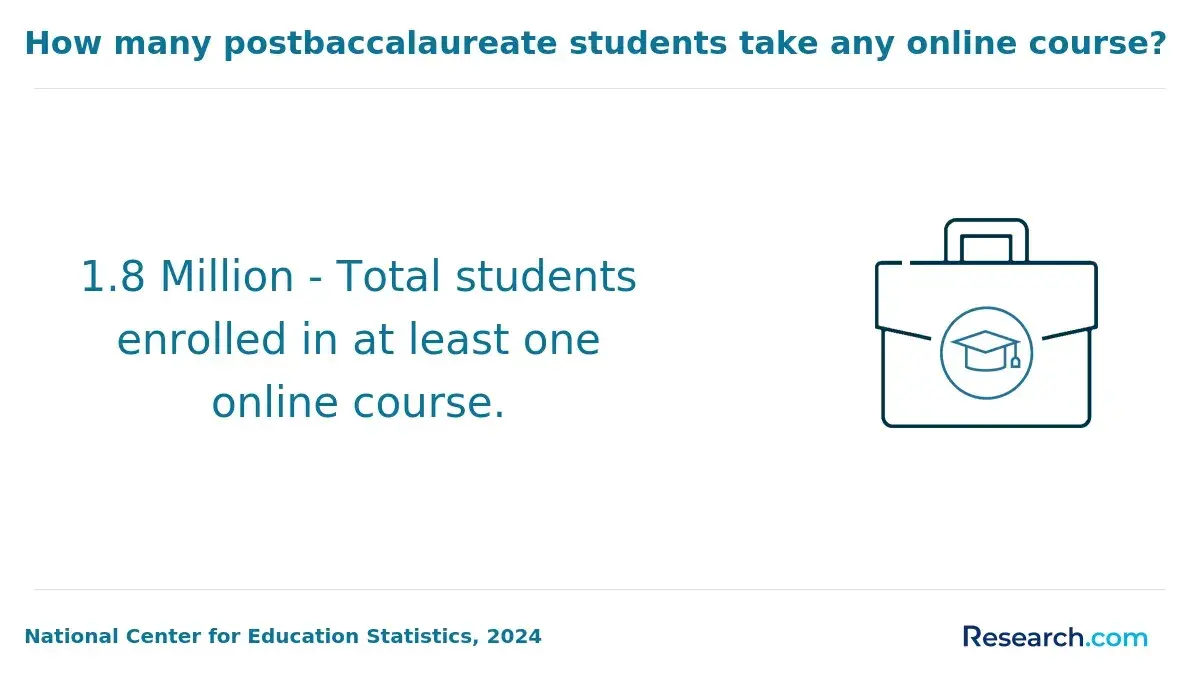
Space constraints and unpredictable schedules often force working professionals in real estate to choose between gaining crucial credentials and maintaining career momentum. Online degree programs in this field have surged, with the National Center for Education Statistics reporting a 9% increase in adult learner enrollment in online higher education since 2023, reflecting a shift towards flexible, career-compatible education. Yet, not all programs align equally with investment-focused career tracks or industry expectations, creating complex tradeoffs in curriculum relevance and employability.
This article examines online real estate degree options calibrated for investment career alignment, offering actionable insights to optimize educational choices for immediate workforce impact and long-term growth.
Key Things You Should Know
- Online real estate degrees in 2026 present a tradeoff where accelerated programs reduce time-to-completion but often limit deep investment analytics training, potentially constraining advanced role eligibility in competitive markets.
- Employers increasingly prioritize candidates demonstrating practical asset management internships over degree pedigree, with 64% of hiring managers in commercial real estate citing experiential learning as a decisive factor in 2025 surveys.
- Average total cost for accredited online degrees aligned with real estate investment ranges from $18,000 to $35,000, presenting a barrier for mid-career professionals seeking ROI within a 3-year post-graduation income uplift timeframe.
What is an online real estate degree and how does it support real estate investing careers?
Success in property investment roles depends on precise knowledge of local market dynamics, finance, and regulation-areas directly addressed by many online real estate degree programs for investing careers. These programs offer targeted coursework in valuation, leasing, and asset management, which are integral to investment decision-making and portfolio oversight in commercial and residential contexts.
One practical advantage of earning an online real estate degree is the ability to apply complex concepts like cash flow modeling or zoning analysis immediately within ongoing transactions or asset evaluations. For example, a professional employed at a commercial real estate fund may leverage analytical tools gained from an online curriculum to improve acquisition assessments, boosting both operational outcomes and employer confidence.
Employment projections from the U.S. Bureau of Labor Statistics anticipate a 5% growth in jobs for property and community association managers through 2032, underscoring demand for candidates who combine formal education with real-world analytical practice. Nevertheless, candidates should acknowledge that online programs can vary in curriculum rigor and often lack the networking opportunities present in traditional settings.
Potential students planning a path how an online real estate degree supports property investment jobs should focus on programs emphasizing real estate finance, legal frameworks, and relevant technology, coupled with pursuing industry certifications. Balancing these factors alongside business administration online degree insights can enhance strategic positioning in investment- and management-focused roles.
Which types of online real estate degrees best align with real estate investment roles?
Bachelor's or master's degrees focused specifically on real estate finance, investment, or development provide the most direct preparation for real estate investment roles by emphasizing capital markets, asset valuation, and investment analysis. Employers seek candidates with strong financial modeling and portfolio management skills, especially as assets under management grew over 50% in five years to approximately $1.7 trillion in 2024. Degrees in finance or business with only a real estate concentration may require supplemental experience or certifications due to less intensive coursework, potentially leaving gaps in critical skills such as property-level financial risk assessment.
Consider a mid-career shift example: a professional moving from commercial banking to real estate investment benefits more from a specialized master's in real estate finance than a general MBA, gaining sharper expertise in deal structuring, equity-debt layering, and due diligence that affects hiring decisions at investment firms. Real-world outcomes also depend on program access to real estate market data tools, case studies on private fund structures, and faculty strength in investment analytics. Programs lacking these often result in slower ramp-up times and narrower initial responsibilities.
Online real estate degree programs for investment careers sometimes suffer networking limitations but can offset this if they incorporate real-time investment simulations and project-based learning reflecting current market complexities. Prospective students evaluating options will find value in exploring the best 2 year construction management degree online as part of broader planning. These practical considerations shape the comparative advantage of various programs within the realm of the best online real estate degrees for real estate investment roles.
How do online real estate programs compare with on-campus options for future investors?
The choice between on-campus and online real estate degree programs for investment careers hinges on balancing cost, flexibility, and network access. Online programs present a measurable financial advantage, with many master's degrees costing between $12,000 and $20,000 annually, markedly less than the general U.S. master's average exceeding $57,000. This cost difference reduces educational debt and appeals to working professionals who must juggle deal negotiations or property management alongside coursework.
However, on-campus programs maintain distinct advantages tied to employer expectations and local market specialization. Face-to-face interaction fosters stronger networking with faculty, alumni, and recruiters-networks that often influence hiring decisions, especially within institutional real estate firms or development companies. These programs also offer region-specific curricula and internships that provide essential experiential learning unavailable in online formats.
Employers weigh prestige and local expertise heavily; thus, candidates targeting commercial real estate markets in specific areas frequently find greater value in traditional campuses. Conversely, for those prioritizing flexibility and cost, online real estate education delivers practical competencies without geographic constraints. Investors should consider that asynchronous coursework enables engagement aligned with active investment schedules, a tradeoff not present in campus attendance.
To effectively evaluate options, prospective students may also examine alternatives like an online project management degree, which shares similarities in balancing affordability and flexible delivery models.
Ultimately, comparing benefits of on-campus versus online real estate education requires prioritizing career goals, cost tolerance, and desired professional connections to identify the pathway best aligned with long-term investment ambitions.
What accreditation and program quality indicators matter for online real estate degrees?
The critical marker of value in an online real estate degree lies in the regional accreditation of the institution, ensuring the credential meets essential academic standards for employer recognition and transferability. Specialized accreditations like those from the Accreditation Council for Business Schools and Programs (ACBSP) or the International Council of Shopping Centers (ICSC) serve as quality indicators for real estate investment programs by emphasizing sector-specific expertise beyond generic licensing knowledge.
Hiring managers seeking candidates with advanced real estate investment skills focus on degrees incorporating applied project work, portfolio management case studies, and up-to-date tax and regulatory instruction. For instance, professional outcomes data reveal that master's graduates with investment-centered programs command average base salaries near $ 79,000, significantly higher than the $52,030 reported for brokers and sales agents without this specialization. This wage gap highlights the necessity for programs to transcend licensure preparation, equipping students to analyze and manage intricate asset portfolios.
Practical evaluation of online real estate degree accreditation standards must include whether the program facilitates real-time faculty interaction with industry practitioners. Programs without active mentorship or robust career services often restrict vital networking for investment roles. Also, candidates should weigh the tradeoffs between asynchronous flexibility and synchronous immersion to optimize skill acquisition without compromising work-life balance. Those deciding on this path might also explore best CAHIIM accredited him programs online to compare accreditation rigor within other professional fields for contextual insight.
What courses and specializations in real estate programs focus on real estate investing?
Real estate investing coursework within online degree programs centers on applied financial analysis and market strategy, reflecting evolving employer demands for proficiency beyond theory. Essential skills taught include discounted cash flow analysis, capital budgeting, and leveraging real-world data for asset valuation. For instance, a course requiring evaluation of multifamily housing versus retail property investments equips students to navigate distinct risk-return profiles and market variables.
The rapid 33% growth in fully online enrollment from fall 2019 to fall 2023, driven by business and finance fields, has expanded access but also intensified competition among working professionals balancing cost, time, and up-to-date software competencies.
Key tradeoffs for candidates involve weighing program affordability and duration against the direct applicability of case-based learning featuring current market analytics. Employers now prioritize candidates who can demonstrate practical scenario modeling rather than purely academic knowledge, making programs with integrated finance, real estate law, and tax implications more valuable.
Students poised to succeed typically leverage scenario-driven coursework to inform portfolio diversification and investment deal evaluation, aligning skills with roles such as real estate investment analyst or asset manager where nuanced understanding of investment mechanics informs decision-making and market responsiveness.
What are typical admission requirements, program length, and costs for online real estate degrees?
Programs for online real estate degrees demand more than just meeting baseline admission metrics; they require strategic alignment with career goals, especially for roles in investment-focused segments. Applicants typically need a bachelor's degree with a GPA around 3.0 and official transcripts, while some graduate tracks add letters of recommendation or professional experience, reflecting employer emphasis on proven competencies. Standardized tests like the GRE or GMAT remain optional but can enhance candidacy for selective programs.
The timeline for master's-level real estate credentials varies considerably. Full-time study spans 12 to 24 months, but part-time and accelerated options offer workload flexibility, important for working professionals balancing jobs and study. Short certificate courses, often a few months, provide targeted skills without the extended commitment of a full degree. Decisions about program length should consider how time investment aligns with immediate career needs and long-term ambitions.
Cost disparities between public and private institutions influence ROI calculations. Public programs average around $12,596 annually compared to $29,900 at private nonprofit schools, a critical factor for those prioritizing reduced debt alongside relevant coursework in finance and portfolio management. Employers recruiting in real estate investment emphasize quantitative skills and market analysis awareness, underlining the practical value of choosing transparent, outcome-oriented programs.
Ultimately, prospective students must weigh admission criteria, program duration, and tuition against their projected role within real estate investment sectors-selecting curricula and institutions best suited to equipping them for measurable workplace impact and financial sustainability.
What real estate investment careers can you pursue with an online real estate degree?
Graduates holding an online real estate degree enter a market demanding both analytical precision and practical expertise. Positions like asset management require evaluating multiple property performance metrics to rebalance portfolios aligned with fluctuating market conditions. For instance, an asset manager's ability to interpret financial models directly impacts strategic decisions on investments valued in the millions, reflecting the necessity of rigorous coursework in market valuation and portfolio optimization.
Common roles include real estate financial analysts, who must construct detailed investment pro formas and assess nuanced risk-return tradeoffs, and commercial brokers, tasked with navigating complex negotiation and regulatory frameworks. Property developers frequently rely on these degrees for the technical foundation to manage project feasibility, financing structures, and oversee construction phases.
However, the fast-growing pipeline of over 5,600 real estate credentials awarded recently-mainly short-term certificates-intensifies competition and heightens employer expectations for demonstrable skills. Practical experience through targeted internships or entry-level positions is often essential to complement theoretical knowledge. Candidates should prioritize programs with focused coursework in investment analysis, property law, and financial accounting to meet those expectations.
New graduates face a demanding learning curve, especially when making real-time, high-stakes decisions under regulatory scrutiny. The intersection of online education and real-world application requires adapting academic outcomes to dynamic transaction environments where both technical skill and industry insight are critical.
What salary ranges and earning potential exist for real estate investment professionals?
Salary outcomes in real estate investment careers vary widely based on role, location, and technical specialization. Entry-level analysts typically start near $60,000 annually, while senior portfolio managers or development executives can exceed $250,000. Median salaries for brokers and property managers generally range from $80,000 to $90,000, whereas finance-centric professionals such as real estate financial analysts and fund managers earn between $90,000 and $130,000, reflecting their demand for advanced analytical skills.
The rapid expansion of proptech funding, surpassing $20 billion globally according to the CRETI Global PropTech Funding Report, shifts compensation scales upward, particularly in major urban markets with strong innovation ecosystems. Professionals combining deep real estate knowledge with data analytics and technology expertise are increasingly valued.
For instance, a commercial real estate investment analyst proficient in proptech in New York or San Francisco may earn $110,000 to $140,000, contrasted with similar roles in secondary markets starting near $70,000 due to reduced liquidity and technology adoption. Obtaining advanced degrees or certifications aligned with finance and technology further differentiates candidates.
Positions focused on development or private equity typically begin at $80,000 to $120,000 but can surpass $200,000 after 5-7 years under conditions involving heightened responsibilities, longer hours, and increased risk exposure. Decision-makers must weigh these tradeoffs against potential for scalable returns in senior roles.
How does state real estate licensing work and when do investors need a license?
Licensing requirements create a clear boundary between investors and agents in real estate, often dictating the educational pathways necessary for each role. Investors managing their own portfolios usually do not need a license. However, once an individual acts on behalf of others-whether marketing property, negotiating sales, or collecting commissions-a state license becomes mandatory. This transition imposes significant prerequisites including 40 to 90+ hours of prelicensing coursework, passing a state examination, and undergoing background checks.
Consider a residential investor who buys rental properties purely for cash flow: they operate outside licensure regulations. But if that investor begins selling homes or managing properties for third parties with fees involved, licensure is legally required. Noncompliance risks financial penalties and voided contracts. Licensed agents also face continuing education and ethical oversight, which add operational complexity but safeguard consumer interests.
These regulatory demands influence educational choices. Professionals blending investment and brokerage functions must pursue programs aligned with state licensing. This market reality partly explains why MOOCs focused on finance and real estate attracted over 60 million learners worldwide, doubling participation since 2019 (Class Central - MOOC Trends Report 2024).
For those pursuing dual expertise in investment and transactional roles, selecting degree or certification pathways that satisfy licensing while addressing practical skills is critical to meeting employer expectations and navigating career tradeoffs.
How can you choose the best online real estate degree for your investment career goals?
Choosing a master's degree targeted at real estate investment requires a critical focus on curriculum specificity and workforce outcomes rather than broad credentials. Programs integrating advanced financial analysis, portfolio management, and applied valuation techniques align best with the skill demands of asset managers or acquisition specialists managing sizable investment portfolios. For example, an MBA with a real estate concentration can provide the analytical and managerial toolkit valued by private equity real estate firms.
Beyond content, practical training like internships or capstone projects connected to real investment firms enhances employability by bridging theory with market realities. Working professionals should prioritize flexible program formats that accommodate ongoing market engagement and professional obligations.
Consider these factors when selecting a program:
- Depth in capital markets and real estate law versus a generalized property management focus
- Evidence of faculty expertise specifically in investment strategies
- Program accreditation that ensures rigorous standards and network access
- Financial tradeoffs balancing upfront tuition against demonstrated lifetime income gains-US Census data indicates master's holders see a median earnings increase around 21% compared to bachelor's degree holders
Decision-making must recognize that degrees lacking investment content may impede competitive positioning in the niche real estate finance sectors. Candidates targeting roles in asset management, acquisitions, or finance departments will find greater ROI in programs with targeted curricula and practical applications aligning tightly to employer needs.
Other Things You Should Know About Real Estate
Employers prioritize graduates who demonstrate strong financial analysis, market research, and portfolio management skills beyond theoretical knowledge. Programs heavily weighted toward quantitative methods and real-world case studies produce candidates better prepared for investment roles. Purely conceptual or general real estate curricula risk insufficient preparation for deal structuring or asset valuation. Candidates should select courses with explicit investment and finance applications to meet employer expectations.
Recognition depends on regional industry norms and the program's institutional reputation. Some metropolitan markets with competitive investment sectors rely on established university brands and local networking opportunities, which may be less accessible via purely online degrees from lesser-known institutions. For investors targeting top-tier urban markets, programs offering hybrid formats or in-person residencies can provide necessary market exposure. Consider program connections to your target market when evaluating online options.
Specialization in investment-related tracks is advisable for those committed to careers in real estate finance or portfolio management, as it enhances relevant competencies and signaling to employers. However, a broad foundation in areas like property management, development, and law can provide strategic flexibility if your career goals evolve. Weigh current career objectives against potential pivot needs; if your intent is to enter real estate investing immediately, prioritize specialized programs with performance-based assessments and direct application projects.
References
- Why take a real estate training course? - INSEEC https://www.inseec.com/en/guides/orientation-guide/why-take-a-real-estate-training-course/
- Share some good college degrees that go along with real estate investing!Share some good college degrees that go along with real estate investing! https://www.biggerpockets.com/forums/12/topics/1180946-share-some-good-college-degrees-that-go-along-with-real-estate-investing
- How Much Do Real Estate Agents Make? Commission and Salary Explained https://www.remitly.com/blog/jobs-and-careers/how-much-do-real-estate-agents-make/
- Student housing investment considerations for commercial real estate https://www.northmarq.com/insights/knowledge-center/student-housing-investment-key-considerations-commercial-real-estate
- Do You Need a Real Estate License to Invest? https://www.hondros.com/resources/blog/do-you-need-real-estate-license-investing-ohio/
- How to Choose the Best Online Degree for Your Career Goals https://astoriacompany.com/how-to-choose-the-best-online-degree-for-your-career-goals/
- Streamlining Accreditation Preparation with Program Review https://www.qualitymatters.org/qa-resources/resource-center/articles-resources/streamline-accreditation-prep
- Benefits of Getting a Real Estate License https://www.nar.realtor/membership/benefits-of-getting-real-estate-license
- Is Real Estate Investment Trusts a Good Career Path? - AAOA https://american-apartment-owners-association.org/property-management/is-real-estate-investment-trusts-a-good-career-path/
- 8 Different Routes to a Career in Real Estate https://zoetalentsolutions.com/career-in-real-estate/