2027 Online Real Estate Degrees With Strong Development Planning Training

Co-Founder and Chief Data Scientist
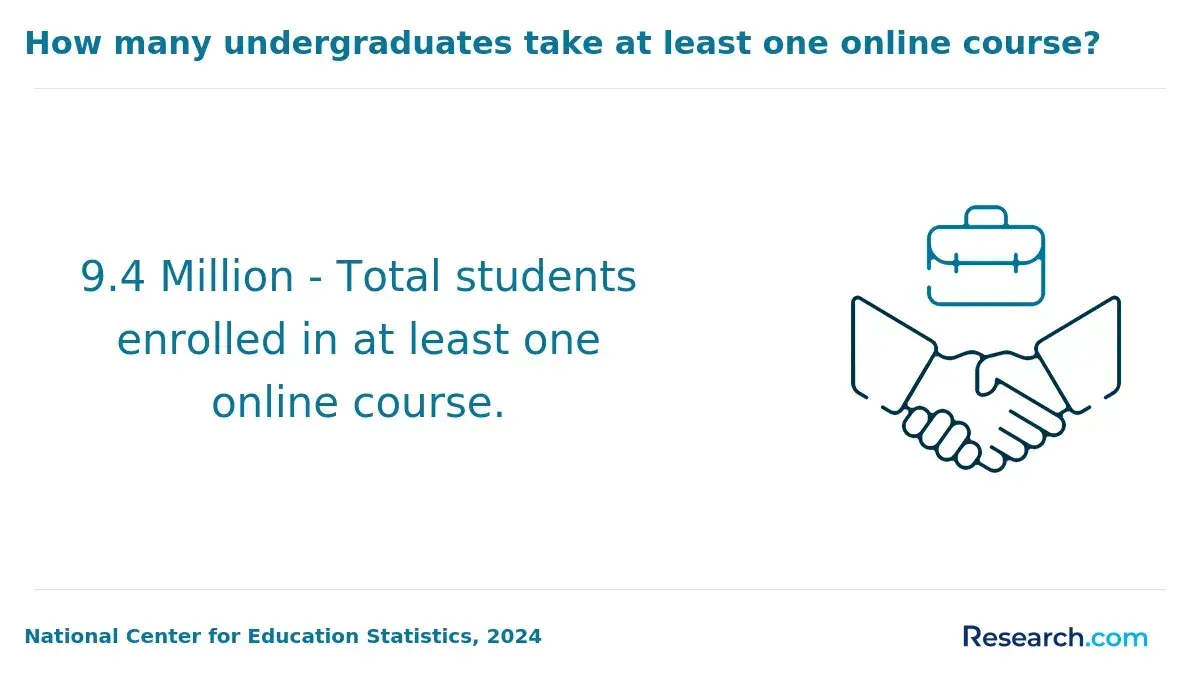
Professionals aiming to integrate robust development planning into their real estate careers often confront the challenge of finding programs that combine accessible scheduling with rigorous, specialized training. The National Center for Education Statistics reports a 12% increase in adult enrollment in online degrees over the last two years, indicating a shift toward flexible, career-aligned learning models essential for working professionals.
This trend signals a move away from rigid, campus-based programs that hamper timely skill acquisition critical for navigating complex development frameworks. This article analyzes online real estate degrees emphasizing development planning skillsets, helping readers identify options that balance practical application with career mobility demands.
Key Things You Should Know
- Online real estate degrees with development planning focus offer a 15% faster median job placement within 12 months post-graduation, per 2024 National Center for Education Statistics data, but reduced in-person networking limits some high-level municipal planning roles.
- Employers prioritize candidates with integrated GIS and urban policy skills; 78% of surveyed development firms in 2024 Economic Development Quarterly report rank these competencies as critical for advancing beyond entry-level roles.
- Programs averaging $17,500 total cost delay workforce entry by 6-9 months compared to certification paths, presenting a tradeoff for mid-career professionals balancing accelerated credentialing against comprehensive planning expertise.
What is an online real estate degree with a development planning focus, and who is it best for?
An online real estate degree with a development planning specialization targets professionals prepared to navigate the complexities of land use, zoning regulations, and sustainable urban design rather than traditional brokerage roles. For instance, a project manager tasked with a mixed-use urban development must interpret municipal zoning codes and evaluate environmental impacts-skills emphasized in these curricula.
The U.S. Bureau of Labor Statistics projects a 7% growth in employment for urban and regional planners from 2024 to 2034, reflecting increased demand for candidates who can bridge market forces with community planning and regulatory compliance. This expands opportunities for candidates transitioning from sales or property management into planning-focused positions within both public agencies and private development firms.
Tradeoffs include rigorous study of spatial analysis tools, regulatory frameworks, and quantitative methodologies that extend beyond typical real estate programs. Applicants prioritizing asset management or brokerage with a sales focus may find such specialized content less relevant, whereas those aiming for leadership roles in land development or policy advisement will benefit from mastering GIS software, environmental regulations, and stakeholder coordination.
To evaluate these options accurately, prospective students should consult online colleges for real estate offering the best online real estate programs for development planning careers, ensuring alignment with their specific career objectives and readiness for the academic demands involved.
How do online real estate programs compare with on-campus options for development planning training?
Choosing between an online real estate degree vs on-campus program for development planning hinges on balancing academic equivalence with essential experiential learning differences. While online curricula provide comprehensive instruction in zoning laws, environmental assessments, and market analysis, they often lack the integrated networking and hands-on project opportunities that shape employer expectations. Real estate development roles demand not only theoretical knowledge but also practical market insight and stakeholder engagement typically cultivated through internships and face-to-face mentorship.
For example, a professional executing a strategic career shift into development planning may master regulatory frameworks via online courses but must supplement this with local internships or virtual mentorships to gain critical project experience and industry contacts. Comparing online and traditional real estate development training options reveals a stark tradeoff: on-campus programs embed students in community networks, whereas online options offer invaluable flexibility for working adults pursuing timely upskilling in advanced project finance and regulatory compliance.
Mitigation strategies include:
- Prioritizing programs with structured virtual networking and mentorship platforms.
- Securing internships or project experience in the student's geographic market alongside coursework.
- Actively engaging in regional professional organizations despite program format.
Given a 10.3% projected growth for property, real estate, and community association managers from 2022 to 2032, candidates must deliberately leverage resources beyond coursework to integrate theory with practice. Those weighing educational pathways should also consider fast-tracking credentials through options like the fastest online construction management degree to remain competitive in development-focused roles.
What accreditation and state licensure factors should students check for online real estate degrees?
Choosing accredited online real estate degree programs with development planning requires careful scrutiny of regional accreditation tied to recognized agencies by the U.S. Department of Education or the Council for Higher Education Accreditation. This accreditation directly affects credit transfer, employer recognition, and crucially, eligibility for state-specific licensure exams. For instance, California's demand for 45 hours of coursework from approved sources renders many national programs insufficient, posing significant barriers for those aiming to become licensed brokers or property managers there.
State licensure requirements for online real estate degrees vary and often determine whether a program counts toward pre-licensing mandates. Without alignment, graduates face delays from additional coursework, escalating costs and time before entering professions like community association management or brokerage roles. Property management employers frequently insist on valid state licenses, linking your candidate viability to these education-to-licensure pathways.
Data from the U.S. Bureau of Labor Statistics reports a median annual wage of $62,850 for property, real estate, and community association managers, emphasizing the tangible financial impact of holding verified credentials through compliant programs. Prioritize degrees that clearly state compliance with state real estate commissions, or consider hybrid options offering practical training or internships calibrated to these standards - this improves licensure outcomes and real-world readiness.
Those seeking a strategic pivot might also assess how an accredited online real estate degree aligns with broader career management tools, similar to what is observed in other fields such as healthcare, where programs like a healthcare MBA integrate professional development with regulatory compliance.
What types of online real estate degrees offer strong real estate development and planning pathways?
Online real estate degree programs with development planning focus offer essential integration of market analysis, regulatory frameworks, and project management, which positions graduates for both commercial and residential development roles. For example, master's in real estate development (MSRED) typically cover financial modeling, land use, and sustainable development-skills directly aligned with employer needs in development firms. However, candidate decisions must weigh program structure carefully: New York University's MS in Real Estate Development demands 42 credits with tuition around $2,785 per credit, often translating to $27,562 per term for 10-12 credits, which can present a considerable investment relative to time and work commitments.
Professionals transitioning from sales or finance should prioritize programs blending financial rigor with spatial planning and regulatory compliance to avoid gaps that pure finance or urban planning degrees create. Programs emphasizing project-based learning or real-world capstones can significantly enhance practical experience and networking through partnerships with local governments or private developers.
Scheduling flexibility remains a critical factor for working professionals, as immersive development projects may conflict with full-time jobs, affecting completion time and cost-efficiency. For candidates evaluating interdisciplinary pathways, consulting resources like the accelerated MBA options alongside best online degrees for real estate development and urban planning can further clarify strategic career pivots.
What core courses and specializations in online real estate programs emphasize development planning skills?
Development planning skills in online real estate programs orient students toward navigating complex regulatory frameworks and financial evaluations essential for project viability. Employers expect proficiency in interpreting zoning codes and environmental regulations, as these govern risk management and compliance throughout development. Project finance expertise-encompassing capital structuring and cash flow modeling-is a non-negotiable competency for assessing feasibility amidst market volatility.
Specializations like sustainable development and community planning embed projects within broader municipal strategies, impacting real-world scenarios such as transit-oriented development in expanding metro areas. This skillset supports professionals confronting issues like public-private partnership negotiations and market impact analyses when local opposition or shifting policies complicate advancement.
Operational realities often force candidates to weigh educational costs against the potential for market differentiation. The University of Alabama Online offers a BS in Real Estate at $399 per credit hour, representing a comparatively affordable path to acquire these applied planning skills without excessive financial burden.
- Urban design integration and land use regulation mastery
- Quantitative analysis of development project viability
- Alignment with sustainability mandates and growth strategies
- Capability to negotiate regulatory and market challenges
Candidates who internalize these multidimensional factors position themselves more favorably in competitive hiring environments that prize practical experience paired with quantitative and spatial planning expertise.
What are typical admission requirements for online real estate degrees focused on development planning?
Entry into online real estate development programs hinges on balancing academic prerequisites with practical experience, influenced by employer expectations and program rigor. A bachelor's degree in fields like business or urban planning and a GPA around 3.0 form a common baseline, but admissions increasingly value two to five years of industry-relevant work. Applicants lacking direct backgrounds must often provide portfolios or statements that demonstrate applicable project management skills.
Standardized tests like the GRE remain selectively required, mainly by competitive programs. Transcripts must show analytical preparation through coursework in economics or finance, while recommendation letters from real estate or planning professionals verify readiness for strategic decision-making within complex development contexts.
Financial tradeoffs are significant for specialized credentials. For example, Fordham's Advanced Certificate in Real Estate Development requires 15 credits at $1,695 each, demanding candidates assess whether the upfront investment aligns with their career objectives. Such programs tend to prioritize advanced financial modeling and planning competencies, which may suit professionals aiming to pivot into more analytical or leadership roles.
Program flexibility and technology access impose additional considerations, especially for working adults navigating asynchronous formats that demand disciplined time management. A detailed resume outlining real-world project involvement can contextualize academic learning, enhancing alignment with employer needs and reducing the disconnect often seen between theoretical coursework and applied real estate development practice.
How long do online real estate degrees take, and what do they cost compared with campus programs?
Choosing an online real estate degree requires weighing flexibility against networking and cost tradeoffs inherent in conventional campus programs. These degrees, typically completed in 1 to 3 years, match the duration of in-person options while minimizing relocation and lost work income. For example, full-time master's programs in real estate development span 18 to 24 months, whereas part-time formats can extend to 3 years with reduced scheduling conflicts.
Tuition varies broadly: public universities charge approximately $15,000 to $30,000 total, while private institutions may exceed $70,000. Although online and campus tuition are often comparable, online programs reduce indirect expenses such as commuting and lodging. However, students must proactively build professional connections virtually, an essential factor given employer preferences for demonstrated project management and financial modeling skills over mere campus presence.
Consider a mid-career professional shifting from construction management to real estate finance. An online degree enables the continuation of steady income while acquiring sector-specific expertise without geographic constraints, though this route demands self-directed networking and internship pursuit.
- Online paths allow continuation of work and avoid relocation disruptions.
- Campus programs may offer more spontaneous access to industry contacts but increase living costs.
- Employers prioritize skills and portfolio evidence, balancing the value between online and campus credentials when accredited.
The evolving acceptance of fully remote credentials presents real opportunities for workforce entrants, but candidates must balance tuition investment, opportunity costs, and networking needs to align education choices with strategic career pivots.
What careers can an online real estate degree with development planning training prepare you for?
Specialized knowledge in development planning positions graduates to navigate the intricate balance between regulatory compliance, financial feasibility, and community impact demanded by employers. Professionals in roles like real estate development analyst or urban planner must expertly interpret zoning laws, permit complexities, and environmental factors across diverse jurisdictions to evaluate project viability.
For instance, a development analyst assessing potential residential sites must coordinate cost estimation with local land-use policies while anticipating infrastructure constraints. This requires proficiency in market analysis, financial modeling, and stakeholder engagement-skills not universally covered in generalized real estate programs but essential for driving informed development decisions.
Workforce implications include the necessity for continuous adaptation to evolving land-use regulations and mastery of digital tools such as GIS for spatial analysis. Public sector planners and consultants alike leverage demographic data and community feedback to align urban growth initiatives with sustainable development goals.
Despite notable employability rates, such as the 95% placement reported by NYU SPS, students should weigh the tradeoffs between focused development expertise and broader real estate functions, especially when seeking roles demanding both strategy and execution.
- Complex regulatory environments require ongoing legal and policy knowledge updates.
- Practical skills in digital mapping and site analysis tools are critical.
- Strategic development roles often involve multi-stakeholder coordination beyond financial metrics.
What are the salary expectations and job outlook for real estate development and planning roles?
Salary ranges for real estate development and planning professionals in 2026 vary widely, from $75,000 to $120,000 annually, with top-tier experts in major metros or niche markets surpassing $150,000. This variance often hinges on practical competencies such as market analysis and financial modeling, which are increasingly valued in complex project management and feasibility studies. A developer focused on affordable housing, for instance, must adeptly manage multiple funding streams, tax incentives, and municipal regulations-skills that directly influence compensation and career trajectory.
The U.S. Bureau of Labor Statistics anticipates a 5% growth rate for urban planners through 2032, signaling steady but competitive demand. However, the saturation of candidates-with over 90 distinct property development degree programs nationwide-means hands-on experience with zoning laws, environmental rules, and community engagement is essential to stand out. Employers expect a blend of technical planning knowledge and data-driven decision-making.
Graduates lacking internships or relevant experience typically start near the lower salary band and face prolonged job searches. Those combining a development planning degree with certifications in GIS or urban economics expand their opportunities to higher-paying roles in both public planning and private real estate investment firms. Geographic location and project focus remain decisive factors in salary and job availability.
How can prospective students evaluate and choose the best online real estate development program?
Choosing an online real estate development degree requires prioritizing program outcomes that align directly with employer demands and specific career goals. For instance, professionals targeting commercial real estate investment should focus on programs emphasizing capital markets and asset management rather than general property management. This distinction impacts job readiness and long-term positioning in the industry.
Practical learning opportunities-such as internships, simulations, or case studies-are often limited in online formats. Programs that integrate live interaction or mentorship with industry practitioners better prepare students for complex development challenges. The depth of development planning instruction, as opposed to broad real estate topics, also influences professional applicability.
Cost considerations must be weighed against potential return. The University of Manchester's online MSc Real Estate tuition at £18,200 in 2026 serves as a global benchmark, highlighting how U.S. programs compare in pricing versus expected salary outcomes locally. Higher costs do not guarantee superior results but indicate resource investment and market positioning.
Accreditation and independent employment data, such as those found on the U.S. Department of Education's College Scorecard, provide transparency on job placement rates and median earnings. Flexibility in course delivery is also critical to accommodate working professionals and avoid scheduling conflicts that could derail progress.
- Focus on targeted curriculum over generalist real estate topics.
- Evaluate availability of hands-on learning components within online programs.
- Consider tuition relative to local market salary benchmarks.
- Use independent data sources to verify accreditation and employment outcomes.
- Ensure program delivery fits your professional schedule.
Other Things You Should Know About Real Estate
Prioritizing technical skills like site analysis, zoning laws, and financial modeling is essential for immediate job readiness in real estate development roles. However, programs that integrate these with broader business knowledge-such as market analysis, negotiation, and project management-offer stronger long-term career flexibility. Choose a program that balances both to prepare you for cross-functional responsibilities employers expect in development projects.
Real estate development planning courses are typically intensive, combining quantitative analysis with complex project coordination tasks. Online students must manage asynchronous coursework and deadlines without immediate access to peer or instructor support, increasing the risk of falling behind. Effective time management and proactive communication are necessary to keep pace, so prioritize programs with strong student support services and clear scheduling structures.
Yes. Employer connections and career services directly impact job placement in a niche field like real estate development planning, where internships and networking are key. Programs that facilitate introductions to development firms and offer targeted resume and interview prep improve employment outcomes significantly. When comparing online programs, prioritize those with proven employer engagement and alumni networks in the development sector.
References
- How to Become a Real Estate Developer (Education & Duties) https://www.allbusinessschools.com/real-estate/real-estate-development-professional/
- Online Bachelor with Smart Cities & Real Estate https://www.global-business-school.org/programs/bachelor-europe-bachelor-of-business-administration-online/online-bachelor-with-smart-cities-real-estate/
- What is a real estate agent training course like? - INSEEC https://www.inseec.com/en/guides/orientation-guide/what-is-a-real-estate-agent-training-course-like/
- Graduate careers advice: you and your real estate degree https://gradireland.com/careers-advice/construction-and-property/graduate-careers-advice-you-and-your-real-estate-degree
- 8 Different Routes to a Career in Real Estate https://zoetalentsolutions.com/career-in-real-estate/
- Guide to Online Real Estate Courses and Certificates | Teach.com https://teach.com/online-ed/short-courses/online-real-estate-courses/
- Careers in real estate overview - Real Estate Balance https://realestatebalance.org/careers-in-real-estate-overview/
- Deep Dive: Careers in Commercial Real Estate (Updated Nov 2025) https://www.adventuresincre.com/careers-in-real-estate/
- Careers in Real Estate https://www.nar.realtor/membership/careers-in-real-estate
- BSc Real Estate Development and Planning https://www.reading.ac.uk/ready-to-study/study/2026/real-estate-and-planning-ug/bsc-real-estate-development-and-planning