2027 Best Online Real Estate Degrees for Brokerage Management Careers

Co-Founder and Chief Data Scientist
Facing the pressure to swiftly qualify for brokerage management roles, many working professionals struggle to find programs that fit unpredictable schedules while maintaining industry relevance. The rise of online education, with enrollment growing 6.2% annually according to the National Center for Education Statistics, signals a shift toward flexible access for adult learners balancing careers and personal commitments.
Yet, selecting a program requires more than convenience; graduates must weigh curriculum rigor, licensing alignment, and employer recognition to justify the investment. This article evaluates the leading online real estate degrees specifically suited for brokerage management careers, helping candidates navigate practical tradeoffs and strategic choices in their education pathway.
Key Things You Should Know
- Online real estate degrees with heavy brokerage management curricula often require 12-18 months for completion, presenting a significant time and cost tradeoff; Bureau of Labor Statistics data shows median annual salaries rise substantially only after licensure plus 3-5 years' field experience.
- Employers prioritize candidates with accredited programs embedding regulatory compliance and local market analytics, per National Association of Realtors hiring trends, emphasizing gaps in generic business degrees lacking sector-specific practical modules.
- Program access disparities persist geographically; rural candidates face 25% fewer regionally accredited brokerage management options, complicating timely entry into competitive urban markets where 60% of brokerage firms concentrate, reported by the Council of Real Estate Brokerage Executives.
What is an online real estate degree for brokerage management and who is it best for?
Employers increasingly expect brokerage managers to hold formal qualifications, with 37% of real estate brokers noting a bachelor's degree requirement in the 2024 O*NET data. An online real estate degree for brokerage management equips candidates with expertise in legal compliance, agency operations, and advanced sales strategies essential for leadership roles overseeing multiple agents and complex transactions. For example, transitioning from sales agent to brokerage manager demands mastery of licensing regulations, state laws, and conflict resolution-skills beyond typical real estate licensing courses.
Online formats offer crucial flexibility, allowing professionals to work while studying topics such as brokerage finance and marketing strategies. However, candidates must verify if programs meet specific state licensing prerequisites, as some jurisdictions require additional in-person training. Tradeoffs include substantial investment of time and money, balanced against broader job eligibility and increased credibility for those targeting management or ownership roles.
For those focused solely on sales, targeted licensing courses may serve more practical immediate needs. Yet individuals pursuing the best online real estate degree programs for managing broker careers will benefit from a curriculum that integrates regulatory frameworks with operational leadership. Evaluating program alignment with career goals is vital.
Prospective students may also explore an online administration degree to complement real estate expertise with broader business acumen.
How do online real estate brokerage management degrees compare with on-campus programs?
Choosing between an online real estate brokerage management degree and a traditional on-campus program means weighing tangible tradeoffs tied to career trajectory and market expectations. The comparison of online and on-campus real estate programs revolves around critical dimensions such as immediacy of skill application, employer recognition, and access to local networks. Online degrees offer working professionals the flexibility to integrate management theories and digital marketing into their current roles without interrupting income, which is especially valuable for those at smaller agencies where agility trumps legacy connections.
However, on-campus programs frequently provide structured externships and alumni networks that carry significant weight in hiring decisions at larger brokerage firms, which depend on strong personal relationships and nuanced local market knowledge. Licensing preparation tends to align for both formats, but students seeking online credentials must scrutinize state-specific credit transfer and licensing acceptance to mitigate delays. The real costs extend beyond tuition, encompassing self-discipline for online study versus relocation or commuting for campus attendance.
The U.S. Bureau of Labor Statistics projects a steady 3% employment growth for real estate brokers and sales agents between 2024 and 2034, with approximately 46,300 annual job openings. This demand validates a strategic investment in either path but underscores the importance of comparing practical barriers.
Prospective students interested in financing their education might explore options like the cheapest masters in finance, which can supplement their understanding of real estate economics and investment analysis.
Ultimately, an online real estate brokerage management degree benefits those prioritizing flexibility and immediate application, while campus programs often excel in providing social capital and experiential depth crucial for certain employer expectations.
What accreditation should real estate brokerage management programs have for licensing and employability?
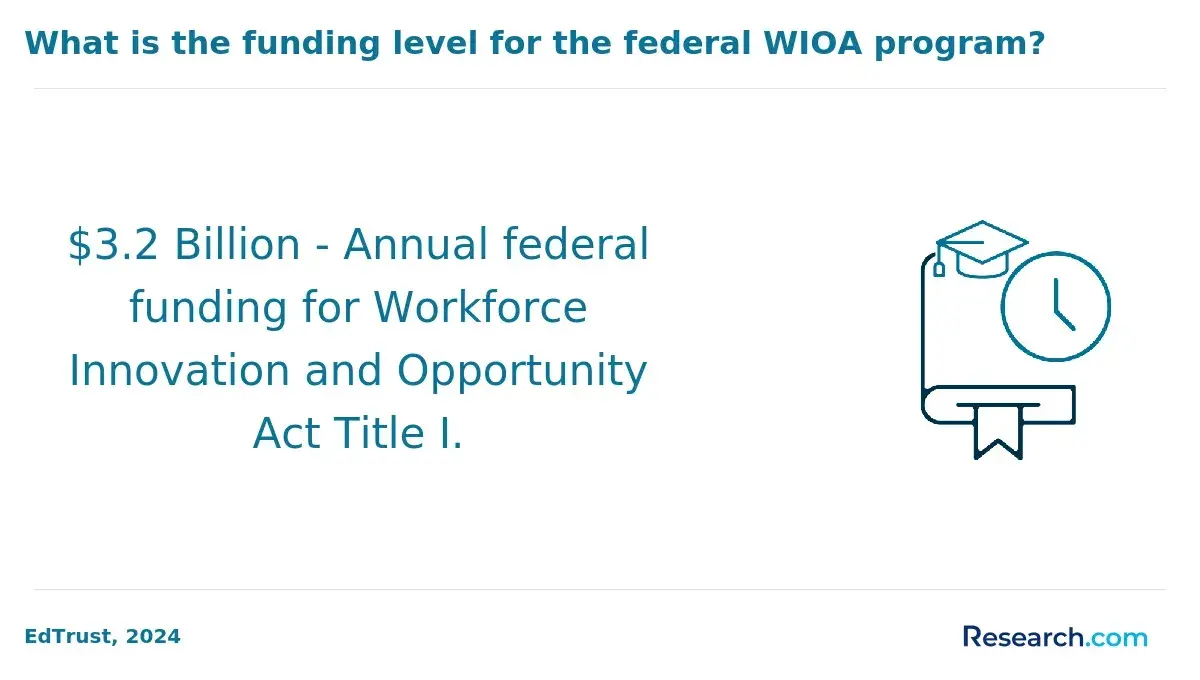
Choosing a real estate brokerage management program lacking accreditation from a regional or national agency recognized by the U.S. Department of Education often leads to costly setbacks such as ineligibility for state licensing exams or employer skepticism. For example, states like California strictly require brokers to complete pre-licensing education from approved providers, underscoring that merely completing coursework is insufficient without proper accreditation. This credentialing ensures candidates meet both legal and market expectations-a critical factor for those weighing real estate brokerage management programs in the US.
The distinction between accredited and non-accredited programs significantly impacts long-term earning potential. Brokers with credentials from institutions approved by bodies like the Higher Learning Commission stand a better chance at qualifying for licenses promptly and gaining employer trust, which correlates with median annual salaries around $72,280 and top earners exceeding $166,730. Without these recognitions, professionals risk losing ground on salary growth and career mobility.
Prospective students must validate accreditation against their licensing board's requirements while prioritizing programs offering direct employer connections or internships that facilitate real-world legal compliance and workforce readiness. In this context, a practical evaluation of licensed real estate brokerage education requirements for career advancement is vital to avoid credential invalidation or extended time-to-license.
For professionals considering a pivot into real estate through complementary studies, exploring options like an MBA healthcare management can illustrate how specialized accredited programs add measurable workforce value, a principle equally applicable in real estate education decisions.
Which types of real estate degrees best prepare you for brokerage management careers?
Brokerage management roles demand a hybrid expertise in legal, financial, and operational functions, which typically makes bachelor's degrees in real estate or business administration with a real estate concentration the most effective preparation. Such programs equip candidates with critical skills in negotiation, licensing compliance, and portfolio oversight-abilities often tested simultaneously in fast-paced metropolitan markets. For example, a graduate versed in property law can manage brokerage licensing requirements while leading client acquisition strategies, meeting employer expectations for multifaceted capabilities.
Considering the best real estate programs for managing broker careers, one practical factor is cost-efficiency. Online real estate bachelor's degrees averaging about $212 per credit hour translate to roughly $2,547-$3,184 per semester, a rate that offers working professionals a manageable balance between expense and career progression without forgoing income. This balance is important given documented salary premiums of 20-30% for brokerage management roles over entry-level positions, making the investment financially justifiable.
Specialized associate degrees or certificates primarily support initial licensing but fall short on the operational breadth required for brokerage management, such as employee supervision and risk mitigation. Conversely, master's degrees or MBAs focus on leadership strategy but require prior experience and substantial resources, limiting immediate accessibility. An appropriate degree should merge curriculum breadth and recognition, covering real estate law, financial analysis, and brokerage operations to satisfy licensing boards and practical hiring criteria.
For those weighing options among types of real estate degrees for brokerage management, it's essential to confirm curricular depth in compliance and sales management. Prospective students should also evaluate delivery formats for fit with professional responsibilities; for instance, programs combining flexibility with comprehensive content allow career pivots without income interruption.
Additionally, some may explore adjacent fields like sports management degrees to broaden management skills transferable to real estate contexts, such as workforce oversight and marketing. For a focused examination of such alternatives, this sports management degree resource offers relevant insights.
What courses and skills are covered in an online real estate brokerage management curriculum?
Successfully managing a real estate brokerage requires more than foundational knowledge; it demands operational acumen and leadership precision tailored to distinct market segments. Coursework spanning real estate law, contract negotiation, and finance equips candidates with crucial regulatory and transactional insight but is only the baseline. Effective brokerage leaders must also excel at agent recruitment, compliance monitoring, and client relationship management to uphold legal and ethical standards within increasingly complex frameworks.
Leadership training prioritizes managing multi-agent offices with skills in conflict resolution, team motivation, and strategic planning. This complements evolving digital competencies involving CRM platforms and property management software, necessary to streamline workflows in a tech-driven environment. Risk management education addresses liability challenges, fostering ethical decision-making essential for sustaining firm credibility amid heightened scrutiny.
Operational strategies diverge notably between commercial and residential brokerages. For instance, commercial brokerage managers must navigate zoning laws, environmental regulations, and commercial leasing details, while residential brokers focus more on client-centric service models. This distinction influences required expertise and shapes career trajectories within the brokerage sector.
Financial considerations remain a pivotal factor. Tuition per credit hour ranges dramatically-from about $107.50 to over $933-forcing working professionals to weigh upfront investment against curriculum depth and long-term return. These disparities impact hiring prospects, especially where market reputation and practical skills outweigh credentials alone.
- Mastery of brokerage operations includes compliance and agent management.
- Technology integration is critical for efficient brokerage workflows.
- Commercial versus residential brokerage demands distinct regulatory knowledge.
- Tuition variability influences accessibility and return on investment.
What are the typical admission requirements and application materials for these online programs?
The admission criteria for online real estate degrees in brokerage management significantly shape the student profile, directly influencing workforce preparedness and industry alignment. Entry is typically hinged on a high school diploma or equivalent, with several programs favoring applicants who present prior college coursework in business or finance, reflecting the sector's analytical demands. A minimum GPA near 2.5 to 3.0 signals basic academic competency, yet applicants must consider how rigor impacts eligibility for certain roles requiring licensing or advanced managerial skills.
Beyond academics, admissions often require detailed resumes outlining relevant real estate experience such as internships or supervisory positions, emphasizing the practical orientation of brokerage management education. This criterion distinguishes candidates ready to leverage technical knowledge alongside real-world scenarios, critical in navigating brokerage complexities.
Common supplemental elements include essays that articulate professional intent and standardized tests-although increasingly optional-which serve to evaluate quantitative and critical reasoning abilities relevant to regulatory environments. Letters of recommendation, especially from industry insiders, provide qualitative assessments of leadership potential and ethical judgment.
Crucially, reliable technology access is mandated to support virtual simulations essential for mastering realistic brokerage interactions. For working professionals aiming to pivot or upscale within real estate brokerage, understanding these layered requirements ensures alignment between academic investment and employer expectations.
- High school diploma or equivalent required; some require college business/finance coursework
- Minimum GPA around 2.5-3.0 typically expected
- Submission of professional resumes detailing real estate or management experience
- Essays or statements to demonstrate career commitment
- Standardized testing less commonly required; test-optional policies growing
- Letters of recommendation valued in selective programs
- Reliable technology necessary for participation in virtual learning components
How long do online real estate brokerage management degrees take and what do they cost?
Employers in brokerage management roles prioritize candidates with bachelor's degrees from accredited institutions due to the broader industry knowledge and leadership skills these programs develop. While certificate and associate programs may require only 12 to 18 months and cost between $4,000 and $12,000 at community colleges, they often fall short of preparing students for management positions that demand comprehensive competencies.
For professionals transitioning from sales to brokerage management, committing two to three years and $30,000 to $40,000 to a bachelor's degree can substantially enhance competitive positioning and career flexibility. These programs typically span 18 to 36 months, with costs ranging up to $50,000 depending on the institution. Longer degree pathways align with expectations for roles such as broker, asset manager, developer, property manager, or community association manager, where a diverse skill set is required.
This dynamic creates a tangible tradeoff:
- Shorter, lower-cost certificates offer quicker entry but tend to limit advancement and earning potential.
- Bachelor's degrees demand greater time and financial investment but provide access to wider employment opportunities and long-term career resilience.
Additional expenses beyond tuition-including study materials, licensing exam fees, and technology access for online formats-should be factored into the total cost. Flexible pacing in programs designed for working professionals may extend timelines but enhances feasibility for those balancing job demands.
What jobs can you get with an online real estate brokerage management degree?
An online real estate brokerage management degree primarily equips graduates to manage complex property operations rather than immediately secure brokerage licenses or sales roles. Employers typically expect candidates to combine this degree with industry experience and state licensing for effective leadership in competitive markets. Graduates often enter roles such as property manager, community association manager, or assistant brokerage manager, where tasks include tenant relations, lease supervision, and budget oversight.
The Bureau of Labor Statistics cites a median wage of $59,230 for these positions, with employment growth projected at 3% from 2020 to 2030, indicating stable but modest demand. Those transitioning from sales or unrelated fields use this degree to formalize knowledge, yet licensing remains a significant hurdle requiring distinct effort beyond academic credentials.
Key challenges in this field include navigating regulatory compliance, mitigating client risk, and adapting to market fluctuations affecting property values and leasing activity. Success demands proficiency in project management and financial assessment to ensure operational efficiency and sound investment decisions.
Practical implications for students include:
- Leveraging the degree to access supervisory roles within brokerage firms, conditional on licensing and experience.
- Recognizing that the credential alone seldom qualifies for independent brokerage management or licensing requirements.
- Preparing for a career pivot by bridging gaps in industry knowledge, while anticipating the additional time and cost commitments to obtain licensure.
How much do real estate brokers and brokerage managers earn and what is the job outlook?
Brokerage managers earning over $63,000 annually reflect the tangible value of advanced education in the real estate sector, where bachelor's or master's degrees provide critical skills in market analysis, regulatory compliance, and leadership. For instance, a manager overseeing multiple agents integrates negotiation expertise and financial controls often honed in degree programs, positioning themselves well above average entry-level compensation.
Employment growth for brokerage roles is projected at 4% through 2032, tightly coupled with economic and demographic trends. Employers prioritize candidates with formal real estate credentials because such qualifications reduce onboarding time and operational risks inherent in real estate transactions. However, earnings remain sensitive to market cycles, necessitating ongoing professional development to maintain competitive positioning.
Transitioning from general business education into brokerage management demands more than foundational knowledge; it requires state-specific licensing comprehension and transaction management skills. Online real estate programs directly address these practical requirements, differentiating candidates in a competitive field.
Practical considerations include investing two to four years in accredited online real estate degree programs to access higher management opportunities, particularly in larger brokerages where leadership responsibilities extend beyond sales into compliance and operational strategy.
How can you choose a reputable online real estate brokerage management program?
Accreditation remains a decisive factor when selecting an online real estate brokerage management program because it directly affects employer recognition and professional credibility. Without regional or national accreditation, credentials risk being dismissed by hiring managers, restricting career opportunities despite program cost or curriculum content.
Curriculum relevance also critically influences employability. Programs overly focused on residential real estate may inadequately prepare students aiming for commercial brokerage roles, where knowledge of portfolio management and commercial leasing is essential. For example, a manager overseeing commercial properties needs tactical skills for lease negotiations that a generalist course might overlook.
Cost efficiency should be judged against measurable outcomes. OnlineU's 2026 data places top-tier online programs near $11,700 annually, setting a practical baseline. Programs charging well above this must demonstrate higher graduate placement or partnerships with employers to justify premium pricing.
Flexibility and support services often determine whether working professionals complete their studies. Access to mentorship, career advising, and transferable credits impacts retention and relevance, especially when balancing education with a full-time role.
Outcomes data from independent sources should be scrutinized to verify claims of graduate success in brokerage management, ensuring decisions align with labor market realities rather than marketing narratives.
Other Things You Should Know About Real Estate
In 2027, enrolling in an online real estate degree for brokerage management typically requires a high school diploma or GED. Some programs may favor candidates with prior real estate experience or relevant coursework. Admission processes vary, and checking specific program requirements is recommended.
Many students pursuing online real estate brokerage management degrees work full time while studying, but program intensity varies widely. Programs heavy on case studies, projects, and simulations require substantial weekly time commitments that can strain working professionals without flexible schedules. Prioritize programs with asynchronous classes and clear time estimates per module to avoid burnout and ensure steady progress. Underestimating workload often delays graduation and can hinder application of concepts in real-time work scenarios.
Specialized brokerage management degrees offer targeted training in agency law, brokerage operations, and team leadership that general real estate degrees lack. Graduates of specialized programs report quicker progression into management positions and improved competence in regulatory compliance and risk mitigation. However, general degrees provide broader versatility across sales, appraisal, and investment roles. For those committed to a managerial path, investing in a focused degree is a strategic choice with measurable impact on role readiness and employer expectations.
Programs with integrated industry networking opportunities and strong alumni connections provide practical advantages in securing brokerage management roles. Employers value candidates who demonstrate familiarity with local market trends and recognized professional communities. When selecting a program, prioritize those offering mentorship, internships, or exclusive events that connect students with active brokers and agencies. Lack of networking channels limits exposure to job openings and real-world insights that coursework alone cannot deliver.
References
- Diploma in Real Estate Brokerage https://www.roytec.edu/programmes/real-estate/diploma-in-real-estate-brokerage
- Real estate brokers: Salary, career path, job outlook, education and more - RaiseMe https://www.raise.me/careers/sales/real-estate-brokers-and-sales-agents/real-estate-brokers/
- 12 real estate softwares for your brokerage https://www.marq.com/blog/real-estate-broker-software/
- Comparing Real Estate Broker and Agent Salaries: What You Need to Know https://www.hondros.com/resources/blog/do-brokers-make-more-than-agents/
- Real Estate Career Guide (Roles, Degree Options & Licensing) https://www.allbusinessschools.com/real-estate/
- Admission Requirements | Undergraduate Admissions + Programs https://www.ualberta.ca/en/admissions/how-to-apply/admission-requirements/index.html
- 10 Jobs in Real Estate Other Than Agent | Champions School https://www.championsschool.com/resources/career-hub/real-estate-jobs-other-than-agent/
- What can I do with a degree in Real Estate Management? - FHWien der WKW https://www.fh-wien.ac.at/en/news/what-can-i-do-with-a-degree-in-real-estate-management/
- How Long Does It Take To Become a Real Estate Agent? | 360training https://www.360training.com/blog/how-long-does-it-take-to-become-a-real-estate-agent