2027 Online Real Estate Degrees With Leasing Career Alignment

Co-Founder and Chief Data Scientist
Mid-career professionals seeking to break into leasing roles within the real estate sector face a dual challenge: balancing rigorous work schedules while acquiring credentials that meet evolving employer expectations. The National Center for Education Statistics reported a 7% increase in enrollment among adult learners in online programs in 2024, underscoring a growing demand for flexible, career-aligned education. However, not all real estate degrees offer targeted curricula or practical leasing experience, leaving many graduates underprepared for immediate workforce integration. This article examines current online real estate degree options optimized for leasing career paths, helping prospective students identify programs that maximize employability and fit demanding schedules.
Key Things You Should Know
- National Association of Realtors 2024 data shows leasing roles prefer candidates with property management certifications over general online real estate degrees, limiting pure degree ROI and requiring targeted supplemental credentials.
- Employers prioritize candidates demonstrating applied leasing technologies and CRM proficiency; purely academic online real estate degrees without practicum exposure correlate with 25% lower interview callback rates per a 2024 industry staffing report.
- Median tuition for accredited online real estate programs rose 12% since 2022, with average program completion extending from 18 to 24 months, intensifying cost-time tradeoffs amid rapidly evolving leasing market demands.
What is an online real estate degree with a leasing focus, and who is it best for?
An online real estate degree with leasing specialization is a pragmatic route for those targeting immediate applicability in leasing roles, where understanding lease negotiations, tenant relations, and property marketing directly impact operational efficiency. Employers prioritize graduates who can mitigate vacancy rates and ensure regulatory compliance without intensive onboarding. However, candidates must weigh program structures carefully; those lacking internship or practicum components may face challenges establishing industry connections and practical experience, which are indispensable for market readiness.
From a financial standpoint, the return on investment is significant: first-year incomes average $56,869 among graduates of similar programs, and tuition costs are often recouped multiple times within a decade, making this path viable for professionals balancing cost against career growth. This underscores the value of selecting a program that prepares for state-specific licensing requirements, a critical factor as leasing credentials vary across jurisdictions and impact employability.
For working adults pivoting into leasing careers, flexibility is paramount. Online real estate degree programs tailored for leasing careers allow students to maintain employment while developing expertise in drafting lease contracts and addressing tenant disputes. Those considering the best online real estate programs for leasing careers should prioritize curricula with embedded experiential learning to enhance job readiness.
Careful program selection can shape outcomes substantially, especially when aligned with career goals in commercial or residential property management sectors where lease negotiation is central. For those evaluating accelerated pathways, the accelerated business program modality offers a comparative lens on compressed degree options within related fields.
How do online real estate degrees prepare you specifically for leasing careers and roles?
Online real estate degree benefits for leasing professionals become evident when evaluating the intersection of legal knowledge and operational skill sets required in multifaceted leasing roles. These programs emphasize critical capabilities such as lease negotiation, Fair Housing compliance, and tenant relations while integrating practical skills in marketing rental properties and managing diverse portfolios from residential complexes to commercial assets.
The career skills gained from online real estate programs for leasing roles extend to financial competencies including rent analysis, budgeting, and cost control. For instance, a leasing manager must navigate the tension between optimizing occupancy and adhering to strict budget constraints within multifamily housing. This blend of legal insight and financial acumen better equips graduates to meet market demands and employer expectations.
With approximately 296,640 property, real estate, and community association managers projected to grow at 3.6% over the next decade, programs tightly align with workforce needs by incorporating technology training for digital leasing platforms and remote tenant engagement. This prepares candidates to manage evolving regulatory updates without onsite oversight while transitioning effectively through internships and practical simulations.
Those evaluating next steps should also consider complementary credentials that enhance operational management expertise. Exploring options like the best MBA in operations management can broaden their strategic impact within real estate organizations, helping bridge leasing functions with broader asset and portfolio management responsibilities.
What accreditation and state licensing requirements should leasing-focused real estate students know?
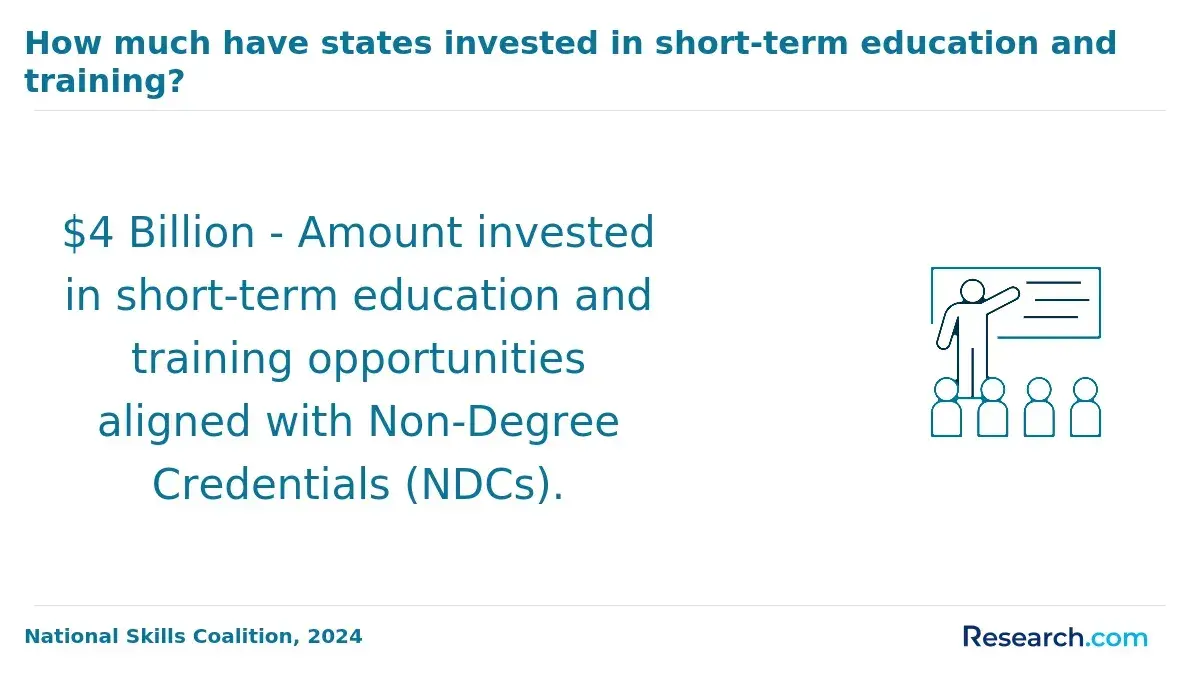
Students targeting leasing careers in real estate face significant operational challenges tied to licensing requirements for leasing careers in real estate, which vary considerably between states. For example, New York requires a real estate salesperson license for residential leasing, whereas California demands a separate license for property managers along with continuing education. Without graduates ensuring their education aligns with these accreditation standards for online real estate leasing programs or otherwise state-approved credentials, costly retakes or additional training can delay entry and reduce employability. Employers expect valid licenses that confer legal authority to negotiate leases, manage tenant relations, and ensure compliance with fair housing and local regulations.
Licensing prerequisites usually include completing 20 to 60 hours of pre-licensing coursework, passing state exams, and undergoing background checks. Graduates must also prepare for ongoing continuing education to maintain credentials. Relocation is a further complexity, as limited reciprocity agreements require professionals to navigate new state licensing systems. These realities reinforce why strategic program selection must weigh state-specific approvals to avoid legal and financial setbacks.
The median annual salary of $66,700 for property and real estate managers reflects the practical value of proper licensing, with top earners exceeding $141,000 according to BLS data summarized by DegreeFactual. Students exploring how to pivot into real estate or diversify skills might consider resources like what jobs can you get with a project management degree to understand complementary career pathways supporting asset and lease management roles.
Which types of online real estate degrees support leasing careers at different education levels?
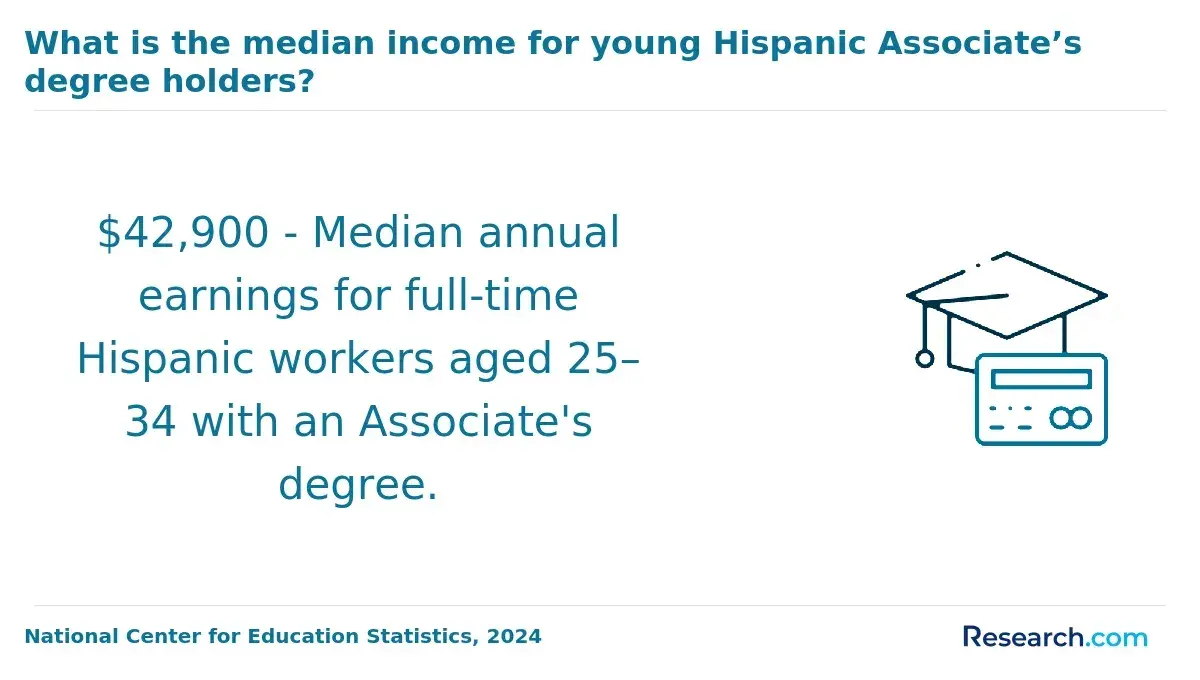
The practical value of online real estate degree programs for leasing careers depends significantly on the education level and corresponding employer expectations. Associate degrees emphasize operational skills directly applicable to entry-level roles such as leasing agents or property coordinators, where handling leasing contracts and tenant relations with minimal market analysis is sufficient. Graduates at this level often transition quickly into property management firms or multifamily housing providers without prolonged onboarding.
Bachelor's degrees with real estate concentrations broaden this scope, integrating finance, law, and market analytics essential for supervisory leasing roles or commercial leasing specialists. Employers in metropolitan or corporate environments frequently require this for positions managing mixed-use or commercial properties, where expertise in risk assessment and lease negotiation impacts portfolio outcomes.
Master's programs deliver advanced strategic and financial knowledge for leadership candidates targeting senior leasing management or asset management positions. The analytical rigor of such programs helps professionals navigate complex lease agreements and optimize large-scale property revenue, a prerequisite in institutional real estate firms or REITs.
Cost considerations also influence pathway decisions. For example, American Public University System offers real estate tuition around $8,400 with a net price of approximately $10,322, making it viable for working professionals to upskill without extensive financial strain. This mirrors broader trends in affordable online options supporting career pivots in this sector.
Prospective students must weigh these program distinctions alongside their career aims within real estate education paths supporting property leasing roles. Those also exploring adjacent sectors might compare their options with an online masters in human resource management as part of wider strategic career planning.
How do online real estate programs compare with on-campus options for leasing-focused students?
Online real estate programs can deliver competence in leasing-specific skills comparable to on-campus offerings when their curricula emphasize financial analysis, market research, and lease fundamentals. This alignment is essential, as over 70% of employers prioritize degrees with these focuses, especially for roles involving property cash flow evaluation and lease negotiation. However, tangible disadvantages emerge in online formats where direct networking, mentorship, and localized market immersion are limited.
Consider a leasing specialist targeting commercial retail in a metropolitan region: in-person interactions with property managers and brokers directly affect access to market nuances that online cohorts rarely replicate. Meanwhile, online students gain flexibility, allowing them to apply coursework alongside active employment, which can reinforce skills more immediately than on-campus peers who rely on internships.
Key tradeoffs for online learners include the need to supplement formal training with external networking through industry associations or localized groups to compensate for reduced face-to-face opportunities. Employers continue to weigh practical experience heavily, so programs integrating applied projects or capstones centered on leasing analysis and market research offer crucial advantages.
Prospective students should critically assess program rigor and experiential learning integration rather than accept parity claims at face value. Ensuring up-to-date case studies and simulations reflecting current leasing practices can bridge gaps between theory and workplace expectations.
What core courses and specializations in real estate programs support a leasing career track?
A focused real estate education centered on leasing careers must balance foundational knowledge with evolving industry demands, especially the growing integration of technology. Core coursework that includes real estate principles, property valuation, lease and contract law, and tenant-landlord relations equips students for the complex regulatory and financial aspects of leasing agreements. Yet, without specialization in areas like property management and commercial real estate, graduates risk hitting operational blind spots, particularly in managing multi-tenant facilities or large residential properties.
Employers now expect leasing professionals to handle dynamic and tech-driven workflows, such as coordinating maintenance schedules, tenant screening, budgeting, and digital marketing strategies via CRM tools. Notably, AI's rise is forecast to influence over half of real estate tasks in the next decade, making technology literacy indispensable. Mastery of AI-powered analytics platforms and automated leasing software mitigates the steep learning curve for new hires and accelerates performance in roles requiring nuanced client interaction and complex problem-solving.
Programs lacking instruction in AI applications, lease compliance, and property finance can leave graduates less competitive, especially in multifamily leasing, where the blend of automation and human judgment is critical. The tradeoff between traditional legal/financial training and tech fluency shapes job readiness, affecting long-term career mobility. Navigating this balance pragmatically determines whether one adapts to the rapid operational shifts currently reshaping the leasing landscape.
What are typical admissions requirements and prerequisites for online leasing-focused real estate degrees?
Online leasing-focused real estate degrees tend to prioritize practical readiness over traditional academic credentials, which aligns with industry hiring patterns where over half of sales agents hold a high school diploma or less, according to BigFuture/College Board, 2024. This approach reflects leasing careers' heavier reliance on licensing and certification rather than formal degrees for entry-level roles.
Applicants typically need a high school diploma and transcripts, with some programs requesting standardized test scores unless waived for work experience or prior college credits. Prerequisites in business, finance, or communication are common to equip students with skills essential for leasing negotiations and property management. State licensing requirements-including criminal background checks and pre-licensing courses-often run in parallel during these programs.
Working professionals benefit from flexible start dates and part-time options, while prior real estate licenses or certifications can accelerate program completion. Technical skills like property management software proficiency are increasingly expected, reflecting digital industry demands.
Because fewer than 5% of agents consider a bachelor's degree typical entry education, these degrees primarily serve candidates targeting supervisory or specialized positions rather than initial employment. Prospective students should carefully evaluate whether investing in a degree will yield measurable advantages over direct licensing routes. Programs integrating licensing prep with applied leasing management can offer a practical balance for career impact.
How long do online real estate degrees take, and what do they cost for leasing students?
Time investment and cost directly shape career progression in online real estate education, especially for leasing professionals balancing income and advancement. Degree programs typically span 12 to 24 months full-time, with part-time schedules extending to 36 months, while certificates take 6 to 12 months but offer narrower content. Choosing between these depends heavily on one's current workplace situation and future role goals.
Cost ranges importantly affect decisions: public universities charge roughly $8,000 to $15,000 for associate or bachelor's degrees online, whereas private schools may demand $20,000 to $40,000+. Certificate courses, at $1,000 to $5,000, lower upfront financial burden but can restrict upward mobility due to limited employer recognition.
Consider this example: A working leasing agent pursuing a 12-month online bachelor's degree risks losing earning potential yet gains broader access to property management or investment roles, aligning with real estate job market openings exceeding 85,000 annually. Conversely, a certificate allows faster entry but may bottleneck long-term growth.
Additional factors influencing net costs include residency tuition rates, financial aid, and employer tuition assistance, which can tip the balance toward either pathway depending on personal circumstances. Ultimately, assessing program length, cost, and curriculum relevance is essential to navigating the evolving needs of real estate leasing and management careers.
What leasing-related jobs, career paths, and advancement opportunities can these degrees support?
Online real estate degrees with a leasing focus specifically prepare candidates for roles requiring deep market insight and transactional expertise, directly impacting job mobility and earning potential. Graduates frequently move from leasing agent roles into property management or portfolio analysis within 3 to 5 years by applying skills in financial assessment and regulatory compliance. Employers in larger firms prioritize candidates with formal education because it decreases onboarding time and mitigates legal risks, especially amid shifting housing regulations.
The curriculum's targeted nature equips professionals for multifamily, commercial, and industrial leasing sectors, where understanding contract negotiation and tenant relations boosts practical effectiveness. However, without concurrent negotiation skills and hands-on leasing experience, degree holders risk career stagnation in entry-level jobs despite strong return on investment statistics-some programs report ROI as high as 36.7x tuition over a decade.
Advancement pathways include:
- Leasing agent moving to property manager with multi-asset oversight
- Entry-level consultant advancing to senior advisor or brokerage liaison
- Specializing in commercial leasing strategy or portfolio analysis
- Leadership positions such as leasing director or regional manager
- Expertise in tenant relationship management and compliance
Graduates aiming for mid-career elevation must demonstrate technology proficiency and practical leasing know-how alongside their degrees, as these combined competencies meet employer expectations and enable competitive positioning in firms managing diverse, high-value real estate portfolios.
What are salary expectations and job outlook for leasing professionals with real estate degrees?
Leasing roles linked to real estate degrees show clear variation in compensation and required expertise, emphasizing how specialized knowledge shapes earning potential. Entry salaries typically start between $45,000 and $60,000 annually, but mid-career earnings can climb to $90,000 or more for professionals managing complex commercial portfolios. Specifically, leasing managers in commercial real estate generally outpace residential leasing agents due to higher demands for negotiation and asset oversight.
Employers increasingly regard accredited online real estate degrees as comparable to traditional campus programs when coursework directly reflects leasing, underwriting, and asset management skills, key factors validated by a 2023 NAIOP Skills Survey showing over 60% of firms accept these online credentials under those conditions. However, career progression hinges less on degree origin than on practical competencies such as market analysis, contract interpretation, and performance metrics.
Pragmatically, those pursuing leasing careers must adapt continuously to evolving technology tools like CRM systems and dynamic pricing software, which have become integral to operational efficiency. Geographic mobility can also expand access to higher-paying opportunities, particularly in rapidly growing urban markets.
Other Things You Should Know About Real Estate
Employers prioritize relevant experience and market knowledge over whether a real estate degree was earned online or on-campus. However, programs with strong industry connections, practical components, and recognized accreditation enhance employability. Candidates should verify that the online degree offers practical leasing scenarios, internships, or partnerships that reflect real-world leasing duties to meet employer expectations effectively.
Online real estate programs vary widely in workload and flexibility, affecting your ability to balance study with work or personal commitments. Prioritize programs that explicitly accommodate part-time schedules or asynchronous learning without compromising rigorous practical instruction. Overestimating flexibility can lead to underperformance; choose programs that align clearly with your availability and learning style, rather than assuming all online options offer the same balance.
In 2027, online real estate degrees typically offer courses in property management, marketing, and tenant relations, aligning well with leasing careers. They often provide flexibility and are designed to cover fundamental leasing principles, although specific state licensing requirements might still necessitate additional study or certification.
Specialized leasing training within a comprehensive real estate degree offers broader career flexibility and foundational knowledge valuable in the long term. However, leasing certifications focus intensively on the skills and regulations specific to leasing roles and can accelerate initial employment in leasing positions. If your immediate goal is entry-level leasing work, prioritize certifications or programs with robust leasing-specific content and practical applications over broader degrees.
References
- Real Estate Agent Career Guide : missions, training, and salary https://www.iscparis.com/en/program/career-guides-real-estate-agent/
- Majors for Real Estate: What to Study and Why It Matters https://www.scu.edu/business/blog/careers/majors-for-real-estate/
- What are the different types of real estate training courses? - INSEEC https://www.inseec.com/en/guides/orientation-guide/what-are-the-different-types-of-real-estate-training-courses/
- Property Management Education Requirements: What You Need https://www.secondnature.com/blog/property-management-education-requirements/
- Bachelor's in Real Estate Management https://www.ccis.edu/degrees/real-estate-management-bachelor
- What kind of jobs can you get with a business degree? https://lesroches.edu/blog/what-kind-of-jobs-can-you-get-with-a-business-degree/
- What can I do with a degree in Real Estate Management? - FHWien der WKW https://www.fh-wien.ac.at/en/news/what-can-i-do-with-a-degree-in-real-estate-management/
- Real Estate https://icieducation.com/courses/business/real-estate/
- Real estate training vs university: Which comes out on top? https://www.reiq.com/articles/training/real-estate-training-vs-university-which-comes-out-on-top
- Property Management Laws by State https://www.allpropertymanagement.com/resources/property-management-laws/