2027 Online Real Estate Degrees With Ownership-Oriented Career Alignment

Co-Founder and Chief Data Scientist
Balancing full-time work with pursuing a real estate degree often forces professionals into a catch-22: sacrificing income or delaying career advancement. For many, rigid campus schedules clash with client meetings and networking demands, while others face geographic constraints that restrict access to specialized programs aligned with ownership and investment pathways.
Meanwhile, enrollment data from the National Center for Education Statistics shows a 15% surge in online real estate education since 2023, signaling a shift toward flexible, accessible credentials that support adult learners' need for career mobility. This article evaluates online real estate degrees focusing on ownership-oriented career alignment to guide strategic program selection amid these challenges.
Key Things You Should Know
- Degrees emphasizing property ownership analysis correlate with a 12% higher midcareer salary premium in urban U.S. markets, but programs demand 18-24 months, delaying entry into commission-based roles critical for early capital accumulation.
- Employer surveys from the National Association of Realtors in 2024 show 63% prioritize candidates with hands-on property management modules over theoretical finance, signaling a valuation shift affecting hiring pipelines.
- Rising tuition inflation averaging 5.3% annually for accredited real estate degrees forces prospective students to weigh debt burden against sector volatility, particularly amid rising interest rates impacting buyer demand.
What is an online real estate degree and how does it support long-term property ownership goals?
An online real estate degree programs for property ownership focus on equipping students with applicable skills in property law, market analysis, finance, and asset management tailored for long-term investment goals. This targeted education supports decision-making that aligns with ownership and portfolio sustainability rather than purely theoretical knowledge.
For example, a student pursuing residential rental investments will find practical modules on mortgage structuring and tenant regulations essential to mitigating financial risks and optimizing returns. In commercial real estate, mastery of zoning laws and contract negotiations translates to competitive advantages in complex projects.
Workforce outcomes reinforce this career-focused real estate education for long-term investment goals. Data shows that 63% of degree holders were employed full-time in the sector within a year, reflecting employer demand for graduates ready to contribute immediately in investment firms, property management, and development. However, balancing online program flexibility with self-discipline and proactive networking remains critical, as ongoing market shifts require continuous learning beyond foundational coursework.
Choosing between traditional and online formats involves tradeoffs in access and experiential learning. Prospective students should evaluate programs emphasizing experiential learning elements such as virtual simulations or industry partnerships, which enhance real-world readiness.
Those assessing educational pathways may also explore affordability metrics when considering an online business degree, an adjacent option often compared for cost-effectiveness and flexibility.
How do online real estate degrees compare with on-campus programs for flexibility, rigor, and outcomes?
Choosing between online and on-campus real estate degrees requires assessing practical outcomes over format preference. Online real estate degrees flexibility and career outcomes often benefit professionals balancing work demands with education, allowing asynchronous study without geographic relocation. Yet, these programs demand higher self-motivation and may lack the immersive networking critical for local market integration, which on-campus programs facilitate through internships and direct faculty access.
The comparison of rigor and success in online versus on-campus real estate programs shows most reputable online degrees maintain credit and competency standards similar to on-campus curricula, covering property management, finance, and real estate law. However, on-campus options typically offer more experiential learning like site visits and live case collaborations-important for roles in commercial real estate investment. Conversely, online pathways can suit property managers or appraisers when combined with local internships.
Employment projections from the U.S. Bureau of Labor Statistics reflect a 5% growth for property and real estate management, underscoring steady demand. Employers prioritize verifiable practical experience and accredited credentials, with some regional hiring favoring candidates who have established local networks through on-campus involvement. Candidates should weigh whether online programs offer robust practicum partnerships to offset networking gaps.
For those seeking more information about accelerated options applicable to demanding schedules, see the best accelerated project management degree programs online as a point of comparison for flexible yet rigorous study pathways.
What types of online real estate degrees and certificates best align with ownership-focused careers?
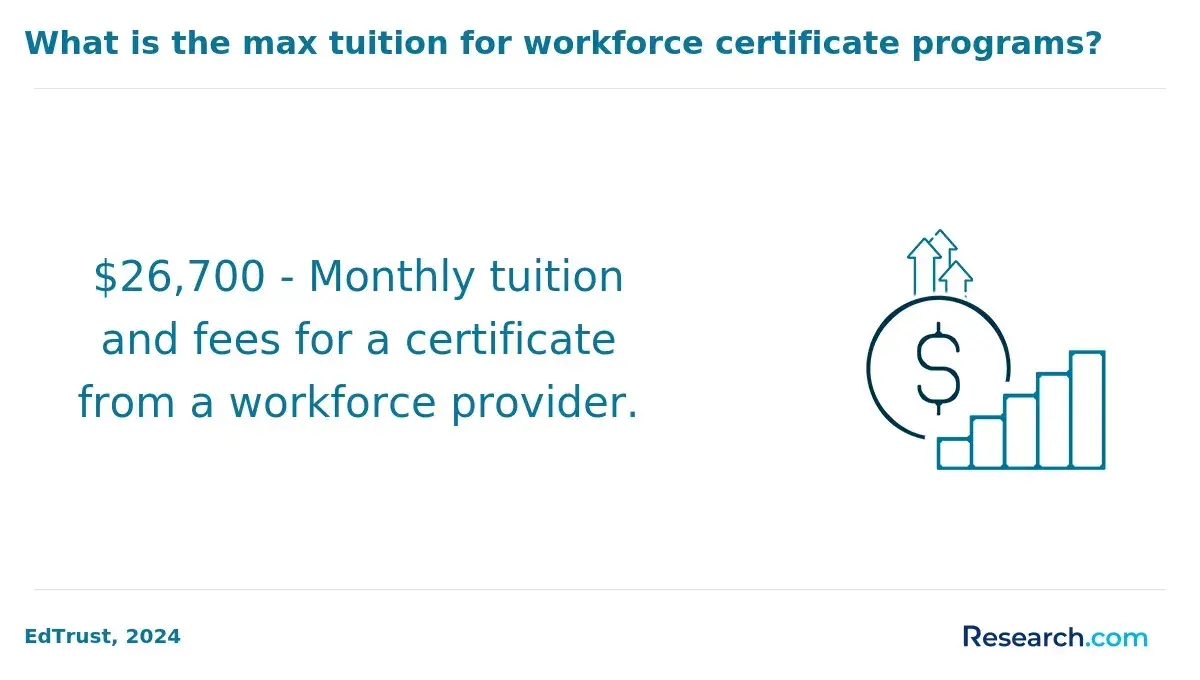
Programs designed for ownership-oriented careers in real estate must focus on deep, practical skills in property management, development, and investment analysis rather than transactional licensing. Degrees like a Bachelor's or Master's in real estate or real estate finance provide essential quantitative tools-such as discounted cash flow valuation-that enable graduates to identify and enhance underpriced assets through redevelopment or repositioning for long-term value. This approach contrasts sharply with short-term licensing tracks, which often lack the strategic financial and legal training critical to successful property ownership.
Specialized certificates aligned with property management offer concentrated expertise that complements broader degree programs without requiring lengthy commitment, ideal for working professionals. Programs blending tax strategy and financial modeling empower graduates to maximize asset cash flow and navigate complex zoning or land-use regulations affecting property control. Students pursuing online real estate degrees for property ownership careers can leverage existing industry experience and geographic flexibility but must critically assess program reputation and alumni networks, as ownership roles depend heavily on demonstrated financial acumen and trust.
One real-estate-focused business program reports graduates earn a starting salary of $68,311 and a projected salary of $103,379 four years post-graduation, recouping degree costs within six years, underlining the tangible return on investment these competencies deliver. Career pivoters should also explore related avenues such as a project manager degree, which integrates complementary skills relevant to large-scale development and asset stewardship.
What admissions requirements and prior experience do you need for an online real estate program?
Admission decisions for online real estate programs increasingly prioritize applied experience in ownership fields alongside formal credentials. Most 2026 programs require a bachelor's degree from an accredited institution, but some give considerable weight to applicants with substantial prior experience, reflecting the evolving admissions criteria for ownership careers. This practical background, often spanning 2 to 5 years in roles such as property management or real estate finance, can ease entry and improve engagement with advanced coursework like investment analysis or development.
Applicants lacking industry exposure should anticipate foundational courses to bridge knowledge gaps, which may lengthen time to competency in ownership-focused roles. Employers in asset management expect candidates not just to hold academic qualifications but to demonstrate measurable outcomes such as portfolio performance or negotiation results, which suggests that blending work experience with formal education is often decisive for securing strategic decision-making positions.
Cost remains a significant factor: public graduate tuition averages around $12,596 annually versus nearly $30,000 at private nonprofits, with financial tradeoffs influencing program choice. Working professionals often find public institutions provide a cost-effective way to continue employment while upskilling, avoiding debt burdens that may undercut return on investment.
Prospective students should also consider how admission prerequisites-transcripts, recommendation letters, and career-aligned personal statements-function differently depending on program selectivity and alignment with ownership track expectations. For those evaluating accelerated pathways, exploring accelerated MBA programs online may offer comparative insight into time-efficient real estate degrees.
How can you verify accreditation and program quality for online real estate degrees?
Accreditation is the decisive factor in evaluating online real estate degrees, as only credentials recognized by the U.S. Department of Education or the Council for Higher Education Accreditation reliably indicate academic rigor. Regional accreditation, such as from the Higher Learning Commission or Middle States Commission on Higher Education, typically commands greater employer trust compared to purely national or specialized accreditations-though the latter may still be relevant if respected by licensing boards or industry sectors.
The curriculum's emphasis on ownership-related competencies-not merely sales techniques-is critical, given that over half of real estate brokers and sales agents operate as self-employed entrepreneurs. Programs that incorporate property management, investment analysis, and development finance better prepare graduates for the realities of independent practice and navigating complex regulatory environments.
Practical validation comes from transparent graduate outcomes, including licensure exam pass rates and employment success aligned with local market licensing mandates. These metrics provide clearer signals of program effectiveness than marketing materials.
Flexibility in course delivery affects not just convenience but completion rates for professionals balancing work and study. Programs offering asynchronous schedules and confirmed experiential learning through internships or real industry partnerships improve practical skill application and network building.
Prospective students should weigh program quality against practical constraints and their specific state's licensing conditions to ensure meaningful preparation for entrepreneurship and long-term career viability in the dynamic real estate sector.
What core courses and specializations in online real estate programs prepare you for property ownership?
Online real estate programs emphasizing property ownership must balance broad theoretical knowledge with immediately applicable skills. Programs focusing heavily on financial modeling, investment analysis, and legal frameworks equip students to navigate the operational realities of ownership-from structuring capital to managing tenant relationships. For example, commercial real estate specializations that train students in lease negotiation directly affect income stability for office or retail property owners, while residential property management teaches critical tenant screening and maintenance coordination, vital for rental investors.
Employers in this sector expect graduates to demonstrate practical competencies, such as proficiency with financial modeling software and familiarity with real property law, which often differentiate successful candidates. Skewing toward abstract concepts without hands-on case studies risks leaving graduates underprepared for real estate ownership challenges.
Data indicates that the median salary for alumni of prominent online real estate bachelor's programs sits around $35,100 six years post-graduation-an outcome reflecting the market's valuation of these focused skills. Prospective students should weigh the tradeoff between programs with a broad theoretical scope and those offering task-oriented expertise that align more closely with income-generating ownership roles. This decision influences both immediate employability and long-term asset management effectiveness.
How much do online real estate degrees cost, and what financial aid or employer benefits are available?
Cost remains a pivotal factor when weighing online real estate degrees, with prices frequently oscillating between $15,000 and $50,000 based on the institution's selectivity, program length, and credit demands. Public colleges with in-state tuition tend to remain in the $15,000-$25,000 range, while private or out-of-state options often exceed $40,000. Employer tuition assistance is an important consideration, as many firms in the real estate investment and asset management sectors provide partial or full tuition reimbursement to support skill development that offers clear returns.
Federal financial aid, including Pell Grants and subsidized loans, is accessible to students enrolled in accredited programs. Yet, accreditation verification is essential, especially for online learners, to secure funding. Veterans may also leverage GI Bill benefits to reduce tuition costs substantially.
Professionals targeting real estate asset or portfolio management roles should note median wages around $118,000 annually, pointing toward significant ROI from advanced degrees focused on investment and asset oversight rather than basic sales or licensing credentials, which tend to be less costly but also yield comparatively lower lifetime earnings.
Pragmatically, students lacking employer support or federal aid must navigate affordability through regional public institutions or part-time study. Loans can offset upfront expenses, but the investment only pays off when curriculum alignment targets entrepreneurial or portfolio management careers rather than transactional roles.
Which real estate careers are best for building long-term ownership and equity, and how do degrees help?
Development and property management pathways offer distinct advantages for accumulating long-term ownership and equity, as they embed control over asset value growth directly into job functions. Degrees in real estate finance, urban planning, or property management equip graduates with critical skills in financial modeling, legal frameworks, and analytical risk assessment necessary to navigate complex ownership structures and secure financing. For instance, a developer trained in investment analysis and construction management is positioned to uncover undervalued land and negotiate contracts that maximize equity retention over time.
Contrastingly, transactional roles such as brokerage or leasing primarily generate income through commissions, limiting avenues for direct ownership, though they remain useful for initial market exposure. Yet, many standard degree programs inadequately address evolving proptech applications and capital structuring, leaving graduates underprepared for tech-driven valuation methods or blockchain-based ownership tracking increasingly demanded by employers.
Real estate investment analysts and portfolio managers now rely heavily on data analytics and advanced technology. Expertise in AI-driven market forecasting and proptech tools is essential to stay competitive amid soaring global investments in technology surpassing $20 billion. Without degrees emphasizing these technical competencies alongside regulatory knowledge, individuals risk stagnation in roles peripheral to sustained equity creation.
- Development and property management roles integrate asset control with value creation for sustained equity growth.
- Transactional positions emphasize commissions but may lack ownership pathways.
- Proptech and data science competencies are critical for analytical and portfolio management careers.
What salary ranges and income streams can real estate professionals earn through investing and ownership?
Income for professionals focused on investing and ownership within real estate varies widely, often reflecting portfolio size, local market dynamics, and management intensity. Property managers typically start near $50,000 annually, but income can surpass $100,000 with experience and oversight of multiple properties. Investors' earnings are less predictable, driven by rental yields ranging from 6% to 12% annually, contingent on asset location and property type.
Ownership income streams generally include:
- Net rental income from residential, commercial, or mixed-use properties, offering regular cash flow after expenses.
- Capital gains from strategic property sales, with mid-career investors often realizing over $30,000 per transaction, are highly sensitive to timing and market appreciation.
- Equity growth through mortgage paydown and property value increase, which builds wealth beyond immediate cash flow.
Many real estate degree holders, often over 30 and changing careers, face inherent challenges such as irregular cash flow, maintenance expenditures, and market volatility-especially in commercial real estate sectors affected by vacancy risks and regulatory shifts.
A small-scale investor managing four rentals in a mid-sized city might earn $25,000 to $40,000 annually in net rental income but must balance this against tenant management and vacancy risks. In contrast, institutional-backed investors command six-figure incomes but require significant capital and advanced expertise.
Graduates aiming for ownership roles should emphasize skills in financial analysis, market research, and risk management to effectively navigate these tradeoffs and align short-term income needs with long-term equity gains.
What licensing, certifications, and state requirements affect real estate practice and investment strategies?
Licensing and certification create significant strategic and operational layers for professionals entering or advancing within real estate. Each U.S. state imposes unique mandates-for example, California requires 135 hours of coursework prior to the licensing exam, whereas Texas expects 180-affecting candidate time and expenses in a materially divergent manner. These variations determine not just exam eligibility but also influence how quickly and affordably one can enter the market.
Beyond licensing, credentials such as Certified Commercial Investment Member (CCIM) convey specialized expertise critical for commercial real estate roles. However, acquiring such certification demands proven transaction experience and ongoing education, introducing a tradeoff between immediate income and long-term professional currency that candidates must pragmatically assess against their career aims and market segment.
State requirements extend to license renewals and mandatory continuing education-often 12-18 hours every two years-with adherence shaping legal standing and client trust. Multistate investors face compounded complexity, needing to navigate distinct contract laws and maintain multiple licenses, which influences decision-making around portfolio diversification and operational scalability.
Wealth disparities between homeowners and renters ($396,200 vs. $10,400 median net worth) highlight why academic rigor and practical training are critical. Integrating licensing exam preparation with hands-on internship experience better equips candidates to manage complex legal and financial frameworks impacting property ownership and investment.
Prospective students should critically weigh how programs balance regulatory compliance with real-world application, since gaps here can delay market readiness or limit professional mobility.
Other Things You Should Know About Real Estate
Practical experience has a greater impact on employability and long-term career value than purely theoretical coursework in real estate programs. Programs emphasizing internships, case studies, and real-world project simulations better prepare students for market dynamics and deal structuring. Prioritize programs with documented employer partnerships and experiential learning opportunities to reduce the gap between academic knowledge and applied skills. Without this, graduates risk underperforming in property negotiations, financial analysis, and asset management roles.
A broad real estate degree provides a wide understanding but may dilute expertise needed for ownership and equity-building roles like property development or investment analysis. Specialized programs focusing on areas such as commercial property management or real estate finance equip students with technical skills directly tied to generating and sustaining ownership wealth. If your objective is long-term property ownership, prioritize specialization tracks that align closely with investment analysis, market assessment, and portfolio management to improve your strategic advantage.
Employers in ownership-oriented real estate roles often seek candidates who demonstrate both analytical competence and market insight, which are not always evident from online degrees lacking practical components. Online programs that incorporate live case projects, mentorships, or certifications tied to industry standards receive better recognition. Select programs with explicit employer engagement and outcome data showing alumni success in property acquisition and management to ensure your degree translates to valuable career credentials.
References
- Real Estate Agent Certifications: Best Credentials to Advance Your Career | Teal https://www.tealhq.com/career-paths/real-estate-agent-certifications
- Guide to Online Real Estate Courses and Certificates | Teach.com https://teach.com/online-ed/short-courses/online-real-estate-courses/
- Bachelor's in Real Estate Management https://www.ccis.edu/degrees/real-estate-management-bachelor
- Deep Dive: Careers in Commercial Real Estate (Updated Nov 2025) https://www.adventuresincre.com/careers-in-real-estate/
- How to Choose Between an On-Campus and Online MS Programs https://www.scu.edu/business/blog/ms-programs/online-vs-on-campus-masters-degree/
- Why Work in Real Estate? https://www.reiq.com/training/why-real-estate
- Diversifying Your Revenue Streams as a Real Estate Professional - Commission Express https://www.commissionexpress.com/diversifying-your-revenue-streams-as-a-real-estate-professional/
- Online Degree vs. Traditional: Choosing the Right Path https://beal.edu/online-degree-vs-traditional/
- Real Estate Designations and Certifications https://www.nar.realtor/education/designations-and-certifications
- What are the different types of real estate training courses? - INSEEC https://www.inseec.com/en/guides/orientation-guide/what-are-the-different-types-of-real-estate-training-courses/