2027 Online Real Estate Degrees With Brokerage Management Concentrations

Co-Founder and Chief Data Scientist
Many licensed real estate agents confront a critical bottleneck when attempting to scale into brokerage management roles: finding an accessible, credible education path that balances work commitments with advanced licensing and leadership training. According to the National Center for Education Statistics, more than 40% of online learners in higher education are adults juggling employment and family, underscoring a persistent demand for flexible, career-focused programs.
This trend signals shifting expectations for when and how professionals pursue specialist concentrations such as brokerage management, which often require nuanced regulatory and operational curricula. This article clarifies the landscape of online real estate degrees with brokerage management concentrations to help candidates identify programs aligned with practical career advancement and scheduling realities.
Key Things You Should Know
- Brokerage management concentrations in online real estate degrees often extend program duration by 20% on average, raising total costs by $6,500 and delaying workforce entry during an inflation-impacted labor market, according to NCES 2024 data.
- Employers increasingly prefer candidates with direct brokerage leadership skills; 57% of management roles now require formal education in brokerage operations, intensifying credential demand reflected in recent NAR workforce surveys.
- Tradeoffs emerge between broad real estate knowledge and specialized brokerage management; programs emphasizing operational leadership yield 15% higher mid-career salaries but limit versatility across residential and commercial sectors per BLS 2024 wage reports.
What is an online real estate degree with a brokerage management concentration?
Managing a brokerage demands a combination of specialized knowledge and operational savvy that an online real estate degree with brokerage management focus aims to deliver. This concentration equips candidates with skills in leadership, regulatory compliance, financial oversight, and human resource management specific to brokerage settings-elements often absent in general real estate programs.
Employers expect graduates to navigate complex daily challenges such as coordinating multiple agents, adhering to evolving state laws, and balancing recruitment with commission structures. For instance, overseeing a suburban brokerage requires juggling staff training, local market analysis, and client trust simultaneously, highlighting the gap between sales roles and managerial responsibilities.
The U.S. Bureau of Labor Statistics projects a 3% employment growth rate for real estate brokers and sales agents from 2024 to 2034, indicating steady but competitive demand. Earning credentials focused on brokerage management can differentiate candidates in this moderately stable labor market.
Online real estate programs specializing in brokerage management offer flexible learning but must include current content on digital transaction platforms and legal changes to maintain industry relevance. Practical components such as internships or simulated brokerage scenarios are crucial; without them, students risk struggling to apply theory within dynamic, real-world brokerage environments.
Professionals weighing this pathway should compare it alongside business administration courses online to assess their broader management training options.
How do online real estate brokerage management degrees compare to on-campus programs?
Online real estate brokerage management degree benefits include significant flexibility for working professionals, allowing them to apply coursework immediately to roles involving asset management, client negotiation, and regulatory compliance. This practical advantage can accelerate skill acquisition, a critical factor given employers increasingly prioritize demonstrated competencies over program modality. However, the differences between online and on-campus real estate brokerage programs are notable in networking opportunities. On-campus programs typically offer stronger in-person mentorship and peer interaction, which can better prepare graduates for the interpersonal complexities in brokerage environments.
Career changers or students in remote locations often find online programs more accessible, removing geographic barriers. Yet, hands-on components like site visits and live client interactions remain more feasible on campus, which affects readiness for roles requiring physical asset oversight or site evaluation.
For mid-career agents targeting brokerage leadership, online options provide flexibility and immediate applicability. In contrast, entry-level candidates frequently benefit from the structured networking and mentorship present in campus settings. Graduates must proactively seek internships or virtual industry events to offset networking deficits inherent in online formats.
With a median annual wage of $62,850 for property, real estate, and community association managers noted by the U.S. Bureau of Labor Statistics in May 2025, management proficiency is crucial. For those evaluating advanced business credentials that support operational oversight as part of a real estate career, programs like an online MBA operations management can complement brokerage-focused education.
What accreditation and state approval should real estate brokerage management programs have?
Real estate brokerage management programs without both regional accreditation and state-specific approval limit graduates' licensure and employment options. For instance, a candidate seeking broker status in California must complete a program sanctioned by the California Department of Real Estate to comply with local regulations. This approval ensures that the curriculum prepares students for intricacies of state laws, which differ significantly across jurisdictions. Lacking such accreditation can result in delayed licensure, the need for additional coursework, or outright rejection of credentials.
Employers favor candidates from state-approved real estate brokerage management degrees that align with practical licensure pathways and demonstrate rigorous training. Career data shows the top 10% of brokers earn more than $119,590, emphasizing how accreditation-linked licensing and hands-on experience directly impact earnings. Choosing programs emphasizing exam preparation versus those that expand managerial capabilities involves important tradeoffs for prospective students.
Key considerations include whether programs offer continuing education credit to maintain licenses and practical training consistent with state mandates. Verifying both regional accreditation and state real estate regulatory approval is essential to ensure eligibility for federally backed aid and relevant certifications. Students should also compare costs within the broader scope of related fields; for example, reviewing construction management degree cost insights can provide context for investment relative to real estate brokerage management.
These choices affect not only licensure feasibility but also sustained employment viability and long-term earnings potential in real estate brokerage management.
What courses and skills are typically included in a brokerage management concentration curriculum?
Brokerage management degree core courses focus on operational, financial, legal, and leadership skills critical for running real estate brokerages under market realities that demand agility and compliance. Students learn real estate brokerage operations involving transaction coordination, client management, and adherence to regulations at both federal and local levels. A graduate entering a midsize firm must employ these skills to balance regulatory risk with competitive agent commission structures and digital client acquisition effectively.
Essential skills for managing real estate brokerages include contract law, agency relationships, and risk mitigation, paired with financial management that covers budgeting, commission frameworks, and profitability analysis. This combination ensures managers can optimize revenue streams while controlling operational expenses. Strategic marketing and sales courses further refine expertise in lead generation and deal negotiation, crucial in competitive local markets.
Leadership development complements technical skills, preparing managers to recruit, train, and retain agents with an emphasis on performance management and conflict resolution. The curriculum also integrates technology training in brokerage software, CRM, and data analytics to enhance operational efficiency and strategic decision-making.
Cost considerations are practical concerns when selecting programs. The National Center for Education Statistics 2024 data show online bachelor's programs often provide lower tuition and fees compared to on-campus options at public institutions, reducing the financial barrier without compromising skill acquisition. Students evaluating pathways may also consider a masters degree in human resource management online to deepen expertise in agent management and brokerage leadership.
What are the admission requirements for online real estate degrees in brokerage management?
Admission criteria for online real estate degrees with brokerage management concentrations extend beyond high school completion, often requiring foundational coursework in business, finance, or real estate principles. Some programs expect candidates to hold a valid real estate license or to have passed relevant state licensing exams before enrollment, particularly for advanced tracks. These requirements filter for applicants prepared to navigate the regulatory and operational demands of brokerage leadership roles.
Applicants typically must submit a statement of purpose contextualizing their leadership ambitions in brokerage management and may benefit from letters of recommendation that attest to reliability and professionalism. Background checks focused on fiduciary responsibility histories are common, reflecting industry emphasis on trust and compliance.
Balancing work with study is a practical challenge; programs with asynchronous formats offer flexibility, but enforced time-to-completion limits can restrict those holding full-time positions. Students must realistically assess their capacity to meet these academic milestones while maintaining employment.
From a workforce perspective, brokerage management roles command a median annual wage of $122,090, positioning these degrees as investments that align with higher managerial compensation but also require rigorous preparation and demonstrated competence. This contrasts with entry-level real estate sales roles where licensure alone often suffices, underscoring a significant differentiation in qualifications and expected skill sets.
How long do online real estate brokerage management programs take and how are they structured?
Brokerage management programs in real estate demand careful consideration of time commitment versus career goals. Completing these programs typically spans 12 to 24 months, with full-time formats appealing to those seeking rapid pivot into broker leadership roles, while part-time options accommodate active agents balancing income and skill development. The variation matters because licensing requirements and practical competencies hinge on program pacing and delivery.
Curricula blend core regulatory knowledge-tailored by state-specific licensing laws-and critical skills such as compliance, agency relationships, marketing, and finance management. For instance, candidates in California encounter distinct legal frameworks differing sharply from Texas, emphasizing the necessity of localized training to navigate fiduciary duties and brokerage models accurately.
Employers prioritize candidates who can demonstrate both theoretical acumen and real-world decision-making abilities. Programs embedding portfolio projects and simulations help translate academic content into tangible workforce readiness. This approach is vital given a competitive environment supporting over 2 million active licenses nationally, where practical judgment on compliance and team leadership often determines hiring choices.
Online delivery expands accessibility but shifts the burden of self-motivation to students, with less in-person oversight. Passing the state broker licensing exam remains a gatekeeping milestone linking education directly to professional credentialing and employment eligibility.
How much do online real estate brokerage management degrees cost and what aid is available?
Choosing an online real estate brokerage management degree requires weighing substantial tuition differences against tangible career outcomes. Bachelor's programs typically range from $15,000 to $45,000, influenced heavily by institutional type and residency status, while associate degrees at community colleges offer a cost-effective entry point between $6,000 and $12,000. Graduate programs frequently exceed $30,000, often reflecting specialized curricula or private university premiums. These figures omit licensing exam preparation and continuing education fees, which are mandatory for broker licensure maintenance.
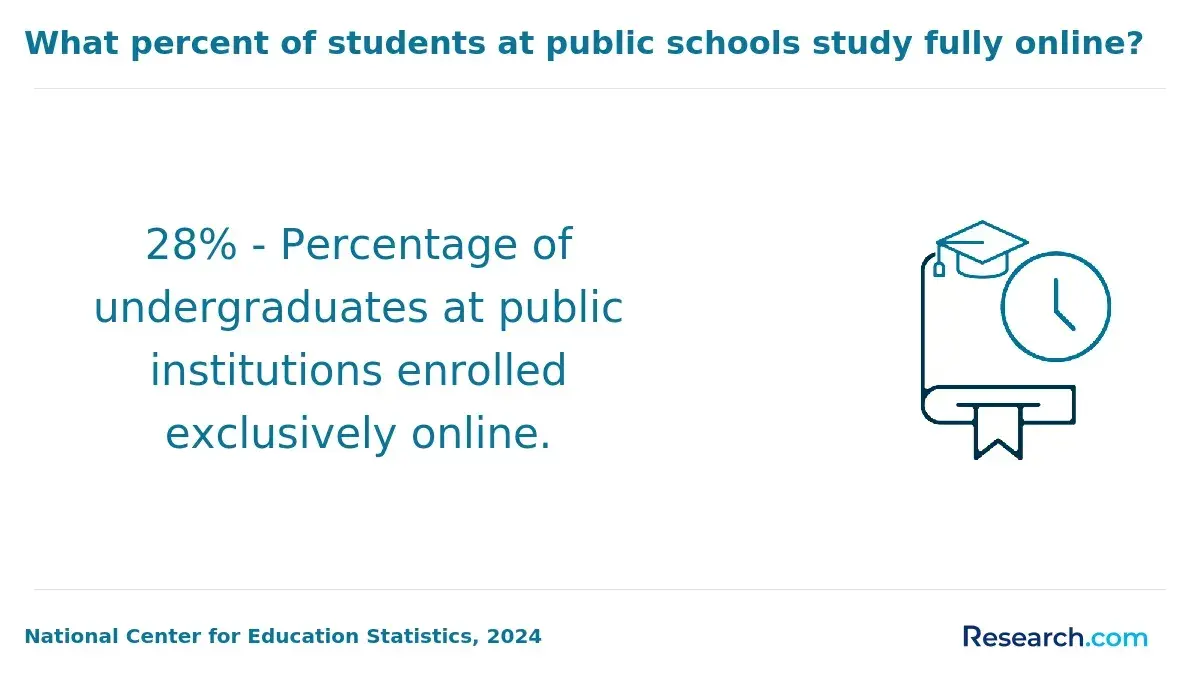
Many candidates integrate studies with ongoing employment, leveraging online program flexibility-over one-third of U.S. undergraduates now study exclusively online according to the National Center for Education Statistics as of fall 2024. This flexibility is critical for working professionals but adds complexity to time management, especially when internships or practicums reduce billable work hours.
Financial options include federal Pell Grants targeting low-income undergraduates, loans requiring rigorous repayment oversight, and employer tuition reimbursement plans contingent on post-graduation retention. Specialized scholarships are rarer and typically found through industry groups or REALTOR® associations.
Decision-making should reflect local labor market realities: metropolitan brokers command premiums that can justify higher educational investment, whereas rural or secondary market candidates may benefit from affordable credentials tailored to local licensing requirements. Evaluating total cost, including opportunity costs and projected salary gains, is essential for an informed pathway into brokerage management.
What careers can I pursue with a real estate degree focused on brokerage management?
Brokerage management degrees in real estate position graduates for operational leadership roles that differ significantly from traditional agent or sales careers. These roles demand expertise in overseeing multiple facets such as agent performance, regulatory compliance, client relations, and financial operations. For example, a brokerage manager in a metropolitan setting must balance recruitment, training, and technology integration while navigating complex state licensing laws. Conversely, commercial brokerage managers often focus on lease administration and vendor contracts across multiple sites.
This occupational shift typically trades direct sales commissions for a more stable salary-plus-bonus compensation tied to operational outcomes. According to the U.S. Bureau of Labor Statistics, the median annual wage for administrative services and facilities managers-relevant benchmarks for brokerage roles-was $104,900 in May 2025, reflecting higher earning potential than entry-level agent commissions, though with greater accountability.
Key workforce implications include mastering stringent regulatory frameworks, dispute resolution, and strategic alignment with market dynamics. Employers expect candidates to demonstrate solid knowledge of real estate laws, operational systems, and financial controls, often validated through internships or real-world projects.
- Operational leadership replaces transactional sales focus
- Broadened scope includes compliance, vendor management, and team dynamics
- Increased accountability for legal and financial risk mitigation
Graduates adept in these areas support brokerage scalability and sustainable profitability, bridging gaps between agents and corporate strategy within competitive markets.
What salary ranges and job outlook can real estate brokers and managers expect?
Brokerage management roles in real estate present a volatile income landscape shaped by market size, commission structures, and managerial responsibilities. Brokers in commercial sectors often balance fixed salaries with deal-based bonuses, while those focused on residential markets depend heavily on commissions, resulting in greater earnings fluctuations. For instance, a manager operating in a smaller market might earn roughly $55,000 annually but gain leadership experience essential for career mobility.
The U.S. Bureau of Labor Statistics projects a 7% job growth for real estate brokers and managers through 2032, reflecting sustained demand for expertise in property transactions and portfolio complexity. However, salary ranges remain wide-median earnings vary from $60,000 to $110,000, with top metropolitan earners surpassing $150,000. Success depends not only on local market dynamics but also on licensing status and education.
Educational pathways offer critical leverage in this field, especially programs focused on brokerage management that are both affordable and time-efficient. For example, Western Governors University's tuition of about $3,830 per six-month term allows for controlled educational debt, a significant factor since real estate income initially fluctuates as client bases develop. Such programs facilitate midcareer transitions by accommodating working professionals through self-paced formats.
Employers increasingly favor candidates with formal states of licensure and structured education due to regulatory nuances and operational complexity. Prospective students must balance ongoing certification costs, networking efforts, and market volatility against these credentials' potential to stabilize and elevate earnings.
How can I choose the best online real estate brokerage management program for my goals?
Choosing an online real estate brokerage management program requires assessing whether its curriculum precisely matches the legal, operational, and market realities you will face. For instance, professionals who aim to specialize in commercial brokerage need targeted instruction in commercial real estate law and transaction management rather than broad residential topics. This focus is essential given the tight U.S. housing market and the persistent demand for brokerage and property-management expertise.
Accreditation and alignment with state licensing criteria are non-negotiable factors; without them, the program may not qualify you for legal broker or manager roles. Programs endorsed by recognized licensing boards and staffed by faculty with frontline brokerage experience bridge theory with the practical competencies employers expect. This differentiation matters in hiring decisions and day-to-day responsibilities.
Flexibility in course delivery-such as asynchronous modules combined with scheduled live workshops-must accommodate the realities of working professionals balancing multiple obligations. The projected 7% growth in real estate management jobs through 2030 confirms the value of selecting programs offering strong placement support or industry networking, which significantly impact employability and career trajectory.
When weighing cost, factor in the availability of career services and the strength of industry connections; a lower tuition may extend your time to reaching senior positions if those resources are lacking. Strategic program selection involves evaluating these tradeoffs to align educational investment with your targeted career pathway.
Other Things You Should Know About Real Estate
A real estate degree with a brokerage management concentration is not universally required to obtain a broker license, as state requirements are highly variable. However, completing such a program can significantly reduce the amount of pre-licensing education needed and strengthen your readiness for the broker exam and managing a brokerage. Prioritize programs that align well with your state's licensing rules to avoid redundant coursework and to ensure a smoother transition to licensure and employment.
Online real estate degrees with brokerage management concentrations often provide flexible scheduling but require substantial self-discipline and commitment. The coursework can be as challenging as traditional programs, as it demands mastery of core concepts like property law, finance, and managerial skills, all of which are crucial for a successful brokerage career.
Employer acceptance of online real estate degrees with brokerage management concentrations depends on the program's reputation, accreditation, and demonstrated skill application. Many firms prioritize candidate experience and proven knowledge over purely the mode of education. Candidates should emphasize internships, licensing status, and applicable skills from their program when interviewing, as employer focus remains on practical readiness to manage brokerage operations effectively, not just degree format.
Yes, continuing education is crucial due to ongoing regulatory changes and evolving market practices affecting brokerage management. A degree provides foundational knowledge but will not cover all shifts or advanced leadership skills needed over time. Prioritize programs that either integrate pathways for professional development or are recognized by industry bodies offering post-degree certifications to maintain competitive and compliant brokerage management capabilities.
References
- How Long Does It Take To Become a Real Estate Agent? | 360training https://www.360training.com/blog/how-long-does-it-take-to-become-a-real-estate-agent
- What's Different About an MBA in Real Estate? https://online.longwood.edu/business/mba/real-estate/whats-different/
- Online Real Estate Broker Licensing Courses | Champions School https://www.championsschool.com/real-estate/online/broker-license/
- Online vs. In-Person Real Estate Classes: Which is Right for You? https://keyrealtyschool.com/blog/online-vs-in-person-classes/
- Real Estate https://icieducation.com/courses/business/real-estate/
- 12 Careers in Real Estate (With Job Duties and Salaries) Beyond a Broker https://insightglobal.com/blog/real-estate-careers/
- General Business Studies with Concentration in Real Estate | UCLA Extension https://www.uclaextension.edu/real-estate/real-estate/certificate/general-business-studies-concentration-real-estate
- How Long Does It Take to Become a Realtor? - Charles Rutenberg Realty https://gocrr.com/how-long-does-it-take-to-become-a-realtor/
- About Tristar Academy https://www.mytristaracademy.com/real-estate-education/how-to-choose-the-right-real-estate-broker
- Managing Broker Applied Practice Course https://www.bcfsa.ca/industry-resources/real-estate-professional-resources/education-and-licensing/licensing-education/managing-broker-applied-practice-course