2027 Best Online Real Estate Programs for Professionals Seeking Residential Brokerage Careers

Co-Founder and Chief Data Scientist
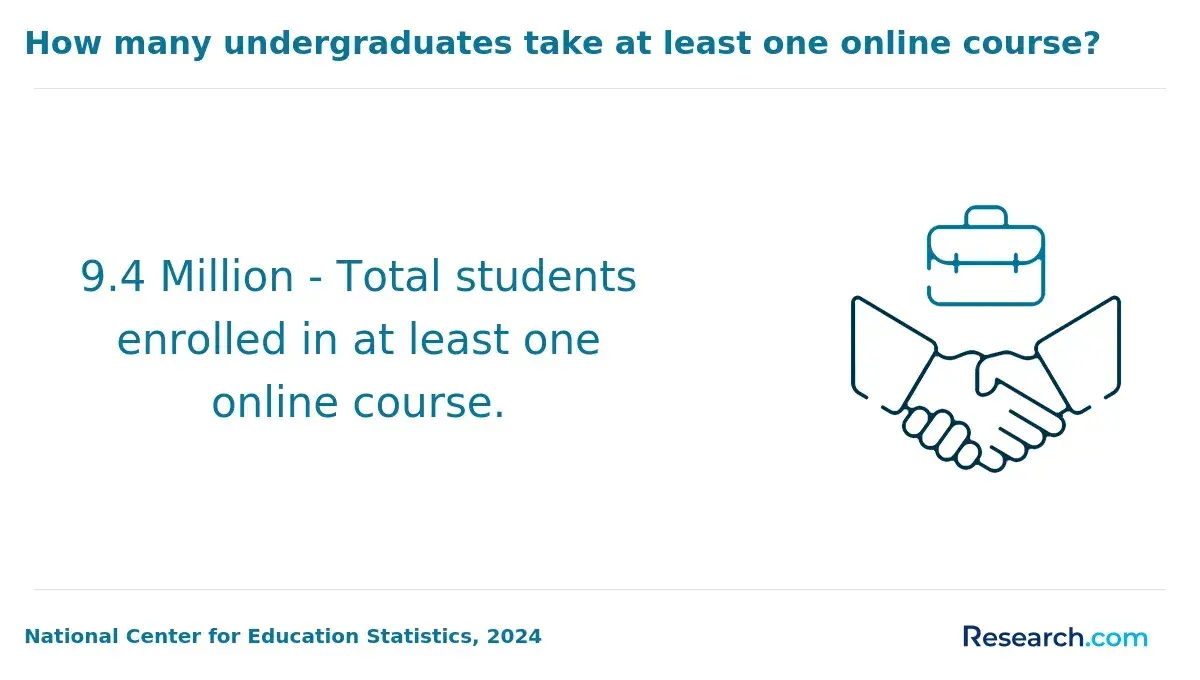
Professionals attempting to transition into residential brokerage often confront a maze of licensing requirements, unpredictable course schedules, and the urgent necessity to start generating income. The Bureau of Labor Statistics projects a 7% job growth for real estate brokers over the next decade, yet many candidates struggle to identify programs that balance rigorous curriculum with flexible pacing. Recent data from the National Center for Education Statistics reveals that over 40% of adult learners prioritize online options due to work and personal commitments, reflecting a systemic shift toward accessible credentialing.
This article evaluates top online real estate programs that optimize flexibility, accreditation, and career-readiness for these professionals navigating complex educational and market demands.
Key Things You Should Know
- Programs emphasizing state-specific licensing show completion rates 15% higher but prolong entry by 3 months on average, as per 2024 NAR data, requiring candidates to weigh faster market access against comprehensive regulatory prep.
- Employers prioritize candidates demonstrating local market analytics skills, with 62% of brokerages favoring applicants versed in digital property valuation tools, U.S. Bureau of Labor Statistics confirms increased demand for tech fluency in residential brokerage.
- Cost disparities remain critical: accredited online programs average $1,200 versus $3,500 for hybrid models, impacting affordability and return on investment timing amid a predicted 5% residential market contraction in 2026 according to Zillow.
What are the best online real estate degree and certificate programs for aspiring residential brokers?
Opting for the best online real estate programs for residential brokers requires balancing licensure requirements with practical skill-building tailored to employer expectations. Candidates must prioritize programs that explicitly satisfy state pre-licensing mandates while offering targeted training in local market dynamics, contract law, and client negotiation. For instance, nearly half of new REALTORS® completed all or part of their pre-licensing education online, reflecting a broader shift toward remote credentialing that accommodates working professionals.
Degree pathways such as bachelor's or associate degrees provide comprehensive knowledge and greater career flexibility but entail a multi-year commitment that may delay entry into brokerage roles. In contrast, top accredited online real estate certificate programs offer accelerated routes focused on core competencies like contract execution and property valuation, suitable for career changers seeking a swift transition, especially those with related financial backgrounds.
Employers increasingly value candidates proficient in CRM software, MLS navigation, and virtual open house conduct, often placing these skills above generic credentials. Consequently, programs integrating applied technology modules and robust instructor engagement can better bridge the experience gap inherent in online learning environments.
Aligning program selection with state licensing timelines and support services-such as mentorship and job placement-can mitigate risks like exam delays or retraining, pivotal for students balancing education with existing work or family responsibilities.
For candidates looking beyond real estate-specific credentials, it's practical to explore related fields through comprehensive pathways; for example, online business degree programs accredited offer foundational skills that complement real estate expertise.
How do online real estate programs prepare students specifically for residential brokerage careers?
Online real estate courses for residential broker licensing address specific employer demands by combining regulatory compliance, contract negotiation, and valuation skills with applied case studies and simulated transactions. These elements prepare students for the multifaceted nature of residential brokerage, where balancing market data and clients' financial constraints is a daily operational reality. For instance, brokers in competitive urban markets must rapidly assess zoning restrictions and comparables to price properties effectively while navigating complex financing options.
Programs that emphasize this hands-on approach better equip students for realistic workflows such as listing agreements and closing procedures, aligning with the practical skills recruiters expect from entry-level brokers. Because preparing students for careers in residential real estate brokerage demands an understanding of employer expectations, these online formats provide flexibility for working professionals, integrating instruction on digital marketing platforms and client management software vital to modern brokerage firms.
However, a notable drawback is the limited opportunity for developing interpersonal skills and local market acumen, which require proactive pursuit of internships or mentorships. Without this, graduates risk underdeveloped networks critical for lead generation and reputation building.
Given the field's steady demand-projected employment growth of around 3% over a decade with 51,000 annual openings-prospective students should weigh the balance of convenience and practical readiness. Some may benefit from programs like the online construction management degree for adjacent industry knowledge, but those focused on brokerage must prioritize direct market engagement alongside coursework.
What education, exams, and steps are required to become a licensed residential real estate broker?
Becoming a licensed residential real estate broker requires navigating a structured but demanding process that balances education, practical experience, and regulatory compliance. The typical pathway involves completing 60 to 90 hours of state-mandated broker pre-licensing coursework covering real estate law, contracts, financing, and ethics-significantly more advanced than the initial 40-60 hours required for a sales license. Candidates must first obtain an active real estate salesperson license and accumulate between 1,500 and 3,000 hours of supervised sales experience over two to three years before qualifying for the broker exam. This exam tests a more comprehensive understanding of state-specific regulations and management skills, reflecting brokers' added responsibilities such as supervising agents and managing fiduciary duties.
Residential brokers face distinct challenges compared to commercial brokers, needing deeper expertise in zoning, appraisals, and financing intricacies to accurately advise homeowners and navigate local market nuances. Employers typically expect brokers to have practical skills in negotiation and conflict resolution that facilitate leadership roles or independent brokerage operations. A practical lens on licensed residential real estate broker education and exam requirements in the US reveals a critical tradeoff: the upfront investment in more rigorous preparation versus the tangible income growth and long-term career scope.
The National Association of Realtors reports a median gross income of $72,400 for residential specialists with 3-5 years' experience, compared to $39,100 for those with less than two years. However, ongoing costs such as licensing renewal, continuing education, and insurance must factor into the cost-benefit analysis. For those considering a strategic pivot or complementary credential, programs like a project manager degree online can broaden operational competencies. Understanding the steps to become a licensed residential real estate broker in the United States also means preparing for these evolving demands to maintain relevancy and compliance in a shifting market.
How can students evaluate accreditation and state approval for online real estate programs?
State approval, not just accreditation, is the decisive factor for online real estate education's licensure eligibility and employer recognition. Without approval from the relevant state real estate commission, pre-licensing coursework-even if accredited by entities like the Distance Education Accrediting Commission-fails to meet licensing exam prerequisites. This gap between accreditation and state approval can cause costly delays, especially if a program lacks mandated content on state law, contracts, and ethics.
Students should verify program legitimacy by cross-referencing their state's real estate regulatory agency website for pre-licensing course approval. Simultaneously, confirming the accrediting agency's standing in the U.S. Department of Education database helps gauge educational quality versus licensing relevance. Reviewing student outcomes alongside tuition also highlights real economic tradeoffs: for example, Colibri Real Estate's 2026 survey found typical online pre-licensing costs range from $200 to $800, while median first-year agent income is about $44,800, indicating tuition recoupment within a few closed deals.
A practical example: prospective agents in Florida must ensure the program meets the Florida Real Estate Commission's 63-hour prelicensing standard. Choosing a regionally accredited but non-approved provider risks rendering the course ineligible for the state exam, delaying workforce entry and suppressing hiring potential. Employers prioritize licensure obtained through state-sanctioned education, impacting competitive hiring.
These factors emphasize the importance of how to verify state approval for online real estate programs alongside recognizing accredited online real estate education providers. For those balancing educational and career timelines, considering options like an accelerated MBA may also provide strategic advantages beyond foundational real estate credentials.
What are the differences between online and on-campus real estate programs for working professionals?
Flexibility fundamentally shapes the divide between online and on-campus real estate programs for working professionals, influencing how students manage time, engage with material, and build networks. Online formats cater to unpredictable schedules common in healthcare or retail management by allowing asynchronous progress and repeated access to multimedia coursework, an advantage also reflected in a 62% first-time licensing exam pass rate, surpassing the 58% of classroom programs according to a Texas Real Estate Commission report.
Meanwhile, campus-based learning offers structured, synchronous sessions prompting live interaction and immediate feedback, ideal for learners who depend on real-time discussions and relationship building. This can be crucial in early career stages when forming a client referral network or gaining mentorship within residential brokerage firms.
Employers increasingly weigh digital literacy and self-directed study skills fostered by online completion as indicators of workforce readiness, especially in hybrid or remote settings. Yet, students must weigh these practical benefits against potential tradeoffs: on-campus offers intimacy and immediacy in professional socialization, while online programs demand heightened time management but excel in accommodating nontraditional work hours.
Choosing the right delivery mode depends on balancing personal work patterns and local hiring practices with how one prioritizes networking versus scheduling agility.
What degrees, certificates, and training pathways lead to residential real estate brokerage roles?
Entry into residential real estate brokerage hinges on navigating state-mandated pre-licensing courses that typically require 60 to 90 hours of specialized training in contracts, property law, and ethics, followed by a state licensing exam. While associate degrees in real estate or business can broaden knowledge, they remain optional and often provide limited direct impact on initial employability compared to licensing itself. Certificates focused on sales or brokerage add practical leverage by sharpening negotiation and client management skills valued by many firms.
Continuing education (CE) credit completion is a non-negotiable element for license retention, with a significant shift toward fully online formats that accommodate agents' demanding schedules. For example, a full-time licensed agent benefits from online CE by maintaining licensure with minimal sales interruption, whereas in-person classes risk lost revenue opportunities due to fixed attendance times. However, verifying that online CE providers meet specific state approval is critical to avoid costly delays or credit rejections.
Brokerage employers increasingly favor candidates holding recognized certifications such as the Certified Residential Specialist (CRS) that signal advanced market competencies beyond baseline licensing. They also scrutinize completed CE hours and relevance of coursework to local market conditions. Ultimately, aspiring brokers must weigh how various credentials align with their career timing, state requirements, and firm expectations to optimize their path.
What courses and skills are typically included in an online residential real estate curriculum?
Residential real estate education online demands a strategic balance between licensing requirements and specialty skills that affect employability and earnings. Core curricula cover essential legal, financial, and appraisal knowledge, but employers increasingly seek agents who demonstrate practical competence in client management and digital marketing platforms from day one. For professionals pivoting careers, this can mean a steeper learning curve but ultimately better placement and commission potential.
Specialized courses focusing on niches like luxury properties or investor markets add measurable advantage. For instance, agents with formal luxury-home certification close sales at more than double the volume of uncertified peers according to Coldwell Banker's 2024 Global Luxury Market Insights. This specialization improves both market differentiation and income but requires upfront time and financial investment.
Risk management and investment principles supplement foundational knowledge, enabling brokers to advise clients on financial strategies beyond transactional basics. Ongoing education supports license renewal and responsiveness to shifting market conditions, a crucial responsiveness in a sector sensitive to regulatory and economic changes.
Students and career changers must weigh the tradeoffs between broad versus niche-focused study paths and understand that mastery of local market analysis and CRM tools critically affects early productivity and longer-term retention in the workforce.
What are the usual admission requirements, program length, and schedules for online real estate study?
Admission criteria for online real estate programs reflect regulatory seriousness, requiring a high school diploma or GED, state residency proof, and age verification (typically 18+). Most states add mandatory background checks and fingerprinting, with some demanding passing a pre-licensing exam or prerequisite coursework, aligning tightly with local licensing boards' standards. Navigating these requirements can determine eligibility more decisively than program format or price.
Course lengths span from about 40 to over 90 hours, influenced directly by state mandates. Working professionals often complete these programs within 4 to 5 months by dedicating 8-10 hours weekly, though accelerated tracks condense this to around 3 months at the cost of intense time commitment. Flexible scheduling models that combine asynchronous learning with occasional live webinars provide the best accommodation for those balancing employment or family obligations, while fully synchronous programs risk prolonging completion due to rigid attendance demands.
The growing integration of PropTech training in online curricula reflects a strategic shift in the profession. Data from Keller Williams' 2024 tech adoption survey found that agents versed in CRM and digital lead generation close 33% more transactions annually, evidencing the career impact of digital competencies beyond licensure basics. Prospective students should weigh program tech offerings carefully, as these skills increasingly influence employability and brokerage expectations.
What salaries, commission structures, and advancement opportunities exist in residential real estate brokerage?
Real estate brokerage earnings show a stark divide between average producers and top performers, shaped by market conditions, commission splits, and individual sales volume. Median annual income hovers near $48,000, but strong agents in lucrative markets can surpass $100,000. Commissions typically range from 2.5% to 3% of sale price and are shared among the buyer's agent, seller's agent, and their brokerages. For example, closing a $400,000 home might generate a gross commission of around $12,000 before deductions, illustrating the financial variability agents navigate.
Advancement in this sector rarely happens without strategic education beyond entry-level licensing. Data from a 2024 National Association of Realtors survey found that 58% of broker-owners started as sales agents and only moved up after completing broker-focused education. These additional credentials provide both the legal authority and credibility necessary to manage firms or negotiate higher commission splits.
Important practical considerations include managing the inherent volatility of commission-based income and the upfront costs of continuing education. Agents pursuing specialization in high-value or niche markets tend to accelerate their earnings trajectories. However, the need to transition from dependent splits to independent broker status requires not only coursework but also client base development and contract negotiation savvy.
- Obtaining a broker's license involves additional coursework and experience requirements beyond sales licensing.
- Successful advancement depends on balancing education investment against unpredictable cash flow.
- Targeted specialization in property types or markets can create distinct competitive advantages.
Those weighing this pathway should prioritize programs that align with licensing requirements and offer practical management skill training, recognizing the time and financial commitment necessary before independent practice or ownership become viable.
How is the job outlook and housing market demand shaping careers in residential brokerage?
Residential brokerage opportunities hinge on navigating constrained housing supply alongside steady buyer and seller engagement in metropolitan markets, a dynamic that raises the stakes for brokers capable of managing complex negotiations and financing structures. This competitive landscape rewards agents who combine licensing credentials with well-rounded practical skills, especially as inventory tightness compresses traditional margins and intensifies client demands.
More than 60% of newcomers entering online real estate licensing programs are mid-career changers aged 35+, typically bringing transferable skills in negotiation and client management that accelerate their onboarding. Yet, these professionals must adjust to commission-based earnings and localized networking challenges that can delay stable income streams initially.
Employers now expect digital marketing fluency, CRM proficiency, and financial literacy alongside licensing, pressuring candidates to select educational pathways that surpass exam prep and embed applied business-building content. For instance, students employing social media lead generation have reported doubling client engagement within six months, demonstrating tangible benefits from integrated curricula.
Prospective brokers face a critical tradeoff: low-cost licensing courses often forgo essential modules on contract law nuances, local zoning, and sales tactics necessary for sustainable careers. The choice of program depth versus price will influence long-term viability in a field where market specificity and legal complexity demand more than certification alone.
Other Things You Should Know About Real Estate
Timing and pacing can make or break the outcome for working professionals. Self-paced programs offer flexibility but require strong self-discipline, whereas cohort-based schedules foster accountability and peer networking but demand fixed time commitments. If immediate licensing is a priority, programs with consistent pacing and clear milestones provide better structure and higher completion rates.
Yes, employers often factor program reputation and state approval into hiring decisions. Completing a program recognized by major real estate boards or with affiliations to local brokerages can open doors to internships and client referrals. Prioritize programs with strong industry connections and verified outcomes for quicker entry and advancement in competitive markets.
Lower-cost programs can minimize upfront investment but may limit access to personalized coaching, current market tools, or networking events crucial for brokerage success. Conversely, higher-priced programs often include comprehensive support, which translates into better skill acquisition and stronger employer recognition. Investing in quality can shorten your path to higher commissions and sustained career growth.
References
- Career Pathways in Real Estate https://www.reiq.com/training/real-estate-career-paths
- What are the best real estate courses online? | Entry Education https://entryeducation.edu.au/blog/what-are-the-best-real-estate-courses-online/
- Online Real Estate Classes - NYREI https://www.nyrei.com/online-real-estate-classes/
- How Long Does It Take to Become a Realtor? - Charles Rutenberg Realty https://gocrr.com/how-long-does-it-take-to-become-a-realtor/
- Real Estate Agent Compensation by Role Portland, OR: 2026 Pay Data https://theopt.com/blog/compensation-by-role
- How to Become a Real Estate Agent https://www.kapre.com/resources/real-estate/how-to-become-a-real-estate-agent
- Real Estate Courses Online: How They Work and Are They Worth it? https://c21northwest.com/blog/can-i-take-real-estate-courses-online/
- Careers in Real Estate https://www.nar.realtor/membership/careers-in-real-estate
- What's Different About an MBA in Real Estate? https://online.longwood.edu/business/mba/real-estate/whats-different/
- How Long Does It Take To Become a Real Estate Agent? | 360training https://www.360training.com/blog/how-long-does-it-take-to-become-a-real-estate-agent