2027 Best Online Real Estate Degrees for Real Estate Finance Careers

Co-Founder and Chief Data Scientist
Landing a role in real estate finance demands not only relevant knowledge but also credentials recognized by employers who prioritize candidates with versatile, advanced skills. Many working professionals face the challenge of balancing full-time employment, family commitments, and the need for flexible learning schedules. According to the National Center for Education Statistics, the rise in adult learners enrolling in online degree programs surged by over 14% in 2024, signaling a clear shift toward accessible, asynchronous education models. This trend reflects widening demand for programs that enable quick skill acquisition without career disruption. This article evaluates the best online real estate degrees designed to equip aspirants with practical finance expertise while accommodating real-world constraints, helping readers make informed enrollment decisions aligned with employment outcomes.
Key Things You Should Know
- Programs emphasizing financial modeling and urban economics report 15% higher placement in commercial real estate finance roles, reflecting employer demand for quantitative skills over general management knowledge.
- Employers prioritize candidates with CFA-aligned curricula, indicating a field-wide shift toward integrating investment analytics in real estate finance, raising the entry barrier for traditional real estate degrees.
- Online degrees averaging $35K with 18-24 months completion times pose tradeoffs between accelerated entry and reduced networking, influencing mid-career professionals' ROI compared to part-time local alternatives.
What is an online real estate degree with a real estate finance focus?
Focused online real estate degree programs with an emphasis on real estate finance build specialized financial expertise tailored to property markets, rather than presenting a generalist business or real estate education. This distinction matters when the task requires navigating complexity such as investment structuring, risk quantification, and capital markets instruments unique to property portfolios. For example, underwriting commercial mortgages demands skills not interchangeable with corporate finance due to idiosyncratic market cycles and regulatory factors.
Graduates typically find opportunities in sectors where financial analysis and real estate insight intersect, including underwriting, portfolio management, and REIT analysis. Employment data from the U.S. Bureau of Labor Statistics projects an 8% growth for financial analysts over the decade ending in 2032, indicating steady demand for professionals who combine these cross-disciplinary skills amid expanding urban development and infrastructure financing.
Those evaluating online programs for real estate finance careers must weigh program flexibility against the need for access to real-world financial modeling tools and professional certifications like CFA or CCIM. Online delivery offers schedule adaptability but may limit networking and hands-on exposure, making internship integration and applied case studies crucial to building relevant competencies.
For prospective students also considering broader non-specialized paths, resources such as an accelerated online associates business degree can provide an alternative foundation before narrowing to real estate finance. Selecting a focused education pathway should reflect both immediate career demands and long-term positioning within increasingly sophisticated real estate investment markets.
How can an online real estate degree prepare me for real estate finance careers?
Targeted financial analysis skills and the ability to translate complex real estate data into actionable investment decisions define the practical value of an online real estate degree. For instance, professionals evaluating commercial mortgage-backed securities must integrate real estate fundamentals with financial instruments-an intersection that many programs prioritize. How an online real estate degree develops essential skills for real estate finance careers hinges on its coverage of property valuation, risk assessment, and capital markets, combined with applied coursework involving real market scenarios.
Students also acquire proficiency in financial modeling and industry-standard software tools critical to forecasting investment returns and cash flow, addressing a key employer expectation: readiness to apply theory amid market volatility. Benefits of online real estate education for starting a career in real estate finance include program flexibility, enabling professionals to manage ongoing job demands. However, verifying the availability of networking or mentorship options is necessary given the competitive compensation landscape, where median salaries for securities, commodities, and financial services sales agents reached $80,390 in 2023, with top performers exceeding $212,270.
Evaluating program alignment with licensing requirements and certifications like CFA or CCIM prevents credential redundancy and skill gaps. Those considering a pivot should prioritize curricula emphasizing real estate finance tools over generic business finance. Prospective students may also explore complementary paths, such as an MBA operations management, to broaden managerial competencies in related sectors.
What types of online real estate degrees are best for real estate finance jobs?
A career pivot to real estate finance demands more than a generic property management degree; it requires targeted expertise in financial modeling, valuation, and capital markets to meet employer expectations. The best online real estate degrees for finance careers emphasize integration of coursework in economics, quantitative analysis, and real estate market behavior, often through programs titled Bachelor of Science in Finance with a real estate concentration or Bachelor of Business Administration in Real Estate Finance.
General real estate programs focusing on sales or property operations frequently lack the rigorous analytical skill set employers seek, such as advanced Excel proficiency and the ability to dissect cash flow projections and risk metrics. Graduates without this financial foundation face significant challenges navigating increasingly quantitative hiring processes in commercial real estate finance roles.
For professionals transitioning fields, selecting top online real estate finance degree programs that incorporate case studies, underwriting projects, and internship opportunities-often through partnerships with investment firms-can accelerate practical learning and employment readiness. These hands-on elements bridge theory with applied skills critical in roles like asset management and portfolio analysis.
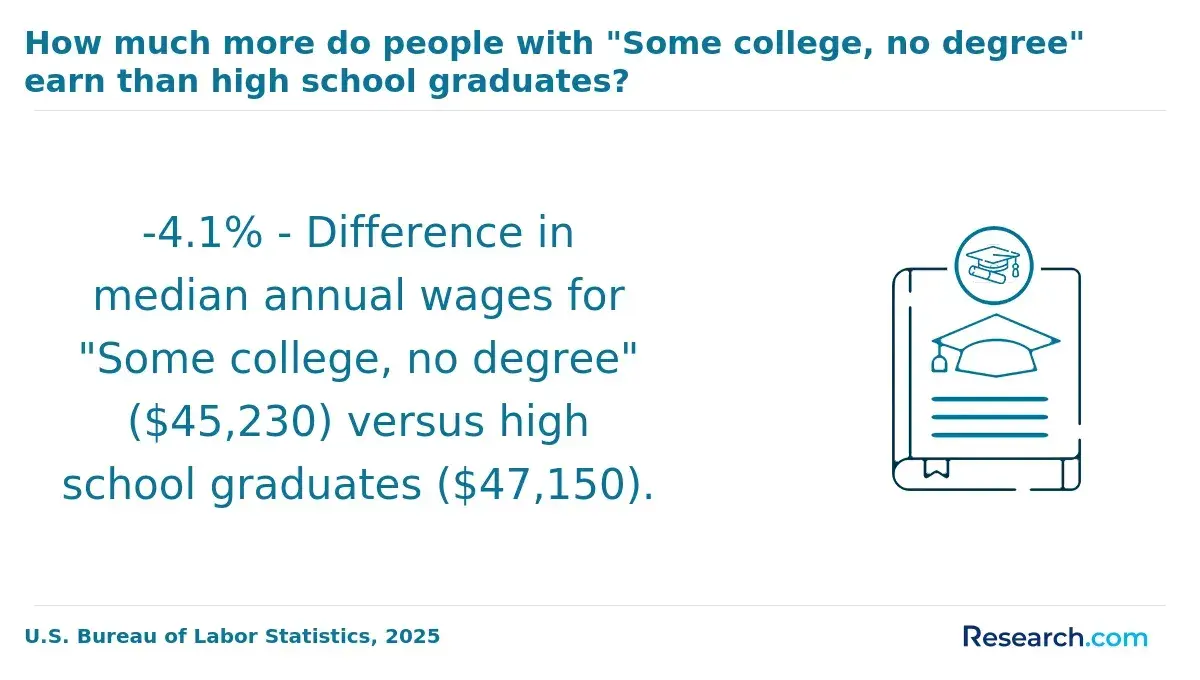
Data from the Georgetown University Center on Education and the Workforce shows finance-oriented business majors earn roughly $900,000 more over their lifetimes compared to high school graduates. This highlights the practical value of finance-centered real estate education over generalized degrees.
Those exploring new educational pathways might also consider degrees in project management to complement finance skills within real estate development and operations.
How do online real estate finance programs compare with on-campus options?
The practical decision between online real estate finance degree programs versus traditional campus options centers on tradeoffs in flexibility, networking, and market integration. Online formats have gained acceptance, evident in a 40% rise in enrollment from 2022 to 2024, and deliver comparable academic rigor, positioning graduates competitively for roles in property investment analysis, valuation, and finance management.
However, the differences between on-campus and online real estate finance education extend beyond content. On-campus programs provide direct access to localized job markets, internships, and alumni networks-advantages critical for professionals transitioning into regional hubs like Dallas, where face-to-face relationships heavily influence opportunities. Conversely, online students must actively cultivate external connections through industry events and virtual platforms to compensate for these gaps.
Additional factors favoring online study include accelerated completion timelines-often up to 20% faster-and cost savings related to commuting and relocation. Yet, online pathways demand deliberate strategies to build mentorship and community, areas where traditional programs have structural advantages.
For those evaluating the best option, balancing time-to-employment with meaningful regional integration is key. Employers increasingly weigh skills and certification over instructional delivery mode, underscoring the viability of online credentials when paired with proactive networking. Similar considerations apply across fields, as seen in online health information management degree programs CAHIIM accredited, where format choice impacts access and outcomes.
What courses and skills are taught in online real estate finance degree programs?
Real estate finance degree programs balance technical financial skills with industry-specific regulatory knowledge, shaping graduates to meet exacting employer demands. Candidates must demonstrate fluency in discounted cash flow analysis, market assessment, and portfolio management, applied through case-based learning that mirrors investment analyst responsibilities, such as evaluating buy or sell recommendations based on diverse market variables.
Key competencies extend beyond finance to include understanding zoning laws, tax impacts, and lending mechanisms. Mastery of Excel and specialized financial software is non-negotiable, as data-driven decision-making increasingly governs real estate funding strategies.
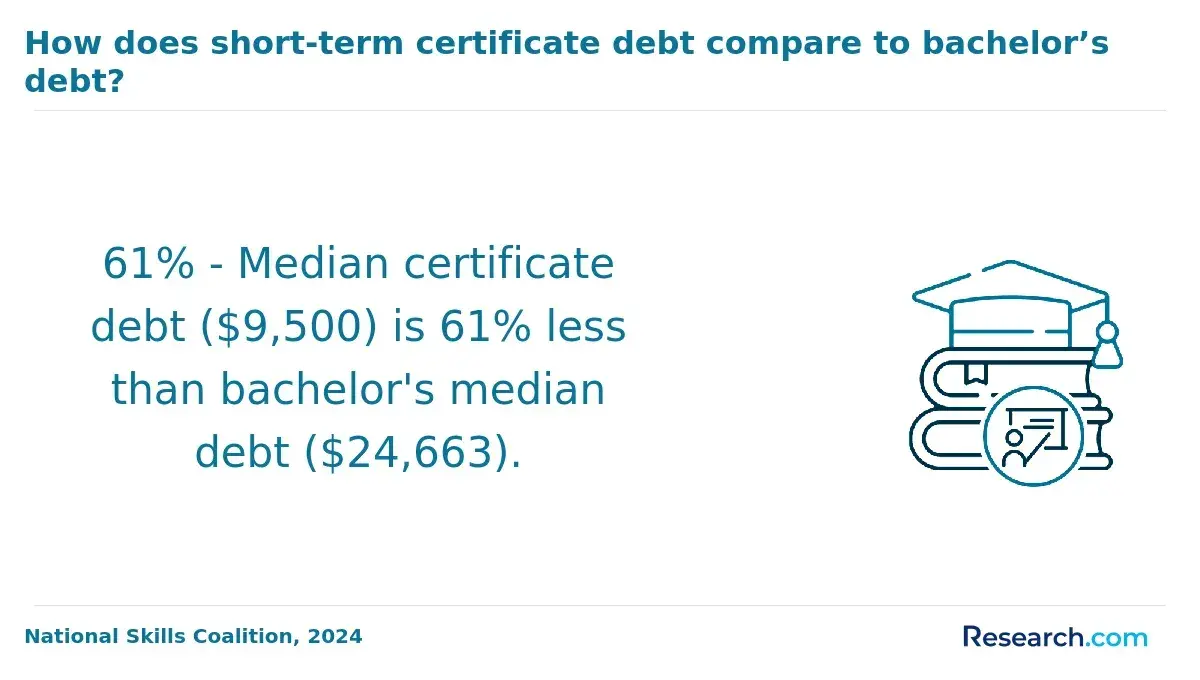
Students and mid-career professionals face clear cost-versus-depth tradeoffs. Tuition varies from $300 to $600 per credit hour, which can amount to a $36,000 differential for a 120-credit bachelor's degree. This range influences the net return on educational investment, affecting affordability and potential income disruption during acquisition.
Programs that adopt modular, flexible structures offer targeted skill acquisition, reducing redundancy and accommodating working professionals. Given employers' preference for combined expertise in finance, market strategy, and legal frameworks, such focused curricula can accelerate workforce integration without sacrificing rigor.
What admission requirements and prerequisites do online real estate finance degrees have?
Admission into online real estate finance programs typically requires a bachelor's degree paired with a minimum GPA around 2.5 to 3.0, although more competitive institutions may demand higher academic standing. Applicants often must submit transcripts, standardized test scores like the GRE or GMAT when required, and professional recommendations. Industry experience, especially for working professionals, can sometimes substitute for standardized testing or strengthen an application, offering a pathway that aligns with real-world expertise rather than purely academic credentials.
Prerequisites usually involve a foundation in accounting, statistics, and financial analysis. Without this, candidates often face added bridge courses, extending time and cost commitments. For example, a mid-career professional transitioning into real estate investment analysis should assess whether prior experience satisfies these requirements to avoid unexpected delays and expenses.
Costs vary dramatically-from approximately $107.50 per credit hour at economy programs to over $780 at premium ones-forcing candidates to balance price against expected return on investment. Admission committees prioritize applicants whose backgrounds and career goals demonstrate readiness for data-intensive roles like underwriting or portfolio management, where a shallow finance foundation can create steep post-graduation challenges.
Key considerations include:
- Confirming prerequisite alignment early to prevent admission setbacks
- Recognizing that standardized tests may or may not be waived based on experience
- Evaluating tuition relative to practical benefits and time-to-credential
These factors critically influence the overall feasibility and effectiveness of the degree as a strategic career move in the real estate finance sector.
How long do online real estate finance degrees take and what do they cost?
Most employers in real estate finance insist on a bachelor's degree, with about 37% of brokers identifying this requirement, which directly affects eligibility for roles involving investment analysis or portfolio management. Completing a typical online real estate finance degree generally takes four years full-time; however, balancing work or family often extends this to five or more years under part-time enrollment. This tradeoff means professionals face a timing dilemma: accelerate education to access better-paying positions sooner or preserve income streams by studying more slowly, risking delayed advancement in a competitive job market.
Cost structures vary widely. Public universities charge between $9,000 and $15,000 annually for in-state students, while private schools often exceed $25,000 per year. Total program expenses can range from roughly $36,000 to over $100,000, with online formats reducing some ancillary costs like commuting but rarely offering substantial tuition discounts. Additional costs include textbooks, specialized software, and technology necessary for finance coursework.
Choosing accredited programs recognized by the finance or real estate sectors is critical to ensure practical value and alignment with employer expectations. Without formal education, candidates limit their opportunities in increasingly credential-focused markets. Those weighing real estate finance degrees must consider not only financial and time investments but also their long-term earning potential and career mobility within the field.
How do accreditation and licensing affect online real estate finance degree value?
Accreditation is a decisive factor in the practical value of an online real estate finance degree, directly impacting eligibility for licensing and employer recognition. Without accreditation from agencies recognized by the U.S. Department of Education, graduates may encounter significant barriers when pursuing broker or appraiser licenses, as many state boards require coursework from accredited providers.
In states with strict licensing protocols, completing an unaccredited program can lead to disqualification from exams or demands for additional coursework, delaying entry into finance-focused roles. For example, a candidate shifting to a new jurisdiction often discovers that their online degree does not automatically meet local licensing requirements, necessitating redundant certifications and extended timelines.
Employers increasingly scrutinize online credentials, particularly as over 30% of students fully enroll online, which amplifies suspicion over non-accredited degrees. This is especially true in commercial real estate finance and mortgage underwriting, where regulatory compliance and verified education are prerequisites for advancement.
Students should prioritize programs with dual recognition-both by academically oriented accrediting bodies and state licensing agencies-to preserve degree utility in diverse real estate finance career paths. This strategy mitigates costly delays and ensures smoother transitions between roles or locations.
What salaries, job titles, and career paths follow a real estate finance degree?
Choosing a real estate finance degree shapes career trajectories by emphasizing analytical rigor over traditional sales roles. Starting salaries for positions such as financial analyst or acquisitions analyst range from $60,000 to $90,000, with experienced professionals in asset management or portfolio roles earning $120,000 or more. Unlike residential brokerage, institutional real estate demands advanced skills in financial modeling, market assessment, and capital structuring, especially as private real estate funds have doubled assets under management, exceeding $1.6 trillion recently.
Early-career roles focus on underwriting, data analysis, and forecasting, requiring proficiency in software like Excel and Argus. Mid-level professionals engage in deal structuring and risk management, often leading acquisition or disposition teams. Top-tier positions, such as chief investment officer or director roles at funds and REITs, prioritize strategic capital sourcing and portfolio oversight.
Choosing to pursue certifications such as CFA or CCIM should be aligned with targeted career paths: project finance expertise benefits development roles, while fund management emphasizes investor relations and compliance. Prospective students must weigh regional and sector salary disparities and prioritize internships within institutional real estate firms to gain relevant experience and improve employability.
Key workforce considerations include:
- Transitioning away from agent sales into fund or REIT asset management roles
- Adapting to sector-specific software and evolving financial instruments
- Navigating sector growth driven by institutional investment requiring deeper analytical capabilities
How can I choose the best accredited online real estate finance program for me?
Choosing an accredited online real estate finance program demands a focus on quantitative competencies that align with evolving market needs. Over 70% of professionals surveyed by PwC and the Urban Land Institute in their Emerging Trends in Real Estate 2025 report anticipate data analytics and AI-driven underwriting reshaping investment decisions within five years. This shifts the priority toward programs with rigorous training in financial modeling, data science, and AI applications for real-world employability.
For example, a working finance professional transitioning into real estate investment analysis must prioritize courses emphasizing AI underwriting and market analytics, while those aiming for asset management roles should target curricula covering capital markets and regulatory frameworks.
Practical considerations include program delivery formats that accommodate full-time work, such as asynchronous modules paired with simulations of market data. Equally important is accreditation by recognized agencies, which ensures transferability of credits and employer recognition. Career services offering internships or project-based learning enhance job placement potential substantially.
Students must weigh time-to-completion against curriculum depth: accelerated programs may omit emerging technology content, while extended programs demand more resources but yield comprehensive skill sets. Reviewing published graduate employment outcomes and third-party employer feedback provides an objective measure of program effectiveness.
Prospective students are advised to assess programs by their integration of practical tech skills, flexibility aligned to professional goals, and demonstrated workforce relevance in a market increasingly dependent on AI and data-driven decision-making.
Other Things You Should Know About Real Estate
A degree focused on real estate finance can significantly improve your employability in finance-driven roles like asset management or commercial underwriting, but only if the program includes substantial quantitative coursework. Degrees that emphasize financial modeling, investment analysis, and portfolio management are more valuable than those with a general real estate or sales focus. Consider programs that balance technical finance skills with real estate market knowledge to promote career mobility and salary growth.
When choosing an online program, prioritize those with asynchronous coursework and clear deadlines that accommodate full-time work schedules. Programs requiring frequent live participation or in-person residencies pose challenges for working professionals and can extend the time to completion. Evaluate how program pacing aligns with your job responsibilities and whether the workload intensity is manageable without compromising work performance.
When choosing for 2027, consider factors such as the program's accreditation, curriculum relevance to industry trends, flexibility for working professionals, faculty expertise, networking opportunities, and potential for internships. These elements ensure the degree aligns with current and future career demands in real estate finance.
Specialized real estate finance programs deliver targeted expertise that aligns directly with industry employer expectations and technical demands, improving job readiness in niche roles. However, broader business degrees with real estate electives offer greater flexibility for career shifts into other finance or management fields if your interests evolve. The choice depends on your career horizon: commit to specialization for immediate market relevance or opt for versatility if you anticipate multiple career pivots.
References
- Learn Real Estate Financial Modeling | Wall Street Prep Online Course https://www.wallstreetprep.com/self-study-programs/real-estate-financial-modeling/
- Free Beginner Real Estate Financial Modelling Course https://online.reia-edu.com/courses/free-real-estate-financial-model
- Guide to Online Real Estate Courses and Certificates | Teach.com https://teach.com/online-ed/short-courses/online-real-estate-courses/
- Real Estate Degrees Programs https://www.academicinfo.net/real-estate/
- 10 Best Paid Real Estate Jobs & Career Paths (2026 Guide) https://www.propphy.com/blog/best-paid-real-estate-jobs-career-paths-2026-salary-guide
- What are the best real estate courses online? | Entry Education https://entryeducation.edu.au/blog/what-are-the-best-real-estate-courses-online/
- Majors for Real Estate: What to Study and Why It Matters https://www.scu.edu/business/blog/careers/majors-for-real-estate/
- Worth Knowing: Master Real Estate Finance: Online Courses https://dl.iir.edu.ua/iir-news/master-real-estate-finance-online-courses-1767647679
- Careers in real estate: paths beyond buying and selling homes https://www.glion.edu/magazine/careers-in-real-estate/
- Deep Dive: Careers in Commercial Real Estate (Updated Nov 2025) https://www.adventuresincre.com/careers-in-real-estate/