2027 Best Online Real Estate Programs for Professionals Seeking Property Management Careers

Co-Founder and Chief Data Scientist
Professionals aiming to switch into property management often confront a clash between upskilling demands and rigid work schedules, complicating career advancement amid market volatility. According to the National Center for Education Statistics, over 40% of postsecondary enrollees in 2024 are adult learners balancing employment, underscoring the necessity for programs that seamlessly integrate flexibility with rigorous skill acquisition. This trend reflects broader workforce shifts favoring adaptable, competency-based education that respects real-world constraints without compromising industry standards. Recognizing these pressures, this article evaluates leading online real estate programs to help decision-makers identify options that optimize timing, accessibility, and employer-valued credentials to navigate this career transition effectively.
Key Things You Should Know
- Programs emphasizing state-specific property management law improve job placement by 27% according to 2024 NAR data, yet limit geographic mobility-a tradeoff critical for candidates targeting multi-state careers.
- Employers prioritize hands-on experience alongside credentials; BLS reports 68% of property managers require 2+ years of fieldwork, making purely online theoretical programs less competitive without hybrid options.
- Median online program costs vary widely, from $3,000 to $15,000, impacting time-to-certification; accelerated tracks shorten workforce entry by 30%, but often demand full-time commitment, affecting working professionals' feasibility.
What are the best online real estate programs for property management careers?
The demand for property management professionals outpaces the output of specialized degree programs, with fewer than 10 dedicated online real estate programs focusing solely on property management and graduating fewer than 250 students annually. Choosing the best online real estate programs for property management careers requires careful evaluation beyond generic curricula, emphasizing practical skills like tenant relations, leasing administration, property law, and maintenance coordination.
Generalist real estate degrees often leave gaps in regulatory compliance, operations, and vendor management knowledge, placing graduates at a disadvantage when entering commercial or multifamily property sectors. For instance, property managers overseeing multifamily complexes must expertly navigate housing laws and maintenance workflows, competencies seldom emphasized in broad real estate courses. Top accredited online real estate schools for property managers mitigate this risk by integrating case studies and simulations that replicate these sector-specific challenges.
Working professionals juggling schedules benefit from programs offering flexible pacing combined with rigorous practicums or internships, bridging academic theory and field realities. Employers prioritize candidates with demonstrated experience in property management software and landlord-tenant laws, marking these competencies as essential for hire. Students vetting programs would also do well to consider those that prepare them for operational budgeting and vendor contract management, not just textbook knowledge.
Given these nuances, prospective students might also consider complementary education in business fundamentals. A solid option could be pursuing an online degree business administration to strengthen financial and managerial acumen pivotal to property management leadership roles.
How do online real estate programs compare with campus options?
Choosing between online real estate programs vs campus learning involves evaluating significant tradeoffs in access, engagement, and market positioning. Working professionals benefit from the flexibility of online coursework, which accommodates property management duties such as remotely overseeing multiple assets, but this convenience often comes at the cost of reduced in-person networking and hands-on field experience crucial for roles demanding frequent client interactions and site visits.
Campus-based programs offer structured environments conducive to real-time collaboration, mentorship, and internships that can translate into stronger employer recognition and more seamless job placement in competitive markets. However, the differences between online and campus real estate courses are narrowing as online formats increasingly embed real-world simulations, virtual internships, and peer networking tools to offset limited face-to-face exposure.
Financial considerations also differ: online study often cuts commuting and housing expenses, enabling learners to allocate funds toward licensure and certification vital for property management professions. The workforce outlook remains robust, with the U.S. Bureau of Labor Statistics forecasting over 29,100 annual job openings for property and real estate managers from 2024 to 2034.
Prospective students evaluating pathways should reflect on their learning style, local job markets, and employer expectations. Those inclined toward immersive, high-contact roles might find campus instruction more directly aligned with immediate employment goals. Conversely, individuals seeking flexibility can consider an online construction management degree or similar programs integrating practical elements tailored to remote learning environments.
Which accreditations matter for real estate programs?
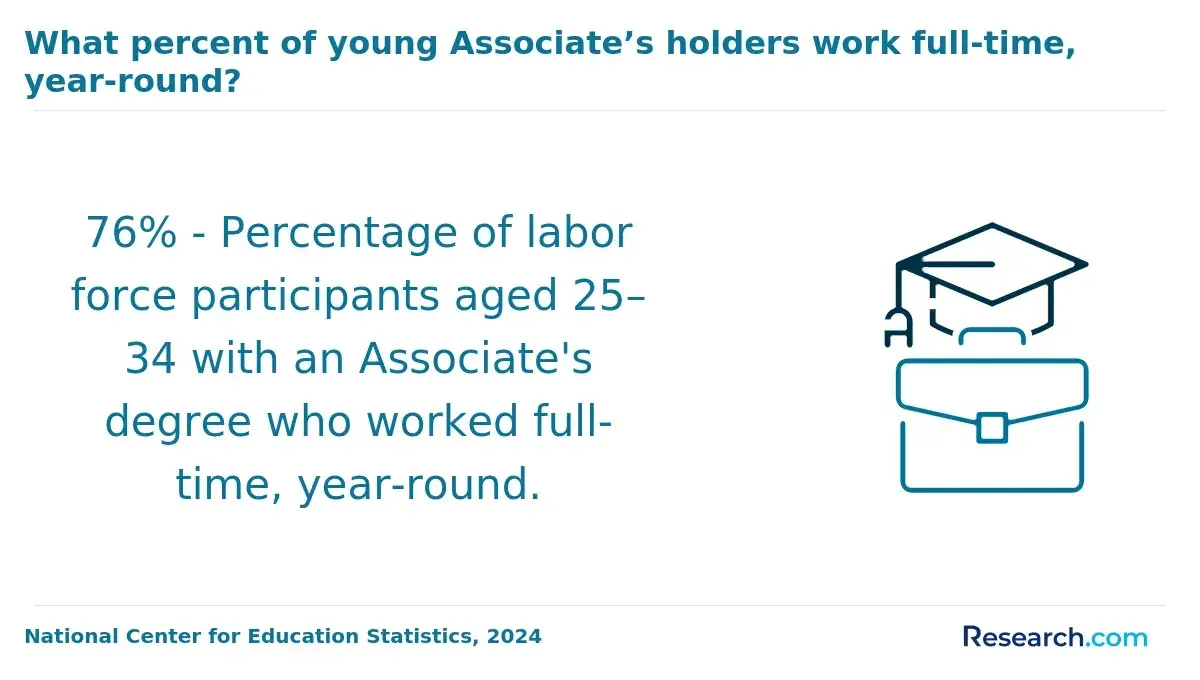
Employers increasingly expect candidates for property management roles to graduate from programs with recognized regional accreditation, as it directly impacts job readiness and hiring confidence. The distinction between top online real estate program accreditations in the US and lesser-known certifications can translate into meaningful differences in starting salaries and promotion potential. For example, graduates from non-accredited programs often face delays or limitations entering commercial property management, where expertise in federal housing regulations and financial analysis is critical.
Accreditation from professional bodies such as the Institute of Real Estate Management (IREM) or the National Apartment Association Education Institute (NAAEI) confirms alignment with industry standards and practical competencies. These credentials often facilitate quicker access to mid- and upper-level roles and are tied to fulfilling continuing education requirements needed to maintain licenses. Smaller residential firms, by contrast, may accept programs with broader accreditation if paired with state or local licensing.
Students pursuing the best accredited real estate property management certifications should prioritize programs combining regional accreditation with clear pathways to licensure within typical two-year timelines to avoid redundant coursework and credential overlap. This strategic approach minimizes career entry delays, especially for professionals pivoting into property management.
Wages for property, real estate, and community association managers averaged $66,700 annually in 2024, with the top tier exceeding $141,040. Graduates of unaccredited programs generally start lower on this curve. For those considering a broader skill set, comparing program costs and outcomes with the cheapest online master's in project management could present cost-effective alternatives for complementary expertise.
What courses are included in property management degrees?
Property management degrees emphasize practical skills directly aligned with workforce demands, often leading to multiple job offers before graduation, as noted by Cleveland State University. The core curriculum for property management programs consistently integrates property law, focusing on tenant-landlord regulations critical for compliance across varying jurisdictions. Financial management teaches budgeting and cash flow analysis for residential and commercial portfolios, supporting real-world decision-making in diverse operational contexts.
Risk management and maintenance coursework equip students to implement preventive strategies and manage emergencies-skills vital for controlling liabilities in multifamily housing or corporate real estate environments. Advanced topics in real estate economics provide analytical tools to assess market cycles and investment risks, allowing graduates to contribute meaningfully to asset acquisition or disposition strategies.
Marketing and leasing components develop negotiation and communication aptitudes that directly affect occupancy rates and revenue stability. As digital transformation reshapes the industry, technology-focused classes covering property management software and data analytics boost operational efficiency through informed portfolio and maintenance scheduling. Practical exposure comes via internships or practicum experiences, which help students navigate tenant disputes, vendor coordination, and regulatory inspections, augmenting professional readiness.
Those evaluating a property management degree course online should deliberate the balance of technical learning and interpersonal skills, mindful of workforce realities and employer expectations. For those seeking a complementary pathway in organizational leadership, best online master degree in human resource management options offer distinct but related skill sets applicable across Real Estate organizations.
What admission requirements do online real estate programs have?
Applicants aiming for a foothold in online real estate education must navigate distinct credentialing layers that influence employability and career trajectory. While a high school diploma suffices for many entry-level certificates, advanced property management credentials frequently require an associate or bachelor's degree alongside demonstrated experience. State licensing adds another complexity, often demanding age minimums, background checks, and completion of accredited pre-licensing courses that vary widely across jurisdictions.
This creates a practical tradeoff for career pivots: shorter certificate programs offer rapid entry with modest admission barriers but deliver limited leadership preparation, whereas degree programs mandate prior college credits and often necessitate relevant work history, positioning candidates more effectively for supervisory roles.
Employers in property management increasingly value applicants who marry formal credentials with hands-on experience, making hybrid programs featuring internships or practicums more competitive in hiring pools. The rapid expansion of digital learning opportunities-over 1,000 real estate-related courses listed on platforms like Coursera by 2026-further fragments the landscape, making accreditation and program fit critical selection criteria beyond mere accessibility.
Key evaluative factors include state-specific licensing requirements and logistical demands such as time commitment and technology proficiency for complex simulations or synchronous sessions. Overlooking these practicalities often results in stalled licensure or program dropouts, emphasizing the need for thorough upfront research before enrollment.
How long do online real estate programs usually take?
Choosing the duration and depth of real estate education is a strategic decision tightly linked to career outcomes and practical readiness. Certificate and licensing courses often demand 60 to 90 hours of instruction, typically completed within 3 to 6 months for working adults, though intensive full-time students might finish in weeks. This accelerated approach can speed entry into the field but often sacrifices the deeper expertise necessary for managing complex transactions or portfolios.
In contrast, specialized credentials like the Certified Property Manager (CPM) require 9 to 12 months or more, combining coursework with substantial management experience. This longer commitment aligns with higher median compensation near $118,000 annually, reflecting the credential's emphasis on operational proficiency and industry standards beyond basic licensing. Working professionals should anticipate pacing that balances job demands with program rigor, as evening or weekend classes typically extend completion time but enhance retention and application.
Key considerations include:
- Accelerated programs increase speed to market but may limit long-term growth opportunities.
- Lengthier, comprehensive courses build capabilities essential for regulatory compliance, tenant relations, and diverse property management.
- Evaluating curriculum depth and employer recognition is critical to avoid training gaps that undermine professional credibility.
Prospective students must weigh timing against program outcomes, recognizing that rapid credentialing trades immediate access for potentially constrained earning potential and practical skill development.
How much do online real estate programs cost?
Online real estate pre-licensing programs offer a cost-effective pathway with tuition typically ranging from $200 to $800, significantly lower than traditional in-person courses exceeding $1,000. This cost difference matters especially for mid-career professionals balancing work and study, as it reduces upfront financial barriers while allowing for flexible scheduling.
However, lower tuition rates often conceal essential expenses such as exam preparation materials, state licensing fees, and continuing education requirements, which can cumulatively add several hundred dollars. Candidates pursuing niche fields, like urban commercial property management, must critically assess whether a program's curriculum aligns with specialized market demands rather than generic residential content.
Employers today increasingly expect not just licensing credentials but also digital competency and applied training, which some lower-cost online offerings may lack. Ensuring that a chosen program fully meets state licensing board criteria and incorporates current local regulations is vital.
- Cost-effective tuition between $200 and $800 supports affordability for career changers
- Additional fees for licensing, exam prep, and continuing education impact total investment
- Programs vary in coverage of specialized real estate sectors critical for employability
- Hands-on digital skills complement licensing for competitive hiring in property management
Long-term career planning involves budgeting for $100 to $300 annually in license renewal and ongoing learning, a practical necessity for maintaining market readiness. These nuanced factors underscore that upfront cost savings need to be weighed against quality, career relevance, and sustained professional growth.
What jobs can property management graduates pursue?
Property management roles differ significantly in scope and required expertise, making educational choices pivotal for practical employment outcomes. Residential managers oversee rental housing and tenant relations, emphasizing lease and maintenance tasks. Commercial managers demand stronger financial and contract skills due to complex vendor and budgeting responsibilities. Facilities managers focus on technical asset upkeep, requiring specialized knowledge beyond leasing, while asset managers concentrate on portfolio-level strategy, typically needing operational experience before advancement.
Choosing an entry-level leasing agent role can offer quicker employment, as certificates often suffice, but advancement generally requires continued education or certifications to meet employer expectations for operational and compliance proficiency. This creates a tradeoff between immediate entry and longer-term career mobility. Employers, particularly in the U.S., prioritize candidates who demonstrate practical success in improving occupancy and tenant satisfaction, linking compensation to these metrics.
Salary data from Australia's PayScale (2025) shows average base pay for property managers at AU$52,392, with variable pay up to AU$11,000 tied to performance, an incentive structure likely mirrored in the U.S. This accentuates the importance of measurable results over mere credentialing.
New graduates should weigh industry demands against educational depth, focusing on technology fluency, compliance, and financial acumen. Absence of these skills may extend job searches or limit role access, emphasizing the need for strategic skill development aligned with real-world duties and advancement criteria.
What salary can property managers expect?
Property managers' salaries in the U.S. vary significantly based on location, experience, and sector, with median salaries ranging from $55,000 to $80,000 annually. Entry-level roles often start around $45,000, while executives managing large commercial or multifamily portfolios can exceed $100,000. For instance, managing luxury residential units in high-cost urban markets typically offers higher wages than overseeing smaller rural properties, but this comes with tradeoffs like elevated living expenses.
Proficiency with property management software, automation, and PropTech is now a core expectation. Over 70% of training programs, as noted in Second Nature's 2025 analysis, integrate these digital skills, directly influencing employability and salary. Candidates lacking this expertise face reduced career flexibility and earning potential.
Sector specialization also impacts compensation. Commercial real estate and affordable housing managers often handle complex regulatory requirements and financial reporting, which justifies higher pay compared to roles focused mainly on maintenance or tenant relations. Practical career strategies weigh steady full-time incomes against contract roles that may fluctuate but offer more flexibility.
Employer size presents additional considerations: large firms tend to provide structured salary growth with bonuses, while smaller agencies might offer profit-sharing or equity but often deliver lower base pay. Navigating these variables requires understanding operational scopes and long-term financial implications within the real estate field.
What licenses or certifications are needed for property management?
Obtaining licensure or certification is a non-negotiable threshold in U.S. property management, directly shaping one's ability to oversee leasing, rent collection, and client fund management. For instance, California mandates property managers handling third-party funds to hold a real estate broker's license, whereas Texas permits operation under a broker's oversight without a separate license, illustrating how state regulations create tangible operational distinctions.
Without a broker's license, many professionals face jurisdictional barriers that limit their scope to ancillary roles rather than core property management functions, impacting earning potential and career trajectory. Employers often seek candidates who hold designations such as the Certified Property Manager (CPM®) or the National Association of Residential Property Managers (NARPM®) credentials, which substantiate advanced expertise and commitment beyond basic licensure.
Training programs that include comprehensive exam preparation for licensing - covering real estate law, contracts, and ethics - are essential due to the challenging nature of these exams. Online course platforms with international access, such as those listed on Reed.co.uk, offer scalable options for candidates balancing geographic or professional constraints.
Pragmatically, prospective students should prioritize programs offering tailored pathways aligned with their state's licensing requirements and integration of applied experience. This focus ensures compliance with statutory regulations and meets employer expectations for both legal authority and practical competence in property management.
Other Things You Should Know About Real Estate
The balance between synchronous and asynchronous learning in online real estate programs significantly impacts a student's ability to gain applicable skills. Programs that offer live sessions combined with practical assignments better simulate real work environments and improve engagement with complex property management tasks. Purely asynchronous courses risk limited interaction with instructors, which can hinder deep understanding of regulatory and operational nuances employers expect. Prioritize programs that require active participation and case-based learning to ensure stronger practical readiness.
Online real estate programs vary widely in employer perception based on curriculum rigor and professional integration. Employers in top-tier property management firms often expect candidates to supplement online studies with real-world internships or networking in local markets. Programs lacking internship facilitation or industry connections tend to leave graduates at a disadvantage when competing for high-responsibility roles. When selecting a program, prioritize those explicitly aligned with property management firms or offering structured experiential learning opportunities.
Online real estate programs in 2027 offer flexible learning tailored for future property managers. They cover essential topics like financial management, tenant relations, and legal compliance. This comprehensive curriculum helps professionals gain crucial skills, preparing them for steady career progression in property management.
Balancing a full-time job with an online real estate program requires realistic planning around course intensity and deadlines. Programs demanding weekly live participation or complex projects should be avoided if job flexibility is limited, as stress and overload lead to incomplete mastery and lower grades. Self-paced courses are often more manageable but can delay skill acquisition critical for timely career moves. Prioritize programs with transparent workload expectations and options for asynchronous participation to maintain steady progress without burnout.
References
- Careers in Real Estate https://www.nar.realtor/membership/careers-in-real-estate
- Real Estate School Comparison https://www.hondros.com/real-estate-school-comparison/
- 5 careers that set you up for success in real estate https://www.reiq.com/articles/training/careers-that-set-you-up-for-a-job-in-real-estate
- Colibri Real Estate School | Online Real Estate Education https://www.colibrirealestate.com/
- Texas Real Estate License Cost | Champions School https://www.championsschool.com/resources/career-hub/real-estate-license-cost/
- Property Management Education Requirements: What You Need https://www.secondnature.com/blog/property-management-education-requirements/
- Property Management degrees https://www.whatuni.com/degree-courses/search
- Careers at Real Property Management https://jobs.realpropertymgt.com/
- How Long Is Real Estate School? https://www.vaned.com/blog/how-long-is-real-estate-school
- How long to become a licensed real estate agent https://www.opendoor.com/articles/how-long-to-become-a-licensed-real-estate-agent