2027 Online Real Estate Degrees With Real-World Property and Investment Case Studies

Co-Founder and Chief Data Scientist
Facing the challenge of mastering complex property valuation and investment analysis without disrupting a full-time job demands flexible, relevant education. Many professionals struggle to find online real estate degrees that offer more than theory; programs must incorporate real-world case studies to bridge academic knowledge and practical skills.
According to the National Center for Education Statistics, postsecondary enrollment in exclusively online programs rose by over 21% between 2022 and 2024, illustrating a significant shift toward flexible adult learning. This trend reflects growing demand for credentials that fit irregular schedules while maintaining market-relevant content to meet employer expectations. This article evaluates fully online real estate degrees featuring authentic property and investment case studies, guiding strategic educational choices that align with practical career advancement and industry readiness.
Key Things You Should Know
- Programs integrating real-world property and investment case studies show 23% higher employer preference for graduates with applied analytics skills, indicating a decisive shift toward experiential over theoretical learning in 2024 talent acquisition.
- Time-to-completion for online real estate degrees with embedded case study modules averages 18 months, 33% longer than purely academic tracks, creating a notable tradeoff between practical skill development and expedited workforce entry.
- Emerging workforce data reveals graduates from case-driven real estate programs command a 14% median salary premium within two years post-graduation, realigning cost-benefit decisions around upfront tuition versus accelerated ROI.
What is an online real estate degree with real-world property and investment case studies?
Online real estate degree programs with practical investment projects offer more than theoretical knowledge by embedding detailed analyses of actual market transactions and investment cases into their curricula. This hands-on approach equips students to assess zoning complexities, financing structures, and risk factors critical for roles in finance, brokerage, and asset management. Unlike programs focused solely on theory, these courses demand real-world application, ensuring graduates can navigate dynamic market conditions with relevant operational skills.
The increased U.S. degree completions between 2019 and 2023-a 30% rise from 2,562 to 3,322-signal a growing employer preference for candidates with practical experience alongside academic credentials. For working professionals, programs featuring property case studies can reduce onboarding time in commercial analyst or investment associate roles by simulating cash flow analysis and development exit strategies faced within the industry.
When choosing accredited online real estate courses featuring property case studies, students should weigh access to interactive materials, industry-standard software, and mentorship. These factors directly influence employability by fostering immediate job readiness. The tradeoffs often involve balancing program costs, time constraints, and the degree of case study immersion, which varies considerably across institutions.
Those evaluating this path might also consider related fields by reviewing online business degrees to complement real estate expertise and broaden career options.
How do online real estate degrees compare with on-campus programs for quality and credibility?
The credibility of online real estate education programs acquired through regionally accredited institutions generally matches that of on-campus degrees, yet significant disparities remain in practical training and employer recognition. Hiring firms prioritize candidates with direct experience in current market technologies and data analytics, competencies more reliably offered by on-campus programs through immersive property evaluations, internships, and faculty-led simulations.
For example, professionals seeking to shift into commercial real estate investment benefit from on-campus programs' access to structured mentorship and local market engagement-elements harder to replicate in online formats. Employers remain cautious about online graduates due to limited opportunities for applied project experience and nuanced negotiation practice, which are critical for navigating complex regulatory environments.
Working professionals leveraging online real estate degrees versus on-campus programs quality comparison must proactively supplement learning with off-platform internships and networking to offset gaps in experiential exposure. Institutions often use live webinars and regional meetups to partially bridge this divide, but direct industry ties and documented hands-on projects continue to weigh heavily in hiring decisions.
Selecting the appropriate format requires balancing flexibility with the depth of experiential learning and technology fluency. Students should critically assess programs' integration of real-world case studies and industry connections, as these factors shape employability amid evolving market demands. Those exploring accelerated educational tracks may also consider the fastest online project management degree options to complement real estate skills.
What accreditation should online real estate degree programs have in the United States?
Regional accreditation by bodies recognized by the U.S. Department of Education or the Council for Higher Education Accreditation (CHEA) remains non-negotiable for online real estate degree programs in the United States. Employers and licensing boards alike prioritize this baseline to ensure academic rigor, credit transferability, and eligibility for federal aid. Specialized accreditations, like those from the Appraisal Qualifications Board (AQB), may enhance credibility but cannot substitute for regional validation.
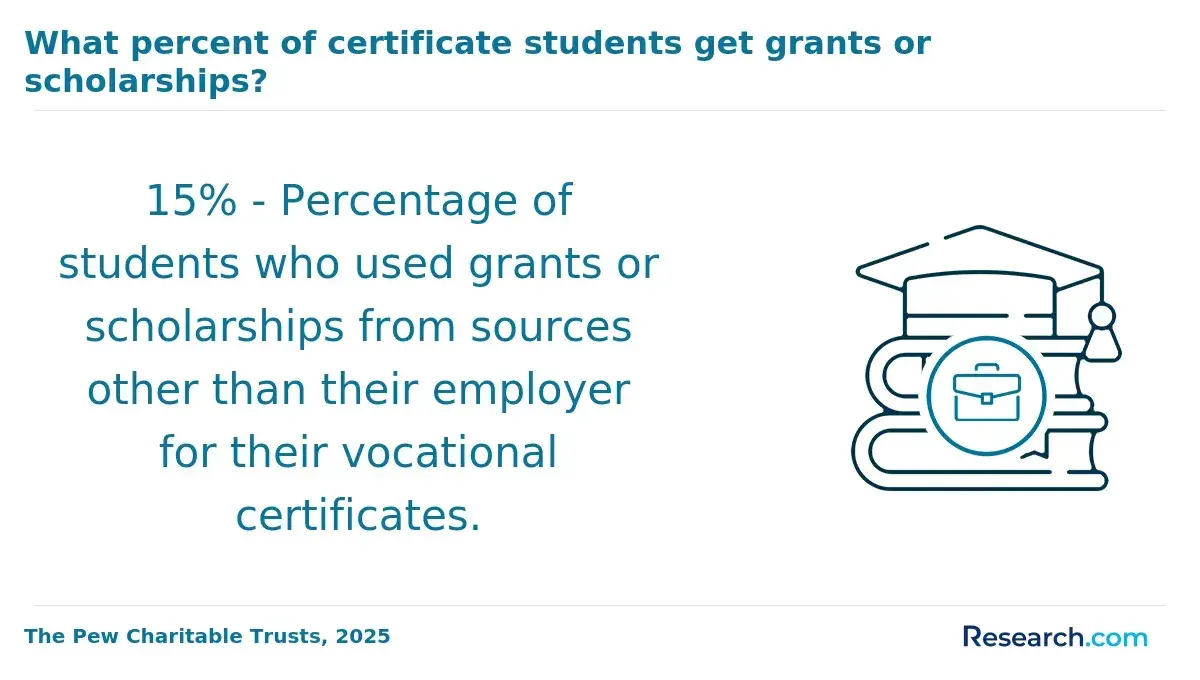
Career paths in property investment often start with a 1-2-year certificate, the most commonly awarded credential for CIP 52.1501, which complements associate's or bachelor's degrees. However, certificates from non-accredited institutions pose risks of poor employability and limited ROI, particularly in brokerage or asset management roles where regulatory compliance and due diligence are paramount. A program's accreditation status directly impacts onboarding time and career progression costs.
Choosing between certificate and degree tracks entails weighing practical outcomes: accredited bachelor's or master's degrees provide deeper analytical frameworks and regulatory insights suited for high-stakes investment portfolios, while certificates typically focus on localized transaction skills. This decision intersects with financial considerations, sometimes linked to factors such as construction management degree cost, influencing overall student debt and time to workforce entry.
In sum, verifying institutional accreditation safeguards not only academic investment but also operational employability in the real estate industry, preventing costly delays from retaking courses or certifications when pivoting careers or pursuing licensure.
What types of online real estate degrees are available, from certificates to master's programs?
Choosing between certificates and degrees in online real estate education requires a clear grasp of practical outcomes and employer expectations. Certificate programs, typically 6 to 12 months, target immediate skill-building in areas like property valuation and investment analysis, making them viable for roles requiring niche expertise without extensive time commitments. However, these credentials often lack the breadth demanded for leadership or investment-focused positions.
A bachelor's degree spans 3 to 4 years online and covers a wider curriculum including finance, urban planning, and law, aligning with commercial brokerage or property management roles where comprehensive training and accreditation are non-negotiable. Graduate-level programs, often Master of Science or MBA formats, extend 1 to 2 years and stress in-depth applied case studies centered on real-world market dynamics-particularly crucial for advanced positions such as real estate development directors or investment analysts.
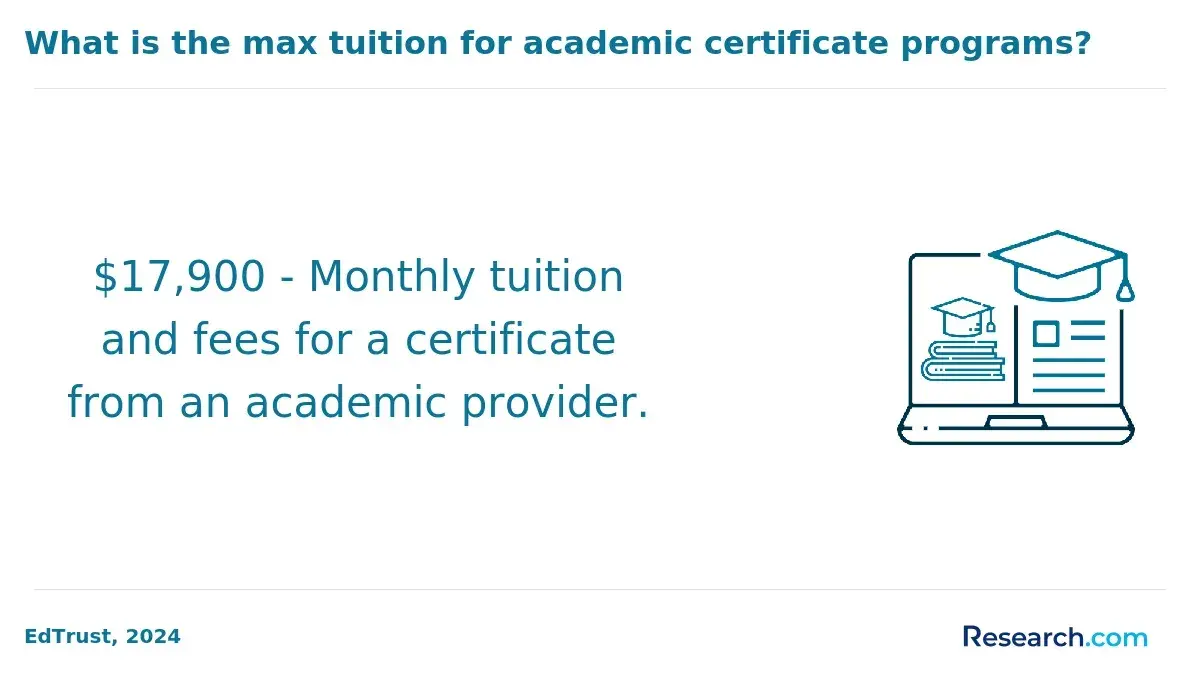
Tuition for master's degrees averages around $20,513 annually, a significant financial commitment that demands balancing program depth against practical career advancement. Professionals shifting careers or seeking senior roles benefit most from master's programs offering detailed, practical investment case studies grounded in actual market scenarios, while those prioritizing swift skill acquisition might opt for certificate pathways despite their limited credential weight.
Deciding on the right online real estate degree programs with practical investment case studies depends on long-term objectives and the competitive landscape of real estate careers. For those considering pivoting to real estate or aiming at strategic leadership, accredited degrees combining curricular depth with applied analysis typically yield better workforce outcomes. For comparative insight into related fields, see sport management degree online.
What core courses and case-study projects are included in online real estate curricula?
A rigorous online real estate degree in 2026 demands quantitative skills that align closely with employer expectations in analytical competency. Coursework emphasizes discounted cash flow modeling, lease structuring, and portfolio risk assessment, fostering capabilities critical for investment and asset management roles. Programs integrating case studies grounded in actual market data provide students with practical transaction experience, such as evaluating multi-family housing projects or commercial acquisitions under shifting economic conditions.
Consider a scenario where students analyze the viability of a retail center facing demographic shifts and zoning changes in a suburban market. This project requires a nuanced balance between short-term cash flow and long-term asset appreciation, mirroring real-world investment decision tradeoffs. Such applied learning differentiates graduates by demonstrating readiness to handle market complexities.
Beyond valuation, negotiation simulations and due diligence tasks around environmental risks and title issues prepare students for hands-on transaction management. However, graduates from programs lacking scenario-based projects often report gaps in practical readiness, which can limit opportunities in client-facing or investment-focused positions.
Financially, with a median cost surpassing $57,000 and average starting salaries near $79,000 (BestColleges), candidates should critically weigh the return on investment based on the curriculum's depth of applied experience. Depth in practical, market-related assignments frequently correlates with improved employability in real estate finance and development roles.
What are the typical admission requirements and prerequisites for online real estate programs?
Admission to online real estate degree programs involves layered expectations that reflect distinct workforce demands across bachelor's and master's levels. Bachelor's entry primarily requires a high school diploma or equivalent, with a typical GPA threshold near 2.5 to 3.0, allowing recent graduates or career switchers to enter with minimal professional experience. In contrast, master's programs expect completion of an undergraduate degree and often prioritize candidates bringing relevant work history in residential sales, property management, or commercial investment-experience that fuels practical case analyses and aligns with employer preferences for mid-career specialization.
This distinction matters because UniversityHQ data reveals a substantial 36% median salary increase-from $56,000 with a bachelor's to $76,000 with a master's-in the real estate brokerage sector, which employers often associate with advanced credentials and demonstrated industry competence.
Applicants should anticipate additional requirements such as official transcripts, personal statements clarifying career objectives, letters of recommendation, and for international students, language proficiency exams like TOEFL or IELTS. Standardized tests (SAT/ACT or GRE) range from optional to recommended depending on the program's tier, while technical readiness for fully online formats affects engagement with project-based learning.
To avoid setbacks like remedial coursework, it is important to verify whether prerequisite courses-often in finance or economics-align with prior preparation.
How long do online real estate degrees take and what do they typically cost?
Choosing a real estate education path requires weighing duration, cost, and skill applicability against immediate job market needs and personal circumstances. Associate degrees or certificates typically take 12 to 24 months, offering targeted skills ideal for professionals seeking swift upskilling, though they may lack the comprehensive depth required for senior roles. Bachelor's degrees, usually completed in four years full-time, command higher investment-$10,000 to $40,000-and deliver broader analytical and case-study experiences valued by employers in property management and appraisal sectors.
Projected job growth of 11% for property and community association managers and 14% for appraisers through 2026 demands candidates with practical competencies beyond theory. Working professionals should consider part-time or accelerated programs balancing study with employment, but longer programs delay workforce entry and earnings. Course content featuring real-world investment case studies sharpens negotiation and risk assessment skills critical to hiring managers.
Decision factors include:
- Program length versus immediate income needs
- Cost relative to credential depth and market relevance
- Flexibility in delivery to accommodate work schedules
- Alignment of course studies with local and specialized market demands
A strategic real estate education integrates practical scenarios reflecting employer priorities, preparing students for evolving industry demands while managing the tradeoffs of time, cost, and credential recognition.
How do online real estate degrees support state licensing for agents, brokers, and appraisers?
Online real estate degrees serve as targeted bridges to licensure by embedding state-mandated pre-licensing coursework, ensuring candidates meet the precise educational thresholds necessary for their jurisdiction. For instance, a broker candidate in California can fulfill the required 90 hours through a compliant online program, aligning fully with local regulations and allowing immediate examination eligibility. This integration mitigates common delays caused by incomplete or non-approved coursework.
Beyond licensing alignment, programs that incorporate practical components-like property valuation, investment analysis, and appraisal case studies-better equip students to navigate real-world challenges such as negotiation and regulatory compliance. These skills directly impact success on licensing exams and are increasingly valued by employers seeking job-ready professionals.
Prospective students must verify state approval status to avoid costly setbacks; a program lacking endorsement by the relevant real estate commission or appraisal board often leads to delayed licensure and diminished credibility with employers. Additionally, many states require post-licensing experience or continuing education that online degrees alone do not satisfy.
While program prestige influences long-term earning potential, as evidenced by University of Pennsylvania graduates' reported average annual salary uplift of $137,755, students should weigh this against individual schedules, costs, and workforce insertion timelines. Ultimately, these degrees combine regulatory compliance with substantive expertise, positioning candidates to meet both licensing standards and employer expectations.
What real estate careers, roles, and salary ranges can graduates pursue with these degrees?
Graduates holding online real estate degrees in 2026 face a labor market where specialization and practical expertise are decisive for income growth and employability. Data from the UK government's Longitudinal Education Outcomes reports a median salary rising from £25,113 at 15 months post-graduation to £28,730 after five years, illustrating earnings progression tied to applied knowledge in property fields. Success in the sector increasingly depends on blending sustainable development principles, PropTech fluency, and international market understanding.
Career pathways include:
- Property and asset management aimed at optimizing portfolio returns.
- Real estate finance roles such as mortgage underwriting and fund analysis.
- Development project management involving land acquisition and regulatory oversight.
- Consultancy focused on sustainability or implementing emerging PropTech technologies.
For instance, urban development specialists must navigate local zoning and sustainability metrics to secure funding and community approvals, while international investment advisors face complexities like currency risk and cross-border legal frameworks.
Obtaining relevant licenses or certifications-often prerequisites for key positions-remains a practical hurdle impacting hiring and negotiation leverage. Employers prioritize candidates demonstrating applied experience, such as case studies in investment analysis or PropTech deployment, emphasizing the premium on work-ready skills beyond theoretical credentials. Graduates strategizing their educational and professional development should weigh these operational realities when considering online real estate degrees.
How can students evaluate and choose a reputable online real estate program with strong case studies?
Programs without full accreditation from recognized bodies risk delivering outdated or superficial content, undermining graduate employability in competitive real estate sectors. Accreditation ensures access to faculty with current industry experience and curricula grounded in complex, realistic case studies-elements essential for handling commercial or residential investment challenges.
For instance, a program emphasizing multi-year urban redevelopment projects with embedded risk assessment and financing scenarios prepares students far better than one focused narrowly on basic property management. Faculty career practitioners bring actionable insights vital for understanding market volatility and negotiation dynamics.
Prospective students should critically evaluate tuition against credit requirements (commonly 30-34 credits) and ask for detailed syllabi illustrating case study rigor, live data use, and partnerships enabling simulation of valuation and portfolio management. Less costly programs often sacrifice such depth, impacting graduates' ability to pivot into investment banking or asset management roles.
Beyond graduation rates, assessing alumni placement in relevant sectors more accurately reflects program effectiveness. While flexibility and platform quality matter for working professionals, these factors should not dilute academic challenge that drives lasting workforce outcomes.
Effective decision-making weighs tuition cost, curriculum complexity, and faculty expertise against demonstrated case study sophistication, each influencing readiness for diverse real estate markets and investment types in practical settings.
Other Things You Should Know About Real Estate
Some online programs rely heavily on case studies, which simulate real-world scenarios but cannot fully replicate the unpredictability of live market conditions and client interactions. Students should prioritize programs that integrate interactive components such as live simulations, mentorships, or internships to gain practical skills alongside theoretical knowledge. Purely theory-based courses may limit readiness for real investment decision-making or negotiating transactions in dynamic markets.
Programs offering real-world case studies typically demand a significant workload, including detailed analysis, group collaboration, and practical project deliverables. Expect 15 to 20 hours per week if attending full-time, with some flexibility for part-time students; neglecting time management can lead to delayed completion and compromised learning. Choosing programs with a clear, structured timeline and accessible instructor support improves the chances of timely, meaningful progress.
Employers increasingly scrutinize the quality of practical experience during hiring, often favoring graduates who demonstrate applied skills through projects aligned to actual property and investment challenges. Candidates from programs lacking case-based learning typically face skepticism regarding their ability to tackle market complexities. When selecting a program, prioritize those with documented employer partnerships or alumni success in real estate investment or property management roles.
References
- Complete Real Estate Investment and Modelling Bundle https://online.reia-edu.com/bundles/the-complete-reia-package
- Online Self-Study vs In-Person Classes | Gold Coast Schools https://goldcoastschools.com/news/online-self-study-vs-in-person-classes-at-gold-coast-schools-which-suits-you-best/
- Online Real Estate Broker Licensing Courses | Champions School https://www.championsschool.com/real-estate/online/broker-license/
- 6 Best Online Real Estate Schools in California for 2025 https://www.housingwire.com/articles/best-online-real-estate-schools-california/
- Real Estate Education | Real Estate License | Illinois REALTORS® https://www.illinoisrealtors.org/education/
- Deep Dive: Careers in Commercial Real Estate (Updated Nov 2025) https://www.adventuresincre.com/careers-in-real-estate/
- Online Degree vs. Traditional: Choosing the Right Path https://beal.edu/online-degree-vs-traditional/
- Real Estate Degrees | What Degree Will You Need? (Full Guide) https://www.allbusinessschools.com/real-estate/degrees/
- Commercial Real Estate Courses: Online & Self-Paced https://propertymetrics.com/commercial-real-estate-courses/
- 4 Questions to ask when choosing the best real estate course https://www.reiq.com/articles/training/4-questions-to-ask-when-choosing-the-best-real-estate-course