2027 Best Online Real Estate Degrees for Site Selection Careers

Co-Founder and Chief Data Scientist
Professionals aiming to shift into site selection face a complex challenge: balancing rigorous education with demanding work schedules and geographic constraints. Traditional campus-based programs frequently limit accessibility, yet a 2024 National Center for Education Statistics report shows a 12% surge in online enrollment among adult learners over 25, reflecting a growing need for flexible, career-compatible learning models. This shift responds to the practical need for scalable credentials that do not disrupt ongoing employment while aligning with employer expectations for relevant, applied skills in site analysis and market assessment.
This article evaluates leading online real estate degree options tailored for site selection careers, guiding readers to informed decisions based on program flexibility, industry alignment, and long-term career impact.
Key Things You Should Know
- Site selection careers require advanced geospatial analytics rarely covered in general real estate degrees, making specialized programs critical for employers seeking candidates with spatial econometrics expertise, as shown in 2024 BLS workforce specialization data.
- Employers in commercial real estate increasingly demand candidates with combined urban planning and market analysis credentials, creating a bottleneck where purely traditional real estate degrees yield 15% lower placement rates per recent NAREIT hiring reports.
- Programs integrating hands-on GIS training incur 20-35% higher tuition but accelerate time-to-employment by up to 6 months, a decisive factor given the sector's median 5.5-month job search duration per Emsi labor market studies.
What is an online real estate degree with a site selection focus, and who is it best for?
Specializing in an online real estate degree for site selection professionals requires balancing core real estate knowledge with strong quantitative and spatial analysis skills. Graduates must navigate complex data sets-zoning regulations, demographic trends, transportation access-to recommend optimal locations that align with commercial, retail, or industrial investment goals. For instance, evaluating a city's consumer traffic patterns alongside cost-efficiency metrics can pinpoint the best site for a new distribution center, which decisively impacts long-term business performance.
This specialization is especially relevant considering the projected 3% growth for real estate brokers and agents from 2024 to 2034, a period when analytical expertise increasingly outweighs sales volume in value. Candidates transitioning from sales-centric roles or unrelated fields gain a strategic advantage by mastering geographic information systems and market forecasting. However, students without prior technical backgrounds will face a steep learning curve due to the advanced software involved.
Employment opportunities for site selection roles concentrate in metropolitan regions with active commercial development, where employers expect candidates to integrate academic foundations with practical, real-world skills like negotiation and GIS mapping. Online real estate degree programs for site selection professionals that include internships or project partnerships significantly enhance job placement prospects by bridging classroom theory and industry challenges.
Prospective students seeking the best real estate degrees focused on site selection careers should also consider broader educational options such as an accelerated online business degree to complement their qualifications and diversify their skill sets.
How can an online real estate degree prepare you specifically for site selection careers?
Site selection professionals face a complex task requiring swift evaluation of diverse locations based on economic signals, demographics, and regulatory frameworks. An online real estate degree tailored to site selection professionals concentrates technical skills like market analysis, property valuation, zoning laws, and negotiation tactics essential for navigating these multifaceted criteria. These programs stand apart from generic business degrees by embedding applied case studies and geospatial tools, enabling candidates to integrate fieldwork scenarios efficiently while managing professional obligations.
Consider a site selector tasked with identifying optimal warehouse sites balancing transportation access, tax incentives, and environmental limits. Coursework incorporating real-world datasets and current regulatory conditions equips students to anticipate permit acquisition hurdles and zoning challenges that commonly delay site approval. The site selection career skills gained from an online real estate degree directly translate into informed risk management and faster decision cycles in such scenarios.
From a workforce perspective, individuals with this credential meet employer expectations for specialized analytical rigor and industry insight. The U.S. Bureau of Labor Statistics reported a median annual wage of $70,620 for real estate brokers in May 2025, demonstrating tangible market valuation of these combined competencies. Additionally, online degrees offer scheduling flexibility necessary for working professionals while providing deeper mastery of regional market dynamics and strategic site portfolio management.
For those considering a parallel education path, an online bachelor's in construction management can complement real estate qualifications with infrastructure and development process expertise, broadening career versatility.
Which types of real estate degrees are best for site selection roles at different career stages?
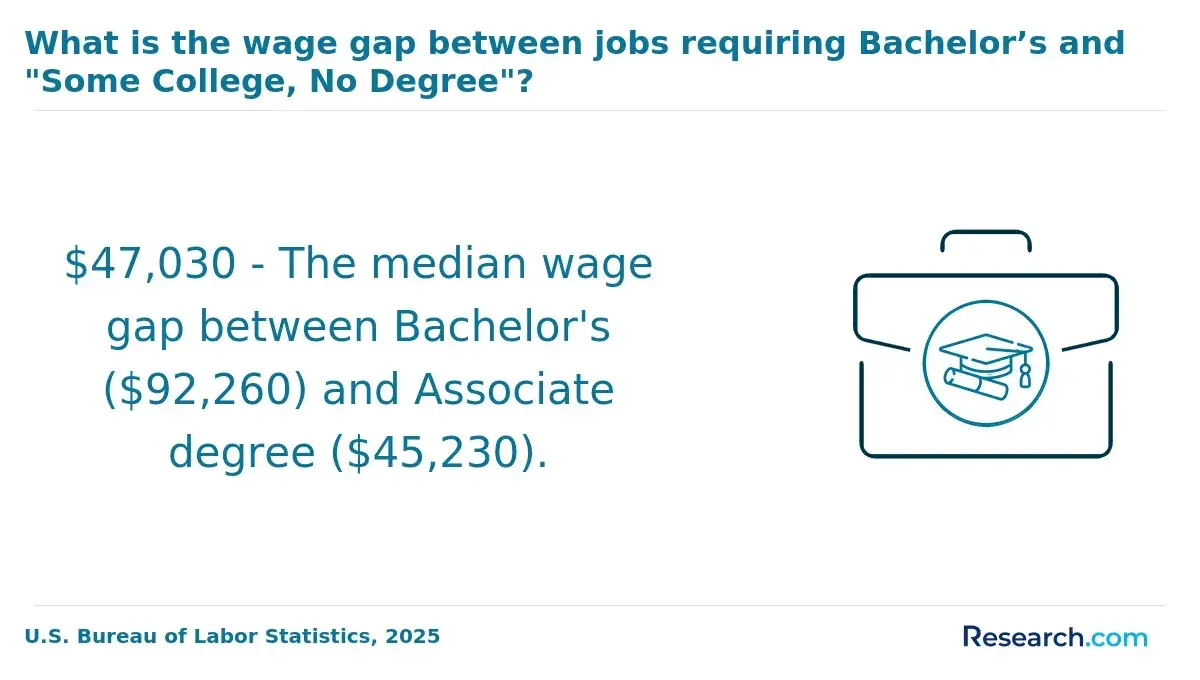
Entry into site selection roles in real estate typically requires a bachelor's degree in real estate or related fields like urban planning and finance, as 37% of brokers list these as standard requirements. This foundational education is critical for proficiency in market analysis, zoning regulations, and financial modeling-core skills for assessing site viability.
Mid-career professionals aiming for more technically complex site selection increasingly pursue specialized master's degrees, such as real estate development or geographic information systems (GIS). These advanced programs equip candidates with tools to integrate demographic and economic data, which improves accuracy in identifying optimal locations. For example, a regional site director with a master's in GIS can accelerate market analysis and enhance ROI, offering a distinct advantage over those with only undergraduate training. These pathways reflect the practical realities faced by specialists focused on commercial real estate or retail expansion.
At senior levels, executive certificates or MBAs concentrated in real estate supplement technical knowledge with strategic and leadership capabilities needed to negotiate large portfolios and coordinate multi-site growth strategies. Compared to hands-on technical degrees, such programs emphasize portfolio management and stakeholder relations, which are essential for leaders managing dispersed real estate assets.
Given these distinctions, selecting the best real estate degree programs for site selection careers should balance immediate employment criteria and long-term advancement potential. Those weighing graduate study might also consider related fields reflected in construction management masters to broaden operational knowledge.
In sum, real estate education pathways for site selection professionals require aligning degree level and specialization with specific workforce demands, role complexity, and progression timing to ensure practical value and competitive differentiation.
How do online and on-campus real estate programs for site selection compare?
Tradeoffs between online real estate degree programs for site selection careers and their on-campus counterparts hinge on tangible field experience versus flexible learning structures. Online formats cater to professionals needing schedule adaptability and remote access, yet they inherently restrict direct property site visits and face-to-face networking with industry influencers-elements vital for grasping nuances like local zoning and physical site evaluation.
On-campus programs immerse students in experiential learning, offering internships and projects grounded in local market realities. For example, a candidate in commercial retail development leveraging university-facilitated site analysis and mentorship can outpace peers reliant on virtual case studies alone. Employers often weigh such applied experience heavily, associating it with stronger readiness for complex, on-site challenges.
Cost remains a determining factor, with the National Center for Education Statistics citing average graduate tuition at public institutions around $12,596 annually. Though online paths reduce commuting and housing expenses, they frequently share similar tuition rates, providing limited financial relief unless designed explicitly for affordability.
Students aiming for strategic shifts in site selection should evaluate program delivery for industry engagement intensity, since synchronous interactions and practical case studies increasingly influence employer recognition of online credentials. For broader insights on accelerated management credentials relevant to career pivots, reviewing fastest executive MBA programs can provide comparative context.
Ultimately, this comparison of on-campus and online real estate education for site selection underscores the importance of matching program format with career goals, time constraints, and employer expectations.
What courses and skills should a site selection-focused real estate curriculum include?
Site selection within real estate demands a blend of advanced quantitative and spatial analysis skills tailored to distinct sector needs. For example, retail site selectors prioritize consumer behavior and competitive density, while the industrial sector requires expertise in environmental impact and logistics cost management. This specialization shapes curriculum design, balancing foundational financial modeling-such as discounted cash flow-and GIS proficiency with targeted electives addressing zoning laws, transportation infrastructure, and supply chain logistics.
Financial modeling proficiency and applied knowledge of commercial real estate law are not optional; they directly influence approvals, project timelines, and ROI assessments. Employers expect candidates to be fluent in tools like ArcGIS and advanced Excel, with negotiation skills suited to complex site acquisition scenarios.
Practical experience through live case studies, internships, or capstone projects is vital for translating theory into actionable strategies. Without these applied elements, graduates risk limited employability and slower career progression.
Tuition for online master's programs in real estate varies widely-often between $28,000 and $53,000-highlighting the need for programs emphasizing market-relevant skills to justify investment. Candidates should weigh curriculum depth, sector alignment, and experiential learning opportunities when considering educational pathways for site selection roles.
What accreditation and program quality indicators matter for online real estate degrees?
Accreditation is a decisive factor when assessing an online real estate program's capacity to open professional doors. Programs accredited by recognized bodies like the Accrediting Council for Independent Colleges and Schools (ACICS) or regional accreditors ensure that curriculum rigor and faculty expertise meet industry expectations. Without this validation, graduates often encounter obstacles obtaining licenses or certifications that rely on approved coursework.
Job placement rates and employer partnerships offer tangible indicators of a program's alignment with market demands, especially for site selection professionals who need skills in economic feasibility and zoning analysis. A candidate trained in data analytics and regional market assessments is more competitive for corporate real estate or urban planning roles than one with generic real estate knowledge.
Financially, online real estate programs commonly cost between $200 and $800. Lower costs often correspond with weaker accreditation and less comprehensive curricula, which may diminish long-term career prospects or complicate licensing. Programs that integrate state-specific licensing preparation and real estate law provide an advantage for navigating regulatory complexities.
Prospective students should verify employer recognition of alumni and weigh cost against program outcomes. Balancing these factors helps avoid costly reeducation and enhances success in site selection roles requiring specialized expertise.
What are the typical admission requirements, program length, and total costs to expect?
Online real estate degrees require candidates to balance academic qualifications with professional experience, especially for working adults. While a high school diploma or equivalent is standard, some programs waive standardized testing like the SAT or ACT for mature applicants or those with relevant work history. Admissions often demand transcripts, statements of purpose, and occasionally letters of recommendation. Programs designed for professionals tend to emphasize occupational background more than traditional metrics, a critical consideration for those targeting career shifts or leadership roles.
Program lengths typically stretch from 36 to 48 months for bachelor's degrees, but flexibility in pacing allows students to extend duration if working full-time, which influences cumulative costs. For example, Liberty University charges approximately $390 per credit, totaling near $46,800 for 120 credits, exclusive of books and administrative fees that may add $2,000 to $5,000. Spreading coursework over additional terms to accommodate employment can raise indirect expenses and prolong time to credential.
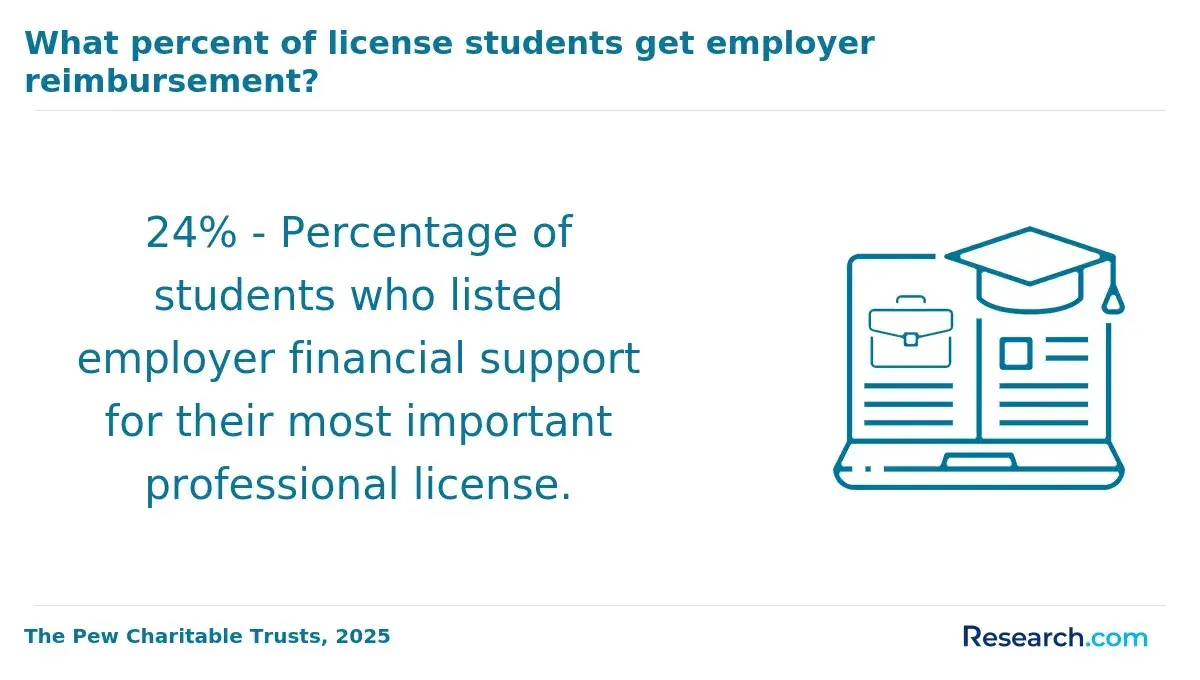
Financial planning should include employer tuition sponsorship constraints and reimbursement timing to avoid unexpected liabilities. Public and private institutions exhibit differing selectivity, affecting access and application strategies. Prospective students must prioritize programs with recognized accreditation and flexible admission policies to ensure alignment with employer expectations and meaningful return on investment in real estate careers.
What site selection jobs can you get with an online real estate degree?
Graduates of an online real estate degree face a nuanced dichotomy between technical knowledge and applicable field experience essential for site selection roles. Employers demand abilities beyond theoretical frameworks, including proficiency in GIS tools, zoning laws, financial modeling, and local market intelligence. For instance, a site selection consultant advising a national retailer must integrate transport logistics with precise land valuation and regulatory compliance to identify optimal distribution center locations.
Positions such as real estate analysts, site selection consultants, and appraisers require a blend of data interpretation and stakeholder coordination. According to the U.S. Bureau of Labor Statistics, the median annual wage for real estate appraisers and assessors was $66,960 as of May 2025, reflecting tangible market demand for these skills.
Practical challenges for graduates involve gaining relevant experience through internships or project-based work that complements academic coursework. Employers prioritize candidates with demonstrable market analysis, legal knowledge, and financial acumen applicable to complex site evaluation scenarios.
- Real-world application of data and valuation software is critical.
- Coordination with regulatory bodies and clients shapes decision-making.
- Graduates must prepare for multifaceted roles requiring strategic judgment under uncertainty.
These considerations emphasize that an online real estate degree can unlock strategic site selection opportunities only when paired with targeted experience and industry-specific skills aligned with employer expectations in 2026.
What salary ranges and job outlook can site selection professionals expect in real estate?
Site selection roles in real estate present a distinct wage scale influenced by experience, geography, and industry niche, typically ranging from $60,000 for entry analysts to over $100,000 for individuals steering major development projects. Employers prioritize candidates with technical proficiency in geographic information systems (GIS), demographic and financial analytics, reflecting the sector's reliance on data-driven decisions.
For example, a site selection analyst working with a national retailer must integrate complex datasets to forecast customer traffic and balance cost pressures against market potential, directly impacting multimillion-dollar investment choices. This operational reality means professionals without hands-on exposure to commercial real estate transactions or zoning frameworks often face stagnation.
Job mobility and compensation growth hinge on specialized skills and familiarity with regional economic trends. Continuous learning around software tools and local market dynamics is indispensable, whereas generalized real estate knowledge tends to be insufficient.
- Annual salaries span $60,000-$110,000, varying with expertise and employer scale.
- Employment growth is projected at roughly 7% through 2030, outpacing many real estate occupations.
- Hands-on experience with commercial transactions and municipal zoning is often a gating factor.
Ultimately, educational pathways combining economic geography and applied analytics offer pragmatic preparation for the intricate demands of site selection, though candidates must weigh the challenge of developing technical depth against market competitiveness.
How do licensing, certifications, and professional designations affect site selection careers?
Licensing and certifications sharply delineate responsibilities, authority, and career trajectory within site selection roles, particularly in Real Estate. For example, a site selection analyst in logistics holding both a Certified Site Selection Professional (CSSP) credential and a valid state real estate license typically undertakes complex negotiations and legal due diligence, while those lacking these credentials are limited to support functions such as data compilation or GIS mapping. This distinction not only affects daily tasks but also influences compensation and advancement potential.
Employers consistently prioritize candidates who demonstrate verified industry competency through credentials like the CSSP or designations from the International Economic Development Council. These certifications offer rigorous validation of up-to-date technical knowledge and regulatory awareness, especially relevant in sectors such as retail and manufacturing, where decisions on site location directly impact operational efficiency and costs.
Investment in licensing and certification demands serious consideration of the financial and time costs involved. For context, private graduate tuition averaged $28,017 annually in 2021-2022, exclusive of opportunity costs. Prospective candidates must balance these expenses against measurable benefits, including eligibility for higher-level roles and tangible salary increases.
Stagnation risks increase for professionals neglecting ongoing credential maintenance, as compliance with evolving legal frameworks and industry standards remains essential. Without such investments, long-term employability in site selection for Real Estate is restricted by regulatory limitations and employer expectations.
Other Things You Should Know About Real Estate
Online real estate degree programs often require greater self-discipline and time management because they condense content into flexible but intensive modules. Unlike traditional programs with fixed schedules, students must proactively engage with materials and meet deadlines independently. This increased autonomy can benefit motivated learners but may be challenging for those balancing full-time jobs or family commitments, affecting completion rates and learning depth.
Prioritizing specialized electives in site selection is advisable if your career goal is narrowly focused on retail or commercial location analysis, as these courses provide targeted skills and case studies that employers value. However, maintaining a broader real estate curriculum can enhance adaptability in the job market, especially in volatile sectors. Ideally, select a program that offers core fundamentals alongside robust site selection options to balance depth with versatility.
Employers typically prioritize candidates from institutions with recognized accreditation and practical curriculum relevance over brand recognition alone. Programs that integrate real-world projects, internships, or industry networking opportunities hold more weight in hiring decisions than purely academic qualifications. Candidates who demonstrate applied skills and familiarity with geographic information systems (GIS) alongside their degree tend to have a competitive edge.
References
- Real Estate Job Outlook: Is Real Estate a Good Career Path? https://www.vaned.com/blog/real-estate-job-outlook
- Careers in Real Estate https://www.nar.realtor/membership/careers-in-real-estate
- Top Skills Every Real Estate Agent Needs to Succeed https://keyrealtyschool.com/blog/top-skills-real-estate-agent/
- 30 Best Paying Jobs In Real Estate | Colibri Real Estate https://www.colibrirealestate.com/career-hub/blog/30-real-estate-jobs-and-their-salaries/
- Are Online Degrees Accredited? How to Identify Quality Distance Learning Programs https://www.umassglobal.edu/blog-news/online-degrees-accredited-identify-quality-distance-learning-programs
- Designations & Certifications for Real Estate Agents - Allied Schools https://www.alliedschools.com/professional-development/
- 8 Different Routes to a Career in Real Estate https://zoetalentsolutions.com/career-in-real-estate/
- Cost of studying in the UK | Study UK https://study-uk.britishcouncil.org/moving-uk/cost-studying
- Deep Dive: Careers in Commercial Real Estate (Updated Nov 2025) https://www.adventuresincre.com/careers-in-real-estate/
- Real Estate Degrees | What Degree Will You Need? (Full Guide) https://www.allbusinessschools.com/real-estate/degrees/