2027 Best Online Real Estate Degrees for Real Estate Development Careers

Co-Founder and Chief Data Scientist
Professionals aiming to pivot into real estate development often confront rigid schedules and geographic barriers that hinder timely credential completion. With over 40% of adult learners juggling full-time employment, childcare, and education, the need for flexible, accessible programs has surged, as reported by the National Center for Education Statistics. This shift is reshaping enrollment decisions, pushing candidates toward online degrees that accommodate nontraditional timelines without sacrificing rigor.
However, not all online programs align equally with market expectations or career advancement demands, making informed selection critical. This article evaluates the best online real estate degrees tailored for development careers, focusing on program quality, flexibility, and employability outcomes to guide strategic educational investment.
Key Things You Should Know
- Real estate development programs often underrepresent urban economics integration, which the Bureau of Labor Statistics projects as key to growth areas, creating a gap between curriculum and employer demand for advanced market analysis skills.
- Employers increasingly prioritize candidates with hands-on project finance and zoning law experience; degrees lacking simulated or practicum components correlate with 15% slower job placement rates in commercial real estate sectors, per the National Association of Realtors.
- Online degrees offering accelerated 12-18 month tracks reduce opportunity costs but often omit comprehensive risk management modules, risking underpreparedness for regulatory complexities affecting 22% of new developments, as reported by the Urban Land Institute.
What are the best online real estate degrees for development careers?
Online degrees focused on real estate development must balance technical competencies with applied knowledge to meet employer expectations in development roles. Among the top online real estate development degree programs, strongest candidates demonstrate skills in finance, zoning regulation, and project management rather than relying on narrow specialization. Bachelor's degrees delivered fully online report early-career salaries averaging $59,000 and climb to $98,000 mid-career, per PayScale data compiled by OnlineU in 2026.
Programs integrating technology tools like GIS and financial modeling are preferred, especially when paired with internships or capstone projects addressing local development challenges. For working professionals pivoting fields, flexible pacing and case-based learning provide immediate relevance-such as a construction project manager moving into development by gaining market analytics and risk assessment skills focused on land acquisition.
Employers vet graduates through demonstrated analytical capacity, financial structuring experience, and regulatory familiarity. Choosing from the best online real estate degrees for development careers means prioritizing programs that emphasize practical applications over theoretical breadth, improving job-readiness and positioning students for roles handling commercial and residential project complexities.
For those evaluating complementary credentials, an accelerated business management degree can enhance leadership and strategic planning skills in real estate development contexts.
How do accredited online real estate programs differ from campus programs?
Choosing between campus and accredited online real estate programs involves weighing tangible tradeoffs in delivery, networking, and hands-on experience. Online programs distinctly benefit working professionals balancing ongoing employment with coursework, a common scenario for those pursuing an accredited online real estate degree advantages in parallel with career responsibilities. However, this flexibility demands strong self-discipline and proactive networking efforts to replicate the spontaneous industry connections campus students build through in-person engagement.
Both formats cover core topics like investment analysis and property management, but campus programs often provide access to specialized facilities and face-to-face mentorship that enhances early career placement-a factor employers in real estate development weigh heavily when recruiting. Online students must therefore compensate with virtual networking and local involvement to remain competitive.
From a workforce perspective, employment for property, real estate, and community association managers is projected to increase by 5% from 2022 to 2032, yielding approximately 33,500 openings annually. This steady demand underscores the importance of practical skills and professional networks in hiring decisions, whether acquired online or on campus. Students should consider their professional background and learning preferences when assessing the differences between online and campus real estate programs.
For those seeking flexibility but structured practical exposure, exploring an online construction project management degree can offer complementary skills advantageous to real estate roles, particularly in development and project coordination.
Which accreditation should an online real estate program have?
Choosing an accredited online real estate development program directly impacts employment outcomes and credential portability. Accreditation by regionally recognized agencies endorsed by the U.S. Department of Education or CHEA assures academic rigor and acceptance by employers and licensing bodies. Midcareer professionals pivoting into real estate development face tangible tradeoffs when enrolling in nonaccredited programs-such degrees are often viewed skeptically, limiting access to certification paths and hiring, despite median base salaries for development managers reaching $142,000 with total compensation climbing to $190,000 in many cases.
Specialized accrediting bodies like the Accreditation Council for Business Schools and Programs (ACBSP) or the Planning Accreditation Board (PAB) add sector-specific validation valuable for roles in development, urban planning, or construction management. These distinctions respond to employer demands for targeted competencies beyond generic credentials.
Practical decision-making also requires verifying accreditation through the Department of Education's database and ensuring degree alignment with credential objectives like the Certified Commercial Investment Member (CCIM) designation, which mandates accredited transcripts. Failure to confirm this can result in dead ends during credential pursuit and hiring.
Students should consider transferable skills from adjacent fields; for example, those interested in project scheduling or resource allocation may explore project management degrees as complementary or alternative pathways. Pursuing the best online real estate degrees with recognized accreditation is not merely about credentialing but about navigating labor market demands and minimizing wasted investment in nonviable qualifications.
What courses do real estate development degrees usually include?
Mastering practical competencies in finance, law, and project oversight determines employability more than mere completion of core courses in real estate development degree programs. For example, graduates unable to interpret complex financial models or anticipate regulatory impediments typically face stalled career progression despite holding advanced degrees. Essential classes in real estate development programs must include rigorous finance training-investment analysis, capital market mechanisms, and risk evaluation-which remain top priorities for employers looking to mitigate project uncertainty.
Legal and regulatory courses covering zoning, contracts, and environmental compliance serve not just as academic requirements but as critical skills to avoid costly project delays or litigation. Development and construction management segments prepare candidates to manage tight schedules, budgets, and multi-stakeholder coordination, reflecting everyday challenges on development sites. Market analysis instruction, focusing on data analytics and regional economic patterns, is vital for demand forecasting, an area frequently overlooked by underprepared graduates.
A strategic consideration is how real estate development degree core courses can cater differently to mid-career professionals transitioning into real estate. Programs emphasizing hands-on case studies, internships, and negotiation exercises deliver measurable advantages that align more closely with employer expectations. Without such experiential learning, graduates risk underperforming in complex urban or commercial development settings, limiting their advancement.
Considering the average master's cost surpasses $57,000 against average base salaries around $79,000, students must align course choices with employer-valued skills rather than default curricula. This pragmatic approach distinguishes academically credentialed individuals from those genuinely prepared for lucrative roles.
Working professionals might also evaluate alternative, flexible pathways; a sport management degree online offers a revealing comparison in structuring accelerated, practical curriculum options adapted to specific market demands.
What admissions requirements apply to online real estate degrees?
Admissions for online real estate degree programs demand careful alignment of academic credentials, professional experience, and clear career objectives. A bachelor's degree from an accredited institution is typically required, with many master's programs favoring backgrounds in business, finance, or urban planning to ensure quantitative readiness. Competitive undergraduate GPAs around 3.0 or higher set a baseline reflecting the technical rigor expected. Applicants aiming for senior roles in development or investment often need several years of relevant work experience; early career candidates may substitute internships but face limitations when competing with seasoned professionals.
Standardized tests such as the GRE or GMAT are optional at many institutions, reflecting a shift toward valuing practical experience and professional portfolios instead. Letters of recommendation and personal statements must concretely demonstrate industry understanding and articulate realistic real estate career pathways grounded in financial and technical competencies. Non-native English speakers should prepare for proficiency verification, and background checks are increasingly common to meet employer expectations.
Tuition varies notably, averaging roughly $12,596 annually at public institutions versus $29,931 at private nonprofits, impacting financial planning especially for mid-career entrants balancing workforce commitments. Early submission of FAFSA or scholarship applications is often advised alongside admissions to avoid delays. Failing to meet admission criteria can lead to provisional acceptance or additional prerequisite coursework, extending completion time and increasing costs. Employers hiring graduates prefer transparent, selective programs that align rigor with practical outcomes, so realistic self-assessment against program demands and market expectations is essential.
How long does an online real estate degree usually take?
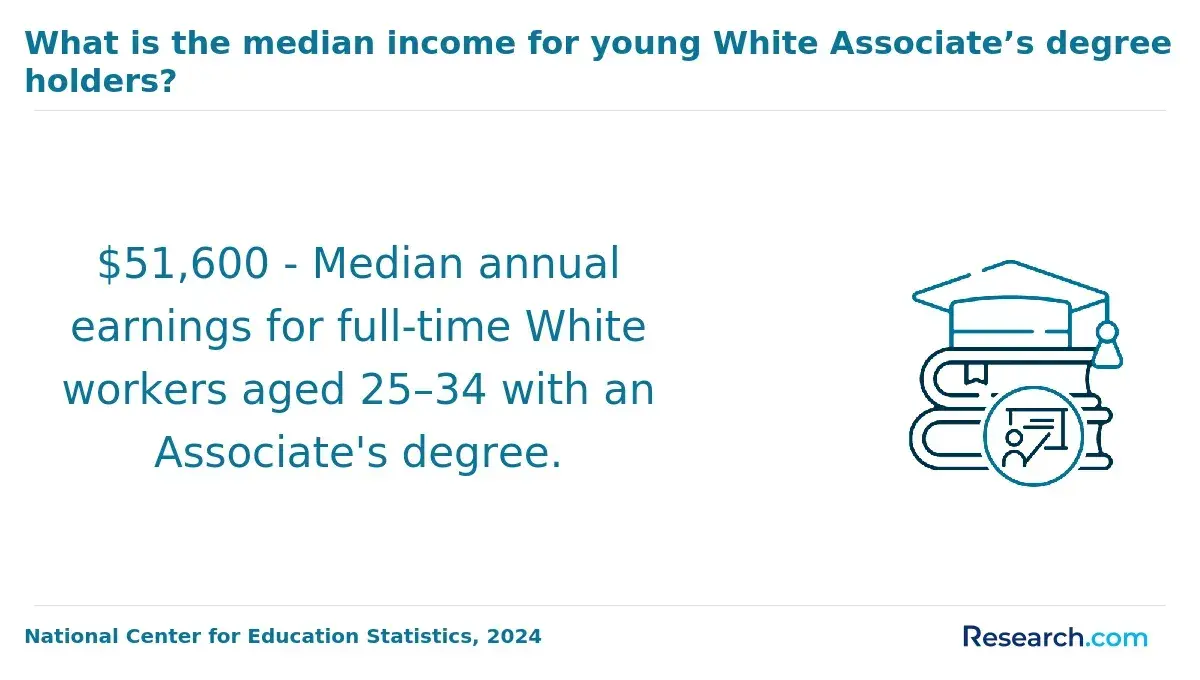
Choosing the pace to complete an online real estate degree involves balancing practical workforce demands with personal circumstances and financial realities. While associate degrees usually require about two years and bachelor's programs around four, part-time students-often working professionals-may extend this to six years or more.
This flexibility allows students to manage competing priorities. For instance, a working parent might reduce their course load to maintain job stability, accepting a longer timeline. Conversely, a recent graduate eager to enter real estate development might accelerate their studies, finishing in three years, though potentially sacrificing deeper mastery.
Employers value candidates with not only academic credentials but proven project management and applied knowledge. Stretching degree completion risks losing momentum and delaying essential skills application, whereas rushing can lead to gaps in understanding complex zoning, financing, and regulatory issues.
Cost pressures also influence duration decisions. Liberty University's reported less than 5% increase in online tuition over a decade situates it among the more affordable options in its peer group for the 2025-2026 academic year, easing financial urgency to accelerate degree completion.
Students should critically assess how different pacing aligns with employer expectations and the need for practical experience and professional networking in real estate development.
How much do online real estate degree programs cost?
Choosing an online real estate degree requires careful evaluation of cost against tangible career outcomes, especially for mid-career professionals balancing immediate return on investment with long-term advancement. Master's programs generally charge between $15,000 and $50,000, often calculated per credit-ranging from $800 to $1,600-usually requiring 30 to 40 credits. Beyond tuition, candidates must factor in additional fees such as technology or residency for hybrid formats, which can significantly impact total expenses.
Employers expect real estate graduates to bring a skill set that justifies this investment. According to BestColleges' 2024 data, the average base salary post-graduation is roughly $79,000, contrasting notably with $46,310 for general business bachelor's roles. This salary premium supports the argument for advanced degrees but is less accessible without relevant experience or strategic positioning.
Decision-making involves weighing factors such as:
- Whether a $40,000 master's expedites entry into higher-fee commercial development roles beyond what work experience alone can achieve
- Tradeoffs for entry-level candidates between affordable bachelor's degrees versus costly master's programs with stronger market premiums
- The potential limitation of reduced professional networks when opting for lower-cost public or state-affiliated programs
A realistic appraisal of program costs, salary trajectories, and employer expectations is essential. Financing options like employer tuition aid or federal loans may alleviate upfront burdens but often extend time before salary benefits materialize. For those targeting roles demanding specialized expertise or rapid progression, aligning educational investments with concrete career milestones is critical.
What jobs can you get with a real estate development degree?
Graduates with a real estate development degree face a labor market shaped heavily by capital flows concentrated in logistics/industrial and multifamily sectors, which account for more than 60% of institutional allocations. This concentration means that roles tied to these asset classes-such as development analyst or project manager-offer greater employment stability compared to those focused on niche or emerging markets, which encounter more volatile funding and fewer openings.
Career trajectories often start with feasibility analysis to quantify risk and return, progressing to project management roles that demand coordination across diverse stakeholders while balancing budgets and timelines. Asset management positions then emphasize optimizing post-construction performance via leasing strategies and operational efficiencies. However, lack of proficiency in financial modeling tools and local regulatory knowledge tends to slow advancement.
For working professionals pivoting into real estate development, securing internships or part-time positions in firms specializing in due diligence or entitlement processes significantly improves hiring chances by delivering direct experience. Additionally, real estate development degrees with an environmental or urban planning focus open alternative paths in sustainability consulting.
The U.S. real estate market expanded by roughly $3.1 trillion in new commercial real estate investment volume between 2014 and 2024, validating the sustained demand for professionals equipped to navigate complex market dynamics and regulatory frameworks.
How much do real estate development graduates typically earn?
Entry salaries for real estate development graduates in the U.S. vary significantly based on location, employer scale, and role specificity. Positions such as entry-level analysts or project coordinators often start near $60,000 annually in smaller or emerging markets, while development associates in major metropolitan hubs like New York or San Francisco command median salaries around $100,000, frequently exceeding $90,000 in their initial years.
Employers expect candidates to demonstrate practical competencies in financial modeling, market analysis, and construction logistics. These skills are most reliably acquired through accredited online real estate development degrees combined with internships or pre-licensing education. Pre-licensing packages typically range from $200 to $800, with basic options available between $200 and $400 and more comprehensive courses priced up to $800 or higher, as shown in Colibri Real Estate's 2026 cost comparison. However, the price of education alone does not translate to salary gains without substantial applied experience.
Salary progression depends on the ability to couple educational credentials with verifiable project management success. For instance, a graduate earning $65,000 in a regional market can advance to $95,000 within three years by obtaining certification and leading mid-size developments. This trajectory underscores shifting employer priorities toward tangible outcomes rather than academic qualifications alone.
What licenses and certifications help real estate developers?
Progressing in real estate development requires more than entry-level licensing; obtaining a broker's license is critical for handling complex transactions and client funds. This credential demands passing state-specific exams and meeting experience thresholds, which vary widely and impact geographical flexibility. For example, a developer aiming to lead urban redevelopment must prioritize licenses proving regulatory navigation capabilities, unlike suburban residential developers who benefit more directly from local broker licensure.
Specialized certifications such as the Certified Commercial Investment Member (CCIM) and the Urban Land Institute's Licensed Real Estate Development Professional (LREDP) convey targeted expertise beyond basic licenses. The CCIM designation sharpens negotiation and investment analysis skills relevant to structuring multifaceted deals. The LREDP credential, essential for projects involving zoning and public-private partnerships, gains importance as global green real estate investment surged by roughly 30% to $570 billion, per JLL's 2024 report. Developers with sustainability credentials can access capital from ESG-focused investors, a growing employment niche.
Additional certifications like the Certified Construction Manager (CCM) distinguish candidates by bridging development and construction management phases, reducing project risk by minimizing external contractor reliance. Maintaining these certifications requires ongoing continuing education, reflecting an investment in time and costs but translating into stronger leadership opportunities and higher earning potential.
In practice, employers prioritize licenses and certifications that correspond directly with project scope: lacking appropriate credentials can bar access to critical roles, delay approvals, and restrict funding, establishing these qualifications as foundational for strategic career positioning in real estate development.
Other Things You Should Know About Real Estate
Employers prioritize outcomes such as relevant skills, internships, and practical experience over the delivery mode of the degree. Online programs affiliated with accredited institutions and that integrate project-based coursework or field experience tend to be equally respected as traditional degrees in real estate development. However, purely theoretical or self-paced online courses without application or networking components may be viewed as less competitive by top-tier employers.
Specialized real estate development tracks provide deeper expertise in project management, urban planning, and finance that directly support development careers, making graduates more immediately job-ready. Broader real estate curricula can be useful if you want flexibility to pivot within the sector but may require additional on-the-job learning or certifications to gain development-specific skills. Choose based on current career goals and employer expectations in your target market-specialization is recommended for faster advancement in development roles.
Online real estate development degrees can offer more scheduling flexibility but often require significant self-discipline to manage asynchronous lectures, readings, and projects. Expect similar or sometimes higher workloads than in-person programs because online courses frequently demand independent research and comprehensive writing assignments to compensate for less face-to-face interaction. Working professionals should assess if the program includes structured cohort support or real-time sessions to avoid isolation and maintain momentum.
In 2027, online real estate degree programs often integrate virtual networking through webinars, forums, and alumni networks. These opportunities are crucial for career advancement, offering access to industry professionals, potential mentors, and job prospects, especially in a field like real estate development where connections frequently lead to job opportunities.
References
- How Long Does It Take to Get a Real Estate License in California? https://www.alliedschools.com/blog/how-long-does-it-take-to-get-a-real-estate-license-in-california/
- Texas Real Estate License Cost | Champions School https://www.championsschool.com/resources/career-hub/real-estate-license-cost/
- How To Become a Real Estate Developer https://www.lendingtree.com/home/mortgage/how-to-become-a-real-estate-developer/
- Real Estate Designations and Certifications https://www.nar.realtor/education/designations-and-certifications
- Colibri Real Estate School | Online Real Estate Education https://www.colibrirealestate.com/
- Online Bachelor with Smart Cities & Real Estate https://www.global-business-school.org/programs/bachelor-europe-bachelor-of-business-administration-online/online-bachelor-with-smart-cities-real-estate/
- All About Real Estate Development Jobs - Adventures in CRE https://www.adventuresincre.com/real-estate-development-jobs/
- Master in Real Estate https://apply.ebs.edu/en_GB/courses/course/16-msc-master-real-estate
- Real Estate Degrees | What Degree Will You Need? (Full Guide) https://www.allbusinessschools.com/real-estate/degrees/