2027 Best Online BBA in Real Estate for Brokerage Leadership Roles

Co-Founder and Chief Data Scientist
Securing a brokerage leadership role demands more than transactional expertise; it requires a strategic blend of management acumen, market insight, and regulatory knowledge. Prospective leaders often confront the dilemma of balancing job responsibilities while pursuing relevant education, a barrier intensified by rigid traditional programs. According to the National Center for Education Statistics, over 40% of postsecondary students in 2024 are enrolled exclusively in online courses, reflecting a shift toward flexible formats that accommodate working professionals and accelerate career mobility.
This shift matters because timely access to adaptable, comprehensive BBA programs directly influences one's ability to seize leadership opportunities in competitive real estate markets. This article evaluates the best online BBA options tailored for real estate brokerage leadership, helping candidates identify programs that align with their professional schedules and leadership ambitions.
Key Things You Should Know
- Candidates investing in online BBA in real estate incur average tuition costs 15-30% less than in-person, but 2024 labor market data shows 23% higher initial employer preference for hybrid experiential formats, creating a tradeoff between cost and direct hiring impact.
- Employers in brokerage leadership roles prioritize graduates with integrated real estate finance and property law skills; LinkedIn Workforce Reports 2024 reveal 42% of top firms rate these competencies as critical for leadership promotion.
- Completion timing affects career mobility: the National Association of Realtors reported a 19% faster leadership trajectory for students finishing accelerated online BBA tracks within 2 years versus traditional 4-year routes, impacting income growth potential.
What is an online BBA in real estate?
Securing brokerage leadership requires more than a generic business degree; an online BBA in real estate management for brokerage leadership distinctly targets the operational and regulatory competencies vital in this field. Programs emphasizing licensing requirements, contract negotiation, and ethics enforcement prepare students for supervisory roles beyond entry-level sales. For instance, a professional moving from sales to managing brokerage teams must master client relationship management alongside brokerage profitability strategies.
This degree's curriculum is not merely theoretical but demands evidence of practical skills, including familiarity with CRM software and digital marketing tools critical in brokerage management. Graduates are expected to navigate 2024 licensing criteria and real-world brokerage challenges-a gap often unaddressed in less specialized programs.
The tradeoff for candidates lies in evaluating accredited online BBA programs in real estate for leadership roles that offer internships or mentorships to simulate hands-on experience. Absent these, the credential risks becoming a checkbox rather than a real asset in competitive labor markets, where median wages for brokers exceed $54,300 annually due to licensing and management responsibilities.
Prospective students should consider how these programs integrate financial acumen tailored for brokers. Those seeking to pivot strategically might also review alternatives such as an accelerated finance degree to complement or enhance their expertise with broader financial frameworks relevant across real estate sectors.
Is an accredited online real estate BBA respected?
Employers seeking brokerage leadership increasingly value accredited online real estate BBA programs in the United States because these credentials confirm mastery of core competencies in real estate principles, finance, and management. This alignment with industry standards directly impacts a candidate's employability, as brokerage firms rigorously vet both a program's accreditation and its curriculum to ensure graduates meet licensing requirements and demonstrate practical negotiation skills.
Notably, a degree's accreditation status affects outcomes: graduates from accredited programs outperform peers from unaccredited sources in licensing exams and client communications. However, online education alone can fall short in markets where traditional networking and local experience are highly prized. Supplementing an online real estate BBA with internships or affiliations enhances employability by bridging this gap.
Another consideration is how well programs integrate up-to-date compliance training tailored to the varying state regulations that govern broker licensing. Without state-specific support, graduates may encounter delays progressing in their local markets. The 3% projected employment growth in brokerage underscores steady demand but also an increasingly competitive environment requiring credentials that combine theory, experience, and licensure readiness.
Prospective students aiming for efficient credential completion might also consider pathways like a fast track project management degree online to complement their real estate expertise with relevant management skills.
Do you need a license for brokerage leadership roles?
Licensing is a legal baseline for brokerage leadership roles in real estate, serving as a non-negotiable gateway beyond academic credentials such as a Bachelor of Business Administration. The license confirms a candidate's capability to oversee compliance, fiduciary responsibilities, and supervisory tasks essential to brokerage operations. Employers prioritize these licenses heavily, making them a critical factor in employability and eligibility for roles that involve managing agents or signing contracts.
To obtain a license for brokerage leadership roles in real estate, candidates must pass a state-specific broker exam, complete mandated pre-licensing education hours, and meet minimum experience requirements, typically two to three years as a licensed sales agent. Without this licensure, even degrees from online programs offering a BBA will not suffice to operate a brokerage or progress in supervisory roles.
The financial and time investment includes the average tuition for business programs (around $11,260 for four years in state), supplemented by additional state licensing fees ranging from $400 to $1,000. Planning for these costs is essential when evaluating educational and career pivots, as failure to maintain a license blocks advancement and exposes individuals to legal penalties due to the industry's regulatory strictness.
Students exploring cost-effective educational routes may find programs aligned with the cheapest online master's in project management helpful for complementary skills. Understanding the license requirements for real estate brokerage leadership in the United States alongside educational investments sharpens decision-making and sets realistic workforce expectations.
What courses are in a real estate BBA?
Choosing real estate brokerage leadership courses online requires assessing programs that integrate core business administration principles with specialized real estate topics. Coursework typically includes property management, real estate finance, and law, offering technical skills necessary for evaluating assets and drafting contracts. The core curriculum for real estate business administration involves foundational business disciplines such as accounting, marketing, economics, and organizational behavior, which equip candidates to interpret financial data and formulate strategies for client acquisition and team leadership.
Practical instruction prepares brokers to handle varied property types-from retail leasing negotiations to community relations in residential developments-while navigating complex regulatory and zoning laws differing across states. Employers increasingly demand strong data analytics and financial modeling skills, as precise market forecasting and valuation underpin brokerage decisions. Leadership and communication training complement these technical skills to ready graduates for supervisor roles coordinating agents, clients, investors, and legal professionals.
The U.S. Bureau of Labor Statistics reports a median annual salary of $122,090 for management occupations, directly tied to these advanced competencies. Selecting a program with rigorous real estate specialization balanced against comprehensive business management substantially impacts employability in brokerage leadership. For those considering health information management alongside real estate business, exploring CAHIIM accredited health information management programs online may offer alternative pathways to administrative roles with robust growth potential.
How do online and campus real estate programs compare?
Choosing between online and campus-based BBA programs in real estate hinges on balancing flexibility against practical immersion. Working professionals benefit from online programs' adaptability, yet miss the structured, face-to-face environments where in-person classes foster peer collaboration and leadership skills critical for brokerage roles. Employers steering brokerage teams often prioritize candidates with direct interpersonal experience, which campus programs more naturally cultivate.
Campus-based curricula typically integrate live case studies, field visits, and embedded internships, providing a tangible advantage in developing real-world problem-solving and client engagement abilities. These elements are less inherent in online formats and require intentional supplementation through virtual simulations or locally arranged internships.
The U.S. Bureau of Labor Statistics reported a median wage of $62,850 for property and community association managers. Campus graduates often secure leadership positions commanding higher wages, largely due to their enhanced networks and mentorship opportunities from faculty with active industry connections.
Employers value applied knowledge and leadership, traits more consistently demonstrated by students engaged in immersive campus environments. Online learners must proactively seek local professional engagements to gain comparable advantages. This tradeoff emphasizes the importance of aligning program choice with individual career contexts and the realities of workforce demands.
What admission requirements do real estate BBAs have?
Admission standards for online BBA programs targeting brokerage leadership often hinge on a high school diploma or equivalent, with some institutions enforcing minimum GPAs between 2.5 and 3.0. While standardized tests like the ACT or SAT remain in use, an increasing number of programs waive these, prioritizing applicants' professional experience or transferable college credits. This shift accommodates working professionals seeking a pivot into real estate by recognizing relevant industry experience or postsecondary coursework in place of traditional metrics.
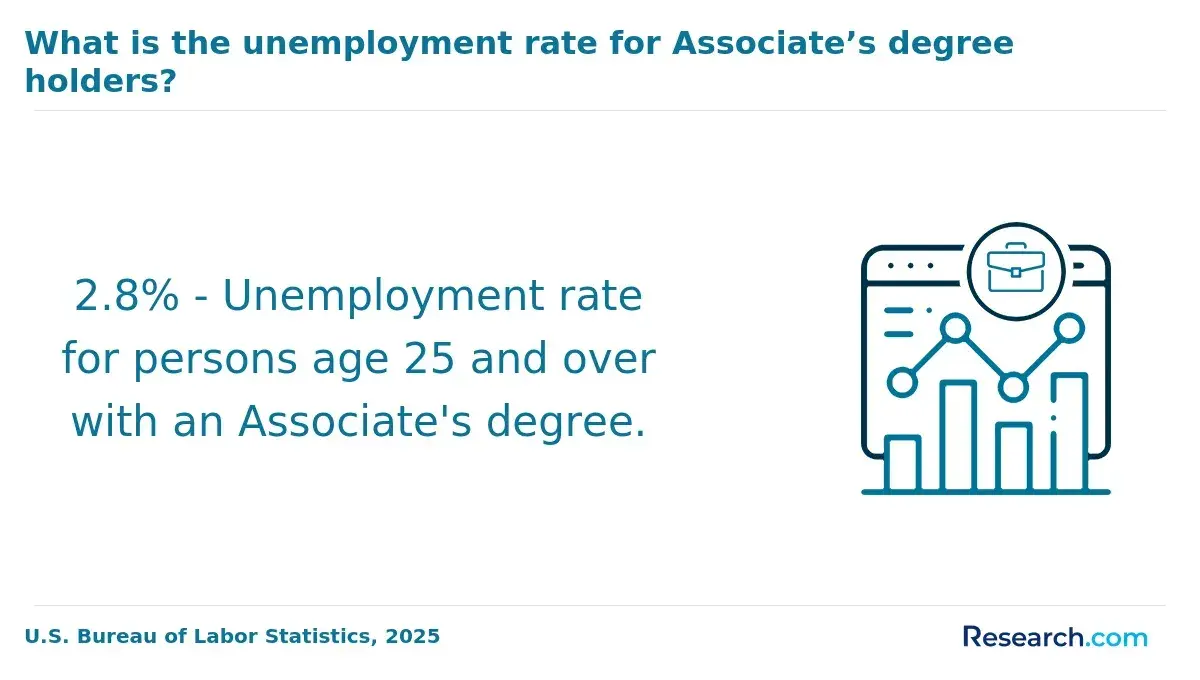
Core competencies in math, communication, finance, and legal concepts are essential given the multifaceted nature of brokerage management within the $3.5 trillion real estate and rental sector. Accelerated or hybrid formats often expect candidates to hold an associate degree or demonstrate business fundamentals coursework, reflecting the academic readiness critical for leadership roles managing complex operations from the outset.
Transfer students must verify articulation agreements carefully, as inconsistent credit acceptance can delay graduation and impede timely workforce entry. Letters of recommendation and personal statements are common requirements, designed to distinguish candidates capable of navigating brokerage leadership complexities. International applicants face supplemental expectations such as English proficiency and credential evaluations, which may extend onboarding timelines and require early planning.
- High school diploma or equivalent, minimum GPA 2.5-3.0
- Test scores often waived for professional experience or prior credits
- Foundational skills in finance, legal concepts, communication, and math
- Associate degrees or business coursework needed for accelerated tracks
- Careful credit transfer and articulation agreement verification
- Letters of recommendation and personal statements highlighting leadership
- Additional requirements for international applicants
How long does an online real estate BBA take?
Completion time for an online real estate BBA significantly affects career trajectory, particularly for those targeting brokerage leadership roles where a bachelor's degree is expected. While full-time enrollment typically spans four years-mirroring traditional undergraduate programs-accelerated options can shorten this to two or three years, often increasing weekly academic workload to 15-20 credits. This intensified pace may challenge working professionals balancing job commitments, making part-time enrollment common but potentially extending completion to five or more years.
Transfer credits from prior institutions play a critical role in reducing time to degree, but policies vary widely and require careful evaluation. The total 120-semester-credit curriculum blends business fundamentals with real estate principles and finance, designed to prepare students for operational leadership rather than transactional roles.
Financial factors compound timing decisions. The average private nonprofit four-year cost exceeds $58,000, meaning that prolonging education increases debt and delays earning potential in brokerage leadership positions. Employers favor candidates who can quickly transition with a completed bachelor's credential, placing importance on pragmatic scheduling aligned with career objectives.
- Accelerated paths demand greater weekly hours, potentially conflicting with employment.
- Transfer credits can materially shorten duration, but require upfront planning.
- Part-time pacing delays leadership role entry and income progression.
Prospective students should weigh program flexibility, credit transferability, and work-study balance to avoid deferred career advancement in a competitive real estate market.
How much does an online real estate BBA cost?
Online BBA programs in real estate present a clear financial and strategic tradeoff between cost, program rigor, and employability outcomes. Tuition commonly ranges from $15,000 to $50,000, heavily influenced by institution type and program format. Public universities offering fully online courses usually keep costs between $15,000 and $30,000, while private or specialized business schools exceed $40,000. These figures exclude additional expenses such as textbooks, technology fees, and occasional in-person requirements, which can add $1,000 to $3,000 annually.
Students balancing studies with brokerage leadership roles face significant opportunity costs. Such positions demand sharp analytical abilities and market research skills, underscored by the median annual wage for market research analysts at $74,680 (U.S. Bureau of Labor Statistics, May 2024). Employers expect graduates to excel in market analytics, negotiation, and strategic decision-making-skills cultivated through rigorous coursework coupled with real-world application.
Choosing a lower-cost program may reduce debt but also limit access to specialized electives and networking crucial for mid-career pivots. More expensive institutions might offer enhanced employer recognition and broker-specific curricula but carry greater financial risk. Prospective students should demand transparent cost breakdowns alongside post-graduation employment data to realistically weigh return on investment.
- Tuition varies largely on institution prestige and residency.
- Opportunity costs are key for working professionals.
- Analytical and market competencies are critical for brokerage roles.
- ROI analysis requires balancing debt, networking, and employer expectations.
What jobs can you get in brokerage leadership?
Brokerage leadership roles following an online BBA in real estate demand navigating complex operational challenges intensified by a tight housing market. Managing brokers, branch managers, and directors of sales must balance regulatory compliance, staffing decisions, and sales strategy amid stagnant or declining home sales, which hovered near 4 million annually according to the National Association of Realtors. This requires an acute focus on cost management and innovative commission schemes to sustain agent motivation without undermining profitability.
Key tradeoffs include whether to retain underperforming agents who increase overhead versus recruiting new talent in a lean environment. Compliance pressures remain high, with managing brokers accountable for preventing legal violations despite fluctuating volumes. Branch managers face the operational strain of ensuring office-level financial health and client engagement under these constraints.
Employers prioritize candidates with tangible skills in sales data analysis, contract negotiation, and multi-channel marketing capable of driving measurable productivity improvements. Without demonstrable impact on profitability or agent performance, academic credentials alone rarely secure leadership appointments.
Critical competencies for brokerage leaders include:
- Strategic sales pipeline development
- Regulatory adherence and risk mitigation
- Efficient people and financial management
- Analytical assessment of market trends and agent output
Students considering this pathway must weigh the practical realities of market constriction and leadership responsibilities that often extend well beyond classroom theory, emphasizing real-world outcomes over credentials.
What salary and job outlook do real estate leaders have?
Real estate leadership roles with a BBA focused on brokerage management typically start near the median annual business wage of $80,920 but often exceed this benchmark through commission splits, profit sharing, and bonuses-especially in metropolitan or commercial markets where salaries can surpass $100,000. This compensation variability reflects the premium employers place on a combination of leadership acumen, market-specific knowledge, and sales performance.
Employment growth mirrors broader business operations trends, driven by sustained housing demand and evolving technologies in property transactions. Employers prioritize candidates who balance analytical skills, regulatory compliance, and team management with client relations-a complexity rarely mastered without comprehensive BBA training targeting both practical and strategic dimensions.
Professionals shifting from unrelated sectors face a tradeoff in timelines: online BBAs offer flexibility but require time to build industry exposure needed for leadership roles. Entry-level brokerage positions may provide faster market immersion but do not guarantee the leadership salary premiums associated with degree credentials. Strategic networking, internships, and supplemental certifications are critical to bridging this gap.
Income outcomes fluctuate widely based on geography, firm scale, and role complexity, reinforcing that the median figure is a foundation rather than a ceiling. Building relevant, hands-on brokerage experience alongside a BBA is essential to unlocking higher leadership compensation and career resilience.
Other Things You Should Know About Real Estate
Online BBA programs demand disciplined time management since students juggle coursework with professional and personal responsibilities. Real estate brokerage leadership courses often require case analyses, project work, and internships that cannot be rushed. Prioritize programs that offer flexible but structured schedules with clear deadlines to avoid bottlenecks in workload and ensure steady progress. Without this balance, students risk falling behind or missing critical practical applications tied to leadership.
Employers increasingly recognize online degrees, but they scrutinize program rigor and relevance more than delivery mode. Graduates from programs with real-world project components, strong faculty industry ties, and leadership training are favored. For brokerage leadership, emphasize programs that integrate experiential learning and up-to-date market simulations to improve employability, as these skills translate directly to the workplace. Reputation of the institution remains secondary to demonstrated competencies.
Specialization can sharpen skills but narrowing focus too early may limit adaptability in complex brokerage roles that require broader business acumen. Students should prioritize programs offering a strong core curriculum with leadership, negotiation, and financial analysis before specializing. This approach results in a more versatile leadership profile employers expect in dynamic real estate markets. Choose specializations after building foundational leadership competencies.
Internships and mentorships provide hands-on experience and industry insights essential for aspiring brokerage leaders. They offer networking opportunities, practical knowledge, and real-world skills that complement the academic components of an online BBA program, ensuring a well-rounded education.
References
- What Is a Broker? How to Become One and Where to Train | Esade https://www.esade.edu/beyond/en/what-is-a-broker/
- BBA online: Real Estate | STUDY-ESBM.com https://www.study-esbm.com/specialization/bba-real-estate/
- Brokerage Team Leader https://careers.oxfordshire.gov.uk/jobs/job/Brokerage-Team-Leader/1996
- Property and real estate managers: Salary, career path, job outlook, education and more - RaiseMe https://www.raise.me/careers/management/property-real-estate-and-community-association-managers/property-and-real-estate-managers/
- Real Estate Broker Leadership https://www.caribbeanjobs.com/Real-Estate-Broker-Leadership-Job-232993.aspx
- Bachelor's Degree in Real Estate Finance and Development | UT San Antonio https://future.utsa.edu/programs/undergraduate/real-estate-finance-development/
- Colibri Real Estate Career Blog https://www.colibrirealestate.com/career-hub/blog/best-online-real-estate-schools/
- How To Become a Real Estate Broker in Nevada | Official Key Realty School https://keyrealtyschool.com/real-estate/how-to-become-real-estate-broker-nevada/
- Classroom or Online Real Estate Courses: What’s the Best Fit for You? https://www.hondros.com/resources/blog/classroom-vs-online-real-estate-courses-what-is-the-best-fit-for-you/
- How to Become an Employing Broker in Colorado https://apexreschool.com/f/how-to-become-an-employing-broker-in-colorado