2027 Real Estate Job Market Outlook Through 2030

Co-Founder and Chief Data Scientist
Mid-career professionals targeting a shift into real estate frequently face a tangle of constraints: balancing unpredictable hiring cycles, credential requirements, and escalating educational costs. Recent data from the National Center for Education Statistics reveals a 35% surge in adult enrollment in flexible, career-focused programs since 2023, reflecting widespread demand for adaptable learning paths. This shift emphasizes compressed timelines and modular credentials that accommodate workforce realities rather than traditional, full-time study.
Navigating these options amid an evolving job market, where economic fluctuations affect property sectors unevenly, complicates strategic program selection. This article will analyze real estate job trends through 2030 to guide candidates toward education choices aligning with market dynamics and career agility.
Key Things You Should Know
- Growth in U.S. real estate jobs is projected at just 2% through 2030, slower than average sectors per BLS data, pressuring candidates to offer specialized market knowledge to differentiate amid rising automation.
- Employers prioritize licensed agents with data analytics skills, as 68% of firms now integrate AI-driven valuation tools, reshaping agent responsibilities and reducing demand for purely transactional roles.
- Certification costs averaging $1,200 plus 3-6 months for licensing create timing and financial barriers, often delaying entry-level earnings and prompting many to pursue hybrid credential-upgrading while maintaining related income sources.
How is the real estate job market expected to change for agents, brokers, and investors through 2030?
Projected employment growth in the U.S. real estate industry, from 1.92 million jobs in 2023 to 2.06 million by 2028, reflects evolving demands that reshape skills and career trajectories for agents, brokers, and investors. Those entering the market must navigate heightened specialization pressures, competing not only on volume but also on niche expertise such as luxury, commercial, or property management sectors. The employment outlook for real estate investors and professionals emphasizes data analytics and adaptive short-term market insights to identify promising investments amid shifting urban and suburban dynamics.
Technology integration is no longer optional; brokers must invest substantially in compliance training and AI-driven customer relationship management to sustain efficiency amidst regulatory complexity. Agents focusing on metropolitan residential markets face practical pressure to master digital marketing tools and virtual tour proficiency to maintain relevance.
Higher educational credentials increasingly influence hiring and advancement, as licensing alone rarely suffices. Employers seek candidates with comprehensive training in finance, legal frameworks, and technology-skills that directly impact transactional workflows and client retention. Workers should anticipate variable commission structures linked to regional economic fluctuations, requiring adaptability in income expectations and communication methods.
Entry-level professionals benefit from programs combining academic study with hands-on internships and active mentorships, bridging theory and real-world challenges. Mid-career real estate professionals must prioritize continuous upskilling and credential renewals to align with evolving industry standards. Given these complexities, pursuing an accelerated finance degree can provide targeted skills that enhance strategic decision-making and operational effectiveness in a competitive market.
Which real estate roles and specialties are projected to be most in demand by 2030?
By 2030, brokerage, property management, and specialized segments like commercial real estate negotiations will command the largest shares of demand among the most in demand real estate roles in the United States. Brokers' median annual wage of $72,280, notably higher than sales agents at $56,320, reflects increased complexity, accountability, and the necessity of formal licensing. This wage differential stems from brokers handling multimillion-dollar deals and cultivating sustained client relationships that require advanced negotiation and legal skills.
Commercial real estate brokerage is poised for significant growth amid urban redevelopment and expanding logistics infrastructure, necessitating proficiency in financial analysis and contract law. Property managers will become indispensable in high-demand rental markets, tasked with optimizing asset values and tenant experiences through technology and regulatory compliance.
Individuals considering career pivots should weigh the ceiling on residential sales agents' fluctuating commissions against brokers' ability to command premium fees through specialized credentials. A broker with expertise in sustainable commercial developments, for example, taps into ESG investment trends that open exclusive client opportunities. Success in these roles depends heavily on certifications combining regulatory knowledge, market analytics, and practical digital transaction management.
Prospective students aiming to leverage these realities would benefit from programs aligned with operational and strategic competencies such as the best MBA in operations management. Without these advanced credentials, advancement beyond entry-level sales or leasing positions remains limited despite market familiarity.
What salary ranges and earning potential can real estate professionals expect in the coming years?
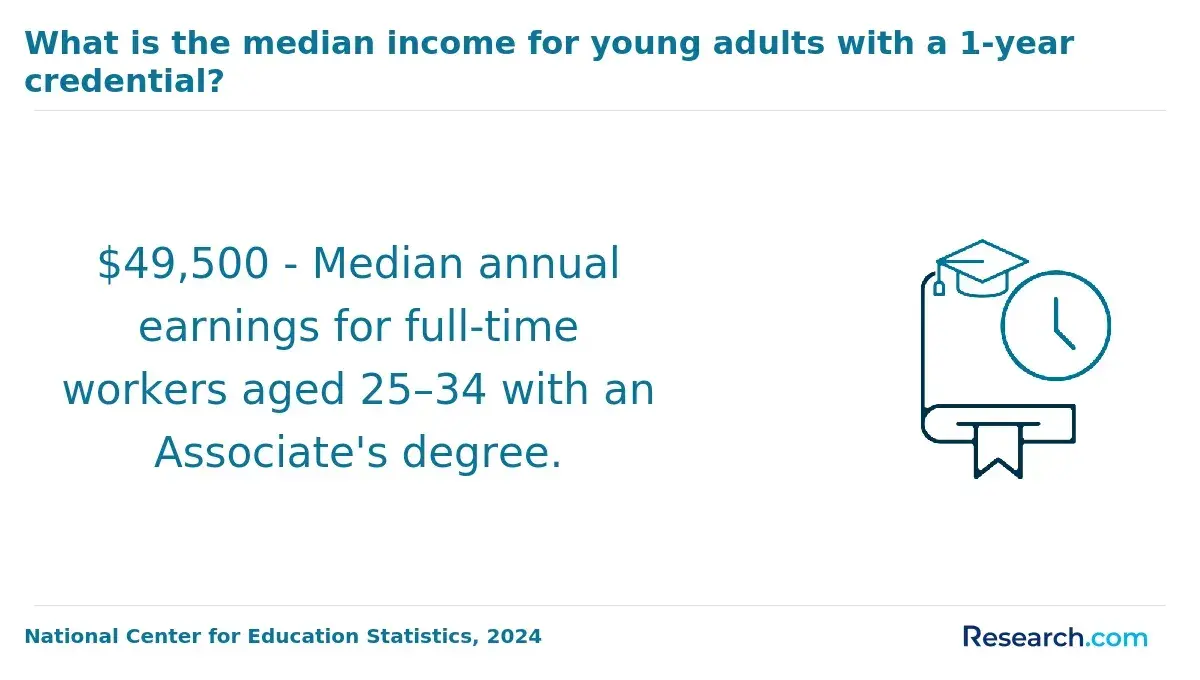
Salary outcomes for real estate professionals in 2026 vary significantly by location, role specialization, and experience level, with median annual earnings near $49,000 for sales agents and about $62,000 for brokers, based on U.S. Bureau of Labor Statistics data. However, the earning potential for real estate agents is heavily influenced by regional market dynamics. For example, new agents in metro areas like New York or San Francisco often start with modest base commissions but may reach $60,000 to $80,000 within a few years by cultivating a strong clientele and handling high-value transactions. In contrast, entry-level agents in less competitive markets typically see starting salaries between $30,000 and $40,000 due to lower property values and transaction volume.
Roles in brokerage management and commercial real estate offer higher ceilings, frequently surpassing $100,000 annually, but demand advanced licensing, demonstrated sales records, and often ownership or partnership stakes. Commercial property dealings involve longer sales cycles and require strategic patience, reflecting a tradeoff between potential rewards and capital commitment.
Real estate professionals face income volatility inherent in commission-based models, underscoring the importance of financial planning and client relationship management. The 3% projected employment growth from 2024 to 2034 signals stable demand but also sustained competition, crucial factors in evaluating the real estate professionals salary outlook.
Given these complexities, pursuing complementary education such as a masters in construction management online can offer valuable practical skills and broaden career pathways.
What education or degree is best for starting a long-term career in real estate?
A bachelor's degree in business, finance, or urban planning provides a technically solid foundation for those targeting a long-term real estate career. Employers prioritize candidates with analytical capability, financial literacy, and market insight-skills typically honed in these disciplines. For instance, a finance major gains relevant competencies in investment analysis and portfolio management, directly applicable to asset valuation and complex development projects. This alignment with essential education requirements for real estate professionals can distinguish candidates in a competitive labor market.
The U.S. Bureau of Labor Statistics projects roughly 46,300 annual openings for real estate agents, brokers, and appraisers, reflecting sustained demand favoring credentialed individuals. Yet, prospective professionals must consider the clear tradeoff between quicker entry via licensing and greater upward mobility tied to degree completion. Licensing expedites sales roles but restricts advancement without supplementary qualifications, particularly for specialized sectors like property management or REITs. Urban planning degrees open pathways into regulatory and community-impact positions amid increasingly complex zoning and environmental priorities.
Real estate career trajectories also reward ongoing education. Leadership roles often require graduate degrees or advanced certifications in business or real estate fields. Navigating these pathways demands balancing immediate workforce access against broader long-term benefits.
For candidates weighing nontraditional routes, programs such as an online sports management bachelor's degree illustrate how accelerated degree options can complement or eventually substitute for conventional credentials, depending on career goals.
How do online real estate programs compare to campus-based options for career preparation?
Employers in real estate emphasize practical skills, local market knowledge, and direct industry engagement over purely academic credentials. Campus-based programs in urban centers naturally embed these benefits through internships, client-facing projects, and networking with developers and brokers, creating immediate pipelines into local markets. Online programs offer unmatched flexibility for working professionals or those constrained by geography, but they often fall short in replicating the spontaneous mentorship and hands-on deal negotiation experience that in-person formats provide.
Choosing between modalities requires weighing the tradeoffs linked to career goals and market demands:
- Campus programs better suit students targeting roles necessitating physical site visits, appraisal skills, or immediate placement in competitive urban markets.
- Online programs make strategic sense for those balancing current employment or relocation barriers but must be supplemented with virtual internships and local partnerships to maintain market relevance.
India's real estate and construction sector, projected to support nearly 100 million jobs by 2030 as noted in the KPMG and NAREDCO report illustrates the scale of demand for job-ready candidates with tangible project experience. Employers discount credentials lacking applied components, making it essential to scrutinize programs for career services and industry integration rather than relying solely on course flexibility or brand.
Students must conduct due diligence on how educational pathways align with workforce entry timelines and skill acquisition outcomes to avoid delays in career transitions within this rapidly expanding sector.
What are the typical admission requirements for real estate degrees and training programs?
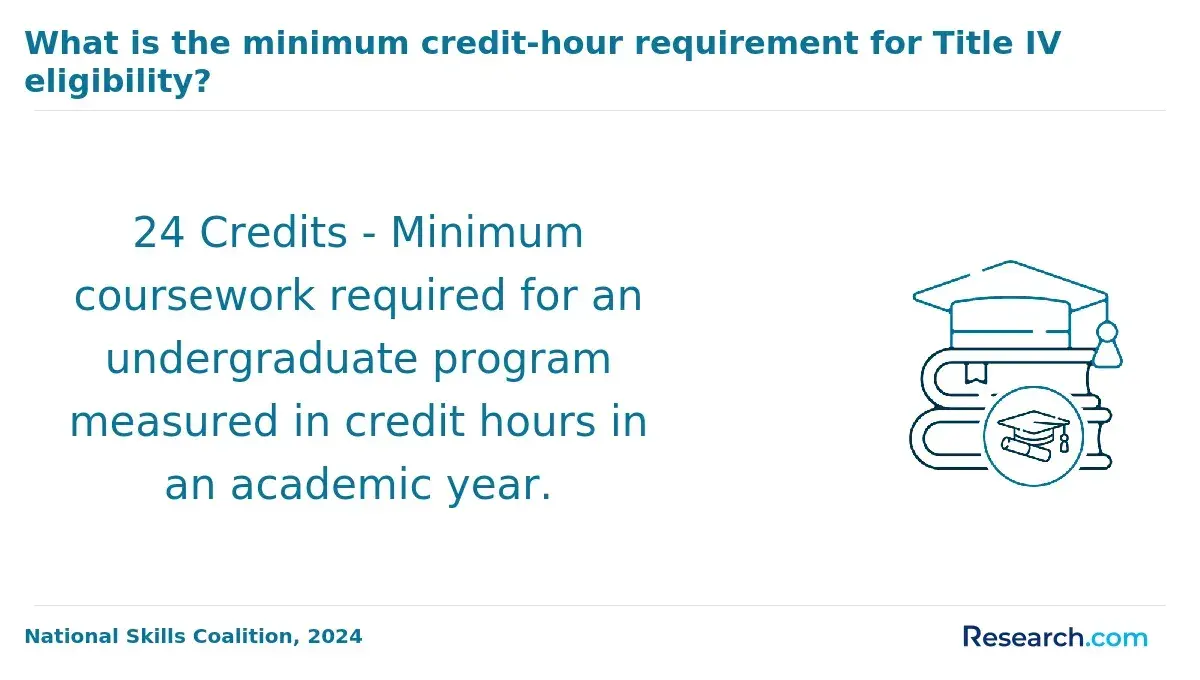
Admission to real estate programs typically hinges on a high school diploma, with bachelor's degrees demanding a GPA between 2.5 and 3.0 and sometimes standardized test scores, although test-optional policies are increasingly common. Professional training or associate degrees allow more flexible entry but often require residency proof to meet state licensing standards.
Transcripts must usually demonstrate some foundation in business, finance, or economics, particularly for commercial real estate or property management tracks. While prior work experience isn't mandatory at admission, it significantly improves prospects for graduate certificates and specialized continuing education, especially for licensed agents targeting real estate development or investment analysis roles.
Cost and regulatory requirements represent practical hurdles: students must budget for licensing exams and comply with ongoing state education mandates. For instance, states with active real estate markets often favor candidates with expertise in construction financing and regulations, considering trends such as India's construction market growth to $740 billion in 2025 and a projection surpassing $1 trillion by 2030, per Whalesbook.
Applicants lacking business coursework confront steeper learning curves, frequently necessitating costly bridging classes. Employers prefer candidates from programs incorporating internships or co-op experiences, reflecting a tangible advantage in job placement beyond the allure of admissions ease.
How long do real estate programs take, and what tuition and total costs should students expect?
Choosing a real estate educational path requires balancing time, cost, and career goals with employer expectations for demonstrated competence.
Most credential programs span 6 months to 2 years, with certificate and diploma courses averaging about 12 months. Bachelor's degrees typically take 2 to 4 years and involve substantially higher annual tuition-ranging from $20,000 to $50,000-compared to $3,000-$10,000 for certificates and $10,000-$25,000 for diplomas. Additional expenses include licensing exam fees ($100 to $500), textbooks, and potential living costs for full-time students.
For individuals aiming to enter the workforce quickly, state-approved pre-licensing courses offer shorter, less expensive pathways but usually restrict initial roles to sales agent positions. Moving into property management or brokerage demands a longer, costlier education coupled with experience hours, reflecting the higher expectations of employers. For example, a retail manager shifting into commercial leasing should weigh the merits of a focused 12-month diploma with property management modules versus a broad four-year degree when targeting leadership roles.
Other factors include part-time versus full-time study tradeoffs, particularly income continuity, and geographic variations in living costs. The real estate market's projected 14.4% employment growth over 10 years in Australia, as per NSW Government data, signals rising opportunity but also justifies investing in more comprehensive education for sustainable career progress.
What core courses and skills do real estate degree and certificate programs usually cover?
A real estate degree or certificate program's practical value hinges on balancing technical knowledge with market realities and employer needs. Core curricula focus on property valuation, finance, and law, but the true differentiator is how students integrate these disciplines to meet complex, evolving job requirements. For instance, a commercial leasing specialist must navigate zoning laws, interpret market analytics, and negotiate contracts concurrently-skills that separate entry-level candidates from effective practitioners.
Key components include:
- Investment and mortgage market understanding, crucial for assessing asset viability and capital strategy.
- Legal proficiency in contracts and due diligence to reduce transaction risk and ensure compliance.
- Market analysis combined with urban economics to interpret demographic shifts affecting property demand.
- Soft skills such as negotiation, ethical conduct, and communication, which frequently determine client retention and deal success.
- Technology fluency, especially geographic information systems (GIS) and digital marketing, reflecting the digitization of property management and sales.
The sector's employment growth-from 1.69 million workers to a projected 1.78 million in five years according to ReportLinker-suggests steady opportunity but also rising expectations for specialized skills. Prospective students should weigh the intensity of the interdisciplinary training required against market entrance costs and potential career trajectories. This calculation informs strategic decisions around program selection and professional positioning in a competitive labor market.
What licensing and certification steps are required to become a real estate agent or broker?
Licensing as a real estate agent in the U.S. demands navigating state-mandated pre-licensing education, typically 60 to 180 hours covering contracts, property law, and ethics, followed by a rigorous state-specific exam. Success requires strategic preparation due to varying content and exam difficulty. Post-licensing, affiliating with a licensed broker is mandatory for practice, directly influencing income potential and career growth. Selecting a broker is a critical decision affecting professional development and earning capacity.
Transitioning to a broker requires additional qualifications, including two to three years of active agent experience and advanced coursework on brokerage management and risk reduction. Broker exams are more demanding, reflecting the increased responsibility brokers hold, such as operating independently and managing compliance risk. Brokers enjoy higher commissions but inherit greater operational liabilities.
Key workforce considerations include:
- The tradeoff between agent reliance on brokers for compliance versus brokers' exposure to more risk but greater control and earnings.
- Continuing education mandates, often 12-24 hours biennially, with noncompliance risking license suspension and income disruption.
- Anticipated costs, ranging from $300 to $1,500 annually for education, exams, and renewals, which must be budgeted thoughtfully.
In hot markets identified by reports like the PwC/ULI Emerging Trends, brokers can leverage high transaction volumes effectively, but foundational licensing hurdles remain consistent regardless of location.
How can prospective students evaluate and choose an accredited, reputable real estate program?
Choosing a real estate program demands rigorous scrutiny of accreditation and tangible career outcomes since these determine your competitive standing and return on investment. Accreditation by trusted entities guarantees alignment with recognized industry standards and licensing exam readiness. The U.S. real estate sector under NAICS 531 covers brokerage, property management, and leasing, each with distinct employment realities; students must insist on program-specific data like job placement rates and employer relationships relevant to their targeted niche.
Programs that transparently reveal licensing pass rates, internship success, and alumni trajectories offer a clearer picture of real-world applicability. For instance, candidates aiming for brokerage roles in urban markets should verify connections with leading brokerage firms, while aspiring property managers need curricula emphasizing lease negotiation and proficiency with asset management tools reflecting employer demands.
Delivery format significantly affects outcomes: full-time accelerated tracks can constrain working adults, whereas part-time or online options extend time-to-licensure, delaying income. Compare total financial obligations-including exam fees and continuing education-to understand debt impact, especially for career switchers. Utilizing recent labor market data from the U.S. Bureau of Labor Statistics ensures alignment with evolving workforce conditions and supports informed choices tailored to specific goals across the broad NAICS 531 industry.
Other Things You Should Know About Real Estate
Economic downturns disproportionately affect real estate roles linked to transactional volume, especially agents relying on commissions in residential markets. Job stability varies by sector; property management and real estate finance roles often maintain steadier demand during downturns due to ongoing income streams and refinancing needs. Diversifying skills to include property management, appraisal, or corporate real estate can buffer against volatility. Candidates aware of these market cycles and prepared to pivot tasks or specialties stand a better chance to sustain consistent employment through fluctuations.
Prioritizing program accreditation ensures recognition by licensing boards and employers, which is essential for passing required examinations and gaining initial credibility. However, programs with robust industry partnerships often provide better internship opportunities, networking, and exposure to real employer expectations, speeding up market entry. Ideally, choose an accredited program that also demonstrates strong employer engagement and practical learning components, such as internships or mentorships. This combination delivers both compliance and practical readiness that directly impact hiring success.
Technology is reshaping many real estate functions, including marketing, data analysis, and transaction management, raising the bar on digital literacy. Employers now expect proficiency in customer relationship management (CRM) software, virtual tour platforms, and data analytics tools as baseline skills. Pursuing continuing education in these technologies and embracing tech-driven workflows improves job competitiveness and career advancement potential. Ignoring technology trends risks falling behind peers and limits access to higher-paying roles reliant on efficiency and market insight.
References
- How to Become a Real Estate Agent https://www.kapre.com/resources/real-estate/how-to-become-a-real-estate-agent
- Top Professions by 2030: Which Roles Will Dominate the Market? https://alte.edu.ge/en/jobs-of-the-future-which-roles-will-be-most-in-demand-by-2030
- Real Estate Market Analysis: 33.61 trillion USD 2030 Outlook https://www.nextmsc.com/report/real-estate-market
- Real Estate Development and Management https://www.conestogac.on.ca/fulltime/real-estate-development-and-management/admissions
- What Real Estate Agents Reveal About the Future of Work in the Age of AI https://www.thecareertoolkitbook.com/blog/what-real-estate-agents-reveal-about-the-future-of-work-in-the-age-of-ai
- Global Real Estate Market Report 2023: A $6.13 Trillion Market by 2030 - Size, Share, Growth Analysis, Competitive Analysis, & Industry Forecasts https://uk.finance.yahoo.com/news/global-real-estate-market-report-123800971.html
- Rprealtyplus https://rprealtyplus.com
- Research and Statistics https://www.nar.realtor/research-and-statistics
- The 2026 Reality Check: AI’s Impact on Real Estate Jobs - Assetsoft https://www.assetsoft.biz/blogs/post/the-2026-reality-check-ai-s-impact-on-real-estate-jobs
- What is a real estate agent training course like? - INSEEC https://www.inseec.com/en/guides/orientation-guide/what-is-a-real-estate-agent-training-course-like/