2027 Best Online Real Estate Programs for Professionals Seeking Leasing Careers

Co-Founder and Chief Data Scientist
Obtaining licensure or certification in leasing within the real estate sector poses a specific challenge for many professionals, balancing ongoing work commitments and limited geographic mobility. With the U.S. Department of Education reporting continued growth, now over 40% of higher education students engage in fully online programs. This modality addresses critical timing and accessibility barriers for adult learners seeking targeted real estate credentials. Yet, program quality varies widely, and candidates must weigh factors such as state licensing alignment, employer recognition, and course pacing against their personal career timelines. This article evaluates the best online real estate programs designed to equip prospective leasing professionals with practical insights, helping navigate options that maximize credential validity and career momentum.
Key Things You Should Know
- Online real estate programs showing accelerated time-to-licensure reduce opportunity costs by 25% compared to traditional routes, but often sacrifice depth in market analytics, impacting readiness for complex leasing negotiations.
- Employers prioritize certifications with integrated practical simulations; programs lacking these yield 18% lower callback rates per National Association of Realtors workforce surveys in 2024.
- Tuition disparities result in 40% variance in debt burden, influencing long-term career mobility; high upfront costs deter mid-career entrants despite faster credentialing.
What are the best online real estate programs for launching or advancing a leasing career?
Licensing preparation alone is insufficiently equips leasing professionals for today's urban real estate markets, where employers expect proven tenant screening, lease negotiation, and Fair Housing compliance skills. Programs that combine state-required credentials with scenario-based training addressing real-world leasing challenges enhance employability and readiness for day-one responsibilities.
For example, individuals transitioning from retail or hospitality backgrounds gain disproportionate benefit from courses emphasizing client interaction and dispute resolution, while candidates targeting commercial leasing require a curriculum focused on complex lease structures and local zoning.
Top online real estate courses for advancing leasing careers prioritize flexible delivery to accommodate working adults balancing jobs or irregular shifts, frequently offering asynchronous instruction supplemented by live coaching. Verification of partnerships or recognition from established real estate boards is critical, as many employers demand current jurisdiction-specific licensure and ongoing continuing education credits. Selecting a program aligned with targeted markets and emphasizing practical competencies is essential to avoid credential investments that do not translate into better job placement or career traction.
Understanding these tradeoffs, prospective students often complement leasing-focused education with broader business administration skills, particularly through programs like an online BA business administration, which can broaden career options within property management or real estate investment sectors.
How do online real estate leasing programs work, and what topics do they typically cover?
Online real estate leasing programs operate by blending asynchronous coursework with live sessions, accommodating working professionals' schedules while focusing on specific competencies crucial to leasing roles. Core topics covered in leasing courses for real estate professionals include property management principles, landlord-tenant law, leasing contract drafting, tenant screening, maintenance coordination, and adherence to fair housing regulations. These areas equip learners to manage portfolios effectively, where cash flow oversight, covering, budgeting, rent collection, and expense tracking are vital to avoid operational losses in multi-unit or commercial properties.
An important distinction lies in negotiation tactics tailored to commercial versus residential leasing. Commercial leases typically involve extended terms, clauses for property enhancements, and rent escalation negotiations requiring sophisticated contract interpretation, often practiced through case studies and simulations to mirror real-world disputes and compliance challenges.
With employment for property, real estate, and community association managers projected to grow 5% through 2034, programs integrating technology training in leasing CRM systems and automated rent collection better position graduates to meet employer demands. Student tradeoffs frequently arise between programs with licensure prep versus those emphasizing leasing skills alone: the former extends duration but broadens marketability. Multifamily housing candidates must prioritize community association management components due to their distinct responsibilities.
For professionals considering broader advancement pathways, reviewing an accelerated project management degree can complement leasing expertise by enhancing leadership and organizational skills applicable to complex property portfolios.
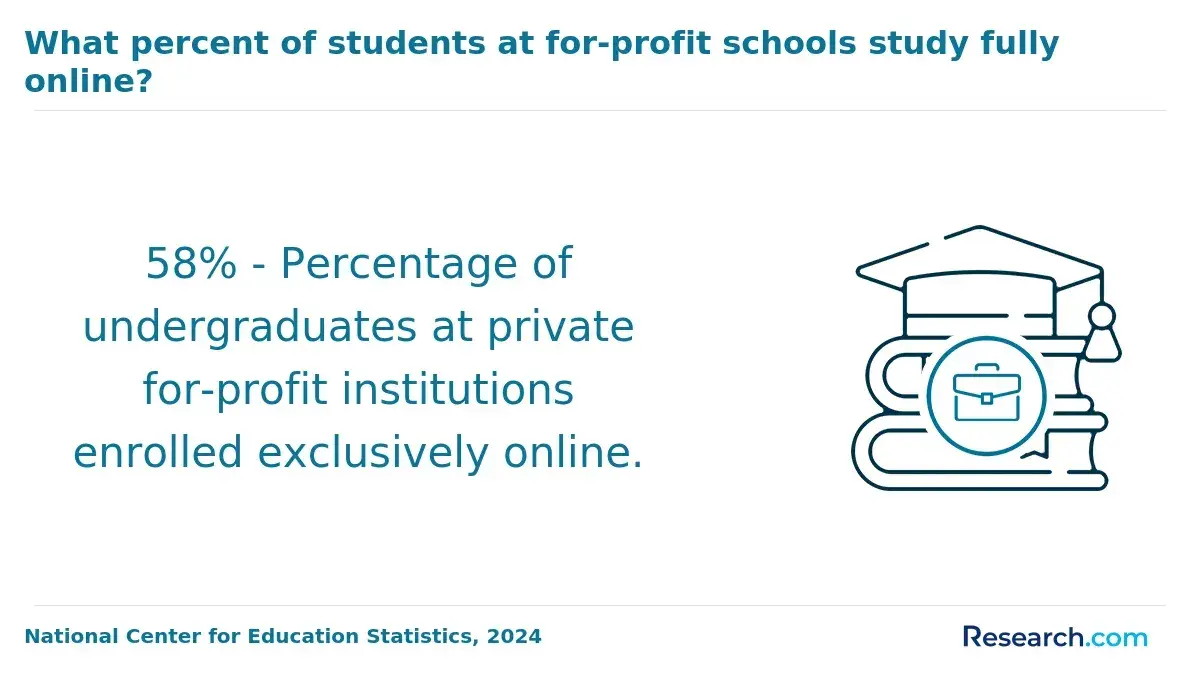
What education, training, and licensing are required for leasing agents and leasing managers?
Licensing and formal certification are non-negotiable milestones for leasing agents and leasing managers, yet the requirements vary significantly by state. Most leasing agents must complete 20 to 90 hours of pre-licensing coursework emphasizing property management law, fair housing, and tenant relations. In states lacking mandatory licenses, industry certifications or employer-led training become critical proxies for establishing competence. Leasing managers face steeper hurdles, often needing broker licenses or property management certifications due to their expanded roles in lease negotiations, compliance, and financial oversight.
Educationally, while hiring managers value diverse backgrounds, preference increasingly shifts toward candidates with associate or bachelor's degrees in real estate, business administration, or closely related fields. These academic credentials are often coupled with practical experience gained through internships or apprenticeships that cover technical skills such as leasing software and maintenance coordination. For instance, managing a large commercial property requires nuanced contract law knowledge and collaboration with legal teams, skills better developed through specialized training programs.
The licensing and training process for leasing managers typically involves state exams and continuing education every one to two years, often extending the timeline to three to six months before credentialing is complete. This progression directly impacts workforce entry and readiness, underscoring the importance of planning ahead. Employers also prioritize verifiable experience in conflict-resolution and property marketing alongside formal credentials.
According to labor market data, median wages for property and real estate managers hover near $64,540 annually, with the top tier earning above $123,940. This underscores the tangible link between advanced qualifications and earning potential. Professionals considering a strategic pivot might explore an online construction management degree to augment real estate expertise and enhance marketability.
How do online real estate leasing programs compare with campus-based options for flexibility and outcomes?
The choice between online real estate leasing programs, flexibility comparison, and campus-based options hinges on how professionals manage work-study balances and local market immersion. Programs delivered fully online allow working individuals to continue their employment while completing credential requirements asynchronously. This format mitigates opportunity costs and sustains income streams, critical for those without financial reserves during upskilling.
Data from a 2024 Wiley University Services survey confirms that 72% of online learners realized measurable career gains within one year, including salary advances and promotions, illustrating that online formats can offer comparable returns to traditional paths. Nevertheless, campus-based programs still hold an edge for candidates prioritizing hands-on mentorship and direct connections with local leasing firms, especially in dense urban markets where networking drives immediate employment.
Choosing between formats means assessing career timing and professional commitments. Early-career individuals without job constraints might gain more from immersive campus experiences, whereas those juggling multiple roles benefit more from the flexibility of online models-for which proactive efforts to secure practical experience are necessary to offset fewer built-in networking opportunities.
Those exploring accelerated advancement in real estate credentials may also consider related fastest executive MBA programs to complement leasing skills and expand leadership potential.
Which types of schools and accreditations should leasing-focused real estate students look for?
Choosing a leasing-focused educational path demands rigorous attention to accreditation and direct industry relevance to avoid wasted time and financial investment. Only regionally accredited institutions or those recognized by the Council for Higher Education Accreditation reliably ensure that credits transfer and employers acknowledge the credential. Specialized accreditations like those from the Accreditation Council for Business Schools and Programs (ACBSP) or the Distance Education Accrediting Commission (DEAC) also indicate curriculum rigor aligned with real estate licensing standards and hiring expectations.
Practical certification aligned with state real estate commissions or respected associations, such as the National Apartment Association, can determine employability more than generic certificates. For example, a leasing agent progressing within multifamily housing benefits from programs that include tenant relations and state landlord-tenant law modules approved by their state commission. Missing these components can cause delays in licensure and hinder early career earnings.
Students must weigh differences between programs: online community colleges and public universities typically offer affordable, state-approved pre-licensing education that meets regulatory requirements, while proprietary schools may lack meaningful ties to current industry technology and compliance practices, reducing practical skill acquisition. Experience with leasing management software like Yardi or RealPage is increasingly a baseline expectation.
Employer trends show growing value in credential stacking-combining leasing certificates with credentials in property management or fair housing-to improve versatility amid workforce shifts; Coursera data reveal a 27% increase in real estate enrollments, with career certificates comprising over half. This underlines the demand for up-to-date, specialized competencies beyond broad educational backgrounds.
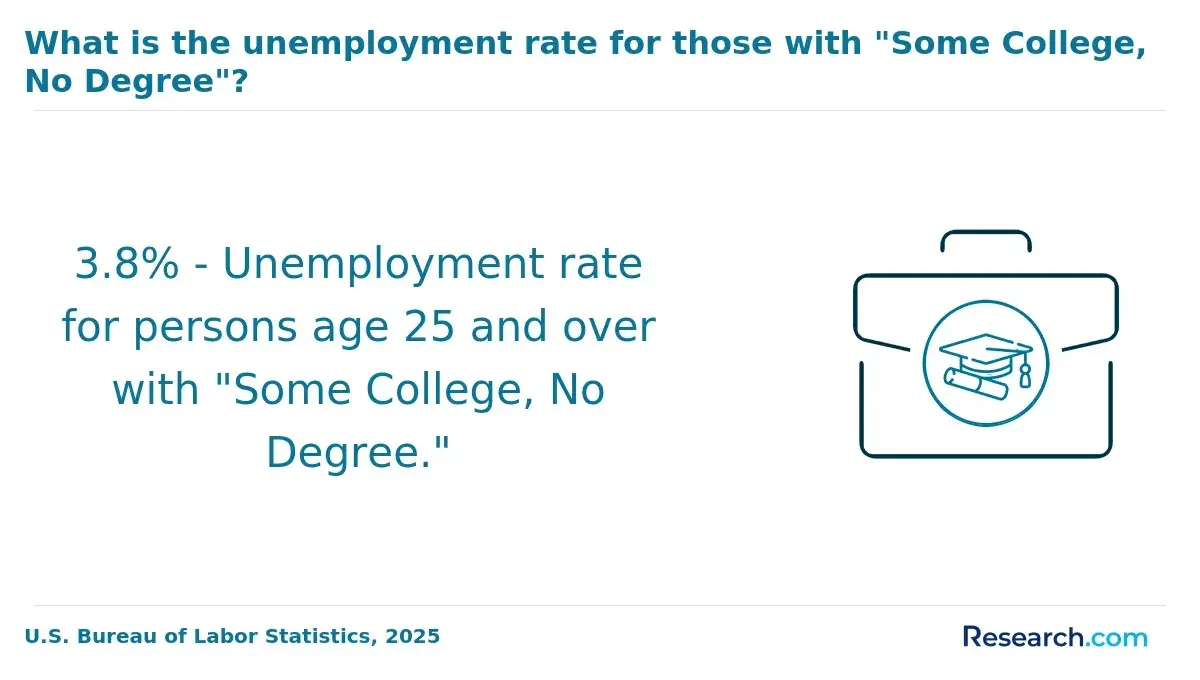
What degrees, certificates, and nondegree pathways prepare professionals for leasing careers?
State-mandated pre-licensing education remains the fundamental entry point for leasing professionals, requiring 40 to 180 hours of instruction to meet legal standards for brokering lease agreements or managing rental transactions. However, this compliance threshold alone rarely suffices for sustained employability, especially in commercial or multifamily sectors where leasing managers expect a combination of licenses and applied property management experience.
Beyond licensing, associate and bachelor's degrees in real estate, finance, or business administration address critical gaps in financial modeling, market analysis, and legal frameworks. Degree holders typically access supervisory or portfolio management roles, but must weigh the additional time and cost involved against their timeline and career goals.
Nondegree certificates focused on leasing or property management target individuals seeking faster market entry with practical competencies such as tenant relations and regulatory compliance. These credential pathways often incorporate case studies or internships to simulate real-world challenges, albeit without the broader theoretical foundation of degree programs.
Employers emphasize educational alignment with operational complexity and compliance rigor.
- Pre-licensing plus on-the-job property management or industry certifications like CAP indicate readiness for complex leasing tasks and housing law compliance.
- Degree programs offer advancement potential but require longer commitment and investment.
- Certificate programs expedite entry but potentially limit upward mobility without supplemental experience or education.
Strategic decisions should balance immediate workforce requirements with long-term credential value to optimize employability and career trajectory.
What admission requirements, application materials, and prior experience do programs in leasing usually expect?
Leasing real estate programs in 2026 generally require applicants to be at least 18 with a high school diploma or equivalent, reflecting standard state licensing baselines. Beyond typical paperwork-application forms, government-issued photo IDs, and occasional background checks-proof of U.S. residency or legal status is a non-negotiable barrier, especially for non-citizens pursuing leasing roles.
Experience expectations tend to be flexible. Prior leasing or sales experience is rarely mandatory, yet candidates with customer service or property management backgrounds gain practical advantages. For instance, leasing specialists moving from hospitality often demonstrate faster mastery of tenant relations and conflict resolution, which directly aligns with employer demands, reducing time to employment readiness.
Advanced leasing certificate pathways sometimes require prior completion of foundational real estate courses or equivalent professional experience, differentiating themselves from entry-level programs that omit academic transcripts. State-approved online pre-licensing courses necessitate timely digital submission of materials and steady engagement due to their paced structure.
A National Association of Realtors survey from 2024 found that the first-time licensing exam pass rates for students in online pre-licensing courses closely parallel those in classroom settings, differing by only about two percentage points. Online delivery's flexibility benefits working professionals balancing job obligations, without compromising examination outcomes.
How long do online real estate leasing programs take, and what do they typically cost?
Selecting an online real estate leasing program requires balancing time investment against employer expectations and personal obligations. Most programs demand 20 to 60 hours of study, typically completed within four to eight weeks, a crucial period for those maintaining current employment. Accelerated courses might shorten calendar time but often increase daily study demands, risking burnout or incomplete preparation for licensure exams.
Cost disparities between online and in-person formats affect long-term returns. HousingWire's 2025 analysis shows foundational online packages ranging from approximately $150 to $900, excluding extras like exam prep or career services commonly bundled at higher tiers. In-person courses may cost two to three times more and impose rigid schedules, reducing flexibility for working professionals.
Consider this scenario: a leasing professional transitioning from property management can save both money and work hours by choosing an online program with integrated exam preparation under $500. This option minimizes income loss from time off and aligns better with employer demands for timely licensing.
Additional expenses, such as state licensing fees, background checks, and study materials, often add several hundred dollars beyond tuition. Programs extending beyond two months risk delaying employment start dates and dampening hiring prospects. Prioritizing offerings that combine clear progress tracking with bundled exam prep addresses state requirements efficiently while meeting workforce timelines.
What leasing career paths, roles, and advancement opportunities can these programs lead to?
Leasing roles following online real estate programs demand more than foundational knowledge; digital proficiency and market-specific negotiation skills shape employability and advancement. Leasing consultants handle tenant acquisition and customer relations, increasingly relying on CRM systems, virtual tours, and AI tools-competencies now essential given that 84% of apartment firms have expanded technology use since 2020, according to the 2024 National Apartment Association survey. Without mastery of these tools, candidates face bottlenecks beyond entry-level roles, especially in competitive urban multifamily markets where speed and accuracy directly impact occupancy.
Property leasing agents managing commercial or larger portfolios require stronger regulatory understanding and negotiation tactics, reflecting a build-up from the leasing consultant base. Advancement to leasing manager involves overseeing teams and strategic leasing execution, while potential lateral moves into property or asset management demand broader operational and financial acumen.
Students should evaluate programs that incorporate applied technology training and real-world case studies to align with employer expectations. Traditional theoretical courses insufficiently prepare candidates for the efficiency and compliance demands inherent in leasing today. Graduates lacking verifiable digital expertise risk stagnation.
Practical tradeoffs include the necessity to supplement leasing credentials with finance or investment-focused education for those seeking transitions into sales or corporate real estate roles. These pathways entail additional certifications beyond basic leasing qualifications, highlighting the importance of strategic educational planning.
What salary ranges and job outlook can real estate leasing professionals expect in the United States?
Salary outcomes for real estate leasing professionals in the United States depend heavily on specialization, certifications, and market location. Entry-level salaries range from $40,000 to $60,000, with median wages nearing $70,000 after several years of experience. According to the U.S. Bureau of Labor Statistics (2024), the median annual wage for property, real estate, and community association managers-including leasing agents-was about $59,660, with top earners surpassing $100,000 in competitive urban markets. However, these figures vary regionally, reflecting different vacancy rates, urban expansion, and local demand.
Professional certifications markedly shift earning potential. The National Association of Realtors 2024 Member Profile reports that 52% of REALTORS® hold designations that correlate with a median income approximately 35% higher than those without credentials. This creates a clear incentive for leasing agents to pursue certification tracks focused on property management, commercial leasing, or fair housing compliance-credentials that signal advanced skills and credibility to employers and tenants.
Practical differences arise when comparing residential multi-family leasing to commercial property roles. Commercial leasing tends to reward advanced negotiation ability and specialization with higher commissions and faster upward mobility. Prospective candidates should weigh the tradeoff between rapid certification completion through general diplomas and longer but more economically impactful certification preparation that aligns with industry demands.
Urbanization and evolving employer expectations for digital marketing and tenant relations underscore the need for programs integrating up-to-date technology and legal updates. This alignment enhances competitiveness in fluctuating markets where adaptability influences salary and job stability.
Other Things You Should Know About Real Estate
Recognition varies significantly depending on the employer and local market. Many leasing employers prioritize practical skills, licensing, and relevant experience over the specific format of education. However, some firms, especially larger or corporate landlords, may prefer candidates with formal degrees or credentials from accredited institutions. When choosing a program, prioritize those offering state-approved licensing credits and industry-recognized certifications to enhance employability.
Programs that integrate hands-on projects, case studies, and real-world scenarios better prepare students for daily leasing challenges. Purely theoretical or passive learning formats often leave graduates underprepared for time-sensitive negotiations and tenant interactions. For quicker assimilation into leasing roles, prioritize programs with interactive components and opportunities for practical skill assessment.
Online real estate leasing programs demand substantial time for coursework, licensing exams, and study, often requiring 10 to 15 hours per week. Working professionals must weigh whether program pacing matches their availability, as accelerated tracks can cause burnout and reduce retention. Selecting flexible programs with self-paced modules and clear time commitments helps maintain steady progress without compromising job performance.
References
- Guide to Online Real Estate Courses and Certificates | Teach.com https://teach.com/online-ed/short-courses/online-real-estate-courses/
- 25 Good-Paying Jobs Without a College Degree in 2026 | SoFi https://www.sofi.com/learn/content/good-jobs-without-a-college-degree/
- What is leasing and what are its types? | PragmaGO https://pragmago.com/porada/what-is-leasing-and-what-are-its-types/
- Real Estate https://icieducation.com/courses/business/real-estate/
- Trending Articles and Topics in Treasury and Finance https://www.financialprofessionals.org/training-resources/resources/articles/Details/how-to-decide-whether-to-lease-or-buy-capital-assets
- Agent Income https://www.nar.realtor/agent-income
- The 4 Best Online Real Estate Schools for 2025 https://www.housingwire.com/articles/best-online-real-estate-school/
- How Rent-to-Own Works: Process & Key Details https://www.sellboji.com/blog/how-rent-to-own-works
- Admissions https://www.euruni.edu/en/Programs/Admissions.html
- Champions School of Real Estate - Licensing Classes and Online Courses https://www.championsschool.com/