2027 Real Estate Specializations for Property Operations Careers

Co-Founder and Chief Data Scientist
Mid-career professionals seeking to pivot into property operations often face a critical timing and access dilemma: balancing the urgency of workforce demand with the constraints of program length and flexibility. According to the National Center for Education Statistics, over 40% of higher education enrollment growth since 2022 stems from adult learners prioritizing online and hybrid formats-signaling a decisive shift toward adaptable learning models.
This trend reveals both opportunity and challenge, as students must navigate specialization choices that align with rapidly evolving industry needs while accommodating their schedules and prior experience. This article examines key specializations in property operations, guiding readers to select pathways that optimize career advancement within real-world educational and market constraints.
Key Things You Should Know
- Data from the U.S. Bureau of Labor Statistics shows specialized roles like property technology analysts command 15% higher starting salaries, but require continuous upskilling, creating a tradeoff between immediate income and long-term adaptability.
- Employers increasingly demand cross-functional expertise in sustainability and compliance, with 62% of hiring managers prioritizing candidates who demonstrate measurable impact on operational efficiency, reshaping workforce expectations significantly.
- According to the National Association of Realtors, certification timelines average 9 months with median costs surpassing $3,000, presenting a substantial barrier that forces candidates to balance upfront investment against accelerated career entry.
What are the main real estate specializations for property operations careers?
Specializing within property operations careers requires a clear alignment between skills and the specific demands of property types, tenant expectations, and regulatory frameworks. Residential property management focuses on multifamily or single-family rentals, emphasizing tenant relations and maintenance coordination, whereas commercial and residential real estate operations careers differ significantly-in commercial roles, lease negotiations and financial reporting are more complex and involve multiple stakeholders.
Industrial property management demands expertise in logistical efficiency and environmental compliance for warehouses or manufacturing sites. Community association managers must navigate governance, budgeting, and conflict resolution specific to homeowners' associations or condominium boards. Such specialization impacts hiring: employers prioritize candidates with operational experience tailored to these domains, affecting skill acquisition and retraining needs.
For instance, a commercial property manager in a metropolitan area confronts intricate lease management and budgeting challenges absent in residential positions. The average annual wage for property, real estate, and community association managers is $84,597, reflecting the market's valuation of specialized operational competence. Educational pathways benefit from industry-recognized certificates combined with practical internships, minimizing skill gaps common among career changers.
Students weighing educational options should consider programs whose curriculum corresponds with these specializations and includes mastery of sector-specific software and compliance issues. For those seeking accelerated training, programs highlighted by fastest business degree online options can offer a strategic route to enter these roles without prolonged retraining.
How do property management, asset management, and facilities management roles differ?
Property management, asset management, and facilities management involve distinct operational scopes with different workforce implications. Property management centers on tenant relations, rent collection, and maintenance coordination-core responsibilities shaping the day-to-day functioning of residential or commercial buildings.
For example, a property manager in multifamily housing must resolve tenant complaints while enforcing lease terms, reflecting the role's hands-on operational demands and essential knowledge of tenant law. This contrasts with asset management, which requires strategic oversight of financial performance across property portfolios, such as refining capital expenditure plans based on occupancy forecasts and market data for a commercial office tower.
Asset managers emphasize financial analysis and investment decisions, often interacting directly with investors, which shapes pathways toward leadership in Real Estate finance. Facilities management responsibilities in property operations focus on maintaining physical infrastructure and ensuring regulatory compliance. Facilities managers in hospitals or large campuses prioritize system uptime and safety standards, integrating technical expertise with operational continuity goals rather than revenue generation.
Career trajectories for facilities roles require deep regulatory knowledge and technical skills, distinguishing them notably from property or asset management tracks. A 2025 compensation study highlights that senior executives in institutional commercial Real Estate, particularly in asset management, may earn between $500,000 and $900,000 annually, emphasizing the returns linked to portfolio scale and investment outcomes.
Given these differentiated roles, students and professionals should carefully consider their strengths and career priorities. Operational roles suit those focused on steadier, site-specific work while positions in asset management align with financial strategy skills and higher compensation potential. For those seeking to pivot effectively, exploring educational options like a construction management degree online can offer practical pathways aligned with these various focuses in property operations.
Which degrees or certificates best prepare you for property operations specializations?
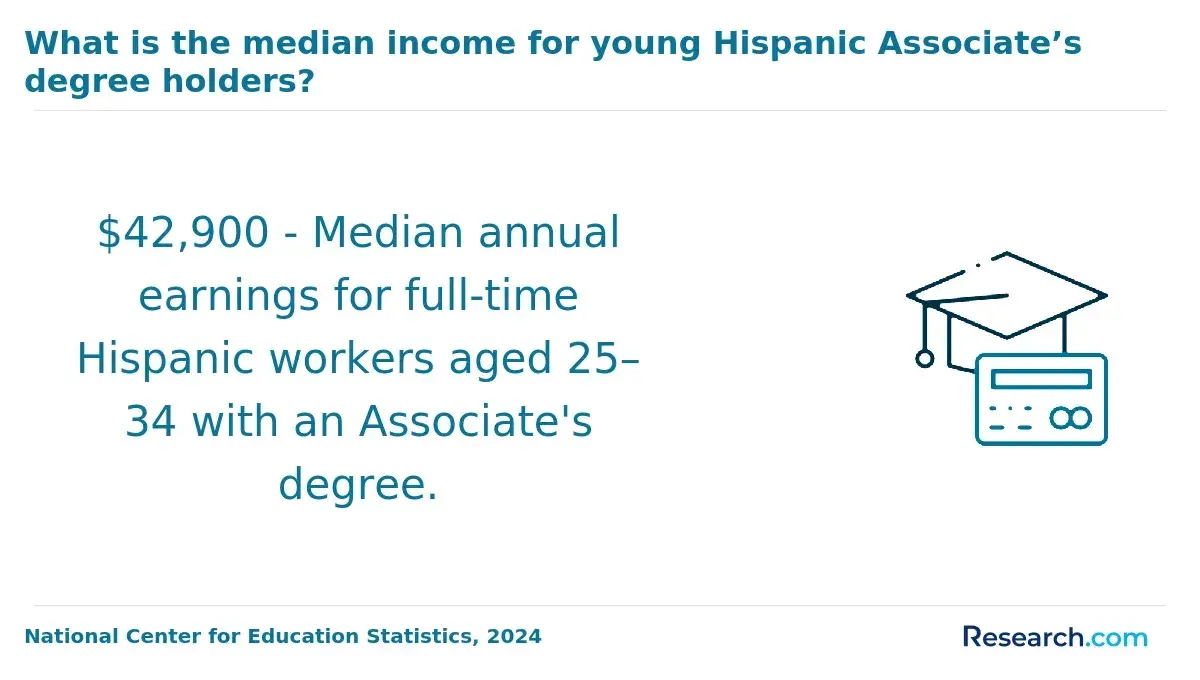
Credentials for property operations careers directly shape employability and career trajectory, with associate degrees or certificates focusing on practical trade skills like maintenance coordination and tenant interaction. These serve well for mid-level building operator roles but typically limit upward mobility without additional qualifications.
In contrast, bachelor's degrees in property management or business with a facilities management focus integrate operational expertise with leadership and financial skills, enabling candidates to manage complex portfolios-including contract negotiation and regulatory compliance-which are critical in larger commercial properties.
Certifications for property management specialization such as the Certified Facility Manager (CFM) or Real Property Administrator (RPA) provide a necessary validation of specialized knowledge and regulatory fluency. These credentials are especially valuable for professionals transitioning from technical trades to management, reinforcing skillsets that degrees may not fully cover. Programs that combine academic instruction with real-world internships or project-based learning consistently result in quicker hiring and better remuneration.
Students must carefully weigh duration against depth: certificates enable speedy entry into operations roles but may stall advancement, while degrees require longer commitment but offer broader career flexibility. Strong employer connections and clear certification pathways differentiate programs by accelerating career momentum within a competitive market.
Practical awareness also demands consideration of salary expectations: mid- to senior-level building operators command between $65,175 and $116,000 annually in North America, with top general managers earning close to $160,000, highlighting tangible returns on specialized training. For those exploring pathways with affordability in mind, exploring online construction management degrees may offer relevant comparative insights into cost-effective program options.
What real estate courses and skills are most important for property operations work?
Proficiency in real estate finance, property management, and landlord-tenant law remains the core skill set driving operational roles in property management careers. Candidates demonstrating fluency in cash flow analysis, budget controls, and compliance with lease agreements directly influence property profitability and regulatory adherence. For example, a property manager handling a mixed-use commercial-residential portfolio must skillfully negotiate varied lease terms while enforcing local building codes.
Operational demands extend to tenant relations and conflict resolution, which are key to reducing vacancy and turnover costs. Experience with property management software like Yardi or RealPage is increasingly expected, as these tools streamline record keeping, maintenance tracking, and financial reporting-accelerating integration into modern workflows.
Given projections of roughly 39,000 annual openings for property, real estate, and community association managers from 2024 to 2034, formal credentialing in real estate principles and property law has become a gatekeeper rather than an option. Accredited programs that integrate compliance, fair housing, and environmental regulations improve workforce readiness and minimize training gaps.
Soft skills-such as leadership and effective communication-carry weight only when paired with operational know-how and regulatory understanding, especially for managing multi-state portfolios or complex assets. Those evaluating property management courses for real estate operations should weigh program relevance to these practical demands carefully.
Professionals considering advanced credentials may also explore doctorate in healthcare administration programs as a parallel path to broaden leadership and organizational competencies applicable beyond traditional property management roles.
How do online real estate programs for property operations compare with campus options?
Employers prioritize multifamily property management candidates with verified onsite experience, a critical factor often lacking in online real estate programs. Despite their scheduling flexibility, online courses usually omit immersive elements such as live property tours, face-to-face mentorship, and real-time networking that campus programs provide. These components are essential for developing crisis management and interpersonal skills needed in complex, portfolio-based operations.
Multifamily property management job listings remain 40-50% above pre-pandemic levels, emphasizing demand for candidates who demonstrate practical, site-based competence. Online students can advance quickly through accelerated terms but frequently miss role-playing or group exercises crucial for compliance and tenant relations mastery.
Conversely, campus-trained students are better equipped to meet employer expectations without requiring supplemental internships. Decision-making should factor in career stage and local job market. For example, a recent graduate pursuing entry-level property management will gain more value from campus programs with strong employer ties, while an experienced leasing agent could benefit from online training alongside active onsite roles to balance career momentum with skill acquisition.
- Campus programs enhance employer connections through direct mentorship and immersive experiences.
- Online programs suit working professionals unable to relocate but impose skill gaps needing external bridging.
- Employers equate onsite certification with readiness for multifamily property operations complexity.
What accreditation and state licensing should you verify for property operations programs?
Accreditation and licensing determine whether property operations programs translate into viable career opportunities or dead ends. Employers consistently seek candidates who have accreditation from organizations like the Appraisal Institute, BOMA, or IREM, ensuring both curriculum relevance and industry standards compliance.
Without verified state licensing-often requiring a real estate broker or property manager license-candidates may face limits on the types of properties they can manage or geographic restrictions. For example, New York enforces a community association manager license, whereas California mandates a real estate license for specific property management functions.
Property managers ignoring these distinctions risk employability gaps, especially in states enforcing strict license prerequisites. Adding complexity, corporate real estate roles now favor advanced credentials connected to operational strategy and portfolio management, often delivering 10-20% higher salaries than traditional property management positions. Candidates must therefore evaluate if programs offer a hybrid of accredited coursework and licensing exam preparation.
Practical advice includes directly consulting state real estate commissions for license validation, verifying program accreditations via recognized registries, and assessing whether coursework aligns with certification pathways that increase earning potential in facility-centric and corporate real estate. The operational marketplace rewards candidates who combine licensure with strategic certifications rather than those relying solely on program completion.
How long do property operations programs take, and what tuition and fees can you expect?
Program durations in property operations reflect significant tradeoffs between rapid workforce entry and comprehensive industry readiness. Shorter certificate programs, lasting approximately 9 to 18 months and requiring 600 to 1,200 contact hours, cater to working adults like maintenance technicians seeking quick supervisory advancement. However, these credentials often limit immediate earning potential and upward mobility without additional education.
Associate degrees extend study to about two years while deepening understanding of property management principles and finance, aligning graduates with building supervision roles that typically command higher salaries. For instance, Insight Global's 2024 analysis shows maintenance supervisor roles earning between $39,800 and $55,000 annually, suggesting employer preference for candidates versed in both operational knowledge and specialized maintenance.
Tuition varies widely: community college certificates usually fall between $3,000 and $7,000, whereas associate degrees range from $8,000 to $15,000, excluding extra fees. Candidates must weigh faster completion against potential debt and slower salary growth. Practical decision-making involves assessing local labor markets and employer expectations, balancing costs with realistic job placement outcomes.
Key considerations include:
- Programs shorter than one year accelerate job placement but may confine initial roles to entry-level wages.
- Longer programs improve credentials but postpone earning capacity and increase financial risk.
- Employers often value combined skills in maintenance and operational management, which longer credentials better provide.
What entry-level and advanced job titles can different property operations specializations lead to?
Entry-level roles in property operations such as Property Management Assistant, Leasing Consultant, and Maintenance Coordinator emphasize tenant interaction, basic property upkeep, and familiarity with leasing workflows. These positions require foundational multitasking skills and adherence to regulatory standards. Graduates from focused programs must prioritize hands-on experience to align with employer demands for reliability and operational competence.
Mid-tier and advanced positions, including Property Manager, Facilities Manager, and Asset Manager, demand leadership, budgeting acumen, and strategic planning, typically after 3-5 years of relevant experience. Professionals who cultivate expertise in digital tools and data analytics gain a competitive edge in salary growth and promotion opportunities.
Specializations in real estate technology and data analytics create distinct career paths, such as Real Estate Software Engineer and Property Operations Data Analyst. According to a 2024 industry employment review on real estate's digital transformation, software engineers in these roles earn between $86,484 and $127,020 annually, a wage premium that signals strong employer interest in automation and IoT integration.
For example, a Facilities Manager utilizing automated maintenance scheduling improves operational efficiency and asset value more than a counterpart using manual methods, directly influencing tenant satisfaction and portfolio performance. This highlights the practical tradeoff students face when choosing between a broad property management education and a tech-specialized path within property operations.
What salary ranges and advancement opportunities exist in property operations careers?
Property operations salaries show a clear stratification tied to role complexity and sector specialization, ranging from about $50,000 for entry-level coordinators to over $110,000 for senior leadership in major markets. Mid-level roles such as regional or asset managers tend to fall between $75,000 and $100,000. This gradient reveals how employer expectations for managing vendor relations, regulatory compliance, and cost optimization increasingly drive compensation.
Specializing in ESG and sustainability within property operations alters this trajectory substantially. Professionals with expertise in energy-efficient upgrades and compliance command salary premiums of 15-25%, reflecting scarce talent pools and tightening regulations. However, this path demands deliberate investment in sector-specific training and often restricts job opportunities to regions with active sustainability mandates.
By contrast, generalist property managers encounter broader hiring opportunities but face slower wage growth and less dynamic advancement. Employers weigh demonstrated leadership through project impact and financial outcomes, compelling professionals to choose between faster advancement with niche ESG skills or steadier, broader operational roles.
For instance, a property manager focused on green technologies will benefit from faster promotion in firms prioritizing ESG goals yet must balance upfront training costs and narrower market demand against longer-term positioning.
How can you choose a reputable real estate school for property operations specialization?
A real estate school's accreditation is fundamental, not merely for credential validation but for linking graduates to licensure and employment eligibility. Accreditation by authoritative entities such as the Council for Higher Education Accreditation or state regulators confirms that a program's curriculum matches industry demands rather than serving as a marketing label.
For professionals targeting specialized markets-Colorado's Mid Mountain or central Los Angeles, where property manager wages exceed the national average of $84,597-selecting a school with established employer connections can materially influence hiring prospects. Key practical factors to assess include structured internships or portfolio projects that mimic real property operations scenarios, enhancing leadership readiness.
Faculty with proven industry experience offer tangible advantages over purely academic instructors by delivering current insights into regulatory compliance, financial controls, and emerging technologies that employers require. Prospective students must weigh logistical aspects: flexible course schedules for working adults and career services with measurable employer engagement are vital.
Transparency in graduate outcomes, particularly employment rates within targeted geographic regions, should outweigh schools' generic claims of guaranteed returns. Aligning educational investment with local market realities helps optimize long-term earnings and career resilience in property operations management roles.
Other Things You Should Know About Real Estate
Focus on programs with curriculum aligned to employer expectations in your target market, emphasizing practical skills like lease administration, compliance, and financial reporting. Programs that incorporate internships or real-world projects provide better employability outcomes than purely theoretical courses. Prioritize schools with strong industry connections since they facilitate job placement and networking stronger than brand name alone.
Certifications like CPM (Certified Property Manager) or RPA (Real Property Administrator) significantly impact advancement, especially for mid-career professionals. They signal specialized expertise that many employers expect beyond a generic degree. However, weigh the cost and time investment against your current experience and the specific niche you want, as not all certifications hold equal value across all real estate sectors.
In 2027, workload diversity in property operations varies by specialization. Asset managers may encounter intense project timelines, while facilities managers often manage ongoing maintenance tasks. Understanding these differences helps professionals choose paths aligning with their preferred work-life balance and career objectives.
Employers generally value practical experience such as internships, part-time property management, or related administrative work over purely formal education at entry-level. A degree without demonstrable applied skills often limits early job offers or advancement speed. Combining a focused program with hands-on experience is the most effective approach to break into competitive property operations roles.
References
- Careers in Real Estate https://www.nar.realtor/membership/careers-in-real-estate
- Property Management Running Costs: $56k Monthly, 6-Month Breakeven; https://financialmodelslab.com/blogs/operating-costs/property-management
- How To Choose an Online Real Estate School | 360training https://www.360training.com/blog/how-to-choose-online-real-estate-school
- What is the highest-paying job in the property sector? - INSEEC https://www.inseec.com/en/guides/career-path-guide/what-is-the-highest-paying-job-in-the-property-sector/
- Top Multifamily Property Management Certifications to Earn https://thelibertygroup.com/top-multifamily-property-management-certifications-to-earn/
- The Ultimate Guide to Property Operations & Maintenance | Re-Leased https://www.re-leased.com/property-operations/ultimate-guide-property-operations-and-maintenance
- What is a Property Manager? - Career Insights | Teal https://www.tealhq.com/career-paths/property-manager
- Asset Management vs Facility Management: What’s the Difference? - Makula https://www.makula.io/blog/asset-management-vs-facility-management
- Top Skills Every Real Estate Agent Needs to Succeed https://keyrealtyschool.com/blog/top-skills-real-estate-agent/
- CourseCareers https://coursecareers.com/blog-posts/15-careers-you-can-start-with-no-experience-or-degree